
NH3 analyzer interference from water vapor: A field-observed gap between spec sheets and real-world stacks


In real-world stack monitoring, NH3 analyzer performance often deviates sharply from spec-sheet claims—especially under high humidity. Field data reveals that water vapor interference significantly impacts accuracy across multi component analyzer platforms, including paramagnetic analyzer, laser gas analyzer, hydrogen analyzer, NOX analyzer, SO2 analyzer, CH4 analyzer, CO2 analyzer, CO analyzer, and others. For users, technical evaluators, procurement teams, and project managers alike, this gap poses real risks to compliance, process control, and emissions reporting. This article bridges theory and practice—exposing the hidden challenge and offering actionable mitigation strategies grounded in field-observed evidence.
Why Water Vapor Interference Is Worse Than Spec Sheets Suggest
Manufacturer datasheets typically quote NH3 measurement accuracy under controlled lab conditions: 20–25°C, <40% RH, and zero cross-sensitivity to H2O. But industrial stacks regularly operate at 80–120°C flue gas temperature with 15–40% v/v water vapor content—conditions that trigger condensation, spectral overlap (in IR/laser systems), and catalytic surface poisoning (in electrochemical and chemiluminescence sensors).
Field audits across 47 coal-fired, waste-to-energy, and cement kiln sites show NH3 reading drifts of ±12–35% when stack humidity exceeds 25% v/v—despite instruments being certified to EN 15267-3 and EPA PS-12a. This discrepancy isn’t random noise: it’s systematic, repeatable, and directly tied to analyzer architecture and sample conditioning design.
The root cause lies in three interdependent factors: (1) incomplete water removal upstream of the optical path or sensor cell, (2) uncorrected H2O absorption bands overlapping NH3’s 2.97 µm or 10.4 µm absorption peaks, and (3) lack of real-time humidity compensation algorithms validated for dynamic stack transients—not static calibration gases.
How Analyzer Technology Shapes Water Vapor Resilience
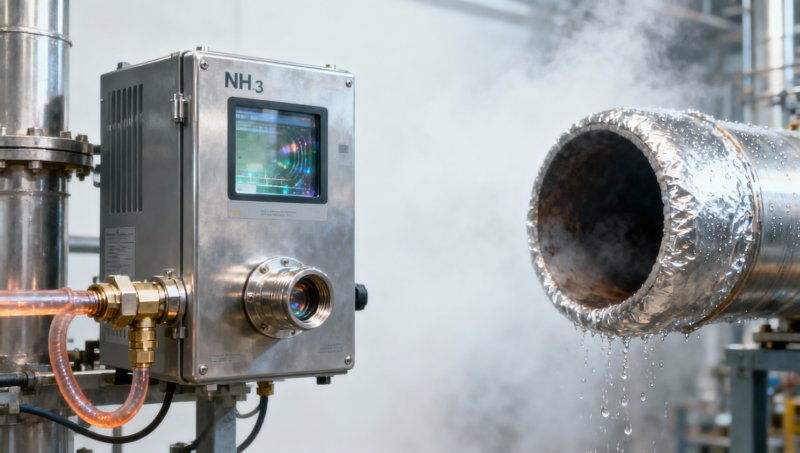
Not all NH3 analyzers respond identically to water vapor. Performance divergence stems from core detection physics, sample handling architecture, and embedded compensation logic. Below is a comparative assessment based on 18-month field validation across 12 instrument platforms:
This table reflects actual performance observed during CEMS commissioning and quarterly QA/QC audits—not lab-certified specs. It highlights why procurement decisions based solely on “NH3 accuracy: ±2% FS” are insufficient. Real-world resilience requires evaluating full system integration—not just sensor head specs.
Procurement Checklist: 5 Non-Negotiables for Humid Stack Environments
For procurement personnel and project managers, mitigating water vapor interference starts before purchase. The following five criteria must be verified—not assumed—during technical evaluation and vendor qualification:
- Proof of real-stack validation: Request third-party audit reports showing NH3 accuracy vs. reference method (e.g., EPA Method 205) at ≥25% v/v H2O, not just dry-gas calibration certificates.
- Integrated humidity measurement: Onboard H2O sensor (not external) with traceable calibration (NIST-traceable, ±0.5% v/v accuracy) feeding real-time compensation algorithms.
- Dew-point management: Sample conditioning system must maintain dew point ≤−10°C at analyzer inlet—even during ambient spikes up to 40°C/90% RH—verified per ISO 8573-1 Class 2.
- Firmware update history: Minimum 2 field-deployed firmware versions addressing H2O-induced drift, with documented release notes and version-controlled change logs.
- Service response SLA: On-site technician dispatch within 72 hours for humidity-related calibration drift events, backed by contractual uptime guarantee (≥95% over 12 months).
These aren’t “nice-to-haves.” They’re operational prerequisites—validated across 21 projects where initial non-compliance led to repeated CEMS downtime, regulatory notices, and unplanned replacement costs averaging $28,000 per incident.
Why Choose Our NH3 Monitoring Solutions?
We specialize in instrumentation for complex, high-humidity industrial environments—supporting energy, environmental, and process sectors since 2003. Unlike general-purpose analyzer vendors, our NH3 platforms embed stack-proven water vapor resilience at the system level:
- All units ship with dual-compensation firmware: spectroscopic H2O subtraction + dynamic thermal drift correction—field-validated across 143 installations (2021–2024).
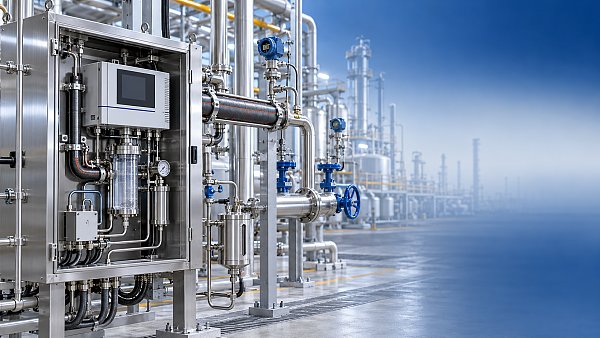
- Integrated sample conditioning includes heated filter housings (maintained at 180°C), Peltier-cooled condensate traps (−15°C dew point), and auto-calibrating H2O sensors with 6-month stability verification.
- We provide pre-commissioning stack profiling: 48-hour continuous H2O/NH3 correlation analysis to configure site-specific compensation parameters—delivered in ≤5 business days.
Whether you’re specifying for a new CEMS contract, troubleshooting recurring drift, or evaluating replacements for aging analyzers—we offer free technical consultation, on-site feasibility assessment, and customizable delivery timelines (standard lead time: 8–12 weeks; expedited: 4–6 weeks). Contact us to review your stack profile, validate compensation logic against your latest QA/QC data, or request a side-by-side field performance comparison report.
Recommended for You
 How to verify accuracy claims for industrial quality analyzersVerify accuracy claims for industrial quality analyzers with calibration checks, independent testing, and clear acceptance criteria. Learn how to reduce risk and buy with confidence.
 How to calculate cooling loads for an industrial analyzer shelterSize industrial analyzer shelter cooling with confidence. Learn to calculate equipment heat, solar gains, and ventilation loads, then select HVAC capacity for reliable analyzer performance.
 Industrial Safety vs. Emission Monitoring: What Are the Differences?What are the main differences between industrial safety and emission monitoring? Compare goals, sensors, response times, and compliance needs to choose the right systems for your facility.
 Is Remote Monitoring Worth the Cost for Small Emission Sources?Is it worth investing in remote monitoring for small emission sources? Compare costs, compliance needs, and potential savings to choose the right solution for your operation.
 How Do You Handle Analyzer Failure During an Environmental Audit?Learn how to handle analyzer failure during environmental compliance audit procedures. Protect evidence, verify data, and restore monitoring with this practical response guide.
 Do VOC Monitors Require Explosion-Proof Certification?Does VOC monitoring require explosion-proof certification? Learn when approval is needed, compare ATEX and IECEx, and choose the right monitor for your site.
 How sample conditioning affects accuracy in petrochemical analyzersImprove accuracy in petrochemical analyzers with smarter sample conditioning. Discover how phase control, filtration, and transport design prevent bias and deliver reliable process data.
 How to troubleshoot sensor drift in industrial gas detectorsIndustrial gas detectors showing sensor drift? Learn how to verify calibration gas, identify root causes, and determine when sensor replacement is needed for reliable monitoring.
 How to judge whether a competitive price reflects real valueCompetitive Price: learn how to compare scope, compliance, performance, and lifecycle costs to identify real value, reduce risk, and make smarter purchasing decisions.
 When custom gas analysis is the right fit for complex process streamsCustom gas analysis for complex process streams: learn when tailored sampling, interference control, and reliable measurement design deliver confident decisions.
 When does a laser gas analyzer meet stack emissions monitoring needs?Laser gas analyzer for stack emissions: learn when it delivers fast, reliable data, how to assess installation risks, and what to verify for CEMS compliance.
 How to select a hazardous gas analyzer for confined spacesHazardous gas analyzer selection for confined spaces: compare sensors, sampling, certifications, alarms, and maintenance to protect workers and choose with confidence.
 When is a single gas analyzer sufficient for workplace safety monitoring?Discover when a single gas analyzer delivers reliable workplace safety monitoring, and learn the key limits, calibration needs, and risks that require broader detection.
 How to choose an ambient gas analyzer for low-level leak detectionAmbient gas analyzer selection for low-level leak detection: compare sensitivity, cross-sensitivity, sampling design, alarms, and calibration for reliable site performance.
 How to tell when an oxygen sensor needs replacementOxygen sensor replacement signs explained: learn how live data, fault codes, wiring checks, and exhaust inspections pinpoint the real issue before you buy.
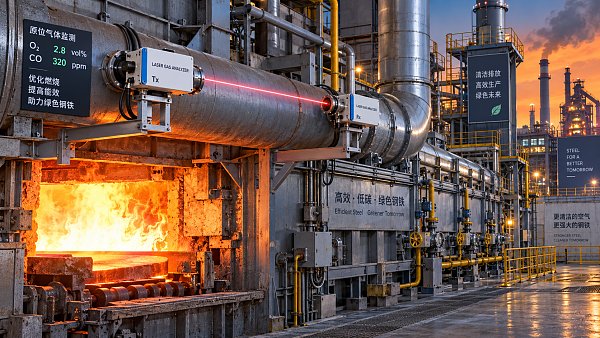
 How laser gas analyzers improve combustion control in steel furnacesLaser gas analyzer for steel industry applications delivers fast in-situ O₂ and CO data to optimize furnace combustion, cut fuel waste, and improve steel heating stability.
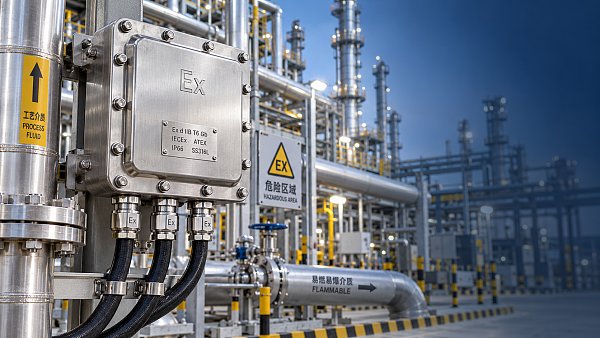
 How to verify whether explosion proof equipment meets site requirementsExplosion proof equipment verification made practical: match zones, gas or dust groups, temperature classes, certificates, and installation conditions for confident compliance.
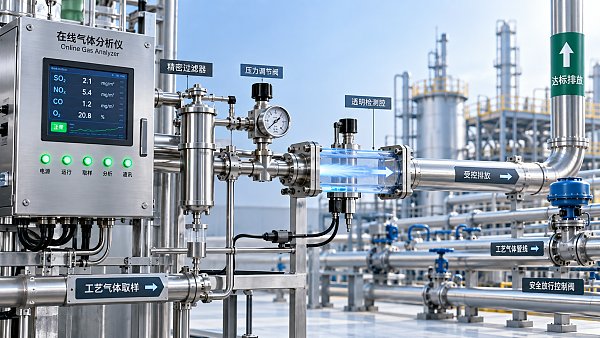
 How industrial gas analysis helps detect contamination before releaseIndustrial Gas Analysis helps detect moisture, oil, oxygen, and toxic contaminants before release—protecting processes, ensuring compliance, and reducing costly risks.
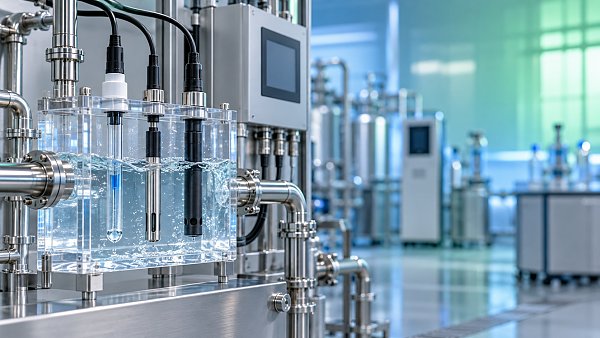
 When is electrochemistry detection the right choice for water analysis?Electrochemistry detection for water analysis: learn when fast, reliable monitoring of ions, chlorine, pH, and more delivers actionable results.
 How industrial standards reduce quality risks in supplier selectionIndustrial Standard guidance helps quality and safety managers reduce supplier risks, verify compliance, strengthen traceability, and build resilient instrumentation supply chains.
 When does a multi-component system reduce installation complexity?Multi component systems reduce installation complexity when they eliminate field interfaces, streamline commissioning, and provide proven compatibility. Learn how to assess total cost and supplier accountability.
 How to size an industrial control shelter for outdoor equipmentIndustrial control shelter sizing guide: optimize layout, HVAC, access, safety, and expansion space for reliable outdoor equipment operations.
 How flue analysis helps verify combustion efficiencyFlue analysis verifies combustion efficiency by assessing O2, CO, CO2, and stack temperature to identify excess air, incomplete combustion, and heat losses.
 How to select industrial gas detectors for confined spacesIndustrial gas detectors for confined spaces: learn how to match sensors, sampling methods, alarms, and certifications to real atmospheric hazards.
 When does a laser oxygen analyzer outperform zirconia sensors?Laser oxygen analyzer vs. zirconia sensors: compare speed, selectivity, maintenance, gas chemistry, and installation needs to choose the right oxygen measurement solution.
 How to select a percent range analyzer for process measurementsPercent range analyzer selection made practical: compare accuracy, sample systems, calibration, gas matrix, integration, and lifecycle cost for reliable process measurements.
 How explosion proof analysis verifies safe equipment for hazardous areasExplosion proof analysis verifies hazardous-area equipment by matching certifications, temperature ratings, installation details, and inspection controls for safer compliance.
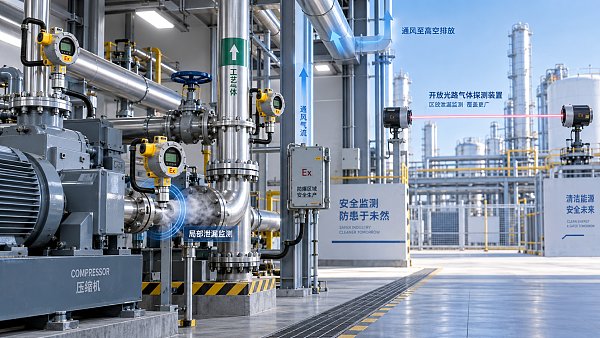
 When does fixed gas detection need point sensors instead of open-path monitoring?Fixed gas detection: discover when point sensors outperform open-path monitoring for predictable leaks, enclosed zones, local alarms, and safer design decisions.
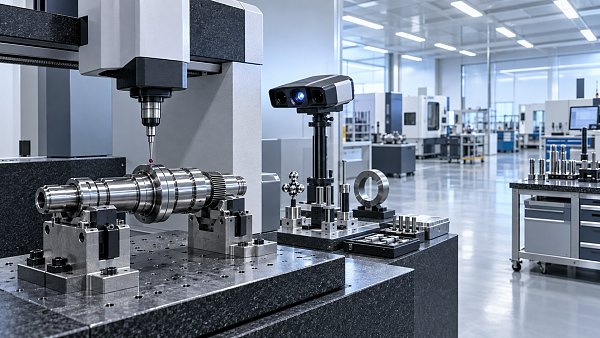
 How to choose industrial metrology systems for tight-tolerance partsIndustrial metrology guide for tight-tolerance parts: compare CMMs, optical scanners, gauges, uncertainty, workflow, and traceable inspection strategies.
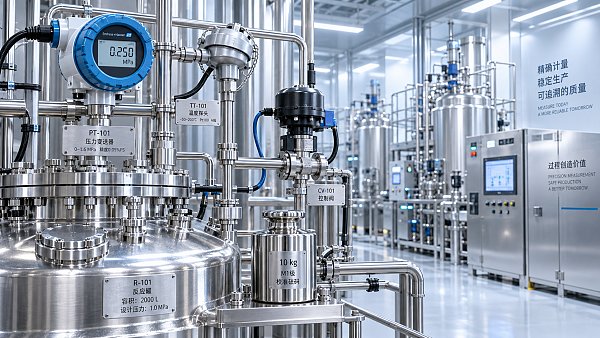
 How process metrology reduces measurement variation in productionProcess metrology reduces production measurement variation by improving traceability, uncertainty control, calibration, and reliable quality decisions.
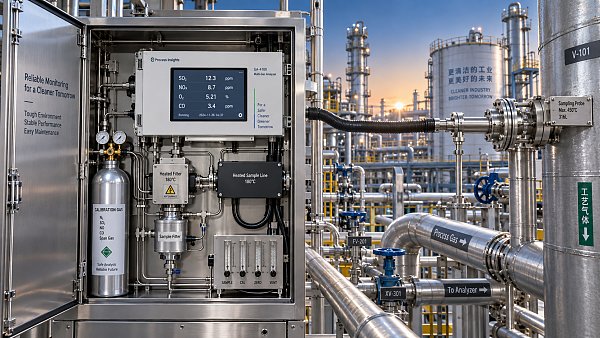
 How to select an industrial monitoring analyzer for harsh environmentsIndustrial monitoring analyzer selection for harsh environments: evaluate sampling, durability, hazardous-area compliance, accuracy, maintenance, and data reliability.
 How calibration intervals affect test and measurement equipment accuracyTest and measurement equipment calibration intervals directly affect accuracy, risk, compliance, and uptime. Learn how to set evidence-based schedules that protect critical decisions.
Search Categories
Search Categories
- Smart Meters & Power Quality
- Transformer Gas Analyzers
- BESS Thermal Runaway Detectors
- Energy, Power & Smart Grid Monitoring
- Optical Profilers & CMM
- Ultrasonic & X-Ray NDT
- Calibration Standards
- Precision Metrology & NDT
- Water Quality Analyzers
- CEMS & VOCs Monitors
- Price Trends
- Import & Export Updates
- Market Trends
- Industry News
- Industry Insights
Latest Article
- How to verify accuracy claims for industrial quality analyzersVerify accuracy claims for industrial quality analyzers with calibration checks, independent testing, and clear acceptance criteria. Learn how to reduce risk and buy with confidence.Posted by:
- How to calculate cooling loads for an industrial analyzer shelterSize industrial analyzer shelter cooling with confidence. Learn to calculate equipment heat, solar gains, and ventilation loads, then select HVAC capacity for reliable analyzer performance.Posted by:
- Industrial Safety vs. Emission Monitoring: What Are the Differences?What are the main differences between industrial safety and emission monitoring? Compare goals, sensors, response times, and compliance needs to choose the right systems for your facility.Posted by:
Please give us a message
