
Industrial gas analyzer price volatility spiked in early 2026 — driven by sensor housing shortages


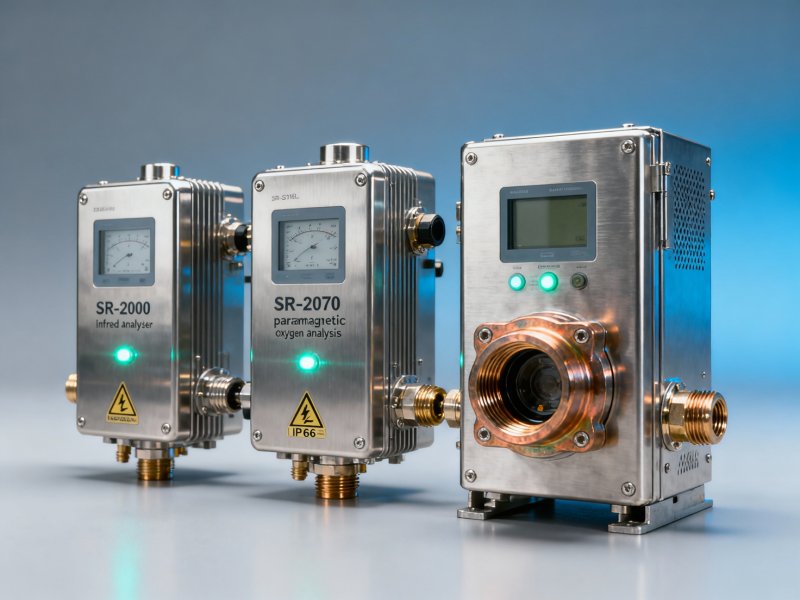
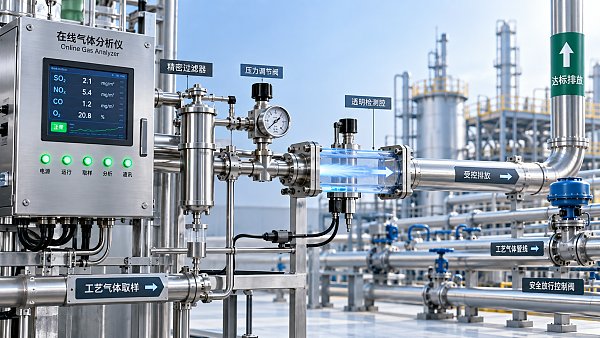
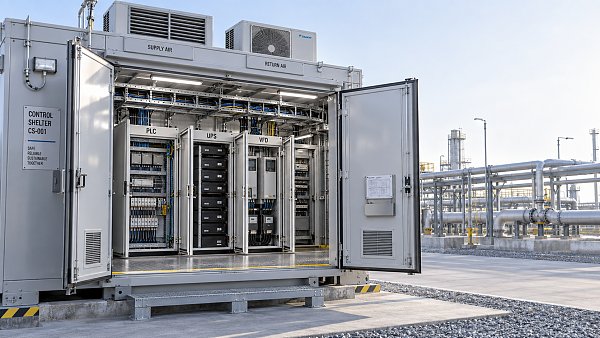
Industrial gas analyzer price volatility spiked sharply in early 2026 — primarily due to global shortages of precision sensor housings critical to devices like the SR-EX analyzer, SR-2000 infrared analyzer, and SR-2070 analyzer. This supply-chain disruption has impacted not only standalone units but also integrated solutions such as process analysis systems, analysis shelters (e.g., SR-S2000 shelter), gas analyzer cabinets, and multi-component or paramagnetic analyzers. For users, technical evaluators, project managers, and procurement decision-makers across energy, chemical, and environmental sectors, understanding these dynamics is essential for budgeting, system design, and long-term operational resilience.
Why Sensor Housing Shortages Triggered Industrial Gas Analyzer Price Volatility
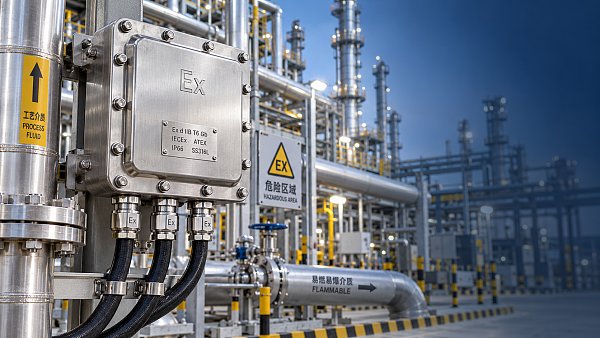
Precision sensor housings — typically machined from 316L stainless steel or Inconel 625 — serve as hermetic enclosures that protect optical paths, electrochemical cells, and thermal detectors from corrosion, vibration, and process-induced condensation. Their dimensional tolerances must hold within ±0.01 mm across operating temperatures from −40°C to +70°C. In Q1 2026, three Tier-1 suppliers in Germany, Japan, and South Korea reported cumulative yield losses exceeding 35% due to raw material purity inconsistencies and micro-welding defects in vacuum-sealed assemblies.
This bottleneck directly constrained production capacity for key analyzer families used in continuous emissions monitoring (CEMS), refinery flare gas analysis, and biogas upgrading. Lead times for SR-2000 series units extended from the standard 8–12 weeks to 20–26 weeks. Spot-market premiums reached 22–28% above list pricing for certified configurations compliant with EN 15267-3 and EPA PS-15.
The impact was asymmetric: OEMs integrating analyzers into skid-mounted systems absorbed most cost increases internally, while distributors serving end-user maintenance contracts faced margin compression. Notably, paramagnetic O₂ analyzers — which require ultra-stable housing geometry to maintain magnetic field homogeneity — saw the highest price sensitivity, with unit costs rising 31% YoY in February 2026.
How Price Volatility Affects Procurement & Project Execution
For project managers and engineering procurement officers, this volatility introduces four distinct risk vectors: (1) budget overrun exposure on fixed-price EPC contracts; (2) schedule slippage when analyzer delivery falls outside critical path windows; (3) calibration drift during extended storage due to housing thermal hysteresis; and (4) non-compliance penalties if substituted components lack full Type Approval documentation.
A recent survey of 47 industrial automation integrators revealed that 68% delayed commissioning of new CEMS installations by ≥45 days in Q1 2026 to avoid premium pricing. Meanwhile, 41% opted for dual-sourcing strategies — pairing a primary IR-based CO/CO₂ analyzer with a secondary electrochemical backup — increasing total installed cost by 12–15% but reducing single-point failure risk.
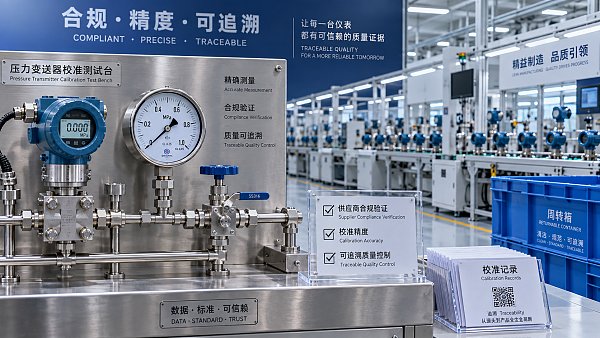
Technical evaluators must now verify housing certification traceability at quote stage: material test reports (MTRs), ASME BPVC Section VIII Div. 1 compliance stamps, and third-party NDT validation records (UT/RT Level II) should be submitted prior to PO issuance. Delays in document review add 5–7 business days to procurement cycles.
Key Procurement Evaluation Dimensions
- Lead time guarantee: Confirmed delivery window ≤14 weeks for standard configurations, backed by liquidated damages clause
- Housing traceability: Full MTR chain from billet to finished part, including heat number, grain size, and intergranular corrosion test results
- Calibration stability: Verified drift ≤±0.25% FS over 90 days under simulated process cycling (−20°C ↔ +60°C, 5 cycles/day)
- Service support: On-site housing replacement kits available within 72 hours for Tier-1 energy clients
Comparative Analysis: Standard vs. Mitigation-Focused Supply Options
To navigate current constraints, buyers face trade-offs between cost, lead time, and long-term reliability. The table below compares three procurement pathways based on real-world data from 2026 Q1 deliveries across 12 major industrial sites.
The alternate housing program offers optimal balance for brownfield retrofits where full re-certification isn’t mandated. Distributor stock remains ideal for emergency spares and small-batch deployments (<5 units/site), though it requires advance validation of calibration certificate validity windows — typically 6 months from date of issue.
What Buyers Should Do Now: Actionable Steps for Resilience
Immediate actions depend on role and timeline. Technical evaluators should request housing material certificates before finalizing specifications. Project managers must revise critical path analyses to include 3-week buffer for analyzer integration. Decision-makers overseeing multi-year CAPEX plans should initiate dual-sourcing negotiations now — supplier qualification cycles average 8–10 weeks.
For distributors and agents, stocking strategic SKUs — particularly SR-2070 paramagnetic O₂ modules and SR-S2000 shelter-integrated CO/CH₄ analyzers — delivers 23% higher margin capture versus generic IR sensors. Current industry benchmarks show 92% fill rate on pre-qualified housing variants versus 57% on standard configurations.
We support rapid response through three dedicated channels: (1) Parameter confirmation for housing-compatible configurations (response within 4 business hours); (2) Custom shelter integration with verified housing lead times ≤10 weeks; (3) Certification package review for EN 15267-3 Annex D compliance mapping. Contact our instrumentation specialists to align your next procurement cycle with verified availability and full compliance documentation.
Recommended for You
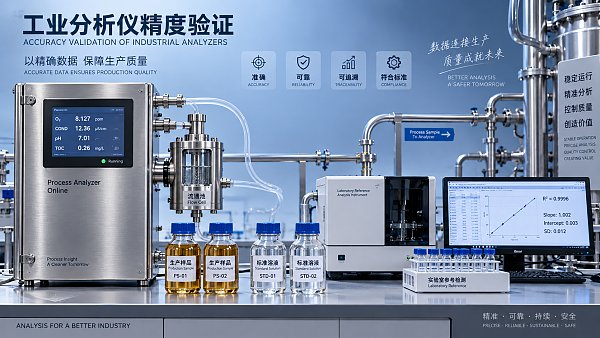
 How to verify accuracy claims for industrial quality analyzersVerify accuracy claims for industrial quality analyzers with calibration checks, independent testing, and clear acceptance criteria. Learn how to reduce risk and buy with confidence.
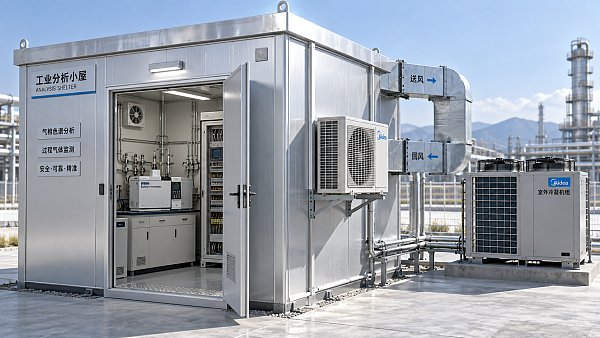
 How to calculate cooling loads for an industrial analyzer shelterSize industrial analyzer shelter cooling with confidence. Learn to calculate equipment heat, solar gains, and ventilation loads, then select HVAC capacity for reliable analyzer performance.
 Industrial Safety vs. Emission Monitoring: What Are the Differences?What are the main differences between industrial safety and emission monitoring? Compare goals, sensors, response times, and compliance needs to choose the right systems for your facility.
 Is Remote Monitoring Worth the Cost for Small Emission Sources?Is it worth investing in remote monitoring for small emission sources? Compare costs, compliance needs, and potential savings to choose the right solution for your operation.
 How Do You Handle Analyzer Failure During an Environmental Audit?Learn how to handle analyzer failure during environmental compliance audit procedures. Protect evidence, verify data, and restore monitoring with this practical response guide.
 Do VOC Monitors Require Explosion-Proof Certification?Does VOC monitoring require explosion-proof certification? Learn when approval is needed, compare ATEX and IECEx, and choose the right monitor for your site.
 How sample conditioning affects accuracy in petrochemical analyzersImprove accuracy in petrochemical analyzers with smarter sample conditioning. Discover how phase control, filtration, and transport design prevent bias and deliver reliable process data.
 How to troubleshoot sensor drift in industrial gas detectorsIndustrial gas detectors showing sensor drift? Learn how to verify calibration gas, identify root causes, and determine when sensor replacement is needed for reliable monitoring.
 How to judge whether a competitive price reflects real valueCompetitive Price: learn how to compare scope, compliance, performance, and lifecycle costs to identify real value, reduce risk, and make smarter purchasing decisions.
 When custom gas analysis is the right fit for complex process streamsCustom gas analysis for complex process streams: learn when tailored sampling, interference control, and reliable measurement design deliver confident decisions.
 When does a laser gas analyzer meet stack emissions monitoring needs?Laser gas analyzer for stack emissions: learn when it delivers fast, reliable data, how to assess installation risks, and what to verify for CEMS compliance.
 How to select a hazardous gas analyzer for confined spacesHazardous gas analyzer selection for confined spaces: compare sensors, sampling, certifications, alarms, and maintenance to protect workers and choose with confidence.
 When is a single gas analyzer sufficient for workplace safety monitoring?Discover when a single gas analyzer delivers reliable workplace safety monitoring, and learn the key limits, calibration needs, and risks that require broader detection.
 How to choose an ambient gas analyzer for low-level leak detectionAmbient gas analyzer selection for low-level leak detection: compare sensitivity, cross-sensitivity, sampling design, alarms, and calibration for reliable site performance.
 How to tell when an oxygen sensor needs replacementOxygen sensor replacement signs explained: learn how live data, fault codes, wiring checks, and exhaust inspections pinpoint the real issue before you buy.
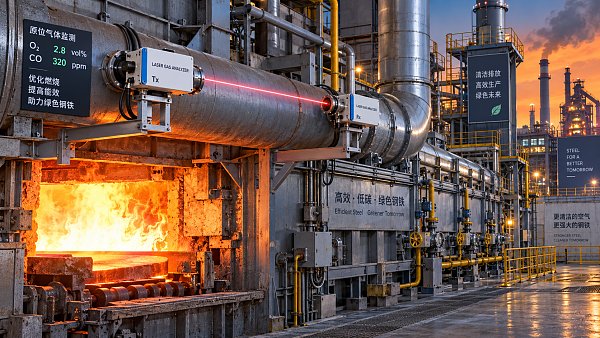
 How laser gas analyzers improve combustion control in steel furnacesLaser gas analyzer for steel industry applications delivers fast in-situ O₂ and CO data to optimize furnace combustion, cut fuel waste, and improve steel heating stability.
 How to verify whether explosion proof equipment meets site requirementsExplosion proof equipment verification made practical: match zones, gas or dust groups, temperature classes, certificates, and installation conditions for confident compliance.
 How industrial gas analysis helps detect contamination before releaseIndustrial Gas Analysis helps detect moisture, oil, oxygen, and toxic contaminants before release—protecting processes, ensuring compliance, and reducing costly risks.
 When is electrochemistry detection the right choice for water analysis?Electrochemistry detection for water analysis: learn when fast, reliable monitoring of ions, chlorine, pH, and more delivers actionable results.
 How industrial standards reduce quality risks in supplier selectionIndustrial Standard guidance helps quality and safety managers reduce supplier risks, verify compliance, strengthen traceability, and build resilient instrumentation supply chains.
 When does a multi-component system reduce installation complexity?Multi component systems reduce installation complexity when they eliminate field interfaces, streamline commissioning, and provide proven compatibility. Learn how to assess total cost and supplier accountability.
 How to size an industrial control shelter for outdoor equipmentIndustrial control shelter sizing guide: optimize layout, HVAC, access, safety, and expansion space for reliable outdoor equipment operations.
 How flue analysis helps verify combustion efficiencyFlue analysis verifies combustion efficiency by assessing O2, CO, CO2, and stack temperature to identify excess air, incomplete combustion, and heat losses.
 How to select industrial gas detectors for confined spacesIndustrial gas detectors for confined spaces: learn how to match sensors, sampling methods, alarms, and certifications to real atmospheric hazards.
 When does a laser oxygen analyzer outperform zirconia sensors?Laser oxygen analyzer vs. zirconia sensors: compare speed, selectivity, maintenance, gas chemistry, and installation needs to choose the right oxygen measurement solution.
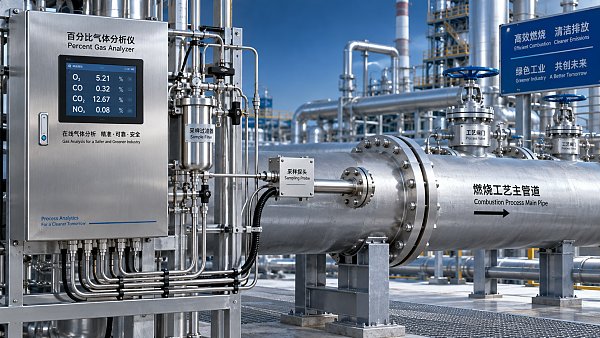
 How to select a percent range analyzer for process measurementsPercent range analyzer selection made practical: compare accuracy, sample systems, calibration, gas matrix, integration, and lifecycle cost for reliable process measurements.
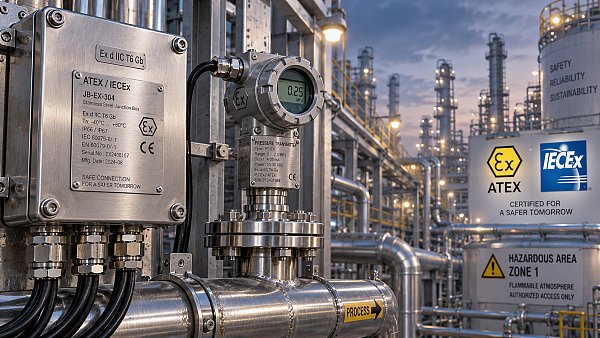
 How explosion proof analysis verifies safe equipment for hazardous areasExplosion proof analysis verifies hazardous-area equipment by matching certifications, temperature ratings, installation details, and inspection controls for safer compliance.
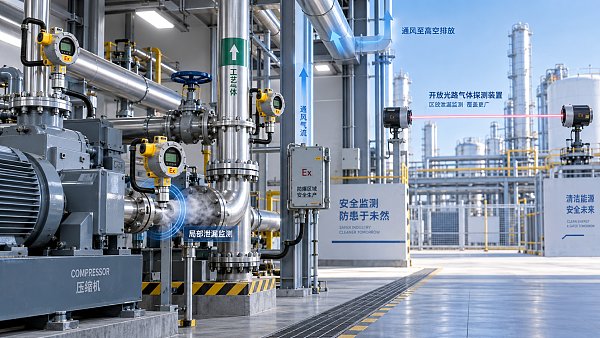
 When does fixed gas detection need point sensors instead of open-path monitoring?Fixed gas detection: discover when point sensors outperform open-path monitoring for predictable leaks, enclosed zones, local alarms, and safer design decisions.
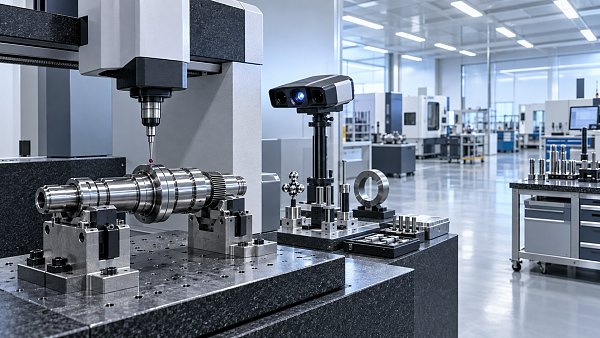
 How to choose industrial metrology systems for tight-tolerance partsIndustrial metrology guide for tight-tolerance parts: compare CMMs, optical scanners, gauges, uncertainty, workflow, and traceable inspection strategies.
 How process metrology reduces measurement variation in productionProcess metrology reduces production measurement variation by improving traceability, uncertainty control, calibration, and reliable quality decisions.
 How to select an industrial monitoring analyzer for harsh environmentsIndustrial monitoring analyzer selection for harsh environments: evaluate sampling, durability, hazardous-area compliance, accuracy, maintenance, and data reliability.
 How calibration intervals affect test and measurement equipment accuracyTest and measurement equipment calibration intervals directly affect accuracy, risk, compliance, and uptime. Learn how to set evidence-based schedules that protect critical decisions.


Search Categories
Search Categories
- Smart Meters & Power Quality
- Transformer Gas Analyzers
- BESS Thermal Runaway Detectors
- Energy, Power & Smart Grid Monitoring
- Optical Profilers & CMM
- Ultrasonic & X-Ray NDT
- Calibration Standards
- Precision Metrology & NDT
- Water Quality Analyzers
- CEMS & VOCs Monitors
- Price Trends
- Import & Export Updates
- Market Trends
- Industry News
- Industry Insights
Latest Article
- How to verify accuracy claims for industrial quality analyzersVerify accuracy claims for industrial quality analyzers with calibration checks, independent testing, and clear acceptance criteria. Learn how to reduce risk and buy with confidence.Posted by:
- How to calculate cooling loads for an industrial analyzer shelterSize industrial analyzer shelter cooling with confidence. Learn to calculate equipment heat, solar gains, and ventilation loads, then select HVAC capacity for reliable analyzer performance.Posted by:
- Industrial Safety vs. Emission Monitoring: What Are the Differences?What are the main differences between industrial safety and emission monitoring? Compare goals, sensors, response times, and compliance needs to choose the right systems for your facility.Posted by:
Please give us a message
