What drives environmental compliance continuous monitoring setup cost?


Environmental compliance continuous monitoring setup cost is rarely determined by the analyzer cabinet alone. For financial approvers, that distinction matters. A proposal may appear straightforward—purchase a CEMS, install an online water quality analyzer, connect it to a reporting platform—but the final capital request often expands once sampling design, site construction, hazardous-area requirements, data architecture, certification, and service obligations are properly defined.
The difficult part is not simply finding the lowest equipment quotation. It is deciding which elements are genuinely necessary for defensible compliance, which costs are being pushed into later change orders, and where an apparently cheaper configuration creates recurring operational risk. In industrial plants, power facilities, waste treatment sites, chemical operations, laboratories, and energy infrastructure, continuous monitoring is an operating system around a measurement point—not a standalone instrument purchase.
The equipment price is only one layer of the project
A useful budget separates the project into five cost layers: measurement hardware, sample or process interface, installation and controls engineering, data and reporting infrastructure, and lifecycle assurance. When these layers are bundled into one “monitoring package” line item, finance teams lose visibility into what is fixed, what is conditional, and what could grow after site surveys.
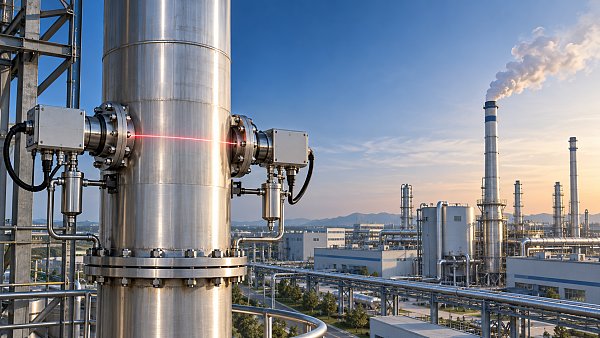
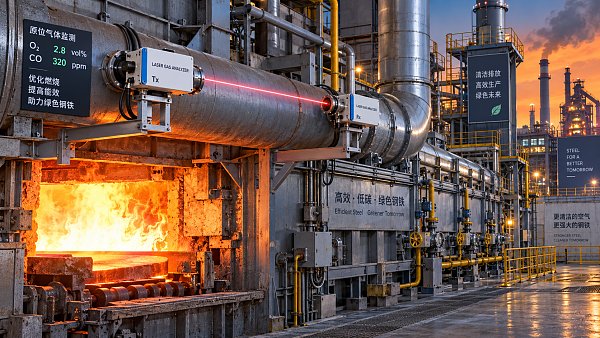
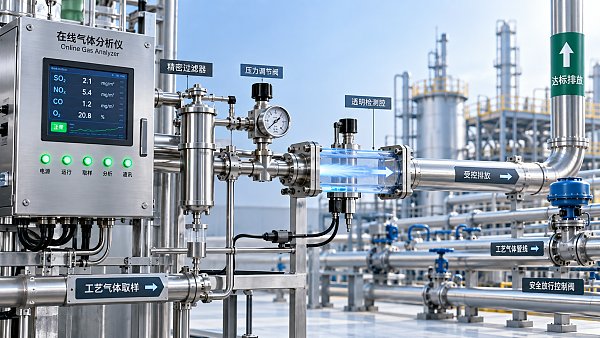
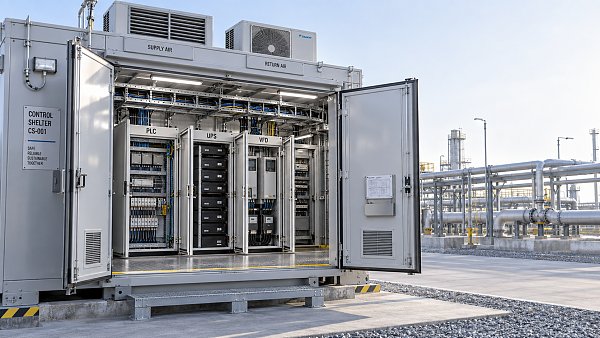
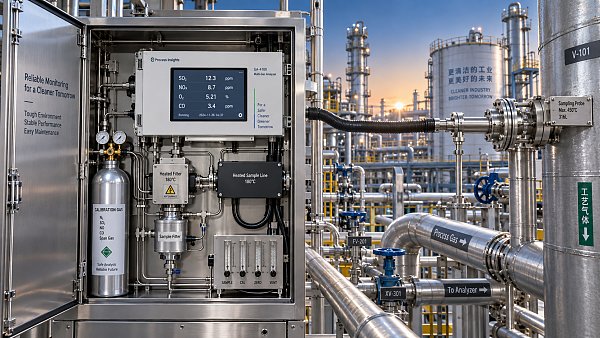
For stack emissions, the analyzer itself may measure gases, opacity, particulate matter, flow, moisture, oxygen, or other parameters depending on the permit and process. Yet the analyzer is only as reliable as the sample reaching it. Heated probes, sample lines, filtration, conditioning systems, shelters, calibration gas arrangements, and purge air can materially change the installed cost. A direct in-situ configuration can avoid some extractive sampling components, but it may introduce different requirements around mounting, access, alignment, temperature exposure, and maintenance.
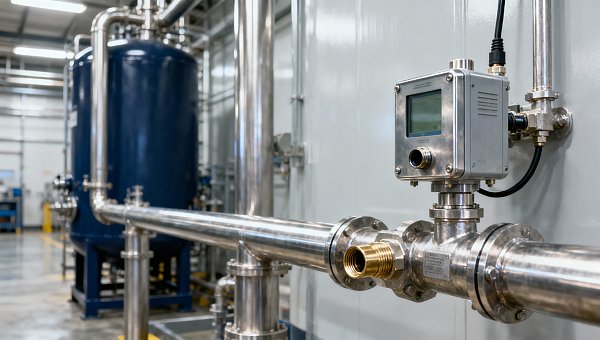
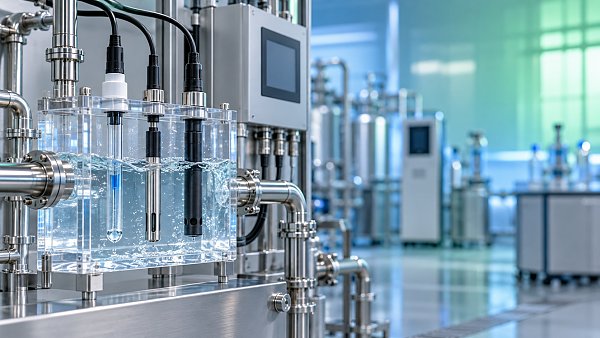
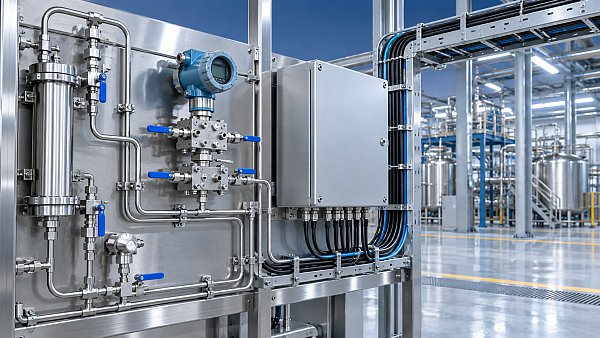
The same principle applies to online water monitoring. An analyzer for pH, conductivity, turbidity, dissolved oxygen, residual chlorine, COD-related parameters, ammonia, or other water-quality indicators may require a sampling panel, filtration, flow control, cleaning arrangements, reagent handling, drainage, frost protection, and a representative sampling location. In wastewater applications especially, “cheap sensor, difficult sample” is a familiar source of budget disappointment.
A quote that excludes site piping, structural works, electrical distribution, communications, or shelter works is not necessarily misleading. It may simply be incomplete. The financial question is whether those exclusions have been assigned to a credible owner and budget line.
The process environment drives more cost than many approvals expect
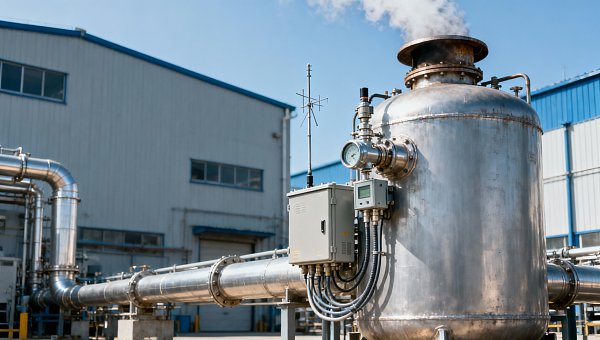
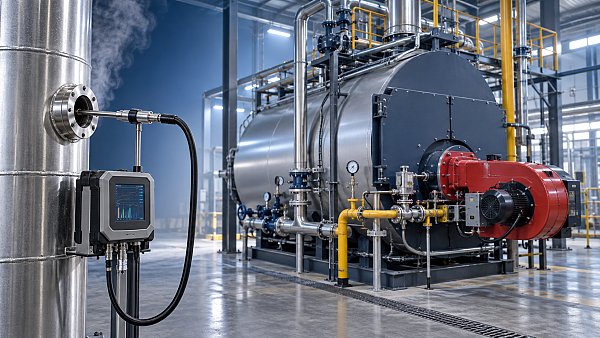
Environmental monitoring equipment is installed where conditions are often unfriendly: hot flue gas, corrosive moisture, dust-laden ducts, vibration, outdoor temperature swings, poor access, unstable power, and variable process loads. The cost of the same measurement principle can differ sharply between a clean utility stack and a process exhaust stream containing high particulate loading, condensable compounds, or aggressive gases.
A technically valid monitoring point must be representative of the process and physically serviceable. If the designated stack location requires scaffolding, a new platform, reinforced supports, or safe access for calibration and maintenance, civil and mechanical work may exceed initial expectations. In a water installation, a probe located in a stagnant channel or poorly mixed tank can produce data that is precise but not meaningful. Relocating the point later is far more expensive than resolving representativeness during design.
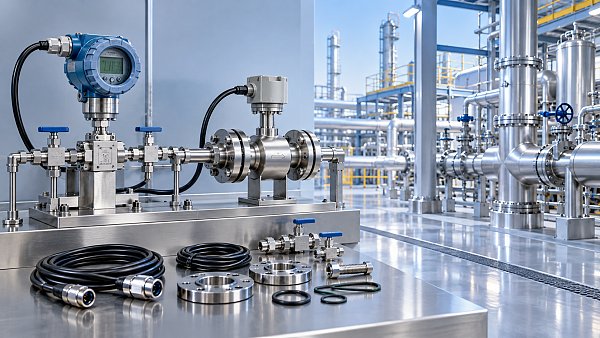
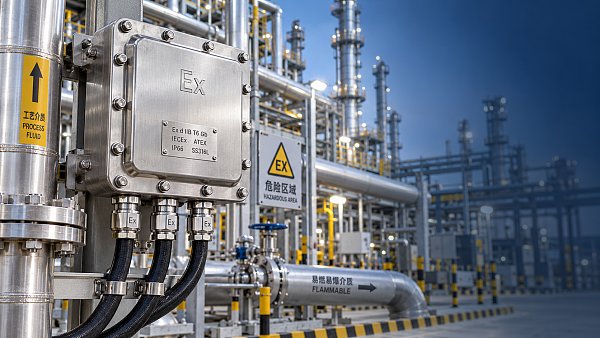
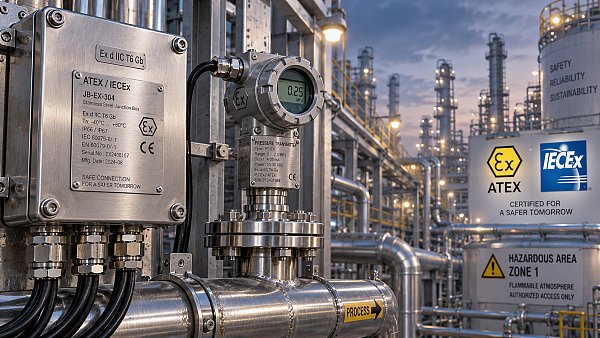
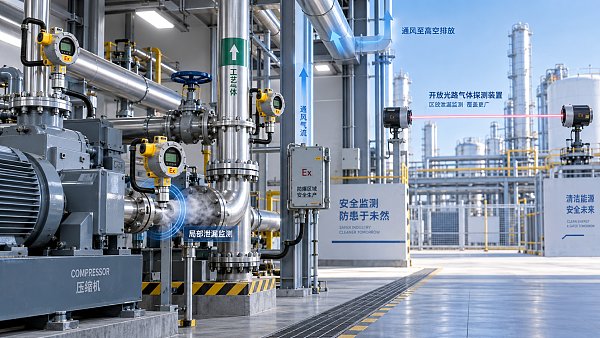
Hazardous-area classification is another budget separator. Where equipment is installed in locations subject to ATEX or IECEx requirements, the project may need appropriately certified devices, enclosures, cable glands, barriers, installation practices, and inspection documentation. Not every environmental monitoring site has this requirement, but where it applies, it should be identified before comparing suppliers. A standard enclosure substituted into a classified area is not a saving; it is a compliance and safety exposure.
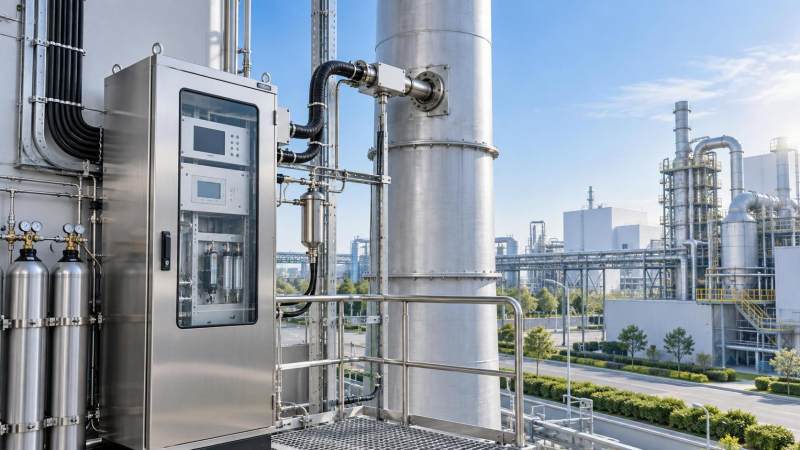
Sampling and conditioning are often the hidden capital item
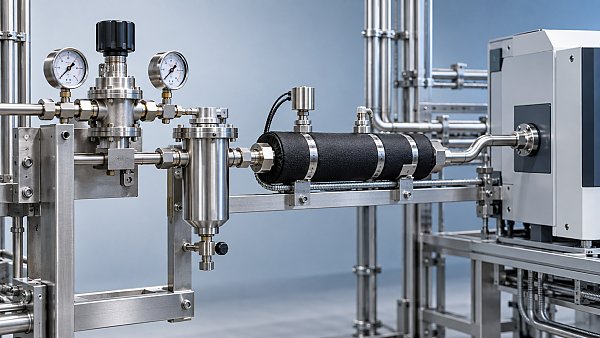
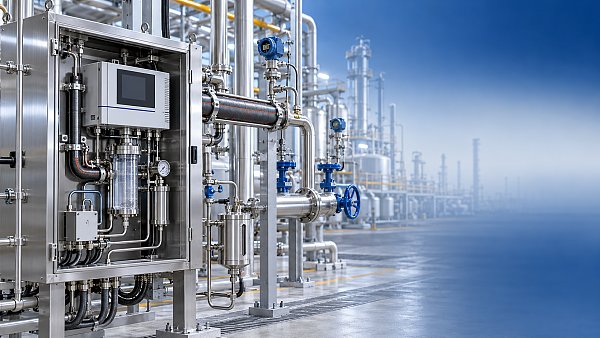
Finance teams frequently receive proposals that compare analyzer models but do not compare sample-system scope. That can produce a distorted procurement decision. In extractive emissions monitoring, the sample path may need to preserve the components being measured while removing contaminants that would damage or interfere with the analyzer. Temperature control, moisture management, filters, pumps, pressure regulation, and material compatibility all matter.
The engineering trade-off is practical. A more robust sample conditioning arrangement may cost more at commissioning but reduce analyzer fouling, drift, and emergency callouts later. Conversely, an overly complex system can create more consumables and failure points than the application needs. The right choice depends on the gas matrix, operating temperature, particulate burden, measurement method, required availability, and local reporting rules.
For online liquid monitoring, sample preparation can be even more decisive. Suspended solids, oil, biofouling, bubbles, pressure variation, and changing flow conditions can affect sensor performance. A project team should establish whether the proposed installation is an immersion measurement, bypass loop, or conditioned sample system. These are not interchangeable approaches, and their maintenance profile differs substantially.
Integration costs rise when data must be trusted, not merely displayed
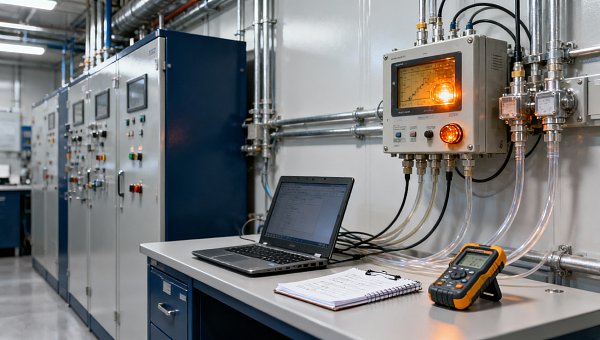
A monitor with a local screen is not automatically a compliance monitoring system. Environmental data may need to move into a plant PLC or DCS, historian, supervisory platform, environmental reporting application, or regulator-facing interface. Each handoff introduces engineering work: signal mapping, protocol selection, timestamp alignment, alarm logic, user access, cybersecurity controls, data retention, and exception handling.
The financial impact becomes clearer when the project asks basic operational questions. What happens when communications fail? Is missing data flagged, estimated, or manually reconciled? Who can change analyzer configuration? Are calibration events and maintenance periods recorded in a way that supports later review? A dashboard can look polished while leaving these governance questions unresolved.
For larger sites, integration may also involve redundant power, uninterruptible power supply arrangements, network segmentation, remote diagnostics, and central monitoring across multiple assets. These additions are sensible in some environments, but they should be justified by regulatory obligation, operational risk, or the value of avoiding data loss—not added by default because they sound advanced.
Compliance scope determines the true specification
No financial approval should rely only on a generic statement that the system is “compliant.” Compliance is jurisdiction- and permit-specific. Measurement parameters, averaging periods, quality assurance procedures, calibration frequency, reporting format, approved methods, data availability expectations, and acceptance testing can all vary by location and facility type.
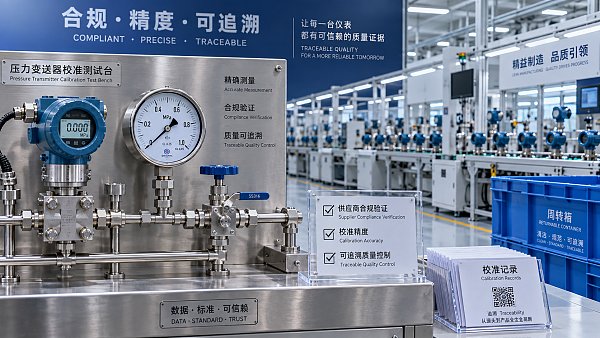
This is where early technical validation saves money. If a project needs performance verification by an accredited laboratory, calibration traceability, or testing associated with ISO/IEC 17025 practices, those requirements should be costed in the project plan. The standard itself does not automatically apply to every installation, but the need for recognized calibration and verification evidence is common in regulated measurement environments.
There is also a difference between an instrument capable of measuring a parameter and a complete arrangement accepted for a specific regulatory purpose. Procurement teams should ask suppliers to distinguish clearly between equipment capability, declared performance documentation, commissioning support, and any formal approval obligations that remain with the site owner or local contractor.
Commissioning is not an administrative afterthought
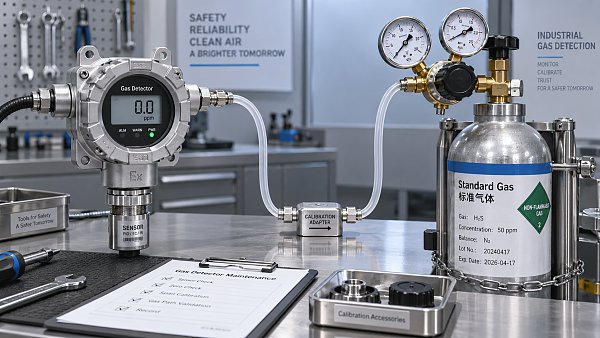
A system can be mechanically installed yet still be unready for compliance use. Commissioning may include loop checks, analyzer setup, zero and span checks, sample-flow verification, alarm tests, communications checks, data validation, operator training, and documented handover. Depending on the project and local requirements, it may also involve comparative testing or performance demonstrations.
The cost driver is not only labor days. Delays can arise when utilities are unavailable, the process cannot be placed in a suitable operating state, access permits are restricted, or the responsible parties disagree on acceptance criteria. A finance-ready budget should identify a commissioning allowance and define who bears the cost of repeat visits if site readiness is delayed.
This is one reason experienced buyers prefer a responsibility matrix. It should make clear who supplies power, compressed air, calibration gases where applicable, drain connections, network access, lifting equipment, scaffold access, process shutdown windows, and operator attendance. Ambiguity in these items often turns into expensive variation orders.
The operating budget deserves the same scrutiny as the capital request
The environmental compliance continuous monitoring setup cost should be evaluated alongside its expected annual ownership cost. Continuous systems need planned attention: filter changes, cleaning, reagents for certain wet-chemistry analyzers, calibration materials, replacement sensors, pump maintenance, software support, periodic inspection, and technical labor. A sophisticated analyzer can become a poor financial decision if the site lacks the skills, response time, or spare-parts pathway required to keep it operating.
There is no universal rule that an outsourced service agreement is cheaper than an in-house model. A remote asset with infrequent technician access may benefit from a structured service arrangement and local spare holding. A large facility with an established instrument team may reasonably keep routine maintenance in-house while retaining specialist support for major repairs and verification. The decision should reflect asset criticality and actual maintenance capability, not just the first-year service price.
How to compare bids without rewarding omissions
The most reliable comparison is a normalized scope review rather than a simple total-price ranking. Ask every bidder to state what is included, excluded, assumed, supplied by others, and priced as optional. Require separate lines for instruments, sample systems, panels or shelters, field installation, control integration, software, commissioning, training, spares, and annual service. If one bidder includes all of these while another quotes only analyzer hardware, the lower figure says little about the likely project cost.
Global sourcing adds another layer. Freight, import duties, local electrical codes, language support, field-service coverage, spare lead times, and availability of qualified integrators can change the value of an overseas offer. Supplier research should look beyond brochure specifications toward installed-base support, document quality, component traceability, and the practicality of obtaining service in the operating region.
Platforms such as Global Instrument Hub are useful in this stage because the purchase decision spans instrumentation, process control, environmental monitoring, calibration, and supply-chain due diligence. The important outcome is not a longer supplier list. It is a clearer understanding of which suppliers can support the measurement principle, engineering scope, documentation expectations, and lifecycle obligations the project actually requires.
A defensible approval starts with a complete question
Before releasing funds, the approval team should be able to answer one practical question: are we buying an instrument, or are we funding a functioning compliance measurement system? If the answer is the latter, the budget must account for site conditions, representative sampling, safe installation, data integrity, commissioning evidence, and ongoing maintainability.
The lowest quote can still be the right choice, but only after scope has been normalized and the operational burden is visible. In environmental monitoring, missing costs rarely disappear. They usually return later as installation changes, unreliable data, service emergencies, or questions that become uncomfortable when an inspection is already underway.
Recommended for You
 How to verify accuracy claims for industrial quality analyzersVerify accuracy claims for industrial quality analyzers with calibration checks, independent testing, and clear acceptance criteria. Learn how to reduce risk and buy with confidence.
 How to calculate cooling loads for an industrial analyzer shelterSize industrial analyzer shelter cooling with confidence. Learn to calculate equipment heat, solar gains, and ventilation loads, then select HVAC capacity for reliable analyzer performance.
 Industrial Safety vs. Emission Monitoring: What Are the Differences?What are the main differences between industrial safety and emission monitoring? Compare goals, sensors, response times, and compliance needs to choose the right systems for your facility.
 Is Remote Monitoring Worth the Cost for Small Emission Sources?Is it worth investing in remote monitoring for small emission sources? Compare costs, compliance needs, and potential savings to choose the right solution for your operation.
 How Do You Handle Analyzer Failure During an Environmental Audit?Learn how to handle analyzer failure during environmental compliance audit procedures. Protect evidence, verify data, and restore monitoring with this practical response guide.
 Do VOC Monitors Require Explosion-Proof Certification?Does VOC monitoring require explosion-proof certification? Learn when approval is needed, compare ATEX and IECEx, and choose the right monitor for your site.
 How sample conditioning affects accuracy in petrochemical analyzersImprove accuracy in petrochemical analyzers with smarter sample conditioning. Discover how phase control, filtration, and transport design prevent bias and deliver reliable process data.
 How to troubleshoot sensor drift in industrial gas detectorsIndustrial gas detectors showing sensor drift? Learn how to verify calibration gas, identify root causes, and determine when sensor replacement is needed for reliable monitoring.
 How to judge whether a competitive price reflects real valueCompetitive Price: learn how to compare scope, compliance, performance, and lifecycle costs to identify real value, reduce risk, and make smarter purchasing decisions.
 When custom gas analysis is the right fit for complex process streamsCustom gas analysis for complex process streams: learn when tailored sampling, interference control, and reliable measurement design deliver confident decisions.
 When does a laser gas analyzer meet stack emissions monitoring needs?Laser gas analyzer for stack emissions: learn when it delivers fast, reliable data, how to assess installation risks, and what to verify for CEMS compliance.
 How to select a hazardous gas analyzer for confined spacesHazardous gas analyzer selection for confined spaces: compare sensors, sampling, certifications, alarms, and maintenance to protect workers and choose with confidence.
 When is a single gas analyzer sufficient for workplace safety monitoring?Discover when a single gas analyzer delivers reliable workplace safety monitoring, and learn the key limits, calibration needs, and risks that require broader detection.
 How to choose an ambient gas analyzer for low-level leak detectionAmbient gas analyzer selection for low-level leak detection: compare sensitivity, cross-sensitivity, sampling design, alarms, and calibration for reliable site performance.
 How to tell when an oxygen sensor needs replacementOxygen sensor replacement signs explained: learn how live data, fault codes, wiring checks, and exhaust inspections pinpoint the real issue before you buy.
 How laser gas analyzers improve combustion control in steel furnacesLaser gas analyzer for steel industry applications delivers fast in-situ O₂ and CO data to optimize furnace combustion, cut fuel waste, and improve steel heating stability.
 How to verify whether explosion proof equipment meets site requirementsExplosion proof equipment verification made practical: match zones, gas or dust groups, temperature classes, certificates, and installation conditions for confident compliance.
 How industrial gas analysis helps detect contamination before releaseIndustrial Gas Analysis helps detect moisture, oil, oxygen, and toxic contaminants before release—protecting processes, ensuring compliance, and reducing costly risks.
 When is electrochemistry detection the right choice for water analysis?Electrochemistry detection for water analysis: learn when fast, reliable monitoring of ions, chlorine, pH, and more delivers actionable results.
 How industrial standards reduce quality risks in supplier selectionIndustrial Standard guidance helps quality and safety managers reduce supplier risks, verify compliance, strengthen traceability, and build resilient instrumentation supply chains.
 When does a multi-component system reduce installation complexity?Multi component systems reduce installation complexity when they eliminate field interfaces, streamline commissioning, and provide proven compatibility. Learn how to assess total cost and supplier accountability.
 How to size an industrial control shelter for outdoor equipmentIndustrial control shelter sizing guide: optimize layout, HVAC, access, safety, and expansion space for reliable outdoor equipment operations.
 How flue analysis helps verify combustion efficiencyFlue analysis verifies combustion efficiency by assessing O2, CO, CO2, and stack temperature to identify excess air, incomplete combustion, and heat losses.
 How to select industrial gas detectors for confined spacesIndustrial gas detectors for confined spaces: learn how to match sensors, sampling methods, alarms, and certifications to real atmospheric hazards.
 When does a laser oxygen analyzer outperform zirconia sensors?Laser oxygen analyzer vs. zirconia sensors: compare speed, selectivity, maintenance, gas chemistry, and installation needs to choose the right oxygen measurement solution.
 How to select a percent range analyzer for process measurementsPercent range analyzer selection made practical: compare accuracy, sample systems, calibration, gas matrix, integration, and lifecycle cost for reliable process measurements.
 How explosion proof analysis verifies safe equipment for hazardous areasExplosion proof analysis verifies hazardous-area equipment by matching certifications, temperature ratings, installation details, and inspection controls for safer compliance.
 When does fixed gas detection need point sensors instead of open-path monitoring?Fixed gas detection: discover when point sensors outperform open-path monitoring for predictable leaks, enclosed zones, local alarms, and safer design decisions.
 How to choose industrial metrology systems for tight-tolerance partsIndustrial metrology guide for tight-tolerance parts: compare CMMs, optical scanners, gauges, uncertainty, workflow, and traceable inspection strategies.
 How process metrology reduces measurement variation in productionProcess metrology reduces production measurement variation by improving traceability, uncertainty control, calibration, and reliable quality decisions.
 How to select an industrial monitoring analyzer for harsh environmentsIndustrial monitoring analyzer selection for harsh environments: evaluate sampling, durability, hazardous-area compliance, accuracy, maintenance, and data reliability.
 How calibration intervals affect test and measurement equipment accuracyTest and measurement equipment calibration intervals directly affect accuracy, risk, compliance, and uptime. Learn how to set evidence-based schedules that protect critical decisions.
Search Categories
Search Categories
- Smart Meters & Power Quality
- Transformer Gas Analyzers
- BESS Thermal Runaway Detectors
- Energy, Power & Smart Grid Monitoring
- Optical Profilers & CMM
- Ultrasonic & X-Ray NDT
- Calibration Standards
- Precision Metrology & NDT
- Water Quality Analyzers
- CEMS & VOCs Monitors
- Price Trends
- Import & Export Updates
- Market Trends
- Industry News
- Industry Insights
Latest Article
- How to verify accuracy claims for industrial quality analyzersVerify accuracy claims for industrial quality analyzers with calibration checks, independent testing, and clear acceptance criteria. Learn how to reduce risk and buy with confidence.Posted by:
- How to calculate cooling loads for an industrial analyzer shelterSize industrial analyzer shelter cooling with confidence. Learn to calculate equipment heat, solar gains, and ventilation loads, then select HVAC capacity for reliable analyzer performance.Posted by:
- Industrial Safety vs. Emission Monitoring: What Are the Differences?What are the main differences between industrial safety and emission monitoring? Compare goals, sensors, response times, and compliance needs to choose the right systems for your facility.Posted by:
Please give us a message