
Gas Quality Control Shelter Noise Problems Are Easy to Miss


Noise issues in a gas quality control shelter are often overlooked until they affect operator comfort, analyzer accuracy, and compliance performance. Whether used as a gas quality measurement shelter, flue gas measurement shelter, or process measurement shelter, these systems often integrate an Infrared Analyzer, electrochemical analyzer, and other Industrial Gas Analysis equipment that can be sensitive to acoustic and vibration disturbances.
Why are gas quality control shelter noise problems so often missed?
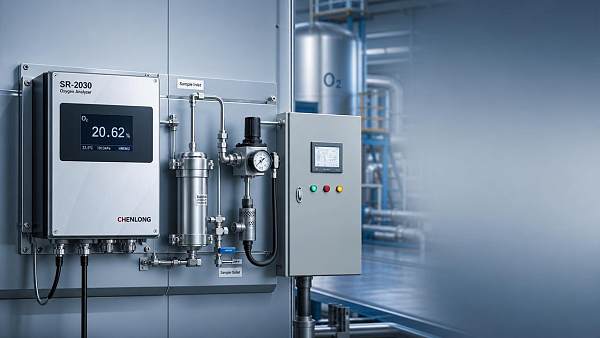
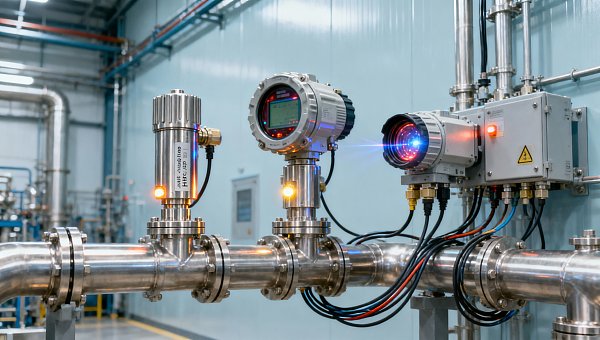
[[IMG:img_01]]In many instrumentation projects, teams focus first on analyzer range, sampling integrity, calibration frequency, enclosure protection, and communication interfaces. Noise is often treated as a secondary comfort issue. In practice, a gas quality control shelter can contain blowers, pumps, HVAC units, pressure regulators, solenoid valves, and cabinets operating together for 8–24 hours per day, creating a mixed acoustic environment that directly affects people and indirectly affects measurement stability.
This is especially common in integrated systems used across industrial manufacturing, energy and power, environmental monitoring, and process automation. Project teams may verify temperature control within a common 18°C–30°C range and confirm power distribution, but they may not evaluate continuous sound pressure levels, structure-borne vibration, or intermittent peak noise during valve switching and purge cycles. That omission becomes costly later, when the shelter is already installed.
For operators, excessive noise increases fatigue and weakens alarm recognition. For technical evaluators, it can complicate troubleshooting because abnormal sounds from pumps or regulators are masked by the overall sound field. For quality and safety managers, noise can become a workplace exposure issue. For procurement and finance teams, the hidden risk is lifecycle cost: retrofitting acoustic insulation after commissioning is usually more disruptive than addressing it during the design phase.
A gas quality measurement shelter is not just a box containing analyzers. It is a controlled measurement environment. If the acoustic environment is unstable, the shelter can no longer be evaluated only by analyzer brand, cabinet layout, or nominal detection range. The better question is whether the enclosure supports reliable industrial gas analysis over long continuous duty cycles, frequent calibration events, and real operating load conditions.
Where does the noise usually come from?
The first source is mechanical equipment. HVAC condensers, circulation fans, extraction fans, sample pumps, and compressors often dominate the background level. The second source is process-related flow noise, including throttling at regulators, venting, drain discharge, and fast gas switching. The third source is structural transmission, where skid frames, wall panels, and floor plates amplify vibration into audible sound. In compact shelters, these sources can combine within a few square meters.
A fourth source is installation quality. Even when each component is acceptable on paper, rigid pipe supports, poorly isolated pump bases, or unsealed cable penetrations can create resonance paths. A shelter that sounds acceptable during factory testing may perform differently on site due to foundation rigidity, nearby rotating equipment, or wind-induced panel vibration. This is why acoustic review should be included in both FAT and site commissioning checks.
- Mechanical noise: fans, blowers, pumps, compressors, and refrigeration modules operating continuously or cyclically.
- Flow noise: pressure drops, purge gas release, vent stacks, and sample conditioning lines with unstable flow velocity.
- Structural noise: skid resonance, panel vibration, door leakage, and transmission through shared mounting frames.
- Installation noise: misalignment, insufficient isolation pads, rigid supports, and poor sealing at penetrations.
How does shelter noise affect analyzers, operators, and compliance?
Not every analyzer responds to noise in the same way, but many industrial gas analysis systems are affected by the conditions associated with noise: vibration, pulsation, unstable airflow, and thermal cycling caused by oversized ventilation. An Infrared Analyzer may be sensitive to vibration in optical assemblies, while electrochemical analyzer performance can drift when enclosure airflow or temperature distribution becomes uneven. In a process measurement shelter, noise is often a symptom of instability rather than an isolated problem.
Operator impact is easier to notice but still frequently underestimated. When personnel spend 30–90 minutes inside a shelter for calibration, maintenance, or diagnostics, persistent noise reduces concentration and communication clarity. In smaller shelters, technicians may need to work within 1–2 meters of pumps, vent lines, or HVAC equipment. That makes routine tasks slower and can increase the chance of skipped checks, wiring errors, or incomplete maintenance records.
Compliance impact is broader. In emissions monitoring and gas quality applications, repeatability, calibration consistency, and documented maintenance conditions matter. If acoustic and vibration conditions contribute to unstable readings, the root cause may be misdiagnosed as analyzer failure, sample contamination, or software error. That wastes service time and can delay corrective action. For projects tied to reporting schedules or acceptance milestones, even a 1–2 week troubleshooting delay can affect operations and payment timing.
Decision-makers should view shelter noise as a cross-functional issue. It touches measurement reliability, personnel usability, safety housekeeping, and future retrofit cost. In the instrumentation industry, that matters because shelters support digital transformation and continuous monitoring strategies. A noisy shelter can weaken the reliability of the very data that automation and optimization systems depend on.
Typical effects by stakeholder group
The table below helps procurement teams, engineers, and safety managers connect shelter noise with practical project consequences instead of treating it as a minor comfort topic.
The key lesson is that a noisy gas quality control shelter creates hidden costs across multiple departments. That is why acoustic assessment should be included alongside sample system review, HVAC verification, and electrical inspection, not postponed until after handover.
What should buyers and engineers check before selecting a gas quality measurement shelter?
A strong procurement process starts by moving noise from an informal complaint topic into a defined technical item. Instead of asking only for a shelter layout and analyzer list, buyers should request a 3-part review: noise source mapping, vibration isolation approach, and maintenance-condition usability. This applies whether the project is a flue gas measurement shelter for emissions work or a process measurement shelter in an energy, chemical, or industrial plant.
For technical evaluators, component interaction matters more than isolated equipment specifications. A low-noise fan can still create an unacceptable shelter if duct velocity is too high or if the fan is mounted on a resonant panel. A stable Infrared Analyzer can still suffer if the sample pump transmits vibration to a common skid. Selection should therefore consider the complete shelter system over at least 4 operating conditions: startup, normal load, calibration, and purge or drain events.
For procurement and finance teams, early acoustic review supports clearer budgeting. It is easier to compare one integrated package with designed silencers, isolation mounts, and layout optimization than to approve post-installation modifications later. Typical evaluation should also consider delivery windows such as 2–4 weeks for standard shelter adjustments and longer for custom acoustic treatment depending on panel structure, HVAC redesign, and approval workflow.
The practical goal is not silence. The goal is controllable acoustic performance that does not interfere with industrial gas analysis, maintenance access, or compliance tasks. That makes selection more objective and easier to defend during internal approval, especially when several departments share responsibility for technical risk and capital spending.
A practical selection checklist
- Confirm the shelter duty cycle: intermittent access, daily operation, or near-continuous 24-hour monitoring.
- Identify the 5 key noise contributors: HVAC, pumps, regulators, venting points, and skid or panel resonance.
- Review analyzer sensitivity: optical modules, electrochemical cells, calibration manifolds, and sample conditioning assemblies.
- Check maintenance paths: door opening, technician standing zones, service clearance, and communication during work.
- Ask how factory testing and site commissioning will verify noise and vibration under actual operating load.
Selection factors that deserve written confirmation
To avoid ambiguous commitments, buyers should request written confirmation for enclosure construction, internal equipment arrangement, mounting method, cable and pipe penetration sealing, and any acoustic accessories. These details influence real performance more than generic claims about quiet operation.
The comparison table below can be used in RFQ review or technical clarification meetings when selecting a gas quality control shelter supplier or system integrator.
This type of comparison makes supplier evaluation more transparent. It also helps project leaders explain to finance approvers why a seemingly higher upfront package can reduce commissioning disruption, troubleshooting hours, and retrofit work later.
How can noise be reduced without harming analyzer performance?
The most effective approach is source-path-receiver control. First reduce noise at the source by choosing lower-vibration pumps, properly sized fans, and stable pressure control devices. Then interrupt transmission through flexible connectors, isolation mounts, panel stiffening, and support redesign. Finally protect the receiver zone, meaning the analyzer cabinet area and technician work area. This 3-step logic is more reliable than simply adding insulation to walls after the system is built.
However, acoustic treatment must not damage shelter function. Over-insulating a compact shelter can worsen heat buildup or service access. Over-restricting airflow can create temperature instability, condensation risk, or poor purge performance. In instrumentation projects, every change should be checked against thermal load, sample line routing, hazardous area requirements where applicable, and ongoing calibration routines. A quiet shelter that compromises analyzer stability is not an improvement.
A balanced retrofit or new-build design often works best when divided into 3 phases over 7–15 days for standard projects: site assessment and source identification, engineering modification and material preparation, then installation and verification. Complex shelters with custom HVAC rework or major layout changes may require longer schedules, but even then, early diagnosis usually shortens total project disruption.
For users and distributors, the important message is that noise control should not be treated as a separate aftermarket add-on. In a gas quality measurement shelter, acoustic design should be integrated with sample conditioning, power distribution, control cabinets, and service ergonomics from the beginning.
Common engineering actions
- Separate pumps, regulators, and vent points from analyzer mounting structures where space allows.
- Use flexible connections and vibration isolation pads to limit structure-borne transmission.
- Optimize airflow path and fan speed instead of relying only on larger ventilation volume.
- Add acoustic lining or silencers selectively, especially near ducts and high-velocity outlets.
- Review door seals, wall penetrations, and panel stiffness to prevent leakage and resonance.
When retrofit is better than replacement
If the analyzer system is performing well and the main issue comes from one or two dominant sources such as an underspecified fan or poorly mounted pump, retrofit can be cost-effective. If the shelter has multiple overlapping problems including layout congestion, thermal imbalance, vibration transfer, and service access conflicts, a broader redesign may offer better long-term value than repeated modifications.
Which standards, tests, and project steps help control risk?
Most buyers do not need a complex acoustic research program, but they do need a disciplined acceptance process. For gas quality control shelter projects, practical risk control usually includes 4 checkpoints: design review, factory inspection, site commissioning, and maintenance follow-up. Each checkpoint should connect noise observations with analyzer stability, operator access, and enclosure function rather than treating them as separate disciplines.
Depending on application and location, teams may also reference general occupational noise rules, electrical safety practices, enclosure protection considerations, and instrumentation quality procedures. The exact standards vary by industry and country, so the safest approach is to align project documentation with applicable local requirements and with common engineering principles for measurement shelters, industrial gas analysis systems, and safe maintenance conditions.
A practical acceptance plan should include 6 review items: equipment arrangement, vibration isolation, ventilation behavior, access and maintenance clearance, noise observations during normal operation, and observations during calibration or purge events. For many projects, repeating checks after the first 1–3 months of operation is valuable because real field duty may differ from factory assumptions.
This process is particularly important for project managers and distributors handling multiple sites. A consistent review template reduces disputes, speeds up issue tracking, and makes future procurement more accurate because lessons from one installation can be fed back into the next tender or specification package.
Recommended project workflow
- Define the shelter duty, analyzer configuration, and likely acoustic risk points during proposal or specification stage.
- Review layout drawings, HVAC paths, pump placement, and structural supports before fabrication begins.
- Check assembled shelter behavior during FAT, including startup, steady operation, and switching events.
- Verify site installation effects after foundation mounting, pipe connection, and power-up.
- Document corrective actions and recheck after an initial operating period, often within 30–90 days.
FAQ for buyers, operators, and evaluators
Does a noisy shelter always mean bad analyzer data?
Not always. Some analyzers may continue working acceptably, but noise often points to conditions that can affect data quality, such as vibration, poor airflow balance, unstable pressure regulation, or weak mechanical isolation. It should be treated as a warning sign that deserves technical review rather than ignored as a comfort complaint.
What should be checked first when a flue gas measurement shelter becomes noisy?
Start with the dominant sources: HVAC units, extraction fans, sample pumps, regulators, and vent lines. Then inspect mounting points, panel vibration, and any rigid piping that may be transmitting vibration. A quick source-path check often identifies whether the problem is mechanical, aerodynamic, or structural.
Is acoustic treatment enough during procurement?
No. Buyers should evaluate layout, airflow design, structural mounting, analyzer sensitivity, and maintenance space together. Acoustic lining alone cannot fix poor equipment arrangement or unstable sample system design. Procurement should compare complete shelter engineering, not just materials added to the walls.
How long does improvement usually take?
For common issues with identifiable sources, assessment plus targeted retrofit may fit within 7–15 days, depending on shutdown access and material availability. Broader redesign involving HVAC or panel changes often takes longer. Early problem definition is what usually saves the most time.
Why work with a partner that understands instrumentation, shelter integration, and field use?
Gas quality control shelter projects are rarely solved by a single component change. They require an instrumentation mindset that connects measurement reliability, control integration, operator usability, and site conditions. In the broader instrumentation industry, this systems perspective is essential because shelters often combine analysis, automation, power distribution, signal transmission, and environmental control in one compact operating space.
A capable partner should be able to discuss not only the analyzer itself, but also sampling paths, cabinet arrangement, enclosure conditions, likely vibration transfer routes, and realistic implementation timing. That matters to information researchers comparing options, engineers validating design, procurement teams needing clear scope, and decision-makers balancing budget with operating risk.
If you are evaluating a gas quality measurement shelter, flue gas measurement shelter, or process measurement shelter, it is worth discussing 5 points before final approval: parameter confirmation, analyzer compatibility, expected delivery cycle, acoustic and vibration control approach, and any customization needed for layout or compliance. These topics lead to practical decisions faster than broad marketing claims.
Contact us if you need support with shelter parameter review, product selection, lead time assessment, acoustic optimization ideas, sample system coordination, documentation preparation, or quotation comparison. If your team is still in the early research stage, you can also request help defining the right checklist for technical evaluation, budget approval, and site implementation planning.
Recommended for You
 IEC Approves China-Led Standard for Smart Sensor Semantic InteroperabilityIEC TR 63372 smart sensor semantic interoperability standard—led by China—cuts export certification time by 30%. Discover how it reshapes global IoT integration.
 MIIT Launches Joint Enforcement on EV Battery RecyclingMIIT's EV battery recycling enforcement targets BMS data leaks, illegal dismantling & electrolyte disposal—key for exporters, testers & procurement teams needing GDPR/CCPA compliance.
 SAMR Launches Unified Market Action on Testing & CertificationSAMR Launches Unified Market Action on Testing & Certification—tackling fragmentation, redundant fees & cross-border recognition barriers for exporters and manufacturers.
 Fifteenth Five-Year Urban Renewal Plan Approved, Signaling Overseas Procurement for Smart Water & Environmental Monitoring DevicesSmart water & environmental monitoring devices gain global momentum as China’s 15th Five-Year Urban Renewal Plan mandates intelligent infrastructure—key for Belt and Road exports.
 IMF Warns AI Amplifies Financial Cybersecurity RisksAI amplifies financial cybersecurity risks—IMF warns. Discover how XAI verification, adversarial attacks, and regulatory mandates impact AI detection equipment, FinTech, and banks.
 Tmall Health Launches 'Health Supplement Safety Alliance'Health Supplement Safety Alliance launched by Tmall Health—boosting traceability, lab credibility & cross-border quality for brands like By-Health and Centrum.
 EN IEC 61000-6-4:2026 EMC Standard Effective for AI Edge DevicesEN IEC 61000-6-4:2026 EMC standard is live—15% stricter radiated limits for AI edge devices. Act now to secure EU industrial IoT procurement eligibility.
 APEC Auto Dialogue Confirms Semi-Solid Battery Deployment and Fast ChargingSemi-solid battery deployment & 15-min fast charging confirmed at APEC Auto Dialogue—spurring global demand for China-made battery testing equipment, BMS validation, and thermal runaway simulation solutions.
 EU Imposes Final Anti-Dumping Duty on Chinese Adipic AcidEU anti-dumping duty on Chinese adipic acid takes effect May 2026—impacting pH meters, sensors & analytical instruments. Act now to secure supply chains.
 Colombia Upholds Anti-Dumping Duties on Chinese Acrylic SheetsColombia Upholds Anti-Dumping Duties on Chinese Acrylic Sheets — 32.7% tariff extended for 5 years. Critical for exporters of medical, lab & analytical instrument enclosures.
 Multi Component Analyzer Cost Trends for 2026 Expansion PlansMulti component analyzer cost trends for 2026: discover key pricing drivers, hidden costs, and smart supplier strategies to budget accurately and maximize expansion ROI.
 SR-2050 Analyzer Maintenance Points That Affect Service LifeSR-2050 analyzer maintenance points that directly impact service life, accuracy, and uptime. Learn how cleaning, calibration, inspection, and environment control reduce failures.
 SR-S2000 Shelter: Common Setup Mistakes to AvoidSR-S2000 shelter setup mistakes can cause heat, moisture, and maintenance issues. Learn what to avoid for safer installation, stable performance, and longer equipment life.
 Custom Gas Analyzer Import Risks and Spec Mismatch IssuesCustom gas analyzer import risks can derail projects through spec mismatch, compliance gaps, and integration issues. Learn how buyers can compare suppliers, verify requirements, and avoid costly rework.
 When to Choose the SR-2030 Oxygen Analyzer for ComplianceSR-2030 oxygen analyzer: learn when it’s the right choice for compliance, safety, and stable process control. Explore key selection checks, audit-ready benefits, and deployment tips.
 SR-EX Analyzer Price Factors in 2026 ProjectsSR-EX analyzer price factors explained for 2026 projects: compare scope, compliance, integration, and lifecycle costs to approve budgets with less risk and more confidence.
 SR-2070 Analyzer vs Alternatives: Key Performance ChecksSR-2070 analyzer vs alternatives: compare accuracy, drift, response time, calibration effort, and lifecycle cost to choose a more reliable, efficient analyzer with confidence.
 2026 Market Trends for Predictive Analytics InstrumentsPredictive analytics instruments are reshaping 2026 market strategy. Explore key trends, risks, and buying checkpoints to improve uptime, integration, and ROI across industries.
 Wireless Measurement Systems: What Impacts Data Stability Most?Wireless measurement systems perform best when data stays stable. Discover the key factors affecting reliability, accuracy, and long-term performance across industrial applications.
 How Remote Monitoring Devices Cut Downtime in Field OperationsRemote monitoring devices help field teams detect issues early, reduce downtime, and improve maintenance planning. Discover how they keep operations reliable and on schedule.
 5th TCM High-Quality Development Conference Highlights NIR & AI QC for Global ExportNIR & AI QC take center stage at the 5th TCM High-Quality Development Conference—key for global export compliance, real-time quality control, and smart manufacturing.
 IEC Approves China-Led Guide for Smart Sensor Semantic InteroperabilityIEC TR 63388 semantic interoperability guide for smart sensors—China-led, globally approved. Boost IIoT integration across OPC UA, MQTT & TSN now.
 PBOC April Data Shows Strong Credit Flow to Tech & Inclusive LendingPBOC April data reveals surging tech & inclusive lending—boosting global demand for calibrated lab equipment, R&D instruments, and metrology-ready exports.
 SABIC Launches 'Smart Factory 2030' with China-Focused Online Analysis ProcurementSABIC's 'Smart Factory 2030' launches China-focused online analysis procurement—pH/ORP, IR gas & LIBS analyzers. SIL2-certified suppliers, act now!
 China Completes '14th Five-Year' Smart CNC Line R&DChina's '14th Five-Year' Smart CNC Line R&D is complete — boosting reliability & cutting delivery time for precision metrology equipment. Discover how it transforms global procurement.
 FDA Updates IVD Software Guidance: AI Diagnostic Devices Must Provide Verifiable Training DatasetsFDA mandates verifiable training datasets for AI diagnostic devices — critical for medical imaging, DICOM tools, and regulatory services entering the U.S. market.
 EU EN IEC 61000-6-4:2026 EMC Standard Takes EffectEU EN IEC 61000-6-4:2026 EMC standard is live—stricter radiated emission limits for AI edge devices. Act now to avoid EU customs delays & certification bottlenecks.
 APEC Auto Dialogue Confirms Semi-Solid Battery Deployment and 15-Minute Fast ChargingSemi-solid battery deployment and 15-minute fast charging confirmed at APEC Auto Dialogue — driving urgent global demand for BMS validation, thermal runaway, and high-voltage test equipment.
 MIIT Launches Joint Enforcement on EV Battery RecyclingMIIT Launches Joint Enforcement on EV Battery Recycling: Critical for battery test equipment exporters, data compliance, and global supply chains—act now to avoid delays.
 DIA China Annual Meeting Sells Out Despite $7,000+ FeeDIA China Annual Meeting sells out despite $7,000+ fee — a powerful signal for pharma exporters, manufacturers & regulatory service providers targeting China’s innovation ecosystem.
 Continuous Monitoring Solutions and the Shift Toward Smarter ComplianceContinuous monitoring solutions help enterprises strengthen compliance with real-time visibility, traceable data, and faster risk response. Discover how smarter oversight improves resilience and audit confidence.
 Confined Space Monitors: Key Mistakes That Raise Safety RiskConfined space monitors can fail when selection, bump testing, calibration, or sampling is wrong. Learn the biggest safety mistakes and how to prevent false safe readings.















Search Categories
Search Categories
Latest Article
- IEC Approves China-Led Standard for Smart Sensor Semantic InteroperabilityIEC TR 63372 smart sensor semantic interoperability standard—led by China—cuts export certification time by 30%. Discover how it reshapes global IoT integration.Posted by:
- MIIT Launches Joint Enforcement on EV Battery RecyclingMIIT's EV battery recycling enforcement targets BMS data leaks, illegal dismantling & electrolyte disposal—key for exporters, testers & procurement teams needing GDPR/CCPA compliance.Posted by:
- SAMR Launches Unified Market Action on Testing & CertificationSAMR Launches Unified Market Action on Testing & Certification—tackling fragmentation, redundant fees & cross-border recognition barriers for exporters and manufacturers.Posted by:
Please give us a message
