
Process Measurement Shelter Layout Can Decide Maintenance Downtime


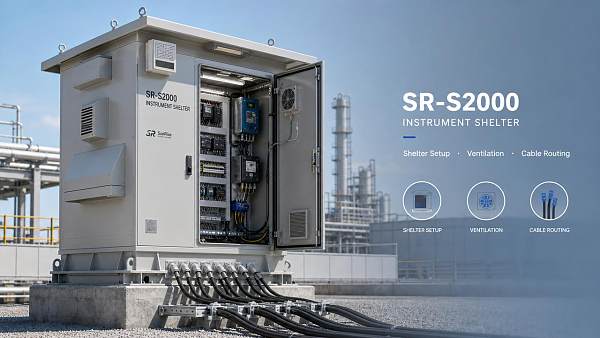
In Industrial Gas Analysis, the layout of a process measurement shelter is not just a space-planning issue. It directly affects how quickly technicians can access analyzers, how safely maintenance can be performed, and how often production is interrupted. In practice, a poorly planned industrial measurement shelter can turn routine calibration, filter replacement, probe servicing, or analyzer troubleshooting into extended downtime. A well-designed gas quality measurement shelter, flue gas measurement shelter, or emission measurement shelter does the opposite: it reduces service time, improves analyzer reliability, and supports stable long-term operating cost.
For most buyers, operators, and project teams, the key conclusion is simple: shelter layout should be treated as an operational performance decision, not only a construction or packaging decision. When Infrared Analyzer systems, electrochemical analyzer systems, sample conditioning units, calibration gas manifolds, panels, and access routes are planned around real maintenance workflows, the result is faster intervention, lower labor burden, better safety compliance, and more dependable gas quality control shelter performance.
Why shelter layout has such a strong impact on maintenance downtime
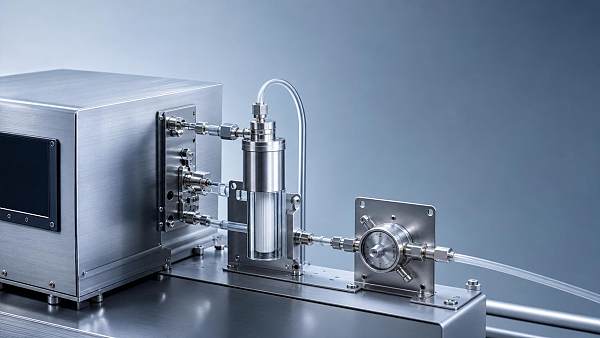
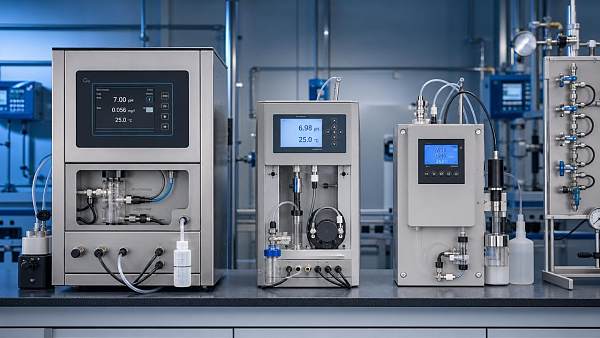
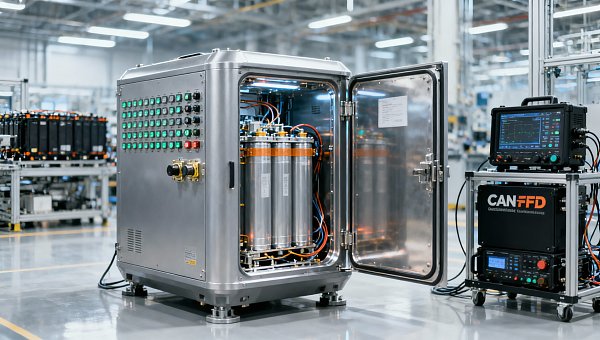
[[IMG:img_01]]Maintenance downtime is often caused less by analyzer failure itself and more by the difficulty of reaching, isolating, inspecting, and restoring the system. In a process measurement shelter, every extra obstacle adds time: narrow access corridors, stacked equipment, poor cable routing, blocked panel doors, unclear separation between sample handling and electrical systems, or the need to remove one device just to service another.
This is especially important in industrial gas analysis applications where systems may include:
- Infrared Analyzer units for continuous gas composition measurement
- Electrochemical analyzer modules for oxygen or toxic gas monitoring
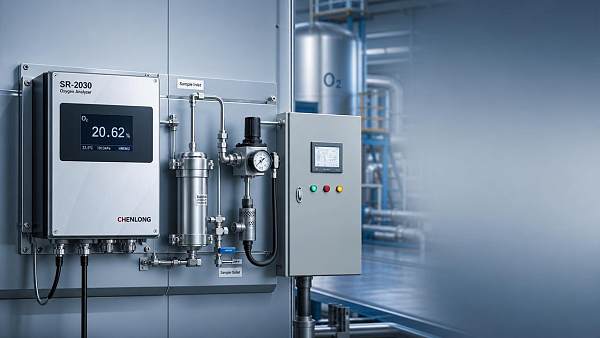
- Sample conditioning systems with filters, coolers, pumps, regulators, and valves
- Calibration gas cylinders and switching manifolds
- PLC, HMI, signal isolation, and communication cabinets
- Ventilation, HVAC, purge, and safety protection components
If these elements are packed without service logic, routine maintenance becomes slow and error-prone. A technician may need to shut down multiple subsystems, disconnect temporary tubing, or work in unsafe postures just to replace a consumable. For plants where analyzer uptime affects environmental compliance, combustion control, product quality, or custody-related gas quality monitoring, even small delays can become expensive.
What operators, engineers, and decision-makers care about most
Different stakeholders look at the shelter from different angles, but their concerns are closely connected.
Operators and maintenance teams care about whether they can quickly inspect alarms, replace parts, calibrate analyzers, and restore operation without unnecessary shutdown steps. They want clear access, logical arrangement, adequate lighting, safe working clearance, and labels that make troubleshooting faster.
Technical evaluators and project engineers focus on whether the process measurement shelter supports instrument accuracy, environmental stability, maintainability, and future expansion. They look for sensible analyzer grouping, sample line routing, vibration control, thermal management, and maintainable cabinet architecture.
Procurement teams and financial approvers usually care about total cost of ownership, not just purchase cost. A cheaper shelter layout can become more expensive later if it increases downtime hours, service labor, spare consumption, emergency interventions, and modification work.
Safety managers and quality teams want the layout to reduce operational risk. This includes safe handling of calibration gas, effective ventilation, compliant hazardous area practices where applicable, emergency access, and reduced chances of maintenance mistakes affecting data quality.
Enterprise decision-makers care about continuity, compliance exposure, operating efficiency, and whether the installation can support long-term digital and automation goals.
Which layout choices most directly reduce downtime
The most effective shelter layouts are designed around maintenance tasks, not just equipment dimensions. Several decisions have a direct effect on downtime.
1. Service access should be planned from the front, side, and replacement path
It is not enough to leave space to stand in front of an analyzer. Teams also need space to open doors fully, pull out modules, remove filters, disconnect tubing, and carry replacement components safely. If a cooler, pump, or analyzer drawer cannot be removed without disturbing nearby equipment, service time increases immediately.
2. High-frequency maintenance items should be the easiest to reach
Filters, drains, regulators, pumps, sample handling parts, and calibration switching components often require more frequent attention than the analyzer body itself. In many gas quality measurement shelter and emission measurement shelter designs, these components should be positioned in the most accessible zone, not hidden behind fixed pipework or mounted too low or too high.
3. Sample system routing should support diagnosis
Poorly organized tubing and valves make troubleshooting slow. A clean routing strategy with clear labels, visible isolation points, and logical sequencing helps technicians identify blockages, leaks, condensation issues, or flow instability much faster.
4. Analyzer types should be grouped logically
Infrared Analyzer systems and electrochemical analyzer systems may have different environmental, calibration, and service needs. Grouping by function and maintenance requirement can reduce cross-interference and simplify training, inspection, and spare management.
5. Electrical and analytical zones should be organized for safety and efficiency
Separating instrument air, gas sample handling, electrical control, and calibration gas areas improves both safety and maintainability. It also reduces the chance that one maintenance action affects unrelated systems.
6. Future maintenance and expansion should be considered early
Many shelters become difficult to maintain because they were designed for today's equipment count only. Leaving expansion margin for additional analyzers, upgraded sample conditioning, or digital communication devices can prevent costly retrofits later.
Common layout mistakes that create hidden operating costs
Many maintenance delays come from design habits that seem acceptable during fabrication or FAT, but become problematic in real plant operation.
- Overcrowded panel arrangement: Maximizes equipment density but restricts service access.
- No maintenance workflow mapping: Equipment is placed by available space, not by how technicians actually work.
- Poor environmental control: Inadequate HVAC or thermal distribution shortens analyzer life and increases drift.
- Weak drain and condensate handling design: Leads to contamination, difficult cleaning, and recurring service interruptions.
- Improper calibration gas placement: Adds handling risk and wastes technician time.
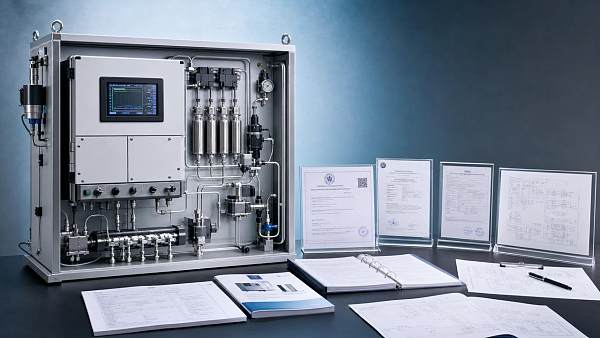
- Insufficient labeling and documentation inside the shelter: Slows fault isolation and increases human error.
- No allowance for spare parts replacement path: Components cannot be removed without temporary dismantling.
- Ignoring human factors: Poor lighting, awkward reach height, and unsafe movement paths increase service duration.
These issues may not be obvious during procurement comparison if attention is focused only on shelter dimensions, analyzer count, or upfront budget. However, they strongly influence lifetime cost.
How to evaluate whether a process measurement shelter layout is truly maintainable
For buyers and project owners, one practical question matters: how can you judge layout quality before installation? The best approach is to review the shelter through actual service scenarios rather than through drawings alone.
Ask the supplier or engineering team to demonstrate the following:
- How a technician replaces the most common consumables
- How analyzer calibration is performed step by step
- How a failed pump, cooler, or regulator is removed and replaced
- How emergency access is maintained during troubleshooting
- How sample lines, vents, and drains are isolated safely
- How many components must be disturbed to service one device
- How future analyzer additions would be accommodated
Useful evaluation criteria include:
- Mean time to access critical components
- Expected maintenance man-hours per month or quarter
- Need for partial shutdown during routine service
- Clarity of tubing, wiring, and instrument identification
- Safety of technician posture and movement
- Environmental suitability for analyzer stability
- Availability of clear service clearance around each major device
This approach helps technical evaluators, procurement teams, and financial approvers compare options based on lifecycle practicality instead of appearance alone.
Business value: why better layout improves ROI beyond maintenance convenience
A maintainable industrial measurement shelter creates measurable business value in several ways.
Reduced production interruption: Faster service means analyzers return to operation sooner, which is critical when measurements support process control, emissions compliance, or product quality verification.
Lower labor cost: Better layout reduces the time and number of personnel required for routine tasks.
Improved analyzer reliability: Proper environmental control, routing, and accessibility support stable operation and earlier detection of issues.
Lower modification expense: A shelter designed with service and expansion margin reduces future rework.
Better data confidence: Easier calibration and inspection help maintain measurement quality, especially in gas quality control shelter applications.
Safer maintenance execution: Less awkward access and better separation of systems reduce operational risk and potential incident cost.
For decision-makers, this means layout quality should be viewed as a factor in operational continuity and asset performance, not just installation packaging.
Best-fit layout thinking for gas quality, flue gas, and emission measurement shelters
Different applications may prioritize different layout features.
Gas quality measurement shelter projects often require high confidence in measurement stability, repeatability, and efficient calibration workflows. Layout should support clean sample handling, stable analyzer conditions, and easy access for verification and maintenance.
Flue gas measurement shelter applications often deal with harsher sampling conditions, particulate load, moisture management, and more frequent sample conditioning attention. In these cases, easy access to filters, coolers, and drains becomes especially important.
Emission measurement shelter systems often operate under compliance pressure, so downtime risk, calibration accessibility, and audit-friendly organization matter greatly. Clear maintenance pathways and well-structured documentation support both uptime and reporting confidence.
Although the details vary, the principle is the same: the shelter should be designed around service reality and measurement reliability together.
What to ask suppliers before approving a shelter design
Before final approval, buyers and project teams should ask direct questions that reveal whether the proposed process measurement shelter has been designed for actual use:
- Which components require the most frequent maintenance, and where are they located?
- Can all analyzer doors, panels, and service ports be accessed without moving adjacent equipment?
- What minimum clearance has been provided for replacement and calibration tasks?
- How are Infrared Analyzer and electrochemical analyzer service requirements differentiated in the layout?
- How does the shelter design support safe calibration gas handling?
- What provisions are made for ventilation, temperature stability, and technician working comfort?
- How is future expansion or analyzer replacement planned?
- Can the vendor provide maintenance workflow drawings or a service simulation review?
These questions help uncover whether the design will support low downtime in real plant conditions.
Conclusion
Process measurement shelter layout can indeed decide maintenance downtime. In many industrial gas analysis installations, the difference between fast service and prolonged interruption comes down to layout decisions made before commissioning. A well-planned industrial measurement shelter improves accessibility, safety, analyzer stability, and total lifecycle value. Whether the application is a gas quality measurement shelter, flue gas measurement shelter, or emission measurement shelter, the most effective design is one that treats maintenance as a core design input rather than an afterthought.
For operators, this means easier daily work. For engineers, it means better technical performance. For procurement and management, it means lower total cost and less operational risk. If shelter layout is evaluated through real maintenance scenarios from the start, the result is not only better equipment arrangement, but a more reliable and cost-effective measurement system overall.
Recommended for You
 IEC Approves China-Led Standard for Smart Sensor Semantic InteroperabilityIEC TR 63372 smart sensor semantic interoperability standard—led by China—cuts export certification time by 30%. Discover how it reshapes global IoT integration.
 MIIT Launches Joint Enforcement on EV Battery RecyclingMIIT's EV battery recycling enforcement targets BMS data leaks, illegal dismantling & electrolyte disposal—key for exporters, testers & procurement teams needing GDPR/CCPA compliance.
 SAMR Launches Unified Market Action on Testing & CertificationSAMR Launches Unified Market Action on Testing & Certification—tackling fragmentation, redundant fees & cross-border recognition barriers for exporters and manufacturers.
 Fifteenth Five-Year Urban Renewal Plan Approved, Signaling Overseas Procurement for Smart Water & Environmental Monitoring DevicesSmart water & environmental monitoring devices gain global momentum as China’s 15th Five-Year Urban Renewal Plan mandates intelligent infrastructure—key for Belt and Road exports.
 IMF Warns AI Amplifies Financial Cybersecurity RisksAI amplifies financial cybersecurity risks—IMF warns. Discover how XAI verification, adversarial attacks, and regulatory mandates impact AI detection equipment, FinTech, and banks.
 Tmall Health Launches 'Health Supplement Safety Alliance'Health Supplement Safety Alliance launched by Tmall Health—boosting traceability, lab credibility & cross-border quality for brands like By-Health and Centrum.
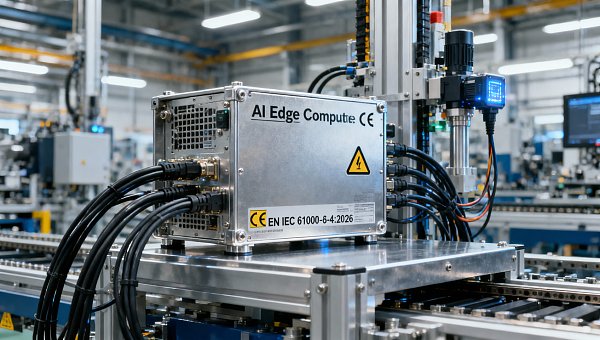
 EN IEC 61000-6-4:2026 EMC Standard Effective for AI Edge DevicesEN IEC 61000-6-4:2026 EMC standard is live—15% stricter radiated limits for AI edge devices. Act now to secure EU industrial IoT procurement eligibility.
 APEC Auto Dialogue Confirms Semi-Solid Battery Deployment and Fast ChargingSemi-solid battery deployment & 15-min fast charging confirmed at APEC Auto Dialogue—spurring global demand for China-made battery testing equipment, BMS validation, and thermal runaway simulation solutions.
 EU Imposes Final Anti-Dumping Duty on Chinese Adipic AcidEU anti-dumping duty on Chinese adipic acid takes effect May 2026—impacting pH meters, sensors & analytical instruments. Act now to secure supply chains.
 Colombia Upholds Anti-Dumping Duties on Chinese Acrylic SheetsColombia Upholds Anti-Dumping Duties on Chinese Acrylic Sheets — 32.7% tariff extended for 5 years. Critical for exporters of medical, lab & analytical instrument enclosures.
 Multi Component Analyzer Cost Trends for 2026 Expansion PlansMulti component analyzer cost trends for 2026: discover key pricing drivers, hidden costs, and smart supplier strategies to budget accurately and maximize expansion ROI.
 SR-2050 Analyzer Maintenance Points That Affect Service LifeSR-2050 analyzer maintenance points that directly impact service life, accuracy, and uptime. Learn how cleaning, calibration, inspection, and environment control reduce failures.
 SR-S2000 Shelter: Common Setup Mistakes to AvoidSR-S2000 shelter setup mistakes can cause heat, moisture, and maintenance issues. Learn what to avoid for safer installation, stable performance, and longer equipment life.
 Custom Gas Analyzer Import Risks and Spec Mismatch IssuesCustom gas analyzer import risks can derail projects through spec mismatch, compliance gaps, and integration issues. Learn how buyers can compare suppliers, verify requirements, and avoid costly rework.
 When to Choose the SR-2030 Oxygen Analyzer for ComplianceSR-2030 oxygen analyzer: learn when it’s the right choice for compliance, safety, and stable process control. Explore key selection checks, audit-ready benefits, and deployment tips.
 SR-EX Analyzer Price Factors in 2026 ProjectsSR-EX analyzer price factors explained for 2026 projects: compare scope, compliance, integration, and lifecycle costs to approve budgets with less risk and more confidence.
 SR-2070 Analyzer vs Alternatives: Key Performance ChecksSR-2070 analyzer vs alternatives: compare accuracy, drift, response time, calibration effort, and lifecycle cost to choose a more reliable, efficient analyzer with confidence.
 2026 Market Trends for Predictive Analytics InstrumentsPredictive analytics instruments are reshaping 2026 market strategy. Explore key trends, risks, and buying checkpoints to improve uptime, integration, and ROI across industries.
 Wireless Measurement Systems: What Impacts Data Stability Most?Wireless measurement systems perform best when data stays stable. Discover the key factors affecting reliability, accuracy, and long-term performance across industrial applications.
 How Remote Monitoring Devices Cut Downtime in Field OperationsRemote monitoring devices help field teams detect issues early, reduce downtime, and improve maintenance planning. Discover how they keep operations reliable and on schedule.
 5th TCM High-Quality Development Conference Highlights NIR & AI QC for Global ExportNIR & AI QC take center stage at the 5th TCM High-Quality Development Conference—key for global export compliance, real-time quality control, and smart manufacturing.
 IEC Approves China-Led Guide for Smart Sensor Semantic InteroperabilityIEC TR 63388 semantic interoperability guide for smart sensors—China-led, globally approved. Boost IIoT integration across OPC UA, MQTT & TSN now.
 PBOC April Data Shows Strong Credit Flow to Tech & Inclusive LendingPBOC April data reveals surging tech & inclusive lending—boosting global demand for calibrated lab equipment, R&D instruments, and metrology-ready exports.
 SABIC Launches 'Smart Factory 2030' with China-Focused Online Analysis ProcurementSABIC's 'Smart Factory 2030' launches China-focused online analysis procurement—pH/ORP, IR gas & LIBS analyzers. SIL2-certified suppliers, act now!
 China Completes '14th Five-Year' Smart CNC Line R&DChina's '14th Five-Year' Smart CNC Line R&D is complete — boosting reliability & cutting delivery time for precision metrology equipment. Discover how it transforms global procurement.
 FDA Updates IVD Software Guidance: AI Diagnostic Devices Must Provide Verifiable Training DatasetsFDA mandates verifiable training datasets for AI diagnostic devices — critical for medical imaging, DICOM tools, and regulatory services entering the U.S. market.
 EU EN IEC 61000-6-4:2026 EMC Standard Takes EffectEU EN IEC 61000-6-4:2026 EMC standard is live—stricter radiated emission limits for AI edge devices. Act now to avoid EU customs delays & certification bottlenecks.
 APEC Auto Dialogue Confirms Semi-Solid Battery Deployment and 15-Minute Fast ChargingSemi-solid battery deployment and 15-minute fast charging confirmed at APEC Auto Dialogue — driving urgent global demand for BMS validation, thermal runaway, and high-voltage test equipment.
 MIIT Launches Joint Enforcement on EV Battery RecyclingMIIT Launches Joint Enforcement on EV Battery Recycling: Critical for battery test equipment exporters, data compliance, and global supply chains—act now to avoid delays.
 DIA China Annual Meeting Sells Out Despite $7,000+ FeeDIA China Annual Meeting sells out despite $7,000+ fee — a powerful signal for pharma exporters, manufacturers & regulatory service providers targeting China’s innovation ecosystem.
 Continuous Monitoring Solutions and the Shift Toward Smarter ComplianceContinuous monitoring solutions help enterprises strengthen compliance with real-time visibility, traceable data, and faster risk response. Discover how smarter oversight improves resilience and audit confidence.
 Confined Space Monitors: Key Mistakes That Raise Safety RiskConfined space monitors can fail when selection, bump testing, calibration, or sampling is wrong. Learn the biggest safety mistakes and how to prevent false safe readings.














Search Categories
Search Categories
Latest Article
- IEC Approves China-Led Standard for Smart Sensor Semantic InteroperabilityIEC TR 63372 smart sensor semantic interoperability standard—led by China—cuts export certification time by 30%. Discover how it reshapes global IoT integration.Posted by:
- MIIT Launches Joint Enforcement on EV Battery RecyclingMIIT's EV battery recycling enforcement targets BMS data leaks, illegal dismantling & electrolyte disposal—key for exporters, testers & procurement teams needing GDPR/CCPA compliance.Posted by:
- SAMR Launches Unified Market Action on Testing & CertificationSAMR Launches Unified Market Action on Testing & Certification—tackling fragmentation, redundant fees & cross-border recognition barriers for exporters and manufacturers.Posted by:
Please give us a message
