
What Makes a Gas Detection Analyzer Reliable in Harsh Plants?


In harsh industrial plants, selecting a reliable gas detection analyzer is about more than basic sensing accuracy. Technical evaluators must consider corrosion resistance, long-term stability, response speed, calibration demands, and integration with control systems. Understanding what truly defines reliability helps reduce operational risk, improve compliance, and ensure consistent performance in demanding environments where safety and process continuity cannot be compromised.
For instrumentation teams working across manufacturing, power generation, chemical processing, environmental systems, and automated production lines, reliability is not a marketing claim. It is an engineering outcome shaped by enclosure design, sensing technology, diagnostics, maintenance strategy, and the analyzer’s behavior under heat, dust, vibration, moisture, and corrosive gas exposure.
A gas detection analyzer may perform well during factory acceptance testing, yet fail to deliver stable results after 6 to 18 months in a real plant if the selection criteria were too narrow. Technical evaluation therefore needs to move beyond nominal detection range and include lifecycle cost, service access, process compatibility, and control system integration.
Core Reliability Factors in Harsh Plant Environments
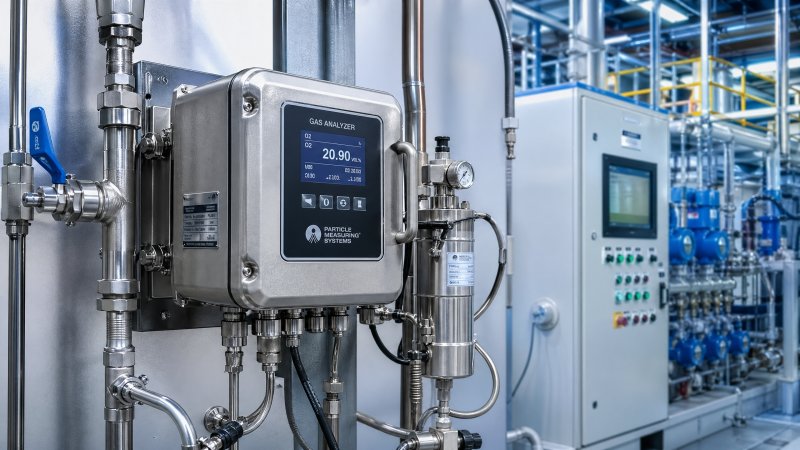
The first sign of a reliable gas detection analyzer is consistent performance under stress. In harsh plants, analyzers may operate in ambient temperatures from -20°C to 55°C, with relative humidity up to 95%, airborne particulates, washdown exposure, and intermittent vibration. A device that is accurate in a controlled lab but unstable in these ranges can create false alarms, missed leaks, or costly process interruptions.
Sensor technology matters because different principles age differently under contamination and process load. Electrochemical, infrared, catalytic bead, thermal conductivity, and photoionization methods each have strengths, but reliability depends on matching the technology to the gas type, concentration profile, and background conditions. For example, an analyzer used for continuous combustible gas monitoring in solvent-heavy areas may need poisoning resistance and compensation logic, not just fast response.
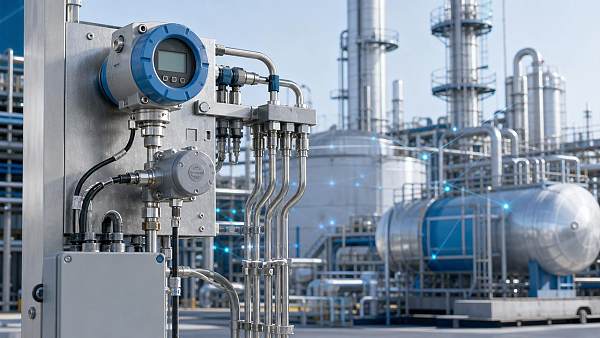
Mechanical construction is equally important. In instrumentation-heavy sectors, evaluators should check housing materials, ingress protection, cable sealing, sampling line compatibility, and resistance to sulfur compounds, chlorides, and hydrocarbons. Stainless steel 316L, coated aluminum, fluoropolymer wetted parts, and sealed electronics can extend operating life significantly when compared with general-purpose builds intended for cleaner indoor sites.
What Technical Evaluators Should Verify First
The most effective first-pass review usually covers four dimensions: sensing suitability, environmental tolerance, maintenance burden, and signal integration. If one of these is weak, total reliability falls quickly even when the analyzer’s catalog accuracy looks strong. A realistic technical review should include both normal operation and upset conditions such as purge loss, sample blockage, or sudden gas spikes.
- Check operating temperature, humidity, and enclosure rating against the actual site, not the control room specification.
- Verify response time targets such as T90 in 10 to 30 seconds where fast hazard detection is required.
- Review drift characteristics and recommended calibration interval, often 30, 90, or 180 days depending on sensor type and duty.
- Confirm compatibility with PLC, DCS, SCADA, or analog and digital outputs used by the plant.
A reliable gas detection analyzer should also provide self-diagnostics. Fault alerts for sensor degradation, pump failure, flow loss, low signal, or communication error allow maintenance teams to intervene before the analyzer becomes a silent risk. In high-availability plants, this predictive visibility is often more valuable than a marginal improvement in laboratory accuracy.
Typical Reliability Indicators
The table below summarizes practical indicators that help technical evaluators compare analyzer reliability beyond brochure claims.
The strongest reliability profile is usually balanced rather than extreme. An analyzer with moderate response speed, strong diagnostics, and a 90-day service interval may outperform a faster but maintenance-intensive alternative over a 3-year ownership period.
Materials, Sampling Design, and Environmental Resistance
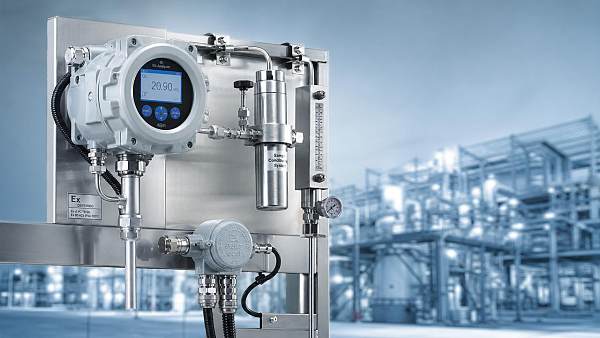
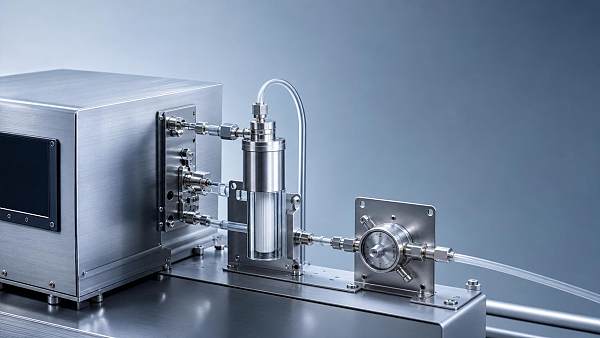
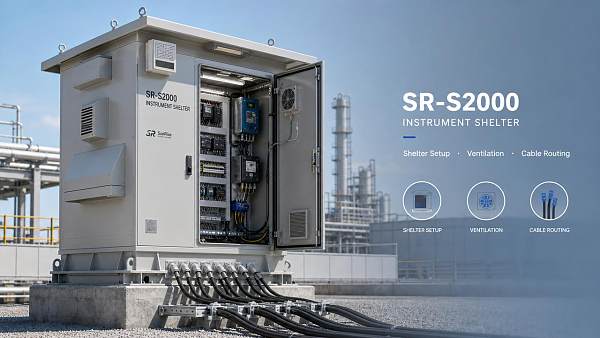
In many industrial plants, the analyzer itself is only one part of the reliability equation. Sample probes, filters, tubing, regulators, pumps, and shelters can determine whether the gas detection analyzer receives a representative sample or a distorted one. Poor sample conditioning can add 20 to 60 seconds of delay, create condensation, or allow particulate loading that shortens sensor life.
Technical evaluators should review the full sampling path when the application is extractive. Dead legs, unheated lines, incompatible elastomers, and oversized filter assemblies can all reduce repeatability. In corrosive applications, PTFE-lined tubing, 316L stainless steel, or corrosion-resistant polymers may be needed, especially where H2S, NH3, chlorine-containing compounds, or acidic vapors are present.
For in-situ analyzers, placement is critical. A highly capable gas detection analyzer can still appear unreliable if mounted in a stagnant zone, too close to washdown jets, or far from the likely leak source. A practical design review should examine airflow patterns, gas density, vent locations, elevation, and maintenance access within 1 to 2 meters of the intended installation point.
Environmental Stress Points That Commonly Reduce Reliability
Harsh plants expose analyzers to several failure mechanisms simultaneously. Temperature cycling can lead to seal fatigue, high dust load can block sampling components, and corrosive atmospheres can affect connectors long before the sensor reaches end of life. For this reason, evaluators should not treat the analyzer head, enclosure, and sample system as separate procurement items.
- Condensation risk rises when sample gas temperature drops below dew point in unheated lines.
- Dust loading increases filter replacement frequency and may cause pump strain within weeks in dirty plants.
- Corrosive gas carryover attacks metal components, leading to drift, leakage, or electrical faults.
- Vibration from compressors, turbines, or blowers can loosen fittings and degrade measurement stability over time.
A good field specification should include enclosure rating, vibration resistance, acceptable sample pressure range, and maintenance access requirements. In some plants, adding a simple sunshade, heated sample line, or particulate pre-filter produces a larger reliability gain than upgrading the sensor itself.
Material and Design Selection Guide
The table below helps align materials and sampling choices with common industrial stress factors.
These design choices are especially relevant in the instrumentation industry because analyzers are often integrated into wider monitoring architectures. If the field hardware is weak, data quality across the control and compliance chain is compromised, even when the automation platform itself is robust.
Calibration Stability, Diagnostics, and Maintenance Burden
A reliable gas detection analyzer is not simply one that starts accurately. It must remain dependable between service events. Drift rate, sensor aging, automatic compensation, and built-in verification functions determine whether the analyzer can hold performance over 30, 60, or 180 days without demanding excessive technician intervention.
For technical evaluators, maintenance burden should be quantified early. If a plant operates 40 analyzers and each requires a 2-hour calibration procedure every month, the annual labor load can exceed 900 technician hours. By contrast, extending intervals to quarterly verification with a shorter service workflow can materially reduce ownership cost without lowering safety if the application supports it.
Diagnostics also separate robust systems from vulnerable ones. Modern analyzers may detect signal saturation, optical fouling, flow deviation, sensor health decline, and internal electronics errors. These diagnostics allow condition-based maintenance rather than fixed-interval servicing, which is valuable in remote, hazardous, or labor-constrained industrial sites.
Maintenance Questions That Affect Procurement Decisions
When comparing models, evaluators should ask not only “How accurate is it?” but also “How often must it be touched?” and “What happens when it starts to fail?” The answers often define long-term reliability more clearly than the baseline specification sheet.
- Can zero and span checks be completed in less than 15 minutes per point?
- Are consumables field-replaceable without removing the entire gas detection analyzer?
- Does the instrument log faults, calibration history, and alarm events for at least several months?
- Can maintenance be planned around shutdown windows of 4 to 8 hours rather than emergency callouts?
Some plants over-specify sensor precision but under-specify serviceability. In reality, a slightly lower-performance analyzer with strong diagnostics, easy access, and stable calibration can deliver better uptime over a 2- to 5-year operating cycle.
Common Maintenance Trade-Offs
The following comparison highlights how maintenance characteristics influence effective reliability.
The key conclusion is that reliability improves when calibration strategy, spare parts planning, and diagnostics are designed together. A gas detection analyzer that is easy to maintain is more likely to stay within acceptable performance over time.
Control System Integration and Application Fit
In modern industrial automation, analyzer reliability is tightly linked to communication reliability. If the gas detection analyzer cannot transmit stable signals to PLC, DCS, SCADA, or plant historians, then even accurate gas readings lose practical value. Evaluators should confirm output options such as 4–20 mA, relay contacts, Modbus, or other industrial communication paths before final selection.
Application fit also depends on alarm strategy. A unit intended for worker safety around storage, loading, or enclosed processing areas may need faster alarm prioritization and fail-safe logic than one used mainly for trend monitoring. Typical projects define 2 to 3 alarm thresholds, fault status output, event logging, and maintenance bypass procedures to prevent nuisance trips during service work.
Another overlooked factor is data interpretation. Some analyzers provide temperature compensation, signal filtering, and status codes that help operators distinguish a genuine gas event from sensor fault or environmental interference. This reduces false response and supports smoother coordination between operations, EHS, and maintenance teams.
Steps to Match the Analyzer to the Plant Application
A disciplined selection process lowers both technical and commercial risk. Rather than choosing from a catalog by gas type alone, evaluators should map the analyzer to the plant function, operating mode, and control philosophy.
- Define the gas species, expected concentration range, and alarm purpose.
- Document ambient conditions, contamination sources, and installation constraints.
- Specify the required response time, signal outputs, and diagnostic visibility.
- Estimate maintenance resources, spare strategy, and acceptable service interval.
- Validate the design through FAT, SAT, and an early operating review after 30 to 90 days.
This structured approach is particularly useful in the instrumentation industry, where a single analyzer often feeds multiple decision layers, from local alarms to compliance records and enterprise monitoring platforms.
Typical Integration Checkpoints
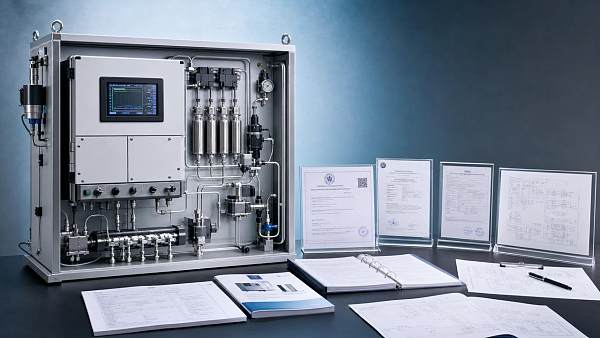
Before approval, technical teams should verify signal mapping, fault behavior, and maintenance state handling. A gas detection analyzer should not only detect gas; it should also communicate clearly when it cannot be trusted. That distinction is central to reliable plant protection.
Common Evaluation Mistakes and Better Purchasing Decisions
One of the most common mistakes is evaluating a gas detection analyzer on purchase price alone. In harsh plants, the lower-cost option may require more frequent calibration, more spare parts, and more unplanned intervention. Over 24 to 36 months, those hidden costs can exceed the initial savings, especially in distributed facilities with difficult access points.
A second mistake is assuming that a broad detection range guarantees reliability. In practice, long-term stability at the actual operating range matters more. If the process typically runs near the lower end of detection, evaluators should prioritize resolution, repeatability, and resistance to cross-sensitivity under those specific conditions.
A third mistake is underestimating commissioning quality. Even a well-selected analyzer can perform poorly if wiring, grounding, sample routing, alarm setpoints, or verification procedures are weak. A reliable deployment generally includes pre-install review, startup validation, operator handover, and a follow-up inspection within the first 1 to 3 months.
A Practical Shortlist for Technical Buyers
To improve procurement outcomes, technical evaluators can use a shortlist built around measurable decision points rather than vendor language.
- Prefer analyzers with clear environmental ratings and documented service intervals.
- Review total installed system design, including sampling, filtration, sheltering, and outputs.
- Score diagnostic capability, not just gas measurement performance.
- Ask for maintenance steps, estimated service time, and recommended spare parts list.
- Test integration behavior under normal, alarm, fault, and maintenance modes.
For plants pursuing digital transformation and intelligent upgrading, analyzers that support stable data transmission, event logging, and easier condition monitoring are often the better long-term choice. Reliability today is as much about usable plant data as it is about sensor chemistry.
FAQ for Technical Evaluation Teams
The questions below reflect common concerns during specification and procurement.
How often should a gas detection analyzer be calibrated in harsh plants?
The interval depends on sensor type, gas exposure, and environmental stress. In practice, many plants use 30-day checks for demanding applications, while stable installations may move to 90 or 180 days with supporting diagnostics and verification records. The correct interval should be based on risk and observed drift, not a fixed rule.
What response time is usually acceptable?
For many safety-related duties, a T90 response of 10 to 30 seconds is a practical benchmark. However, extractive systems may add transport delay through sampling lines, so total system response must be evaluated rather than sensor response alone.
Is enclosure rating enough to judge plant suitability?
No. IP rating is important, but it does not cover all reliability factors. Material compatibility, connector sealing, thermal management, sampling design, and maintenance accessibility can be just as important in corrosive or dirty process areas.
What should be documented before approval?
At minimum, technical teams should document gas type, range, site conditions, signal requirements, alarm logic, service interval, spare parts, startup checks, and acceptance criteria. A 5-step approval workflow is often enough to prevent specification gaps that later affect reliability.
A reliable gas detection analyzer in a harsh plant is defined by far more than baseline sensitivity. It must combine suitable sensing technology, robust materials, stable calibration behavior, maintainable design, and dependable control system integration. For technical evaluators, the best choice is the one that performs consistently across real process conditions over time, not just under ideal test conditions.
If you are reviewing analyzer options for industrial manufacturing, energy systems, environmental monitoring, laboratory-linked process control, or automated facilities, a structured technical assessment can significantly reduce risk and lifecycle cost. Contact us to discuss your plant conditions, get a tailored gas detection analyzer selection plan, or learn more about practical instrumentation solutions for demanding industrial environments.
Recommended for You
 US-China Trade Talks Agree on Tariff Cuts for Key Test Equipment PartsUS-China tariff cuts on key test equipment parts—like pressure sensor chips & infrared thermal imaging modules—boost margins, cut costs, and strengthen global competitiveness for manufacturers.
 G7 Paris Meeting Focuses on Critical Mineral Supply SecurityCritical mineral supply security takes center stage at the G7 Paris meeting—key for rare-earth sensor exporters. Learn EU compliance impacts & actionable readiness steps.
 Brent Crude Surpasses $106/bbl, Raising Sea Freight Costs for Small Testing Equipment ExportsBrent Crude Surpasses $106/bbl—sea freight costs surge, impacting small testing equipment exporters. Learn how SMEs can adapt pricing, terms & logistics now.
 WTO Forecasts 1.9% Global Goods Trade Growth in 2026 Amid Supply Chain ShorteningWTO forecasts 1.9% global goods trade growth in 2026—sparking nearshoring demand for testing equipment, calibration services & OTA-ready solutions in ASEAN, Middle East & Mexico.
 UK-China Export Control Working Group Holds Second Meeting in LondonUK-China Export Control Working Group: Key updates on dual-use items—laser interferometers, quantum sensors & oscilloscopes. Learn compliance implications for exporters now.
 Japan's 10Y Yield Drop to 2.745% Lifts Yen, Raising China-Made Testing Equipment CostsJapan's 10Y yield drop to 2.745% lifts yen, raising costs for China-made testing equipment — explore FX impacts, procurement shifts & strategic responses.
 KOSPI 200 Futures Circuit Breaker Triggered, Impacting Industrial Automation Instrument Export TimelinesKOSPI 200 futures circuit breaker triggered — impact on PLC modules, transmitters & fieldbus instrument exports to Korea. Urgent timeline insights inside.
 South Korea’s Chip Exports Surge 202% in May 2026 Amid AI Test Equipment DemandAI test equipment demand surges as South Korea’s chip exports jump 202% in May 2026 — PCIe 6.0 & USB4.1 validation tools see sharp global procurement rise.
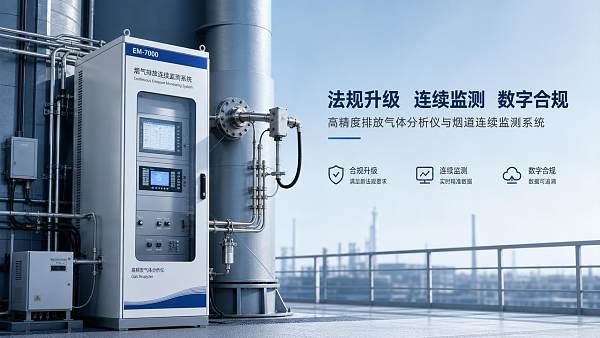
 Emission Gas Analyzer News in 2026: Regulatory Shifts Affecting DemandEmission gas analyzer demand is changing fast in 2026 as new regulations tighten limits, expand continuous monitoring, and raise data compliance standards. Explore key trends shaping smarter buying decisions.
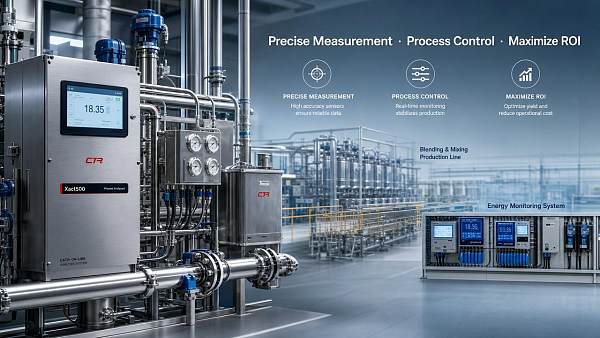
 When a High Accuracy Analyzer Delivers Real ROI in Process ControlHigh accuracy analyzer ROI starts with better process control. Learn where tighter measurements cut waste, improve stability, reduce compliance risk, and deliver measurable operational savings.
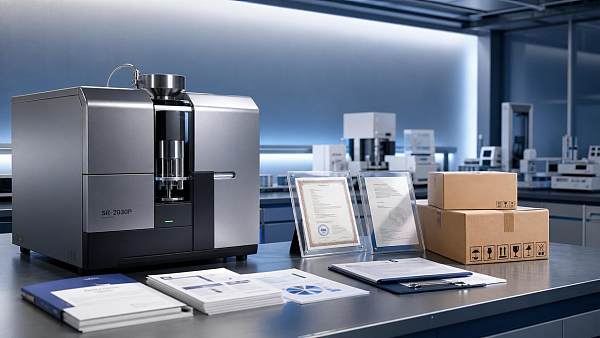
 SR-2030P Analyzer Import Updates in 2026: Compliance Points to ReviewSR-2030P analyzer import updates for 2026: review classification, certification, customs documents, and market access risks to reduce delays, control costs, and source with confidence.
 Industrial Oxygen Analyzer Price Trends in 2026: Cost Drivers to WatchIndustrial oxygen analyzer price trends in 2026 explained: compare sensor, compliance, installation, and maintenance cost drivers to make smarter, lower-risk buying decisions.
 Laser Oxygen Analyzer or Industrial Oxygen Analyzer: Which Fits BetterLaser oxygen analyzer or industrial oxygen analyzer? Compare speed, accuracy, maintenance, and cost to find the best fit for smarter, more reliable process control.
 ATEX Gas Analyzer Demand in 2026: What Is Shaping the MarketATEX gas analyzer demand in 2026 is driven by safety, digital integration, and lifecycle value. See what shapes buying decisions across industry, utilities, hydrogen, and automation.
 Fixed Gas Analyzer vs Portable Options: What Matters for Plant UseFixed gas analyzer or portable detector for plant use? Compare safety, response time, maintenance, and cost to choose the right monitoring solution with confidence.
 Explosion Proof Analyzer Selection Mistakes That Increase Site RiskExplosion proof analyzer selection mistakes can raise compliance, maintenance, and safety risks. Learn the key errors to avoid and how to choose a safer, more reliable solution.
 SR-2000 Infrared Analyzer: Key Performance Checks Before InstallationSR-2000 infrared analyzer pre-installation guide: learn how to verify accuracy, drift, site readiness, and calibration support to reduce startup risk and ensure stable long-term performance.
 How to Choose a Continuous Gas Analyzer for Stable 24/7 MonitoringContinuous gas analyzer selection guide for stable 24/7 monitoring. Learn how to compare accuracy, response time, maintenance, and integration for smarter industrial decisions.
 IEC Approves China-Led Standard for Smart Sensor Semantic InteroperabilityIEC TR 63372 smart sensor semantic interoperability standard—led by China—cuts export certification time by 30%. Discover how it reshapes global IoT integration.
 MIIT Launches Joint Enforcement on EV Battery RecyclingMIIT's EV battery recycling enforcement targets BMS data leaks, illegal dismantling & electrolyte disposal—key for exporters, testers & procurement teams needing GDPR/CCPA compliance.
 SAMR Launches Unified Market Action on Testing & CertificationSAMR Launches Unified Market Action on Testing & Certification—tackling fragmentation, redundant fees & cross-border recognition barriers for exporters and manufacturers.
 Fifteenth Five-Year Urban Renewal Plan Approved, Signaling Overseas Procurement for Smart Water & Environmental Monitoring DevicesSmart water & environmental monitoring devices gain global momentum as China’s 15th Five-Year Urban Renewal Plan mandates intelligent infrastructure—key for Belt and Road exports.
 IMF Warns AI Amplifies Financial Cybersecurity RisksAI amplifies financial cybersecurity risks—IMF warns. Discover how XAI verification, adversarial attacks, and regulatory mandates impact AI detection equipment, FinTech, and banks.
 Tmall Health Launches 'Health Supplement Safety Alliance'Health Supplement Safety Alliance launched by Tmall Health—boosting traceability, lab credibility & cross-border quality for brands like By-Health and Centrum.
 EN IEC 61000-6-4:2026 EMC Standard Effective for AI Edge DevicesEN IEC 61000-6-4:2026 EMC standard is live—15% stricter radiated limits for AI edge devices. Act now to secure EU industrial IoT procurement eligibility.
 APEC Auto Dialogue Confirms Semi-Solid Battery Deployment and Fast ChargingSemi-solid battery deployment & 15-min fast charging confirmed at APEC Auto Dialogue—spurring global demand for China-made battery testing equipment, BMS validation, and thermal runaway simulation solutions.
 EU Imposes Final Anti-Dumping Duty on Chinese Adipic AcidEU anti-dumping duty on Chinese adipic acid takes effect May 2026—impacting pH meters, sensors & analytical instruments. Act now to secure supply chains.
 Colombia Upholds Anti-Dumping Duties on Chinese Acrylic SheetsColombia Upholds Anti-Dumping Duties on Chinese Acrylic Sheets — 32.7% tariff extended for 5 years. Critical for exporters of medical, lab & analytical instrument enclosures.
 Multi Component Analyzer Cost Trends for 2026 Expansion PlansMulti component analyzer cost trends for 2026: discover key pricing drivers, hidden costs, and smart supplier strategies to budget accurately and maximize expansion ROI.
 SR-2050 Analyzer Maintenance Points That Affect Service LifeSR-2050 analyzer maintenance points that directly impact service life, accuracy, and uptime. Learn how cleaning, calibration, inspection, and environment control reduce failures.
 SR-S2000 Shelter: Common Setup Mistakes to AvoidSR-S2000 shelter setup mistakes can cause heat, moisture, and maintenance issues. Learn what to avoid for safer installation, stable performance, and longer equipment life.
 Custom Gas Analyzer Import Risks and Spec Mismatch IssuesCustom gas analyzer import risks can derail projects through spec mismatch, compliance gaps, and integration issues. Learn how buyers can compare suppliers, verify requirements, and avoid costly rework.


Search Categories
Search Categories
Latest Article
- US-China Trade Talks Agree on Tariff Cuts for Key Test Equipment PartsUS-China tariff cuts on key test equipment parts—like pressure sensor chips & infrared thermal imaging modules—boost margins, cut costs, and strengthen global competitiveness for manufacturers.Posted by:
- G7 Paris Meeting Focuses on Critical Mineral Supply SecurityCritical mineral supply security takes center stage at the G7 Paris meeting—key for rare-earth sensor exporters. Learn EU compliance impacts & actionable readiness steps.Posted by:
- Brent Crude Surpasses $106/bbl, Raising Sea Freight Costs for Small Testing Equipment ExportsBrent Crude Surpasses $106/bbl—sea freight costs surge, impacting small testing equipment exporters. Learn how SMEs can adapt pricing, terms & logistics now.Posted by:
Please give us a message
