
When Technical Support Really Saves Downtime


In instrumentation, downtime is rarely just a temporary inconvenience. It can stop production, delay deliveries, trigger compliance issues, compromise product quality, and increase safety risks. That is why Technical Support, After Sales Service, Calibration Service, and Maintenance Service matter far beyond troubleshooting. When they are backed by the right Industrial Solution, they help teams protect Operational Safety, improve Process Efficiency, meet Regulatory Compliance requirements, strengthen Compliance Monitoring, and stay aligned with the Industrial Standard expectations that keep critical operations stable.
For most buyers and operators, the real question is not whether support matters. It is when technical support truly prevents costly downtime, what kind of support makes a measurable difference, and how to evaluate whether a supplier can respond fast enough when operations are under pressure. The short answer is this: technical support really saves downtime when it is proactive, technically competent, connected to field conditions, and supported by calibration, maintenance, spare parts, and clear service processes.
What users really want to know when they search this topic
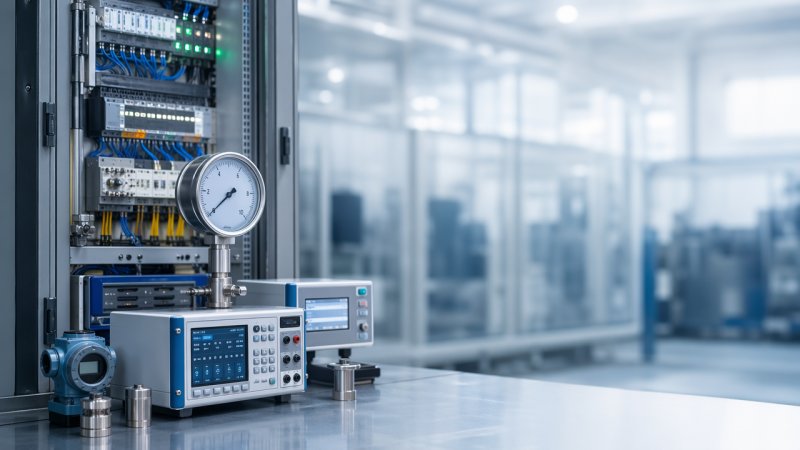
People searching for “When Technical Support Really Saves Downtime” are usually not looking for a generic definition of support. They want practical answers to business-critical questions such as:
- Can technical support reduce unplanned downtime in real operating conditions?
- What happens when an instrument fails, drifts, alarms incorrectly, or causes process instability?
- How fast should a supplier respond, and what level of expertise is actually useful?
- What is the difference between reactive troubleshooting and a complete after-sales support system?
- How do calibration and maintenance services affect reliability, compliance, and production continuity?
- How can procurement and management compare vendors beyond product specifications and price?
For operators, engineers, quality teams, and decision-makers alike, the underlying concern is risk. They want to reduce production loss, avoid repeat failures, protect safety, and justify investment in a support-capable supplier rather than choosing on unit price alone.
When technical support makes the biggest difference
Technical support creates the most value when downtime risk is high and every delay has operational or financial consequences. This is especially true in instrumentation because many systems are tightly linked to process control, quality assurance, environmental reporting, and safety interlocks.
Common situations where support truly saves downtime include:
- Commissioning and startup: Incorrect installation, wiring errors, configuration mismatches, and communication issues can delay production from day one. Fast technical guidance shortens time to stable operation.
- Unexpected instrument failure: When a pressure transmitter, flow meter, analyzer, temperature sensor, or controller stops performing correctly, support helps teams isolate whether the issue is device failure, process condition, signal interference, calibration drift, or system integration.
- Measurement drift and quality deviation: In laboratories, process lines, and regulated environments, a small measurement error can lead to rejected batches, inaccurate reports, or compliance exposure. Calibration-backed support can stop a small issue from becoming a larger operational problem.
- Recurring alarms and unstable control: Some downtime is not caused by a complete failure, but by poor instrument configuration, improper range selection, signal noise, or maintenance neglect. Skilled support can identify root causes that internal teams may not have time to investigate deeply.
- Audit or compliance pressure: If a site must prove instrument accuracy, traceability, and maintenance history, technical support combined with calibration and documentation can help avoid interruption during inspections or customer audits.
In these moments, what matters most is not just having someone available to answer questions. It is having access to people who understand the application, the equipment, the industrial standard requirements, and the urgency of the production environment.
Why troubleshooting alone is not enough
Many companies still think of technical support as a call center function used only after something breaks. In practice, downtime reduction depends on a wider service framework. Technical support is most effective when it is part of a complete lifecycle approach that includes after sales service, calibration service, maintenance service, documentation, training, and spare parts coordination.
This broader model helps in several ways:
- Faster diagnosis: Support teams with service history, application data, and product expertise can identify likely causes more quickly.
- Lower repeat failure rates: Temporary fixes often lead to recurring problems. A structured after-sales process addresses root causes instead of symptoms.
- Better compliance monitoring: In industries where measurement integrity matters, service records and calibration traceability are essential.
- Improved process efficiency: A stable, well-maintained instrument network reduces false alarms, unnecessary shutdowns, and operator intervention.
- Stronger operational safety: Reliable instrumentation supports safe operating windows, alarm accuracy, and confidence in process data.
In other words, the best industrial solution is not only about selecting the right instrument. It is about ensuring the instrument continues to perform correctly throughout its service life.
What effective technical support looks like in the instrumentation industry
Not all support programs deliver the same value. In instrumentation, effective support usually has several clear characteristics.
- Application knowledge: The team understands the process, not just the product catalog. They can ask relevant questions about media, temperature, pressure range, installation conditions, response time, and integration needs.
- Remote and on-site capability: Some issues can be solved through remote diagnosis, while others require field inspection, calibration, or replacement. Both options matter.
- Clear escalation paths: When first-line support cannot solve a problem, there should be direct escalation to product specialists, calibration experts, or field engineers.
- Access to spare parts and replacements: Diagnosis without parts availability still leaves operations exposed. Service responsiveness must include logistics readiness.
- Calibration and verification support: Especially for regulated or quality-sensitive applications, support should connect directly with calibration planning and traceable records.
- Training for users and maintenance teams: Many downtime events come from preventable setup or handling issues. Good support includes knowledge transfer.
For end users, this means fewer delays in identifying faults. For procurement and management, it means lower lifecycle risk. For quality and safety teams, it means better confidence that measurement systems remain fit for purpose.
How calibration and maintenance services prevent hidden downtime
Some downtime is visible and immediate. A device fails, a line stops, and everyone reacts. But in many facilities, the more expensive problems begin as hidden performance degradation. Instrument drift, contamination, wear, sensor aging, and poor maintenance can create a long chain of losses before a shutdown actually happens.
This is where calibration service and maintenance service play a direct role in preventing downtime.
Calibration service helps organizations:
- Maintain measurement accuracy
- Support regulatory compliance and audit readiness
- Prevent out-of-spec operation and product quality issues
- Improve confidence in monitoring and reporting data
Maintenance service helps organizations:
- Detect wear and performance decline before failure occurs
- Replace vulnerable components during planned windows instead of emergency stoppages
- Extend equipment life and reduce total cost of ownership
- Support more predictable maintenance planning
In industries such as energy, water treatment, pharmaceuticals, food processing, environmental monitoring, and automated manufacturing, hidden downtime risk can be as costly as visible equipment failure. A preventive service model is often far more economical than emergency intervention.
How different stakeholders evaluate downtime-saving support
One reason this topic matters across the buyer journey is that different stakeholders judge value differently. A strong SEO article should reflect those practical decision lenses.
- Operators and users care about ease of problem resolution, faster restart, reduced false alarms, and confidence in daily use.
- Technical evaluators and engineers focus on diagnostic capability, response quality, integration expertise, service coverage, and root-cause analysis.
- Procurement teams look at service scope, SLA commitments, spare parts access, training, warranty terms, and lifecycle cost.
- Business managers and decision-makers care about production continuity, reduced operational risk, supplier reliability, and ROI.
- Finance approvers want to know whether support contracts and maintenance plans reduce larger losses from outages, quality claims, or compliance failure.
- Quality and safety managers value calibration traceability, compliance monitoring support, documentation, and reduced risk of unsafe or nonconforming conditions.
- Project managers and engineering leaders need confidence that commissioning, ramp-up, and long-term operations will not be delayed by weak support capability.
- Distributors and channel partners depend on supplier support to protect customer satisfaction and avoid post-sale disputes.
This is why technical support should never be evaluated as an isolated service line. It is part of overall delivery quality and supplier dependability.
How to assess whether a supplier can really save downtime
If you are comparing suppliers, one of the most useful steps is to move beyond marketing claims and examine how support works in practice. Ask questions that reveal actual service readiness.
Key evaluation points include:
- What are the standard response times for technical support requests?
- Is support available remotely, on-site, or both?
- Does the team provide application-level troubleshooting, not just product-level answers?
- Are calibration service and maintenance service available directly or through certified partners?
- What documentation is provided for service work, calibration, and compliance needs?
- How are critical spare parts stocked and delivered?
- Is training available for operators, maintenance personnel, and integrators?
- What are the common root causes seen in similar applications, and how are they prevented?
- Can the supplier support industrial solution planning, not just emergency repair?
It is also useful to request examples from similar industries or use cases. A supplier that supports industrial manufacturing may face very different service realities from one focused on laboratory analysis or environmental monitoring. Relevance matters.
The business case: why support can be cheaper than downtime
For management and finance teams, the value of technical support becomes clear when downtime costs are made visible. Even a short disruption may create losses through missed output, wasted materials, labor inefficiency, delayed shipments, quality investigations, emergency service charges, and restart instability.
Support investment often pays back through:
- Reduced unplanned downtime duration
- Lower frequency of repeat failures
- Improved process efficiency and equipment utilization
- Reduced compliance and audit risk
- Better maintenance planning and fewer emergency interventions
- Longer equipment service life
In many instrumentation environments, the cost difference between a low-support purchase and a well-supported solution is small compared with the cost of a single major interruption. This is particularly true where measurement integrity affects product quality, environmental reporting, or operational safety.
Conclusion: technical support saves downtime when it is built into the solution, not added as an afterthought
When technical support really saves downtime, it does so because it is fast, knowledgeable, preventive, and connected to the full lifecycle of the instrumentation system. It is not limited to answering questions after failure. It includes after sales service, calibration service, maintenance service, training, documentation, and practical response capability.
For buyers, engineers, operators, and decision-makers, the key takeaway is simple: do not evaluate instrumentation only by specifications or purchase price. Evaluate whether the supplier can help maintain uptime, regulatory compliance, compliance monitoring, process efficiency, and operational safety over time. In critical environments, that support capability is not an extra benefit. It is part of the real value of the industrial solution.
Recommended for You
 IEC Approves China-Led Standard for Smart Sensor Semantic InteroperabilityIEC TR 63372 smart sensor semantic interoperability standard—led by China—cuts export certification time by 30%. Discover how it reshapes global IoT integration.
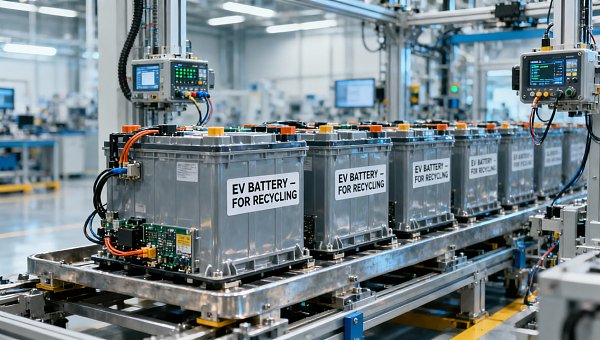
 MIIT Launches Joint Enforcement on EV Battery RecyclingMIIT's EV battery recycling enforcement targets BMS data leaks, illegal dismantling & electrolyte disposal—key for exporters, testers & procurement teams needing GDPR/CCPA compliance.
 SAMR Launches Unified Market Action on Testing & CertificationSAMR Launches Unified Market Action on Testing & Certification—tackling fragmentation, redundant fees & cross-border recognition barriers for exporters and manufacturers.
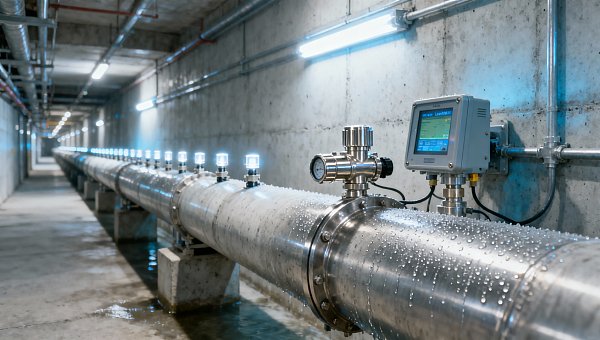
 Fifteenth Five-Year Urban Renewal Plan Approved, Signaling Overseas Procurement for Smart Water & Environmental Monitoring DevicesSmart water & environmental monitoring devices gain global momentum as China’s 15th Five-Year Urban Renewal Plan mandates intelligent infrastructure—key for Belt and Road exports.
 IMF Warns AI Amplifies Financial Cybersecurity RisksAI amplifies financial cybersecurity risks—IMF warns. Discover how XAI verification, adversarial attacks, and regulatory mandates impact AI detection equipment, FinTech, and banks.
 Tmall Health Launches 'Health Supplement Safety Alliance'Health Supplement Safety Alliance launched by Tmall Health—boosting traceability, lab credibility & cross-border quality for brands like By-Health and Centrum.
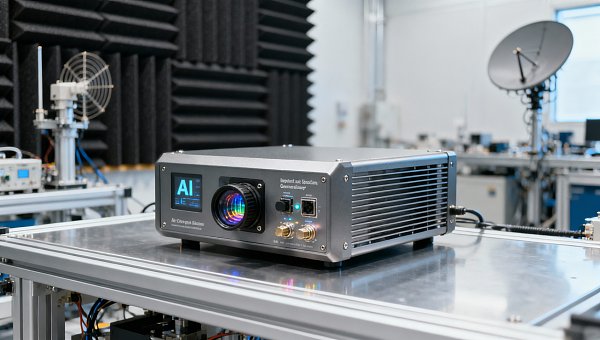
 EN IEC 61000-6-4:2026 EMC Standard Effective for AI Edge DevicesEN IEC 61000-6-4:2026 EMC standard is live—15% stricter radiated limits for AI edge devices. Act now to secure EU industrial IoT procurement eligibility.
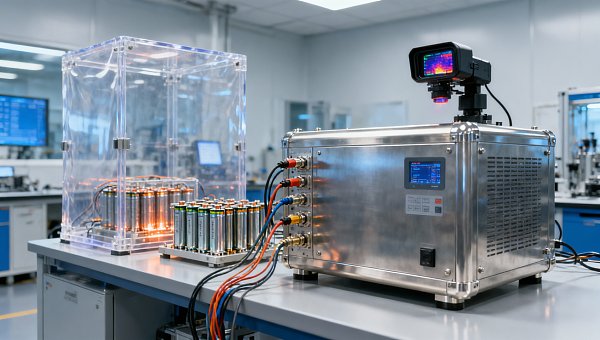
 APEC Auto Dialogue Confirms Semi-Solid Battery Deployment and Fast ChargingSemi-solid battery deployment & 15-min fast charging confirmed at APEC Auto Dialogue—spurring global demand for China-made battery testing equipment, BMS validation, and thermal runaway simulation solutions.
 EU Imposes Final Anti-Dumping Duty on Chinese Adipic AcidEU anti-dumping duty on Chinese adipic acid takes effect May 2026—impacting pH meters, sensors & analytical instruments. Act now to secure supply chains.
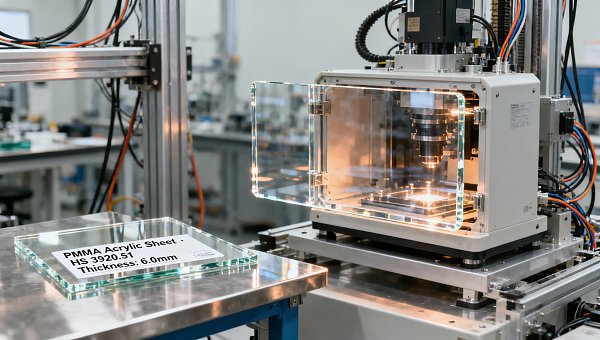
 Colombia Upholds Anti-Dumping Duties on Chinese Acrylic SheetsColombia Upholds Anti-Dumping Duties on Chinese Acrylic Sheets — 32.7% tariff extended for 5 years. Critical for exporters of medical, lab & analytical instrument enclosures.
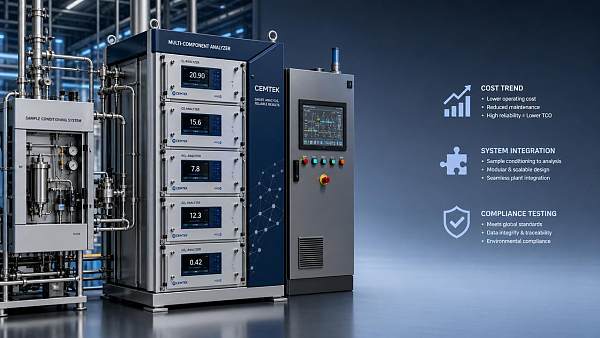
 Multi Component Analyzer Cost Trends for 2026 Expansion PlansMulti component analyzer cost trends for 2026: discover key pricing drivers, hidden costs, and smart supplier strategies to budget accurately and maximize expansion ROI.
 SR-2050 Analyzer Maintenance Points That Affect Service LifeSR-2050 analyzer maintenance points that directly impact service life, accuracy, and uptime. Learn how cleaning, calibration, inspection, and environment control reduce failures.
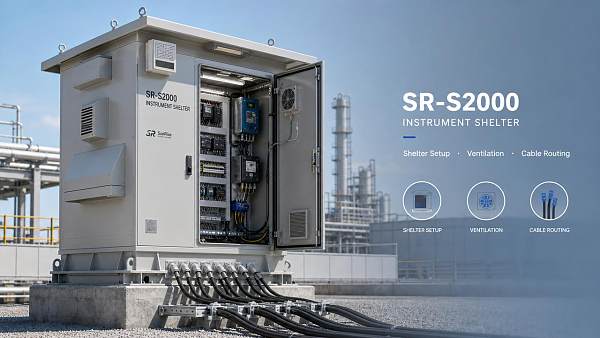
 SR-S2000 Shelter: Common Setup Mistakes to AvoidSR-S2000 shelter setup mistakes can cause heat, moisture, and maintenance issues. Learn what to avoid for safer installation, stable performance, and longer equipment life.
 Custom Gas Analyzer Import Risks and Spec Mismatch IssuesCustom gas analyzer import risks can derail projects through spec mismatch, compliance gaps, and integration issues. Learn how buyers can compare suppliers, verify requirements, and avoid costly rework.
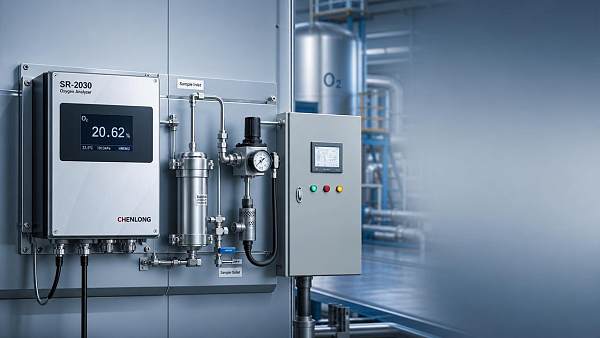
 When to Choose the SR-2030 Oxygen Analyzer for ComplianceSR-2030 oxygen analyzer: learn when it’s the right choice for compliance, safety, and stable process control. Explore key selection checks, audit-ready benefits, and deployment tips.
 SR-EX Analyzer Price Factors in 2026 ProjectsSR-EX analyzer price factors explained for 2026 projects: compare scope, compliance, integration, and lifecycle costs to approve budgets with less risk and more confidence.
 SR-2070 Analyzer vs Alternatives: Key Performance ChecksSR-2070 analyzer vs alternatives: compare accuracy, drift, response time, calibration effort, and lifecycle cost to choose a more reliable, efficient analyzer with confidence.
 2026 Market Trends for Predictive Analytics InstrumentsPredictive analytics instruments are reshaping 2026 market strategy. Explore key trends, risks, and buying checkpoints to improve uptime, integration, and ROI across industries.
 Wireless Measurement Systems: What Impacts Data Stability Most?Wireless measurement systems perform best when data stays stable. Discover the key factors affecting reliability, accuracy, and long-term performance across industrial applications.
 How Remote Monitoring Devices Cut Downtime in Field OperationsRemote monitoring devices help field teams detect issues early, reduce downtime, and improve maintenance planning. Discover how they keep operations reliable and on schedule.
 5th TCM High-Quality Development Conference Highlights NIR & AI QC for Global ExportNIR & AI QC take center stage at the 5th TCM High-Quality Development Conference—key for global export compliance, real-time quality control, and smart manufacturing.
 IEC Approves China-Led Guide for Smart Sensor Semantic InteroperabilityIEC TR 63388 semantic interoperability guide for smart sensors—China-led, globally approved. Boost IIoT integration across OPC UA, MQTT & TSN now.
 PBOC April Data Shows Strong Credit Flow to Tech & Inclusive LendingPBOC April data reveals surging tech & inclusive lending—boosting global demand for calibrated lab equipment, R&D instruments, and metrology-ready exports.
 SABIC Launches 'Smart Factory 2030' with China-Focused Online Analysis ProcurementSABIC's 'Smart Factory 2030' launches China-focused online analysis procurement—pH/ORP, IR gas & LIBS analyzers. SIL2-certified suppliers, act now!
 China Completes '14th Five-Year' Smart CNC Line R&DChina's '14th Five-Year' Smart CNC Line R&D is complete — boosting reliability & cutting delivery time for precision metrology equipment. Discover how it transforms global procurement.
 FDA Updates IVD Software Guidance: AI Diagnostic Devices Must Provide Verifiable Training DatasetsFDA mandates verifiable training datasets for AI diagnostic devices — critical for medical imaging, DICOM tools, and regulatory services entering the U.S. market.
 EU EN IEC 61000-6-4:2026 EMC Standard Takes EffectEU EN IEC 61000-6-4:2026 EMC standard is live—stricter radiated emission limits for AI edge devices. Act now to avoid EU customs delays & certification bottlenecks.
 APEC Auto Dialogue Confirms Semi-Solid Battery Deployment and 15-Minute Fast ChargingSemi-solid battery deployment and 15-minute fast charging confirmed at APEC Auto Dialogue — driving urgent global demand for BMS validation, thermal runaway, and high-voltage test equipment.
 MIIT Launches Joint Enforcement on EV Battery RecyclingMIIT Launches Joint Enforcement on EV Battery Recycling: Critical for battery test equipment exporters, data compliance, and global supply chains—act now to avoid delays.
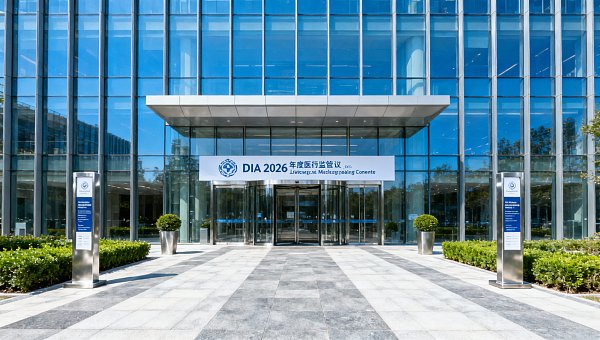
 DIA China Annual Meeting Sells Out Despite $7,000+ FeeDIA China Annual Meeting sells out despite $7,000+ fee — a powerful signal for pharma exporters, manufacturers & regulatory service providers targeting China’s innovation ecosystem.
 Continuous Monitoring Solutions and the Shift Toward Smarter ComplianceContinuous monitoring solutions help enterprises strengthen compliance with real-time visibility, traceable data, and faster risk response. Discover how smarter oversight improves resilience and audit confidence.
 Confined Space Monitors: Key Mistakes That Raise Safety RiskConfined space monitors can fail when selection, bump testing, calibration, or sampling is wrong. Learn the biggest safety mistakes and how to prevent false safe readings.














Search Categories
Search Categories
Latest Article
- IEC Approves China-Led Standard for Smart Sensor Semantic InteroperabilityIEC TR 63372 smart sensor semantic interoperability standard—led by China—cuts export certification time by 30%. Discover how it reshapes global IoT integration.Posted by:
- MIIT Launches Joint Enforcement on EV Battery RecyclingMIIT's EV battery recycling enforcement targets BMS data leaks, illegal dismantling & electrolyte disposal—key for exporters, testers & procurement teams needing GDPR/CCPA compliance.Posted by:
- SAMR Launches Unified Market Action on Testing & CertificationSAMR Launches Unified Market Action on Testing & Certification—tackling fragmentation, redundant fees & cross-border recognition barriers for exporters and manufacturers.Posted by:
Please give us a message
