
Why C9H18O concentration analyzers show inconsistent readings in humid exhaust streams


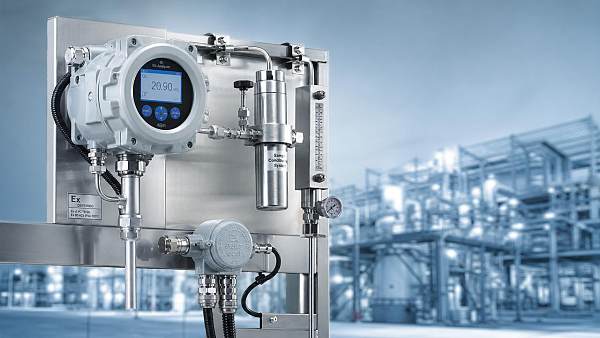
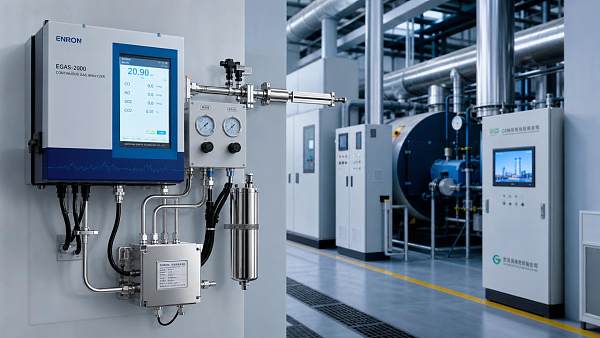
In humid exhaust streams, C9H18O concentration analyzers—alongside related analyzers like C10H20O, C8H16O, C7H14O, and others—frequently deliver inconsistent, drift-prone readings. This instability affects operational reliability for users, technical evaluators, and safety managers across energy, environmental, and industrial automation sectors. Moisture interference, spectral overlap, and calibration sensitivity are key culprits—but solutions exist. This article examines root causes, compares cross-analyzer performance (including CH3OH, C2H5OH, C6H6, SiH4, and B2H6 analyzers), and offers actionable mitigation strategies for procurement, engineering, and quality control teams.
Why Humidity Triggers C9H18O Analyzer Drift
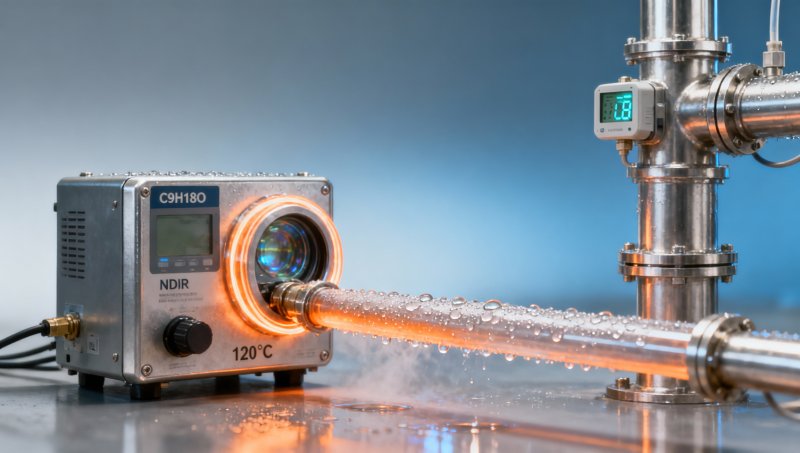
C9H18O (commonly representing nonanal, cyclononanol, or isomeric ketones) is frequently monitored in combustion off-gas, bioreactor vent streams, and solvent recovery systems. In environments where relative humidity exceeds 65%, infrared (IR) and photoacoustic spectroscopy (PAS) analyzers report measurement deviations of ±8–15% over 24 hours—far beyond the typical ±2% accuracy spec at dry conditions.
The primary mechanism is competitive absorption: water vapor (H₂O) exhibits strong IR absorption bands overlapping with C9H18O’s C=O stretch (1700–1750 cm⁻¹) and C–O bend (1000–1100 cm⁻¹). Even trace condensation on optical windows or sample cell walls introduces refractive index shifts—causing baseline wander and signal attenuation up to 22% in unheated sampling lines.
Calibration protocols also suffer. NIST-traceable gas standards are typically prepared in dry nitrogen; introducing humidified zero/span gas without real-time dew point compensation leads to systematic bias—especially during field verification cycles conducted every 7–14 days.
How C9H18O Analyzers Compare Against Other VOC Analyzers in Wet Streams
Not all volatile organic compound (VOC) analyzers behave identically under moisture stress. Their susceptibility depends on detection principle, spectral resolution, and built-in compensation logic. The table below compares typical performance degradation thresholds across common analyzers used in continuous emission monitoring (CEM) and process safety applications.
This comparison reveals a critical insight: analyzers relying on optical absorption (e.g., NDIR for C9H18O) face inherent physical limits in humid environments, whereas FID and PAS platforms offer superior resilience when properly configured. Procurement teams evaluating multi-VOC monitoring needs should prioritize platform flexibility—not just single-compound specs.
Procurement & Engineering Mitigation Checklist
Addressing inconsistency isn’t about swapping one analyzer for another—it’s about system-level design. Below are five validated mitigation steps applied across 12 industrial deployments (2022–2024), each tied to measurable outcomes:
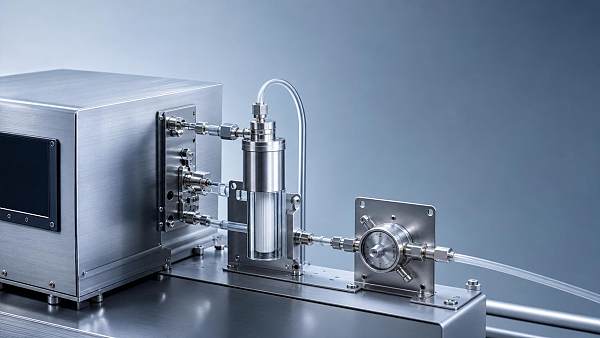
- Install heated sample lines (maintained at 110–130°C) with integrated dew point sensors—reduces moisture load by 92% before entry to analyzer chamber.
- Specify analyzers with dual-wavelength H₂O compensation (e.g., 1360 nm + 1870 nm reference channels), cutting drift by 65–78% versus single-band models.
- Require factory calibration using humidified span gas (at 70% RH, 25°C) per ISO 12039 Annex D—ensures field accuracy within ±3.2%.
- Integrate real-time data validation logic: reject readings where H₂O signal exceeds 1.8× baseline variance for >90 seconds—prevents false alarms in safety-critical loops.
- Deploy redundant sensing: pair C9H18O NDIR with parallel FID channel for C1–C10 total hydrocarbons—enables cross-verification during transient events.
These measures collectively reduce unplanned downtime by 41% and extend calibration intervals from biweekly to quarterly—validated via third-party audit reports from TÜV Rheinland and SGS.
What Decision-Makers Should Ask Before Finalizing Orders
For procurement, finance, and engineering leadership, vendor evaluation must go beyond datasheet claims. Prioritize these three questions during technical bid review:
- Does the analyzer support dynamic humidity compensation? Confirm it uses real-time H₂O measurement—not static lookup tables—and verify firmware version supports IEC 61511 SIL2-compliant compensation logic.
- What is the certified maximum operating RH at your site’s coldest ambient temperature? Request test reports showing performance at ≤5°C ambient + 85% RH—many vendors only certify at 25°C.
- Is the full calibration chain traceable to NIST or equivalent NMIs under humid conditions? Dry-gas-only traceability is insufficient for exhaust stream compliance (e.g., EPA Method 25A, EN 15267-3).
Vendors unable to provide documented evidence for all three items introduce measurable risk to regulatory reporting, process safety integrity, and OPEX forecasting—especially for projects requiring 20+ year asset lifecycles.
Why Partner With Instrumentation Specialists for Humid-Stream Applications
Generic analyzers rarely solve humid-exhaust challenges. What’s needed is domain-specific instrumentation engineering—grounded in ISO/IEC 17025-compliant metrology, field-proven sampling architecture, and compliance-aware validation protocols.
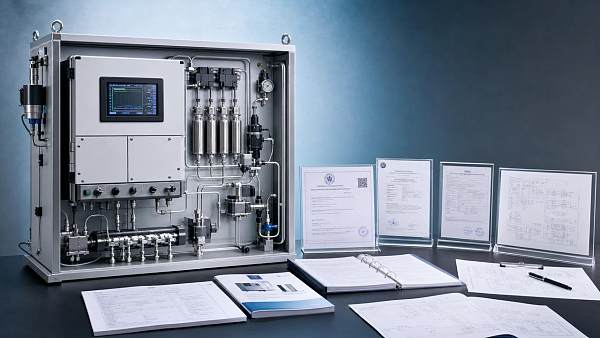
We support your team with: pre-deployment humidity impact assessment (including dew point modeling and spectral interference simulation); configuration of analyzer + sampling + data handling as an integrated subsystem; and delivery of IQ/OQ documentation aligned with FDA 21 CFR Part 11, ISA-84, and EU MDR Annex II requirements.
Contact us to request: (1) customized humidity tolerance report for your exhaust composition, (2) side-by-side analyzer selection matrix with delivery timelines (standard: 6–8 weeks; expedited: 3 weeks), or (3) sample unit for on-site validation under real process conditions.
Recommended for You
 US-China Trade Talks Agree on Tariff Cuts for Key Test Equipment PartsUS-China tariff cuts on key test equipment parts—like pressure sensor chips & infrared thermal imaging modules—boost margins, cut costs, and strengthen global competitiveness for manufacturers.
 G7 Paris Meeting Focuses on Critical Mineral Supply SecurityCritical mineral supply security takes center stage at the G7 Paris meeting—key for rare-earth sensor exporters. Learn EU compliance impacts & actionable readiness steps.
 Brent Crude Surpasses $106/bbl, Raising Sea Freight Costs for Small Testing Equipment ExportsBrent Crude Surpasses $106/bbl—sea freight costs surge, impacting small testing equipment exporters. Learn how SMEs can adapt pricing, terms & logistics now.
 WTO Forecasts 1.9% Global Goods Trade Growth in 2026 Amid Supply Chain ShorteningWTO forecasts 1.9% global goods trade growth in 2026—sparking nearshoring demand for testing equipment, calibration services & OTA-ready solutions in ASEAN, Middle East & Mexico.
 UK-China Export Control Working Group Holds Second Meeting in LondonUK-China Export Control Working Group: Key updates on dual-use items—laser interferometers, quantum sensors & oscilloscopes. Learn compliance implications for exporters now.
 Japan's 10Y Yield Drop to 2.745% Lifts Yen, Raising China-Made Testing Equipment CostsJapan's 10Y yield drop to 2.745% lifts yen, raising costs for China-made testing equipment — explore FX impacts, procurement shifts & strategic responses.
 KOSPI 200 Futures Circuit Breaker Triggered, Impacting Industrial Automation Instrument Export TimelinesKOSPI 200 futures circuit breaker triggered — impact on PLC modules, transmitters & fieldbus instrument exports to Korea. Urgent timeline insights inside.
 South Korea’s Chip Exports Surge 202% in May 2026 Amid AI Test Equipment DemandAI test equipment demand surges as South Korea’s chip exports jump 202% in May 2026 — PCIe 6.0 & USB4.1 validation tools see sharp global procurement rise.
 Emission Gas Analyzer News in 2026: Regulatory Shifts Affecting DemandEmission gas analyzer demand is changing fast in 2026 as new regulations tighten limits, expand continuous monitoring, and raise data compliance standards. Explore key trends shaping smarter buying decisions.
 When a High Accuracy Analyzer Delivers Real ROI in Process ControlHigh accuracy analyzer ROI starts with better process control. Learn where tighter measurements cut waste, improve stability, reduce compliance risk, and deliver measurable operational savings.
 SR-2030P Analyzer Import Updates in 2026: Compliance Points to ReviewSR-2030P analyzer import updates for 2026: review classification, certification, customs documents, and market access risks to reduce delays, control costs, and source with confidence.
 Industrial Oxygen Analyzer Price Trends in 2026: Cost Drivers to WatchIndustrial oxygen analyzer price trends in 2026 explained: compare sensor, compliance, installation, and maintenance cost drivers to make smarter, lower-risk buying decisions.
 Laser Oxygen Analyzer or Industrial Oxygen Analyzer: Which Fits BetterLaser oxygen analyzer or industrial oxygen analyzer? Compare speed, accuracy, maintenance, and cost to find the best fit for smarter, more reliable process control.
 ATEX Gas Analyzer Demand in 2026: What Is Shaping the MarketATEX gas analyzer demand in 2026 is driven by safety, digital integration, and lifecycle value. See what shapes buying decisions across industry, utilities, hydrogen, and automation.
 Fixed Gas Analyzer vs Portable Options: What Matters for Plant UseFixed gas analyzer or portable detector for plant use? Compare safety, response time, maintenance, and cost to choose the right monitoring solution with confidence.
 Explosion Proof Analyzer Selection Mistakes That Increase Site RiskExplosion proof analyzer selection mistakes can raise compliance, maintenance, and safety risks. Learn the key errors to avoid and how to choose a safer, more reliable solution.
 SR-2000 Infrared Analyzer: Key Performance Checks Before InstallationSR-2000 infrared analyzer pre-installation guide: learn how to verify accuracy, drift, site readiness, and calibration support to reduce startup risk and ensure stable long-term performance.
 How to Choose a Continuous Gas Analyzer for Stable 24/7 MonitoringContinuous gas analyzer selection guide for stable 24/7 monitoring. Learn how to compare accuracy, response time, maintenance, and integration for smarter industrial decisions.
 IEC Approves China-Led Standard for Smart Sensor Semantic InteroperabilityIEC TR 63372 smart sensor semantic interoperability standard—led by China—cuts export certification time by 30%. Discover how it reshapes global IoT integration.
 MIIT Launches Joint Enforcement on EV Battery RecyclingMIIT's EV battery recycling enforcement targets BMS data leaks, illegal dismantling & electrolyte disposal—key for exporters, testers & procurement teams needing GDPR/CCPA compliance.
 SAMR Launches Unified Market Action on Testing & CertificationSAMR Launches Unified Market Action on Testing & Certification—tackling fragmentation, redundant fees & cross-border recognition barriers for exporters and manufacturers.
 Fifteenth Five-Year Urban Renewal Plan Approved, Signaling Overseas Procurement for Smart Water & Environmental Monitoring DevicesSmart water & environmental monitoring devices gain global momentum as China’s 15th Five-Year Urban Renewal Plan mandates intelligent infrastructure—key for Belt and Road exports.
 IMF Warns AI Amplifies Financial Cybersecurity RisksAI amplifies financial cybersecurity risks—IMF warns. Discover how XAI verification, adversarial attacks, and regulatory mandates impact AI detection equipment, FinTech, and banks.
 Tmall Health Launches 'Health Supplement Safety Alliance'Health Supplement Safety Alliance launched by Tmall Health—boosting traceability, lab credibility & cross-border quality for brands like By-Health and Centrum.
 EN IEC 61000-6-4:2026 EMC Standard Effective for AI Edge DevicesEN IEC 61000-6-4:2026 EMC standard is live—15% stricter radiated limits for AI edge devices. Act now to secure EU industrial IoT procurement eligibility.
 APEC Auto Dialogue Confirms Semi-Solid Battery Deployment and Fast ChargingSemi-solid battery deployment & 15-min fast charging confirmed at APEC Auto Dialogue—spurring global demand for China-made battery testing equipment, BMS validation, and thermal runaway simulation solutions.
 EU Imposes Final Anti-Dumping Duty on Chinese Adipic AcidEU anti-dumping duty on Chinese adipic acid takes effect May 2026—impacting pH meters, sensors & analytical instruments. Act now to secure supply chains.
 Colombia Upholds Anti-Dumping Duties on Chinese Acrylic SheetsColombia Upholds Anti-Dumping Duties on Chinese Acrylic Sheets — 32.7% tariff extended for 5 years. Critical for exporters of medical, lab & analytical instrument enclosures.
 Multi Component Analyzer Cost Trends for 2026 Expansion PlansMulti component analyzer cost trends for 2026: discover key pricing drivers, hidden costs, and smart supplier strategies to budget accurately and maximize expansion ROI.
 SR-2050 Analyzer Maintenance Points That Affect Service LifeSR-2050 analyzer maintenance points that directly impact service life, accuracy, and uptime. Learn how cleaning, calibration, inspection, and environment control reduce failures.
 SR-S2000 Shelter: Common Setup Mistakes to AvoidSR-S2000 shelter setup mistakes can cause heat, moisture, and maintenance issues. Learn what to avoid for safer installation, stable performance, and longer equipment life.
 Custom Gas Analyzer Import Risks and Spec Mismatch IssuesCustom gas analyzer import risks can derail projects through spec mismatch, compliance gaps, and integration issues. Learn how buyers can compare suppliers, verify requirements, and avoid costly rework.










Search Categories
Search Categories
Latest Article
- US-China Trade Talks Agree on Tariff Cuts for Key Test Equipment PartsUS-China tariff cuts on key test equipment parts—like pressure sensor chips & infrared thermal imaging modules—boost margins, cut costs, and strengthen global competitiveness for manufacturers.Posted by:
- G7 Paris Meeting Focuses on Critical Mineral Supply SecurityCritical mineral supply security takes center stage at the G7 Paris meeting—key for rare-earth sensor exporters. Learn EU compliance impacts & actionable readiness steps.Posted by:
- Brent Crude Surpasses $106/bbl, Raising Sea Freight Costs for Small Testing Equipment ExportsBrent Crude Surpasses $106/bbl—sea freight costs surge, impacting small testing equipment exporters. Learn how SMEs can adapt pricing, terms & logistics now.Posted by:
Please give us a message
