
Tangshan Beijiao Thermal Power Unit A-Overhaul Validates Domestic Online Analyzers


On April 24, 2026, Tangshan Beijiao Thermal Power Co., Ltd. initiated the first A-level maintenance of its Unit #1 since commissioning, with a focus on replacing CEMS and flue gas velocity/composition analysis modules in the desulfurization and denitrification systems — using fully domestic industrial online analyzers supplied jointly by three Chinese instrumentation enterprises. This event signals growing deployment validation for high-reliability domestic process analyzers in large-scale energy infrastructure projects, warranting attention from power generation equipment suppliers, environmental monitoring system integrators, and industrial automation component manufacturers.
Event Overview
On April 24, 2026, Tangshan Beijiao Thermal Power Company commenced the first A-level maintenance of its Unit #1 following commercial operation. The scope included replacement of continuous emission monitoring systems (CEMS) and flue gas flow and composition analysis modules within the FGD and SCR systems. A domestic substitution strategy was adopted, with three China-based instrumentation enterprises jointly supplying the full suite of industrial online analysis equipment. No further technical or contractual details have been publicly disclosed.
Industries Affected by This Development
Power Generation Equipment Suppliers
Suppliers of boiler auxiliaries, flue gas treatment systems, and integrated control platforms may face revised specification requirements. As state-owned thermal plants increasingly mandate domestic analyzer compatibility during major overhauls, retrofit design documentation and interface protocols must now accommodate locally certified analytical hardware — affecting engineering lead time and qualification testing workflows.
Environmental Monitoring System Integrators
Integrators delivering turnkey CEMS or stack monitoring solutions are directly impacted by shifting procurement preferences. With this project confirming batch-level engineering validation of domestic analyzers in Class-A maintenance contexts, tender evaluations for future thermal plant overhauls may assign higher technical weight to domestic vendor track records in comparable scale and reliability-critical applications.
Industrial Automation Component Manufacturers
Manufacturers producing supporting components — such as sample probe assemblies, heated sample lines, calibration gas manifolds, and analyzer-specific I/O modules — may see increased demand alignment with domestic analyzer form factors and communication protocols (e.g., Modbus TCP vs. HART). Product adaptation cycles could shorten if domestic analyzer adoption accelerates across regional thermal fleets.
Engineering & Maintenance Service Providers
Third-party maintenance contractors performing A/B-level overhauls at coal-fired plants must update technician training, spare parts inventories, and commissioning checklists to support domestic analyzer models. Unlike legacy imported units, newer domestic systems may differ in diagnostics interfaces, calibration procedures, and fault-code mapping — requiring early access to OEM technical documentation and field service bulletins.
What Relevant Enterprises or Practitioners Should Monitor and Do Now
Track official technical acceptance reports from State Grid or provincial energy authorities
While the installation is confirmed, formal performance validation data — including 72-hour stability tests, zero/span drift metrics, and cross-comparison results against reference analyzers — has not yet been published. Such reports will indicate whether this deployment meets DL/T 1173–2012 or HJ 75–2017 compliance thresholds for Class-A verification.
Monitor upcoming A-level maintenance tenders at other thermal plants in Hebei, Shandong, and Inner Mongolia
Tangshan Beijiao is part of the State Power Investment Corporation (SPIC) group. If similar domestic analyzer specifications appear in SPIC’s Q3–Q4 2026 overhaul tenders — especially at units under the same regional dispatch center — it would suggest policy-driven replication rather than isolated procurement discretion.
Distinguish between procurement policy signals and actual field interoperability outcomes
Selection of domestic analyzers reflects supply chain localization intent, but successful integration depends on proven compatibility with existing DCS platforms (e.g., Siemens Desigo, Honeywell Experion, or domestic SUPCON ECS), cybersecurity certification (e.g., GB/T 22239–2019 Level 3), and long-term service availability. These elements require separate verification beyond equipment delivery.
Update procurement and commissioning readiness plans for analyzer-related spares and tools
Domestic analyzers often use non-standard calibration adapters, proprietary diagnostic cables, and region-specific gas cylinder fittings. Maintenance teams should inventory compatible consumables ahead of next scheduled outages — particularly where dual-sourcing (imported + domestic) is not yet mandated or supported.
Editor Perspective / Industry Observation
Observably, this event is less a completed technology transition and more an inflection point in engineering validation: it confirms that domestic online analyzers have progressed beyond pilot or auxiliary roles into primary measurement functions within mission-critical thermal plant subsystems. Analysis shows that the significance lies not in technical novelty per se, but in the scale and context — A-level maintenance implies rigorous operational scrutiny, extended uptime expectations, and integration into regulatory reporting chains. From an industry perspective, this is best understood as an early-stage signal of broader standardization pressure, not yet evidence of wholesale replacement. Sustained monitoring is needed to assess whether subsequent deployments maintain consistent reliability, calibration traceability, and third-party audit readiness.

In summary, the Tangshan Beijiao Unit #1 A-overhaul represents a concrete milestone in the operational maturation of domestic industrial online analyzers — not as standalone instruments, but as validated components within regulated thermal power processes. It is currently more accurate to interpret this as a procedural validation step than as a market inflection; the industry’s attention should remain focused on reproducibility, long-term performance data, and cross-project specification consistency — rather than extrapolating immediate market share shifts.
Source: Public announcement by Tangshan Beijiao Thermal Power Co., Ltd. (April 24, 2026); no additional technical documentation or performance reports have been released as of publication. Ongoing observation is warranted for official validation summaries, related tender documents from SPIC-affiliated plants, and updates to national standards governing online analyzer application in Class-A maintenance contexts.
Recommended for You
 IEC Approves China-Led Standard for Smart Sensor Semantic InteroperabilityIEC TR 63372 smart sensor semantic interoperability standard—led by China—cuts export certification time by 30%. Discover how it reshapes global IoT integration.
 MIIT Launches Joint Enforcement on EV Battery RecyclingMIIT's EV battery recycling enforcement targets BMS data leaks, illegal dismantling & electrolyte disposal—key for exporters, testers & procurement teams needing GDPR/CCPA compliance.
 SAMR Launches Unified Market Action on Testing & CertificationSAMR Launches Unified Market Action on Testing & Certification—tackling fragmentation, redundant fees & cross-border recognition barriers for exporters and manufacturers.
 Fifteenth Five-Year Urban Renewal Plan Approved, Signaling Overseas Procurement for Smart Water & Environmental Monitoring DevicesSmart water & environmental monitoring devices gain global momentum as China’s 15th Five-Year Urban Renewal Plan mandates intelligent infrastructure—key for Belt and Road exports.
 IMF Warns AI Amplifies Financial Cybersecurity RisksAI amplifies financial cybersecurity risks—IMF warns. Discover how XAI verification, adversarial attacks, and regulatory mandates impact AI detection equipment, FinTech, and banks.
 Tmall Health Launches 'Health Supplement Safety Alliance'Health Supplement Safety Alliance launched by Tmall Health—boosting traceability, lab credibility & cross-border quality for brands like By-Health and Centrum.
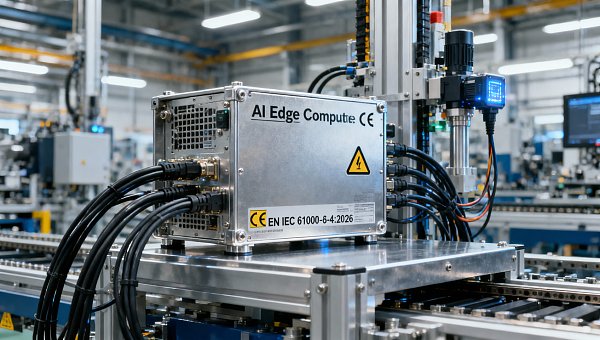
 EN IEC 61000-6-4:2026 EMC Standard Effective for AI Edge DevicesEN IEC 61000-6-4:2026 EMC standard is live—15% stricter radiated limits for AI edge devices. Act now to secure EU industrial IoT procurement eligibility.
 APEC Auto Dialogue Confirms Semi-Solid Battery Deployment and Fast ChargingSemi-solid battery deployment & 15-min fast charging confirmed at APEC Auto Dialogue—spurring global demand for China-made battery testing equipment, BMS validation, and thermal runaway simulation solutions.
 EU Imposes Final Anti-Dumping Duty on Chinese Adipic AcidEU anti-dumping duty on Chinese adipic acid takes effect May 2026—impacting pH meters, sensors & analytical instruments. Act now to secure supply chains.
 Colombia Upholds Anti-Dumping Duties on Chinese Acrylic SheetsColombia Upholds Anti-Dumping Duties on Chinese Acrylic Sheets — 32.7% tariff extended for 5 years. Critical for exporters of medical, lab & analytical instrument enclosures.
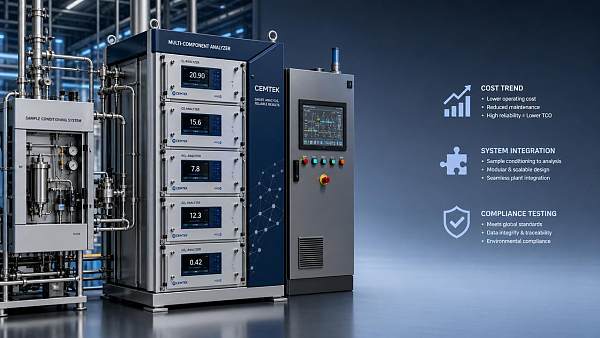
 Multi Component Analyzer Cost Trends for 2026 Expansion PlansMulti component analyzer cost trends for 2026: discover key pricing drivers, hidden costs, and smart supplier strategies to budget accurately and maximize expansion ROI.
 SR-2050 Analyzer Maintenance Points That Affect Service LifeSR-2050 analyzer maintenance points that directly impact service life, accuracy, and uptime. Learn how cleaning, calibration, inspection, and environment control reduce failures.
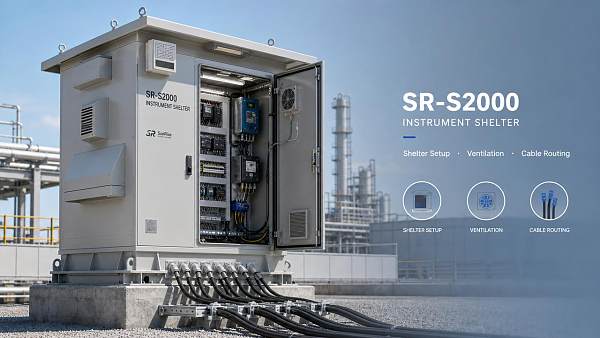
 SR-S2000 Shelter: Common Setup Mistakes to AvoidSR-S2000 shelter setup mistakes can cause heat, moisture, and maintenance issues. Learn what to avoid for safer installation, stable performance, and longer equipment life.
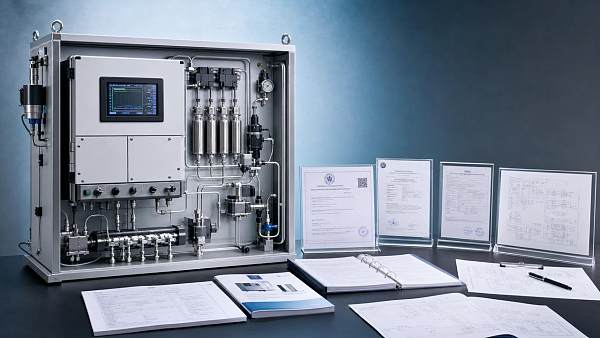
 Custom Gas Analyzer Import Risks and Spec Mismatch IssuesCustom gas analyzer import risks can derail projects through spec mismatch, compliance gaps, and integration issues. Learn how buyers can compare suppliers, verify requirements, and avoid costly rework.
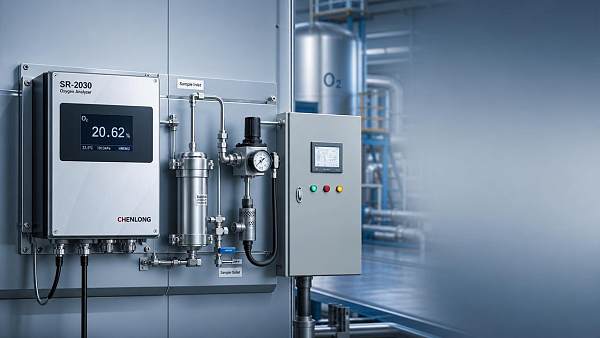
 When to Choose the SR-2030 Oxygen Analyzer for ComplianceSR-2030 oxygen analyzer: learn when it’s the right choice for compliance, safety, and stable process control. Explore key selection checks, audit-ready benefits, and deployment tips.
 SR-EX Analyzer Price Factors in 2026 ProjectsSR-EX analyzer price factors explained for 2026 projects: compare scope, compliance, integration, and lifecycle costs to approve budgets with less risk and more confidence.
 SR-2070 Analyzer vs Alternatives: Key Performance ChecksSR-2070 analyzer vs alternatives: compare accuracy, drift, response time, calibration effort, and lifecycle cost to choose a more reliable, efficient analyzer with confidence.
 2026 Market Trends for Predictive Analytics InstrumentsPredictive analytics instruments are reshaping 2026 market strategy. Explore key trends, risks, and buying checkpoints to improve uptime, integration, and ROI across industries.
 Wireless Measurement Systems: What Impacts Data Stability Most?Wireless measurement systems perform best when data stays stable. Discover the key factors affecting reliability, accuracy, and long-term performance across industrial applications.
 How Remote Monitoring Devices Cut Downtime in Field OperationsRemote monitoring devices help field teams detect issues early, reduce downtime, and improve maintenance planning. Discover how they keep operations reliable and on schedule.
 5th TCM High-Quality Development Conference Highlights NIR & AI QC for Global ExportNIR & AI QC take center stage at the 5th TCM High-Quality Development Conference—key for global export compliance, real-time quality control, and smart manufacturing.
 IEC Approves China-Led Guide for Smart Sensor Semantic InteroperabilityIEC TR 63388 semantic interoperability guide for smart sensors—China-led, globally approved. Boost IIoT integration across OPC UA, MQTT & TSN now.
 PBOC April Data Shows Strong Credit Flow to Tech & Inclusive LendingPBOC April data reveals surging tech & inclusive lending—boosting global demand for calibrated lab equipment, R&D instruments, and metrology-ready exports.
 SABIC Launches 'Smart Factory 2030' with China-Focused Online Analysis ProcurementSABIC's 'Smart Factory 2030' launches China-focused online analysis procurement—pH/ORP, IR gas & LIBS analyzers. SIL2-certified suppliers, act now!
 China Completes '14th Five-Year' Smart CNC Line R&DChina's '14th Five-Year' Smart CNC Line R&D is complete — boosting reliability & cutting delivery time for precision metrology equipment. Discover how it transforms global procurement.
 FDA Updates IVD Software Guidance: AI Diagnostic Devices Must Provide Verifiable Training DatasetsFDA mandates verifiable training datasets for AI diagnostic devices — critical for medical imaging, DICOM tools, and regulatory services entering the U.S. market.
 EU EN IEC 61000-6-4:2026 EMC Standard Takes EffectEU EN IEC 61000-6-4:2026 EMC standard is live—stricter radiated emission limits for AI edge devices. Act now to avoid EU customs delays & certification bottlenecks.
 APEC Auto Dialogue Confirms Semi-Solid Battery Deployment and 15-Minute Fast ChargingSemi-solid battery deployment and 15-minute fast charging confirmed at APEC Auto Dialogue — driving urgent global demand for BMS validation, thermal runaway, and high-voltage test equipment.
 MIIT Launches Joint Enforcement on EV Battery RecyclingMIIT Launches Joint Enforcement on EV Battery Recycling: Critical for battery test equipment exporters, data compliance, and global supply chains—act now to avoid delays.
 DIA China Annual Meeting Sells Out Despite $7,000+ FeeDIA China Annual Meeting sells out despite $7,000+ fee — a powerful signal for pharma exporters, manufacturers & regulatory service providers targeting China’s innovation ecosystem.
 Continuous Monitoring Solutions and the Shift Toward Smarter ComplianceContinuous monitoring solutions help enterprises strengthen compliance with real-time visibility, traceable data, and faster risk response. Discover how smarter oversight improves resilience and audit confidence.
 Confined Space Monitors: Key Mistakes That Raise Safety RiskConfined space monitors can fail when selection, bump testing, calibration, or sampling is wrong. Learn the biggest safety mistakes and how to prevent false safe readings.



















Search Categories
Search Categories
Latest Article
- IEC Approves China-Led Standard for Smart Sensor Semantic InteroperabilityIEC TR 63372 smart sensor semantic interoperability standard—led by China—cuts export certification time by 30%. Discover how it reshapes global IoT integration.Posted by:
- MIIT Launches Joint Enforcement on EV Battery RecyclingMIIT's EV battery recycling enforcement targets BMS data leaks, illegal dismantling & electrolyte disposal—key for exporters, testers & procurement teams needing GDPR/CCPA compliance.Posted by:
- SAMR Launches Unified Market Action on Testing & CertificationSAMR Launches Unified Market Action on Testing & Certification—tackling fragmentation, redundant fees & cross-border recognition barriers for exporters and manufacturers.Posted by:
Please give us a message
