
Hazardous Area Analyzer Trends Shaping New Plant Designs


As industrial facilities push for safer, smarter, and more compliant operations, the hazardous area analyzer is becoming a critical factor in new plant design. For project managers and engineering leaders, understanding emerging analyzer trends can help reduce risk, improve efficiency, and support long-term automation goals from the earliest planning stage.
What a Hazardous Area Analyzer Means in Modern Plant Design
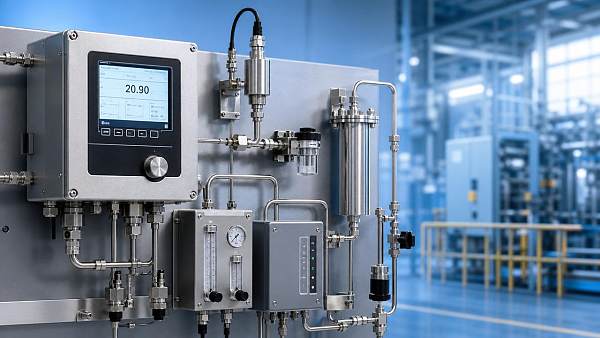
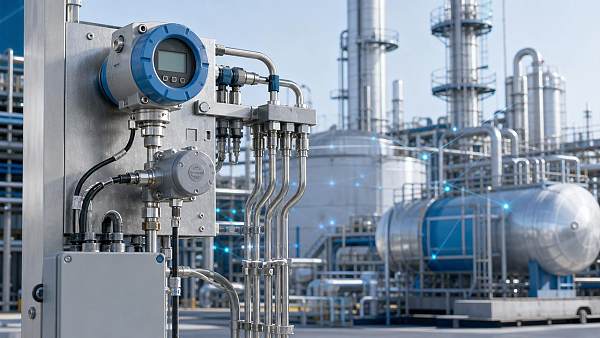
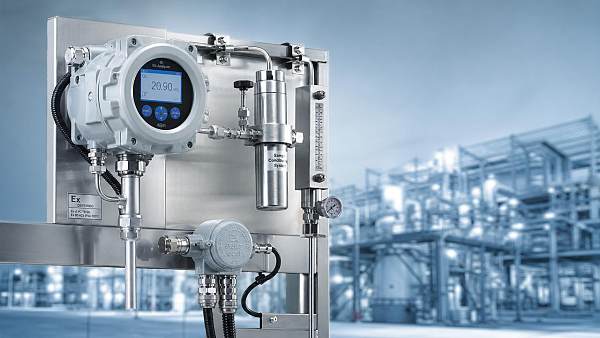
In broad industrial practice, a hazardous area analyzer refers to analytical instrumentation designed for environments where flammable gases, vapors, dust, or combustible materials may be present. These systems can include gas analyzers, composition analyzers, oxygen analyzers, moisture analyzers, process chromatographs, and related monitoring devices installed in classified zones. Their purpose is not only to generate measurement data, but also to do so safely, reliably, and in line with area classification requirements, electrical protection standards, and operational integrity goals.
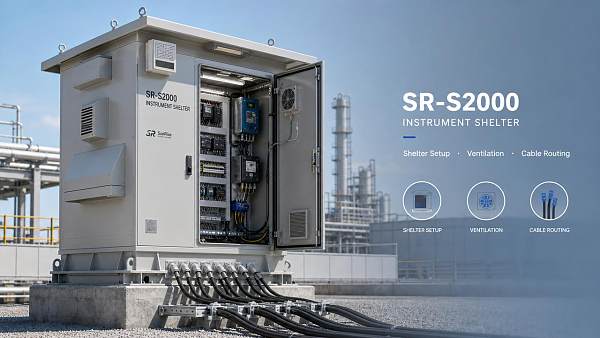
For project managers, the topic matters because analyzer selection now influences more than a single instrument package. It affects analyzer shelter design, wiring strategy, sample conditioning, purge systems, certification paths, maintenance access, cybersecurity planning, and integration with distributed control systems. In other words, the hazardous area analyzer has moved from a specialist procurement item to an early-stage design consideration with plant-wide implications.
This is especially relevant across the instrumentation industry, where the convergence of process measurement, industrial automation, digital diagnostics, and online monitoring is reshaping how new facilities are engineered. Plants are expected to launch faster, comply with stricter safety expectations, and support data-driven optimization from day one. Under these conditions, analyzer strategy becomes part of core project execution rather than a late engineering detail.
Why the Industry Is Paying Closer Attention
Several market and engineering forces are driving greater focus on hazardous area analyzer trends. First, regulatory scrutiny around workplace safety and emissions continues to rise. New plants in energy, chemicals, power generation, environmental treatment, and advanced manufacturing must demonstrate that critical measurements in hazardous locations are both accurate and compliant. A poorly specified analyzer can create startup delays, documentation gaps, or expensive redesign work.
Second, plant owners increasingly expect continuous monitoring rather than periodic testing. That shifts analytical instrumentation from a support function to a real-time operational tool. Measurements are being used not only for safety interlocks, but also for process optimization, energy efficiency, product quality, and predictive maintenance. As a result, the hazardous area analyzer must perform reliably over long operating cycles while remaining compatible with digital plant architecture.
Third, engineering teams are under pressure to simplify field installation and reduce lifecycle burden. This has encouraged analyzer designs with better diagnostics, modular enclosures, remote access capability, and stronger compatibility with intrinsically safe or explosion-protected configurations. Project leaders are therefore evaluating analyzers not simply by measurement principle, but by how well they fit construction schedules, commissioning plans, and future expansion needs.
Key Trends Shaping New Plant Projects
1. Earlier Integration into Front-End Engineering
A major trend is the earlier inclusion of the hazardous area analyzer in conceptual design and FEED stages. Historically, some projects finalized analyzer details after major mechanical and electrical decisions had already been made. That approach often caused conflicts around cabinet placement, sample line routing, ventilation, and hazardous area classification. Today, better practice is to define analytical measurement objectives, area constraints, and protection concepts much earlier. This reduces change orders and allows more realistic budgeting.
2. Stronger Alignment with Digital Automation Platforms
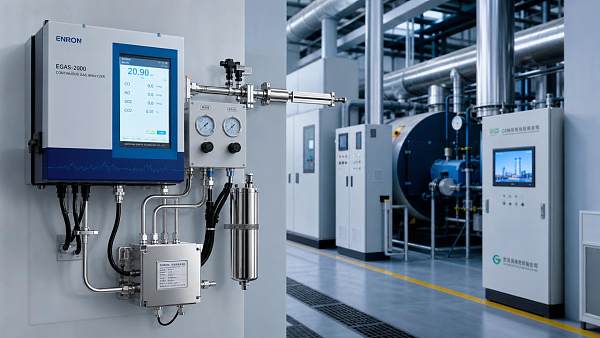
The hazardous area analyzer is increasingly expected to connect seamlessly with control systems, historians, asset management platforms, and remote monitoring tools. Smart diagnostics, health status reporting, and calibration records are becoming standard expectations. For project managers, this means analyzer packages should be reviewed as digital assets as well as hardware assets. Communication protocol compatibility, data quality, alarm philosophy, and cybersecurity readiness now deserve early attention.
3. Compact and Modular System Design
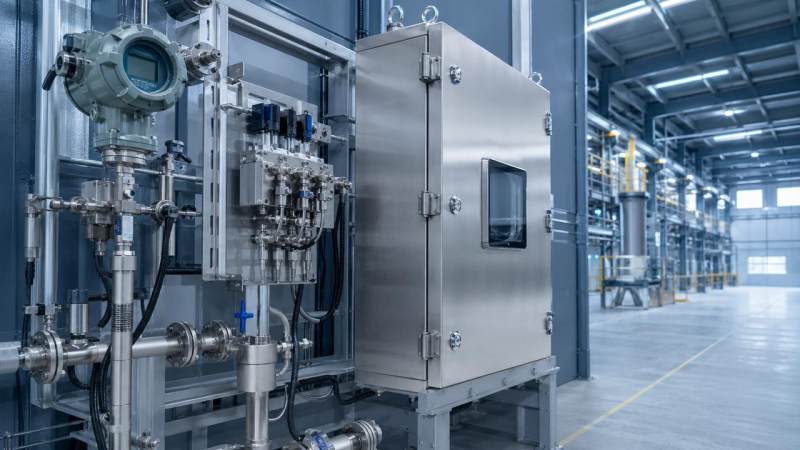
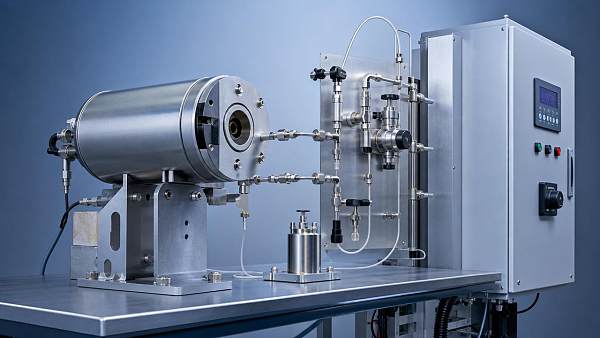
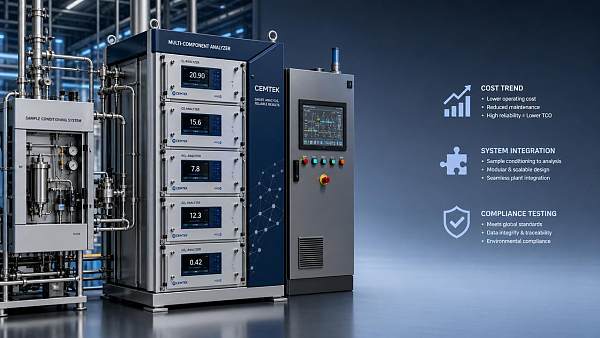
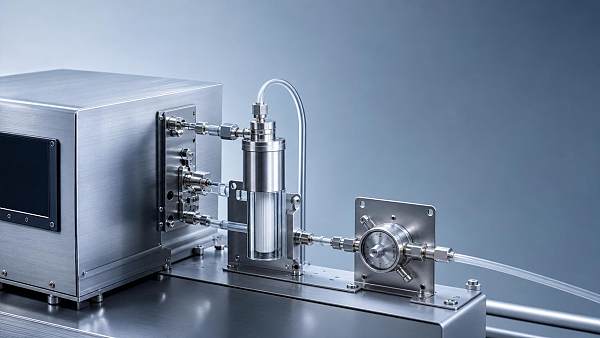
New plants often face space constraints, modular construction methods, and accelerated installation schedules. In response, suppliers are offering more compact hazardous area analyzer assemblies, integrated sample conditioning systems, and modular analyzer houses. These designs can shorten field work, reduce installation variability, and support pre-tested skids or packaged units. For multi-discipline project teams, modularity also makes interface management more predictable.
4. Increased Focus on Lifecycle Reliability
Another visible trend is the shift from initial purchase cost toward total lifecycle performance. In hazardous environments, analyzer downtime can affect safety, throughput, compliance, and maintenance workload. Engineering leaders are placing greater value on self-diagnostics, simplified calibration, durable materials, contamination resistance, and easier service access. This trend supports analyzer choices that may cost more upfront but deliver lower long-term operational risk.
5. Compliance by Design, Not by Correction
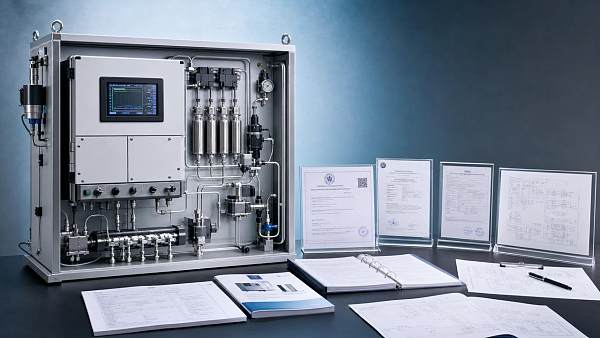
Plants are also moving toward a compliance-by-design mindset. Rather than adapting a standard analyzer late in the project, teams increasingly seek certified hazardous area analyzer solutions matched to the classified environment from the start. This includes attention to ATEX, IECEx, NEC, local electrical codes, purge and pressurization requirements, material selection, and documentation traceability. Early compliance planning helps prevent delays during factory acceptance, site acceptance, and startup approval.
Where These Trends Deliver Business Value
For project decision-makers, the value of a well-planned hazardous area analyzer strategy appears across multiple dimensions. Safety is the most obvious. Reliable analytical measurement in a classified area helps detect process deviations, unsafe compositions, oxygen imbalance, leakage conditions, and emissions concerns before they escalate. But the value extends much further.
A suitable analyzer design can improve schedule performance by reducing redesign, simplifying installation, and limiting commissioning surprises. It can improve operational efficiency by providing stable online data for process control and optimization. It can strengthen compliance by creating clearer documentation and audit readiness. It can also support digital transformation objectives by turning isolated analytical equipment into part of the plant’s connected instrumentation ecosystem.
For organizations building facilities intended to run for decades, these benefits are especially important. A hazardous area analyzer should not be viewed only as a measurement point. It is part of the long-term reliability and intelligence layer of the plant.
Typical Application Categories in New Facilities
The exact analyzer solution depends on process conditions, material hazards, response time requirements, and maintenance philosophy. The table below outlines common application categories relevant to new plant design.
What Project Managers Should Evaluate Early
When planning a new facility, project managers should avoid treating the hazardous area analyzer as a standalone specification line item. A more effective approach is to assess it through a cross-functional lens that includes process engineering, instrumentation, electrical design, safety, operations, and maintenance. Several questions are useful at the start:
- What process decisions or safety decisions will depend on analyzer output?
- What is the area classification, and which protection concept is practical for the site?
- Will the analyzer be field-mounted, shelter-mounted, or packaged into a modular system?
- How will sample handling, calibration gas access, and maintenance entry be managed safely?
- How will analyzer data integrate with automation, reporting, and asset management platforms?
Addressing these questions early helps teams align technical requirements with execution realities. It also reduces the risk of selecting a hazardous area analyzer that performs well in theory but creates practical challenges in construction or operations.
Practical Considerations for Successful Implementation
A successful hazardous area analyzer implementation usually depends on disciplined coordination rather than one perfect product choice. Sample system design must preserve measurement integrity under real operating conditions. Certification documents should be complete and suitable for the project jurisdiction. Environmental factors such as vibration, ambient temperature, dust, humidity, and corrosive exposure should be reviewed with the same seriousness as measurement range and accuracy.
It is also wise to involve operations and maintenance teams before final selection. They can highlight concerns around spare parts, calibration frequency, service access, and diagnostic usability. In many plants, maintenance complexity becomes a larger cost driver than the analyzer hardware itself. A hazardous area analyzer that is difficult to maintain may erode the value of advanced measurement capability.
Finally, documentation discipline matters. Cause-and-effect logic, analyzer narratives, hazardous area drawings, loop diagrams, and integration specifications should all reflect the analyzer’s real operational role. Clear documentation improves commissioning quality and supports future plant modifications.
Looking Ahead
The direction of travel is clear: the hazardous area analyzer is becoming more connected, more integrated, and more central to plant performance. As industrial projects pursue safer operations, stronger compliance, and intelligent automation, analyzer decisions will continue to move upstream in the design process. Project leaders who understand this shift can make better trade-offs between safety, cost, schedule, and long-term operability.
For organizations developing new facilities, the best next step is to review hazardous area analyzer requirements as part of early instrumentation strategy rather than a late package detail. That approach creates a stronger foundation for reliable measurement, safer execution, and future-ready plant operation.
Recommended for You
 US-China Trade Talks Agree on Tariff Cuts for Key Test Equipment PartsUS-China tariff cuts on key test equipment parts—like pressure sensor chips & infrared thermal imaging modules—boost margins, cut costs, and strengthen global competitiveness for manufacturers.
 G7 Paris Meeting Focuses on Critical Mineral Supply SecurityCritical mineral supply security takes center stage at the G7 Paris meeting—key for rare-earth sensor exporters. Learn EU compliance impacts & actionable readiness steps.
 Brent Crude Surpasses $106/bbl, Raising Sea Freight Costs for Small Testing Equipment ExportsBrent Crude Surpasses $106/bbl—sea freight costs surge, impacting small testing equipment exporters. Learn how SMEs can adapt pricing, terms & logistics now.
 WTO Forecasts 1.9% Global Goods Trade Growth in 2026 Amid Supply Chain ShorteningWTO forecasts 1.9% global goods trade growth in 2026—sparking nearshoring demand for testing equipment, calibration services & OTA-ready solutions in ASEAN, Middle East & Mexico.
 UK-China Export Control Working Group Holds Second Meeting in LondonUK-China Export Control Working Group: Key updates on dual-use items—laser interferometers, quantum sensors & oscilloscopes. Learn compliance implications for exporters now.
 Japan's 10Y Yield Drop to 2.745% Lifts Yen, Raising China-Made Testing Equipment CostsJapan's 10Y yield drop to 2.745% lifts yen, raising costs for China-made testing equipment — explore FX impacts, procurement shifts & strategic responses.
 KOSPI 200 Futures Circuit Breaker Triggered, Impacting Industrial Automation Instrument Export TimelinesKOSPI 200 futures circuit breaker triggered — impact on PLC modules, transmitters & fieldbus instrument exports to Korea. Urgent timeline insights inside.
 South Korea’s Chip Exports Surge 202% in May 2026 Amid AI Test Equipment DemandAI test equipment demand surges as South Korea’s chip exports jump 202% in May 2026 — PCIe 6.0 & USB4.1 validation tools see sharp global procurement rise.
 Emission Gas Analyzer News in 2026: Regulatory Shifts Affecting DemandEmission gas analyzer demand is changing fast in 2026 as new regulations tighten limits, expand continuous monitoring, and raise data compliance standards. Explore key trends shaping smarter buying decisions.
 When a High Accuracy Analyzer Delivers Real ROI in Process ControlHigh accuracy analyzer ROI starts with better process control. Learn where tighter measurements cut waste, improve stability, reduce compliance risk, and deliver measurable operational savings.
 SR-2030P Analyzer Import Updates in 2026: Compliance Points to ReviewSR-2030P analyzer import updates for 2026: review classification, certification, customs documents, and market access risks to reduce delays, control costs, and source with confidence.
 Industrial Oxygen Analyzer Price Trends in 2026: Cost Drivers to WatchIndustrial oxygen analyzer price trends in 2026 explained: compare sensor, compliance, installation, and maintenance cost drivers to make smarter, lower-risk buying decisions.
 Laser Oxygen Analyzer or Industrial Oxygen Analyzer: Which Fits BetterLaser oxygen analyzer or industrial oxygen analyzer? Compare speed, accuracy, maintenance, and cost to find the best fit for smarter, more reliable process control.
 ATEX Gas Analyzer Demand in 2026: What Is Shaping the MarketATEX gas analyzer demand in 2026 is driven by safety, digital integration, and lifecycle value. See what shapes buying decisions across industry, utilities, hydrogen, and automation.
 Fixed Gas Analyzer vs Portable Options: What Matters for Plant UseFixed gas analyzer or portable detector for plant use? Compare safety, response time, maintenance, and cost to choose the right monitoring solution with confidence.
 Explosion Proof Analyzer Selection Mistakes That Increase Site RiskExplosion proof analyzer selection mistakes can raise compliance, maintenance, and safety risks. Learn the key errors to avoid and how to choose a safer, more reliable solution.
 SR-2000 Infrared Analyzer: Key Performance Checks Before InstallationSR-2000 infrared analyzer pre-installation guide: learn how to verify accuracy, drift, site readiness, and calibration support to reduce startup risk and ensure stable long-term performance.
 How to Choose a Continuous Gas Analyzer for Stable 24/7 MonitoringContinuous gas analyzer selection guide for stable 24/7 monitoring. Learn how to compare accuracy, response time, maintenance, and integration for smarter industrial decisions.
 IEC Approves China-Led Standard for Smart Sensor Semantic InteroperabilityIEC TR 63372 smart sensor semantic interoperability standard—led by China—cuts export certification time by 30%. Discover how it reshapes global IoT integration.
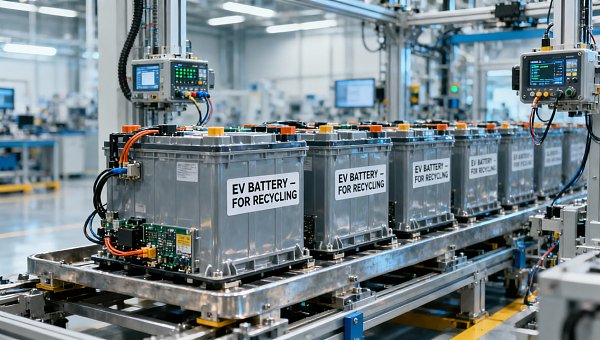
 MIIT Launches Joint Enforcement on EV Battery RecyclingMIIT's EV battery recycling enforcement targets BMS data leaks, illegal dismantling & electrolyte disposal—key for exporters, testers & procurement teams needing GDPR/CCPA compliance.
 SAMR Launches Unified Market Action on Testing & CertificationSAMR Launches Unified Market Action on Testing & Certification—tackling fragmentation, redundant fees & cross-border recognition barriers for exporters and manufacturers.
 Fifteenth Five-Year Urban Renewal Plan Approved, Signaling Overseas Procurement for Smart Water & Environmental Monitoring DevicesSmart water & environmental monitoring devices gain global momentum as China’s 15th Five-Year Urban Renewal Plan mandates intelligent infrastructure—key for Belt and Road exports.
 IMF Warns AI Amplifies Financial Cybersecurity RisksAI amplifies financial cybersecurity risks—IMF warns. Discover how XAI verification, adversarial attacks, and regulatory mandates impact AI detection equipment, FinTech, and banks.
 Tmall Health Launches 'Health Supplement Safety Alliance'Health Supplement Safety Alliance launched by Tmall Health—boosting traceability, lab credibility & cross-border quality for brands like By-Health and Centrum.
 EN IEC 61000-6-4:2026 EMC Standard Effective for AI Edge DevicesEN IEC 61000-6-4:2026 EMC standard is live—15% stricter radiated limits for AI edge devices. Act now to secure EU industrial IoT procurement eligibility.
 APEC Auto Dialogue Confirms Semi-Solid Battery Deployment and Fast ChargingSemi-solid battery deployment & 15-min fast charging confirmed at APEC Auto Dialogue—spurring global demand for China-made battery testing equipment, BMS validation, and thermal runaway simulation solutions.
 EU Imposes Final Anti-Dumping Duty on Chinese Adipic AcidEU anti-dumping duty on Chinese adipic acid takes effect May 2026—impacting pH meters, sensors & analytical instruments. Act now to secure supply chains.
 Colombia Upholds Anti-Dumping Duties on Chinese Acrylic SheetsColombia Upholds Anti-Dumping Duties on Chinese Acrylic Sheets — 32.7% tariff extended for 5 years. Critical for exporters of medical, lab & analytical instrument enclosures.
 Multi Component Analyzer Cost Trends for 2026 Expansion PlansMulti component analyzer cost trends for 2026: discover key pricing drivers, hidden costs, and smart supplier strategies to budget accurately and maximize expansion ROI.
 SR-2050 Analyzer Maintenance Points That Affect Service LifeSR-2050 analyzer maintenance points that directly impact service life, accuracy, and uptime. Learn how cleaning, calibration, inspection, and environment control reduce failures.
 SR-S2000 Shelter: Common Setup Mistakes to AvoidSR-S2000 shelter setup mistakes can cause heat, moisture, and maintenance issues. Learn what to avoid for safer installation, stable performance, and longer equipment life.
 Custom Gas Analyzer Import Risks and Spec Mismatch IssuesCustom gas analyzer import risks can derail projects through spec mismatch, compliance gaps, and integration issues. Learn how buyers can compare suppliers, verify requirements, and avoid costly rework.

Search Categories
Search Categories
Latest Article
- US-China Trade Talks Agree on Tariff Cuts for Key Test Equipment PartsUS-China tariff cuts on key test equipment parts—like pressure sensor chips & infrared thermal imaging modules—boost margins, cut costs, and strengthen global competitiveness for manufacturers.Posted by:
- G7 Paris Meeting Focuses on Critical Mineral Supply SecurityCritical mineral supply security takes center stage at the G7 Paris meeting—key for rare-earth sensor exporters. Learn EU compliance impacts & actionable readiness steps.Posted by:
- Brent Crude Surpasses $106/bbl, Raising Sea Freight Costs for Small Testing Equipment ExportsBrent Crude Surpasses $106/bbl—sea freight costs surge, impacting small testing equipment exporters. Learn how SMEs can adapt pricing, terms & logistics now.Posted by:
Please give us a message
