
Industrial Gas Analyzer Market Shifts to Watch in 2026


As regulatory pressure, energy efficiency goals, and digital plant upgrades accelerate, the industrial gas analyzer market is entering a new phase of change in 2026. For business decision-makers, understanding how industrial gas analyzer technologies are evolving across manufacturing, power, environmental monitoring, and process control will be essential to reducing risk, improving compliance, and identifying high-value investment opportunities.
Why scenario differences matter more in 2026
The industrial gas analyzer is no longer a single-purpose instrument selected only by technical teams. In 2026, it is becoming a business-critical asset tied to emissions reporting, fuel optimization, equipment uptime, worker safety, and digital operations. That shift means the right buying decision depends less on broad product categories and more on the application scenario. A refinery flare system, a cement kiln, a gas turbine, a wastewater treatment plant, and a semiconductor process line may all require gas analysis, but their priorities are very different.
For enterprise decision-makers, the key question is not simply which industrial gas analyzer is most advanced. The better question is which solution best fits the operating environment, regulatory burden, maintenance capability, and data integration goals of a specific site. Market shifts in 2026 are making these scenario-based decisions more urgent because product offerings are diverging: more compact analyzers, smarter diagnostics, hybrid sensor architectures, edge connectivity, and stronger demand for continuous monitoring are changing how projects are evaluated.
As a result, companies that treat all analyzer projects the same often overpay, under-specify, or create integration problems that surface later. Organizations that segment demand by use case are more likely to improve compliance performance and return on investment.
Where the industrial gas analyzer market is showing the biggest application-driven shifts
Several market movements are shaping industrial gas analyzer decisions in 2026. First, stricter environmental enforcement is increasing demand for reliable continuous emissions monitoring and trace-level detection. Second, energy-intensive industries are investing in combustion efficiency and process optimization, which raises the value of fast, stable oxygen, CO, CO2, NOx, and hydrocarbon measurement. Third, digital plant programs are pushing buyers toward analyzers that can support remote diagnostics, predictive maintenance, and standardized communication protocols.
At the same time, buyers are becoming more selective about lifecycle cost. In many projects, the most expensive mistake is not the purchase price; it is choosing an industrial gas analyzer that cannot handle dust, moisture, vibration, corrosive components, or calibration demands in the field. This is why 2026 market changes should be read through the lens of applications, not only technology trends.
Key application scenarios and what buyers should prioritize
The following scenarios represent where the industrial gas analyzer market is most active and where decision criteria differ most clearly.
1. Power generation and combustion control
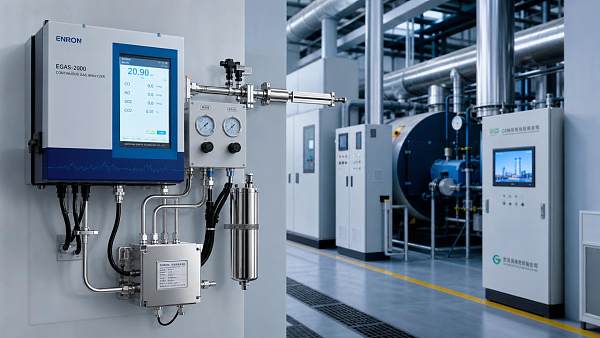
In power plants, boilers, and gas turbine systems, the industrial gas analyzer is often tied directly to combustion efficiency and emissions management. Buyers in this scenario usually care most about oxygen measurement stability, response speed, analyzer availability, and integration with control loops. Small errors can translate into fuel waste, excess air imbalance, or emissions noncompliance.
For this scenario, 2026 shifts favor analyzers with stronger self-diagnostics, reduced calibration burden, and better tolerance to harsh stack or furnace conditions. Decision-makers should examine whether the analyzer supports continuous operation under temperature fluctuations and contamination risk, not just its lab-grade accuracy on paper.
2. Process manufacturing and chemical production
In chemical plants, petrochemical facilities, and specialty process lines, gas analysis often protects product quality, process yield, and safety. Here, the industrial gas analyzer may monitor oxygen ingress, combustible gases, process composition, or impurity levels. These sites typically need a stronger balance between measurement precision and system robustness.
Compared with power applications, process industries are more likely to require analyzers tailored to specific gas matrices, hazardous-area classifications, and material compatibility. In 2026, buyers should pay close attention to modular analyzer platforms that can adapt to changing production recipes or future expansion.
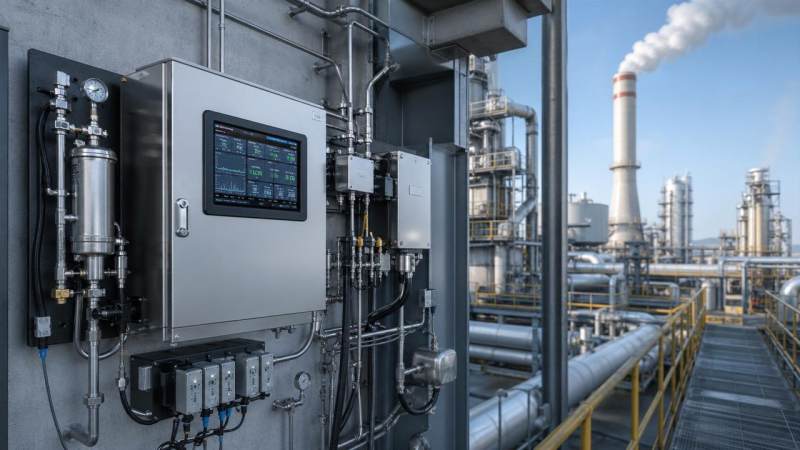
3. Environmental monitoring and emissions compliance
For environmental monitoring, the industrial gas analyzer is often part of a compliance chain rather than a stand-alone device. Cement plants, waste incinerators, steel mills, and municipal facilities increasingly need documented measurement integrity, audit readiness, and long-term data traceability. In this scenario, certification support, drift performance, data logging, and serviceability matter as much as detection capability.
The main 2026 shift is that more buyers are moving from reactive compliance spending to proactive compliance management. That means analyzers are being evaluated not only for current regulation but also for how well they can support future reporting rules, carbon management, and multi-site standardization.
4. Industrial safety and workplace risk control
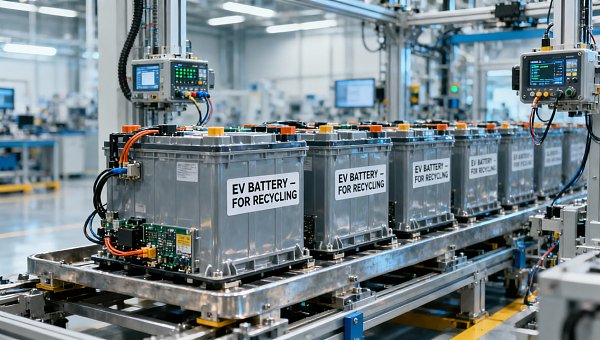
In confined spaces, storage areas, battery production zones, hydrogen handling sites, and gas distribution networks, the industrial gas analyzer supports safety-critical decisions. Here, speed of detection, alarm reliability, fail-safe design, and maintenance simplicity take priority over complex analytics. A technically advanced system that is difficult to maintain may create operational risk rather than reduce it.
Business leaders should note that this scenario is expanding in 2026 as hydrogen, alternative fuels, and decentralized energy projects grow. That creates new demand for analyzers suited to mixed-gas environments and stricter safety governance.
5. Laboratories, calibration centers, and quality assurance
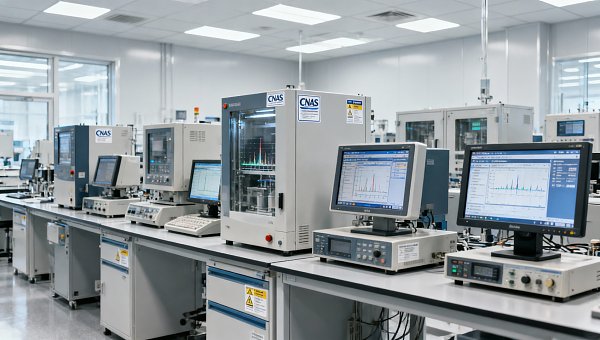
Although field deployment drives large volumes, laboratory and QA environments remain important for high-precision industrial gas analyzer applications. These users value traceability, low detection limits, repeatability, and method consistency. In 2026, the market is seeing stronger demand for platforms that bridge laboratory-grade performance with production-line or at-line use, helping plants reduce the gap between test results and process actions.
Scenario comparison table for business buyers
A useful way to evaluate the industrial gas analyzer market is to compare scenarios by decision priority rather than by product family alone.
How demand differs by company type and project stage
The industrial gas analyzer buying process also changes depending on company maturity and project context. Large multi-site operators often prioritize standardization, remote service support, cybersecurity compatibility, and long-term vendor stability. Mid-sized manufacturers may focus more on cost control, fast deployment, and equipment that can be supported by lean maintenance teams. Engineering contractors usually look for analyzers that minimize commissioning risk and fit project specifications without creating late design changes.
Greenfield projects offer more freedom to integrate advanced analyzer networks into automation architecture from the beginning. Brownfield projects are different. In retrofit situations, the best industrial gas analyzer is often the one that can work within existing sample conditioning systems, cabinets, and communication infrastructure. In 2026, retrofit compatibility is becoming a stronger market differentiator because many plants are upgrading selectively rather than replacing entire systems.
What to confirm before selecting an industrial gas analyzer
Before approving a project, business leaders should ask teams to validate a short list of application-fit conditions. These questions often reveal whether the chosen solution matches the scenario:
- What gases must be measured, at what concentration range, and under what pressure, temperature, and humidity conditions?
- Is the analyzer for compliance, process control, energy management, safety, or product quality?
- How much downtime can the operation tolerate for calibration, maintenance, or sensor replacement?
- Does the site have the technical capability to maintain advanced analyzer systems?
- Will the industrial gas analyzer need to connect to DCS, SCADA, historian, or cloud monitoring platforms?
- Could future regulations or process changes require broader measurement capability later?
These checks help prevent a common mistake: selecting a technically impressive analyzer that is poorly matched to site realities.
Common scenario misjudgments to avoid in 2026
One frequent misjudgment is assuming all industrial gas analyzer projects should target maximum precision. In many industrial environments, stability, maintainability, and survival in harsh conditions create more business value than ultra-low uncertainty. Another mistake is separating analyzer selection from sample handling design. The analyzer may be strong, but if moisture, particulates, or corrosive gases are not managed, total system performance will suffer.
A third error is underestimating software and data requirements. As more industrial gas analyzer deployments support digital reporting and remote asset management, buyers should review data outputs, diagnostics, cybersecurity expectations, and integration costs early in the project. Finally, some firms buy for current regulation only. In sectors with tightening emissions oversight or evolving fuel mixes, that short-term approach can lead to faster obsolescence.
Strategic outlook: where the best opportunities are emerging
The strongest opportunities in the industrial gas analyzer market are emerging where compliance, efficiency, and digital operations overlap. Energy-intensive plants, emissions-regulated facilities, and operators adopting centralized maintenance models are especially likely to benefit from next-generation analyzer investments. Hydrogen-related projects, waste-to-energy applications, and modernization of aging industrial assets also deserve close attention in 2026.
For decision-makers in the broader instrumentation industry, this means value will increasingly come from application fit, service capability, and integration depth rather than from hardware specification alone. Vendors and buyers that align around use case requirements will be in a better position to reduce lifecycle cost and improve measurable plant outcomes.
FAQ for enterprise buyers
Which scenario should prioritize a premium industrial gas analyzer?
Premium systems make the most sense where downtime, noncompliance, or product deviation has a high financial impact. Examples include continuous emissions monitoring, critical combustion control, and sensitive chemical processes.
Can one industrial gas analyzer platform serve multiple sites?
Sometimes, but only if the gas composition, operating conditions, regulatory obligations, and maintenance resources are similar enough. Multi-site standardization works best when application boundaries are clearly defined.
What matters most in a retrofit project?
Compatibility with existing infrastructure, ease of commissioning, service access, and integration with plant controls usually matter more than pursuing the latest analyzer architecture.
Final decision guide
The industrial gas analyzer market in 2026 should be evaluated through real operating scenarios, not generic product comparisons. If your business is focused on emissions assurance, fuel savings, process reliability, safety improvement, or digital plant upgrades, the right path starts with defining the application environment and business objective in detail. From there, compare industrial gas analyzer options by lifecycle fit, not just purchase price or headline specifications. Companies that take this scenario-based approach will be better equipped to invest with confidence, control operational risk, and capture long-term value from their instrumentation strategy.
Recommended for You
 US-China Trade Talks Agree on Tariff Cuts for Key Test Equipment PartsUS-China tariff cuts on key test equipment parts—like pressure sensor chips & infrared thermal imaging modules—boost margins, cut costs, and strengthen global competitiveness for manufacturers.
 G7 Paris Meeting Focuses on Critical Mineral Supply SecurityCritical mineral supply security takes center stage at the G7 Paris meeting—key for rare-earth sensor exporters. Learn EU compliance impacts & actionable readiness steps.
 Brent Crude Surpasses $106/bbl, Raising Sea Freight Costs for Small Testing Equipment ExportsBrent Crude Surpasses $106/bbl—sea freight costs surge, impacting small testing equipment exporters. Learn how SMEs can adapt pricing, terms & logistics now.
 WTO Forecasts 1.9% Global Goods Trade Growth in 2026 Amid Supply Chain ShorteningWTO forecasts 1.9% global goods trade growth in 2026—sparking nearshoring demand for testing equipment, calibration services & OTA-ready solutions in ASEAN, Middle East & Mexico.
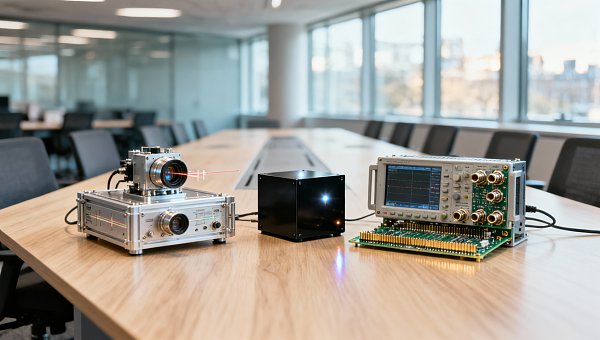
 UK-China Export Control Working Group Holds Second Meeting in LondonUK-China Export Control Working Group: Key updates on dual-use items—laser interferometers, quantum sensors & oscilloscopes. Learn compliance implications for exporters now.
 Japan's 10Y Yield Drop to 2.745% Lifts Yen, Raising China-Made Testing Equipment CostsJapan's 10Y yield drop to 2.745% lifts yen, raising costs for China-made testing equipment — explore FX impacts, procurement shifts & strategic responses.
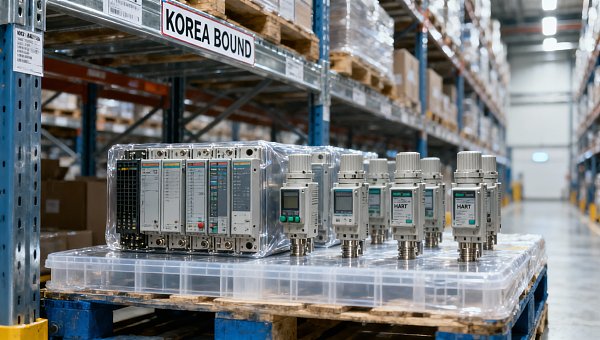
 KOSPI 200 Futures Circuit Breaker Triggered, Impacting Industrial Automation Instrument Export TimelinesKOSPI 200 futures circuit breaker triggered — impact on PLC modules, transmitters & fieldbus instrument exports to Korea. Urgent timeline insights inside.
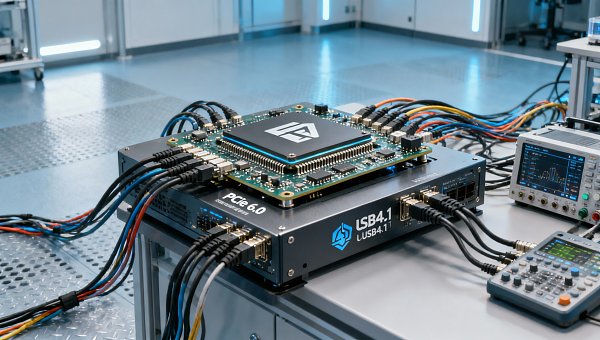
 South Korea’s Chip Exports Surge 202% in May 2026 Amid AI Test Equipment DemandAI test equipment demand surges as South Korea’s chip exports jump 202% in May 2026 — PCIe 6.0 & USB4.1 validation tools see sharp global procurement rise.
 Emission Gas Analyzer News in 2026: Regulatory Shifts Affecting DemandEmission gas analyzer demand is changing fast in 2026 as new regulations tighten limits, expand continuous monitoring, and raise data compliance standards. Explore key trends shaping smarter buying decisions.
 When a High Accuracy Analyzer Delivers Real ROI in Process ControlHigh accuracy analyzer ROI starts with better process control. Learn where tighter measurements cut waste, improve stability, reduce compliance risk, and deliver measurable operational savings.
 SR-2030P Analyzer Import Updates in 2026: Compliance Points to ReviewSR-2030P analyzer import updates for 2026: review classification, certification, customs documents, and market access risks to reduce delays, control costs, and source with confidence.
 Industrial Oxygen Analyzer Price Trends in 2026: Cost Drivers to WatchIndustrial oxygen analyzer price trends in 2026 explained: compare sensor, compliance, installation, and maintenance cost drivers to make smarter, lower-risk buying decisions.
 Laser Oxygen Analyzer or Industrial Oxygen Analyzer: Which Fits BetterLaser oxygen analyzer or industrial oxygen analyzer? Compare speed, accuracy, maintenance, and cost to find the best fit for smarter, more reliable process control.
 ATEX Gas Analyzer Demand in 2026: What Is Shaping the MarketATEX gas analyzer demand in 2026 is driven by safety, digital integration, and lifecycle value. See what shapes buying decisions across industry, utilities, hydrogen, and automation.
 Fixed Gas Analyzer vs Portable Options: What Matters for Plant UseFixed gas analyzer or portable detector for plant use? Compare safety, response time, maintenance, and cost to choose the right monitoring solution with confidence.
 Explosion Proof Analyzer Selection Mistakes That Increase Site RiskExplosion proof analyzer selection mistakes can raise compliance, maintenance, and safety risks. Learn the key errors to avoid and how to choose a safer, more reliable solution.
 SR-2000 Infrared Analyzer: Key Performance Checks Before InstallationSR-2000 infrared analyzer pre-installation guide: learn how to verify accuracy, drift, site readiness, and calibration support to reduce startup risk and ensure stable long-term performance.
 How to Choose a Continuous Gas Analyzer for Stable 24/7 MonitoringContinuous gas analyzer selection guide for stable 24/7 monitoring. Learn how to compare accuracy, response time, maintenance, and integration for smarter industrial decisions.
 IEC Approves China-Led Standard for Smart Sensor Semantic InteroperabilityIEC TR 63372 smart sensor semantic interoperability standard—led by China—cuts export certification time by 30%. Discover how it reshapes global IoT integration.
 MIIT Launches Joint Enforcement on EV Battery RecyclingMIIT's EV battery recycling enforcement targets BMS data leaks, illegal dismantling & electrolyte disposal—key for exporters, testers & procurement teams needing GDPR/CCPA compliance.
 SAMR Launches Unified Market Action on Testing & CertificationSAMR Launches Unified Market Action on Testing & Certification—tackling fragmentation, redundant fees & cross-border recognition barriers for exporters and manufacturers.
 Fifteenth Five-Year Urban Renewal Plan Approved, Signaling Overseas Procurement for Smart Water & Environmental Monitoring DevicesSmart water & environmental monitoring devices gain global momentum as China’s 15th Five-Year Urban Renewal Plan mandates intelligent infrastructure—key for Belt and Road exports.
 IMF Warns AI Amplifies Financial Cybersecurity RisksAI amplifies financial cybersecurity risks—IMF warns. Discover how XAI verification, adversarial attacks, and regulatory mandates impact AI detection equipment, FinTech, and banks.
 Tmall Health Launches 'Health Supplement Safety Alliance'Health Supplement Safety Alliance launched by Tmall Health—boosting traceability, lab credibility & cross-border quality for brands like By-Health and Centrum.
 EN IEC 61000-6-4:2026 EMC Standard Effective for AI Edge DevicesEN IEC 61000-6-4:2026 EMC standard is live—15% stricter radiated limits for AI edge devices. Act now to secure EU industrial IoT procurement eligibility.
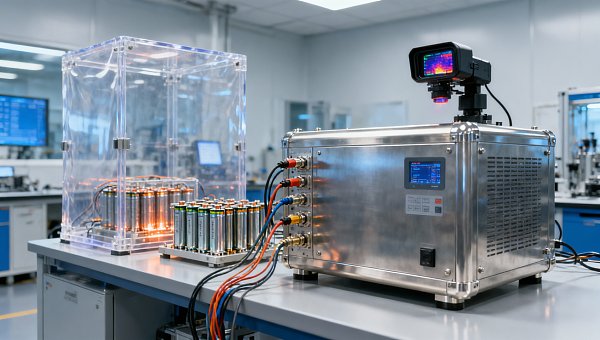
 APEC Auto Dialogue Confirms Semi-Solid Battery Deployment and Fast ChargingSemi-solid battery deployment & 15-min fast charging confirmed at APEC Auto Dialogue—spurring global demand for China-made battery testing equipment, BMS validation, and thermal runaway simulation solutions.
 EU Imposes Final Anti-Dumping Duty on Chinese Adipic AcidEU anti-dumping duty on Chinese adipic acid takes effect May 2026—impacting pH meters, sensors & analytical instruments. Act now to secure supply chains.
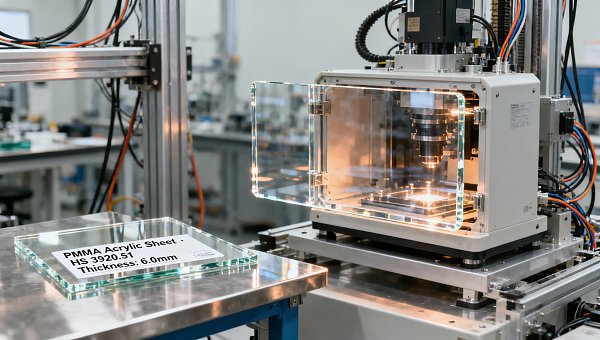
 Colombia Upholds Anti-Dumping Duties on Chinese Acrylic SheetsColombia Upholds Anti-Dumping Duties on Chinese Acrylic Sheets — 32.7% tariff extended for 5 years. Critical for exporters of medical, lab & analytical instrument enclosures.
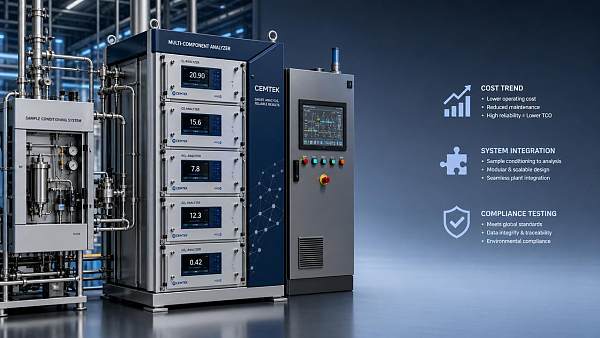
 Multi Component Analyzer Cost Trends for 2026 Expansion PlansMulti component analyzer cost trends for 2026: discover key pricing drivers, hidden costs, and smart supplier strategies to budget accurately and maximize expansion ROI.
 SR-2050 Analyzer Maintenance Points That Affect Service LifeSR-2050 analyzer maintenance points that directly impact service life, accuracy, and uptime. Learn how cleaning, calibration, inspection, and environment control reduce failures.
 SR-S2000 Shelter: Common Setup Mistakes to AvoidSR-S2000 shelter setup mistakes can cause heat, moisture, and maintenance issues. Learn what to avoid for safer installation, stable performance, and longer equipment life.
 Custom Gas Analyzer Import Risks and Spec Mismatch IssuesCustom gas analyzer import risks can derail projects through spec mismatch, compliance gaps, and integration issues. Learn how buyers can compare suppliers, verify requirements, and avoid costly rework.



Search Categories
Search Categories
Latest Article
- US-China Trade Talks Agree on Tariff Cuts for Key Test Equipment PartsUS-China tariff cuts on key test equipment parts—like pressure sensor chips & infrared thermal imaging modules—boost margins, cut costs, and strengthen global competitiveness for manufacturers.Posted by:
- G7 Paris Meeting Focuses on Critical Mineral Supply SecurityCritical mineral supply security takes center stage at the G7 Paris meeting—key for rare-earth sensor exporters. Learn EU compliance impacts & actionable readiness steps.Posted by:
- Brent Crude Surpasses $106/bbl, Raising Sea Freight Costs for Small Testing Equipment ExportsBrent Crude Surpasses $106/bbl—sea freight costs surge, impacting small testing equipment exporters. Learn how SMEs can adapt pricing, terms & logistics now.Posted by:
Please give us a message
