
CO Analyzer Pricing: What Drives Cost Across Industrial Models


Choosing the right CO analyzer is not just about comparing price tags. For procurement teams, cost depends on measurement range, sensor technology, certification needs, installation type, and long-term maintenance requirements. This article breaks down what drives CO analyzer pricing across industrial models, helping buyers evaluate total value, control budget risk, and make more confident sourcing decisions.
Why can one CO analyzer cost far more than another?
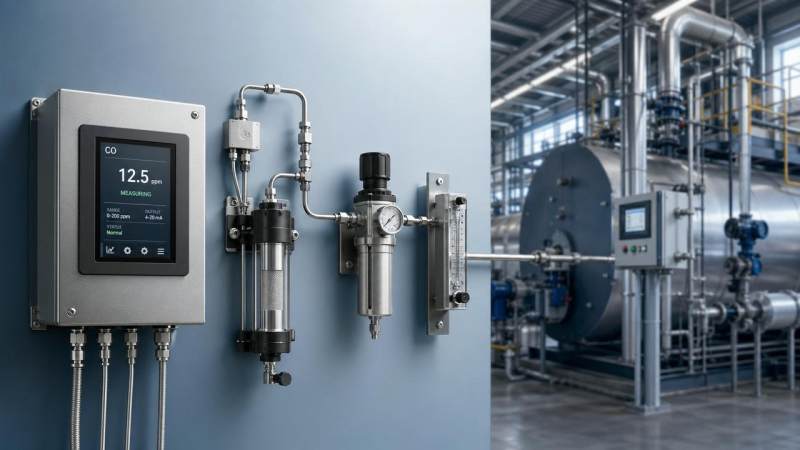
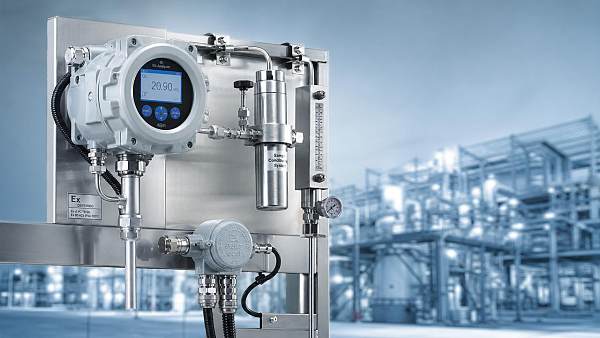
In the instrumentation industry, a CO analyzer is not a single-category product with a fixed pricing logic. It can be a portable detector for spot checks, an extractive industrial analyzer for process control, or an online continuous emissions monitoring component. Each configuration serves different levels of risk, accuracy, and regulatory pressure, so price differences are often tied to engineering requirements rather than simple brand premiums.
For procurement personnel, the challenge is that two quotations may both describe a “CO analyzer” while representing very different technical scopes. One may include only the sensing core and local display. Another may include gas conditioning, heated sampling, signal output, cabinet integration, hazardous-area suitability, and factory calibration documents. Without a structured evaluation method, the lower quote can easily become the higher total cost after installation, downtime, and maintenance are considered.
This is especially relevant across industrial manufacturing, energy and power, environmental monitoring, laboratory analysis, construction engineering, and automation control. In these sectors, instrumentation supports stable production, digital monitoring, and compliance workflows. A CO analyzer is often part of a larger measurement and control system, so procurement decisions should match both process needs and long-term operating strategy.
- Low-price models may suit basic safety checks or non-critical utility monitoring where response speed and data logging requirements are limited.
- Mid-range systems often serve boiler rooms, combustion tuning, generator exhaust, and plant utilities where reliability and output integration matter.
- Higher-cost industrial CO analyzer packages are usually selected for continuous process analysis, regulated emissions work, or harsh environments with demanding maintenance and certification expectations.
What are the main cost drivers of a CO analyzer?
Before comparing suppliers, buyers should break pricing into technical and lifecycle factors. The purchase price is only the visible layer. Installation complexity, calibration frequency, spare part availability, and expected service life can reshape the budget over three to five years.
The table below shows the most common factors that influence CO analyzer pricing across industrial models and why those factors matter in purchasing decisions.
The most useful lesson for buyers is that price rises when a CO analyzer must perform reliably in demanding conditions, integrate into a control system, and support traceable data. If your process does not need those features, a simpler model may be more economical. If your process does need them, removing them to cut capital cost can create hidden operational losses.
Technology choice changes both purchase cost and maintenance cost
Electrochemical designs are often attractive for lower initial budgets, especially in portable or lower-duty applications. However, their consumable life, exposure sensitivity, and replacement frequency can change annual cost. NDIR-based CO analyzer models usually cost more upfront, but they are often preferred for continuous industrial monitoring because they offer better long-term stability and lower drift in many process environments.
Procurement teams should therefore ask not only “What is the unit price?” but also “What is the calibration interval, sensor replacement cycle, and expected downtime during service?” These answers can materially affect the true cost of ownership.
How do industrial application scenarios reshape CO analyzer pricing?
A CO analyzer used in a clean indoor laboratory does not face the same burden as one installed near a combustion process, turbine exhaust stream, or outdoor emissions point. Application context drives mechanical design, sample handling, and service accessibility, all of which influence price.
The following comparison helps procurement teams align application demands with realistic budget expectations instead of comparing all industrial models as if they were interchangeable.
This comparison shows why procurement cannot rely on a single benchmark price for a CO analyzer. The same gas parameter can be measured for very different purposes. In process industries, the analyzer may directly influence combustion efficiency, safety response, or compliance reporting, which justifies a more robust design and a broader project budget.
When a low-cost model becomes expensive
A basic analyzer often looks economical in early sourcing rounds. But if the sample gas is hot, wet, dusty, or corrosive, added filters, pumps, coolers, heated lines, or protective enclosures may be required later. Those additions can push the project cost beyond that of a more suitable integrated CO analyzer selected from the beginning.
- If the analyzer will operate 24/7, prioritize stability and service access over a small initial saving.
- If site conditions are harsh, ask whether the quotation includes environmental protection features or assumes a clean indoor panel environment.
- If your project has reporting obligations, verify data interfaces and documentation before award, not after delivery.
Which specifications should procurement teams verify before comparing quotes?
Many sourcing delays happen because inquiries are not technically aligned. One supplier quotes a sensing module, another quotes a complete analyzer system, and a third assumes accessories are excluded. To compare CO analyzer pricing fairly, procurement should standardize the inquiry sheet and request like-for-like scope.
Key specification checklist
- Define the measurement range and expected normal operating concentration, not just the maximum possible value.
- State required accuracy, repeatability, response time, and acceptable drift level for the intended process.
- Describe sample gas conditions such as temperature, pressure, moisture, particulate load, and possible interfering gases.
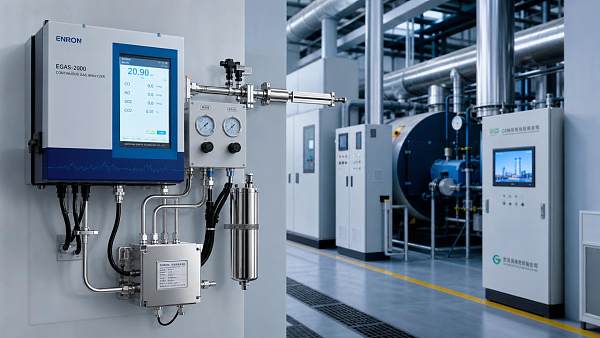
- Clarify whether the CO analyzer will be portable, panel-mounted, wall-mounted, or part of a complete cabinet or skid.
- Specify signal outputs, communication protocol, local display needs, alarm contacts, and integration with PLC, DCS, or SCADA.
- Confirm the site environment, including indoor or outdoor use, ambient temperature, dust, humidity, vibration, and area classification if applicable.
- Ask for calibration requirements, spare part list, preventive maintenance recommendations, and typical lead time for consumables.
With this checklist, buyers can avoid the common trap of selecting a CO analyzer based on incomplete quotations. Better specification discipline also shortens technical clarification cycles and improves supplier response quality.
How should buyers evaluate total cost of ownership instead of only unit price?
For industrial instrumentation, total cost of ownership is usually more informative than invoice price. A CO analyzer that requires frequent manual calibration, difficult spare part sourcing, or repeated shutdowns may cost far more over time than a model with a higher initial purchase price.
The table below gives a practical ownership framework for procurement teams comparing competing CO analyzer offers.
This framework is particularly useful in plants pursuing automation upgrades and data-driven operations. When a CO analyzer is part of a digital monitoring architecture, reliability and communications support are often worth more than a narrow purchase-price advantage.
What role do standards, certification, and documentation play in pricing?
Certification needs can materially increase CO analyzer cost, but they also reduce approval and operational risk. In many projects, buyers need not only the instrument itself but also evidence that it fits site electrical, safety, and quality documentation requirements. The exact requirement varies by region and application, so procurement should confirm this early with engineering, EHS, and project stakeholders.
Common documentation areas that affect price
- Calibration certificates and factory test records, which support traceability and incoming inspection.
- Electrical and communication documentation, including wiring diagrams and signal definitions for integration work.
- Environmental or hazardous-area suitability information where the CO analyzer must operate in demanding or classified locations.
- Export, quality, or project dossier requirements that increase supplier preparation and review time.
A common mistake is to request these items after price negotiation is complete. At that stage, the supplier may need to revise scope, lead time, or configuration. It is usually more efficient to include required documentation and compliance expectations in the RFQ from the start.
Common procurement mistakes when sourcing a CO analyzer
Mistake 1: Comparing only the headline quote
If one supplier includes sampling accessories, outputs, and calibration records while another does not, the quotes are not directly comparable. Procurement should normalize scope before evaluating price.
Mistake 2: Underestimating the process environment
A CO analyzer that performs well in a controlled room may fail prematurely in an outdoor, dusty, or high-moisture installation. Environmental mismatch is one of the most expensive preventable errors in industrial instrumentation sourcing.
Mistake 3: Ignoring serviceability
An analyzer that is difficult to calibrate, difficult to access, or dependent on long-lead spare parts can create repeated operational disruptions. Buyers should assess service workflow as carefully as initial performance.
Mistake 4: Not involving end users early
Operators, maintenance teams, and automation engineers often know whether the CO analyzer must support local alarms, trend outputs, remote diagnostics, or specific calibration practice. Early alignment prevents expensive redesign later.
FAQ: what do buyers often ask before placing a CO analyzer order?
How do I choose between a portable and fixed CO analyzer?
Choose a portable model for inspections, troubleshooting, and intermittent field checks. Choose a fixed or online CO analyzer when the application requires continuous monitoring, alarm output, process feedback, or centralized data collection. If the measurement influences production or compliance, a fixed industrial solution is usually more appropriate.
What should procurement ask about maintenance?
Ask for calibration frequency, sensor or detector life, recommended spare parts, filter replacement intervals, and typical service time per maintenance event. Also confirm whether maintenance can be done on site or requires factory return. These details often separate an economical CO analyzer from a costly one over time.
Does higher price always mean better fit?
No. A higher-cost CO analyzer may include features you do not need, such as advanced communications, broader ranges, or extra environmental protection. Better fit means the specification matches the process requirement with a reasonable service model and manageable operating cost.
How long is the typical lead time?
Lead time depends on whether the CO analyzer is a standard configuration or a project-based assembly with accessories, certifications, or custom outputs. Buyers should request separate timing for manufacturing, calibration, documentation, and spare parts. This is especially important for shutdown-linked projects and export schedules.
Why choose us for CO analyzer selection and quotation support?
In the broader instrumentation industry, value comes from matching measurement technology to real operating conditions, not from pushing a one-size-fits-all product. We support procurement teams by translating process requirements into practical CO analyzer selection criteria across industrial manufacturing, energy and power, environmental monitoring, laboratory analysis, construction engineering, and automation control.
You can contact us for targeted support on parameter confirmation, model comparison, installation type, communication interfaces, certification expectations, spare parts planning, and delivery schedule assessment. If your project involves a difficult sample gas condition or system integration requirement, we can also help clarify whether a basic analyzer, a fixed industrial unit, or a more complete monitoring package is the better commercial choice.
- Need help defining the right CO analyzer range, accuracy, and sensor type for your process? Send your application conditions for parameter review.
- Need a faster quotation comparison? Share current offers and we can help identify scope gaps, accessory differences, and lifecycle cost risks.
- Need project planning support? Ask about lead time, sample handling options, documentation packages, and configuration recommendations before purchase approval.
A well-chosen CO analyzer supports safer operation, better process visibility, and fewer unplanned costs. If you are preparing an RFQ or reviewing supplier proposals, this is the right stage to clarify technical scope and budget assumptions before they become project risks.
Recommended for You
 US-China Trade Talks Agree on Tariff Cuts for Key Test Equipment PartsUS-China tariff cuts on key test equipment parts—like pressure sensor chips & infrared thermal imaging modules—boost margins, cut costs, and strengthen global competitiveness for manufacturers.
 G7 Paris Meeting Focuses on Critical Mineral Supply SecurityCritical mineral supply security takes center stage at the G7 Paris meeting—key for rare-earth sensor exporters. Learn EU compliance impacts & actionable readiness steps.
 Brent Crude Surpasses $106/bbl, Raising Sea Freight Costs for Small Testing Equipment ExportsBrent Crude Surpasses $106/bbl—sea freight costs surge, impacting small testing equipment exporters. Learn how SMEs can adapt pricing, terms & logistics now.
 WTO Forecasts 1.9% Global Goods Trade Growth in 2026 Amid Supply Chain ShorteningWTO forecasts 1.9% global goods trade growth in 2026—sparking nearshoring demand for testing equipment, calibration services & OTA-ready solutions in ASEAN, Middle East & Mexico.
 UK-China Export Control Working Group Holds Second Meeting in LondonUK-China Export Control Working Group: Key updates on dual-use items—laser interferometers, quantum sensors & oscilloscopes. Learn compliance implications for exporters now.
 Japan's 10Y Yield Drop to 2.745% Lifts Yen, Raising China-Made Testing Equipment CostsJapan's 10Y yield drop to 2.745% lifts yen, raising costs for China-made testing equipment — explore FX impacts, procurement shifts & strategic responses.
 KOSPI 200 Futures Circuit Breaker Triggered, Impacting Industrial Automation Instrument Export TimelinesKOSPI 200 futures circuit breaker triggered — impact on PLC modules, transmitters & fieldbus instrument exports to Korea. Urgent timeline insights inside.
 South Korea’s Chip Exports Surge 202% in May 2026 Amid AI Test Equipment DemandAI test equipment demand surges as South Korea’s chip exports jump 202% in May 2026 — PCIe 6.0 & USB4.1 validation tools see sharp global procurement rise.
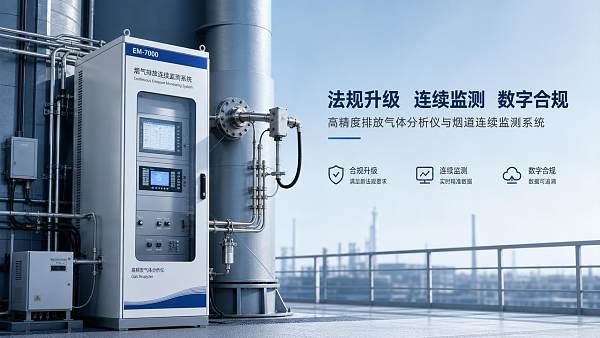
 Emission Gas Analyzer News in 2026: Regulatory Shifts Affecting DemandEmission gas analyzer demand is changing fast in 2026 as new regulations tighten limits, expand continuous monitoring, and raise data compliance standards. Explore key trends shaping smarter buying decisions.
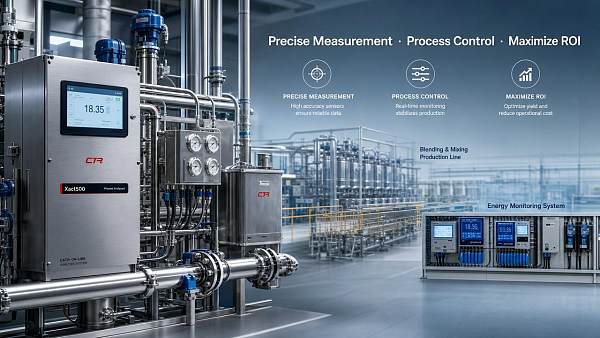
 When a High Accuracy Analyzer Delivers Real ROI in Process ControlHigh accuracy analyzer ROI starts with better process control. Learn where tighter measurements cut waste, improve stability, reduce compliance risk, and deliver measurable operational savings.
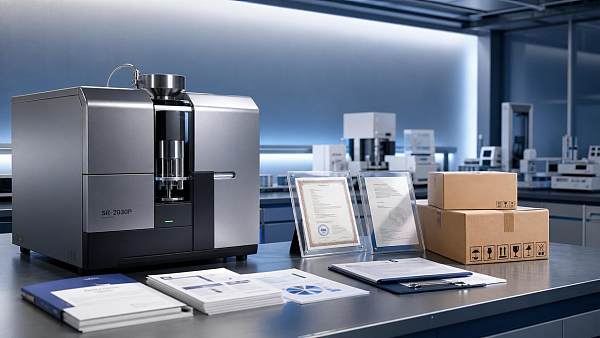
 SR-2030P Analyzer Import Updates in 2026: Compliance Points to ReviewSR-2030P analyzer import updates for 2026: review classification, certification, customs documents, and market access risks to reduce delays, control costs, and source with confidence.
 Industrial Oxygen Analyzer Price Trends in 2026: Cost Drivers to WatchIndustrial oxygen analyzer price trends in 2026 explained: compare sensor, compliance, installation, and maintenance cost drivers to make smarter, lower-risk buying decisions.
 Laser Oxygen Analyzer or Industrial Oxygen Analyzer: Which Fits BetterLaser oxygen analyzer or industrial oxygen analyzer? Compare speed, accuracy, maintenance, and cost to find the best fit for smarter, more reliable process control.
 ATEX Gas Analyzer Demand in 2026: What Is Shaping the MarketATEX gas analyzer demand in 2026 is driven by safety, digital integration, and lifecycle value. See what shapes buying decisions across industry, utilities, hydrogen, and automation.
 Fixed Gas Analyzer vs Portable Options: What Matters for Plant UseFixed gas analyzer or portable detector for plant use? Compare safety, response time, maintenance, and cost to choose the right monitoring solution with confidence.
 Explosion Proof Analyzer Selection Mistakes That Increase Site RiskExplosion proof analyzer selection mistakes can raise compliance, maintenance, and safety risks. Learn the key errors to avoid and how to choose a safer, more reliable solution.
 SR-2000 Infrared Analyzer: Key Performance Checks Before InstallationSR-2000 infrared analyzer pre-installation guide: learn how to verify accuracy, drift, site readiness, and calibration support to reduce startup risk and ensure stable long-term performance.
 How to Choose a Continuous Gas Analyzer for Stable 24/7 MonitoringContinuous gas analyzer selection guide for stable 24/7 monitoring. Learn how to compare accuracy, response time, maintenance, and integration for smarter industrial decisions.
 IEC Approves China-Led Standard for Smart Sensor Semantic InteroperabilityIEC TR 63372 smart sensor semantic interoperability standard—led by China—cuts export certification time by 30%. Discover how it reshapes global IoT integration.
 MIIT Launches Joint Enforcement on EV Battery RecyclingMIIT's EV battery recycling enforcement targets BMS data leaks, illegal dismantling & electrolyte disposal—key for exporters, testers & procurement teams needing GDPR/CCPA compliance.
 SAMR Launches Unified Market Action on Testing & CertificationSAMR Launches Unified Market Action on Testing & Certification—tackling fragmentation, redundant fees & cross-border recognition barriers for exporters and manufacturers.
 Fifteenth Five-Year Urban Renewal Plan Approved, Signaling Overseas Procurement for Smart Water & Environmental Monitoring DevicesSmart water & environmental monitoring devices gain global momentum as China’s 15th Five-Year Urban Renewal Plan mandates intelligent infrastructure—key for Belt and Road exports.
 IMF Warns AI Amplifies Financial Cybersecurity RisksAI amplifies financial cybersecurity risks—IMF warns. Discover how XAI verification, adversarial attacks, and regulatory mandates impact AI detection equipment, FinTech, and banks.
 Tmall Health Launches 'Health Supplement Safety Alliance'Health Supplement Safety Alliance launched by Tmall Health—boosting traceability, lab credibility & cross-border quality for brands like By-Health and Centrum.
 EN IEC 61000-6-4:2026 EMC Standard Effective for AI Edge DevicesEN IEC 61000-6-4:2026 EMC standard is live—15% stricter radiated limits for AI edge devices. Act now to secure EU industrial IoT procurement eligibility.
 APEC Auto Dialogue Confirms Semi-Solid Battery Deployment and Fast ChargingSemi-solid battery deployment & 15-min fast charging confirmed at APEC Auto Dialogue—spurring global demand for China-made battery testing equipment, BMS validation, and thermal runaway simulation solutions.
 EU Imposes Final Anti-Dumping Duty on Chinese Adipic AcidEU anti-dumping duty on Chinese adipic acid takes effect May 2026—impacting pH meters, sensors & analytical instruments. Act now to secure supply chains.
 Colombia Upholds Anti-Dumping Duties on Chinese Acrylic SheetsColombia Upholds Anti-Dumping Duties on Chinese Acrylic Sheets — 32.7% tariff extended for 5 years. Critical for exporters of medical, lab & analytical instrument enclosures.
 Multi Component Analyzer Cost Trends for 2026 Expansion PlansMulti component analyzer cost trends for 2026: discover key pricing drivers, hidden costs, and smart supplier strategies to budget accurately and maximize expansion ROI.
 SR-2050 Analyzer Maintenance Points That Affect Service LifeSR-2050 analyzer maintenance points that directly impact service life, accuracy, and uptime. Learn how cleaning, calibration, inspection, and environment control reduce failures.
 SR-S2000 Shelter: Common Setup Mistakes to AvoidSR-S2000 shelter setup mistakes can cause heat, moisture, and maintenance issues. Learn what to avoid for safer installation, stable performance, and longer equipment life.
 Custom Gas Analyzer Import Risks and Spec Mismatch IssuesCustom gas analyzer import risks can derail projects through spec mismatch, compliance gaps, and integration issues. Learn how buyers can compare suppliers, verify requirements, and avoid costly rework.


Search Categories
Search Categories
Latest Article
- US-China Trade Talks Agree on Tariff Cuts for Key Test Equipment PartsUS-China tariff cuts on key test equipment parts—like pressure sensor chips & infrared thermal imaging modules—boost margins, cut costs, and strengthen global competitiveness for manufacturers.Posted by:
- G7 Paris Meeting Focuses on Critical Mineral Supply SecurityCritical mineral supply security takes center stage at the G7 Paris meeting—key for rare-earth sensor exporters. Learn EU compliance impacts & actionable readiness steps.Posted by:
- Brent Crude Surpasses $106/bbl, Raising Sea Freight Costs for Small Testing Equipment ExportsBrent Crude Surpasses $106/bbl—sea freight costs surge, impacting small testing equipment exporters. Learn how SMEs can adapt pricing, terms & logistics now.Posted by:
Please give us a message
