
Combustion Gas Analyzer Selection for Boilers and Furnaces


Choosing the right combustion gas analyzer for a boiler or furnace is not mainly about buying the model with the most functions. For operators, the best choice is the one that delivers stable, accurate readings in real working conditions, is easy to use during daily checks, and helps prevent inefficient combustion, excessive fuel use, unsafe CO buildup, and avoidable downtime.
If you operate or monitor boilers and furnaces, your core question is usually practical: Will this analyzer give me reliable numbers quickly, and will it stand up to my operating environment? That is the right way to think about selection. Measurement range, sensor type, response speed, portability, maintenance needs, and sampling system design all matter because they affect the decisions you make every day.
This guide explains how to select a combustion gas analyzer based on the actual needs of users and operators. It focuses on what helps you judge analyzer suitability, understand its value in routine operation, and avoid common mistakes that lead to poor readings or unnecessary maintenance problems.
What operators are really trying to solve when selecting a combustion gas analyzer
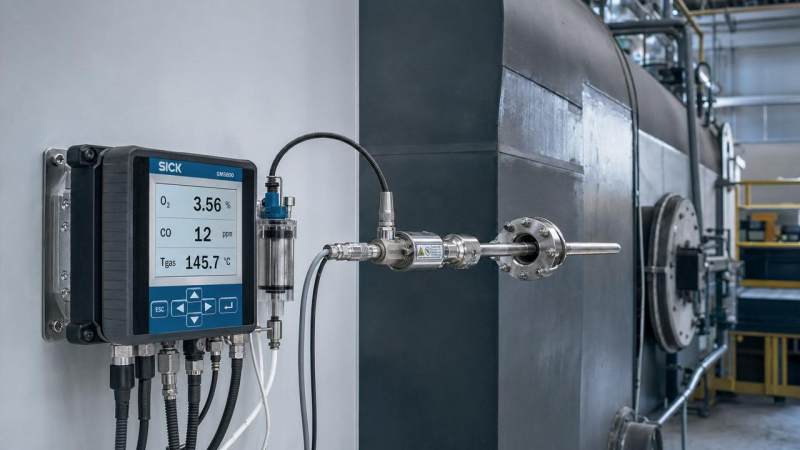
When people search for a combustion gas analyzer for boilers and furnaces, they are usually not looking for theory first. They want to know which instrument can help them tune combustion correctly, verify burner performance, reduce fuel waste, and detect unsafe or non-compliant operating conditions.
For boiler and furnace users, the most important concerns are straightforward. They need to measure oxygen accurately, track carbon monoxide before it becomes a serious combustion or safety problem, and sometimes monitor flue gas temperature, draft, excess air, or calculated efficiency. They also want an instrument that starts fast, holds calibration well, and does not fail after repeated field use.
That means the most useful selection criteria are not broad product claims. The real value comes from understanding your application, fuel type, measurement targets, installation or portable use scenario, and the level of maintenance your team can realistically support.
Start with the boiler or furnace application, not the catalog
The first step in selecting a combustion gas analyzer is to define where and how it will be used. A small commercial boiler, a process furnace, and a high-capacity industrial steam boiler can all require different analyzer configurations even if they all burn gas or oil.
Operators should look at the combustion process itself. What fuel are you burning: natural gas, LPG, light oil, heavy oil, coal-derived gas, biogas, or mixed fuels? Different fuels affect expected oxygen, CO, CO2, and NOx behavior. They also influence contamination risks such as soot, sulfur compounds, moisture, and particulates in the sample path.
You should also decide whether the analyzer is mainly for spot checks and burner tuning, or for frequent routine diagnostics. A portable unit may be ideal for service personnel moving between assets. A more ruggedized or semi-fixed solution may be better where testing is frequent, conditions are harsh, or response consistency is critical.
Another practical question is who will use it. If the analyzer is handled by operators with varying experience levels, ease of use becomes a major selection factor. A slightly less advanced instrument that is simple, clear, and durable may provide more value than a feature-heavy model that is difficult to configure correctly.
Which gas measurements matter most in real boiler and furnace work
For most combustion applications, oxygen measurement is the foundation. O2 tells operators whether combustion has too much or too little excess air. If oxygen is too high, energy is often wasted because excess air carries heat out through the stack. If oxygen is too low, incomplete combustion may increase carbon monoxide and create safety and efficiency issues.
Carbon monoxide is the next critical measurement. A good combustion gas analyzer should detect CO accurately at both normal and elevated levels. This matters because CO often reveals incomplete combustion, burner maladjustment, poor air-fuel mixing, or maintenance problems before they become more serious. For operators, CO is not only an emissions issue but also a direct operational warning sign.
Carbon dioxide is also useful, either measured directly or calculated from oxygen and fuel type. CO2 helps assess combustion quality and can support efficiency evaluation. In many field applications, calculated values are acceptable, but if process demands are stricter, direct measurement may be worth considering.
Flue gas temperature is essential because combustion efficiency calculations depend heavily on it. A combustion gas analyzer used for boilers and furnaces should have a suitable temperature probe, with enough durability and response speed for the expected flue conditions. If temperature readings drift or lag too much, efficiency interpretations become less useful.
In some applications, additional gases such as NO and NO2 may matter, especially where emissions control, regulatory reporting, or advanced burner tuning is required. Not every operator needs these channels, so they should not be treated as default requirements. They are valuable when your operating goals or site obligations actually depend on them.
Sensor performance: accuracy is important, but stability is what operators live with
Many buyers focus only on stated accuracy specifications. Accuracy is important, but for daily use, sensor stability, repeatability, and recovery from high gas exposure are just as important. An analyzer may look excellent on paper yet cause frustration if readings drift, take too long to stabilize, or require constant recalibration.
Electrochemical sensors are common in portable combustion gas analyzers because they are compact and effective for gases such as O2 and CO. When comparing instruments, users should ask practical questions: How long do the sensors typically last under their expected duty cycle? How well does the analyzer protect sensors from over-range exposure? How easy is field replacement?
Cross-sensitivity should also be considered. In some flue gas conditions, one gas can influence another sensor’s reading. For operators, this matters because a misleading CO or NOx value can lead to the wrong adjustment decision. Good analyzer design, sensor compensation, and correct application matching help reduce this risk.
Response time is another key issue. During burner tuning, you do not want to wait excessively for readings to settle after each adjustment. At the same time, very fast numbers are only useful if they are trustworthy. A suitable analyzer should provide a practical balance between speed and stability.
Sampling system design often determines whether readings are trustworthy
In combustion analysis, the sampling system is not a minor accessory. Probe design, hose quality, filtration, moisture handling, and pump performance directly affect the quality of the measurement. A good sensor package can still produce poor results if the sample reaching it is contaminated, diluted, or unstable.
For boilers and furnaces, flue gas often contains water vapor, heat, and particulates. If moisture enters the analyzer improperly, sensors may be damaged or readings may become unreliable. That is why condensate traps, water management, and effective particle filters are important selection points, especially in demanding environments.
Probe length and material should match the access point and gas temperature. If the probe is too short, too weak, or poorly suited to the stack conditions, sampling becomes awkward and less repeatable. Operators benefit from a setup that can be inserted safely, held steadily, and cleaned without difficulty.
Pump strength also matters. Weak or inconsistent flow can slow response and make readings unstable. When comparing analyzers, it is worth checking whether the sample pump performs well under realistic hose lengths and filter loading conditions, not only under ideal demonstration settings.
Portability, screen layout, and workflow matter more than many buyers expect
Because the target user is often an operator or technician, usability should have major weight in the selection process. An analyzer that is hard to navigate, difficult to read in low light, or awkward to carry through plant spaces can reduce testing frequency and increase the chance of user error.
Look for a display that presents key parameters clearly, especially O2, CO, flue temperature, and any calculated efficiency values you rely on. If users need to move through too many menus to see basic combustion status, the instrument becomes less practical during routine work.
Weight, battery life, startup time, and keypad simplicity also affect real-world value. If a team performs multiple checks across a shift, a long warm-up time or poor battery endurance can become a daily inconvenience. Fast boot-up and straightforward measurement workflow can significantly improve adoption and consistency.
Data logging and reporting functions may also help, particularly if operators need to document burner tuning, compare asset performance over time, or pass results to supervisors and maintenance teams. These features are useful when they support work, but they should not overshadow measurement quality and reliability.
Maintenance and calibration needs should be realistic for your team
A combustion gas analyzer is only as useful as its condition in service. Before choosing a model, operators and supervisors should consider how calibration checks, filter changes, condensate draining, sensor replacement, and periodic servicing will be handled at the site.
If your team has limited time or no dedicated instrument specialist, a unit with simpler maintenance and clear service indicators may be the better choice. A technically advanced analyzer can become a poor investment if it spends too much time out of service or if users avoid it because upkeep feels complicated.
Calibration intervals and service support are important points to confirm with the supplier. Ask how often the analyzer typically requires calibration under your usage pattern, what can be done on site, and what must be returned for service. Also ask about consumables and sensor replacement cost, because total ownership cost matters more than purchase price alone.
Protection features are worth attention too. Over-range CO protection, automatic pump shutoff, condensate monitoring, and clear fault alarms can extend sensor life and prevent damage caused by misuse or harsh sampling conditions. These features often save money and frustration over time.
How to match analyzer selection to operating goals
The right combustion gas analyzer depends on what you want the instrument to help you achieve. If the main goal is routine burner tuning on conventional boilers, you may only need strong O2 and CO performance, reliable flue temperature measurement, and easy efficiency calculation. In this case, simplicity and ruggedness may be more valuable than a wide gas menu.
If your priority is troubleshooting unstable combustion, then response behavior, sensor stability, and sampling reliability become more important. You want an analyzer that can track changes quickly enough to support adjustment decisions without generating confusing fluctuations from sampling issues.
If emissions control is part of the task, especially in larger industrial furnaces, then additional gas channels, data logging, and higher confidence in traceability may be required. In these applications, the selection process should include reporting needs, compliance expectations, and service support capability.
For operations focused on fuel savings, choose an analyzer that makes excess air adjustment easy and repeatable. Fuel waste often comes from running with unnecessary excess oxygen as a safety margin. A reliable analyzer helps operators reduce that margin with confidence while still maintaining safe combustion.
Common mistakes to avoid when choosing a combustion gas analyzer
One common mistake is selecting based only on price. A low-cost analyzer may be acceptable for occasional light-duty work, but in demanding boiler and furnace environments, poor sensor life, weak pumps, and unstable readings can quickly cancel the initial savings.
Another mistake is buying more capability than the application requires. If the analyzer includes multiple gas channels that your team never uses, higher cost and added maintenance may bring little practical benefit. Focus first on the measurements that support real decisions at your site.
Some users also overlook environmental suitability. Heat, dust, moisture, vibration, and handling conditions all influence analyzer life. An instrument that works well in a clean service workshop may not perform equally well in a harsher plant area unless it is designed for that use.
Finally, many teams underestimate training needs. Even a good combustion gas analyzer can deliver poor outcomes if users do not understand sampling location, stabilization time, filter condition, condensate handling, or the meaning of O2 and CO trends during adjustment. Selection and user practice should be considered together.
A practical checklist before you make the final choice
Before deciding on a combustion gas analyzer, confirm these questions. What fuel or fuels are being burned? Which gases must be measured versus nice-to-have? Is the analyzer for spot checks, routine rounds, or detailed diagnostics? How harsh is the environment? How often will the instrument be used, and by whom?
Then verify the technical fit. Check O2 and CO performance first, followed by temperature measurement quality, sensor protection, sampling system design, and response behavior. Review filter and condensate management, battery life, display clarity, data handling, and service support availability.
Also compare ownership factors. How much do replacement sensors cost? How easy is calibration? Are consumables readily available? Can the analyzer be serviced quickly if it fails? These questions often determine long-term satisfaction more than brochure specifications do.
If possible, request a demonstration under conditions close to your actual boiler or furnace operation. Seeing how an analyzer behaves in real flue gas is often the best way to judge whether it will support daily work effectively.
Conclusion
Selecting the right combustion gas analyzer for boilers and furnaces is ultimately about dependable decision support. Operators need an instrument that measures the right gases accurately, survives real sampling conditions, fits the daily workflow, and does not create unnecessary maintenance burden.
In most cases, the best choice is not the analyzer with the longest feature list. It is the one that gives consistent O2 and CO readings, handles temperature and moisture properly, responds fast enough for tuning, and remains easy to use shift after shift. When those factors are matched to your application, a combustion gas analyzer becomes more than a measuring tool. It becomes a practical asset for efficiency, safety, and reliable operation.
Recommended for You
 US-China Trade Talks Agree on Tariff Cuts for Key Test Equipment PartsUS-China tariff cuts on key test equipment parts—like pressure sensor chips & infrared thermal imaging modules—boost margins, cut costs, and strengthen global competitiveness for manufacturers.
 G7 Paris Meeting Focuses on Critical Mineral Supply SecurityCritical mineral supply security takes center stage at the G7 Paris meeting—key for rare-earth sensor exporters. Learn EU compliance impacts & actionable readiness steps.
 Brent Crude Surpasses $106/bbl, Raising Sea Freight Costs for Small Testing Equipment ExportsBrent Crude Surpasses $106/bbl—sea freight costs surge, impacting small testing equipment exporters. Learn how SMEs can adapt pricing, terms & logistics now.
 WTO Forecasts 1.9% Global Goods Trade Growth in 2026 Amid Supply Chain ShorteningWTO forecasts 1.9% global goods trade growth in 2026—sparking nearshoring demand for testing equipment, calibration services & OTA-ready solutions in ASEAN, Middle East & Mexico.
 UK-China Export Control Working Group Holds Second Meeting in LondonUK-China Export Control Working Group: Key updates on dual-use items—laser interferometers, quantum sensors & oscilloscopes. Learn compliance implications for exporters now.
 Japan's 10Y Yield Drop to 2.745% Lifts Yen, Raising China-Made Testing Equipment CostsJapan's 10Y yield drop to 2.745% lifts yen, raising costs for China-made testing equipment — explore FX impacts, procurement shifts & strategic responses.
 KOSPI 200 Futures Circuit Breaker Triggered, Impacting Industrial Automation Instrument Export TimelinesKOSPI 200 futures circuit breaker triggered — impact on PLC modules, transmitters & fieldbus instrument exports to Korea. Urgent timeline insights inside.
 South Korea’s Chip Exports Surge 202% in May 2026 Amid AI Test Equipment DemandAI test equipment demand surges as South Korea’s chip exports jump 202% in May 2026 — PCIe 6.0 & USB4.1 validation tools see sharp global procurement rise.
 Emission Gas Analyzer News in 2026: Regulatory Shifts Affecting DemandEmission gas analyzer demand is changing fast in 2026 as new regulations tighten limits, expand continuous monitoring, and raise data compliance standards. Explore key trends shaping smarter buying decisions.
 When a High Accuracy Analyzer Delivers Real ROI in Process ControlHigh accuracy analyzer ROI starts with better process control. Learn where tighter measurements cut waste, improve stability, reduce compliance risk, and deliver measurable operational savings.
 SR-2030P Analyzer Import Updates in 2026: Compliance Points to ReviewSR-2030P analyzer import updates for 2026: review classification, certification, customs documents, and market access risks to reduce delays, control costs, and source with confidence.
 Industrial Oxygen Analyzer Price Trends in 2026: Cost Drivers to WatchIndustrial oxygen analyzer price trends in 2026 explained: compare sensor, compliance, installation, and maintenance cost drivers to make smarter, lower-risk buying decisions.
 Laser Oxygen Analyzer or Industrial Oxygen Analyzer: Which Fits BetterLaser oxygen analyzer or industrial oxygen analyzer? Compare speed, accuracy, maintenance, and cost to find the best fit for smarter, more reliable process control.
 ATEX Gas Analyzer Demand in 2026: What Is Shaping the MarketATEX gas analyzer demand in 2026 is driven by safety, digital integration, and lifecycle value. See what shapes buying decisions across industry, utilities, hydrogen, and automation.
 Fixed Gas Analyzer vs Portable Options: What Matters for Plant UseFixed gas analyzer or portable detector for plant use? Compare safety, response time, maintenance, and cost to choose the right monitoring solution with confidence.
 Explosion Proof Analyzer Selection Mistakes That Increase Site RiskExplosion proof analyzer selection mistakes can raise compliance, maintenance, and safety risks. Learn the key errors to avoid and how to choose a safer, more reliable solution.
 SR-2000 Infrared Analyzer: Key Performance Checks Before InstallationSR-2000 infrared analyzer pre-installation guide: learn how to verify accuracy, drift, site readiness, and calibration support to reduce startup risk and ensure stable long-term performance.
 How to Choose a Continuous Gas Analyzer for Stable 24/7 MonitoringContinuous gas analyzer selection guide for stable 24/7 monitoring. Learn how to compare accuracy, response time, maintenance, and integration for smarter industrial decisions.
 IEC Approves China-Led Standard for Smart Sensor Semantic InteroperabilityIEC TR 63372 smart sensor semantic interoperability standard—led by China—cuts export certification time by 30%. Discover how it reshapes global IoT integration.
 MIIT Launches Joint Enforcement on EV Battery RecyclingMIIT's EV battery recycling enforcement targets BMS data leaks, illegal dismantling & electrolyte disposal—key for exporters, testers & procurement teams needing GDPR/CCPA compliance.
 SAMR Launches Unified Market Action on Testing & CertificationSAMR Launches Unified Market Action on Testing & Certification—tackling fragmentation, redundant fees & cross-border recognition barriers for exporters and manufacturers.
 Fifteenth Five-Year Urban Renewal Plan Approved, Signaling Overseas Procurement for Smart Water & Environmental Monitoring DevicesSmart water & environmental monitoring devices gain global momentum as China’s 15th Five-Year Urban Renewal Plan mandates intelligent infrastructure—key for Belt and Road exports.
 IMF Warns AI Amplifies Financial Cybersecurity RisksAI amplifies financial cybersecurity risks—IMF warns. Discover how XAI verification, adversarial attacks, and regulatory mandates impact AI detection equipment, FinTech, and banks.
 Tmall Health Launches 'Health Supplement Safety Alliance'Health Supplement Safety Alliance launched by Tmall Health—boosting traceability, lab credibility & cross-border quality for brands like By-Health and Centrum.
 EN IEC 61000-6-4:2026 EMC Standard Effective for AI Edge DevicesEN IEC 61000-6-4:2026 EMC standard is live—15% stricter radiated limits for AI edge devices. Act now to secure EU industrial IoT procurement eligibility.
 APEC Auto Dialogue Confirms Semi-Solid Battery Deployment and Fast ChargingSemi-solid battery deployment & 15-min fast charging confirmed at APEC Auto Dialogue—spurring global demand for China-made battery testing equipment, BMS validation, and thermal runaway simulation solutions.
 EU Imposes Final Anti-Dumping Duty on Chinese Adipic AcidEU anti-dumping duty on Chinese adipic acid takes effect May 2026—impacting pH meters, sensors & analytical instruments. Act now to secure supply chains.
 Colombia Upholds Anti-Dumping Duties on Chinese Acrylic SheetsColombia Upholds Anti-Dumping Duties on Chinese Acrylic Sheets — 32.7% tariff extended for 5 years. Critical for exporters of medical, lab & analytical instrument enclosures.
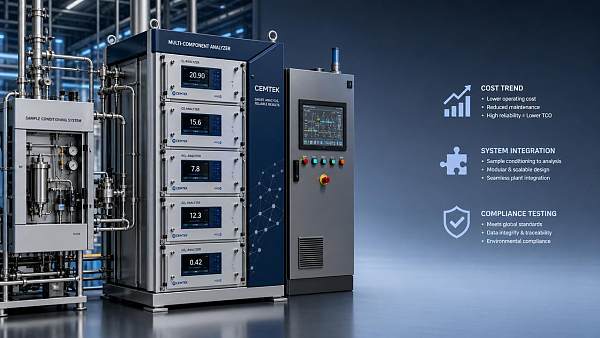
 Multi Component Analyzer Cost Trends for 2026 Expansion PlansMulti component analyzer cost trends for 2026: discover key pricing drivers, hidden costs, and smart supplier strategies to budget accurately and maximize expansion ROI.
 SR-2050 Analyzer Maintenance Points That Affect Service LifeSR-2050 analyzer maintenance points that directly impact service life, accuracy, and uptime. Learn how cleaning, calibration, inspection, and environment control reduce failures.
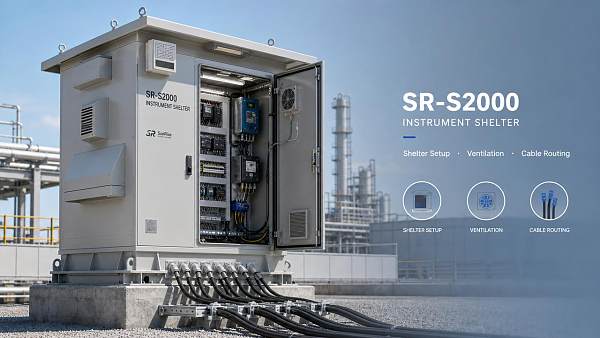
 SR-S2000 Shelter: Common Setup Mistakes to AvoidSR-S2000 shelter setup mistakes can cause heat, moisture, and maintenance issues. Learn what to avoid for safer installation, stable performance, and longer equipment life.
 Custom Gas Analyzer Import Risks and Spec Mismatch IssuesCustom gas analyzer import risks can derail projects through spec mismatch, compliance gaps, and integration issues. Learn how buyers can compare suppliers, verify requirements, and avoid costly rework.
Search Categories
Search Categories
Latest Article
- US-China Trade Talks Agree on Tariff Cuts for Key Test Equipment PartsUS-China tariff cuts on key test equipment parts—like pressure sensor chips & infrared thermal imaging modules—boost margins, cut costs, and strengthen global competitiveness for manufacturers.Posted by:
- G7 Paris Meeting Focuses on Critical Mineral Supply SecurityCritical mineral supply security takes center stage at the G7 Paris meeting—key for rare-earth sensor exporters. Learn EU compliance impacts & actionable readiness steps.Posted by:
- Brent Crude Surpasses $106/bbl, Raising Sea Freight Costs for Small Testing Equipment ExportsBrent Crude Surpasses $106/bbl—sea freight costs surge, impacting small testing equipment exporters. Learn how SMEs can adapt pricing, terms & logistics now.Posted by:
Please give us a message
