
Toxic Gas Analyzer Compliance Risks Companies Still Overlook


Many companies assume a toxic gas analyzer is compliant once it is installed, yet hidden gaps in calibration, documentation, alarm management, and data integrity still create serious regulatory and operational risks. For decision-makers, overlooking these details can lead to fines, downtime, and safety incidents. Understanding where compliance failures most often occur is essential to protecting people, assets, and long-term business performance.
Why does a toxic gas analyzer still create compliance risk after installation?
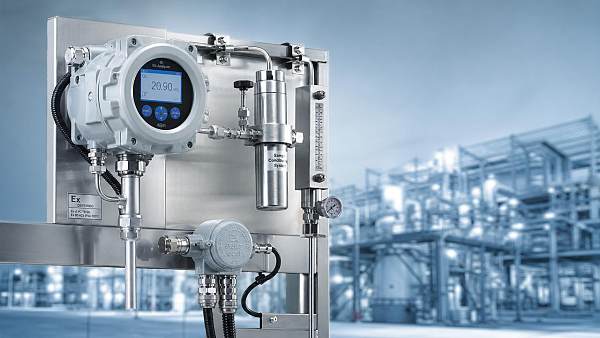
A toxic gas analyzer is rarely judged by installation alone. Regulators, auditors, insurers, and internal safety teams typically look at the full lifecycle: specification, commissioning, calibration, alarm validation, maintenance records, operator training, and traceable data. In other words, the device may be physically present, but compliance depends on whether it is suitable for the hazard, maintained correctly, and able to produce reliable evidence during inspection or incident review.
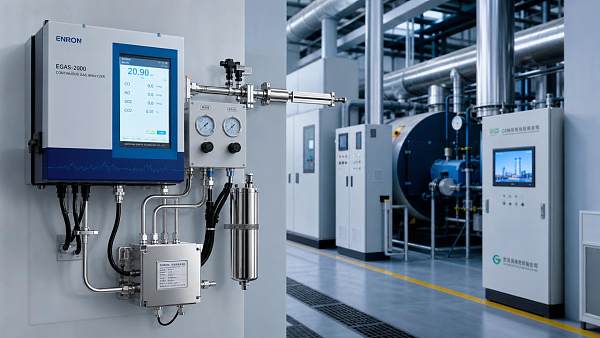
This is especially important across the broader instrumentation industry, where monitoring systems support industrial manufacturing, energy and power, environmental monitoring, laboratory analysis, construction engineering, and automation control. In these settings, a toxic gas analyzer often connects to control systems, data historians, safety interlocks, or environmental reporting workflows. A weakness in one part of that chain can undermine the compliance value of the entire monitoring program.
A common executive misconception is that compliance risk belongs only to EHS or maintenance teams. In practice, the impact reaches operations, legal exposure, insurance costs, production continuity, and brand trust. If a toxic gas analyzer fails to detect a release, records the wrong concentration, or cannot provide audit-ready documentation, the business risk becomes strategic rather than technical.
What are the most overlooked compliance gaps in toxic gas analyzer programs?
The biggest failures are usually not dramatic equipment breakdowns. They are routine process weaknesses that accumulate over time. Decision-makers should pay close attention to the following areas, because they are often where a compliant-looking system becomes a noncompliant one.
- Improper calibration intervals: Calibration schedules may be based on habit rather than manufacturer guidance, site conditions, gas exposure frequency, or regulatory requirements.
- Weak bump testing or functional testing: A toxic gas analyzer may power on normally while still failing to respond accurately to target gas.
- Poor documentation control: Missing logs, unsigned records, inconsistent timestamps, and untraceable changes can all trigger findings during audits.
- Alarm setpoint drift: Alarm thresholds are sometimes changed after process modifications, but supporting risk assessments are never updated.
- Sensor placement errors: Even a high-quality analyzer may fail if installed in the wrong location relative to gas density, airflow, or leak source.
- Data integrity issues: Manual data entry, disconnected software, or uncontrolled edits reduce trust in analyzer records.
- Training gaps: Teams may know how to acknowledge alarms but not how to verify instrument response, escalate anomalies, or interpret trend changes.
These risks are easy to miss because they usually sit between departments. Engineering may own specification, operations may react to alarms, maintenance may handle service, and compliance teams may prepare for audits. Without clear governance, no one sees the full picture.
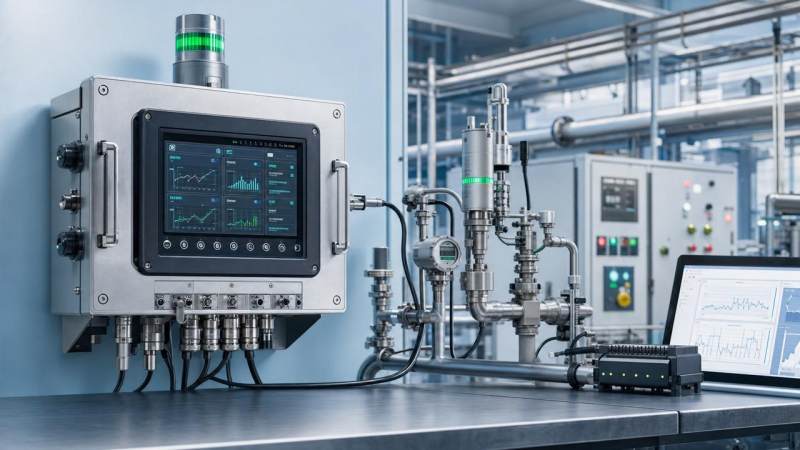
How can leaders tell whether their toxic gas analyzer setup is truly audit-ready?
An audit-ready toxic gas analyzer program should answer a simple question: can the company prove that the instrument is fit for purpose, functioning as intended, and managed under controlled procedures? If the answer depends on tribal knowledge or scattered spreadsheets, the program is vulnerable.
A strong review usually includes documented evidence in five categories. First, there should be a clear basis for analyzer selection, including gas type, detection range, environmental conditions, response time expectations, and applicable standards. Second, commissioning records should show that installation, loop checks, and alarm verification were completed properly. Third, calibration and maintenance history should be complete, current, and traceable. Fourth, alarm events and overrides should be reviewed regularly, with approvals and corrective actions documented. Fifth, electronic records should be protected against unauthorized edits and aligned with data retention requirements.
For enterprise decision-makers, the goal is not to master every technical detail. It is to ask better governance questions: Who owns analyzer compliance? How are exceptions escalated? What percentage of devices are overdue for calibration? Are alarm setpoints tied to current process hazards? Can the site produce records within hours, not days, if an inspector or customer requests evidence?
Which warning signs suggest a toxic gas analyzer compliance problem is already developing?
Companies often discover analyzer weaknesses only after a near miss, customer complaint, or regulator visit. However, the warning signs usually appear much earlier. If several of the following patterns exist, the compliance risk is likely growing.
The table above matters because compliance is rarely lost in a single moment. It usually erodes through weak routines. A toxic gas analyzer program should therefore be monitored like any other critical business system, with KPIs, ownership, and review cadence.
How do industry standards, site conditions, and digital systems change the compliance picture?
Not every toxic gas analyzer faces the same compliance burden. Requirements vary by industry, region, process hazard, and whether the analyzer supports worker safety, emissions monitoring, process control, or confined-space protection. A plant handling corrosive chemicals, for example, may need more aggressive maintenance intervals than a cleaner indoor process area. A site with vibration, humidity, dust, or temperature swings may also need different protective measures and more frequent verification.
Digital integration adds another layer. When analyzer outputs feed SCADA, DCS, cloud dashboards, or environmental reporting systems, compliance depends not only on the sensor but also on timestamp accuracy, communication reliability, cybersecurity controls, and change management. If data is lost during transfer or altered without traceability, the toxic gas analyzer may no longer support defensible reporting.
This is why leading companies increasingly treat gas detection as part of a broader instrumentation governance framework. They align device management with calibration control, historian integrity, automated notifications, and maintenance planning. That integrated approach supports both compliance and operational resilience, particularly in sectors pursuing digital transformation and intelligent upgrades.
What mistakes do buyers make when selecting or upgrading a toxic gas analyzer?
Procurement decisions often focus too heavily on upfront price or brand familiarity. Yet a toxic gas analyzer should be selected based on total compliance fitness. An inexpensive unit that lacks stable calibration performance, suitable certifications, service support, or data integration can become more costly than a premium device over its lifecycle.
Another mistake is assuming a specification sheet guarantees field performance. Buyers should evaluate sensor technology, cross-sensitivity, response time, environmental tolerance, maintenance burden, spare parts availability, and compatibility with existing automation architecture. They should also confirm who will support commissioning, training, and post-installation verification.
Decision-makers should ask practical questions before purchase: What regulations or internal standards must this analyzer satisfy? How often will it need calibration in our environment? Can records be exported for audits? How will alarm events be reviewed? What is the expected downtime for sensor replacement? If these points are unclear at procurement stage, compliance costs usually appear later as operational friction.
What should companies do first to reduce toxic gas analyzer compliance exposure?
The most effective first step is a structured gap assessment rather than an immediate equipment replacement plan. Many companies already own capable analyzers, but their procedures, records, alarm philosophies, and maintenance workflows are inconsistent. A focused review can reveal whether the real issue is hardware, governance, integration, or training.
A practical action plan usually includes four priorities. Start by creating a complete asset register for every toxic gas analyzer, including location, gas type, range, service status, and responsible owner. Then review calibration and bump-test compliance against actual policy and manufacturer guidance. Next, verify alarm setpoints, escalation procedures, and change records after any process modification. Finally, examine data pathways from field device to final report, ensuring timestamps, audit trails, and retention controls are reliable.
From a business perspective, this approach supports more than regulatory readiness. It can reduce false alarms, improve maintenance planning, strengthen contractor oversight, and provide better evidence for insurance, customer audits, and internal board reporting. In a modern instrumentation environment, compliance discipline also supports digital confidence.
What should decision-makers discuss before moving forward with assessment, procurement, or upgrade?
Before launching a new project, leaders should align technical and business stakeholders around a short list of critical questions. Which hazards are we monitoring, and are current analyzer locations still valid? Which standards or customer requirements apply to each site? What percentage of our toxic gas analyzer fleet lacks complete records? Where do alarms, maintenance logs, and compliance reports disconnect? Are we buying a device, or are we solving a lifecycle governance problem?
If further confirmation is needed on solution design, parameters, implementation timeline, budget, or cooperation model, the most useful conversations usually start with site conditions, gas types, expected compliance obligations, integration requirements, maintenance resources, and evidence expectations during audits. Asking those questions early helps companies choose a toxic gas analyzer strategy that protects safety, supports operations, and stands up to scrutiny over time.
Recommended for You
 US-China Trade Talks Agree on Tariff Cuts for Key Test Equipment PartsUS-China tariff cuts on key test equipment parts—like pressure sensor chips & infrared thermal imaging modules—boost margins, cut costs, and strengthen global competitiveness for manufacturers.
 G7 Paris Meeting Focuses on Critical Mineral Supply SecurityCritical mineral supply security takes center stage at the G7 Paris meeting—key for rare-earth sensor exporters. Learn EU compliance impacts & actionable readiness steps.
 Brent Crude Surpasses $106/bbl, Raising Sea Freight Costs for Small Testing Equipment ExportsBrent Crude Surpasses $106/bbl—sea freight costs surge, impacting small testing equipment exporters. Learn how SMEs can adapt pricing, terms & logistics now.
 WTO Forecasts 1.9% Global Goods Trade Growth in 2026 Amid Supply Chain ShorteningWTO forecasts 1.9% global goods trade growth in 2026—sparking nearshoring demand for testing equipment, calibration services & OTA-ready solutions in ASEAN, Middle East & Mexico.
 UK-China Export Control Working Group Holds Second Meeting in LondonUK-China Export Control Working Group: Key updates on dual-use items—laser interferometers, quantum sensors & oscilloscopes. Learn compliance implications for exporters now.
 Japan's 10Y Yield Drop to 2.745% Lifts Yen, Raising China-Made Testing Equipment CostsJapan's 10Y yield drop to 2.745% lifts yen, raising costs for China-made testing equipment — explore FX impacts, procurement shifts & strategic responses.
 KOSPI 200 Futures Circuit Breaker Triggered, Impacting Industrial Automation Instrument Export TimelinesKOSPI 200 futures circuit breaker triggered — impact on PLC modules, transmitters & fieldbus instrument exports to Korea. Urgent timeline insights inside.
 South Korea’s Chip Exports Surge 202% in May 2026 Amid AI Test Equipment DemandAI test equipment demand surges as South Korea’s chip exports jump 202% in May 2026 — PCIe 6.0 & USB4.1 validation tools see sharp global procurement rise.
 Emission Gas Analyzer News in 2026: Regulatory Shifts Affecting DemandEmission gas analyzer demand is changing fast in 2026 as new regulations tighten limits, expand continuous monitoring, and raise data compliance standards. Explore key trends shaping smarter buying decisions.
 When a High Accuracy Analyzer Delivers Real ROI in Process ControlHigh accuracy analyzer ROI starts with better process control. Learn where tighter measurements cut waste, improve stability, reduce compliance risk, and deliver measurable operational savings.
 SR-2030P Analyzer Import Updates in 2026: Compliance Points to ReviewSR-2030P analyzer import updates for 2026: review classification, certification, customs documents, and market access risks to reduce delays, control costs, and source with confidence.
 Industrial Oxygen Analyzer Price Trends in 2026: Cost Drivers to WatchIndustrial oxygen analyzer price trends in 2026 explained: compare sensor, compliance, installation, and maintenance cost drivers to make smarter, lower-risk buying decisions.
 Laser Oxygen Analyzer or Industrial Oxygen Analyzer: Which Fits BetterLaser oxygen analyzer or industrial oxygen analyzer? Compare speed, accuracy, maintenance, and cost to find the best fit for smarter, more reliable process control.
 ATEX Gas Analyzer Demand in 2026: What Is Shaping the MarketATEX gas analyzer demand in 2026 is driven by safety, digital integration, and lifecycle value. See what shapes buying decisions across industry, utilities, hydrogen, and automation.
 Fixed Gas Analyzer vs Portable Options: What Matters for Plant UseFixed gas analyzer or portable detector for plant use? Compare safety, response time, maintenance, and cost to choose the right monitoring solution with confidence.
 Explosion Proof Analyzer Selection Mistakes That Increase Site RiskExplosion proof analyzer selection mistakes can raise compliance, maintenance, and safety risks. Learn the key errors to avoid and how to choose a safer, more reliable solution.
 SR-2000 Infrared Analyzer: Key Performance Checks Before InstallationSR-2000 infrared analyzer pre-installation guide: learn how to verify accuracy, drift, site readiness, and calibration support to reduce startup risk and ensure stable long-term performance.
 How to Choose a Continuous Gas Analyzer for Stable 24/7 MonitoringContinuous gas analyzer selection guide for stable 24/7 monitoring. Learn how to compare accuracy, response time, maintenance, and integration for smarter industrial decisions.
 IEC Approves China-Led Standard for Smart Sensor Semantic InteroperabilityIEC TR 63372 smart sensor semantic interoperability standard—led by China—cuts export certification time by 30%. Discover how it reshapes global IoT integration.
 MIIT Launches Joint Enforcement on EV Battery RecyclingMIIT's EV battery recycling enforcement targets BMS data leaks, illegal dismantling & electrolyte disposal—key for exporters, testers & procurement teams needing GDPR/CCPA compliance.
 SAMR Launches Unified Market Action on Testing & CertificationSAMR Launches Unified Market Action on Testing & Certification—tackling fragmentation, redundant fees & cross-border recognition barriers for exporters and manufacturers.
 Fifteenth Five-Year Urban Renewal Plan Approved, Signaling Overseas Procurement for Smart Water & Environmental Monitoring DevicesSmart water & environmental monitoring devices gain global momentum as China’s 15th Five-Year Urban Renewal Plan mandates intelligent infrastructure—key for Belt and Road exports.
 IMF Warns AI Amplifies Financial Cybersecurity RisksAI amplifies financial cybersecurity risks—IMF warns. Discover how XAI verification, adversarial attacks, and regulatory mandates impact AI detection equipment, FinTech, and banks.
 Tmall Health Launches 'Health Supplement Safety Alliance'Health Supplement Safety Alliance launched by Tmall Health—boosting traceability, lab credibility & cross-border quality for brands like By-Health and Centrum.
 EN IEC 61000-6-4:2026 EMC Standard Effective for AI Edge DevicesEN IEC 61000-6-4:2026 EMC standard is live—15% stricter radiated limits for AI edge devices. Act now to secure EU industrial IoT procurement eligibility.
 APEC Auto Dialogue Confirms Semi-Solid Battery Deployment and Fast ChargingSemi-solid battery deployment & 15-min fast charging confirmed at APEC Auto Dialogue—spurring global demand for China-made battery testing equipment, BMS validation, and thermal runaway simulation solutions.
 EU Imposes Final Anti-Dumping Duty on Chinese Adipic AcidEU anti-dumping duty on Chinese adipic acid takes effect May 2026—impacting pH meters, sensors & analytical instruments. Act now to secure supply chains.
 Colombia Upholds Anti-Dumping Duties on Chinese Acrylic SheetsColombia Upholds Anti-Dumping Duties on Chinese Acrylic Sheets — 32.7% tariff extended for 5 years. Critical for exporters of medical, lab & analytical instrument enclosures.
 Multi Component Analyzer Cost Trends for 2026 Expansion PlansMulti component analyzer cost trends for 2026: discover key pricing drivers, hidden costs, and smart supplier strategies to budget accurately and maximize expansion ROI.
 SR-2050 Analyzer Maintenance Points That Affect Service LifeSR-2050 analyzer maintenance points that directly impact service life, accuracy, and uptime. Learn how cleaning, calibration, inspection, and environment control reduce failures.
 SR-S2000 Shelter: Common Setup Mistakes to AvoidSR-S2000 shelter setup mistakes can cause heat, moisture, and maintenance issues. Learn what to avoid for safer installation, stable performance, and longer equipment life.
 Custom Gas Analyzer Import Risks and Spec Mismatch IssuesCustom gas analyzer import risks can derail projects through spec mismatch, compliance gaps, and integration issues. Learn how buyers can compare suppliers, verify requirements, and avoid costly rework.

Search Categories
Search Categories
Latest Article
- US-China Trade Talks Agree on Tariff Cuts for Key Test Equipment PartsUS-China tariff cuts on key test equipment parts—like pressure sensor chips & infrared thermal imaging modules—boost margins, cut costs, and strengthen global competitiveness for manufacturers.Posted by:
- G7 Paris Meeting Focuses on Critical Mineral Supply SecurityCritical mineral supply security takes center stage at the G7 Paris meeting—key for rare-earth sensor exporters. Learn EU compliance impacts & actionable readiness steps.Posted by:
- Brent Crude Surpasses $106/bbl, Raising Sea Freight Costs for Small Testing Equipment ExportsBrent Crude Surpasses $106/bbl—sea freight costs surge, impacting small testing equipment exporters. Learn how SMEs can adapt pricing, terms & logistics now.Posted by:
Please give us a message
