
Trace Gas Analyzer Buying Guide for Sensitive Detection Tasks


Choosing the right trace gas analyzer is critical when procurement teams need reliable, ultra-sensitive detection for industrial, environmental, laboratory, or process applications. With varying technologies, accuracy levels, response times, and maintenance demands, buyers must balance performance, compliance, and total cost of ownership. This guide helps purchasing professionals evaluate key specifications and select equipment that supports dependable monitoring and long-term operational value.
Understanding the Role of a Trace Gas Analyzer
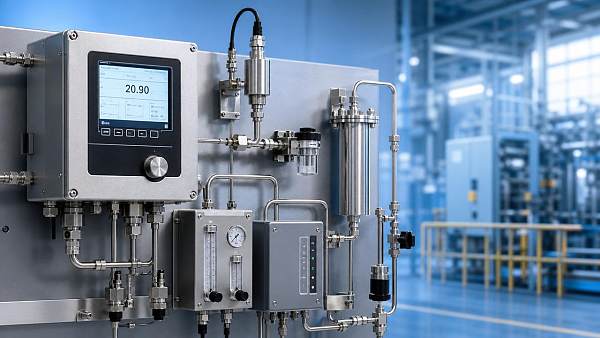
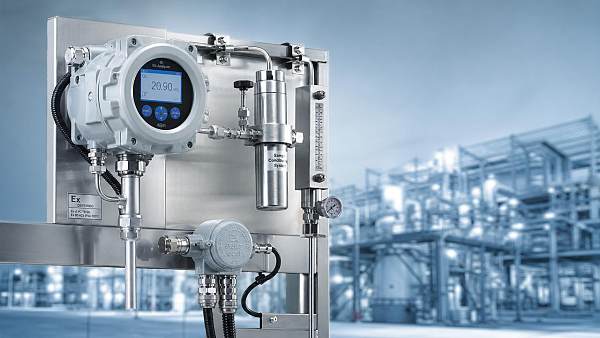
A trace gas analyzer is an instrument designed to detect and quantify gas components present at very low concentrations, often in ppm, ppb, or even lower ranges. In the broader instrumentation industry, these systems play an important role because modern manufacturing, energy operations, environmental programs, laboratories, and automated process lines increasingly depend on precise composition analysis. When gas concentration is too small for conventional monitoring methods, a trace gas analyzer provides the sensitivity needed for safety, quality assurance, emissions control, and research accuracy.
For procurement professionals, the topic matters because instrument performance is closely linked to operational risk. A unit that appears suitable on paper may fall short if the target gas matrix is complex, if humidity interferes with detection, or if calibration demands are underestimated. Sensitive detection tasks therefore require more than a price comparison. Buyers must understand the application context, the detection principle, the installation environment, and the long-term service burden before selecting a trace gas analyzer.
Why Sensitive Detection Has Become a Wider Industry Priority
Across the instrumentation sector, demand for trace-level monitoring is rising for several reasons. Industrial plants face tighter environmental and safety standards. Power and energy facilities need cleaner process control and leak detection. Laboratories require repeatable low-level analysis for validation and development work. Construction and engineering projects increasingly incorporate indoor air quality and emissions verification. At the same time, digital transformation has made continuous data collection more valuable, which increases the need for analyzers that can deliver stable, connected, and auditable measurements.
This shift means a trace gas analyzer is no longer viewed only as a specialist laboratory device. It is now a practical industrial tool that supports automation, preventive maintenance, regulatory readiness, and better decision-making. For purchasing teams, this broader relevance changes evaluation criteria. The right analyzer should fit not only a current test requirement but also future reporting needs, integration expectations, and asset management goals.
Common Technologies Behind Trace Gas Analysis
Different trace gas analyzer platforms are built on different physical principles, and each has strengths and trade-offs. Common options include infrared absorption, tunable diode laser absorption spectroscopy, mass spectrometry, gas chromatography combinations, electrochemical detection, flame ionization methods, photoacoustic sensing, and paramagnetic or thermal conductivity support methods in hybrid systems. Procurement teams do not need to master every technical detail, but they should know that the choice of technology directly affects selectivity, sensitivity, speed, operating cost, and maintenance complexity.
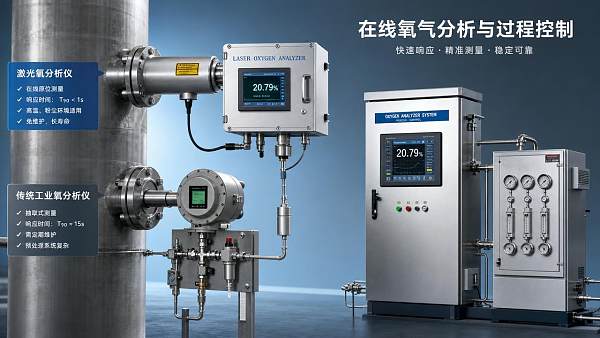
For example, laser-based systems are often attractive for fast response and low drift in online process environments, while gas chromatography-based solutions may be preferred when detailed component separation is essential. Mass spectrometry can deliver broad analytical capability but may involve higher investment and service requirements. A practical buying decision starts with target gas species, expected concentration range, sample condition, and the need for continuous versus periodic measurement.
The table above shows why technology fit should come before brand shortlisting. A trace gas analyzer that performs well in one industry may be unsuitable in another if the sample composition, ambient conditions, or uptime demands differ significantly.
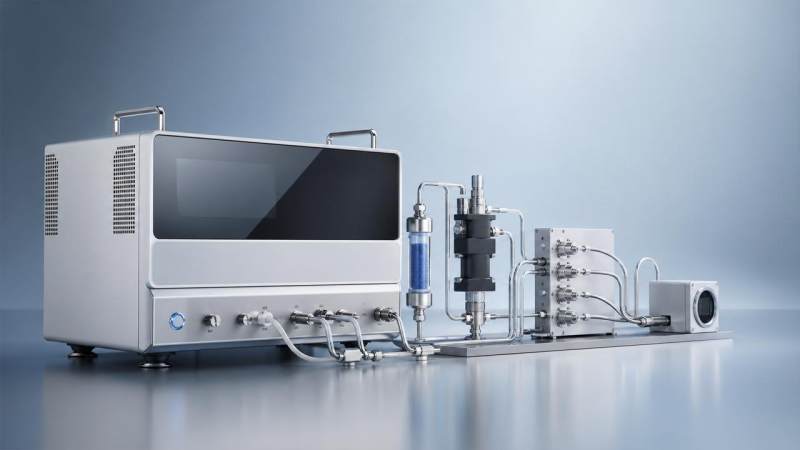
Where a Trace Gas Analyzer Creates Practical Business Value
The business value of a trace gas analyzer goes beyond analytical precision. In industrial manufacturing, it helps maintain product quality by verifying gas purity, detecting contamination, and supporting controlled atmospheres. In energy and power settings, it can identify leaks, monitor combustion-related gases, and protect critical systems. In environmental monitoring, it enables low-level pollutant detection and supports reporting credibility. In laboratories and testing centers, it improves repeatability, validation confidence, and method development.
For procurement teams, this value should be translated into operational outcomes. Better trace detection may reduce product rejects, prevent shutdowns, improve regulatory confidence, and support faster troubleshooting. In many cases, the analyzer itself is only one part of the return on investment. The larger benefit comes from fewer incidents, lower waste, stronger audit readiness, and more consistent process data.
Typical Application Categories to Evaluate
Although every project has its own technical conditions, most trace gas analyzer requirements can be grouped into several representative categories. This helps buyers narrow specifications and compare vendors more effectively.
Specifications That Matter Most in Procurement Review
When reviewing a trace gas analyzer, procurement should focus on specifications that affect real-world performance, not only brochure claims. Detection limit is essential, but it should be assessed together with repeatability, accuracy, resolution, and long-term drift. A low stated limit is less useful if the instrument cannot maintain stable readings over time or under fluctuating process conditions.
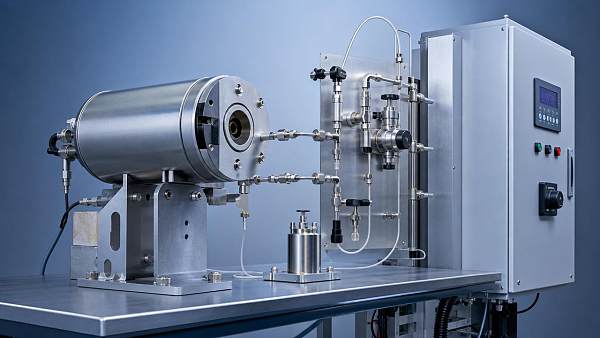
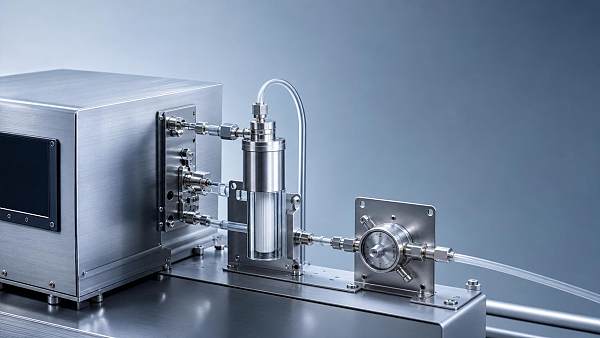
Response time is another major factor, especially in online monitoring or safety-related use. A slow analyzer may miss transient events or delay corrective action. Sample handling is equally important. Moisture, particulates, corrosive compounds, pressure variation, and temperature swings can all affect performance. In many installations, the sampling system determines whether the analyzer can achieve its promised sensitivity.
Buyers should also examine calibration intervals, consumables, spare parts availability, communication protocols, and diagnostics. An analyzer that is easy to maintain and simple to integrate into a plant control system often delivers better lifetime value than a technically impressive but operationally difficult alternative.
Compliance, Data Quality, and Operational Reliability
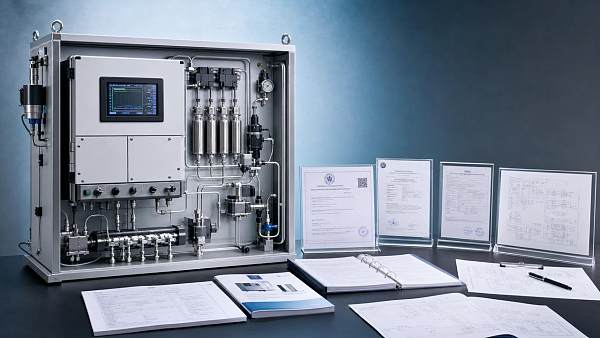
In the instrumentation industry, confidence in data is as important as sensitivity. A trace gas analyzer used for regulated environments, formal quality systems, or customer-facing verification must support traceable calibration practices and dependable recordkeeping. Procurement teams should verify whether the supplier can provide calibration documentation, validation support, maintenance guidance, and clear uncertainty information.
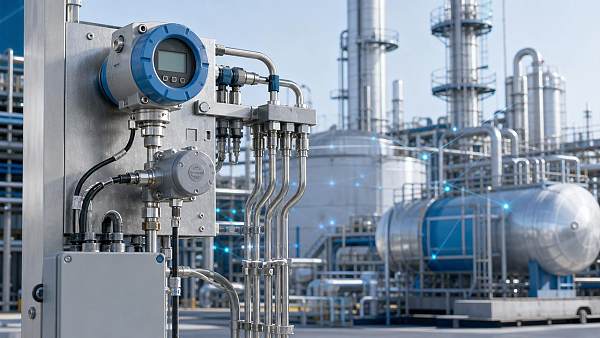
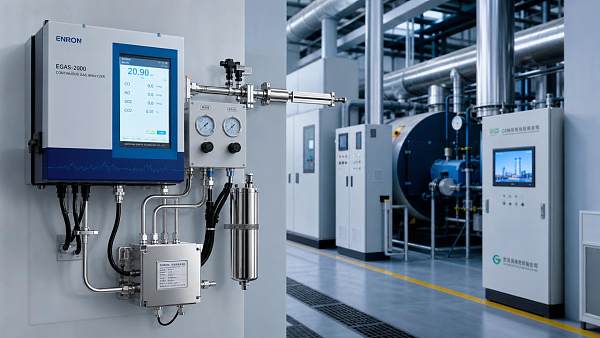
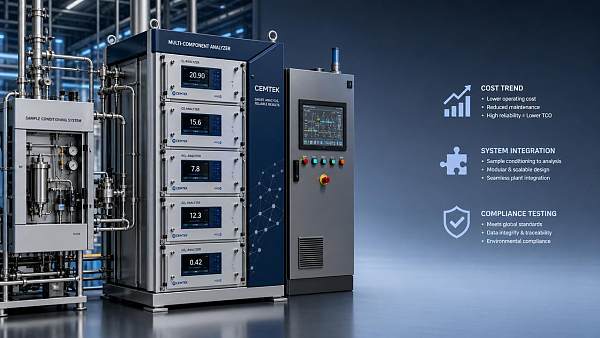
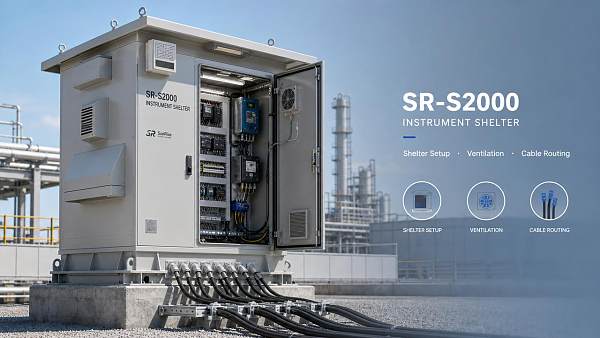
Operational reliability should be reviewed in the context of site conditions. Outdoor installations, vibration, dusty areas, hazardous zones, and remote utilities each introduce selection constraints. Enclosure rating, material compatibility, analyzer shelter requirements, and self-diagnostic functions all affect uptime. A strong procurement decision accounts for the analyzer, the sample conditioning arrangement, and the surrounding infrastructure as one system.
Practical Selection Guidance for Purchasing Teams
A practical approach to selecting a trace gas analyzer begins with a clear specification sheet created jointly by procurement, engineering, operations, and end users. This document should define target gases, concentration range, detection threshold, sample conditions, installation environment, reporting needs, and maintenance expectations. Without this alignment, vendor proposals can be difficult to compare because each may assume a different operating basis.
Next, buyers should request evidence of application fit. That may include reference cases, validation data, demonstration results, or sample analysis under similar conditions. This step is especially important for trace-level measurement, where matrix effects and interference can strongly influence outcomes. Procurement should also assess service capacity, local support response, training quality, and parts logistics, because sensitive analytical equipment often depends on timely technical assistance.
Finally, total cost of ownership should be reviewed over the full operating life. The initial purchase price of a trace gas analyzer may represent only part of the financial picture. Calibration gases, filters, pumps, detector replacement, software support, downtime risk, and operator training all contribute to long-term cost. A balanced decision combines analytical performance, operational suitability, and lifecycle economics.
Common Mistakes to Avoid During Evaluation
One common mistake is selecting based only on the lowest detection limit without considering interference, uptime, or maintainability. Another is underestimating sample preparation requirements. Even a high-quality trace gas analyzer can produce unstable data if sample lines are poorly designed or if moisture control is inadequate. Buyers also sometimes overlook calibration workflow, assuming that laboratory-grade performance can be maintained in field conditions without additional support.
A further issue is treating all trace applications as similar. Detecting oxygen impurities in process gas, measuring ambient pollutants, and monitoring toxic leakage are very different tasks. Each requires a different balance of sensitivity, speed, selectivity, and robustness. Procurement outcomes improve when the evaluation process recognizes these distinctions early.
Moving from Technical Need to Informed Action
A trace gas analyzer is a strategic measurement asset for organizations that depend on accurate low-level gas detection. In today’s instrumentation landscape, its value reaches across manufacturing quality, environmental stewardship, laboratory confidence, energy reliability, and automation visibility. For procurement professionals, the best results come from understanding the technology, matching it to the real application, and evaluating the complete ownership model rather than just the instrument headline.
If your team is preparing to source a trace gas analyzer, begin by clarifying the measurement objective, operating environment, and expected business outcome. With a well-defined specification and a disciplined review of performance, compliance, service, and lifecycle cost, purchasing can secure equipment that supports sensitive detection tasks with dependable long-term value.
Recommended for You
 US-China Trade Talks Agree on Tariff Cuts for Key Test Equipment PartsUS-China tariff cuts on key test equipment parts—like pressure sensor chips & infrared thermal imaging modules—boost margins, cut costs, and strengthen global competitiveness for manufacturers.
 G7 Paris Meeting Focuses on Critical Mineral Supply SecurityCritical mineral supply security takes center stage at the G7 Paris meeting—key for rare-earth sensor exporters. Learn EU compliance impacts & actionable readiness steps.
 Brent Crude Surpasses $106/bbl, Raising Sea Freight Costs for Small Testing Equipment ExportsBrent Crude Surpasses $106/bbl—sea freight costs surge, impacting small testing equipment exporters. Learn how SMEs can adapt pricing, terms & logistics now.
 WTO Forecasts 1.9% Global Goods Trade Growth in 2026 Amid Supply Chain ShorteningWTO forecasts 1.9% global goods trade growth in 2026—sparking nearshoring demand for testing equipment, calibration services & OTA-ready solutions in ASEAN, Middle East & Mexico.
 UK-China Export Control Working Group Holds Second Meeting in LondonUK-China Export Control Working Group: Key updates on dual-use items—laser interferometers, quantum sensors & oscilloscopes. Learn compliance implications for exporters now.
 Japan's 10Y Yield Drop to 2.745% Lifts Yen, Raising China-Made Testing Equipment CostsJapan's 10Y yield drop to 2.745% lifts yen, raising costs for China-made testing equipment — explore FX impacts, procurement shifts & strategic responses.
 KOSPI 200 Futures Circuit Breaker Triggered, Impacting Industrial Automation Instrument Export TimelinesKOSPI 200 futures circuit breaker triggered — impact on PLC modules, transmitters & fieldbus instrument exports to Korea. Urgent timeline insights inside.
 South Korea’s Chip Exports Surge 202% in May 2026 Amid AI Test Equipment DemandAI test equipment demand surges as South Korea’s chip exports jump 202% in May 2026 — PCIe 6.0 & USB4.1 validation tools see sharp global procurement rise.
 Emission Gas Analyzer News in 2026: Regulatory Shifts Affecting DemandEmission gas analyzer demand is changing fast in 2026 as new regulations tighten limits, expand continuous monitoring, and raise data compliance standards. Explore key trends shaping smarter buying decisions.
 When a High Accuracy Analyzer Delivers Real ROI in Process ControlHigh accuracy analyzer ROI starts with better process control. Learn where tighter measurements cut waste, improve stability, reduce compliance risk, and deliver measurable operational savings.
 SR-2030P Analyzer Import Updates in 2026: Compliance Points to ReviewSR-2030P analyzer import updates for 2026: review classification, certification, customs documents, and market access risks to reduce delays, control costs, and source with confidence.
 Industrial Oxygen Analyzer Price Trends in 2026: Cost Drivers to WatchIndustrial oxygen analyzer price trends in 2026 explained: compare sensor, compliance, installation, and maintenance cost drivers to make smarter, lower-risk buying decisions.
 Laser Oxygen Analyzer or Industrial Oxygen Analyzer: Which Fits BetterLaser oxygen analyzer or industrial oxygen analyzer? Compare speed, accuracy, maintenance, and cost to find the best fit for smarter, more reliable process control.
 ATEX Gas Analyzer Demand in 2026: What Is Shaping the MarketATEX gas analyzer demand in 2026 is driven by safety, digital integration, and lifecycle value. See what shapes buying decisions across industry, utilities, hydrogen, and automation.
 Fixed Gas Analyzer vs Portable Options: What Matters for Plant UseFixed gas analyzer or portable detector for plant use? Compare safety, response time, maintenance, and cost to choose the right monitoring solution with confidence.
 Explosion Proof Analyzer Selection Mistakes That Increase Site RiskExplosion proof analyzer selection mistakes can raise compliance, maintenance, and safety risks. Learn the key errors to avoid and how to choose a safer, more reliable solution.
 SR-2000 Infrared Analyzer: Key Performance Checks Before InstallationSR-2000 infrared analyzer pre-installation guide: learn how to verify accuracy, drift, site readiness, and calibration support to reduce startup risk and ensure stable long-term performance.
 How to Choose a Continuous Gas Analyzer for Stable 24/7 MonitoringContinuous gas analyzer selection guide for stable 24/7 monitoring. Learn how to compare accuracy, response time, maintenance, and integration for smarter industrial decisions.
 IEC Approves China-Led Standard for Smart Sensor Semantic InteroperabilityIEC TR 63372 smart sensor semantic interoperability standard—led by China—cuts export certification time by 30%. Discover how it reshapes global IoT integration.
 MIIT Launches Joint Enforcement on EV Battery RecyclingMIIT's EV battery recycling enforcement targets BMS data leaks, illegal dismantling & electrolyte disposal—key for exporters, testers & procurement teams needing GDPR/CCPA compliance.
 SAMR Launches Unified Market Action on Testing & CertificationSAMR Launches Unified Market Action on Testing & Certification—tackling fragmentation, redundant fees & cross-border recognition barriers for exporters and manufacturers.
 Fifteenth Five-Year Urban Renewal Plan Approved, Signaling Overseas Procurement for Smart Water & Environmental Monitoring DevicesSmart water & environmental monitoring devices gain global momentum as China’s 15th Five-Year Urban Renewal Plan mandates intelligent infrastructure—key for Belt and Road exports.
 IMF Warns AI Amplifies Financial Cybersecurity RisksAI amplifies financial cybersecurity risks—IMF warns. Discover how XAI verification, adversarial attacks, and regulatory mandates impact AI detection equipment, FinTech, and banks.
 Tmall Health Launches 'Health Supplement Safety Alliance'Health Supplement Safety Alliance launched by Tmall Health—boosting traceability, lab credibility & cross-border quality for brands like By-Health and Centrum.
 EN IEC 61000-6-4:2026 EMC Standard Effective for AI Edge DevicesEN IEC 61000-6-4:2026 EMC standard is live—15% stricter radiated limits for AI edge devices. Act now to secure EU industrial IoT procurement eligibility.
 APEC Auto Dialogue Confirms Semi-Solid Battery Deployment and Fast ChargingSemi-solid battery deployment & 15-min fast charging confirmed at APEC Auto Dialogue—spurring global demand for China-made battery testing equipment, BMS validation, and thermal runaway simulation solutions.
 EU Imposes Final Anti-Dumping Duty on Chinese Adipic AcidEU anti-dumping duty on Chinese adipic acid takes effect May 2026—impacting pH meters, sensors & analytical instruments. Act now to secure supply chains.
 Colombia Upholds Anti-Dumping Duties on Chinese Acrylic SheetsColombia Upholds Anti-Dumping Duties on Chinese Acrylic Sheets — 32.7% tariff extended for 5 years. Critical for exporters of medical, lab & analytical instrument enclosures.
 Multi Component Analyzer Cost Trends for 2026 Expansion PlansMulti component analyzer cost trends for 2026: discover key pricing drivers, hidden costs, and smart supplier strategies to budget accurately and maximize expansion ROI.
 SR-2050 Analyzer Maintenance Points That Affect Service LifeSR-2050 analyzer maintenance points that directly impact service life, accuracy, and uptime. Learn how cleaning, calibration, inspection, and environment control reduce failures.
 SR-S2000 Shelter: Common Setup Mistakes to AvoidSR-S2000 shelter setup mistakes can cause heat, moisture, and maintenance issues. Learn what to avoid for safer installation, stable performance, and longer equipment life.
 Custom Gas Analyzer Import Risks and Spec Mismatch IssuesCustom gas analyzer import risks can derail projects through spec mismatch, compliance gaps, and integration issues. Learn how buyers can compare suppliers, verify requirements, and avoid costly rework.

Search Categories
Search Categories
Latest Article
- US-China Trade Talks Agree on Tariff Cuts for Key Test Equipment PartsUS-China tariff cuts on key test equipment parts—like pressure sensor chips & infrared thermal imaging modules—boost margins, cut costs, and strengthen global competitiveness for manufacturers.Posted by:
- G7 Paris Meeting Focuses on Critical Mineral Supply SecurityCritical mineral supply security takes center stage at the G7 Paris meeting—key for rare-earth sensor exporters. Learn EU compliance impacts & actionable readiness steps.Posted by:
- Brent Crude Surpasses $106/bbl, Raising Sea Freight Costs for Small Testing Equipment ExportsBrent Crude Surpasses $106/bbl—sea freight costs surge, impacting small testing equipment exporters. Learn how SMEs can adapt pricing, terms & logistics now.Posted by:
Please give us a message
