
When Industrial Control Needs an Upgrade


As industrial systems evolve, upgrading industrial control is no longer optional but essential for safer, smarter, and more sustainable operations. For most manufacturers, utilities, and process facilities, the real question is not whether to upgrade, but when the current control environment begins to limit uptime, compliance, efficiency, or expansion. From environmental protection and emission reduction to energy efficiency and process optimization, modern facilities increasingly depend on precision instrument solutions and efficient gas analyzer technologies to enable sustainable monitoring, support green technology adoption, and accelerate the shift toward clean technology.
An effective upgrade is not simply about replacing old hardware. It is about improving visibility, reducing manual intervention, strengthening safety, lowering lifecycle costs, and creating a control foundation that supports future digitalization. For operators, engineers, procurement teams, quality managers, and decision-makers, the best upgrade path is the one that solves today’s operational pain points while also reducing tomorrow’s business and compliance risks.
How Do You Know Industrial Control Really Needs an Upgrade?
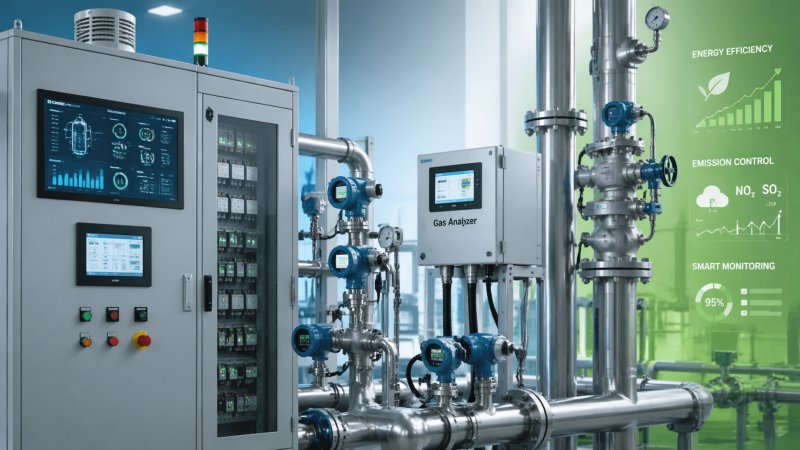
Most facilities do not decide to upgrade industrial control systems because of age alone. They upgrade because the existing setup starts creating measurable operational and business problems. In practice, the warning signs are usually clear:
- Frequent unplanned downtime caused by aging controllers, unstable communication, or difficult-to-source spare parts
- Inconsistent process quality due to poor signal reliability, drifting instruments, or limited control accuracy
- High maintenance workload because operators must intervene manually or work around outdated logic
- Compliance pressure related to emissions, environmental monitoring, traceability, or safety reporting
- Rising energy consumption caused by inefficient process control and weak real-time optimization
- Limited integration with modern SCADA, DCS, PLC, laboratory instruments, online analyzers, or enterprise systems
- Cybersecurity and support risks when legacy systems are no longer patched or supported by suppliers
If these issues are becoming routine, the control system is no longer just old. It is becoming a constraint on production, safety, and profitability. That is usually the point where an upgrade delivers more value than continued patchwork maintenance.
What Problems Are Target Readers Usually Trying to Solve?
Different stakeholders look at industrial control upgrades from different angles, but their concerns are closely connected.
Operators and users care about whether the system is easier to run, whether alarms are meaningful, whether process data is trustworthy, and whether the upgrade will reduce manual adjustments and troubleshooting.
Technical evaluators and engineers focus on control stability, architecture compatibility, instrument integration, calibration requirements, network reliability, cybersecurity, redundancy, and future scalability.
Procurement and commercial evaluators want to compare solutions fairly. They need to know whether suppliers can support installation, training, spare parts, documentation, and lifecycle service, not just deliver equipment.
Business leaders and financial approvers usually ask a simpler question: what do we gain, what risks do we avoid, and how quickly does the investment pay back?
Quality, safety, and compliance teams care about traceability, stable measurement, alarm response, environmental reporting, and whether the upgraded system helps reduce process deviations and regulatory exposure.
Project managers need implementation clarity: shutdown planning, commissioning time, migration risk, cross-team coordination, and how to keep production impact under control.
A strong SEO article on this topic should therefore go beyond technical definitions and directly answer these practical questions.
What Value Does an Industrial Control Upgrade Actually Deliver?
The value of upgrading industrial control becomes strongest when it is tied to operational outcomes rather than equipment replacement alone.
1. Better process stability and product quality
Modern controllers, sensors, analyzers, and software platforms can improve loop performance, reduce drift-related errors, and provide more accurate monitoring of pressure, temperature, flow, level, and composition. This supports tighter process control, fewer deviations, and more consistent output quality.
2. Lower downtime and maintenance burden
Older systems often fail not dramatically, but repeatedly. Intermittent faults, unavailable components, obsolete interfaces, and undocumented modifications increase maintenance hours and production risk. Upgraded industrial control systems simplify diagnostics, improve spare-part availability, and reduce dependency on manual workarounds.
3. Stronger environmental and emissions performance
Facilities under pressure to improve environmental performance need reliable data and responsive control. Efficient gas analyzer systems, industrial online monitoring, and integrated precision instrument solutions help plants monitor combustion efficiency, emissions trends, process gases, and pollution-control performance in real time. This supports environmental protection and emission reduction goals while also improving audit readiness.
4. Higher energy efficiency
Poor control logic, slow feedback, and inaccurate measurement often waste energy in ways that are difficult to detect. Modernized systems support energy efficiency by optimizing air-fuel ratios, process timing, utility consumption, and load balancing. In energy-intensive industries, even small control improvements can deliver meaningful cost savings.
5. A stronger foundation for digital transformation
Many companies talk about smart manufacturing, but digital transformation is difficult when the control layer is fragmented or outdated. Upgraded industrial control provides cleaner data, better connectivity, and more reliable monitoring, making it easier to deploy analytics, remote diagnostics, predictive maintenance, and intelligent process optimization.
Which Upgrade Areas Matter Most in Real Projects?
Not every industrial control upgrade needs a full replacement. In many cases, the best approach is selective modernization based on operational risk and return.
Control hardware and architecture
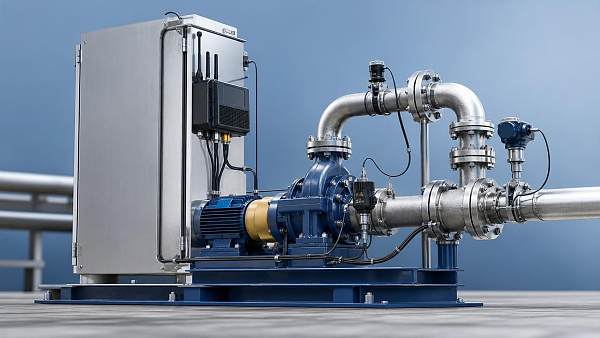
Legacy PLC, DCS, and controller platforms may need replacement or phased migration if support is ending, failure rates are rising, or system capacity can no longer meet process needs. Architecture review should include redundancy, expansion capacity, communication protocols, and compatibility with field devices.
Field instrumentation and analyzers
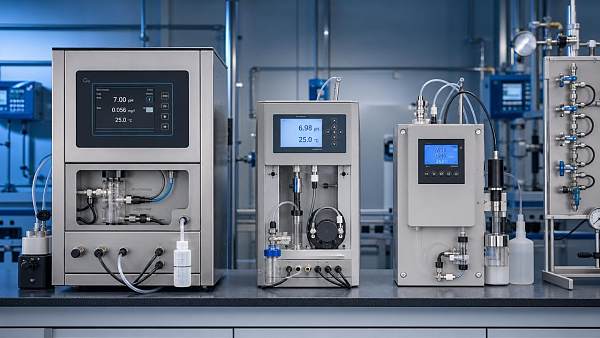
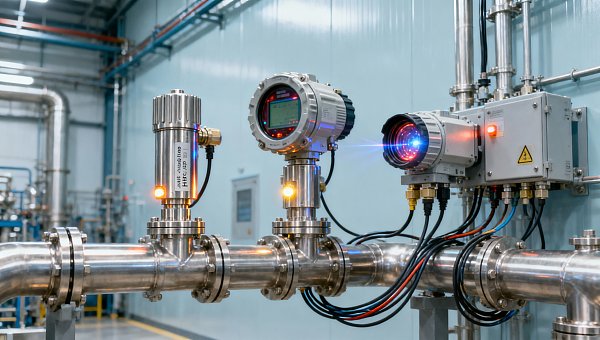
Control quality depends heavily on measurement quality. Pressure, temperature, flow, level, analytical instruments, and gas analyzers should be assessed for accuracy, drift, maintenance frequency, and fit for current process conditions. In many plants, instrumentation limitations are the hidden reason control performance remains poor.
Monitoring and visualization
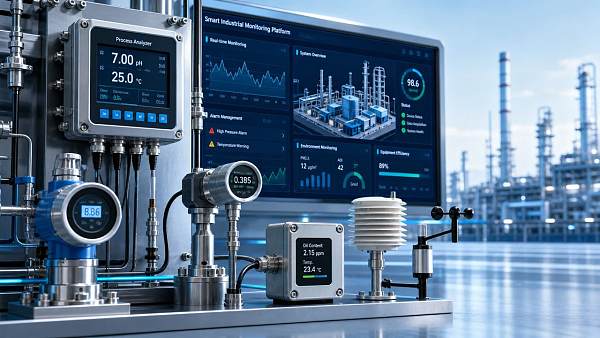
Operators need clear, usable interfaces. Upgrading HMI, SCADA, alarm management, trend visibility, and reporting often produces immediate operational gains by helping users detect abnormal conditions earlier and respond faster.
Environmental and sustainability monitoring
As sustainability expectations increase, facilities are investing more in sustainable monitoring, emissions tracking, and process transparency. This includes online gas analysis, stack monitoring integration, utility metering, and more reliable data for environmental reporting and internal performance management.
Safety and compliance functions
In high-risk environments, control upgrades should include review of shutdown logic, alarm rationalization, interlocks, traceability, and validation requirements. A technically advanced system still fails the business case if it creates uncertainty in safety or compliance performance.
How Should Companies Evaluate Whether the Upgrade Is Worth the Investment?
Decision-makers often struggle because the benefits of industrial control upgrades appear across multiple departments rather than one budget line. The most practical evaluation method is to combine direct savings, avoided losses, and strategic value.
Useful evaluation criteria include:
- Downtime reduction: What is the current cost of lost production, delayed delivery, and emergency maintenance?
- Maintenance savings: How many labor hours and spare-part costs are tied to the old system?
- Energy improvement: Can better measurement and tighter control reduce fuel, power, steam, air, or water consumption?
- Quality improvement: Will the upgrade reduce scrap, rework, out-of-spec product, or process instability?
- Compliance risk reduction: What are the financial and reputational costs of emissions issues, poor traceability, or reporting gaps?
- Expansion readiness: Will the new system support future capacity growth, new process units, or digital integration?
For financial approvers, a convincing case usually includes both quantified return and risk avoidance. For example, avoiding one major unplanned shutdown or one compliance event can justify a substantial portion of the upgrade investment.
What Concerns Usually Delay a Control Upgrade, and How Can They Be Reduced?
Even when the need is obvious, companies often delay action because of execution concerns. The most common objections are manageable if addressed early.
“The shutdown window is too short.”
This is a legitimate concern. A phased migration plan, pre-tested panels, simulation-based commissioning, and selective replacement of critical areas can reduce outage time and project risk.
“Our operators are used to the old system.”
User adoption matters. A successful upgrade includes training, interface standardization, clear alarm strategy, and commissioning support so that operators gain confidence quickly instead of resisting change.
“Integration with existing instruments may be difficult.”
This is why front-end assessment is critical. Compatibility audits should review communication standards, signal types, calibration needs, hazardous-area requirements, and analyzer integration before procurement decisions are finalized.
“The project cost seems high.”
Looking only at capital expense can be misleading. If the current system is already causing downtime, inefficient energy use, unstable quality, or maintenance dependency, the real cost of doing nothing may be higher than the cost of upgrading.
“We do not want to replace everything at once.”
In many cases, you do not need to. A staged modernization roadmap often provides the best balance between cash flow, risk control, and operational continuity.
What Should Be Included in a Practical Upgrade Plan?
A good industrial control upgrade plan should be structured around business priorities and site realities, not supplier catalogs. At minimum, it should include:
- Current-state assessment covering system health, obsolescence risk, failure history, measurement accuracy, and compliance gaps
- Criticality ranking to identify which units, loops, instruments, or analyzers affect safety, quality, throughput, or emissions most
- Target architecture definition including control platform, communication network, visualization, historian, analyzer integration, and cybersecurity approach
- Migration strategy with phased execution, shutdown coordination, fallback planning, and validation steps
- Lifecycle support planning for spare parts, calibration, maintenance, software updates, and technical service
- Training and documentation to ensure operators, maintenance teams, and engineers can fully use the upgraded system
For projects involving precision instruments, laboratory instruments, or industrial online monitoring, this plan should also define calibration intervals, data validation rules, and responsibilities for ongoing performance verification.
Why Upgrading Industrial Control Supports Sustainability and Competitive Advantage
Industrial control is now closely tied to sustainability performance. Better monitoring and tighter control help companies reduce emissions, cut energy waste, improve resource efficiency, and provide more reliable environmental data. That is why industrial control modernization increasingly overlaps with broader green technology and clean technology initiatives.
At the same time, sustainability is not the only benefit. A well-planned upgrade also strengthens competitiveness by making operations more reliable, scalable, and responsive. Facilities that can monitor processes accurately, optimize in real time, and adapt faster to compliance or market demands are in a stronger position than those still relying on fragile legacy control environments.
In other words, upgrading industrial control is no longer just a technical maintenance decision. It is an operational, financial, and strategic decision.
Conclusion
When industrial control needs an upgrade, the most important step is to recognize that the issue is bigger than aging equipment. It affects uptime, quality, compliance, energy efficiency, environmental performance, and future digital readiness. The right response is not to replace everything blindly, but to assess where current limitations are hurting the business most and modernize with clear priorities.
For operators, the benefit is simpler and more reliable control. For engineers, it is better performance and integration. For procurement and finance teams, it is stronger lifecycle value and lower operational risk. For business leaders, it is a practical path toward safer, smarter, and more sustainable operations.
If your facility is experiencing recurring faults, unstable quality, rising maintenance effort, or growing environmental and efficiency pressure, the need for an industrial control upgrade may already be here. The best time to evaluate it is before those issues become more expensive than the solution.
Recommended for You
 IEC Approves China-Led Standard for Smart Sensor Semantic InteroperabilityIEC TR 63372 smart sensor semantic interoperability standard—led by China—cuts export certification time by 30%. Discover how it reshapes global IoT integration.
 MIIT Launches Joint Enforcement on EV Battery RecyclingMIIT's EV battery recycling enforcement targets BMS data leaks, illegal dismantling & electrolyte disposal—key for exporters, testers & procurement teams needing GDPR/CCPA compliance.
 SAMR Launches Unified Market Action on Testing & CertificationSAMR Launches Unified Market Action on Testing & Certification—tackling fragmentation, redundant fees & cross-border recognition barriers for exporters and manufacturers.
 Fifteenth Five-Year Urban Renewal Plan Approved, Signaling Overseas Procurement for Smart Water & Environmental Monitoring DevicesSmart water & environmental monitoring devices gain global momentum as China’s 15th Five-Year Urban Renewal Plan mandates intelligent infrastructure—key for Belt and Road exports.
 IMF Warns AI Amplifies Financial Cybersecurity RisksAI amplifies financial cybersecurity risks—IMF warns. Discover how XAI verification, adversarial attacks, and regulatory mandates impact AI detection equipment, FinTech, and banks.
 Tmall Health Launches 'Health Supplement Safety Alliance'Health Supplement Safety Alliance launched by Tmall Health—boosting traceability, lab credibility & cross-border quality for brands like By-Health and Centrum.
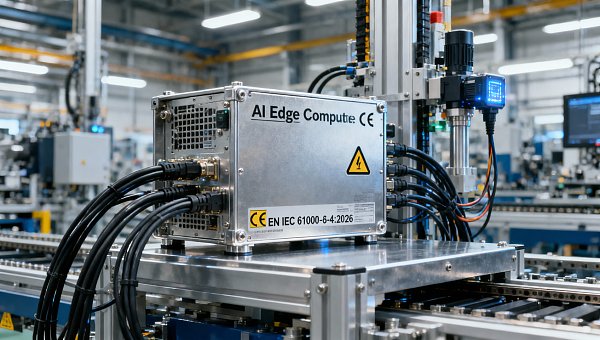
 EN IEC 61000-6-4:2026 EMC Standard Effective for AI Edge DevicesEN IEC 61000-6-4:2026 EMC standard is live—15% stricter radiated limits for AI edge devices. Act now to secure EU industrial IoT procurement eligibility.
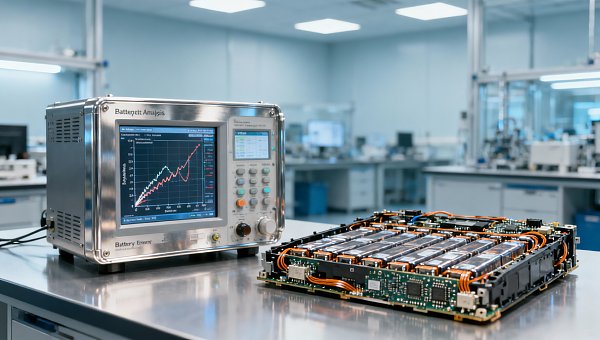
 APEC Auto Dialogue Confirms Semi-Solid Battery Deployment and Fast ChargingSemi-solid battery deployment & 15-min fast charging confirmed at APEC Auto Dialogue—spurring global demand for China-made battery testing equipment, BMS validation, and thermal runaway simulation solutions.
 EU Imposes Final Anti-Dumping Duty on Chinese Adipic AcidEU anti-dumping duty on Chinese adipic acid takes effect May 2026—impacting pH meters, sensors & analytical instruments. Act now to secure supply chains.
 Colombia Upholds Anti-Dumping Duties on Chinese Acrylic SheetsColombia Upholds Anti-Dumping Duties on Chinese Acrylic Sheets — 32.7% tariff extended for 5 years. Critical for exporters of medical, lab & analytical instrument enclosures.
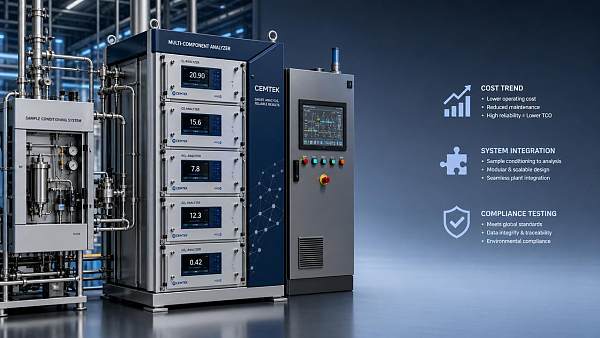
 Multi Component Analyzer Cost Trends for 2026 Expansion PlansMulti component analyzer cost trends for 2026: discover key pricing drivers, hidden costs, and smart supplier strategies to budget accurately and maximize expansion ROI.
 SR-2050 Analyzer Maintenance Points That Affect Service LifeSR-2050 analyzer maintenance points that directly impact service life, accuracy, and uptime. Learn how cleaning, calibration, inspection, and environment control reduce failures.
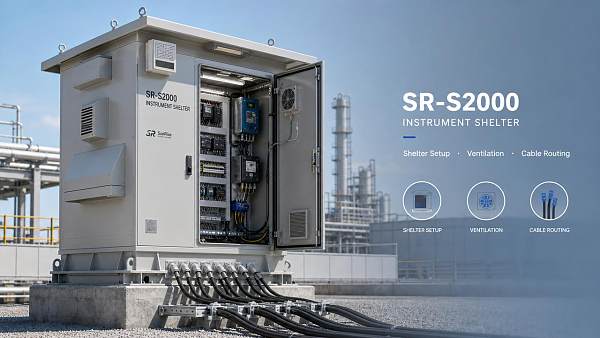
 SR-S2000 Shelter: Common Setup Mistakes to AvoidSR-S2000 shelter setup mistakes can cause heat, moisture, and maintenance issues. Learn what to avoid for safer installation, stable performance, and longer equipment life.
 Custom Gas Analyzer Import Risks and Spec Mismatch IssuesCustom gas analyzer import risks can derail projects through spec mismatch, compliance gaps, and integration issues. Learn how buyers can compare suppliers, verify requirements, and avoid costly rework.
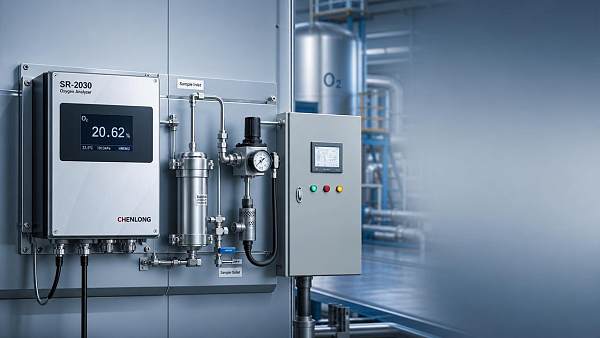
 When to Choose the SR-2030 Oxygen Analyzer for ComplianceSR-2030 oxygen analyzer: learn when it’s the right choice for compliance, safety, and stable process control. Explore key selection checks, audit-ready benefits, and deployment tips.
 SR-EX Analyzer Price Factors in 2026 ProjectsSR-EX analyzer price factors explained for 2026 projects: compare scope, compliance, integration, and lifecycle costs to approve budgets with less risk and more confidence.
 SR-2070 Analyzer vs Alternatives: Key Performance ChecksSR-2070 analyzer vs alternatives: compare accuracy, drift, response time, calibration effort, and lifecycle cost to choose a more reliable, efficient analyzer with confidence.
 2026 Market Trends for Predictive Analytics InstrumentsPredictive analytics instruments are reshaping 2026 market strategy. Explore key trends, risks, and buying checkpoints to improve uptime, integration, and ROI across industries.
 Wireless Measurement Systems: What Impacts Data Stability Most?Wireless measurement systems perform best when data stays stable. Discover the key factors affecting reliability, accuracy, and long-term performance across industrial applications.
 How Remote Monitoring Devices Cut Downtime in Field OperationsRemote monitoring devices help field teams detect issues early, reduce downtime, and improve maintenance planning. Discover how they keep operations reliable and on schedule.
 5th TCM High-Quality Development Conference Highlights NIR & AI QC for Global ExportNIR & AI QC take center stage at the 5th TCM High-Quality Development Conference—key for global export compliance, real-time quality control, and smart manufacturing.
 IEC Approves China-Led Guide for Smart Sensor Semantic InteroperabilityIEC TR 63388 semantic interoperability guide for smart sensors—China-led, globally approved. Boost IIoT integration across OPC UA, MQTT & TSN now.
 PBOC April Data Shows Strong Credit Flow to Tech & Inclusive LendingPBOC April data reveals surging tech & inclusive lending—boosting global demand for calibrated lab equipment, R&D instruments, and metrology-ready exports.
 SABIC Launches 'Smart Factory 2030' with China-Focused Online Analysis ProcurementSABIC's 'Smart Factory 2030' launches China-focused online analysis procurement—pH/ORP, IR gas & LIBS analyzers. SIL2-certified suppliers, act now!
 China Completes '14th Five-Year' Smart CNC Line R&DChina's '14th Five-Year' Smart CNC Line R&D is complete — boosting reliability & cutting delivery time for precision metrology equipment. Discover how it transforms global procurement.
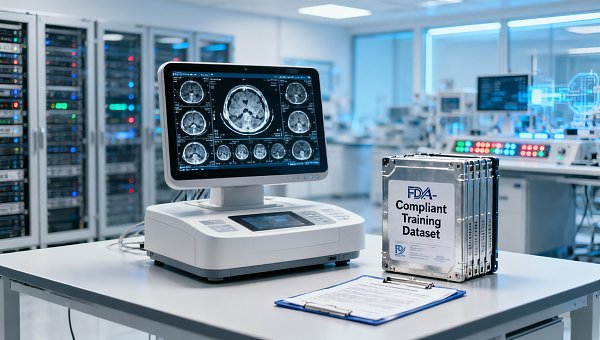
 FDA Updates IVD Software Guidance: AI Diagnostic Devices Must Provide Verifiable Training DatasetsFDA mandates verifiable training datasets for AI diagnostic devices — critical for medical imaging, DICOM tools, and regulatory services entering the U.S. market.
 EU EN IEC 61000-6-4:2026 EMC Standard Takes EffectEU EN IEC 61000-6-4:2026 EMC standard is live—stricter radiated emission limits for AI edge devices. Act now to avoid EU customs delays & certification bottlenecks.
 APEC Auto Dialogue Confirms Semi-Solid Battery Deployment and 15-Minute Fast ChargingSemi-solid battery deployment and 15-minute fast charging confirmed at APEC Auto Dialogue — driving urgent global demand for BMS validation, thermal runaway, and high-voltage test equipment.
 MIIT Launches Joint Enforcement on EV Battery RecyclingMIIT Launches Joint Enforcement on EV Battery Recycling: Critical for battery test equipment exporters, data compliance, and global supply chains—act now to avoid delays.
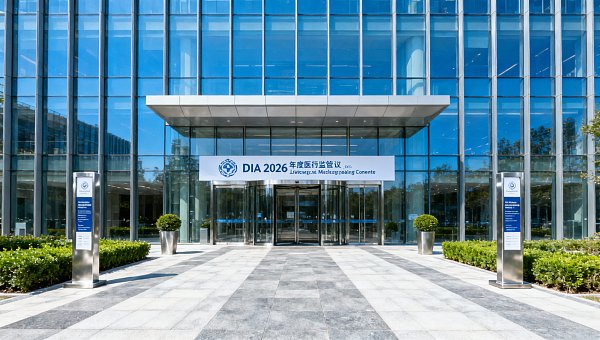
 DIA China Annual Meeting Sells Out Despite $7,000+ FeeDIA China Annual Meeting sells out despite $7,000+ fee — a powerful signal for pharma exporters, manufacturers & regulatory service providers targeting China’s innovation ecosystem.
 Continuous Monitoring Solutions and the Shift Toward Smarter ComplianceContinuous monitoring solutions help enterprises strengthen compliance with real-time visibility, traceable data, and faster risk response. Discover how smarter oversight improves resilience and audit confidence.
 Confined Space Monitors: Key Mistakes That Raise Safety RiskConfined space monitors can fail when selection, bump testing, calibration, or sampling is wrong. Learn the biggest safety mistakes and how to prevent false safe readings.












Search Categories
Search Categories
Latest Article
- IEC Approves China-Led Standard for Smart Sensor Semantic InteroperabilityIEC TR 63372 smart sensor semantic interoperability standard—led by China—cuts export certification time by 30%. Discover how it reshapes global IoT integration.Posted by:
- MIIT Launches Joint Enforcement on EV Battery RecyclingMIIT's EV battery recycling enforcement targets BMS data leaks, illegal dismantling & electrolyte disposal—key for exporters, testers & procurement teams needing GDPR/CCPA compliance.Posted by:
- SAMR Launches Unified Market Action on Testing & CertificationSAMR Launches Unified Market Action on Testing & Certification—tackling fragmentation, redundant fees & cross-border recognition barriers for exporters and manufacturers.Posted by:
Please give us a message
