
2026 Price Trends for Multi Gas Analyzer Systems


Planning capital purchases in 2026 requires more than a unit-price comparison. For finance approvers, understanding multi gas analyzer cost trends means evaluating total ownership, compliance impact, maintenance needs, and long-term operating value. This overview highlights the key pricing drivers behind multi gas analyzer systems, helping decision-makers compare options more confidently and align equipment investment with budget control and risk management goals.
Why are multi gas analyzer prices changing in 2026?
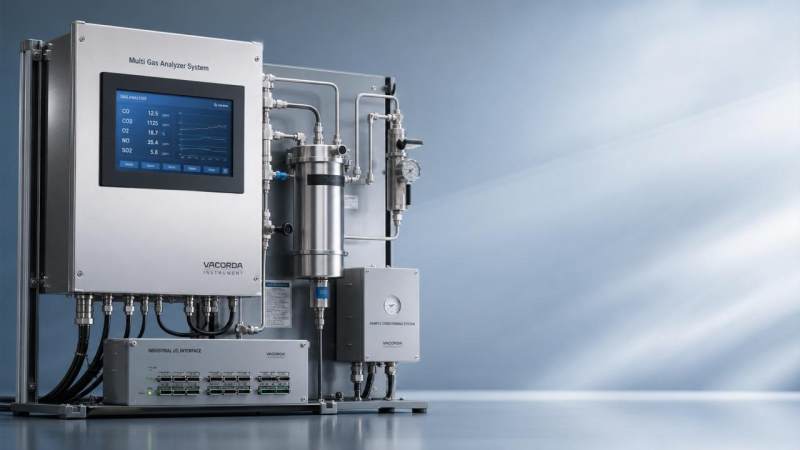
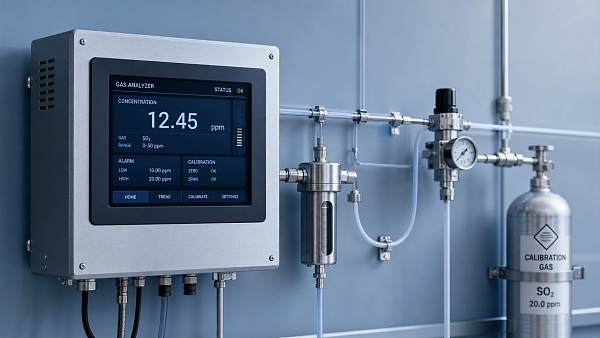
A multi gas analyzer is no longer just a measurement device. In many industrial, energy, laboratory, environmental, and automation settings, it functions as part of a larger compliance, safety, and process-control system. That shift is one reason pricing in 2026 is moving beyond basic hardware cost.
For finance teams, the key issue is not whether a multi gas analyzer costs more this year than last year. The real question is what drives the final approved budget: sensor architecture, sampling system design, software integration, enclosure rating, calibration needs, and lifecycle support.
Instrumentation buyers across the general industrial market are also facing tighter project schedules, more digital reporting requirements, and higher expectations for traceability. These factors increase the value of analyzers that reduce manual intervention, support stable operation, and fit into broader automation upgrades.
- Material and component costs remain sensitive to electronics supply, sensor availability, and industrial-grade enclosure requirements.
- Compliance-related design features can add cost, especially when continuous monitoring, alarm output, or documented calibration workflows are required.
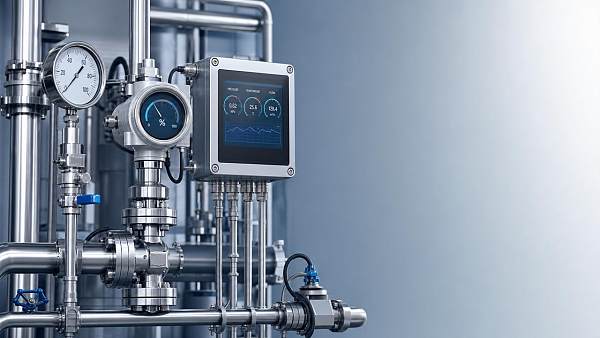
- Integration with PLC, SCADA, DCS, or remote data systems often changes the project from a simple equipment purchase into a system investment.
- After-sales support, spare parts planning, and service response expectations increasingly affect budget approval.
What finance approvers should focus on first
The first review step should separate purchase price from ownership cost. A lower initial quote may look attractive, but if the multi gas analyzer requires more frequent calibration gas, shorter sensor replacement intervals, or external conditioning accessories, annual operating cost can rise quickly.
This matters across the instrumentation industry because analyzers support modernization, digital transformation, and intelligent upgrading. Equipment that delivers stable data and lower intervention requirements often protects production continuity, environmental reporting, and maintenance efficiency.
Which cost components shape a multi gas analyzer budget?
Before comparing suppliers, finance approvers should break the budget into visible cost blocks. This makes quotations easier to assess and reduces the risk of approving an incomplete scope that later requires expensive add-ons.
The table shows why comparing one quotation line against another is not enough. A multi gas analyzer with a modest base price can become a high-cost asset if the sample path is complex, the site environment is harsh, or maintenance support is weak.
Hidden costs that often appear after approval
- Site adaptation work, such as tubing rerouting, panel modification, or added environmental protection.
- Calibration consumables and validation records required by quality or regulatory teams.
- Unexpected downtime if spare sensors or service kits were not included in the first purchase.
- Software or communication upgrades needed to connect the analyzer to plant monitoring systems.
For financial control, requesting a full-scope breakdown early usually leads to better approval decisions than negotiating only the headline equipment price.
How do application scenarios affect multi gas analyzer pricing?
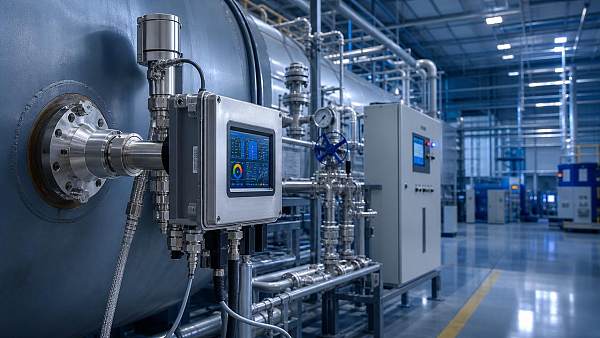
Application conditions strongly influence system complexity. A multi gas analyzer used in a controlled laboratory setting is priced differently from one installed in a power plant, wastewater station, combustion process, or outdoor environmental monitoring point.
Finance approvers should ask whether the analyzer is intended for continuous process control, safety monitoring, emissions observation, research use, or quality assurance. Each scenario changes sensor selection, housing protection, data requirements, and service expectations.
The same multi gas analyzer keyword can describe very different system scopes. When quotations vary widely, the reason is often application detail rather than inconsistent pricing logic.
Scenario-specific budget questions
- Will the analyzer run continuously, or only during spot checks and batch verification?
- Does the gas sample contain moisture, dust, corrosive components, or pressure fluctuations?
- Is remote monitoring or historical data retention required for internal audits or external reporting?
- How costly would one day of analyzer downtime be in production, compliance, or safety terms?
What technical features justify a higher multi gas analyzer price?
Not every premium feature is worth paying for. Finance approvers need a practical view of which technical specifications support business value and which may be unnecessary for the actual operating environment.
Core specification areas to review
- Gas coverage: More measured components increase flexibility, but only if those channels are truly needed for process control or compliance.
- Measurement range and sensitivity: Narrow low-level detection may raise cost due to sensor and conditioning design requirements.
- Response time: Faster readings matter in control loops and safety-related decisions, but may not justify extra cost in slow-changing applications.
- Environmental protection: Outdoor, dusty, humid, or vibration-prone sites usually require more robust packaging and installation hardware.
- Calibration and diagnostics: Features that simplify verification and fault detection can reduce technician hours over the equipment life.
In the instrumentation sector, the strongest value often comes from fit-for-purpose design. A multi gas analyzer that matches the real sampling conditions and reporting process can outperform a more expensive unit that was selected on brand perception or oversized specifications alone.
How should finance approvers compare supplier quotations?
A structured quotation review helps finance teams avoid approving low-visibility risk. The goal is to compare like for like: same measurement scope, same environmental assumptions, same service boundaries, and same commissioning responsibility.
A good multi gas analyzer quotation should make technical scope, commercial assumptions, and service obligations transparent. When those details are hidden, finance teams inherit approval risk that later becomes operational cost.
A practical approval checklist
- Confirm the exact gases, range, and process conditions to avoid overbuying or under-specification.
- Ask for annual maintenance assumptions, including calibration frequency and consumables.
- Verify lead time, startup support, and spare part availability before approving urgent projects.
- Review whether integration costs are included or left to a separate contractor budget.
What compliance and risk factors can affect total ownership cost?
Compliance requirements do not always show up as a separate line item, yet they influence both capital approval and future operating cost. Depending on the sector, a multi gas analyzer may need documented calibration practice, traceable records, alarm handling, or compatibility with site safety procedures.
Common references in industrial and laboratory environments may include general electrical safety expectations, calibration traceability, process documentation discipline, and environmental monitoring procedures. The exact requirement depends on application, but the budgeting principle is consistent: compliance gaps are usually more expensive to fix after installation.
- If records must be retained, data export and audit-friendly reporting become purchasing priorities.
- If operation occurs in demanding industrial areas, enclosure and installation design should be reviewed early.
- If measurement results support regulatory submissions, calibration workflow and verification intervals deserve close financial scrutiny.
Common mistakes when budgeting for a multi gas analyzer
Mistake 1: Buying on unit price alone
This is the most frequent issue. Low purchase price can mask high service dependence, weak durability, or missing accessories. For budget discipline, total cost should be reviewed across installation, operation, maintenance, and downtime exposure.
Mistake 2: Ignoring the sample system
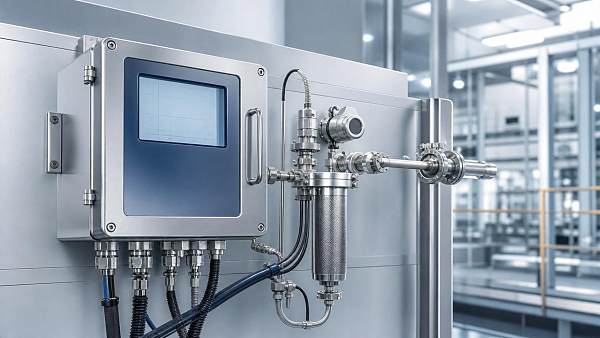
A capable analyzer can still deliver poor results if moisture, particles, pressure variation, or gas transport conditions are not addressed. In many projects, sampling design is where performance and maintenance cost are won or lost.
Mistake 3: Underestimating support value
For financially sensitive projects, delayed commissioning or a long service response time can create a larger loss than the savings from a lower equipment quote. Reliable technical support is especially important where analyzers support production continuity, environmental obligations, or quality control.
FAQ about multi gas analyzer purchasing in 2026
How should a finance approver judge whether a multi gas analyzer is cost-effective?
Use a lifecycle lens. Compare capital price, consumables, calibration needs, service interval, expected downtime risk, and integration cost. A cost-effective analyzer is one that meets the measurement requirement with controlled maintenance burden and stable reporting performance.
Which projects usually need a higher-specification multi gas analyzer?
Projects involving continuous industrial monitoring, power systems, difficult sampling conditions, environmental reporting, or integration into automation platforms typically require more robust specifications. These cases justify added spending because data continuity and operating reliability directly affect business risk.
Is a portable solution a realistic alternative to a fixed multi gas analyzer system?
Sometimes, but only for intermittent checks or lower criticality tasks. If the site needs continuous data, remote alarms, automated logging, or process feedback, a fixed system is usually the better investment. The cheaper option is not always the lower-risk option.
What delivery and implementation questions should be clarified before approval?
Clarify delivery lead time, commissioning scope, spare part readiness, calibration setup, communication protocol, and operator training. These points affect not only implementation speed but also the real first-year cost of ownership.
Why choose us for multi gas analyzer project support?
In the instrumentation industry, value comes from matching measurement technology to operating reality. We support finance approvers, technical buyers, and project teams with practical evaluation of multi gas analyzer requirements across industrial manufacturing, energy and power, environmental monitoring, laboratory analysis, construction-related systems, and automation control applications.
You can contact us for specific pre-purchase support, including parameter confirmation, gas component review, application-based product selection, sampling and conditioning recommendations, delivery schedule checks, certification-related document alignment, spare parts planning, and quotation comparison assistance.
If your 2026 budget needs a clearer business case, we can help translate technical options into financial decision points. That includes identifying cost drivers, reducing specification ambiguity, and outlining a more complete ownership view before final approval.
Reach out with your target gases, measurement range, site conditions, integration needs, expected delivery timing, and support expectations. With those inputs, it becomes easier to build a multi gas analyzer recommendation that is technically sound, commercially realistic, and easier to approve.
Recommended for You
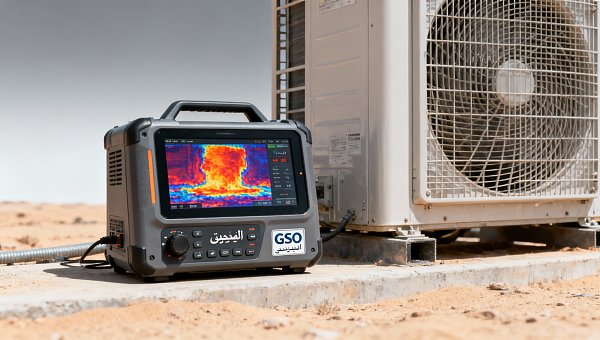
 Kuwait Bans HCFC Air Conditioners, Boosts IR Camera ExportsKuwait bans HCFC air conditioners—boosting demand for IR cameras, leak detectors & refrigerant analyzers. Discover GCC compliance insights and export opportunities.
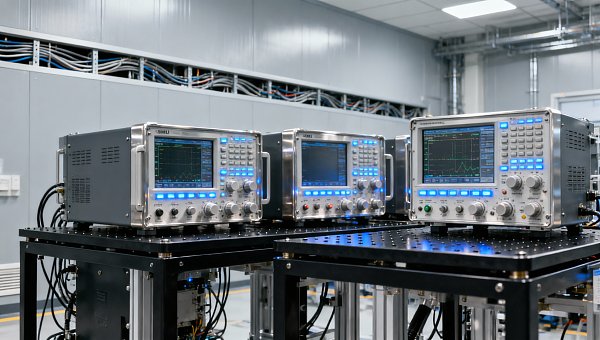
 China's IC Exports Surge 78.3% in First Four Months of 2026China's IC exports surge 78.3% in early 2026 — driven by soaring global demand for AI chip test equipment, SMUs, and parametric analyzers. Discover the supply chain shift.
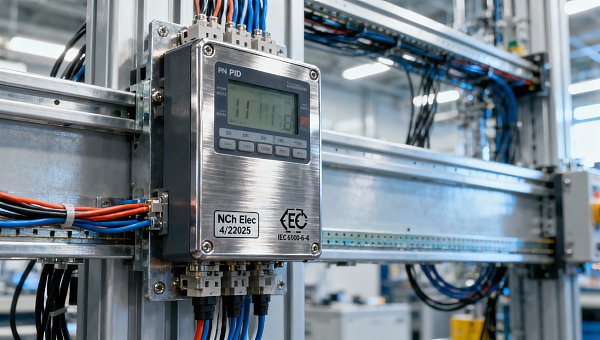
 Chile Enforces Mandatory INN Safety Certification for Industrial Temperature ControllersChile mandates INN safety certification (NCh Elec 4/2025) for industrial temperature controllers starting Aug 1, 2026—act now to avoid shipment delays & market bans.
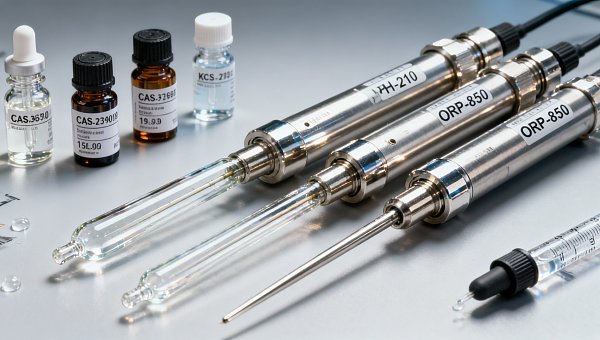
 K-REACH Supply-Shortage Exemption Launches for pH/ORP ElectrodesK-REACH Supply-Shortage Exemption now applies to pH/ORP electrodes—act before June 30, 2026 to avoid customs delays & penalties. Key for exporters & manufacturers.
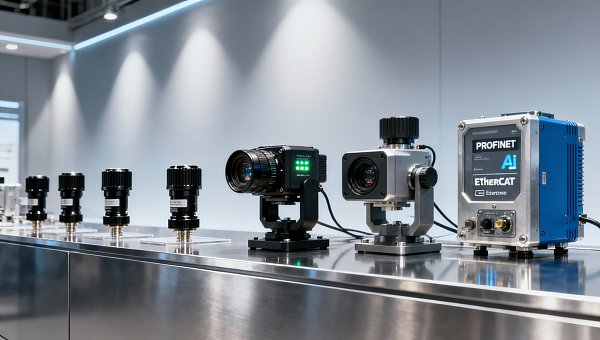
 4th China International Supply Chain Expo to Focus on Smart Sensing & In-Process InspectionSmart Sensing & In-Process Inspection take center stage at the 4th China International Supply Chain Expo in Beijing, Nov 26–30, 2026 — discover next-gen inspection tech, AI vision modules, and calibrated sensing solutions for global industrial buyers.
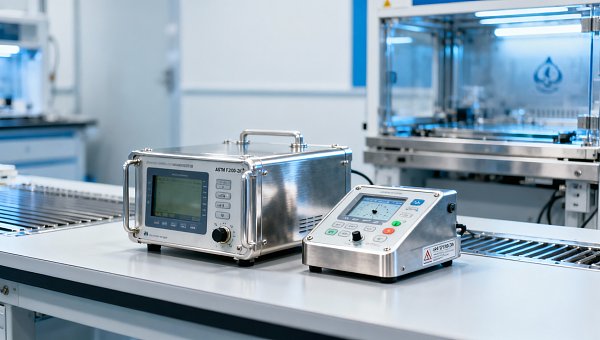
 ASTM F2100-26 Medical Mask Standard Takes Effect in USASTM F2100-26 medical mask standard is now in force—driving global demand for biosafety cabinets, particle counters & air velocity calibrators, especially China-made instruments.
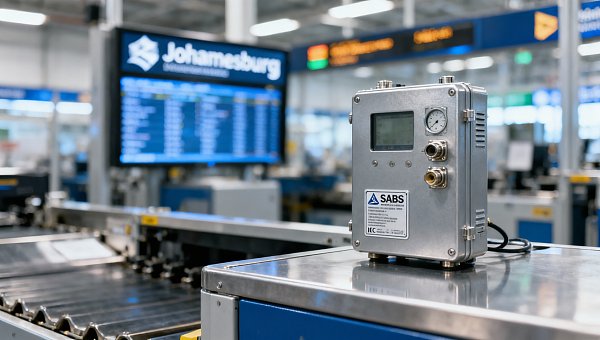
 South Africa Enforces SABS Certification for IoT Monitoring DevicesSABS certification now mandatory for IoT monitoring devices entering South Africa via e-commerce—act before 1 June 2026 to avoid customs rejection and ensure market access.
 EU REACH Adds Fluorinated Substances; SVHC Reporting Required for Gas AnalyzersEU REACH now restricts fluorinated substances in gas analyzers—SVHC reporting is mandatory by 30 Nov 2026. Ensure compliance for sensors, membranes & monitoring systems.
 Revised Maritime Code Takes Effect May 1, 2026: Shift in Unclaimed Cargo LiabilityRevised Maritime Code (2026): Shippers now liable for unclaimed cargo—critical for industrial instrument exporters, logistics providers & cross-border supply chains. Act now.
 China Imposes Zero Tariffs on Goods from All African Diplomatic Partners Starting May 1, 2026China’s zero-tariff policy for African instrumentation & automation exports starts May 1, 2026—boosting competitiveness in EPC tenders and market access for exporters.
 Import and Export Shifts in the PPM Gas Analyzer Marketppm gas analyzer market insights: discover how import tariffs, export controls, and compliance shifts impact cost, supply stability, and growth opportunities across key applications.
 Single Gas Analyzer Maintenance Issues That Raise DowntimeSingle gas analyzer maintenance issues can quietly increase downtime. Learn how to spot drift, calibration errors, and sample path faults early to improve uptime and field efficiency.
 Combustion Gas Analyzer Market Trends Shaping 2026 UpgradesCombustion gas analyzer market trends shaping 2026: discover how smarter monitoring, multi-gas accuracy, and digital integration can improve compliance, efficiency, and ROI.
 Corrosive Gas Analyzer Risks That Impact Safety ComplianceCorrosive gas analyzer risks can quietly undermine safety compliance. Learn how drift, sampling failures, and poor maintenance affect accuracy—and how to strengthen monitoring reliability.
 Percent Range Analyzer Applications in Process ControlPercent range analyzer applications improve process control by turning raw signals into clear operating percentages. Discover faster decisions, better alarms, and more stable system performance.
 What Affects the Total Cost of a Dual Gas AnalyzerDual gas analyzer total cost goes beyond purchase price. Learn how sensors, calibration, compliance, integration, and maintenance shape lifecycle value and smarter buying decisions.
 High Temperature Analyzer Selection Mistakes to Avoid in 2026High temperature analyzer selection mistakes can delay projects and raise lifecycle costs. Discover the top 2026 pitfalls and how to choose a safer, smarter solution.
 2026 Price Trends for Multi Gas Analyzer SystemsMulti gas analyzer price trends for 2026: discover key cost drivers, ownership factors, and smart budgeting tips to compare systems, control risk, and choose the right solution.
 PPB Gas Analyzer vs PPM Gas Analyzer: What Changes in Real Useppb gas analyzer vs PPM gas analyzer: learn how sensitivity, calibration, maintenance, and sample handling change in real use to choose the right solution with less risk and cost.
 How to Choose a Trace Gas Analyzer for Low-Level Leak DetectionTrace gas analyzer selection for low-level leak detection: learn how to compare sensitivity, response time, interference control, and integration for safer, faster, more reliable results.
 US-China Trade Talks Agree on Tariff Cuts for Key Test Equipment PartsUS-China tariff cuts on key test equipment parts—like pressure sensor chips & infrared thermal imaging modules—boost margins, cut costs, and strengthen global competitiveness for manufacturers.
 G7 Paris Meeting Focuses on Critical Mineral Supply SecurityCritical mineral supply security takes center stage at the G7 Paris meeting—key for rare-earth sensor exporters. Learn EU compliance impacts & actionable readiness steps.
 Brent Crude Surpasses $106/bbl, Raising Sea Freight Costs for Small Testing Equipment ExportsBrent Crude Surpasses $106/bbl—sea freight costs surge, impacting small testing equipment exporters. Learn how SMEs can adapt pricing, terms & logistics now.
 WTO Forecasts 1.9% Global Goods Trade Growth in 2026 Amid Supply Chain ShorteningWTO forecasts 1.9% global goods trade growth in 2026—sparking nearshoring demand for testing equipment, calibration services & OTA-ready solutions in ASEAN, Middle East & Mexico.
 UK-China Export Control Working Group Holds Second Meeting in LondonUK-China Export Control Working Group: Key updates on dual-use items—laser interferometers, quantum sensors & oscilloscopes. Learn compliance implications for exporters now.
 Japan's 10Y Yield Drop to 2.745% Lifts Yen, Raising China-Made Testing Equipment CostsJapan's 10Y yield drop to 2.745% lifts yen, raising costs for China-made testing equipment — explore FX impacts, procurement shifts & strategic responses.
 KOSPI 200 Futures Circuit Breaker Triggered, Impacting Industrial Automation Instrument Export TimelinesKOSPI 200 futures circuit breaker triggered — impact on PLC modules, transmitters & fieldbus instrument exports to Korea. Urgent timeline insights inside.
 South Korea’s Chip Exports Surge 202% in May 2026 Amid AI Test Equipment DemandAI test equipment demand surges as South Korea’s chip exports jump 202% in May 2026 — PCIe 6.0 & USB4.1 validation tools see sharp global procurement rise.
 Emission Gas Analyzer News in 2026: Regulatory Shifts Affecting DemandEmission gas analyzer demand is changing fast in 2026 as new regulations tighten limits, expand continuous monitoring, and raise data compliance standards. Explore key trends shaping smarter buying decisions.
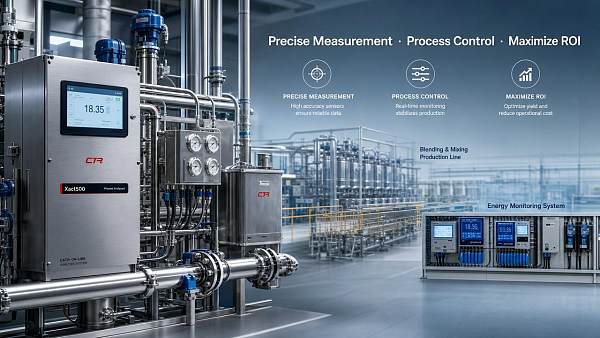
 When a High Accuracy Analyzer Delivers Real ROI in Process ControlHigh accuracy analyzer ROI starts with better process control. Learn where tighter measurements cut waste, improve stability, reduce compliance risk, and deliver measurable operational savings.
 SR-2030P Analyzer Import Updates in 2026: Compliance Points to ReviewSR-2030P analyzer import updates for 2026: review classification, certification, customs documents, and market access risks to reduce delays, control costs, and source with confidence.
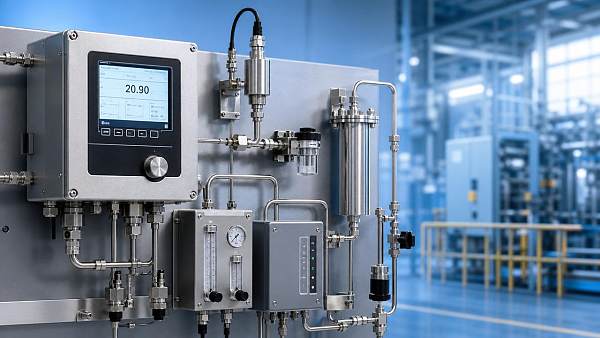
 Industrial Oxygen Analyzer Price Trends in 2026: Cost Drivers to WatchIndustrial oxygen analyzer price trends in 2026 explained: compare sensor, compliance, installation, and maintenance cost drivers to make smarter, lower-risk buying decisions.

Search Categories
Search Categories
Latest Article
- Kuwait Bans HCFC Air Conditioners, Boosts IR Camera ExportsKuwait bans HCFC air conditioners—boosting demand for IR cameras, leak detectors & refrigerant analyzers. Discover GCC compliance insights and export opportunities.Posted by:
- China's IC Exports Surge 78.3% in First Four Months of 2026China's IC exports surge 78.3% in early 2026 — driven by soaring global demand for AI chip test equipment, SMUs, and parametric analyzers. Discover the supply chain shift.Posted by:
- Chile Enforces Mandatory INN Safety Certification for Industrial Temperature ControllersChile mandates INN safety certification (NCh Elec 4/2025) for industrial temperature controllers starting Aug 1, 2026—act now to avoid shipment delays & market bans.Posted by:
Please give us a message
