
SiH4 Concentration Analyzer Applications in Semiconductor Gas Control


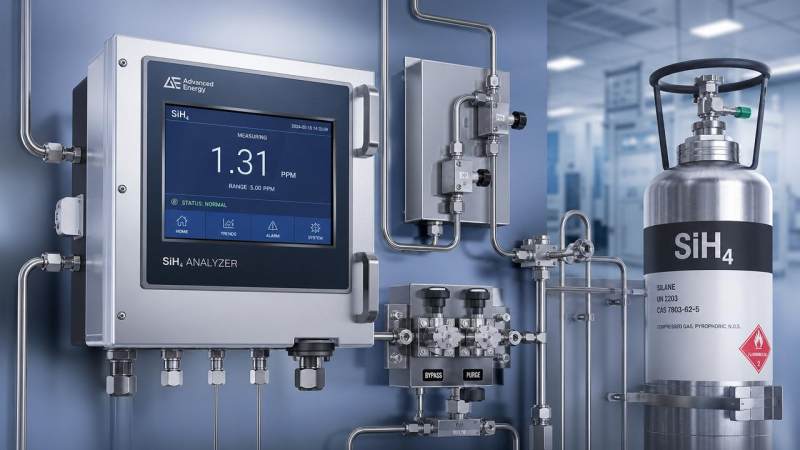
In semiconductor gas control, precision and safety are critical to maintaining stable production and protecting high-value equipment. A SiH4 concentration analyzer plays a vital role by delivering real-time monitoring of silane levels, helping project managers and engineering leaders reduce process risk, improve compliance, and optimize system performance. Understanding its applications can support smarter decisions in gas delivery, leak prevention, and overall facility reliability.
Why SiH4 monitoring is becoming a higher-priority project decision
Across semiconductor facilities, the role of the SiH4 concentration analyzer is shifting from a supporting instrument to a strategic control point. This change is not happening because silane is new. It is happening because fabs, tool integrators, and gas system owners are operating under tighter process windows, higher uptime expectations, and stronger pressure to prevent safety incidents before they escalate into production loss. For project managers, that means gas analysis is no longer just a commissioning checklist item. It increasingly affects facility planning, interlock logic, alarm strategy, maintenance design, and long-term operating cost.
The trend is especially visible in advanced semiconductor environments where process gases are managed in more complex networks. As line density rises and equipment utilization targets become more aggressive, even a small deviation in silane concentration can create outsized impact. In this environment, a SiH4 concentration analyzer is not only about detecting presence. It is about supporting stable gas delivery, identifying abnormal dilution behavior, and creating faster decision cycles for engineering teams.
Key market signals shaping SiH4 concentration analyzer applications
Several signals explain why demand for better silane monitoring is evolving. First, semiconductor production is becoming more automation-driven, which increases the value of reliable real-time data from gas systems. Second, plant operators are paying closer attention to risk isolation, especially in toxic, pyrophoric, and high-purity gas handling. Third, project teams are expected to design systems that can scale without introducing blind spots in monitoring coverage. These conditions collectively raise the importance of the SiH4 concentration analyzer in both new builds and retrofit programs.
Another important signal is that purchasing decisions are changing. Buyers are no longer evaluating analyzers only on detection range or basic compatibility. They increasingly look at response stability, integration with distributed control systems, support for predictive maintenance, calibration workload, and suitability for cleanroom utility architecture. For engineering leaders, this means application value is being judged over the full project lifecycle rather than only at installation.
Where a SiH4 concentration analyzer is creating the most operational value
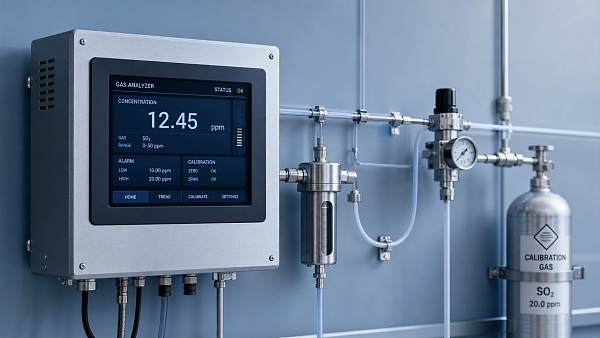
The strongest applications are emerging in the parts of the gas control chain where uncertainty creates either safety exposure or productivity loss. In bulk and specialty gas delivery, a SiH4 concentration analyzer helps verify whether concentration remains within intended process conditions during transport and use. In gas cabinets and valve manifold boxes, it supports rapid abnormality identification. In exhaust treatment and abatement-linked monitoring, it strengthens the visibility needed to understand upstream gas behavior and downstream treatment response.
This matters because modern semiconductor operations are less tolerant of delayed diagnosis. When gas issues occur, managers want to know whether the problem began at supply, dilution, transfer, point-of-use, or containment. A well-placed SiH4 concentration analyzer shortens that investigation path. It can also support root-cause isolation during qualification, expansion, and line transfer projects, where configuration changes often introduce hidden variability.
Application areas seeing increased attention
Common high-value use cases include silane gas delivery monitoring, leak trend detection in enclosed spaces, validation of dilution control, process line change verification, and support for shutdown or purge logic. In each case, the SiH4 concentration analyzer is useful not because it acts alone, but because it strengthens the decision quality of the wider gas management system. This is particularly important for project leaders balancing EHS requirements, yield protection, and commissioning schedules.
What is driving this upgrade in monitoring expectations
The push toward stronger analyzer applications comes from a mix of technical and business drivers. On the technical side, more advanced wafer processes demand better control stability and cleaner utility performance. On the business side, fabs are under pressure to reduce unscheduled downtime, avoid incident-driven shutdowns, and bring new capacity online faster. These pressures make data quality from gas monitoring systems more valuable than before.
There is also a governance shift. Facilities increasingly expect instrumentation to support auditable operations, repeatable response plans, and digital maintenance records. In that context, the SiH4 concentration analyzer becomes part of a broader reliability architecture. It is no longer viewed only as a detector, but as a measurable contributor to operational resilience.
Who is most affected by these changes
The impact is not limited to instrumentation specialists. Project managers are affected because analyzer selection influences schedule risk, commissioning success, and change-order probability. Facility engineers are affected because poor silane visibility complicates troubleshooting and increases maintenance uncertainty. EHS teams are affected because concentration data supports preventive action rather than reactive containment. Procurement teams are affected because the wrong selection can create hidden service costs or integration gaps even if the purchase price appears competitive.
For tool builders and system integrators, the shift is equally important. Customers increasingly expect the gas control package to include dependable concentration monitoring aligned with automation and safety logic. This means the SiH4 concentration analyzer is becoming part of value differentiation, especially where customers want faster acceptance testing and lower operational risk after handover.
What project leaders should evaluate before choosing a solution
A trend-based view changes how evaluation should be done. Instead of asking only whether a SiH4 concentration analyzer can detect silane, decision makers should ask how well it fits the future operating model. That includes response behavior under real plant conditions, compatibility with gas purity requirements, calibration strategy, communication with control systems, service access, spare parts planning, and performance under abnormal events. These factors often determine whether the analyzer becomes an operational asset or a maintenance burden.
Placement strategy also deserves attention. In many projects, value depends less on the analyzer alone and more on where it is installed and how its data is interpreted. Monitoring at only one point may not provide enough diagnostic insight for a complex gas path. Project teams should evaluate where concentration confirmation, leak detection support, or process protection requires the most visibility. This makes the discussion architectural rather than purely component-based.
Practical evaluation questions
Engineering teams should confirm whether the SiH4 concentration analyzer can support expected alarm thresholds, whether maintenance intervals align with staffing reality, whether output signals can be integrated cleanly into existing control systems, and whether analyzer data can support trend review after near-miss events. They should also assess how the instrument behaves during startup, purge, line switching, and upset conditions, because these are often the moments when monitoring weaknesses become visible.
How application priorities may evolve over the next phase
Looking ahead, the role of the SiH4 concentration analyzer is likely to become more connected, more predictive, and more closely tied to facility-wide control strategies. Rather than functioning as an isolated point sensor, it may increasingly feed broader dashboards, alarm rationalization workflows, and maintenance analytics. As fabs expand digital oversight, concentration data will be expected to help identify drift patterns, support condition-based intervention, and improve post-event review quality.
At the same time, project expectations are becoming more practical. End users want instruments that reduce complexity, not instruments that add technical overhead. That means future demand is likely to favor solutions that combine stable measurement with manageable calibration, clear diagnostics, and dependable system integration. In other words, the application trend is not toward more instruments for their own sake, but toward better use of analyzers in places where decisions depend on trustworthy gas concentration data.
Recommended response for semiconductor project planning teams
For teams currently planning a new semiconductor gas control system or upgrading an existing one, the best response is to treat the SiH4 concentration analyzer as part of a risk-informed design strategy. Start by mapping the most critical silane-related failure scenarios. Then identify where concentration data would most improve prevention, diagnosis, or safe recovery. Next, align analyzer selection with automation logic, maintenance capability, and future expansion plans. This approach helps avoid under-specification in critical zones and over-specification where value is limited.
It is also wise to involve multiple stakeholders early. Project management, process engineering, facilities, EHS, and controls teams often evaluate success differently. A shared review framework can reduce rework and clarify whether a chosen SiH4 concentration analyzer supports both immediate startup goals and long-term operational priorities. In a market where reliability and safe scaling matter more every year, that alignment is increasingly a competitive advantage.
Final judgment: what should decision makers confirm now
The bigger industry shift is clear: semiconductor gas control is moving toward more data-driven, safety-aware, and integration-focused operation. Within that shift, the SiH4 concentration analyzer is becoming more important because it supports earlier warning, better process visibility, and stronger control over silane-related risk. For project leaders, the question is no longer whether such monitoring has value, but where its value is highest and how to deploy it effectively.
If your organization wants to judge the impact on its own business, focus on a few key questions: Where are current silane monitoring blind spots? Which project phases are most vulnerable to gas control uncertainty? Can existing analyzer data support both safety response and operational optimization? And does the current instrumentation strategy match future expansion and digital management goals? Answering these questions will help determine the right role, scope, and timing for a SiH4 concentration analyzer in semiconductor gas control.
Recommended for You
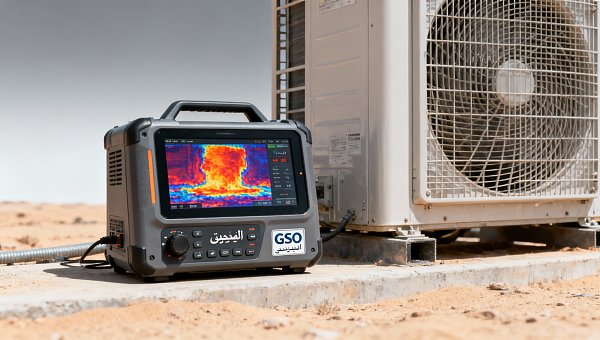
 Kuwait Bans HCFC Air Conditioners, Boosts IR Camera ExportsKuwait bans HCFC air conditioners—boosting demand for IR cameras, leak detectors & refrigerant analyzers. Discover GCC compliance insights and export opportunities.
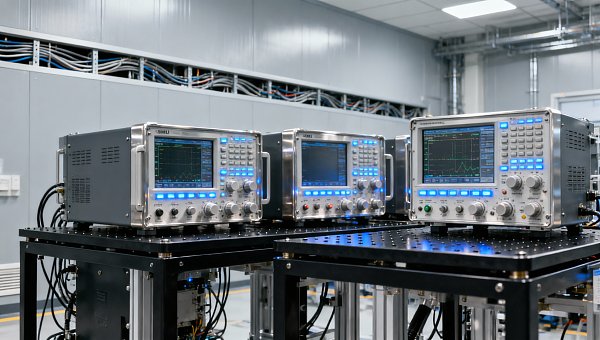
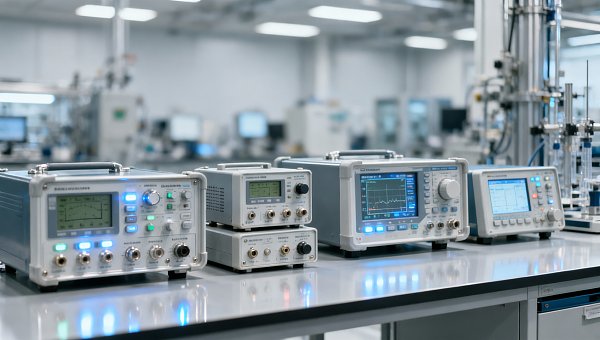
 China's IC Exports Surge 78.3% in First Four Months of 2026China's IC exports surge 78.3% in early 2026 — driven by soaring global demand for AI chip test equipment, SMUs, and parametric analyzers. Discover the supply chain shift.
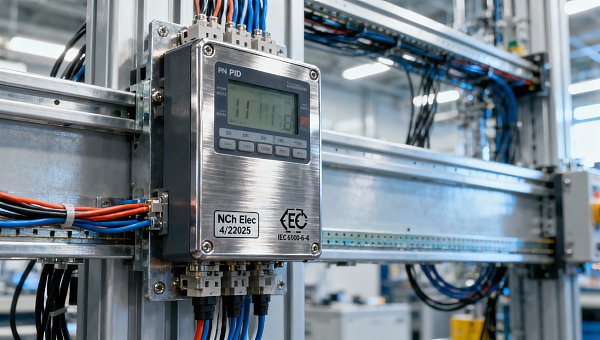
 Chile Enforces Mandatory INN Safety Certification for Industrial Temperature ControllersChile mandates INN safety certification (NCh Elec 4/2025) for industrial temperature controllers starting Aug 1, 2026—act now to avoid shipment delays & market bans.
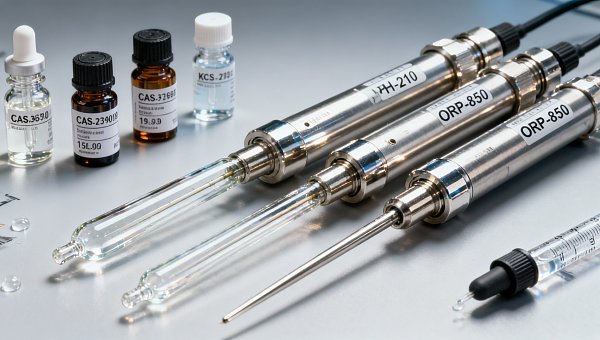
 K-REACH Supply-Shortage Exemption Launches for pH/ORP ElectrodesK-REACH Supply-Shortage Exemption now applies to pH/ORP electrodes—act before June 30, 2026 to avoid customs delays & penalties. Key for exporters & manufacturers.
 4th China International Supply Chain Expo to Focus on Smart Sensing & In-Process InspectionSmart Sensing & In-Process Inspection take center stage at the 4th China International Supply Chain Expo in Beijing, Nov 26–30, 2026 — discover next-gen inspection tech, AI vision modules, and calibrated sensing solutions for global industrial buyers.
 ASTM F2100-26 Medical Mask Standard Takes Effect in USASTM F2100-26 medical mask standard is now in force—driving global demand for biosafety cabinets, particle counters & air velocity calibrators, especially China-made instruments.
 South Africa Enforces SABS Certification for IoT Monitoring DevicesSABS certification now mandatory for IoT monitoring devices entering South Africa via e-commerce—act before 1 June 2026 to avoid customs rejection and ensure market access.
 EU REACH Adds Fluorinated Substances; SVHC Reporting Required for Gas AnalyzersEU REACH now restricts fluorinated substances in gas analyzers—SVHC reporting is mandatory by 30 Nov 2026. Ensure compliance for sensors, membranes & monitoring systems.
 Revised Maritime Code Takes Effect May 1, 2026: Shift in Unclaimed Cargo LiabilityRevised Maritime Code (2026): Shippers now liable for unclaimed cargo—critical for industrial instrument exporters, logistics providers & cross-border supply chains. Act now.
 China Imposes Zero Tariffs on Goods from All African Diplomatic Partners Starting May 1, 2026China’s zero-tariff policy for African instrumentation & automation exports starts May 1, 2026—boosting competitiveness in EPC tenders and market access for exporters.
 Import and Export Shifts in the PPM Gas Analyzer Marketppm gas analyzer market insights: discover how import tariffs, export controls, and compliance shifts impact cost, supply stability, and growth opportunities across key applications.
 Single Gas Analyzer Maintenance Issues That Raise DowntimeSingle gas analyzer maintenance issues can quietly increase downtime. Learn how to spot drift, calibration errors, and sample path faults early to improve uptime and field efficiency.
 Combustion Gas Analyzer Market Trends Shaping 2026 UpgradesCombustion gas analyzer market trends shaping 2026: discover how smarter monitoring, multi-gas accuracy, and digital integration can improve compliance, efficiency, and ROI.
 Corrosive Gas Analyzer Risks That Impact Safety ComplianceCorrosive gas analyzer risks can quietly undermine safety compliance. Learn how drift, sampling failures, and poor maintenance affect accuracy—and how to strengthen monitoring reliability.
 Percent Range Analyzer Applications in Process ControlPercent range analyzer applications improve process control by turning raw signals into clear operating percentages. Discover faster decisions, better alarms, and more stable system performance.
 What Affects the Total Cost of a Dual Gas AnalyzerDual gas analyzer total cost goes beyond purchase price. Learn how sensors, calibration, compliance, integration, and maintenance shape lifecycle value and smarter buying decisions.
 High Temperature Analyzer Selection Mistakes to Avoid in 2026High temperature analyzer selection mistakes can delay projects and raise lifecycle costs. Discover the top 2026 pitfalls and how to choose a safer, smarter solution.
 2026 Price Trends for Multi Gas Analyzer SystemsMulti gas analyzer price trends for 2026: discover key cost drivers, ownership factors, and smart budgeting tips to compare systems, control risk, and choose the right solution.
 PPB Gas Analyzer vs PPM Gas Analyzer: What Changes in Real Useppb gas analyzer vs PPM gas analyzer: learn how sensitivity, calibration, maintenance, and sample handling change in real use to choose the right solution with less risk and cost.
 How to Choose a Trace Gas Analyzer for Low-Level Leak DetectionTrace gas analyzer selection for low-level leak detection: learn how to compare sensitivity, response time, interference control, and integration for safer, faster, more reliable results.
 US-China Trade Talks Agree on Tariff Cuts for Key Test Equipment PartsUS-China tariff cuts on key test equipment parts—like pressure sensor chips & infrared thermal imaging modules—boost margins, cut costs, and strengthen global competitiveness for manufacturers.
 G7 Paris Meeting Focuses on Critical Mineral Supply SecurityCritical mineral supply security takes center stage at the G7 Paris meeting—key for rare-earth sensor exporters. Learn EU compliance impacts & actionable readiness steps.
 Brent Crude Surpasses $106/bbl, Raising Sea Freight Costs for Small Testing Equipment ExportsBrent Crude Surpasses $106/bbl—sea freight costs surge, impacting small testing equipment exporters. Learn how SMEs can adapt pricing, terms & logistics now.
 WTO Forecasts 1.9% Global Goods Trade Growth in 2026 Amid Supply Chain ShorteningWTO forecasts 1.9% global goods trade growth in 2026—sparking nearshoring demand for testing equipment, calibration services & OTA-ready solutions in ASEAN, Middle East & Mexico.
 UK-China Export Control Working Group Holds Second Meeting in LondonUK-China Export Control Working Group: Key updates on dual-use items—laser interferometers, quantum sensors & oscilloscopes. Learn compliance implications for exporters now.
 Japan's 10Y Yield Drop to 2.745% Lifts Yen, Raising China-Made Testing Equipment CostsJapan's 10Y yield drop to 2.745% lifts yen, raising costs for China-made testing equipment — explore FX impacts, procurement shifts & strategic responses.
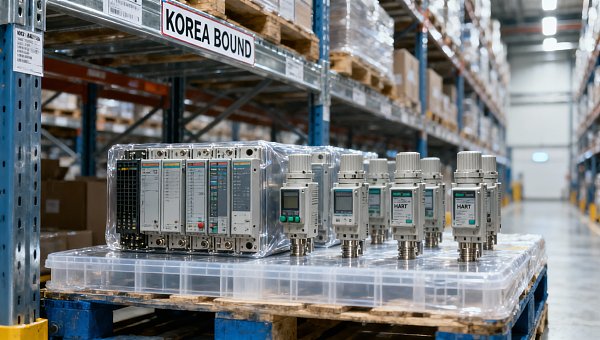
 KOSPI 200 Futures Circuit Breaker Triggered, Impacting Industrial Automation Instrument Export TimelinesKOSPI 200 futures circuit breaker triggered — impact on PLC modules, transmitters & fieldbus instrument exports to Korea. Urgent timeline insights inside.
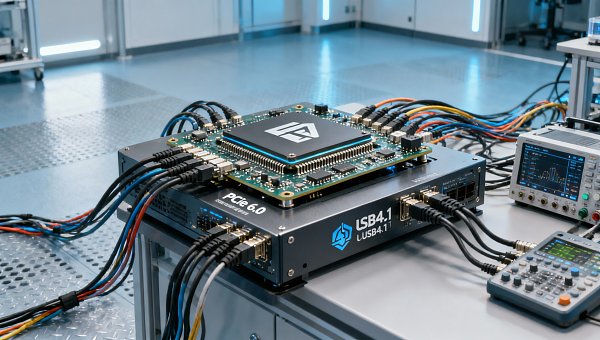
 South Korea’s Chip Exports Surge 202% in May 2026 Amid AI Test Equipment DemandAI test equipment demand surges as South Korea’s chip exports jump 202% in May 2026 — PCIe 6.0 & USB4.1 validation tools see sharp global procurement rise.
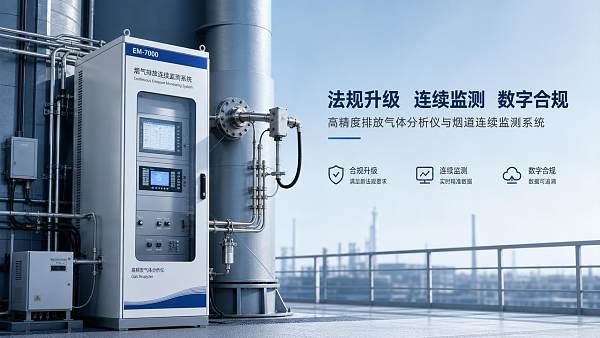
 Emission Gas Analyzer News in 2026: Regulatory Shifts Affecting DemandEmission gas analyzer demand is changing fast in 2026 as new regulations tighten limits, expand continuous monitoring, and raise data compliance standards. Explore key trends shaping smarter buying decisions.
 When a High Accuracy Analyzer Delivers Real ROI in Process ControlHigh accuracy analyzer ROI starts with better process control. Learn where tighter measurements cut waste, improve stability, reduce compliance risk, and deliver measurable operational savings.
 SR-2030P Analyzer Import Updates in 2026: Compliance Points to ReviewSR-2030P analyzer import updates for 2026: review classification, certification, customs documents, and market access risks to reduce delays, control costs, and source with confidence.
 Industrial Oxygen Analyzer Price Trends in 2026: Cost Drivers to WatchIndustrial oxygen analyzer price trends in 2026 explained: compare sensor, compliance, installation, and maintenance cost drivers to make smarter, lower-risk buying decisions.


Search Categories
Search Categories
Latest Article
- Kuwait Bans HCFC Air Conditioners, Boosts IR Camera ExportsKuwait bans HCFC air conditioners—boosting demand for IR cameras, leak detectors & refrigerant analyzers. Discover GCC compliance insights and export opportunities.Posted by:
- China's IC Exports Surge 78.3% in First Four Months of 2026China's IC exports surge 78.3% in early 2026 — driven by soaring global demand for AI chip test equipment, SMUs, and parametric analyzers. Discover the supply chain shift.Posted by:
- Chile Enforces Mandatory INN Safety Certification for Industrial Temperature ControllersChile mandates INN safety certification (NCh Elec 4/2025) for industrial temperature controllers starting Aug 1, 2026—act now to avoid shipment delays & market bans.Posted by:
Please give us a message
