Oxygen Measurement System Export Demand in 2026


As global industries accelerate decarbonization and efficiency upgrades, demand for the oxygen measurement system is expected to grow strongly in 2026. For buyers evaluating industrial control equipment, gas quality measurement, emission measurement system solutions, and process monitoring system performance, understanding market drivers, application trends, and investment value is essential for smarter sourcing and long-term operational control.
In the instrumentation industry, oxygen measurement is no longer limited to a single analyzer in a utility room. It is now a critical control layer across combustion optimization, inerting protection, wastewater aeration, laboratory analysis, medical gas monitoring, and continuous emissions management. For researchers, plant operators, procurement teams, distributors, project managers, and financial approvers, 2026 will likely bring a more selective export market shaped by compliance, digital integration, lifecycle cost, and delivery reliability.
This article examines where export demand is likely to concentrate, which technical and commercial factors will drive purchase decisions, how buyers can compare oxygen measurement system configurations, and what risks should be controlled before committing budget. The goal is practical decision support for B2B stakeholders who need both engineering clarity and sourcing confidence.
Why 2026 Export Demand for Oxygen Measurement Systems Is Expanding
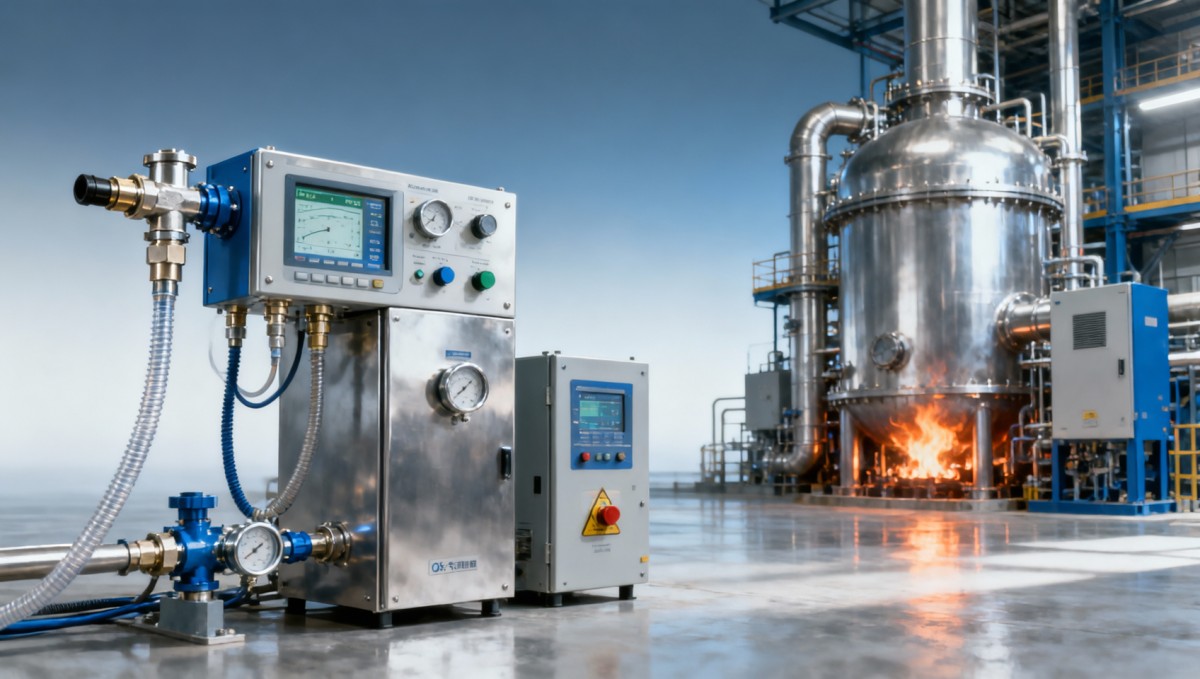
Global export demand is being pushed by three converging forces: stricter process efficiency targets, tighter environmental oversight, and broader automation upgrades. In many industries, even a 1% to 3% improvement in oxygen control can affect fuel use, combustion stability, oxidation quality, or product consistency. That small percentage matters when facilities operate 24 hours a day across multiple lines.
Energy and power plants remain a major demand center. Boilers, furnaces, incinerators, and thermal systems require stable oxygen monitoring to reduce excess air, limit heat loss, and support emissions control. In export markets where fuel costs remain volatile, buyers increasingly compare analyzers not only by purchase price but also by response time, maintenance interval, and integration with distributed control systems over 5 to 10 years.
Process industries are also widening the demand base. Steel, cement, glass, chemicals, semiconductors, pharmaceuticals, food processing, and wastewater treatment all use oxygen measurement differently, but each depends on reliable data to protect output quality and operating safety. In oxygen-sensitive applications, an error range of ±1% may be unacceptable, while in higher-end process control, buyers often expect tighter repeatability and response in seconds rather than minutes.
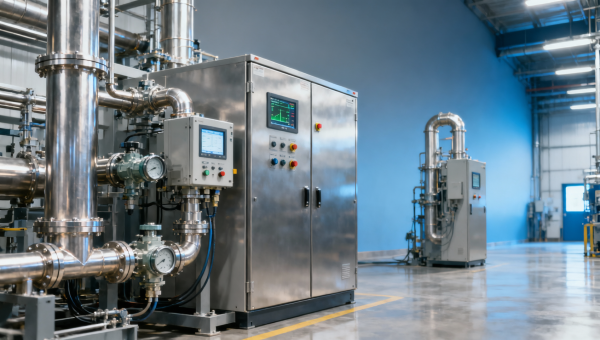
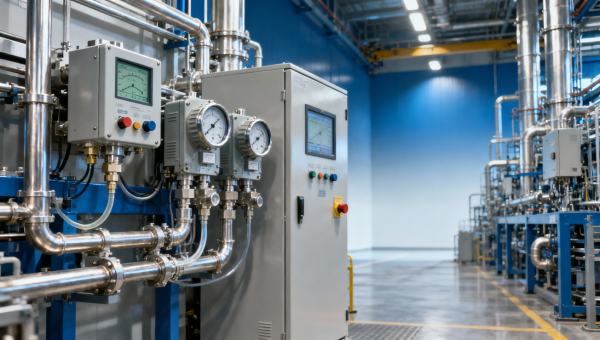
Export opportunities are also rising because many end users are replacing isolated instruments with system-level solutions. Instead of buying a sensor only, they are sourcing a complete oxygen measurement system that includes probe, sample conditioning, transmitter, controller, communication interface, alarm logic, and commissioning support. This creates higher-value orders and longer decision cycles, typically ranging from 4 to 12 weeks for technical review and approval.
Key demand drivers by buyer type
- Operators and maintenance teams focus on calibration frequency, sensor replacement cycle, and ease of troubleshooting during 8-hour, 12-hour, or continuous shifts.
- Commercial evaluators compare total cost of ownership, including spare parts, downtime risk, and training requirements over 3 to 5 years.
- Decision-makers and finance approvers prioritize compliance value, energy savings potential, and payback visibility within 12 to 24 months where applicable.
- Distributors and agents assess local serviceability, parts turnover, and whether the system can fit multiple sectors instead of one narrow niche.
Another important factor is regional industrial policy. New capacity in Southeast Asia, the Middle East, Latin America, and parts of Eastern Europe is increasing demand for imported instrumentation packages. These buyers often seek export-ready systems with multilingual interfaces, 24 VDC or 85 to 265 VAC power flexibility, and common communication options such as 4-20 mA, Modbus, or Ethernet-based links.
Where Oxygen Measurement Systems Are Most Needed in Industrial and Commercial Applications
Demand in 2026 will not be evenly distributed. The strongest export opportunities are likely to come from applications where oxygen is directly tied to safety, efficiency, emissions, or product quality. Buyers in these sectors are more likely to specify system architecture, environmental protection level, and service support before discussing price.
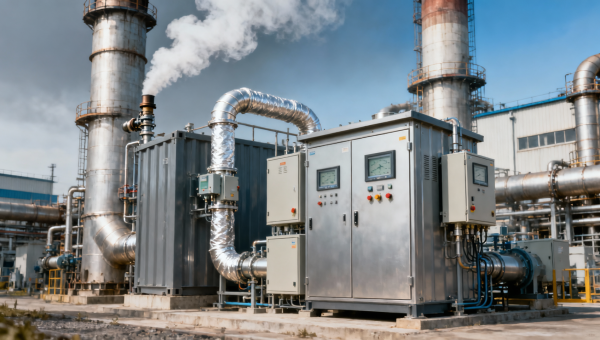
Combustion control remains one of the most mature and largest application segments. Boilers, kilns, ovens, and thermal oxidizers need oxygen feedback to maintain air-fuel balance. In many installations, the practical operating range may sit between 1% and 10% O2 in flue gas, depending on fuel type and process design. A stable oxygen measurement system helps reduce over-aeration, lower energy waste, and keep emissions control equipment working within target conditions.
Environmental monitoring is another high-growth area. Facilities facing stricter stack testing or continuous process verification increasingly add oxygen measurement as part of a broader emission measurement system. Here, the oxygen reading may be used to normalize pollutant values, validate combustion conditions, or support reporting consistency. Buyers in this segment usually care about long-term drift, data logging, and compatibility with existing reporting infrastructure.
In process manufacturing, oxygen measurement can be essential for oxidation control, inert gas protection, fermentation, and purity assurance. Semiconductor and specialty gas applications often require low-level or trace oxygen detection, while wastewater treatment may focus on dissolved oxygen control to optimize aeration energy. Medical and laboratory environments add another layer, where reliability, cleanliness, and calibration traceability are central to qualification workflows.
Application priorities by sector
The table below highlights how application goals differ across key export sectors. It helps buyers match oxygen measurement system design to actual operating requirements rather than choosing based on generic specifications alone.
The main takeaway is that export demand is not just increasing in volume; it is becoming more segmented. Suppliers that understand sector-specific requirements can compete more effectively than those offering one standard package for all users.
Common mismatch risks in application selection
- Selecting a combustion analyzer for a corrosive process gas without checking material compatibility.
- Using a low-cost sensor with a maintenance cycle too short for remote or high-temperature sites.
- Assuming one oxygen range fits all duties when trace oxygen and percentage oxygen require different sensing approaches.
For project managers and engineering teams, proper application matching often prevents the most expensive failures. A system that is 10% cheaper at purchase can become significantly more expensive if it causes repeated shutdowns, inaccurate process feedback, or unexpected spare part consumption.
How Buyers Should Compare Oxygen Measurement System Configurations in 2026
In export procurement, configuration decisions should start with process conditions, not with catalog format. Buyers need to define gas type, temperature, pressure, moisture content, dust load, response speed, and installation location. In practical terms, six questions often determine system fit: what is being measured, in what range, at what temperature, with what contamination risk, how fast the reading is needed, and how the signal will be used in control or reporting.
A complete oxygen measurement system may include in-situ sensing or extractive sampling. In-situ solutions can offer faster response and fewer sample handling components, while extractive systems can be more suitable when gas conditioning, cooling, or moisture removal is necessary. Neither is universally better. The correct choice depends on whether the process values speed, service accessibility, low-level measurement stability, or survivability in harsh environments.
For commercial buyers, comparing only upfront price can distort the decision. A lower-cost package may carry shorter sensor life, more frequent calibration, or less robust support documentation. Over a 36-month operating period, those differences can outweigh the original purchase gap. This is why many procurement teams now evaluate system ownership in 4 categories: technical fit, maintenance burden, integration effort, and service responsiveness.
The table below provides a practical comparison framework that project teams can adapt during RFQ review, technical clarification, and supplier evaluation.
A disciplined comparison process usually improves both technical performance and financial control. It also reduces disputes between engineering, procurement, and operations because selection criteria become visible and measurable from the start.
Four practical selection benchmarks
- Define acceptable error, response, and alarm thresholds before issuing inquiry documents. For some duties, alarm logic may need 2 or 3 levels rather than a single set point.
- Ask whether calibration can be completed in less than 30 minutes and whether this requires process interruption.
- Confirm spare part lead time. A 2-week delay may be manageable for one plant, but unacceptable for critical continuous lines.
- Review communication compatibility early. Retrofitting protocols after delivery often adds avoidable engineering cost.
Export Procurement, Delivery, and Risk Control for B2B Buyers
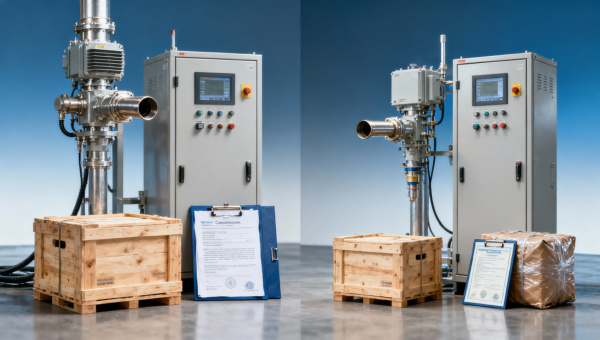
An oxygen measurement system can be technically suitable and still fail commercially if export execution is weak. For international buyers, procurement success depends on specification clarity, documentation quality, packaging protection, commissioning planning, and after-sales support. Many problems arise not from the analyzer itself but from missing information during the handover between sales, engineering, logistics, and site teams.
Typical delivery cycles vary by configuration. Standard panel or transmitter-based systems may ship in 2 to 4 weeks, while customized extractive systems with sample conditioning, enclosures, or project documentation can require 6 to 10 weeks. If hazardous-area accessories, multilingual manuals, or witness testing are required, the timeline may extend further. Buyers should align internal approval, import documentation, and installation schedule before placing the order.
Risk control should also cover commissioning conditions. A high-quality oxygen measurement system can produce unstable results if sample lines are improperly installed, calibration gas is not available, or the process environment differs from the approved design basis. For that reason, experienced project teams typically prepare a 5-step implementation checklist before shipment is released.
Five-step implementation checklist
- Freeze process data: gas composition, temperature, pressure, moisture, dust level, and installation point.
- Confirm documentation package: GA drawing, wiring diagram, operation manual, calibration procedure, packing list.
- Validate utility conditions: power supply, cabinet environment, purge air if needed, communication interface.
- Prepare site commissioning resources: calibration gas, tubing, mounting hardware, trained personnel, acceptance form.
- Define post-startup support: remote guidance, spare parts list, recommended inspection interval, escalation contact path.
The table below summarizes common export-side risks and practical controls that can reduce startup delays and unplanned cost.
For distributors and regional partners, these controls are especially important because local reputation often depends on how smoothly imported systems perform after installation. Good export execution supports repeat orders more effectively than aggressive pricing alone.
Maintenance Strategy, Buyer FAQs, and Final Sourcing Recommendations
Maintenance planning is often underestimated during sourcing. Yet for oxygen measurement systems, serviceability directly affects uptime, accuracy retention, and budgeting. A system that requires frequent manual calibration, difficult sensor access, or specialist-only replacement can create hidden labor cost. In many industrial environments, a realistic review of maintenance effort is just as important as comparing measurement range or interface options.
A practical maintenance strategy should define inspection frequency, calibration routine, expected consumables, and alarm verification steps. For some applications, monthly visual checks and quarterly calibration may be sufficient. In harsher environments with dust, high heat, or corrosive gas, shorter intervals may be needed. The right approach depends on process severity, criticality of the measurement point, and whether the system supports predictive diagnostics.
How often should an oxygen measurement system be serviced?
There is no universal interval. Many plants begin with a 30-day inspection cycle and then adjust after observing drift, contamination, and calibration stability for 3 to 6 months. Critical processes may require more frequent checks, while stable clean-gas applications may allow longer maintenance intervals.
What should buyers prioritize when approving budget?
Budget approval should cover more than the analyzer price. It should include installation accessories, calibration resources, spare parts, operator training, and expected maintenance over at least 24 to 36 months. This gives finance and operations a more realistic picture of lifecycle value.
Which buyers benefit most from a complete system instead of a standalone sensor?
Facilities with multiple measurement points, emission reporting requirements, DCS integration needs, or difficult process conditions usually benefit more from a complete oxygen measurement system. The system approach improves consistency in signal handling, alarms, calibration, and service documentation.
Final sourcing recommendations for 2026
- Match the system to the application first, especially range, process environment, and control purpose.
- Evaluate lifecycle cost over at least 2 to 3 years, not just initial purchase price.
- Confirm documentation, communication protocol, and commissioning support before shipment.
- Use a structured approval checklist so engineering, procurement, operations, and finance review the same decision points.
Export demand for oxygen measurement systems in 2026 is expected to be shaped by energy efficiency, compliance pressure, digital monitoring, and stronger expectations for dependable after-sales support. Buyers who define process requirements clearly, compare complete configurations carefully, and control delivery risk early will be better positioned to secure long-term operating value.
If you are evaluating oxygen measurement system options for industrial control, emissions monitoring, gas quality analysis, or process automation projects, now is the right time to review your technical requirements and sourcing plan. Contact us to get a tailored solution, discuss product details, or explore more instrumentation solutions for your market and application.
Recommended for You
 Oxygen Measurement System Export Demand in 2026Oxygen measurement system demand in 2026 is rising across industrial control equipment, gas quality measurement, emission control system, and process monitoring system markets. Explore key trends and smarter sourcing insights.
 Industrial Control System Trends to Watch in 2026Industrial control system trends for 2026: explore industrial control equipment, process monitoring system, gas quality measurement, oxygen measurement system, and emission control system upgrades.
 How to Improve Process Monitoring System ResultsImprove process monitoring system results with industrial control equipment, gas quality measurement, and emission measurement system strategies for smarter industrial control system performance.
 Emission Control System Import Risks in 2026Emission control system import risks in 2026: learn how industrial control equipment, gas quality measurement, and process monitoring system buyers can avoid delays, compliance issues, and costly mistakes.
 Gas Quality Control for Safer Plant OperationsGas quality control improves safer plant operations with industrial control equipment, gas quality measurement, and an emission measurement system—boost efficiency, compliance, and process monitoring performance.
 What Buyers Miss in Industrial Measurement SystemsIndustrial measurement system buying guide: compare industrial control equipment, gas quality measurement, and emission measurement system risks beyond specs to reduce downtime, cost, and audit issues.
 Process Measurement System Costs ExplainedProcess measurement system costs explained: compare industrial measurement system, gas quality measurement, oxygen measurement system, and emission measurement system options to cut risk and improve control.
 2026 Emission Measurement System Market ShiftEmission measurement system trends for 2026: discover how industrial control equipment, gas quality measurement, and smarter process monitoring systems improve compliance, efficiency, and ROI.
 Why Gas Quality Measurement Fails in the FieldGas quality measurement issues often come from industrial control equipment setup, not sensor limits. Learn how a process measurement system and emission measurement system can improve gas quality control.
 2026 Industrial Control Equipment Price OutlookIndustrial control equipment price outlook for 2026: explore trends in gas quality measurement, emission measurement system, process measurement system, and industrial control system budgeting.
 How Accurate Should an Oxygen Measurement System Be?Oxygen measurement system accuracy impacts gas quality measurement, emission control system performance, and industrial control equipment ROI—learn how to choose the right level for safer, smarter process monitoring.
 Industrial Control System: Buy New or Retrofit?Industrial control system guide: buy new or retrofit? Compare industrial control equipment, process measurement system, emission control system, and gas quality measurement for smarter ROI.
 Is a Process Monitoring System Worth Upgrading?Process monitoring system upgrade guide for industrial control equipment—improve gas quality measurement, emission measurement system performance, compliance, and smarter industrial control system decisions.
 How to Size an Emission Control SystemLearn how to size an emission control system with industrial control equipment, gas quality measurement, and a process monitoring system to improve compliance, reduce risk, and optimize cost.
 Gas Quality Control Mistakes to AvoidGas quality control mistakes can undermine safety, compliance, and efficiency. Learn how gas quality measurement, oxygen measurement system, and industrial control equipment choices prevent costly errors.
 What Makes a Reliable Industrial Measurement System?Explore what defines a reliable industrial measurement system, from industrial control equipment and gas quality measurement to emission measurement system accuracy, process monitoring, and smarter compliance-driven performance.
 Process Measurement System vs Monitoring ToolsCompare process measurement system and monitoring tools for industrial control equipment. Learn gas quality measurement, emission measurement system, and oxygen measurement system differences to choose smarter.
 When Does an Emission Measurement System Pay Off?Emission measurement system insights for industrial control equipment users: learn how gas quality measurement, oxygen measurement system integration, and process monitoring system data drive ROI.
 Gas Quality Measurement: What Matters Most?Explore gas quality measurement priorities in industrial control equipment, from oxygen measurement system selection to emission measurement system performance, to improve gas quality control, compliance, safety, and ROI.
 How to Choose Industrial Control EquipmentIndustrial control equipment selection guide covering industrial control system, process measurement system, emission measurement system, oxygen measurement system, and gas quality control for safer, smarter decisions.
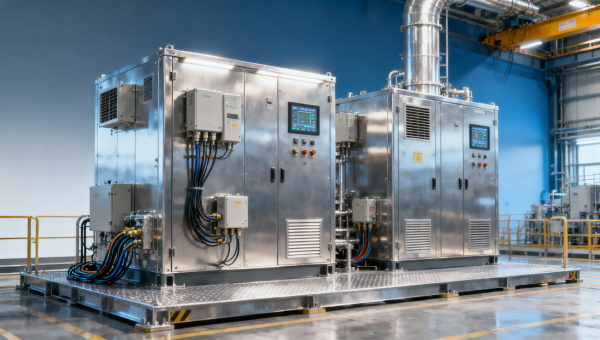
 2026 Trends in Emission Analyzer Shelter DesignExplore 2026 emission analyzer shelter trends: smarter emission control shelter, industrial control shelter, and gas quality monitoring equipment design for better compliance, uptime, and ROI.
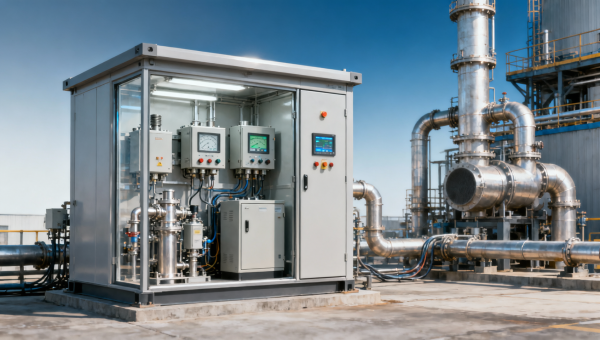
 Flue Gas Analyzer Shelter for Harsh SitesFlue gas analyzer shelter for harsh sites protects emission monitoring equipment, gas quality monitoring equipment, and process control systems with stable, durable shelter solutions.
 Gas Quality Analyzer Shelter Cost DriversGas quality analyzer shelter cost drivers explained: compare emission control shelter, process control shelter, and industrial control shelter options to reduce risk and optimize long-term value.
 What Buyers Ask About Process Monitoring EquipmentProcess monitoring equipment buyer guide: compare emission control shelter, process control shelter, gas quality monitoring equipment, flue gas monitoring equipment, and emission monitoring equipment for compliance, reliability, and lower lifecycle cost.
 Export Risks for Emission Monitoring EquipmentEmission monitoring equipment export risks start with compliance, documentation, and calibration gaps. Learn how emission control shelter and flue gas monitoring equipment buyers can avoid delays.
 Flue Gas Monitoring Equipment Market in 2026Flue gas monitoring equipment market in 2026: explore gas quality monitoring equipment, emission control shelter, process control shelter and industrial control shelter trends for smarter compliance.
 2026 Price Outlook for Gas Quality Monitoring EquipmentExplore the 2026 price outlook for gas quality monitoring equipment, flue gas monitoring equipment, and emission monitoring equipment, from analyzer shelters to control shelters.
 Industrial Control Shelter Import Rules 2026Industrial control shelter import rules 2026: learn how emission control shelter and process control shelter buyers can avoid compliance delays and choose the right monitoring equipment.
 Why Process Control Shelter Projects StallWhy process control shelter projects stall: uncover hidden risks in emission control shelter and industrial control shelter design, compliance, and budgeting to avoid delays and cut total cost.
 2026 Demand for Emission Control ShelterEmission control shelter demand is rising in 2026 as industries upgrade process control shelter systems and gas quality monitoring equipment for compliance, uptime, and lower lifecycle cost.
 Electronica China 2026 Closes: Chinese Industrial Sensors Draw Bulk Inquiries from EU/US BuyersElectronica China 2026 spotlighted Chinese industrial sensors—EU/US buyers like Siemens & Honeywell drove €2.8M avg. inquiry value. Discover key trends & co-dev opportunities.
 IEC 61508-2:2026 Adds 'China Supply Chain Resilience Statement' RequirementIEC 61508-2:2026 now mandates a 'China Supply Chain Resilience Statement' for PLC safety certification — discover what it means for your compliance, timelines & global sourcing strategy.

Search Categories
Search Categories
Latest Article
- Oxygen Measurement System Export Demand in 2026Oxygen measurement system demand in 2026 is rising across industrial control equipment, gas quality measurement, emission control system, and process monitoring system markets. Explore key trends and smarter sourcing insights.Posted by:
- Industrial Control System Trends to Watch in 2026Industrial control system trends for 2026: explore industrial control equipment, process monitoring system, gas quality measurement, oxygen measurement system, and emission control system upgrades.Posted by:
- How to Improve Process Monitoring System ResultsImprove process monitoring system results with industrial control equipment, gas quality measurement, and emission measurement system strategies for smarter industrial control system performance.Posted by:
Please give us a message
