
Paramagnetic Monitor Calibration Tips for Stable Output


For after-sales maintenance teams, keeping a paramagnetic monitor accurate and stable is essential to reliable process control and compliance. Small calibration errors can lead to drifting readings, false alarms, and unnecessary service costs. This guide shares practical paramagnetic monitor calibration tips to help you improve output stability, reduce downtime, and maintain dependable performance in demanding industrial applications.
Why a Structured Calibration Approach Matters for a Paramagnetic Monitor
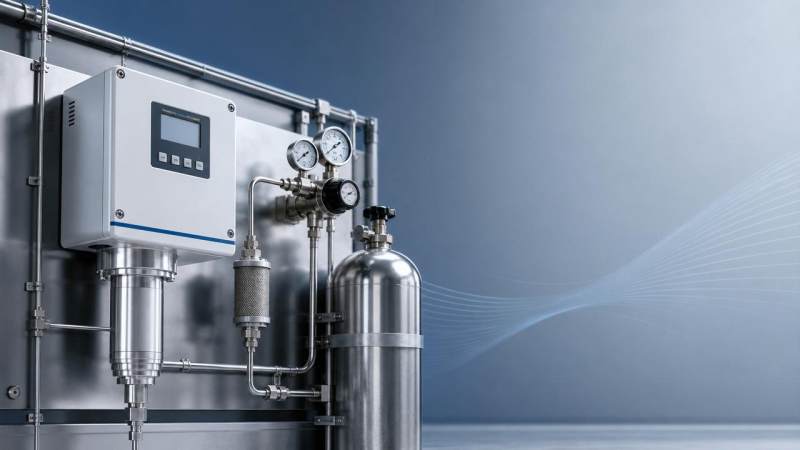
A paramagnetic monitor is widely used in process industries, power systems, environmental monitoring, laboratory analysis, and combustion control because it offers selective and fast oxygen measurement. However, stable output does not depend on the sensor principle alone. It also depends on gas quality, pressure stability, flow control, zero and span accuracy, and the condition of tubing, valves, and sample conditioning components.
Using a clear calibration routine reduces guesswork during maintenance. It helps isolate whether unstable readings come from the analyzer cell, electronics, sample system, reference gas, or operating environment. In instrumentation work, this matters because one incorrect adjustment can affect process efficiency, emission reporting, combustion safety, or product quality. A repeatable process also makes service records more useful, especially when several technicians maintain the same paramagnetic monitor across different sites.
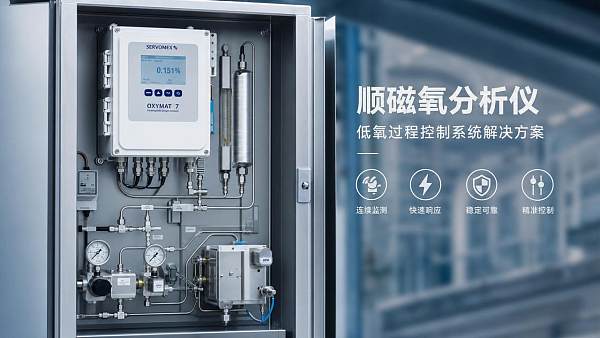
For stable performance, calibration should be treated as more than a quick zero-and-span task. It should be a controlled verification of the complete measurement chain. The points below provide a practical framework that can be applied to many brands and configurations of paramagnetic monitor, including fixed industrial installations and analyzer cabinets integrated into broader automation systems.
Core Calibration Checks for Stable Paramagnetic Monitor Output
- Confirm the monitor has completed its warm-up period and that internal temperature has stabilized before any zero, span, or output adjustment is attempted.
- Verify calibration gas certificates, concentration values, expiration dates, and regulator compatibility to avoid introducing an avoidable reference error into the paramagnetic monitor.
- Check sample gas pressure, vent conditions, and flow rate against instrument specifications because unstable gas dynamics often cause unstable output.
- Inspect filters, moisture traps, tubing, fittings, and valves for blockage, leakage, or contamination before assuming the analyzer itself is drifting.
- Use the correct zero gas for the application, and confirm it is truly oxygen-free or at the specified baseline required by the monitor design.
- Apply span gas slowly and allow the reading to settle fully; rushing this step is a common cause of poor calibration repeatability.
- Record pre-adjustment and post-adjustment values so that gradual drift, sudden shifts, and maintenance effectiveness can be tracked over time.
- Review analog output scaling and digital communication values after calibration to confirm the displayed oxygen reading matches transmitted process data.
- Compare current response time with historical response time because slow recovery may indicate contamination, aging components, or sample line problems.
- Complete a final leak and stability check under normal operating conditions rather than ending the job immediately after calibration gas is removed.
1. Stabilize the Instrument Before Touching Calibration Settings
Many paramagnetic monitor issues begin with calibration performed too early. If the monitor has not reached thermal equilibrium, zero and span values may shift after the procedure is finished. This is especially common after power cycling, field replacement, or service work inside analyzer shelters where ambient temperature changes quickly. Always check the recommended warm-up time and verify that internal diagnostics, if available, show stable status.
2. Trust the Gas Only After You Verify It
A stable paramagnetic monitor cannot be calibrated with poor reference gas. Confirm the gas concentration, cylinder identification, certificate validity, and regulator cleanliness. Even a correct span concentration can become unreliable if the regulator introduces contamination or if the gas has been stored improperly. For oxygen analysis, small reference errors can produce noticeable control deviations in combustion and inerting applications.
3. Treat Pressure and Flow as Part of Calibration
A paramagnetic monitor may respond accurately in theory but still deliver unstable readings when sample pressure fluctuates or flow is outside specification. Pressure effects can alter measurement behavior, while excessive flow may create mechanical instability in the cell. Low flow, on the other hand, can delay response and make settling appear worse than it is. During calibration, keep gas delivery conditions as close as possible to normal operating conditions.
4. Check the Entire Sample Path for Hidden Problems
When a paramagnetic monitor drifts, the analyzer often gets blamed first. In practice, filters loaded with particles, wet sample lines, aging seals, sticky solenoids, and partially blocked restrictors are frequent causes of poor stability. A fast leak test and visual inspection can prevent unnecessary board replacement or sensor cell service. In harsh industrial settings, routine sample system maintenance is often as important as the calibration itself.
5. Give Zero and Span Enough Time to Settle
A rushed adjustment can make a paramagnetic monitor appear calibrated while the output is still moving. Wait until the reading is stable, not just close to target. If settling takes longer than expected, investigate response time, line length, dead volume, or contamination. Repeating the zero and span sequence once after the first pass is often a useful confirmation of calibration quality.
Application Notes for Different Operating Conditions
Combustion Control and Boiler Systems
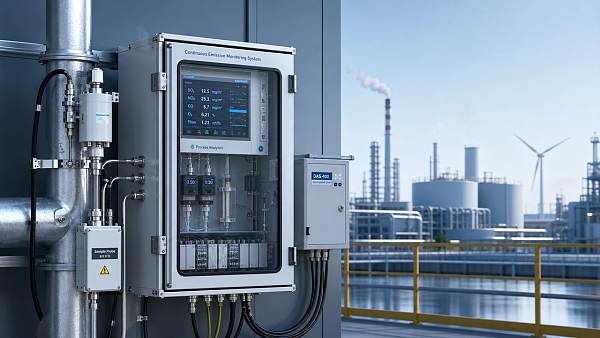
In combustion applications, a paramagnetic monitor supports burner efficiency, fuel optimization, and emission control. Calibration should focus on pressure stability, sample dryness, and representative extraction from flue or process gas. If sample conditioning performance changes with load, the analyzer may seem unstable even when the instrument is healthy.
Pay close attention to zero drift after maintenance on pumps, coolers, or condensate handling components. A change in water carryover or sample temperature can affect response consistency. After calibration, verify stable readings during both low-load and normal-load operation to ensure the paramagnetic monitor remains reliable across process transitions.
Environmental Monitoring and Emission Systems
For environmental monitoring, documentation quality is nearly as important as calibration accuracy. The paramagnetic monitor should be checked against site procedures, data logging requirements, and any relevant regulatory method. Record gas lot numbers, calibration timestamps, ambient conditions, and final output verification values.
Because compliance-related systems often operate continuously, it is useful to trend drift between service intervals. If the paramagnetic monitor repeatedly requires large span corrections, the problem may involve sample contamination, aging electronics, or reference instability rather than normal calibration shift.
Industrial Process Lines and Inerting Systems
In process safety and inerting service, a paramagnetic monitor may be used to verify low oxygen conditions where even modest error can affect risk control. Here, leak integrity becomes critical. Calibration should include extra attention to connections, valve seats, bypass lines, and any maintenance points that may allow air ingress.
If the installation includes switching between process gas and calibration gas, check for carryover and dead space. A monitor that stabilizes well in calibration but drifts during process measurement may be responding to line design issues rather than analyzer failure. Matching the operating pressure profile is especially important for a low-range paramagnetic monitor.
Laboratory and Test Bench Applications
In laboratory or test environments, a paramagnetic monitor is often expected to provide fast, repeatable readings for validation work. Small setup inconsistencies can create avoidable variation, so calibration should be performed with clean tubing, controlled flow, and minimal disturbances from frequent gas cylinder changes. Cross-checking with a secondary reference can be valuable when traceability is required.
Commonly Overlooked Risks That Affect Paramagnetic Monitor Stability
Ignoring Ambient Temperature Swings
A paramagnetic monitor installed near doors, vents, or poorly controlled shelters may experience temperature-driven drift. Even when the analyzer includes compensation, rapid environmental change can still affect electronics and gas density. If output instability appears at certain times of day, check enclosure temperature history before recalibrating again.
Overlooking Regulator and Tubing Cleanliness
Contaminated regulators and aging tubing can introduce oxygen traces, moisture, or particles that distort calibration. This is a frequent but underestimated cause of unstable paramagnetic monitor behavior. Dedicated regulators for zero and span gases help reduce cross-contamination and improve repeatability.
Adjusting the Analyzer to Compensate for Process Problems
If the real issue is unstable sampling, changing the calibration of the paramagnetic monitor only hides the problem temporarily. This can create larger errors later and make troubleshooting more difficult. Always confirm the process side and sampling side are healthy before changing calibration constants.
Skipping Output Verification to the Control System
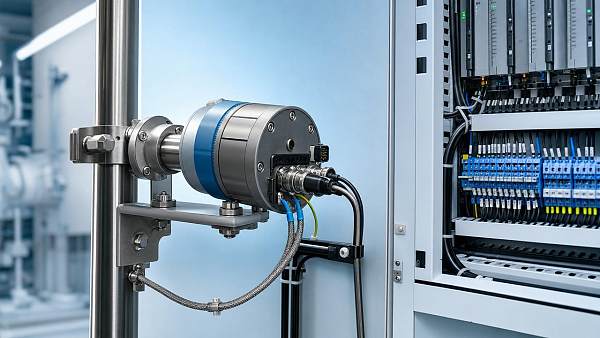
A monitor display may read correctly while the PLC, DCS, or recorder receives incorrect scaled data. After calibrating the paramagnetic monitor, verify the transmitted signal at the receiving system. Stable analyzer output is only useful when the full signal chain matches.
Practical Execution Tips for Faster, More Reliable Service
- Prepare gas, tools, service records, and replacement consumables before taking the paramagnetic monitor out of normal operation.
- Use the same calibration sequence every time so drift trends and service outcomes remain comparable across maintenance visits.
- Document settling time, correction size, and any sample system abnormalities, not just final pass values.
- If output remains unstable after proper calibration, isolate the sample system from the analyzer to identify the actual source.
- Schedule preventive checks on filters, seals, and flow components to protect long-term paramagnetic monitor accuracy.
In many instrumentation environments, the best way to improve paramagnetic monitor stability is to reduce variation around the analyzer, not simply recalibrate more often. Better gas handling discipline, consistent service records, and early replacement of small wear parts often deliver more value than repeated adjustment alone.
Final Takeaways and Next Steps
A stable paramagnetic monitor depends on disciplined calibration, verified reference gas, controlled pressure and flow, clean sampling hardware, and complete signal-path confirmation. When these points are checked in a consistent order, output stability improves, drift becomes easier to predict, and avoidable downtime is reduced.
As a next step, turn these calibration tips into a site-standard maintenance routine. Build a short record sheet for each paramagnetic monitor that captures zero value, span value, response time, flow condition, gas certificate details, and final output verification. That simple habit creates a stronger maintenance history, supports troubleshooting, and helps keep oxygen measurement dependable across industrial, environmental, laboratory, and automation applications.
Recommended for You
 FDA Updates IVD Import Guidance: CNAS Calibration Chain Required for China-Made DevicesFDA now requires CNAS calibration chain reports for China-made IVD analyzers—pH, ion & clinical chemistry devices entering via 510(k)/De Novo. Act now to avoid U.S. port rejections.
 EN 61000-6-4:2026 Enters Force: Stricter EMC Requirements for Industrial Field InstrumentsEN 61000-6-4:2026 enforces stricter EMC requirements for industrial field instruments—key for AI edge controllers, sensors & exporters. Act now to ensure CE-EMC compliance by Nov 2026.
 Global Methanol Electric Alliance Launches Cross-Border Energy Efficiency Recognition RoadmapGlobal Methanol Electric Alliance launches cross-border energy efficiency recognition roadmap—key for exporters, cal labs & methanol-instrument manufacturers.
 Red Sea Crisis Escalates: Air Freight Premiums for China–Middle East Industrial Instruments Hit 390%Red Sea Crisis hits industrial instruments: China–Middle East air freight premiums surge 390%. Act now to secure Q3 capacity, avoid delays & optimize LCL alternatives.
 IEC TC65 Mandates Cybersecurity Certification for Industrial Field Instruments from 2027IEC TC65 mandates cybersecurity certification for industrial field instruments by 2027 — pressure, flow & analytical devices must meet IEC 62443-4-2:2026 and display SL1–SL3 labels. Act now to ensure market access.
 SASO Cuts Energy Labeling Turnaround for Industrial Transmitters to 7 Working DaysSASO Energy Labeling now takes just 7 working days for industrial transmitters — faster market access, CNAS reports accepted. Act now!
 PTB Launches CalCloud 2.0 with Direct CNAS Lab IntegrationCalCloud 2.0 now integrates directly with CNAS labs—enabling automated VDA 5 & ISO/IEC 17025 dual-compliant calibration reports for automotive and industrial exporters. Boost compliance efficiency today!
 ASEAN's Green Clearance Corridor for CNAS Calibration Reports LaunchesASEAN's Green Clearance Corridor now verifies CNAS calibration reports via blockchain—cut customs clearance to <48h for flow meters, analyzers & more. Act now!
 Vietnam Mandates CNAS Calibration Certificates & Vietnamese Manuals for Industrial Meters from June 1, 2026CNAS calibration certificates & Vietnamese manuals now mandatory for industrial meters entering Vietnam from June 1, 2026—avoid customs delays and ensure seamless market access.
 U.S. BIS Tightens Export Controls on High-Precision Laser InterferometersU.S. BIS tightens export controls on high-precision laser interferometers—critical for semiconductor metrology & ISO/IEC 17025 calibration. Act now to ensure compliance.
 Paramagnetic Monitor Calibration Tips for Stable OutputParamagnetic monitor calibration tips for stable output: learn how to reduce drift, improve accuracy, cut downtime, and keep oxygen measurement reliable in demanding industrial applications.
 Paramagnetic Measurement in Low-Oxygen Process ControlParamagnetic measurement enables accurate low-oxygen process control with fast response and stable oxygen analysis. Learn how it improves safety, consistency, and system performance.
 Laser Detector Import Risks and Certification DelaysLaser detector import risks can cause costly certification delays, customs issues, and testing setbacks. Learn how to avoid compliance failures before ordering.
 Explosion Proof Detector Demand Under New Safety RulesExplosion proof detector demand is rising under new safety rules. Discover how to compare certified, reliable options that improve compliance, integration, and long-term site safety.
 Laboratory Detector Accuracy Standards You Should CheckLaboratory detector accuracy standards explained: check detection limits, repeatability, drift, and traceability to reduce risk, improve audit readiness, and choose with confidence.
 Custom Measurement Lead Times and Budget PlanningCustom measurement lead times and budgets explained for procurement teams. Learn key cost drivers, planning steps, and supplier tips to reduce delays and buy with confidence.
 Laser Measurement for Leak Detection: Common PitfallsLaser measurement for leak detection can fail due to setup, airflow, and data interpretation errors. Learn the common pitfalls and proven fixes for more accurate, reliable results.
 How to Evaluate a High Accuracy Detector in the FieldHigh accuracy detector evaluation starts with real field performance. Learn how to compare stability, response time, and reliability to choose the right detector with confidence.
 Electrochemical Monitor Lifespan and Replacement CostsElectrochemical monitor lifespan and replacement costs explained for buyers. Learn how sensor life, maintenance, and total ownership cost affect safer, smarter purchasing decisions.
 Thermal Analysis Market Direction in Process IndustriesThermal analysis market direction in process industries: discover trends, applications, and investment insights that improve quality control, reduce risk, and support smarter industrial decisions.
 Monitoring Shelter Design Priorities for Outdoor SitesMonitoring shelter design starts with protection, climate control, and power reliability. Discover how to choose the right outdoor solution for stable data, safer maintenance, and lower lifecycle risk.
 Fixed Measurement Planning for Multi-Point InstallationsFixed measurement planning is essential for multi-point installations. Learn how to improve accuracy, reliability, compliance, and maintenance efficiency across complex industrial systems.
 Fixed Analysis Systems for Stable Long-Term MonitoringFixed analysis systems enable stable long-term monitoring, reliable data, and better process control. Discover how they improve safety, compliance, and operational efficiency.
 Thermal Gas Applications Expanding in Clean IndustryThermal gas applications are reshaping clean industry with smarter flow measurement, emissions control, and energy optimization. Discover where they cut risk, boost efficiency, and support automation.
 Monitoring Detector Export Rules to Watch in 2026Monitoring detector export rules are changing fast in 2026. Learn the key compliance risks, supplier checks, and trade signals to protect margins and make smarter sourcing decisions.
 Control Detector Setup Mistakes That Affect ReliabilityControl detector setup mistakes can quietly reduce accuracy and uptime. Learn the most common installation, wiring, and calibration errors—and how to avoid them for reliable performance.
 What Defines a High Accuracy Monitor TodayHigh accuracy monitor selection starts with real-world performance. Learn the key accuracy factors, buyer checklist, and how to choose a reliable monitor for industrial control.
 Infrared Monitor Demand in Industrial Safety UpgradesInfrared monitor demand is rising as industrial safety upgrades accelerate. Discover where buyers need it most, how channel partners can sell smarter, and which applications drive long-term growth.
 Thermal Conductivity Monitor Limits in Mixed Gas StreamsThermal conductivity monitor limits in mixed gas streams explained—learn where accuracy drops, what buyers should compare, and how to choose the right analyzer with confidence.
 Laser Monitor vs Infrared Monitor for Fast DetectionLaser monitor vs infrared monitor for fast detection: discover which delivers better precision, response speed, and reliability for industrial monitoring and smarter sensor selection.
 Thermal Gas Analyzer Price Shifts Across Global MarketsThermal gas analyzer price shifts are reshaping global budgets. Learn what drives costs, regional differences, and how buyers can reduce risk and improve long-term value.
 Custom Analysis Options for Complex Gas ApplicationsCustom analysis helps solve complex gas applications with better accuracy, compliance, and reliability. Discover practical selection insights that reduce risk and improve system performance.



Search Categories
Search Categories
Latest Article
- FDA Updates IVD Import Guidance: CNAS Calibration Chain Required for China-Made DevicesFDA now requires CNAS calibration chain reports for China-made IVD analyzers—pH, ion & clinical chemistry devices entering via 510(k)/De Novo. Act now to avoid U.S. port rejections.Posted by:
- EN 61000-6-4:2026 Enters Force: Stricter EMC Requirements for Industrial Field InstrumentsEN 61000-6-4:2026 enforces stricter EMC requirements for industrial field instruments—key for AI edge controllers, sensors & exporters. Act now to ensure CE-EMC compliance by Nov 2026.Posted by:
- Global Methanol Electric Alliance Launches Cross-Border Energy Efficiency Recognition RoadmapGlobal Methanol Electric Alliance launches cross-border energy efficiency recognition roadmap—key for exporters, cal labs & methanol-instrument manufacturers.Posted by:
Please give us a message
