
Fixed Analysis Systems for Stable Long-Term Monitoring


In complex industrial environments, fixed analysis systems play a vital role in ensuring stable long-term monitoring, reliable data collection, and consistent process control. For engineering-led projects across manufacturing, energy, environmental protection, laboratory support, and automation infrastructure, fixed analysis solutions help maintain process visibility, improve compliance performance, and reduce the uncertainty that comes with manual sampling or intermittent inspection. As industrial operations become more connected and data-driven, fixed analysis is increasingly valued not only as a measurement tool, but also as a foundation for safer operations, better asset management, and more confident operational decisions.
Understanding Fixed Analysis Systems in Industrial Monitoring
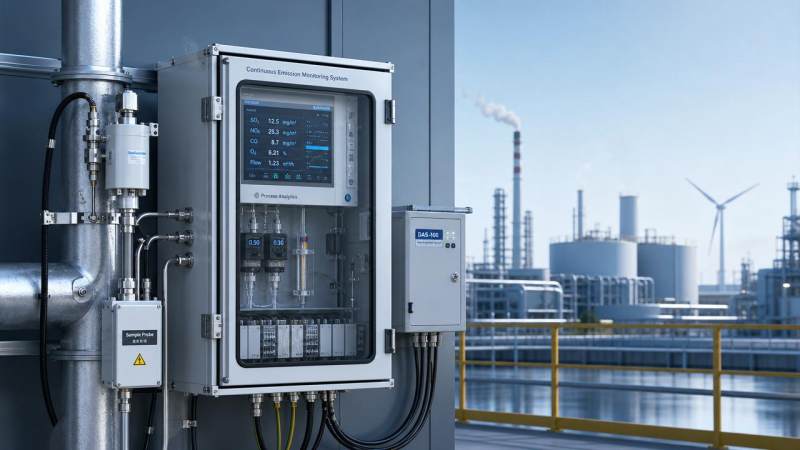
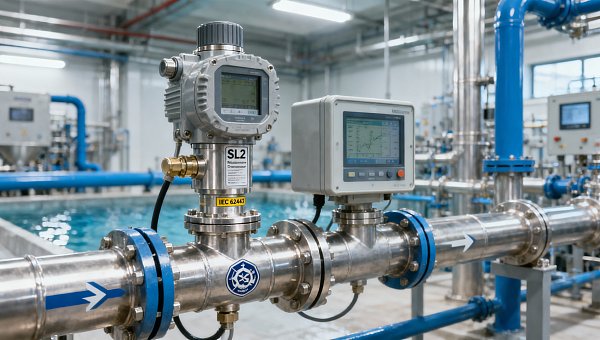
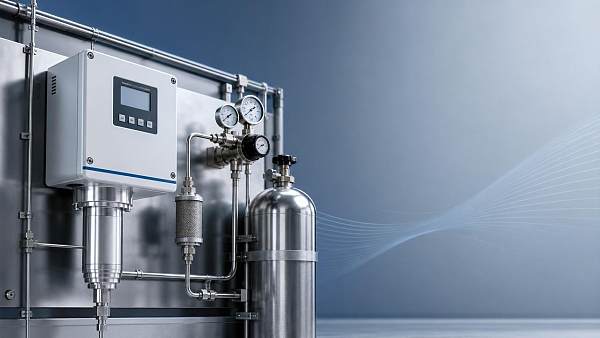
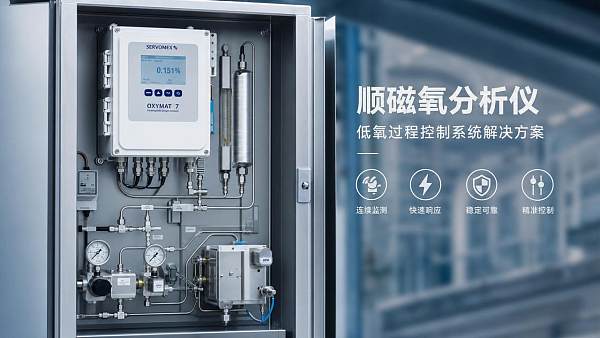
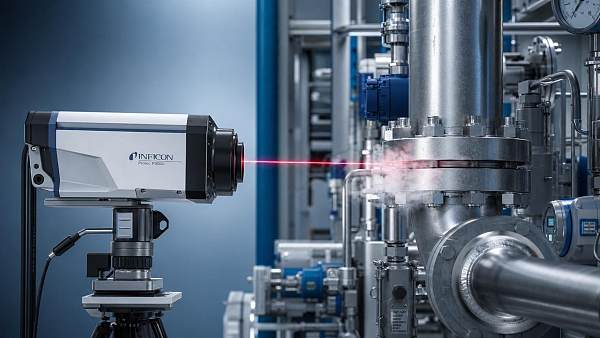
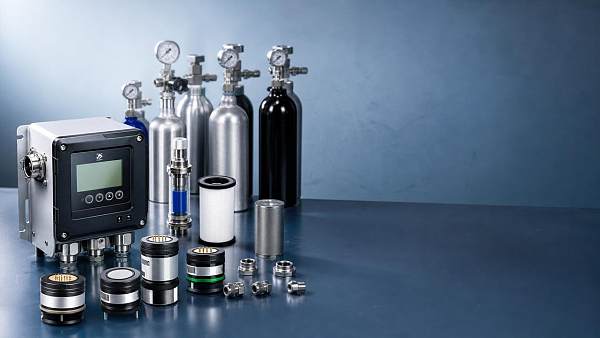
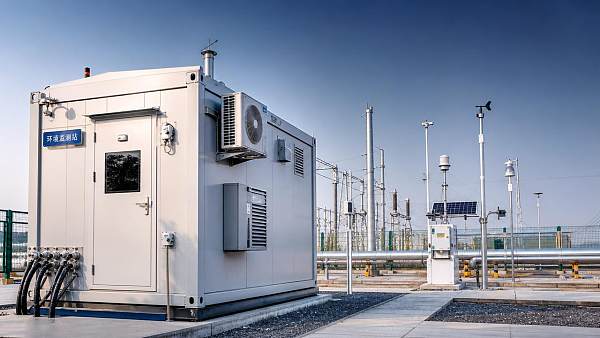
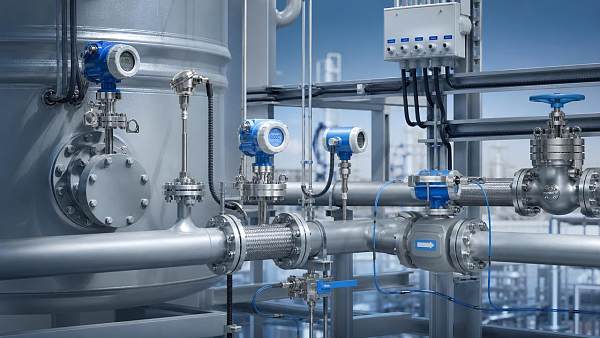
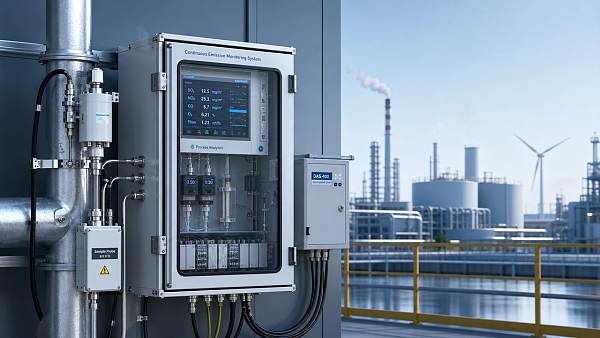
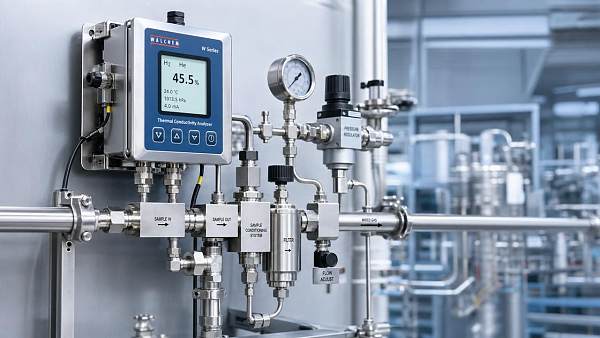
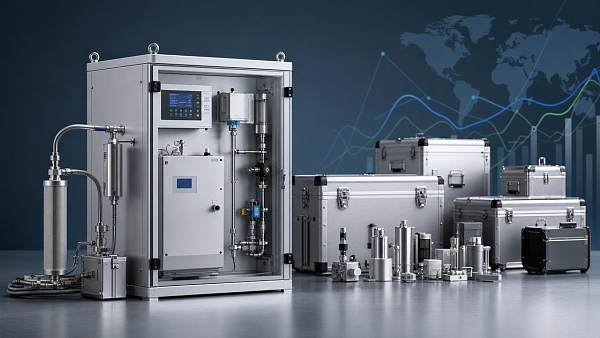
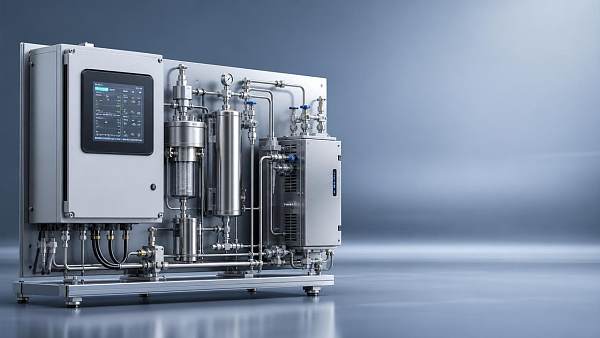
A fixed analysis system is a permanently installed monitoring and analytical setup designed to measure specific physical or chemical parameters continuously or at scheduled intervals over long operating periods. In the instrumentation industry, fixed analysis often refers to integrated systems that combine sensors, analyzers, sample conditioning units, transmitters, control interfaces, enclosures, alarms, and communication modules. These systems are commonly installed near process lines, utility stations, stack outlets, water treatment points, storage areas, or laboratory-linked production sections.
Unlike portable instruments that support spot checks, fixed analysis is built for continuity, consistency, and system-level integration. It allows operators to observe trends rather than isolated readings, which is essential when conditions change gradually or when process deviation must be detected before it becomes a safety, quality, or environmental issue. In many cases, fixed analysis systems monitor gas composition, liquid chemistry, emissions, pH, conductivity, oxygen content, moisture, flow-related quality indicators, and other process-critical variables.
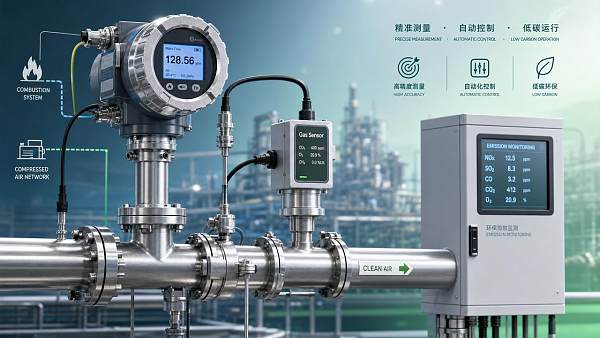
The value of fixed analysis also comes from its ability to connect field data with PLC, DCS, SCADA, and plant information systems. This integration supports automated control logic, maintenance planning, audit records, and remote diagnostics. In long-term operations, fixed analysis reduces dependence on manual intervention and helps standardize monitoring performance across shifts, facilities, and project phases.
Industry Context and Current Priorities
Across the broader instrumentation sector, fixed analysis has become more important as industries pursue automation, digital transformation, energy efficiency, and tighter regulatory alignment. Stable long-term monitoring is no longer limited to high-risk plants. It is now relevant in utility systems, emissions control, building services, infrastructure projects, and hybrid production environments where quality and traceability matter just as much as uptime.
Several practical trends are shaping demand for fixed analysis systems:
- Higher expectations for continuous environmental and process compliance data
- Greater use of centralized automation platforms and remote supervision
- A shift from reactive maintenance to condition-based maintenance strategies
- Need for more reliable quality control in energy, chemicals, water, and advanced manufacturing
- Increased focus on safety in enclosed, hazardous, or unmanned operating areas
These priorities mean that fixed analysis is often evaluated not only on analyzer accuracy, but also on lifecycle stability, communication capability, enclosure protection, calibration design, spare parts accessibility, and service readiness. In other words, the discussion has moved from buying an instrument to deploying a monitoring architecture.
Business Value of Fixed Analysis for Stable Long-Term Monitoring
The main advantage of fixed analysis is dependable visibility over time. A single reading may confirm a momentary condition, but a continuous record reveals drift, instability, contamination, abnormal load changes, and gradual loss of efficiency. In operations where raw material variation, process temperature changes, or utility fluctuations can affect output, fixed analysis helps maintain control with fewer blind spots.
From a business perspective, fixed analysis contributes to four critical outcomes. First, it strengthens operational safety by detecting hazardous deviations early. Second, it protects product or process quality by supporting timely control adjustments. Third, it reduces maintenance risk by highlighting abnormal behavior before equipment failure expands into downtime. Fourth, it supports documentation and traceability for internal review, customer requirements, and regulatory reporting.
Fixed analysis can also improve resource efficiency. Better control of combustion, dosing, blending, water treatment, gas handling, or environmental discharge often leads to lower waste, lower energy consumption, and fewer unnecessary interventions. In facilities with multiple monitoring points, a well-designed fixed analysis strategy creates a more consistent data environment, making performance comparisons and optimization efforts far more practical.
Core value dimensions
- Continuous awareness of process and environmental conditions
- More stable control decisions based on trend data
- Lower dependence on manual sampling and field rounds
- Improved auditability, traceability, and reporting quality
- Better support for predictive and preventive maintenance
Typical Fixed Analysis Applications Across Industries
Because the instrumentation industry serves many sectors, fixed analysis appears in a wide range of applications. The exact analyzer type may differ, but the operating objective is similar: capture stable, actionable data where ongoing visibility is essential.
In each of these environments, fixed analysis becomes more effective when the measurement point, sample path, analyzer technology, and control response are designed together. A highly accurate analyzer can still underperform if sampling is delayed, contaminated, or poorly maintained. That is why fixed analysis should be treated as a system engineering task rather than a standalone device purchase.
Implementation Considerations and Good Practice
For stable long-term monitoring, implementation quality often matters as much as instrument specification. The first consideration is suitability of measurement technology for the target medium, expected concentration range, environmental conditions, and required response time. The second is sample handling, especially in applications involving dust, condensate, corrosive substances, pressure variation, or temperature extremes. The third is maintainability, including calibration access, spare part planning, and cleaning requirements.
Communication and diagnostics should also be reviewed early. Fixed analysis systems that provide health status, fault alarms, calibration records, and remote access data are easier to manage over the full lifecycle. In distributed facilities, this reduces troubleshooting delays and supports more disciplined maintenance planning. Cybersecurity, power quality, enclosure protection, and hazardous area requirements should be aligned with the broader control architecture from the start.
Practical evaluation checklist
- Define which parameter truly needs fixed analysis and why continuous monitoring is required
- Confirm process conditions, sampling constraints, and installation environment
- Assess analyzer stability, drift performance, and calibration method
- Review system integration with DCS, PLC, SCADA, or data historians
- Plan maintenance intervals, consumables, and service accessibility
- Consider future expansion if additional fixed analysis points may be added later
Next-Step Planning for Reliable Fixed Analysis Deployment
A successful fixed analysis project usually begins with a focused review of monitoring objectives, process risks, and data usage requirements. Start by identifying where long-term blind spots currently exist, which variables have the greatest influence on safety, compliance, efficiency, or quality, and what response should be triggered when limits are approached. This helps determine whether fixed analysis should be applied at one critical point, across multiple process stages, or as part of a wider digital monitoring strategy.
It is equally important to map fixed analysis outputs to real operational actions. If trend data will only be viewed occasionally, the system may never deliver its full value. When alarms, maintenance workflows, reporting routines, and control responses are clearly defined, fixed analysis becomes a practical management tool rather than just another data source. Over time, this structured approach supports more stable long-term monitoring, better engineering accountability, and stronger confidence in operating decisions.
For organizations reviewing instrumentation upgrades, the most effective next step is to compare current monitoring gaps against the capabilities of modern fixed analysis systems, including sample conditioning, diagnostics, connectivity, and lifecycle support. A well-scoped fixed analysis plan can create measurable improvements in reliability, visibility, and control while building a stronger foundation for future automation and intelligent industrial operations.
Recommended for You
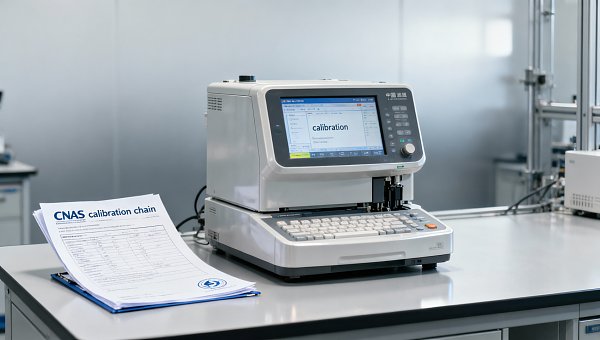
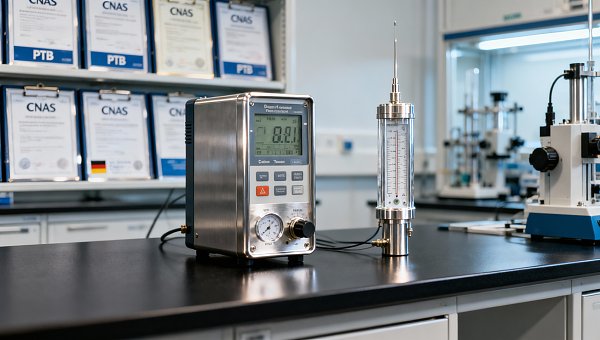
 FDA Updates IVD Import Guidance: CNAS Calibration Chain Required for China-Made DevicesFDA now requires CNAS calibration chain reports for China-made IVD analyzers—pH, ion & clinical chemistry devices entering via 510(k)/De Novo. Act now to avoid U.S. port rejections.
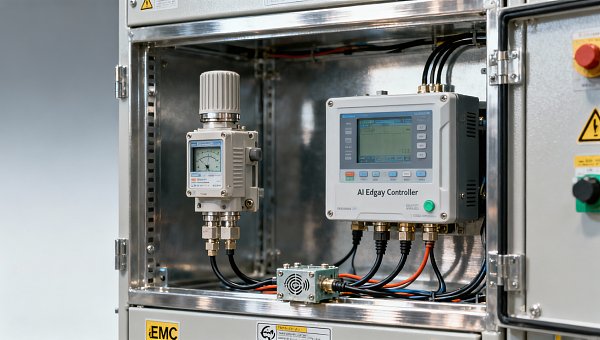
 EN 61000-6-4:2026 Enters Force: Stricter EMC Requirements for Industrial Field InstrumentsEN 61000-6-4:2026 enforces stricter EMC requirements for industrial field instruments—key for AI edge controllers, sensors & exporters. Act now to ensure CE-EMC compliance by Nov 2026.
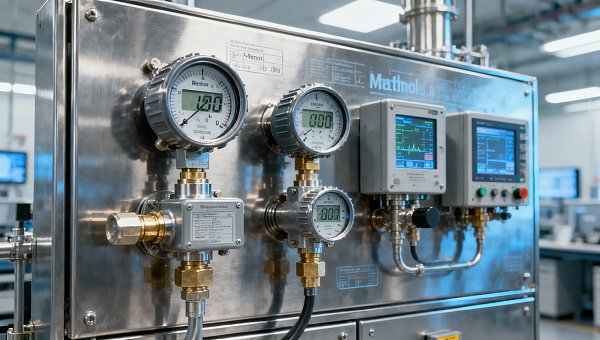
 Global Methanol Electric Alliance Launches Cross-Border Energy Efficiency Recognition RoadmapGlobal Methanol Electric Alliance launches cross-border energy efficiency recognition roadmap—key for exporters, cal labs & methanol-instrument manufacturers.
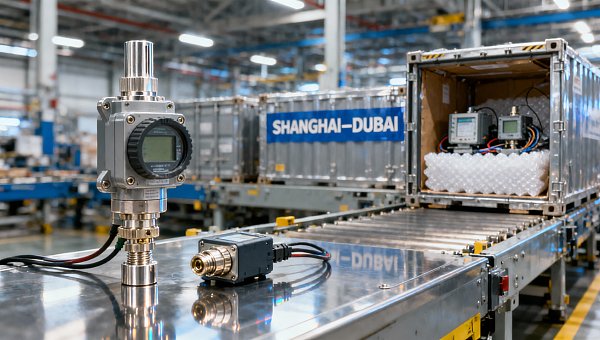
 Red Sea Crisis Escalates: Air Freight Premiums for China–Middle East Industrial Instruments Hit 390%Red Sea Crisis hits industrial instruments: China–Middle East air freight premiums surge 390%. Act now to secure Q3 capacity, avoid delays & optimize LCL alternatives.
 IEC TC65 Mandates Cybersecurity Certification for Industrial Field Instruments from 2027IEC TC65 mandates cybersecurity certification for industrial field instruments by 2027 — pressure, flow & analytical devices must meet IEC 62443-4-2:2026 and display SL1–SL3 labels. Act now to ensure market access.
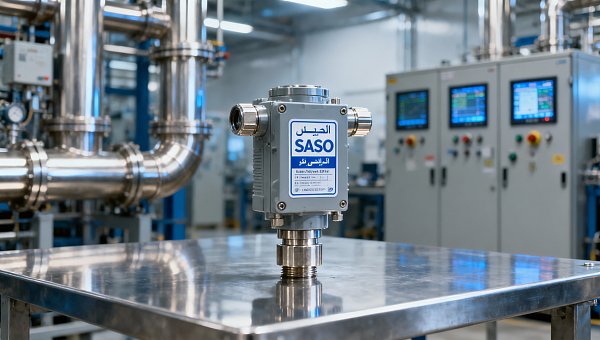
 SASO Cuts Energy Labeling Turnaround for Industrial Transmitters to 7 Working DaysSASO Energy Labeling now takes just 7 working days for industrial transmitters — faster market access, CNAS reports accepted. Act now!
 PTB Launches CalCloud 2.0 with Direct CNAS Lab IntegrationCalCloud 2.0 now integrates directly with CNAS labs—enabling automated VDA 5 & ISO/IEC 17025 dual-compliant calibration reports for automotive and industrial exporters. Boost compliance efficiency today!
 ASEAN's Green Clearance Corridor for CNAS Calibration Reports LaunchesASEAN's Green Clearance Corridor now verifies CNAS calibration reports via blockchain—cut customs clearance to <48h for flow meters, analyzers & more. Act now!
 Vietnam Mandates CNAS Calibration Certificates & Vietnamese Manuals for Industrial Meters from June 1, 2026CNAS calibration certificates & Vietnamese manuals now mandatory for industrial meters entering Vietnam from June 1, 2026—avoid customs delays and ensure seamless market access.
 U.S. BIS Tightens Export Controls on High-Precision Laser InterferometersU.S. BIS tightens export controls on high-precision laser interferometers—critical for semiconductor metrology & ISO/IEC 17025 calibration. Act now to ensure compliance.
 Paramagnetic Monitor Calibration Tips for Stable OutputParamagnetic monitor calibration tips for stable output: learn how to reduce drift, improve accuracy, cut downtime, and keep oxygen measurement reliable in demanding industrial applications.
 Paramagnetic Measurement in Low-Oxygen Process ControlParamagnetic measurement enables accurate low-oxygen process control with fast response and stable oxygen analysis. Learn how it improves safety, consistency, and system performance.
 Laser Detector Import Risks and Certification DelaysLaser detector import risks can cause costly certification delays, customs issues, and testing setbacks. Learn how to avoid compliance failures before ordering.
 Explosion Proof Detector Demand Under New Safety RulesExplosion proof detector demand is rising under new safety rules. Discover how to compare certified, reliable options that improve compliance, integration, and long-term site safety.
 Laboratory Detector Accuracy Standards You Should CheckLaboratory detector accuracy standards explained: check detection limits, repeatability, drift, and traceability to reduce risk, improve audit readiness, and choose with confidence.
 Custom Measurement Lead Times and Budget PlanningCustom measurement lead times and budgets explained for procurement teams. Learn key cost drivers, planning steps, and supplier tips to reduce delays and buy with confidence.
 Laser Measurement for Leak Detection: Common PitfallsLaser measurement for leak detection can fail due to setup, airflow, and data interpretation errors. Learn the common pitfalls and proven fixes for more accurate, reliable results.
 How to Evaluate a High Accuracy Detector in the FieldHigh accuracy detector evaluation starts with real field performance. Learn how to compare stability, response time, and reliability to choose the right detector with confidence.
 Electrochemical Monitor Lifespan and Replacement CostsElectrochemical monitor lifespan and replacement costs explained for buyers. Learn how sensor life, maintenance, and total ownership cost affect safer, smarter purchasing decisions.
 Thermal Analysis Market Direction in Process IndustriesThermal analysis market direction in process industries: discover trends, applications, and investment insights that improve quality control, reduce risk, and support smarter industrial decisions.
 Monitoring Shelter Design Priorities for Outdoor SitesMonitoring shelter design starts with protection, climate control, and power reliability. Discover how to choose the right outdoor solution for stable data, safer maintenance, and lower lifecycle risk.
 Fixed Measurement Planning for Multi-Point InstallationsFixed measurement planning is essential for multi-point installations. Learn how to improve accuracy, reliability, compliance, and maintenance efficiency across complex industrial systems.
 Fixed Analysis Systems for Stable Long-Term MonitoringFixed analysis systems enable stable long-term monitoring, reliable data, and better process control. Discover how they improve safety, compliance, and operational efficiency.
 Thermal Gas Applications Expanding in Clean IndustryThermal gas applications are reshaping clean industry with smarter flow measurement, emissions control, and energy optimization. Discover where they cut risk, boost efficiency, and support automation.
 Monitoring Detector Export Rules to Watch in 2026Monitoring detector export rules are changing fast in 2026. Learn the key compliance risks, supplier checks, and trade signals to protect margins and make smarter sourcing decisions.
 Control Detector Setup Mistakes That Affect ReliabilityControl detector setup mistakes can quietly reduce accuracy and uptime. Learn the most common installation, wiring, and calibration errors—and how to avoid them for reliable performance.
 What Defines a High Accuracy Monitor TodayHigh accuracy monitor selection starts with real-world performance. Learn the key accuracy factors, buyer checklist, and how to choose a reliable monitor for industrial control.
 Infrared Monitor Demand in Industrial Safety UpgradesInfrared monitor demand is rising as industrial safety upgrades accelerate. Discover where buyers need it most, how channel partners can sell smarter, and which applications drive long-term growth.
 Thermal Conductivity Monitor Limits in Mixed Gas StreamsThermal conductivity monitor limits in mixed gas streams explained—learn where accuracy drops, what buyers should compare, and how to choose the right analyzer with confidence.
 Laser Monitor vs Infrared Monitor for Fast DetectionLaser monitor vs infrared monitor for fast detection: discover which delivers better precision, response speed, and reliability for industrial monitoring and smarter sensor selection.
 Thermal Gas Analyzer Price Shifts Across Global MarketsThermal gas analyzer price shifts are reshaping global budgets. Learn what drives costs, regional differences, and how buyers can reduce risk and improve long-term value.
 Custom Analysis Options for Complex Gas ApplicationsCustom analysis helps solve complex gas applications with better accuracy, compliance, and reliability. Discover practical selection insights that reduce risk and improve system performance.

Search Categories
Search Categories
Latest Article
- FDA Updates IVD Import Guidance: CNAS Calibration Chain Required for China-Made DevicesFDA now requires CNAS calibration chain reports for China-made IVD analyzers—pH, ion & clinical chemistry devices entering via 510(k)/De Novo. Act now to avoid U.S. port rejections.Posted by:
- EN 61000-6-4:2026 Enters Force: Stricter EMC Requirements for Industrial Field InstrumentsEN 61000-6-4:2026 enforces stricter EMC requirements for industrial field instruments—key for AI edge controllers, sensors & exporters. Act now to ensure CE-EMC compliance by Nov 2026.Posted by:
- Global Methanol Electric Alliance Launches Cross-Border Energy Efficiency Recognition RoadmapGlobal Methanol Electric Alliance launches cross-border energy efficiency recognition roadmap—key for exporters, cal labs & methanol-instrument manufacturers.Posted by:
Please give us a message
