
Monitoring Shelter Design Priorities for Outdoor Sites


For project teams working across industrial manufacturing, energy, environmental monitoring, utilities, laboratories, and infrastructure sites, defining the right monitoring shelter design priorities is a practical decision that affects performance every day. Outdoor monitoring systems face heat, cold, rain, dust, vibration, unstable power, and limited maintenance windows. A reliable monitoring shelter must therefore do more than house instruments. It has to protect measurement quality, support safe access, preserve equipment life, and reduce operating interruptions. When design priorities are set early and reviewed against field conditions, outdoor sites gain more stable data, lower lifecycle risk, and better long-term value.
What is a monitoring shelter, and why does its design matter so much outdoors?
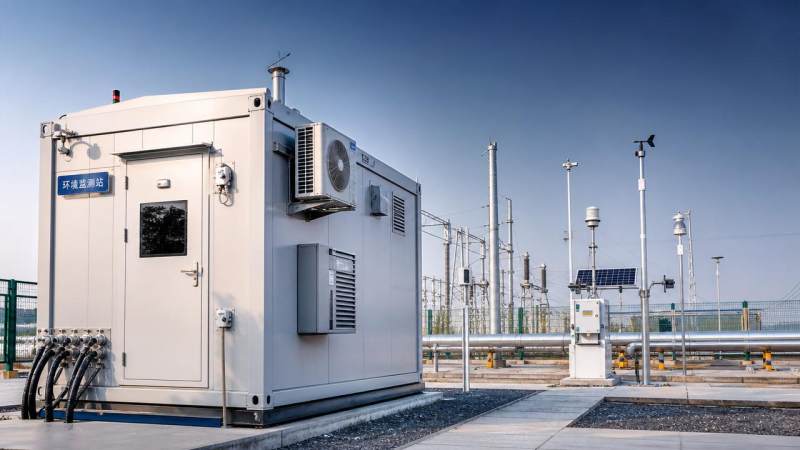
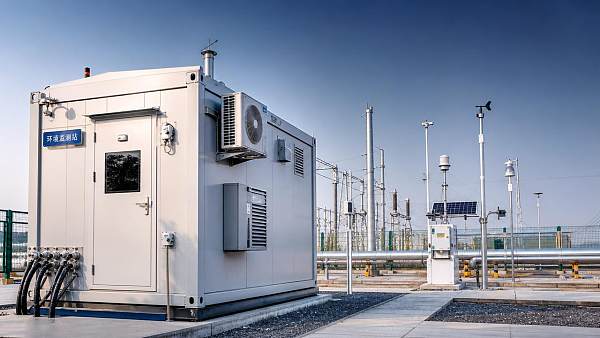
A monitoring shelter is an enclosed, field-installed structure that protects instruments, analyzers, control panels, communication devices, and support utilities used for continuous measurement and monitoring. In the instrumentation industry, it often serves as the operating environment for sensitive systems such as gas analyzers, water quality monitors, flow metering skids, calibration equipment, data loggers, and industrial online monitoring devices.
Its design matters because many monitoring instruments cannot deliver stable results if the surrounding environment is uncontrolled. Temperature swings may shift calibration. Moisture may damage electronics. Dust and corrosive gases can shorten component life. In remote outdoor installations, a weak shelter design also increases maintenance time, creates safety concerns, and raises the risk of unplanned shutdowns.
A well-designed monitoring shelter acts as a controlled interface between harsh site conditions and precision equipment. It supports instrument accuracy, improves technician efficiency, and reduces total ownership cost. In sectors where data drives compliance, process control, environmental reporting, or safety decisions, shelter quality is directly linked to project reliability.
Which monitoring shelter design priorities should come first in outdoor projects?
The first priority is environmental protection matched to the actual site. That means understanding not only weather averages but also peak temperatures, solar load, wind-driven rain, dust levels, snow load, flooding risk, and corrosive exposure. A monitoring shelter for a desert solar field will need different thermal and sealing strategies than one installed at a coastal wastewater station or on a mining site.
The second priority is internal climate control. Instruments may require narrow operating ranges for temperature and humidity. Insulation, HVAC sizing, ventilation paths, heat rejection, and condensation control should be considered as a single system. Oversized cooling can waste energy, but undersized capacity can lead to data drift, analyzer faults, or shortened electronic life.
Third, power quality and continuity should be treated as core design elements, not optional upgrades. A monitoring shelter often contains devices that are sensitive to voltage fluctuations, outages, and grounding problems. Surge protection, UPS backup, clean panel layout, cable segregation, and reliable earthing all support stable operation.
Fourth, prioritize layout and maintainability. Outdoor shelters are frequently visited under difficult conditions, so technicians need clear access to panels, analyzers, calibration ports, sample conditioning systems, and spare parts. Good access reduces service time and lowers the chance of errors during inspections or emergency work.
- Site-specific environmental protection
- Stable thermal and humidity control
- Power reliability and electrical safety
- Accessible internal layout for maintenance
- Structural durability and lifecycle cost control
How do you match a monitoring shelter to different application scenarios?
Not every monitoring shelter should be designed to the same template. Application context changes the design balance. In environmental monitoring, shelter priorities often include analyzer stability, sample line management, and uninterrupted data logging for compliance reporting. In power and energy facilities, electromagnetic compatibility, secure communications, and reliable backup power can become more critical. In industrial process areas, hazardous gas exposure, vibration, or corrosive atmospheres may drive material selection and safety features.
Construction and civil engineering sites may need temporary or semi-permanent shelters that are easier to relocate, while long-life industrial plants usually benefit from more robust structures with higher insulation performance and stronger mechanical protection. Laboratory-related field applications may require cleaner internal conditions and tighter temperature control for calibration-sensitive equipment.
The most effective approach is to classify the outdoor site by operating risk, data criticality, maintenance frequency, and expected service life. This helps determine whether the monitoring shelter should emphasize ruggedization, thermal precision, modular expansion, or lower installation cost. Design decisions become clearer when the shelter is treated as part of the measurement system rather than a simple building enclosure.
A practical way to define application fit
How can you evaluate structural, electrical, and maintenance requirements before installation?
A strong monitoring shelter design review should cover three linked dimensions: structure, utilities, and service access. Structurally, the shelter must withstand transport stress, lifting, placement conditions, wind load, and roof loading. Material selection should match environmental exposure. Coated steel, stainless steel, aluminum, or composite options each offer different trade-offs in corrosion resistance, weight, repairability, and budget.
On the electrical side, confirm incoming supply quality, load estimates, HVAC demand, future spare capacity, and safety isolation needs. Monitoring instruments, analyzers, and control systems can be affected by poor panel segregation or weak grounding design. Clear separation between power, signal, and communication cabling reduces interference and simplifies troubleshooting later.
Maintenance planning should begin before fabrication. Door opening clearances, internal aisle space, lighting, cable labeling, filter replacement access, and calibration workflow all influence operating efficiency. If a technician must remove multiple panels to reach one service point, the monitoring shelter may technically function but still perform poorly in daily use.
It is also useful to create a pre-installation checklist covering foundation readiness, drainage, entry points for cables and sample lines, HVAC commissioning steps, and acceptance criteria for temperature stability. This reduces late project changes and supports smoother startup.
What are the most common monitoring shelter mistakes and hidden risks?
One common mistake is selecting a monitoring shelter based mainly on external dimensions or purchase price. Low initial cost can be misleading if the shelter lacks insulation, proper sealing, corrosion resistance, or serviceable internal layout. The result is often higher energy use, more frequent maintenance, and earlier replacement of sensitive equipment.
Another risk is underestimating internal heat load. Monitoring systems often expand over time, adding analyzers, network devices, or auxiliary power components. If cooling capacity and airflow planning are too narrow, the shelter may perform well at startup but struggle after modest upgrades.
Condensation is also frequently overlooked. Even where average temperatures seem manageable, rapid day-night swings or humid air infiltration can create moisture inside enclosures and instrument tubing. That can affect electronics, optics, and calibration stability. Similarly, cable entry points that are not sealed correctly can allow water, dust, or pests to enter.
A final hidden issue is poor coordination between disciplines. Civil, electrical, instrumentation, and operations teams may each optimize a different part of the project, but the monitoring shelter succeeds only when all interfaces are reviewed together. Many outdoor performance problems are not product failures; they are integration failures.
How should cost, timeline, and long-term value influence monitoring shelter decisions?
The best monitoring shelter decision is rarely the cheapest or the most complex option. It is the one that aligns capital cost with required reliability, operating conditions, and service life. For short-duration projects, modular and simplified shelter solutions may deliver better value. For permanent installations supporting continuous compliance, process optimization, or critical alarms, investing in stronger thermal control, electrical resilience, and maintainability usually pays back over time.
Timeline pressure should not eliminate design review. Standardized shelters can reduce lead time, but site customization still matters. A faster build that ignores drainage, access, or cooling needs may create delays later through rework or unstable startup. In many cases, front-end clarification is the most effective schedule protection.
Lifecycle thinking is especially important in the instrumentation industry because data quality has downstream consequences. Unreliable field housing can lead to false readings, repeat visits, delayed reporting, and avoidable equipment damage. When comparing options, include maintenance labor, power consumption, expected upgrade path, and downtime exposure rather than focusing only on fabrication price.
Quick FAQ and decision guide
Setting clear monitoring shelter design priorities helps outdoor projects perform more consistently from installation through long-term operation. The most dependable results come from balancing environmental protection, internal climate control, power quality, safe maintenance access, and lifecycle cost. Before finalizing a shelter plan, review site conditions, instrument sensitivity, utility constraints, and expected future expansion together. That step creates a more practical specification, reduces field risk, and supports accurate monitoring where it matters most.
Recommended for You
 FDA Updates IVD Import Guidance: CNAS Calibration Chain Required for China-Made DevicesFDA now requires CNAS calibration chain reports for China-made IVD analyzers—pH, ion & clinical chemistry devices entering via 510(k)/De Novo. Act now to avoid U.S. port rejections.
 EN 61000-6-4:2026 Enters Force: Stricter EMC Requirements for Industrial Field InstrumentsEN 61000-6-4:2026 enforces stricter EMC requirements for industrial field instruments—key for AI edge controllers, sensors & exporters. Act now to ensure CE-EMC compliance by Nov 2026.
 Global Methanol Electric Alliance Launches Cross-Border Energy Efficiency Recognition RoadmapGlobal Methanol Electric Alliance launches cross-border energy efficiency recognition roadmap—key for exporters, cal labs & methanol-instrument manufacturers.
 Red Sea Crisis Escalates: Air Freight Premiums for China–Middle East Industrial Instruments Hit 390%Red Sea Crisis hits industrial instruments: China–Middle East air freight premiums surge 390%. Act now to secure Q3 capacity, avoid delays & optimize LCL alternatives.
 IEC TC65 Mandates Cybersecurity Certification for Industrial Field Instruments from 2027IEC TC65 mandates cybersecurity certification for industrial field instruments by 2027 — pressure, flow & analytical devices must meet IEC 62443-4-2:2026 and display SL1–SL3 labels. Act now to ensure market access.
 SASO Cuts Energy Labeling Turnaround for Industrial Transmitters to 7 Working DaysSASO Energy Labeling now takes just 7 working days for industrial transmitters — faster market access, CNAS reports accepted. Act now!
 PTB Launches CalCloud 2.0 with Direct CNAS Lab IntegrationCalCloud 2.0 now integrates directly with CNAS labs—enabling automated VDA 5 & ISO/IEC 17025 dual-compliant calibration reports for automotive and industrial exporters. Boost compliance efficiency today!
 ASEAN's Green Clearance Corridor for CNAS Calibration Reports LaunchesASEAN's Green Clearance Corridor now verifies CNAS calibration reports via blockchain—cut customs clearance to <48h for flow meters, analyzers & more. Act now!
 Vietnam Mandates CNAS Calibration Certificates & Vietnamese Manuals for Industrial Meters from June 1, 2026CNAS calibration certificates & Vietnamese manuals now mandatory for industrial meters entering Vietnam from June 1, 2026—avoid customs delays and ensure seamless market access.
 U.S. BIS Tightens Export Controls on High-Precision Laser InterferometersU.S. BIS tightens export controls on high-precision laser interferometers—critical for semiconductor metrology & ISO/IEC 17025 calibration. Act now to ensure compliance.
 Paramagnetic Monitor Calibration Tips for Stable OutputParamagnetic monitor calibration tips for stable output: learn how to reduce drift, improve accuracy, cut downtime, and keep oxygen measurement reliable in demanding industrial applications.
 Paramagnetic Measurement in Low-Oxygen Process ControlParamagnetic measurement enables accurate low-oxygen process control with fast response and stable oxygen analysis. Learn how it improves safety, consistency, and system performance.
 Laser Detector Import Risks and Certification DelaysLaser detector import risks can cause costly certification delays, customs issues, and testing setbacks. Learn how to avoid compliance failures before ordering.
 Explosion Proof Detector Demand Under New Safety RulesExplosion proof detector demand is rising under new safety rules. Discover how to compare certified, reliable options that improve compliance, integration, and long-term site safety.
 Laboratory Detector Accuracy Standards You Should CheckLaboratory detector accuracy standards explained: check detection limits, repeatability, drift, and traceability to reduce risk, improve audit readiness, and choose with confidence.
 Custom Measurement Lead Times and Budget PlanningCustom measurement lead times and budgets explained for procurement teams. Learn key cost drivers, planning steps, and supplier tips to reduce delays and buy with confidence.
 Laser Measurement for Leak Detection: Common PitfallsLaser measurement for leak detection can fail due to setup, airflow, and data interpretation errors. Learn the common pitfalls and proven fixes for more accurate, reliable results.
 How to Evaluate a High Accuracy Detector in the FieldHigh accuracy detector evaluation starts with real field performance. Learn how to compare stability, response time, and reliability to choose the right detector with confidence.
 Electrochemical Monitor Lifespan and Replacement CostsElectrochemical monitor lifespan and replacement costs explained for buyers. Learn how sensor life, maintenance, and total ownership cost affect safer, smarter purchasing decisions.
 Thermal Analysis Market Direction in Process IndustriesThermal analysis market direction in process industries: discover trends, applications, and investment insights that improve quality control, reduce risk, and support smarter industrial decisions.
 Monitoring Shelter Design Priorities for Outdoor SitesMonitoring shelter design starts with protection, climate control, and power reliability. Discover how to choose the right outdoor solution for stable data, safer maintenance, and lower lifecycle risk.
 Fixed Measurement Planning for Multi-Point InstallationsFixed measurement planning is essential for multi-point installations. Learn how to improve accuracy, reliability, compliance, and maintenance efficiency across complex industrial systems.
 Fixed Analysis Systems for Stable Long-Term MonitoringFixed analysis systems enable stable long-term monitoring, reliable data, and better process control. Discover how they improve safety, compliance, and operational efficiency.
 Thermal Gas Applications Expanding in Clean IndustryThermal gas applications are reshaping clean industry with smarter flow measurement, emissions control, and energy optimization. Discover where they cut risk, boost efficiency, and support automation.
 Monitoring Detector Export Rules to Watch in 2026Monitoring detector export rules are changing fast in 2026. Learn the key compliance risks, supplier checks, and trade signals to protect margins and make smarter sourcing decisions.
 Control Detector Setup Mistakes That Affect ReliabilityControl detector setup mistakes can quietly reduce accuracy and uptime. Learn the most common installation, wiring, and calibration errors—and how to avoid them for reliable performance.
 What Defines a High Accuracy Monitor TodayHigh accuracy monitor selection starts with real-world performance. Learn the key accuracy factors, buyer checklist, and how to choose a reliable monitor for industrial control.
 Infrared Monitor Demand in Industrial Safety UpgradesInfrared monitor demand is rising as industrial safety upgrades accelerate. Discover where buyers need it most, how channel partners can sell smarter, and which applications drive long-term growth.
 Thermal Conductivity Monitor Limits in Mixed Gas StreamsThermal conductivity monitor limits in mixed gas streams explained—learn where accuracy drops, what buyers should compare, and how to choose the right analyzer with confidence.
 Laser Monitor vs Infrared Monitor for Fast DetectionLaser monitor vs infrared monitor for fast detection: discover which delivers better precision, response speed, and reliability for industrial monitoring and smarter sensor selection.
 Thermal Gas Analyzer Price Shifts Across Global MarketsThermal gas analyzer price shifts are reshaping global budgets. Learn what drives costs, regional differences, and how buyers can reduce risk and improve long-term value.
 Custom Analysis Options for Complex Gas ApplicationsCustom analysis helps solve complex gas applications with better accuracy, compliance, and reliability. Discover practical selection insights that reduce risk and improve system performance.










Search Categories
Search Categories
Latest Article
- FDA Updates IVD Import Guidance: CNAS Calibration Chain Required for China-Made DevicesFDA now requires CNAS calibration chain reports for China-made IVD analyzers—pH, ion & clinical chemistry devices entering via 510(k)/De Novo. Act now to avoid U.S. port rejections.Posted by:
- EN 61000-6-4:2026 Enters Force: Stricter EMC Requirements for Industrial Field InstrumentsEN 61000-6-4:2026 enforces stricter EMC requirements for industrial field instruments—key for AI edge controllers, sensors & exporters. Act now to ensure CE-EMC compliance by Nov 2026.Posted by:
- Global Methanol Electric Alliance Launches Cross-Border Energy Efficiency Recognition RoadmapGlobal Methanol Electric Alliance launches cross-border energy efficiency recognition roadmap—key for exporters, cal labs & methanol-instrument manufacturers.Posted by:
Please give us a message
