
Thermal Gas Applications Expanding in Clean Industry


As clean industry accelerates worldwide, thermal gas applications are moving from a niche engineering topic to a practical priority across production, energy, environmental control, and automated process systems. In the instrumentation industry, thermal gas technologies support accurate flow measurement, combustion optimization, leak detection, process monitoring, and emissions management. Their value lies not only in data accuracy, but also in helping industrial systems run more safely, efficiently, and intelligently. For organizations planning upgrades in industrial automation, digital monitoring, and low-carbon operations, understanding where thermal gas fits into modern systems can improve investment quality and reduce long-term operating risk.
What does thermal gas mean in clean industry applications?
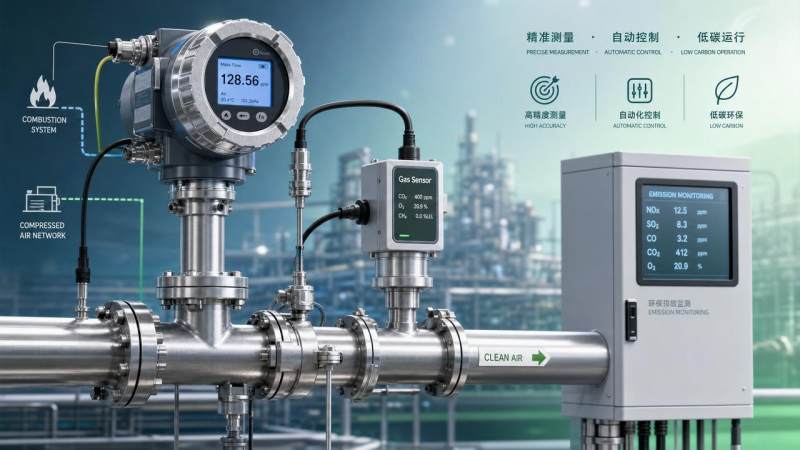
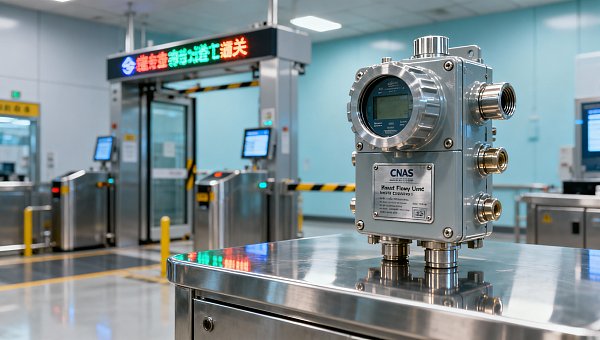
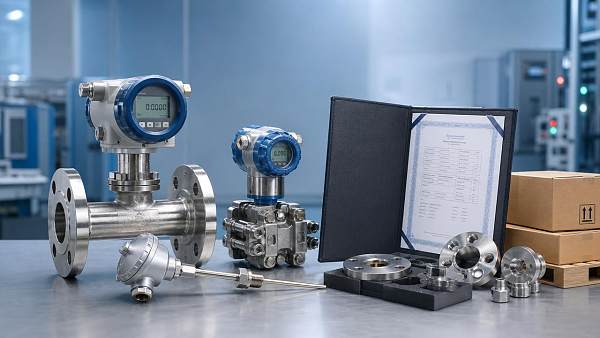
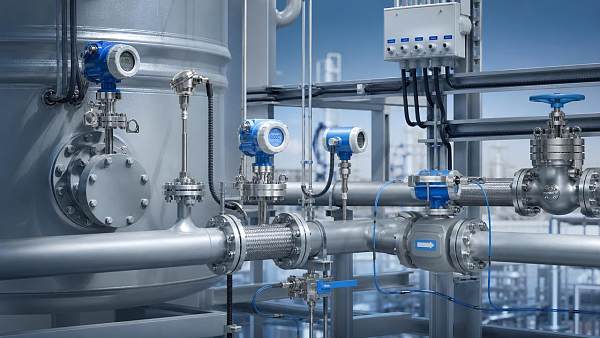
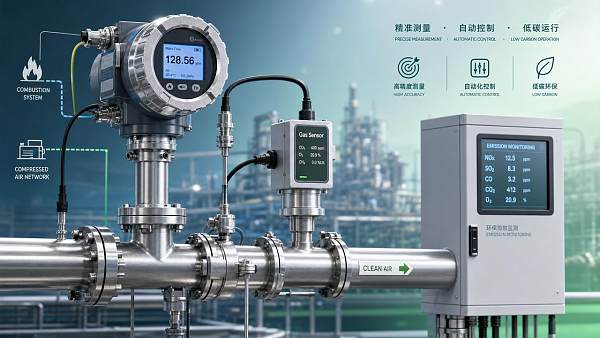
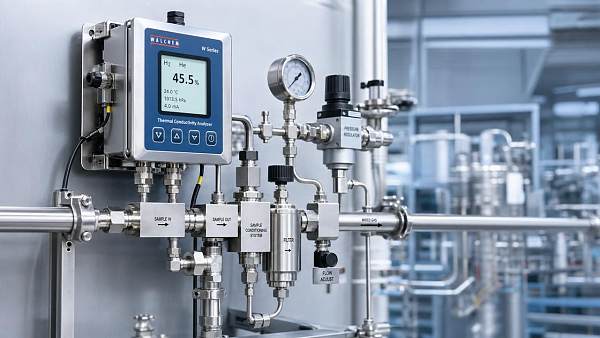
In industrial practice, thermal gas usually refers to gas-related measurement or control methods based on thermal principles. The most common example is thermal mass flow technology, where heat transfer is used to determine gas flow rate. When gas moves through a sensor, it changes the heat balance around the sensing element, and the instrument converts that response into a measurable signal. This makes thermal gas systems especially useful in applications that require direct mass flow measurement without complicated pressure and temperature compensation.
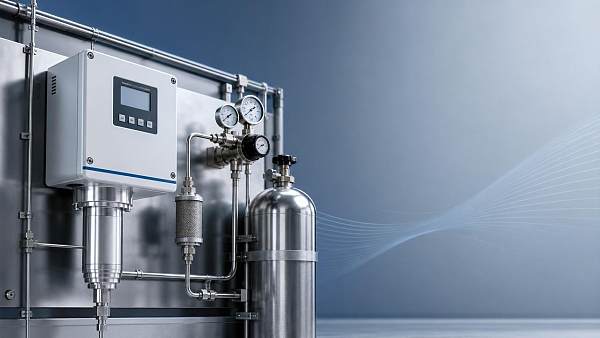
In clean industry, this matters because many important processes depend on stable gas behavior. Air supply in combustion systems, nitrogen blanketing, compressed air monitoring, biogas management, flare gas observation, ventilation balance, and exhaust stream control all require reliable gas measurement. Instrumentation built for thermal gas service can provide continuous data for control systems, laboratory verification, and industrial online monitoring.
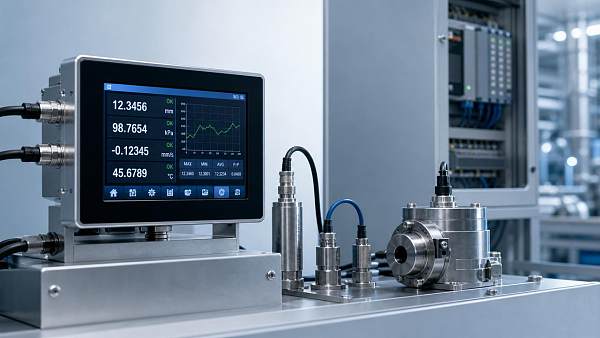
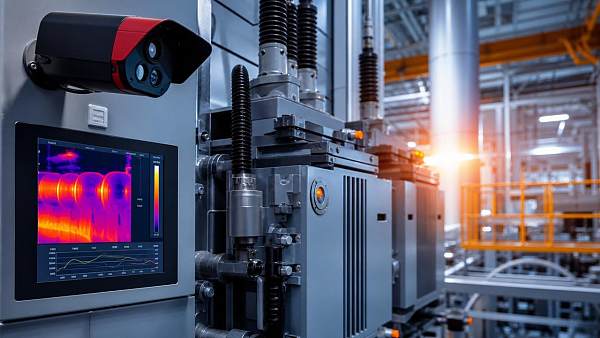
The term also connects to a larger modernization trend. As factories and utilities move toward smarter control architectures, thermal-based gas instruments are increasingly linked with PLC, DCS, SCADA, and cloud platforms. This allows gas data to support predictive maintenance, energy benchmarking, and environmental reporting rather than remaining isolated at the device level.
Why are thermal gas applications expanding so quickly now?
The growth of thermal gas applications is tied to three industrial pressures: higher energy costs, stricter emissions standards, and the need for more stable automated processes. In the past, some gas streams were measured less precisely because the cost of instrumentation seemed higher than the perceived benefit. That calculation is changing. A small error in gas flow can now affect fuel efficiency, product quality, emissions compliance, and maintenance schedules.
Another reason is that clean industry relies on better visibility into utility and process consumption. Thermal gas flow meters and sensors are often chosen for low-flow sensitivity, wide turndown capability, and suitability for dry, clean, or mixed gas services. These characteristics make them useful in energy management programs, especially where compressed air, process gas, or ventilation gas needs to be tracked continuously.
Expansion is also being driven by the instrumentation sector’s digital transformation. Modern thermal gas solutions can be integrated into broader measurement and control strategies that include temperature, pressure, composition analysis, calibration, and industrial online monitoring. That integration improves not only process control but also audit readiness, fault tracing, and remote diagnostics.
- Energy optimization in boilers, burners, and thermal process equipment
- Emissions reduction through improved air-fuel balance and exhaust control
- Leak detection and utility monitoring in compressed air and gas networks
- Data-driven automation in cleanrooms, laboratories, and ventilation systems
- Support for ESG reporting and environmental compliance records
Where is thermal gas most useful across the broader industrial landscape?
Because the instrumentation industry serves multiple sectors, thermal gas applications now appear in far more than traditional manufacturing. In energy and power systems, they are used to monitor combustion air, fuel gas, purge gas, and emissions-related flow. In environmental monitoring, they help track treatment gas, landfill gas, methane-related streams, and ventilation exhaust. In laboratories and medical-adjacent testing environments, thermal gas control can support analytical equipment, carrier gas management, and process consistency.
Construction engineering and building automation also use thermal gas methods in HVAC balancing, fresh air control, and smoke management systems. Meanwhile, industrial manufacturing applies them in semiconductor-related utilities, chemical dosing support, inert gas blanketing, heat treatment, and drying operations. Their expanding footprint reflects a simple fact: gas behavior affects safety, quality, and energy use in almost every modern industrial system.
A useful way to evaluate application fit is to ask whether the gas stream is central to process performance or compliance. If the answer is yes, thermal-based measurement often deserves closer consideration.
How should thermal gas solutions be evaluated against other gas measurement methods?
Not every gas application should automatically use thermal gas technology. Good selection depends on gas composition, pressure range, moisture content, pipe size, flow profile, installation conditions, and required accuracy. Compared with differential pressure, vortex, or ultrasonic methods, thermal gas instruments may offer advantages in low-flow sensitivity and direct mass flow reading, but they can also be influenced by composition changes or contamination if the application is not matched correctly.
A careful evaluation should include both process and lifecycle factors. Process factors include whether the gas is clean or dirty, stable or variable, dry or humid, and whether the flow is steady or pulsing. Lifecycle factors include calibration frequency, sensor access, diagnostics, spare parts, communication protocol, and integration into existing automation control systems.
Quick comparison checklist
- Choose thermal gas when direct gas mass flow insight is more valuable than inferred flow estimates.
- Verify gas composition stability before finalizing sensor calibration.
- Review contamination risk in wet, particulate-heavy, or corrosive streams.
- Check turndown needs for startup, idle, and peak load conditions.
- Confirm digital output and diagnostics compatibility with plant systems.
The best decision often comes from treating measurement as part of a system rather than a standalone device purchase. In the instrumentation field, flow data gains much more value when connected with pressure, temperature, gas analysis, control logic, and calibration records.
What common risks or misconceptions affect thermal gas implementation?
One common misconception is that any gas line can use the same thermal gas setup with minimal adjustment. In reality, thermal response depends heavily on gas properties. A meter calibrated for one gas mixture may produce misleading results if the composition changes significantly. This is especially important in blended fuels, waste gas, flare-related streams, and variable process exhaust.
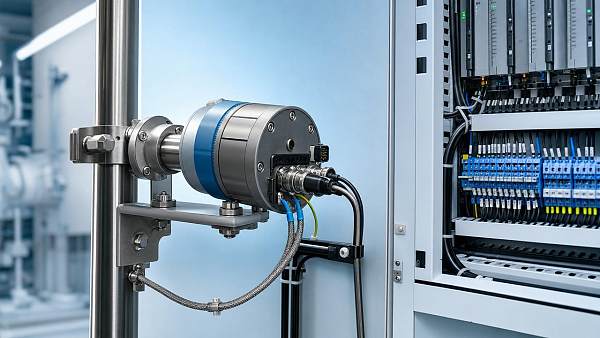
Another mistake is underestimating installation quality. Poor upstream flow conditions, inadequate straight run, vibration, thermal shock, or wrong insertion depth can reduce accuracy. Some users also focus only on purchase price and overlook maintenance access, recalibration planning, and data validation needs. In clean industry settings, an instrument that cannot support audits or trend analysis may become more expensive over time than a higher-quality option selected at the start.
There is also a risk of treating thermal gas data as a passive reading rather than an operational signal. The real value appears when measurements trigger action: leak repair, burner tuning, ventilation balancing, alarm thresholds, or process optimization. Without that closed-loop mindset, the benefit of the technology remains underused.
What should be considered for cost, implementation timeline, and future readiness?
The cost of a thermal gas solution should be judged by total operational impact, not only by device price. A well-applied instrument can reduce fuel waste, cut compressed air loss, improve environmental records, and shorten troubleshooting time. These benefits often offset initial investment through lower utility consumption and more stable production performance.
Implementation timelines vary depending on installation complexity. Clamp-on or insertion approaches may shorten downtime in some projects, while integrated control upgrades take longer because they involve I/O mapping, software configuration, alarm strategy, and verification. For this reason, planning should include site assessment, gas property review, calibration confirmation, communications testing, and operator training.
Future readiness matters as much as present need. The most valuable thermal gas investments support remote diagnostics, historical trend analysis, and compatibility with broader digital infrastructure. As industrial systems continue moving toward intelligent upgrading, instruments that feed reliable gas data into analytics and control platforms will deliver more strategic value than isolated devices.
Practical decision guide
The expansion of thermal gas in clean industry reflects a broader shift in how industrial performance is managed: with better measurement, tighter control, and stronger visibility across energy, safety, and compliance. For any operation reviewing gas-intensive processes, the next step is to identify where inaccurate or missing gas data creates cost, risk, or uncertainty. From there, compare application conditions, integration needs, and lifecycle support requirements before selecting a solution. A well-planned thermal gas strategy can become a practical foundation for cleaner, smarter, and more resilient industrial systems.
Recommended for You
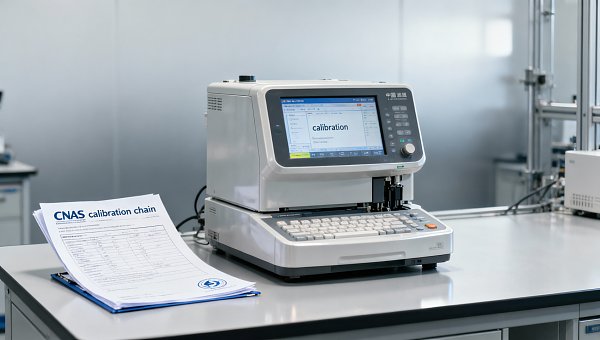
 FDA Updates IVD Import Guidance: CNAS Calibration Chain Required for China-Made DevicesFDA now requires CNAS calibration chain reports for China-made IVD analyzers—pH, ion & clinical chemistry devices entering via 510(k)/De Novo. Act now to avoid U.S. port rejections.
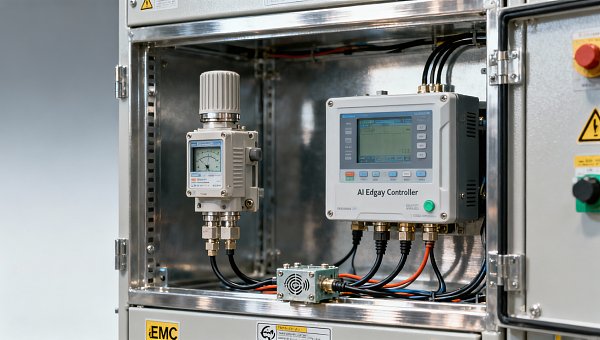
 EN 61000-6-4:2026 Enters Force: Stricter EMC Requirements for Industrial Field InstrumentsEN 61000-6-4:2026 enforces stricter EMC requirements for industrial field instruments—key for AI edge controllers, sensors & exporters. Act now to ensure CE-EMC compliance by Nov 2026.
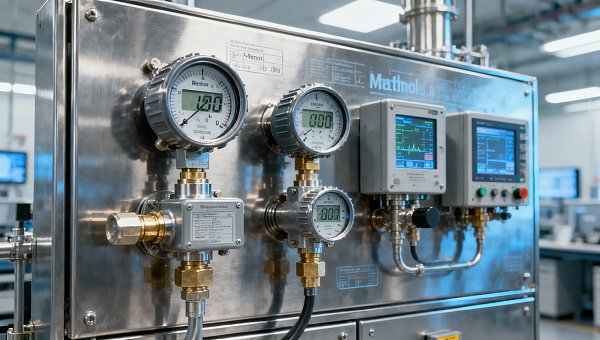
 Global Methanol Electric Alliance Launches Cross-Border Energy Efficiency Recognition RoadmapGlobal Methanol Electric Alliance launches cross-border energy efficiency recognition roadmap—key for exporters, cal labs & methanol-instrument manufacturers.
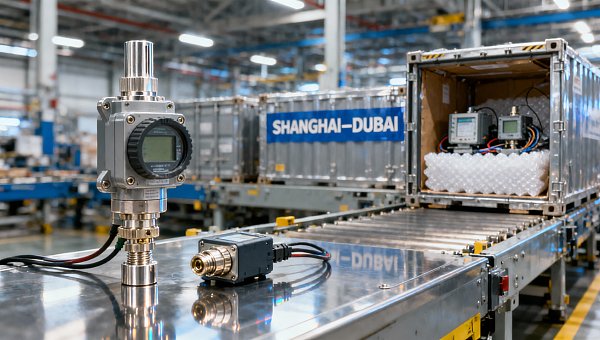
 Red Sea Crisis Escalates: Air Freight Premiums for China–Middle East Industrial Instruments Hit 390%Red Sea Crisis hits industrial instruments: China–Middle East air freight premiums surge 390%. Act now to secure Q3 capacity, avoid delays & optimize LCL alternatives.
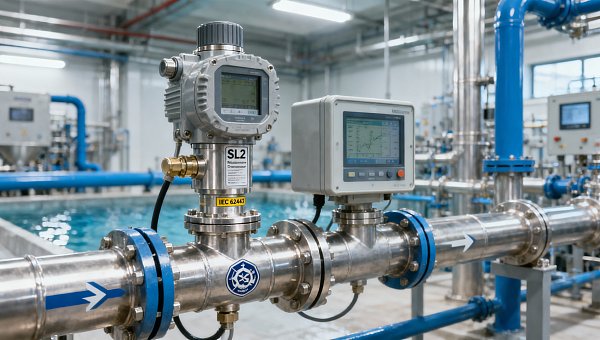
 IEC TC65 Mandates Cybersecurity Certification for Industrial Field Instruments from 2027IEC TC65 mandates cybersecurity certification for industrial field instruments by 2027 — pressure, flow & analytical devices must meet IEC 62443-4-2:2026 and display SL1–SL3 labels. Act now to ensure market access.
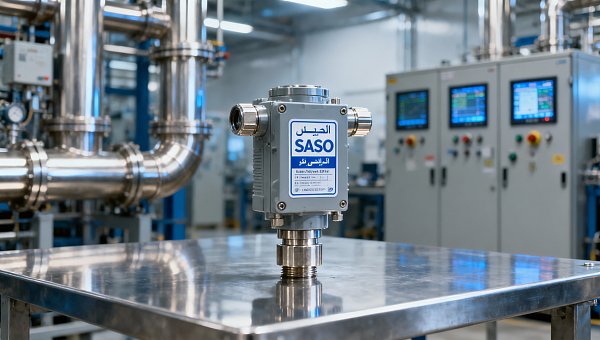
 SASO Cuts Energy Labeling Turnaround for Industrial Transmitters to 7 Working DaysSASO Energy Labeling now takes just 7 working days for industrial transmitters — faster market access, CNAS reports accepted. Act now!
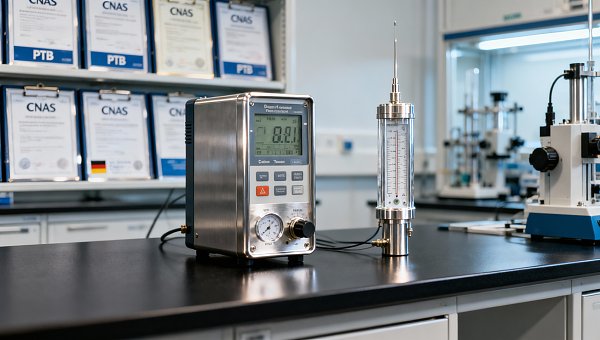
 PTB Launches CalCloud 2.0 with Direct CNAS Lab IntegrationCalCloud 2.0 now integrates directly with CNAS labs—enabling automated VDA 5 & ISO/IEC 17025 dual-compliant calibration reports for automotive and industrial exporters. Boost compliance efficiency today!
 ASEAN's Green Clearance Corridor for CNAS Calibration Reports LaunchesASEAN's Green Clearance Corridor now verifies CNAS calibration reports via blockchain—cut customs clearance to <48h for flow meters, analyzers & more. Act now!
 Vietnam Mandates CNAS Calibration Certificates & Vietnamese Manuals for Industrial Meters from June 1, 2026CNAS calibration certificates & Vietnamese manuals now mandatory for industrial meters entering Vietnam from June 1, 2026—avoid customs delays and ensure seamless market access.
 U.S. BIS Tightens Export Controls on High-Precision Laser InterferometersU.S. BIS tightens export controls on high-precision laser interferometers—critical for semiconductor metrology & ISO/IEC 17025 calibration. Act now to ensure compliance.
 Paramagnetic Monitor Calibration Tips for Stable OutputParamagnetic monitor calibration tips for stable output: learn how to reduce drift, improve accuracy, cut downtime, and keep oxygen measurement reliable in demanding industrial applications.
 Paramagnetic Measurement in Low-Oxygen Process ControlParamagnetic measurement enables accurate low-oxygen process control with fast response and stable oxygen analysis. Learn how it improves safety, consistency, and system performance.
 Laser Detector Import Risks and Certification DelaysLaser detector import risks can cause costly certification delays, customs issues, and testing setbacks. Learn how to avoid compliance failures before ordering.
 Explosion Proof Detector Demand Under New Safety RulesExplosion proof detector demand is rising under new safety rules. Discover how to compare certified, reliable options that improve compliance, integration, and long-term site safety.
 Laboratory Detector Accuracy Standards You Should CheckLaboratory detector accuracy standards explained: check detection limits, repeatability, drift, and traceability to reduce risk, improve audit readiness, and choose with confidence.
 Custom Measurement Lead Times and Budget PlanningCustom measurement lead times and budgets explained for procurement teams. Learn key cost drivers, planning steps, and supplier tips to reduce delays and buy with confidence.
 Laser Measurement for Leak Detection: Common PitfallsLaser measurement for leak detection can fail due to setup, airflow, and data interpretation errors. Learn the common pitfalls and proven fixes for more accurate, reliable results.
 How to Evaluate a High Accuracy Detector in the FieldHigh accuracy detector evaluation starts with real field performance. Learn how to compare stability, response time, and reliability to choose the right detector with confidence.
 Electrochemical Monitor Lifespan and Replacement CostsElectrochemical monitor lifespan and replacement costs explained for buyers. Learn how sensor life, maintenance, and total ownership cost affect safer, smarter purchasing decisions.
 Thermal Analysis Market Direction in Process IndustriesThermal analysis market direction in process industries: discover trends, applications, and investment insights that improve quality control, reduce risk, and support smarter industrial decisions.
 Monitoring Shelter Design Priorities for Outdoor SitesMonitoring shelter design starts with protection, climate control, and power reliability. Discover how to choose the right outdoor solution for stable data, safer maintenance, and lower lifecycle risk.
 Fixed Measurement Planning for Multi-Point InstallationsFixed measurement planning is essential for multi-point installations. Learn how to improve accuracy, reliability, compliance, and maintenance efficiency across complex industrial systems.
 Fixed Analysis Systems for Stable Long-Term MonitoringFixed analysis systems enable stable long-term monitoring, reliable data, and better process control. Discover how they improve safety, compliance, and operational efficiency.
 Thermal Gas Applications Expanding in Clean IndustryThermal gas applications are reshaping clean industry with smarter flow measurement, emissions control, and energy optimization. Discover where they cut risk, boost efficiency, and support automation.
 Monitoring Detector Export Rules to Watch in 2026Monitoring detector export rules are changing fast in 2026. Learn the key compliance risks, supplier checks, and trade signals to protect margins and make smarter sourcing decisions.
 Control Detector Setup Mistakes That Affect ReliabilityControl detector setup mistakes can quietly reduce accuracy and uptime. Learn the most common installation, wiring, and calibration errors—and how to avoid them for reliable performance.
 What Defines a High Accuracy Monitor TodayHigh accuracy monitor selection starts with real-world performance. Learn the key accuracy factors, buyer checklist, and how to choose a reliable monitor for industrial control.
 Infrared Monitor Demand in Industrial Safety UpgradesInfrared monitor demand is rising as industrial safety upgrades accelerate. Discover where buyers need it most, how channel partners can sell smarter, and which applications drive long-term growth.
 Thermal Conductivity Monitor Limits in Mixed Gas StreamsThermal conductivity monitor limits in mixed gas streams explained—learn where accuracy drops, what buyers should compare, and how to choose the right analyzer with confidence.
 Laser Monitor vs Infrared Monitor for Fast DetectionLaser monitor vs infrared monitor for fast detection: discover which delivers better precision, response speed, and reliability for industrial monitoring and smarter sensor selection.
 Thermal Gas Analyzer Price Shifts Across Global MarketsThermal gas analyzer price shifts are reshaping global budgets. Learn what drives costs, regional differences, and how buyers can reduce risk and improve long-term value.
 Custom Analysis Options for Complex Gas ApplicationsCustom analysis helps solve complex gas applications with better accuracy, compliance, and reliability. Discover practical selection insights that reduce risk and improve system performance.
Search Categories
Search Categories
Latest Article
- FDA Updates IVD Import Guidance: CNAS Calibration Chain Required for China-Made DevicesFDA now requires CNAS calibration chain reports for China-made IVD analyzers—pH, ion & clinical chemistry devices entering via 510(k)/De Novo. Act now to avoid U.S. port rejections.Posted by:
- EN 61000-6-4:2026 Enters Force: Stricter EMC Requirements for Industrial Field InstrumentsEN 61000-6-4:2026 enforces stricter EMC requirements for industrial field instruments—key for AI edge controllers, sensors & exporters. Act now to ensure CE-EMC compliance by Nov 2026.Posted by:
- Global Methanol Electric Alliance Launches Cross-Border Energy Efficiency Recognition RoadmapGlobal Methanol Electric Alliance launches cross-border energy efficiency recognition roadmap—key for exporters, cal labs & methanol-instrument manufacturers.Posted by:
Please give us a message
