
Thermal Gas Analyzer Price Shifts Across Global Markets


Thermal gas analyzer pricing is shifting across global markets as supply chains, compliance standards, energy costs, and regional demand continue to evolve. For financial decision-makers, understanding these price movements is essential to controlling procurement budgets, reducing investment risk, and improving long-term asset value. This article examines how the thermal gas analyzer market is changing and what buyers should consider before approving new instrumentation spending.
What Financial Approvers Need to Know First About Thermal Gas Analyzer Pricing
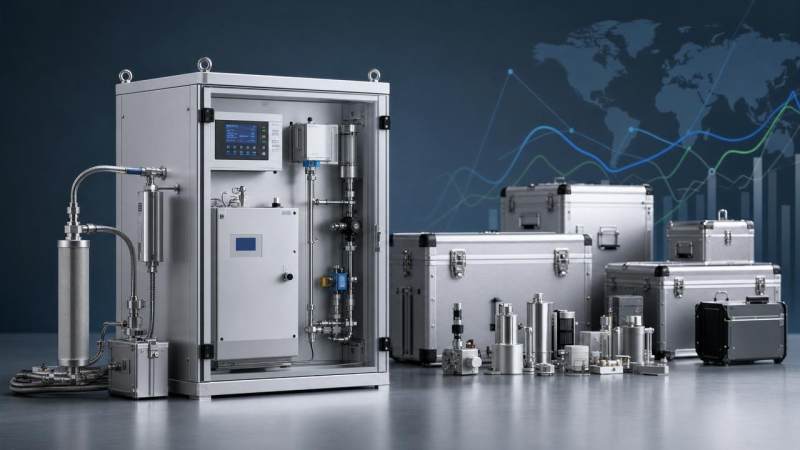
The core search intent behind “thermal gas analyzer price shifts across global markets” is not simply to find a list price. Finance-led buyers usually want to understand why prices are moving, whether current quotes are reasonable, and how to reduce the risk of overpaying for equipment that must perform reliably for years.
For this audience, the main concern is not only purchase cost. It is total financial exposure. A thermal gas analyzer may represent a modest line item compared with a full process system, but poor buying decisions can create hidden costs in installation delays, calibration burdens, service dependency, compliance issues, and premature replacement.
The most useful way to evaluate the market is to separate short-term price pressure from long-term value. In many regions, unit prices are rising due to component costs, freight volatility, certification requirements, and localized service expectations. At the same time, the spread between low-end and high-spec systems is widening, which means budgeting based on old assumptions is increasingly unreliable.
Overall, the current market favors disciplined buyers. Companies that define application needs clearly, compare regional sourcing models, and evaluate lifecycle economics instead of invoice price alone are in a better position to secure value. Those approving purchases based only on initial quote comparisons face a higher risk of hidden cost escalation later.
Why Thermal Gas Analyzer Prices Are Changing Across Global Markets
Several market forces are pushing thermal gas analyzer pricing in different directions at the same time. The first is supply chain normalization that remains uneven. While some electronic and machined components have stabilized in price, specialty sensors, precision thermal elements, high-grade enclosures, and certified assemblies still face availability constraints in certain markets.
Energy and manufacturing costs also matter more than many buyers expect. Thermal gas analyzer production depends on precision fabrication, electronics integration, test verification, and quality control. Rising electricity, labor, and process gas costs in manufacturing hubs directly affect supplier margins, which are increasingly being passed through to end users.
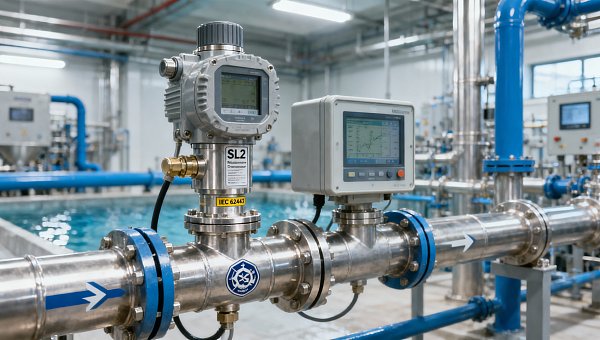
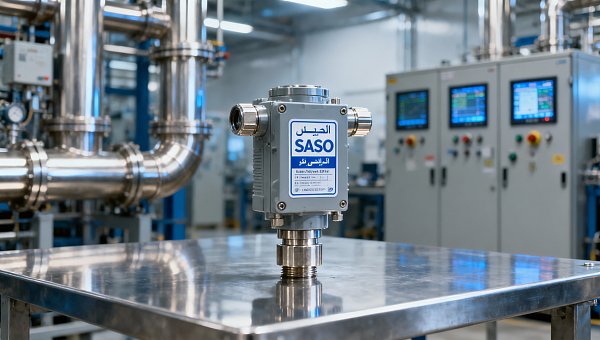
Compliance requirements are another major factor. Buyers in North America, Europe, the Middle East, and some Asia-Pacific markets often need analyzers that meet specific standards for hazardous areas, emissions monitoring, process safety, or laboratory validation. Certification adds engineering, documentation, and testing cost, making compliant units significantly more expensive than standard versions.
Regional demand patterns are reshaping pricing as well. Sectors such as energy, hydrogen, industrial gas production, environmental monitoring, and advanced manufacturing are increasing demand for reliable gas analysis. Where demand rises faster than local supply or technical service capacity, prices tend to firm and lead times often extend.
Currency shifts further complicate the picture. Financial approvers evaluating imported thermal gas analyzer systems may see cost increases driven less by the instrument itself than by exchange-rate movement, duties, logistics premiums, and regional distributor markups. This is especially relevant when comparing quotes across continents or budgeting in volatile currencies.
What Drives the Biggest Price Differences Between Similar-Looking Systems
One of the most common procurement mistakes is assuming that analyzers with similar product descriptions have similar cost structures. In reality, thermal gas analyzer pricing can vary sharply because performance specifications and ownership requirements differ far more than surface-level product naming suggests.
Measurement range and sensitivity are primary cost drivers. Systems designed for basic industrial monitoring may be far less expensive than those built for trace-level measurement, multi-gas compensation, or highly variable process conditions. Greater analytical precision usually means more advanced sensing architecture, tighter production tolerances, and more extensive calibration work.
Application environment also changes price quickly. An analyzer installed in a clean indoor laboratory has different design requirements from one used in a corrosive process area, high-humidity utility zone, or hazardous outdoor location. Protective housing, temperature control, sample conditioning, ingress protection, and explosion-proof certifications all add cost.
Integration scope is another major variable. A standalone analyzer may appear attractively priced, but many real-world deployments require sample handling systems, communication modules, control interfaces, software integration, commissioning support, and operator training. Financial approvers should ask whether the quotation covers only the analyzer or the full usable solution.
After-sales structure matters too. Lower initial pricing may come with limited local service, slower spare parts access, fewer calibration resources, or weaker warranty support. For critical operations, these gaps can convert a cheaper purchase into a more expensive asset over time. Price dispersion often reflects support infrastructure as much as hardware differences.
How Regional Market Conditions Affect Buyer Budgets
Global market pricing does not move in a uniform way. In North America, buyers often face higher costs tied to labor, certification, and service expectations, but they may benefit from stronger local support and shorter response times. For finance teams, this can improve uptime economics even if the purchase price is above offshore alternatives.
In Europe, sustainability standards, industrial compliance, and advanced process requirements can push prices upward, especially in regulated sectors. However, European suppliers may deliver stronger documentation, lifecycle traceability, and application engineering, all of which matter in audited environments or high-consequence industries.
Asia-Pacific presents a wider pricing range. Some buyers can access competitively priced equipment from regional manufacturers, but quality consistency, compliance alignment, and service depth must be checked carefully. For budget holders, the key issue is whether lower acquisition cost is offset by integration complexity or maintenance risk.
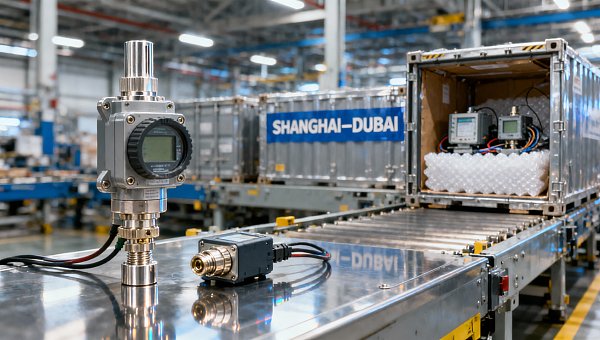
In the Middle East, Africa, and parts of Latin America, logistics, customs processes, distributor dependency, and project-specific certifications can significantly affect final delivered cost. In such markets, the approved budget should include contingency for freight, import charges, and local commissioning support rather than relying on ex-works pricing alone.
For multinational organizations, regional standardization can create a strong financial advantage. Approving a common thermal gas analyzer platform across sites may reduce training, spare parts variation, service contract complexity, and validation effort. Even if unit prices differ by geography, standardization may lower enterprise-wide ownership cost.
How to Evaluate Thermal Gas Analyzer Cost Beyond the Purchase Price
Financial decision-makers should shift from price comparison to cost architecture. A sound approval process reviews five layers: acquisition cost, installation cost, operating cost, maintenance cost, and business risk cost. This framework makes it easier to identify where a lower quote may actually produce a weaker financial result.
Acquisition cost includes more than the instrument itself. It should capture accessories, sample systems, mounting hardware, compliance options, software licenses, factory acceptance testing, and documentation packages. If these items are excluded from the original quote, procurement may face later change orders that distort project budgets.
Installation cost can be substantial, especially in retrofit environments. Electrical work, piping or tubing, enclosures, control integration, and validation activities all affect the real capital requirement. An analyzer that is harder to integrate may trigger more engineering hours than a slightly more expensive but deployment-ready alternative.
Operating and maintenance costs are where many approval decisions succeed or fail. Calibration frequency, consumables, service intervals, replacement parts, and technician availability determine whether a thermal gas analyzer remains a manageable asset or becomes a recurring cost problem. Finance teams should ask suppliers for expected annual maintenance assumptions, not just warranty language.
Business risk cost is often the most overlooked factor. If an analyzer supports emissions compliance, process optimization, product quality, or safety control, downtime has direct financial consequences. Lost production, regulatory exposure, and emergency replacement expenses can outweigh any upfront savings achieved through aggressive price cutting.
Questions Financial Approvers Should Ask Before Signing Off
To make a better decision, finance teams do not need to become technical specialists, but they do need the right questions. First, ask what exactly is included in the quoted thermal gas analyzer scope. A complete answer should identify hardware, certifications, integration items, commissioning, and after-sales support.
Second, ask what assumptions were used in pricing. Is the quote based on standard indoor use, or does the application require hazardous area compliance, special sample handling, or custom calibration? Many price surprises emerge because the first quote reflects a simplified application that does not match actual operating conditions.
Third, request expected total cost of ownership over three to five years. This should include calibration materials, spare parts, routine service, recommended replacements, software or firmware support, and probable lead times for critical components. A serious supplier should be able to discuss these cost elements clearly.
Fourth, ask about delivery risk. Long lead times, export restrictions, single-source components, and weak local inventory can all affect project schedules. A cheaper analyzer that arrives late may delay plant startup, postpone compliance milestones, or create temporary workaround costs elsewhere in the operation.
Fifth, evaluate supplier resilience. Buyers should review local support networks, installed base history, training capability, and financial stability. In a shifting global market, vendor continuity matters. The lowest bid is less attractive if the supplier cannot support the analyzer properly over its useful life.
When a Higher-Priced Thermal Gas Analyzer Can Be the Better Financial Decision
There are clear situations where approving a higher-priced system is financially rational. If the analyzer is tied to a high-value process, regulated reporting, or continuous operations, reliability and service access can carry more economic weight than initial capital savings. The price premium may effectively purchase lower downtime risk.
A more expensive unit may also reduce internal labor costs. Better diagnostics, easier calibration, stronger digital connectivity, and simplified maintenance can lower technician time and improve operational visibility. These benefits may not appear in the equipment quote, but they can materially improve return on investment over several years.
In some cases, higher-priced analyzers also support future flexibility. If a plant expects process changes, tighter reporting standards, or digital integration upgrades, buying a system with room for expansion can prevent early replacement. Finance teams should compare not just current suitability, but upgrade path economics.
The key is to approve premium pricing only where there is a measurable business reason. Higher cost should be justified by risk reduction, compliance certainty, labor efficiency, process performance, or lifecycle extension. Without those links, premium positioning may simply reflect brand pricing rather than genuine value.
A Practical Buying Outlook for the Next Procurement Cycle
Looking ahead, buyers should expect thermal gas analyzer pricing to remain dynamic rather than return to a single stable global baseline. Some component categories may soften, but compliance complexity, regional labor costs, service expectations, and application-specific customization will continue to keep pricing differentiated across markets.
For financial approvers, the most practical strategy is to improve quote discipline. Require detailed scope breakdowns, compare lifecycle cost assumptions, and classify analyzers by operational criticality. Not every purchase requires a premium specification, but every approval should reflect the cost of failure as well as the cost of procurement.
It is also wise to collaborate early with engineering, operations, and maintenance teams. Many avoidable overspending issues begin when finance receives a late-stage request with incomplete technical definition. Cross-functional alignment before vendor selection usually produces more accurate budgets and fewer downstream commercial surprises.
Finally, build market awareness into approval timing. If a project can tolerate flexible procurement windows, it may be possible to negotiate better terms, consolidate orders, or standardize configurations across sites. In a market where price shifts are driven by multiple external factors, planning discipline remains one of the strongest cost-control tools.
Conclusion
Thermal gas analyzer prices are shifting because global supply conditions, compliance demands, regional service models, and industrial demand are changing at the same time. For financial decision-makers, the right response is not to search for the cheapest available quote, but to understand what is driving cost and what risks sit behind each pricing level.
The most effective approvals are based on total value: fit for application, support quality, installation realism, operating cost, and business continuity impact. A well-chosen thermal gas analyzer can protect compliance, stabilize operations, and deliver long-term asset value. A poorly chosen one can create hidden costs that far exceed the original savings.
In short, global price shifts should encourage smarter evaluation, not procurement hesitation. When finance teams use a structured ownership-cost view and ask the right commercial questions, they are far more likely to approve instrumentation investments that make economic sense over the full lifecycle.
Recommended for You
 FDA Updates IVD Import Guidance: CNAS Calibration Chain Required for China-Made DevicesFDA now requires CNAS calibration chain reports for China-made IVD analyzers—pH, ion & clinical chemistry devices entering via 510(k)/De Novo. Act now to avoid U.S. port rejections.
 EN 61000-6-4:2026 Enters Force: Stricter EMC Requirements for Industrial Field InstrumentsEN 61000-6-4:2026 enforces stricter EMC requirements for industrial field instruments—key for AI edge controllers, sensors & exporters. Act now to ensure CE-EMC compliance by Nov 2026.
 Global Methanol Electric Alliance Launches Cross-Border Energy Efficiency Recognition RoadmapGlobal Methanol Electric Alliance launches cross-border energy efficiency recognition roadmap—key for exporters, cal labs & methanol-instrument manufacturers.
 Red Sea Crisis Escalates: Air Freight Premiums for China–Middle East Industrial Instruments Hit 390%Red Sea Crisis hits industrial instruments: China–Middle East air freight premiums surge 390%. Act now to secure Q3 capacity, avoid delays & optimize LCL alternatives.
 IEC TC65 Mandates Cybersecurity Certification for Industrial Field Instruments from 2027IEC TC65 mandates cybersecurity certification for industrial field instruments by 2027 — pressure, flow & analytical devices must meet IEC 62443-4-2:2026 and display SL1–SL3 labels. Act now to ensure market access.
 SASO Cuts Energy Labeling Turnaround for Industrial Transmitters to 7 Working DaysSASO Energy Labeling now takes just 7 working days for industrial transmitters — faster market access, CNAS reports accepted. Act now!
 PTB Launches CalCloud 2.0 with Direct CNAS Lab IntegrationCalCloud 2.0 now integrates directly with CNAS labs—enabling automated VDA 5 & ISO/IEC 17025 dual-compliant calibration reports for automotive and industrial exporters. Boost compliance efficiency today!
 ASEAN's Green Clearance Corridor for CNAS Calibration Reports LaunchesASEAN's Green Clearance Corridor now verifies CNAS calibration reports via blockchain—cut customs clearance to <48h for flow meters, analyzers & more. Act now!
 Vietnam Mandates CNAS Calibration Certificates & Vietnamese Manuals for Industrial Meters from June 1, 2026CNAS calibration certificates & Vietnamese manuals now mandatory for industrial meters entering Vietnam from June 1, 2026—avoid customs delays and ensure seamless market access.
 U.S. BIS Tightens Export Controls on High-Precision Laser InterferometersU.S. BIS tightens export controls on high-precision laser interferometers—critical for semiconductor metrology & ISO/IEC 17025 calibration. Act now to ensure compliance.
 Paramagnetic Monitor Calibration Tips for Stable OutputParamagnetic monitor calibration tips for stable output: learn how to reduce drift, improve accuracy, cut downtime, and keep oxygen measurement reliable in demanding industrial applications.
 Paramagnetic Measurement in Low-Oxygen Process ControlParamagnetic measurement enables accurate low-oxygen process control with fast response and stable oxygen analysis. Learn how it improves safety, consistency, and system performance.
 Laser Detector Import Risks and Certification DelaysLaser detector import risks can cause costly certification delays, customs issues, and testing setbacks. Learn how to avoid compliance failures before ordering.
 Explosion Proof Detector Demand Under New Safety RulesExplosion proof detector demand is rising under new safety rules. Discover how to compare certified, reliable options that improve compliance, integration, and long-term site safety.
 Laboratory Detector Accuracy Standards You Should CheckLaboratory detector accuracy standards explained: check detection limits, repeatability, drift, and traceability to reduce risk, improve audit readiness, and choose with confidence.
 Custom Measurement Lead Times and Budget PlanningCustom measurement lead times and budgets explained for procurement teams. Learn key cost drivers, planning steps, and supplier tips to reduce delays and buy with confidence.
 Laser Measurement for Leak Detection: Common PitfallsLaser measurement for leak detection can fail due to setup, airflow, and data interpretation errors. Learn the common pitfalls and proven fixes for more accurate, reliable results.
 How to Evaluate a High Accuracy Detector in the FieldHigh accuracy detector evaluation starts with real field performance. Learn how to compare stability, response time, and reliability to choose the right detector with confidence.
 Electrochemical Monitor Lifespan and Replacement CostsElectrochemical monitor lifespan and replacement costs explained for buyers. Learn how sensor life, maintenance, and total ownership cost affect safer, smarter purchasing decisions.
 Thermal Analysis Market Direction in Process IndustriesThermal analysis market direction in process industries: discover trends, applications, and investment insights that improve quality control, reduce risk, and support smarter industrial decisions.
 Monitoring Shelter Design Priorities for Outdoor SitesMonitoring shelter design starts with protection, climate control, and power reliability. Discover how to choose the right outdoor solution for stable data, safer maintenance, and lower lifecycle risk.
 Fixed Measurement Planning for Multi-Point InstallationsFixed measurement planning is essential for multi-point installations. Learn how to improve accuracy, reliability, compliance, and maintenance efficiency across complex industrial systems.
 Fixed Analysis Systems for Stable Long-Term MonitoringFixed analysis systems enable stable long-term monitoring, reliable data, and better process control. Discover how they improve safety, compliance, and operational efficiency.
 Thermal Gas Applications Expanding in Clean IndustryThermal gas applications are reshaping clean industry with smarter flow measurement, emissions control, and energy optimization. Discover where they cut risk, boost efficiency, and support automation.
 Monitoring Detector Export Rules to Watch in 2026Monitoring detector export rules are changing fast in 2026. Learn the key compliance risks, supplier checks, and trade signals to protect margins and make smarter sourcing decisions.
 Control Detector Setup Mistakes That Affect ReliabilityControl detector setup mistakes can quietly reduce accuracy and uptime. Learn the most common installation, wiring, and calibration errors—and how to avoid them for reliable performance.
 What Defines a High Accuracy Monitor TodayHigh accuracy monitor selection starts with real-world performance. Learn the key accuracy factors, buyer checklist, and how to choose a reliable monitor for industrial control.
 Infrared Monitor Demand in Industrial Safety UpgradesInfrared monitor demand is rising as industrial safety upgrades accelerate. Discover where buyers need it most, how channel partners can sell smarter, and which applications drive long-term growth.
 Thermal Conductivity Monitor Limits in Mixed Gas StreamsThermal conductivity monitor limits in mixed gas streams explained—learn where accuracy drops, what buyers should compare, and how to choose the right analyzer with confidence.
 Laser Monitor vs Infrared Monitor for Fast DetectionLaser monitor vs infrared monitor for fast detection: discover which delivers better precision, response speed, and reliability for industrial monitoring and smarter sensor selection.
 Thermal Gas Analyzer Price Shifts Across Global MarketsThermal gas analyzer price shifts are reshaping global budgets. Learn what drives costs, regional differences, and how buyers can reduce risk and improve long-term value.
 Custom Analysis Options for Complex Gas ApplicationsCustom analysis helps solve complex gas applications with better accuracy, compliance, and reliability. Discover practical selection insights that reduce risk and improve system performance.


Search Categories
Search Categories
Latest Article
- FDA Updates IVD Import Guidance: CNAS Calibration Chain Required for China-Made DevicesFDA now requires CNAS calibration chain reports for China-made IVD analyzers—pH, ion & clinical chemistry devices entering via 510(k)/De Novo. Act now to avoid U.S. port rejections.Posted by:
- EN 61000-6-4:2026 Enters Force: Stricter EMC Requirements for Industrial Field InstrumentsEN 61000-6-4:2026 enforces stricter EMC requirements for industrial field instruments—key for AI edge controllers, sensors & exporters. Act now to ensure CE-EMC compliance by Nov 2026.Posted by:
- Global Methanol Electric Alliance Launches Cross-Border Energy Efficiency Recognition RoadmapGlobal Methanol Electric Alliance launches cross-border energy efficiency recognition roadmap—key for exporters, cal labs & methanol-instrument manufacturers.Posted by:
Please give us a message
