
Electrochemical Monitor Lifespan and Replacement Costs


For procurement teams, understanding electrochemical monitor lifespan and replacement costs is essential for balancing safety, compliance, and long-term budget control. A reliable electrochemical monitor can reduce downtime and support accurate gas detection, but sensor aging, maintenance needs, and replacement frequency directly affect total ownership cost. This guide outlines the key factors that influence service life and helps buyers make smarter purchasing decisions.
What Procurement Teams Really Need to Know About Electrochemical Monitor Lifespan
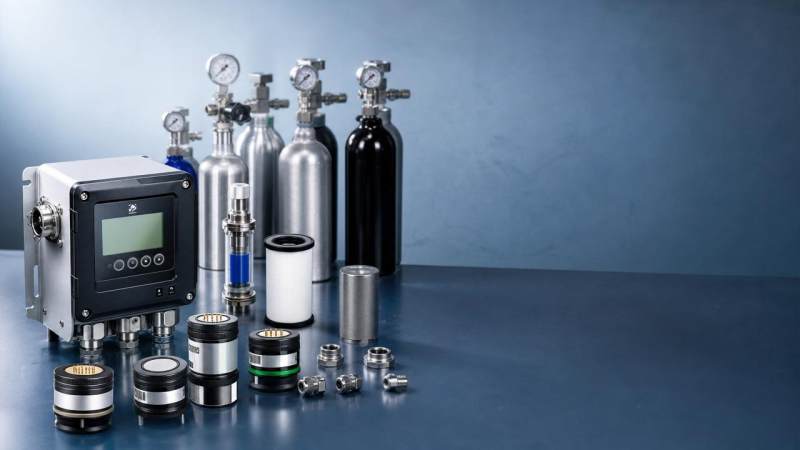
The main search intent behind “electrochemical monitor lifespan and replacement costs” is practical, not academic. Buyers are usually trying to answer three questions at once: how long the monitor or its sensors will last, what it will cost to keep the device operational over several years, and how to compare suppliers without underestimating maintenance risk.
For procurement personnel, the most important point is this: the useful life of an electrochemical monitor is often determined more by sensor aging, operating environment, calibration practices, and service support than by the enclosure or display unit itself. In many cases, the monitor body may remain in service for years, while the electrochemical sensor becomes the recurring cost driver.
That means a low upfront price can be misleading. If one product requires more frequent sensor replacement, more downtime, or higher calibration labor, the total cost of ownership may exceed that of a unit with a higher purchase price but more stable long-term performance. This is where purchasing decisions become strategic rather than transactional.
Buyers in industrial, environmental, laboratory, energy, and safety-related applications are also concerned about regulatory compliance and operational continuity. An electrochemical monitor that drifts out of tolerance too quickly can increase false alarms, missed detections, unscheduled maintenance, and audit exposure. Lifespan is therefore not only a durability question, but also a risk-management issue.
How Long Does an Electrochemical Monitor Typically Last?
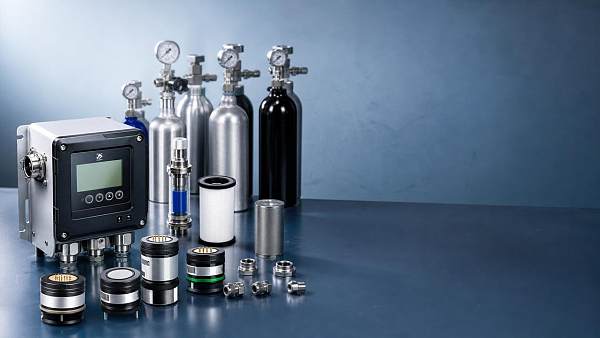
There is no single lifespan that applies to every electrochemical monitor, because the answer depends on whether you mean the full instrument, the electrochemical sensor, or replaceable supporting parts such as filters, membranes, pumps, and batteries. Procurement teams should separate these elements when evaluating service life.
As a general rule, the monitor housing and electronics may last several years if they are well protected and properly maintained. In contrast, the electrochemical sensor itself often has a shorter service life, commonly ranging from around one to three years depending on gas type, exposure conditions, temperature, humidity, and usage intensity. Some applications may fall below this range, while controlled environments may allow longer performance stability.
Portable gas monitors and fixed gas detection systems also differ. Portable units may face more physical stress, charging cycles, impact, and variable environments. Fixed systems may benefit from stable installation but can still experience accelerated sensor depletion if exposed to harsh gases, contamination, or extreme weather. In both cases, quoted sensor life should be treated as a planning estimate rather than a guarantee.
Procurement should also ask vendors whether the published lifespan refers to shelf life, operational life, or expected life under standard laboratory conditions. These are not the same. A sensor may have acceptable storage life before installation, yet a much shorter life after being placed into continuous service.
What Causes Electrochemical Sensors to Age Faster?
Understanding failure drivers helps buyers judge whether a lower price today could create higher replacement costs later. Electrochemical sensors degrade because of chemical consumption, electrode aging, electrolyte loss, contamination, and cumulative exposure to target or interfering gases. This degradation is normal, but its speed varies widely by application.
One major factor is gas concentration. Frequent exposure to high concentrations, especially near or above the design range, can shorten sensor life. Even if the monitor survives these events, the sensor may experience reduced sensitivity or baseline drift. In demanding facilities, this can materially change annual replacement budgets.
Environmental conditions are equally important. High humidity, condensation, extreme heat, freezing temperatures, dust, corrosive atmospheres, and vibration can all reduce performance life. A monitor used in a clean indoor utility room may age much more slowly than one installed near chemical processing, wastewater treatment, or outdoor marine conditions.
Cross-sensitivity and poisoning should also be discussed with suppliers. Certain gases or vapors can interfere with or permanently damage electrochemical sensors. If the monitored area includes solvents, silicones, sulfur compounds, or other contaminants, the expected service interval may be shorter than the standard catalog figure.
Poor maintenance practices accelerate aging as well. Infrequent bump testing, missed calibration intervals, blocked filters, and delayed replacement of consumables can cause the instrument to operate outside specification. Procurement teams should therefore evaluate not only product design, but also the service discipline the product will require from operations personnel.
Replacement Costs Are More Than the Sensor Price
When buyers search for replacement costs, they often start by comparing sensor prices. That is useful, but incomplete. The real cost of keeping an electrochemical monitor in service includes direct replacement parts, technician labor, calibration gas, shipping, documentation, downtime, training, and in some settings, permit or compliance impacts.
A replacement sensor that costs less per unit may still be more expensive overall if it requires frequent site visits or factory return service. By contrast, a sensor with a longer interval, simpler field replacement process, or remote diagnostics can reduce labor and administrative overhead. This matters especially for multi-site organizations or facilities with large detector fleets.
Procurement should also account for inventory strategy. If spare sensors have a limited shelf life, overstocking can create waste. Understocking, however, can increase downtime or force emergency purchasing at premium prices. The ideal supply model depends on installation count, criticality of detection points, and the vendor’s lead times.
Another hidden cost is false economy from non-original or poorly matched replacement components. In safety-critical monitoring, lower-cost substitutes can create compatibility issues, unstable readings, failed audits, or shortened useful life. Buyers should confirm whether replacement parts are factory-approved and whether their use affects warranty or certification status.
How to Calculate Total Cost of Ownership for an Electrochemical Monitor
For procurement decision-making, total cost of ownership is a better benchmark than purchase price alone. A structured comparison should cover at least a three- to five-year period, depending on the expected lifecycle of your monitoring program and capital approval process.
Start with the initial acquisition cost: monitor unit, controller or transmitter if needed, accessories, mounting hardware, communication modules, and commissioning support. Then estimate recurring costs: sensor replacements, calibration kits or gases, preventive maintenance labor, service contracts, batteries or power-related components, and any software or connectivity fees.
Next, model operational impact. Ask how long each replacement takes, whether calibration can be done in-house, and whether the monitor must be removed from service during maintenance. In critical applications, even short outages have cost implications if they require process interruption, temporary monitoring arrangements, or extra safety controls.
A simple procurement formula can be useful: total cost over service period = purchase price + scheduled maintenance + expected sensor replacements + compliance/service labor + downtime risk allowance. This approach gives buyers a more realistic basis for supplier comparison than unit pricing alone.
If possible, request historical field data from vendors for similar industries. Actual replacement intervals from comparable environments often provide more value than ideal laboratory specifications. For purchasing teams, evidence-based lifecycle planning is one of the strongest defenses against budget surprises after installation.
Questions Buyers Should Ask Suppliers Before Purchase
Procurement teams can avoid many lifecycle and cost problems by asking sharper pre-purchase questions. The goal is to move beyond broad marketing claims and obtain operationally useful data. Good suppliers should be able to answer clearly and with application-specific context.
Ask what the expected sensor life is under conditions similar to your site, not just under standard reference conditions. Request information about temperature range, humidity tolerance, cross-interference, poisoning risks, and whether exposure spikes will shorten service life. If the answer is vague, that is an important signal.
Ask how replacement is performed. Can technicians replace the sensor in the field, or must the entire electrochemical monitor be returned for service? Is recalibration required after every replacement? What tools, training, and consumables are needed? These details directly affect maintenance labor and equipment availability.
Lead time and support coverage are also essential. How quickly can spare sensors be supplied? Are local service partners available? Is there technical support for troubleshooting drift, alarms, or communication issues? Procurement teams should view service capacity as part of product value, not as an afterthought.
Finally, ask for documentation relevant to compliance and quality management: calibration procedures, certificates, maintenance schedules, expected replacement intervals, and warranty terms. For many buyers, especially in regulated sectors, paperwork quality is almost as important as hardware quality.
How Application Environment Changes Buying Priorities
Not every buyer should optimize for the same criteria. In a relatively clean indoor industrial setting, a procurement team may prioritize lower maintenance burden and easy integration with existing instrumentation. In a corrosive outdoor installation, environmental resistance and service access may matter more than initial purchase cost.
In portable worker safety applications, battery life, bump-test workflow, docking compatibility, and fleet management may drive lifecycle cost as much as the electrochemical sensor itself. In fixed environmental or process monitoring, buyers may care more about continuous uptime, remote diagnostics, and replacement without shutting down the line.
Laboratory and medical-adjacent applications may place stronger emphasis on accuracy stability, traceability, and controlled calibration procedures. Utility, wastewater, petrochemical, and energy users may focus more on ruggedness, spare parts availability, and the operational consequences of detector failure in distributed locations.
Because of these differences, procurement should avoid using a single generic specification for all sites. A better approach is to classify applications by environment severity, compliance criticality, and maintenance access. That framework helps align electrochemical monitor selection with actual replacement cost exposure.
When Is It Better to Replace the Whole Monitor Instead of Only the Sensor?
In many cases, replacing only the sensor is the most cost-effective option. However, there are situations where replacing the entire monitor makes more financial and operational sense. This usually happens when the unit is aging across multiple components, not only the sensing element.
If the display, battery system, pump, housing seals, communication board, or internal electronics are also approaching end of life, repeated piecemeal repairs may become inefficient. The same is true if the monitor no longer meets current compliance requirements or cannot integrate with newer control platforms or data systems.
Another decision point is service frequency. If an older unit requires frequent attention and creates recurring downtime, replacing it with a newer electrochemical monitor may reduce lifecycle cost even if the upfront expense is higher. Procurement teams should compare the next two to three years of expected maintenance against replacement capital cost.
Standardization is another reason to replace whole units. Consolidating across fewer models can simplify training, spare inventory, calibration procedures, and vendor management. In larger organizations, these indirect efficiencies can justify broader replacement programs.
Practical Buying Guidance for Better Long-Term Value
The best procurement decisions are made when product selection, maintenance planning, and cost modeling are connected from the beginning. Buyers should not evaluate electrochemical monitors only by accuracy claims or purchase price. Lifespan and replacement costs are where major differences often appear after deployment.
Look for suppliers that provide realistic service-life expectations, transparent consumable pricing, clear maintenance workflows, and dependable support. Favor designs that reduce field labor, simplify calibration, and fit the actual conditions of use. A monitor that performs well on paper but ages quickly in your environment is not a low-cost choice.
It is also wise to involve operations, maintenance, and safety stakeholders before finalizing a purchase. Procurement may own the contract, but site teams understand access constraints, exposure risks, and service realities that strongly influence total ownership cost. Their input can prevent an attractive quote from becoming an expensive long-term commitment.
In short, the key question is not only “How much does this electrochemical monitor cost?” but “How much will it cost to keep trustworthy and compliant over time?” That broader view leads to better vendor selection, better budgeting, and fewer unpleasant surprises after installation.
Conclusion
For procurement professionals, evaluating electrochemical monitor lifespan and replacement costs is fundamentally about controlling risk and total ownership cost. The monitor body may last for years, but sensor life, maintenance frequency, environmental stress, and service support usually determine the real long-term expense.
A strong purchasing decision should balance price with expected sensor longevity, replacement workflow, calibration needs, spare availability, and field performance in comparable environments. When these factors are reviewed together, buyers can identify which electrochemical monitor delivers the best value rather than simply the lowest initial quote.
Ultimately, the most cost-effective solution is the one that remains accurate, supportable, and compliant throughout its service life. For organizations buying at scale or for critical applications, that distinction makes all the difference.
Recommended for You
 FDA Updates IVD Import Guidance: CNAS Calibration Chain Required for China-Made DevicesFDA now requires CNAS calibration chain reports for China-made IVD analyzers—pH, ion & clinical chemistry devices entering via 510(k)/De Novo. Act now to avoid U.S. port rejections.
 EN 61000-6-4:2026 Enters Force: Stricter EMC Requirements for Industrial Field InstrumentsEN 61000-6-4:2026 enforces stricter EMC requirements for industrial field instruments—key for AI edge controllers, sensors & exporters. Act now to ensure CE-EMC compliance by Nov 2026.
 Global Methanol Electric Alliance Launches Cross-Border Energy Efficiency Recognition RoadmapGlobal Methanol Electric Alliance launches cross-border energy efficiency recognition roadmap—key for exporters, cal labs & methanol-instrument manufacturers.
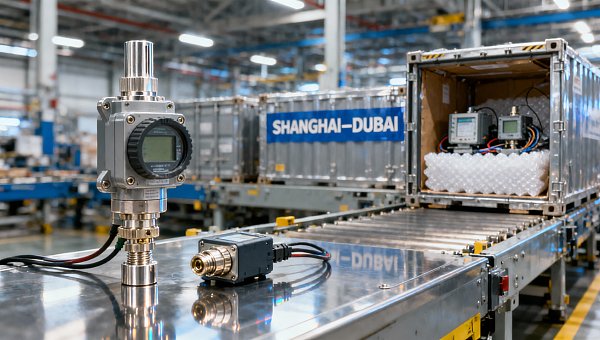
 Red Sea Crisis Escalates: Air Freight Premiums for China–Middle East Industrial Instruments Hit 390%Red Sea Crisis hits industrial instruments: China–Middle East air freight premiums surge 390%. Act now to secure Q3 capacity, avoid delays & optimize LCL alternatives.
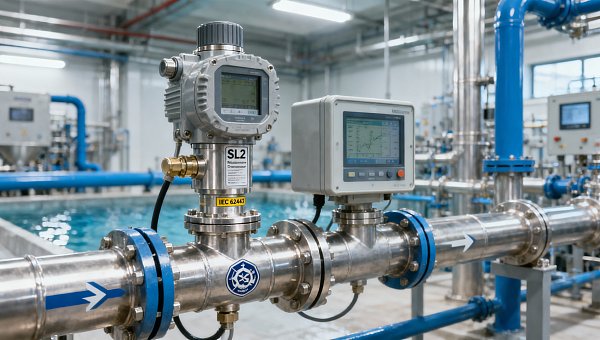
 IEC TC65 Mandates Cybersecurity Certification for Industrial Field Instruments from 2027IEC TC65 mandates cybersecurity certification for industrial field instruments by 2027 — pressure, flow & analytical devices must meet IEC 62443-4-2:2026 and display SL1–SL3 labels. Act now to ensure market access.
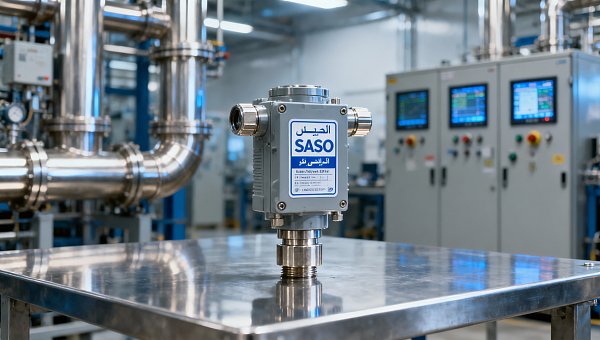
 SASO Cuts Energy Labeling Turnaround for Industrial Transmitters to 7 Working DaysSASO Energy Labeling now takes just 7 working days for industrial transmitters — faster market access, CNAS reports accepted. Act now!
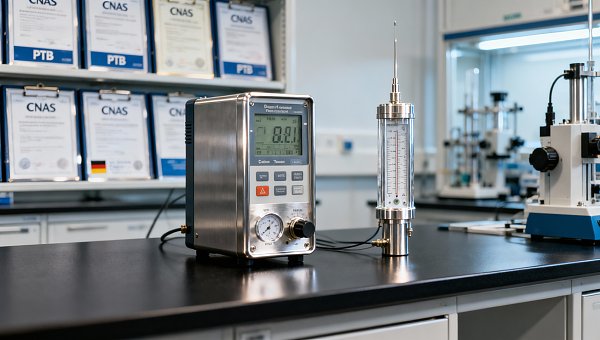
 PTB Launches CalCloud 2.0 with Direct CNAS Lab IntegrationCalCloud 2.0 now integrates directly with CNAS labs—enabling automated VDA 5 & ISO/IEC 17025 dual-compliant calibration reports for automotive and industrial exporters. Boost compliance efficiency today!
 ASEAN's Green Clearance Corridor for CNAS Calibration Reports LaunchesASEAN's Green Clearance Corridor now verifies CNAS calibration reports via blockchain—cut customs clearance to <48h for flow meters, analyzers & more. Act now!
 Vietnam Mandates CNAS Calibration Certificates & Vietnamese Manuals for Industrial Meters from June 1, 2026CNAS calibration certificates & Vietnamese manuals now mandatory for industrial meters entering Vietnam from June 1, 2026—avoid customs delays and ensure seamless market access.
 U.S. BIS Tightens Export Controls on High-Precision Laser InterferometersU.S. BIS tightens export controls on high-precision laser interferometers—critical for semiconductor metrology & ISO/IEC 17025 calibration. Act now to ensure compliance.
 Paramagnetic Monitor Calibration Tips for Stable OutputParamagnetic monitor calibration tips for stable output: learn how to reduce drift, improve accuracy, cut downtime, and keep oxygen measurement reliable in demanding industrial applications.
 Paramagnetic Measurement in Low-Oxygen Process ControlParamagnetic measurement enables accurate low-oxygen process control with fast response and stable oxygen analysis. Learn how it improves safety, consistency, and system performance.
 Laser Detector Import Risks and Certification DelaysLaser detector import risks can cause costly certification delays, customs issues, and testing setbacks. Learn how to avoid compliance failures before ordering.
 Explosion Proof Detector Demand Under New Safety RulesExplosion proof detector demand is rising under new safety rules. Discover how to compare certified, reliable options that improve compliance, integration, and long-term site safety.
 Laboratory Detector Accuracy Standards You Should CheckLaboratory detector accuracy standards explained: check detection limits, repeatability, drift, and traceability to reduce risk, improve audit readiness, and choose with confidence.
 Custom Measurement Lead Times and Budget PlanningCustom measurement lead times and budgets explained for procurement teams. Learn key cost drivers, planning steps, and supplier tips to reduce delays and buy with confidence.
 Laser Measurement for Leak Detection: Common PitfallsLaser measurement for leak detection can fail due to setup, airflow, and data interpretation errors. Learn the common pitfalls and proven fixes for more accurate, reliable results.
 How to Evaluate a High Accuracy Detector in the FieldHigh accuracy detector evaluation starts with real field performance. Learn how to compare stability, response time, and reliability to choose the right detector with confidence.
 Electrochemical Monitor Lifespan and Replacement CostsElectrochemical monitor lifespan and replacement costs explained for buyers. Learn how sensor life, maintenance, and total ownership cost affect safer, smarter purchasing decisions.
 Thermal Analysis Market Direction in Process IndustriesThermal analysis market direction in process industries: discover trends, applications, and investment insights that improve quality control, reduce risk, and support smarter industrial decisions.
 Monitoring Shelter Design Priorities for Outdoor SitesMonitoring shelter design starts with protection, climate control, and power reliability. Discover how to choose the right outdoor solution for stable data, safer maintenance, and lower lifecycle risk.
 Fixed Measurement Planning for Multi-Point InstallationsFixed measurement planning is essential for multi-point installations. Learn how to improve accuracy, reliability, compliance, and maintenance efficiency across complex industrial systems.
 Fixed Analysis Systems for Stable Long-Term MonitoringFixed analysis systems enable stable long-term monitoring, reliable data, and better process control. Discover how they improve safety, compliance, and operational efficiency.
 Thermal Gas Applications Expanding in Clean IndustryThermal gas applications are reshaping clean industry with smarter flow measurement, emissions control, and energy optimization. Discover where they cut risk, boost efficiency, and support automation.
 Monitoring Detector Export Rules to Watch in 2026Monitoring detector export rules are changing fast in 2026. Learn the key compliance risks, supplier checks, and trade signals to protect margins and make smarter sourcing decisions.
 Control Detector Setup Mistakes That Affect ReliabilityControl detector setup mistakes can quietly reduce accuracy and uptime. Learn the most common installation, wiring, and calibration errors—and how to avoid them for reliable performance.
 What Defines a High Accuracy Monitor TodayHigh accuracy monitor selection starts with real-world performance. Learn the key accuracy factors, buyer checklist, and how to choose a reliable monitor for industrial control.
 Infrared Monitor Demand in Industrial Safety UpgradesInfrared monitor demand is rising as industrial safety upgrades accelerate. Discover where buyers need it most, how channel partners can sell smarter, and which applications drive long-term growth.
 Thermal Conductivity Monitor Limits in Mixed Gas StreamsThermal conductivity monitor limits in mixed gas streams explained—learn where accuracy drops, what buyers should compare, and how to choose the right analyzer with confidence.
 Laser Monitor vs Infrared Monitor for Fast DetectionLaser monitor vs infrared monitor for fast detection: discover which delivers better precision, response speed, and reliability for industrial monitoring and smarter sensor selection.
 Thermal Gas Analyzer Price Shifts Across Global MarketsThermal gas analyzer price shifts are reshaping global budgets. Learn what drives costs, regional differences, and how buyers can reduce risk and improve long-term value.
 Custom Analysis Options for Complex Gas ApplicationsCustom analysis helps solve complex gas applications with better accuracy, compliance, and reliability. Discover practical selection insights that reduce risk and improve system performance.



Search Categories
Search Categories
Latest Article
- FDA Updates IVD Import Guidance: CNAS Calibration Chain Required for China-Made DevicesFDA now requires CNAS calibration chain reports for China-made IVD analyzers—pH, ion & clinical chemistry devices entering via 510(k)/De Novo. Act now to avoid U.S. port rejections.Posted by:
- EN 61000-6-4:2026 Enters Force: Stricter EMC Requirements for Industrial Field InstrumentsEN 61000-6-4:2026 enforces stricter EMC requirements for industrial field instruments—key for AI edge controllers, sensors & exporters. Act now to ensure CE-EMC compliance by Nov 2026.Posted by:
- Global Methanol Electric Alliance Launches Cross-Border Energy Efficiency Recognition RoadmapGlobal Methanol Electric Alliance launches cross-border energy efficiency recognition roadmap—key for exporters, cal labs & methanol-instrument manufacturers.Posted by:
Please give us a message
