
What Defines a High Accuracy Monitor Today


In today’s data-driven industrial landscape, choosing a high accuracy monitor is no longer just a technical decision—it is a strategic investment in reliability, compliance, and operational efficiency. For business decision-makers across manufacturing, energy, laboratories, and automation, understanding what truly defines monitor accuracy can help reduce risk, improve process control, and support smarter long-term equipment planning.
What does a high accuracy monitor really mean in industrial decision-making?
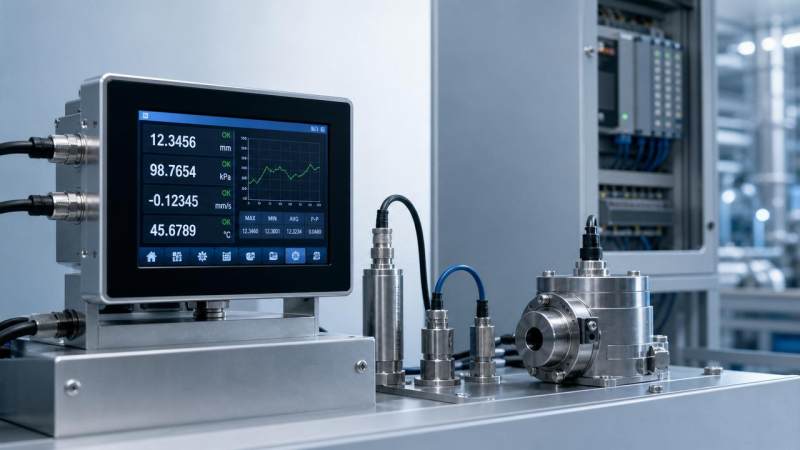
A high accuracy monitor is not simply a display with a better number on a specification sheet. In instrumentation and industrial monitoring, it is a measurement or visualization device that can present process data with dependable precision, repeatability, stability, and traceability under real operating conditions. For enterprise buyers, the key question is not whether a monitor is accurate in a lab demo, but whether it remains accurate across temperature shifts, electrical noise, vibration, continuous operation, and operator use.
In sectors such as industrial manufacturing, power generation, environmental monitoring, laboratory analysis, medical testing support, and automation control, monitor accuracy directly affects process safety, product consistency, compliance documentation, and maintenance planning. When pressure, flow, temperature, composition, or level data are displayed incorrectly, the consequences can include false alarms, hidden deviations, waste, rework, and delayed decisions.
For decision-makers, a high accuracy monitor should be evaluated as part of a complete measurement chain. Sensor quality, signal transmission, analog-to-digital conversion, calibration logic, display resolution, human-machine interface design, and environmental protection all contribute to final performance. This is why procurement teams should avoid treating monitor selection as a simple accessory purchase.
- Accuracy matters when displayed values guide operator actions, automated responses, and compliance reports.
- A high accuracy monitor creates value when it reduces uncertainty, not just when it increases resolution.
- The right choice depends on process criticality, calibration needs, environmental conditions, and system integration requirements.
Which technical factors define a high accuracy monitor today?
Many buyers focus only on headline accuracy, such as ±0.1% or ±0.05%. That figure matters, but it is only one part of the purchasing picture. A high accuracy monitor today is defined by a set of technical characteristics that determine whether the displayed value can be trusted in daily operation.
Core performance indicators
- Measurement accuracy: The deviation between indicated and true value under stated conditions. This should be understood with full reference conditions, not as a marketing shortcut.
- Resolution: A high resolution display helps detect small changes, but resolution without real accuracy can mislead operators.
- Repeatability: The ability to show the same result under repeated measurement of the same input.
- Long-term stability: Essential for continuous industrial service where recalibration windows may be months apart.
- Temperature drift: Critical in field installations, control cabinets, outdoor monitoring stations, and power environments.
- Input compatibility: The monitor must accurately interpret common industrial signals such as 4–20 mA, 0–10 V, pulse, RTD, thermocouple, digital bus, or analyzer outputs.
The table below summarizes the most important parameters that procurement and engineering teams should review when assessing a high accuracy monitor for industrial instrumentation projects.
For most industrial users, the best high accuracy monitor is the one with balanced performance across these factors. Overemphasis on a single specification often leads to underperformance once the device enters production, utilities, or field service.
Why do many monitoring projects still fail despite using “accurate” equipment?
A common problem in procurement is confusing instrument accuracy with system accuracy. A monitor can have a strong specification, yet the installed result may still be unsatisfactory. This gap is especially common in plants undergoing digital transformation, retrofitting old control panels, or integrating multiple brands of transmitters and analyzers.
Frequent causes of poor real-world accuracy
- The monitor is selected without checking sensor output type, scaling logic, and signal range compatibility.
- Electrical interference from motors, drives, or switching equipment degrades input quality.
- Calibration intervals are defined for the sensor but not for the display and conversion stage.
- Environmental conditions exceed the stable operating window assumed in the datasheet.
- Operators rely on high digit counts while ignoring drift, filtering delay, or display lag.
This is why a high accuracy monitor should be part of a measurement assurance strategy. In instrumentation-intensive industries, process reliability depends on sensor selection, panel integration, calibration methods, communication architecture, and maintenance discipline. Enterprise buyers should push suppliers to explain how the complete chain performs, not just the monitor in isolation.
Which applications need a high accuracy monitor most urgently?
Not every application requires the same degree of monitor precision. However, in many sectors served by the instrumentation industry, small display errors can create large operational consequences. Understanding the application helps define the right balance between accuracy, durability, speed, and budget.
The following table shows how high accuracy monitor requirements differ across major industrial scenarios.
For enterprise decision-makers, the practical takeaway is clear: choose the monitor according to process consequence, not habit. A high accuracy monitor is most valuable where displayed values drive production adjustments, safety actions, regulated reports, or analytical conclusions.
How should buyers compare options beyond the datasheet?
When several products claim similar precision, buyers need a comparison method that reflects total operating value. This is especially important in instrumentation purchasing, where a lower purchase price can lead to higher calibration costs, downtime, or replacement risk later.
Practical comparison criteria
- Reference conditions behind the accuracy statement. Was the figure defined at room temperature only, or across a realistic industrial range?
- Calibration support. Can the unit be verified easily, and does the supplier provide clear procedures for maintenance teams?
- Integration flexibility. Can the high accuracy monitor connect smoothly with existing transmitters, control panels, data loggers, and automation platforms?
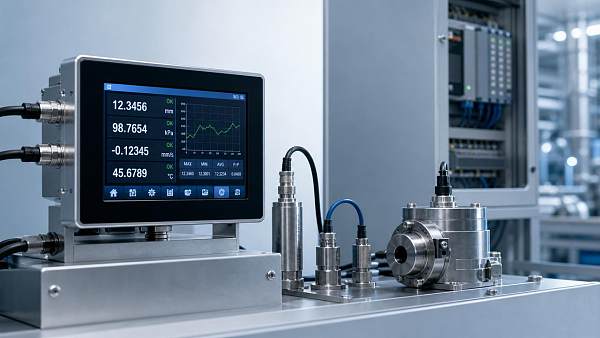
- Display usability. A precise instrument still fails if operators cannot read trends, alarm states, or engineering units quickly.
- Lifecycle support. Spare parts availability, technical response speed, and documentation quality affect long-term value.
In many organizations, engineering, operations, quality, and procurement each judge value differently. A strong supplier should help align these perspectives by converting technical performance into business outcomes such as reduced process variation, better audit readiness, lower maintenance interruptions, and more predictable ownership cost.
What should a procurement checklist for a high accuracy monitor include?
A disciplined procurement process helps avoid specification mismatch and budget waste. For complex industrial environments, a high accuracy monitor should be reviewed through a cross-functional checklist rather than a single purchasing criterion.
Recommended evaluation checklist
- Define the measured variable and acceptable total system error for the actual application.
- Confirm signal input type, engineering unit conversion, and required display range.
- Review ambient temperature, humidity, dust, vibration, and enclosure expectations.
- Check whether local regulations, internal quality systems, or customer audits require documented calibration or traceability.
- Estimate maintenance intervals, recalibration workload, and operational access needs.
- Assess lead time, replacement strategy, and after-sales technical support before final approval.
This process is especially useful in sectors managing pressure, temperature, flow, level, composition analysis, metrology, and industrial online monitoring. In those environments, purchasing errors are rarely isolated; they tend to affect automation continuity, reporting integrity, and plant efficiency at the same time.
How do standards, calibration, and compliance affect monitor selection?
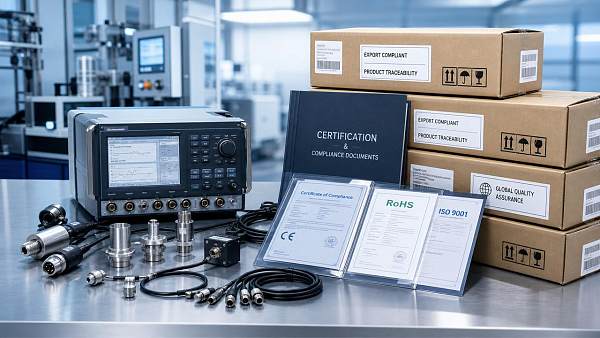
For many enterprises, compliance is not optional. A high accuracy monitor may support internal quality assurance, regulated production, environmental reporting, or laboratory discipline. Even when no single certification is mandatory for the monitor itself, documented accuracy and calibration practices often matter during audits and customer reviews.
Compliance considerations that matter
- Calibration traceability should be clear enough to support internal verification procedures and external assessment where required.
- Electrical safety and EMC suitability are important in noisy industrial environments and should align with applicable market and installation expectations.
- Documentation should include operating limits, accuracy conditions, maintenance guidance, and input/output descriptions.
- For laboratories and quality-sensitive production, the monitor should fit the broader metrology and control strategy rather than being evaluated alone.
A buyer does not always need the most complex compliance package. What matters is choosing a high accuracy monitor with documentation and verification practices appropriate to the business risk of the application.
What are the most common misconceptions about a high accuracy monitor?
“More digits always mean better accuracy”
This is one of the most common buying mistakes. Extra decimal places improve readability, but they do not guarantee better measurement truth. If drift, input noise, or conversion error is present, a detailed display may simply present inaccurate data more precisely.
“If the process is stable, any monitor is good enough”
Stable processes still need accurate monitoring to confirm deviations early, maintain batch consistency, and validate energy or material efficiency. A poor monitor often hides slow shifts that become expensive over time.
“The cheapest compatible unit lowers procurement cost”
Initial savings can be offset by frequent recalibration, troubleshooting time, process loss, and earlier replacement. In industrial instrumentation, the better comparison is total cost of use across the equipment lifecycle.
FAQ: what do business buyers ask most often?
How do I know whether I really need a high accuracy monitor?
You likely need one when displayed values influence product quality, compliance records, automated control actions, or energy optimization. If a small reading error could trigger waste, rework, alarm instability, or audit risk, a high accuracy monitor is worth evaluating.
Which industries benefit most from a high accuracy monitor?
The strongest need appears in manufacturing, energy and power, environmental monitoring, laboratory analysis, medical testing support systems, construction engineering measurement, and automation control. These fields depend on reliable measurement visibility to support process modernization and digital operations.
What should I ask a supplier before ordering?
Ask about real operating accuracy, temperature influence, signal compatibility, calibration approach, documentation, lead time, enclosure protection, integration support, and recommended maintenance intervals. These questions reveal whether the proposed high accuracy monitor fits your specific process rather than a generic catalog position.
Can a high accuracy monitor improve digital transformation projects?
Yes, because digital systems are only as reliable as the data they receive. Better monitor accuracy supports cleaner process visibility, more dependable alarms, stronger trend analysis, and more credible decisions in automated and intelligent industrial environments.
Why choosing the right partner matters as much as choosing the right monitor
A high accuracy monitor delivers the best return when supported by sound application knowledge. In the instrumentation industry, measurement, testing, monitoring, analysis, and control are deeply interconnected. That means the right supplier should understand not only the display device, but also the wider process chain involving sensors, calibration, industrial communication, automation architecture, and field operating constraints.
If you are evaluating a high accuracy monitor for manufacturing, energy, laboratory, environmental, or automation use, we can support practical discussions around parameter confirmation, input signal matching, application-based product selection, delivery timing, customization options, documentation needs, certification expectations, sample assessment, and quotation planning. A more informed selection process helps reduce risk before installation and improves confidence after commissioning.
Contact us to review your measurement scenario, expected accuracy range, operating environment, and integration requirements. With the right technical alignment from the start, a high accuracy monitor becomes more than a component—it becomes a reliable foundation for process control, compliance readiness, and long-term operational improvement.
Recommended for You
 FDA Updates IVD Import Guidance: CNAS Calibration Chain Required for China-Made DevicesFDA now requires CNAS calibration chain reports for China-made IVD analyzers—pH, ion & clinical chemistry devices entering via 510(k)/De Novo. Act now to avoid U.S. port rejections.
 EN 61000-6-4:2026 Enters Force: Stricter EMC Requirements for Industrial Field InstrumentsEN 61000-6-4:2026 enforces stricter EMC requirements for industrial field instruments—key for AI edge controllers, sensors & exporters. Act now to ensure CE-EMC compliance by Nov 2026.
 Global Methanol Electric Alliance Launches Cross-Border Energy Efficiency Recognition RoadmapGlobal Methanol Electric Alliance launches cross-border energy efficiency recognition roadmap—key for exporters, cal labs & methanol-instrument manufacturers.
 Red Sea Crisis Escalates: Air Freight Premiums for China–Middle East Industrial Instruments Hit 390%Red Sea Crisis hits industrial instruments: China–Middle East air freight premiums surge 390%. Act now to secure Q3 capacity, avoid delays & optimize LCL alternatives.
 IEC TC65 Mandates Cybersecurity Certification for Industrial Field Instruments from 2027IEC TC65 mandates cybersecurity certification for industrial field instruments by 2027 — pressure, flow & analytical devices must meet IEC 62443-4-2:2026 and display SL1–SL3 labels. Act now to ensure market access.
 SASO Cuts Energy Labeling Turnaround for Industrial Transmitters to 7 Working DaysSASO Energy Labeling now takes just 7 working days for industrial transmitters — faster market access, CNAS reports accepted. Act now!
 PTB Launches CalCloud 2.0 with Direct CNAS Lab IntegrationCalCloud 2.0 now integrates directly with CNAS labs—enabling automated VDA 5 & ISO/IEC 17025 dual-compliant calibration reports for automotive and industrial exporters. Boost compliance efficiency today!
 ASEAN's Green Clearance Corridor for CNAS Calibration Reports LaunchesASEAN's Green Clearance Corridor now verifies CNAS calibration reports via blockchain—cut customs clearance to <48h for flow meters, analyzers & more. Act now!
 Vietnam Mandates CNAS Calibration Certificates & Vietnamese Manuals for Industrial Meters from June 1, 2026CNAS calibration certificates & Vietnamese manuals now mandatory for industrial meters entering Vietnam from June 1, 2026—avoid customs delays and ensure seamless market access.
 U.S. BIS Tightens Export Controls on High-Precision Laser InterferometersU.S. BIS tightens export controls on high-precision laser interferometers—critical for semiconductor metrology & ISO/IEC 17025 calibration. Act now to ensure compliance.
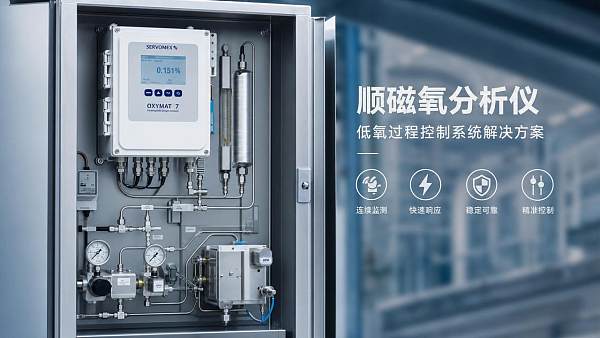
 Paramagnetic Monitor Calibration Tips for Stable OutputParamagnetic monitor calibration tips for stable output: learn how to reduce drift, improve accuracy, cut downtime, and keep oxygen measurement reliable in demanding industrial applications.
 Paramagnetic Measurement in Low-Oxygen Process ControlParamagnetic measurement enables accurate low-oxygen process control with fast response and stable oxygen analysis. Learn how it improves safety, consistency, and system performance.
 Laser Detector Import Risks and Certification DelaysLaser detector import risks can cause costly certification delays, customs issues, and testing setbacks. Learn how to avoid compliance failures before ordering.
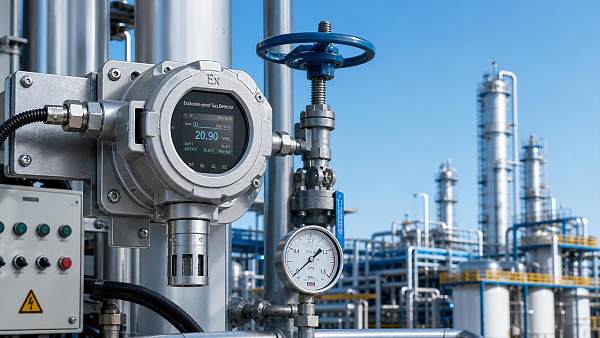
 Explosion Proof Detector Demand Under New Safety RulesExplosion proof detector demand is rising under new safety rules. Discover how to compare certified, reliable options that improve compliance, integration, and long-term site safety.
 Laboratory Detector Accuracy Standards You Should CheckLaboratory detector accuracy standards explained: check detection limits, repeatability, drift, and traceability to reduce risk, improve audit readiness, and choose with confidence.
 Custom Measurement Lead Times and Budget PlanningCustom measurement lead times and budgets explained for procurement teams. Learn key cost drivers, planning steps, and supplier tips to reduce delays and buy with confidence.
 Laser Measurement for Leak Detection: Common PitfallsLaser measurement for leak detection can fail due to setup, airflow, and data interpretation errors. Learn the common pitfalls and proven fixes for more accurate, reliable results.
 How to Evaluate a High Accuracy Detector in the FieldHigh accuracy detector evaluation starts with real field performance. Learn how to compare stability, response time, and reliability to choose the right detector with confidence.
 Electrochemical Monitor Lifespan and Replacement CostsElectrochemical monitor lifespan and replacement costs explained for buyers. Learn how sensor life, maintenance, and total ownership cost affect safer, smarter purchasing decisions.
 Thermal Analysis Market Direction in Process IndustriesThermal analysis market direction in process industries: discover trends, applications, and investment insights that improve quality control, reduce risk, and support smarter industrial decisions.
 Monitoring Shelter Design Priorities for Outdoor SitesMonitoring shelter design starts with protection, climate control, and power reliability. Discover how to choose the right outdoor solution for stable data, safer maintenance, and lower lifecycle risk.
 Fixed Measurement Planning for Multi-Point InstallationsFixed measurement planning is essential for multi-point installations. Learn how to improve accuracy, reliability, compliance, and maintenance efficiency across complex industrial systems.
 Fixed Analysis Systems for Stable Long-Term MonitoringFixed analysis systems enable stable long-term monitoring, reliable data, and better process control. Discover how they improve safety, compliance, and operational efficiency.
 Thermal Gas Applications Expanding in Clean IndustryThermal gas applications are reshaping clean industry with smarter flow measurement, emissions control, and energy optimization. Discover where they cut risk, boost efficiency, and support automation.
 Monitoring Detector Export Rules to Watch in 2026Monitoring detector export rules are changing fast in 2026. Learn the key compliance risks, supplier checks, and trade signals to protect margins and make smarter sourcing decisions.
 Control Detector Setup Mistakes That Affect ReliabilityControl detector setup mistakes can quietly reduce accuracy and uptime. Learn the most common installation, wiring, and calibration errors—and how to avoid them for reliable performance.
 What Defines a High Accuracy Monitor TodayHigh accuracy monitor selection starts with real-world performance. Learn the key accuracy factors, buyer checklist, and how to choose a reliable monitor for industrial control.
 Infrared Monitor Demand in Industrial Safety UpgradesInfrared monitor demand is rising as industrial safety upgrades accelerate. Discover where buyers need it most, how channel partners can sell smarter, and which applications drive long-term growth.
 Thermal Conductivity Monitor Limits in Mixed Gas StreamsThermal conductivity monitor limits in mixed gas streams explained—learn where accuracy drops, what buyers should compare, and how to choose the right analyzer with confidence.
 Laser Monitor vs Infrared Monitor for Fast DetectionLaser monitor vs infrared monitor for fast detection: discover which delivers better precision, response speed, and reliability for industrial monitoring and smarter sensor selection.
 Thermal Gas Analyzer Price Shifts Across Global MarketsThermal gas analyzer price shifts are reshaping global budgets. Learn what drives costs, regional differences, and how buyers can reduce risk and improve long-term value.
 Custom Analysis Options for Complex Gas ApplicationsCustom analysis helps solve complex gas applications with better accuracy, compliance, and reliability. Discover practical selection insights that reduce risk and improve system performance.

Search Categories
Search Categories
Latest Article
- FDA Updates IVD Import Guidance: CNAS Calibration Chain Required for China-Made DevicesFDA now requires CNAS calibration chain reports for China-made IVD analyzers—pH, ion & clinical chemistry devices entering via 510(k)/De Novo. Act now to avoid U.S. port rejections.Posted by:
- EN 61000-6-4:2026 Enters Force: Stricter EMC Requirements for Industrial Field InstrumentsEN 61000-6-4:2026 enforces stricter EMC requirements for industrial field instruments—key for AI edge controllers, sensors & exporters. Act now to ensure CE-EMC compliance by Nov 2026.Posted by:
- Global Methanol Electric Alliance Launches Cross-Border Energy Efficiency Recognition RoadmapGlobal Methanol Electric Alliance launches cross-border energy efficiency recognition roadmap—key for exporters, cal labs & methanol-instrument manufacturers.Posted by:
Please give us a message
