
AsH3 Concentration Analyzer Installation Points That Prevent Early Failure


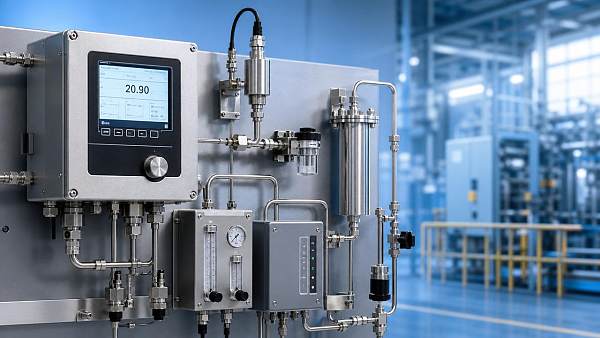
For after-sales maintenance teams, correct installation is the first step to extending equipment life and avoiding costly shutdowns. An AsH3 concentration analyzer often fails early not because of the sensor itself, but due to poor mounting position, gas path design, moisture intrusion, or unstable power conditions. Understanding these installation points helps technicians improve reliability, reduce repeat service calls, and keep monitoring performance stable from the start.
What an AsH3 Concentration Analyzer Does and Why Installation Matters
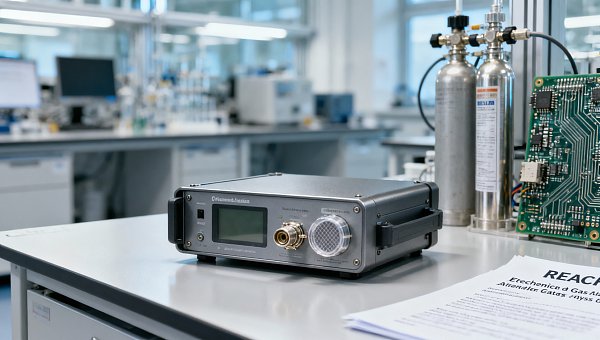
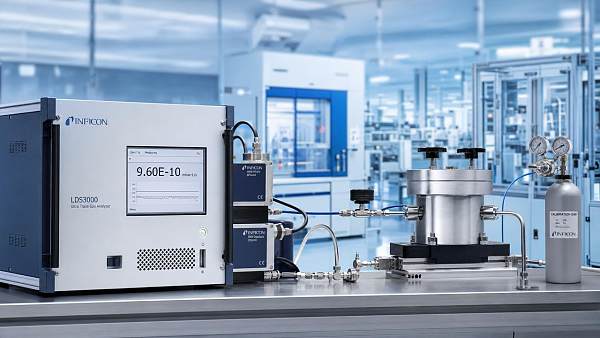
An AsH3 concentration analyzer is an instrument used to detect and monitor arsine gas concentration in process streams, exhaust systems, gas cabinets, and safety monitoring points. In the broader instrumentation industry, this type of analyzer belongs to the composition analysis category, where accurate measurement directly supports industrial safety, regulatory compliance, and process continuity. Because arsine is highly toxic and usually appears in demanding industrial environments, the analyzer must deliver stable readings under conditions that may include corrosive gases, fluctuating temperature, vibration, dust, and moisture.
For maintenance personnel, the installation stage is not just a commissioning task. It is the foundation for the full lifecycle performance of the AsH3 concentration analyzer. If the unit is placed in the wrong location, if the sampling path is too long, if water condenses in the tubing, or if electrical grounding is weak, the analyzer may show drift, slow response, false alarms, or complete failure long before its expected service life. In practice, many “instrument faults” are actually installation defects that slowly damage the sensing system.
Why the Industry Pays Attention to Early Failure Prevention
Across industrial manufacturing, energy systems, environmental monitoring, and automated process control, analyzers are expected to work continuously with limited interruption. In this context, an AsH3 concentration analyzer is not an isolated device. It is part of a wider safety and control chain that may include gas detection, alarms, interlocks, ventilation, distributed control systems, and reporting records. When the analyzer fails early, the cost goes beyond replacement parts. Plants may face production slowdown, extra manual inspection, repeated field visits, calibration waste, and increased safety risk.
This is why installation quality receives so much attention in the instrumentation industry. Good installation improves data credibility, lowers maintenance frequency, and supports digital monitoring strategies. It also helps after-sales teams move from reactive troubleshooting to preventive service. In many projects, the difference between a stable analyzer and a problematic one can be traced back to a few basic installation decisions made on day one.
Core Installation Points That Prevent Early Failure
The most reliable AsH3 concentration analyzer installations usually follow a simple principle: protect the sensor, preserve the gas sample, and stabilize the electrical environment. That principle sounds straightforward, but it affects several practical details.
1. Choose a mounting location with stable environmental conditions
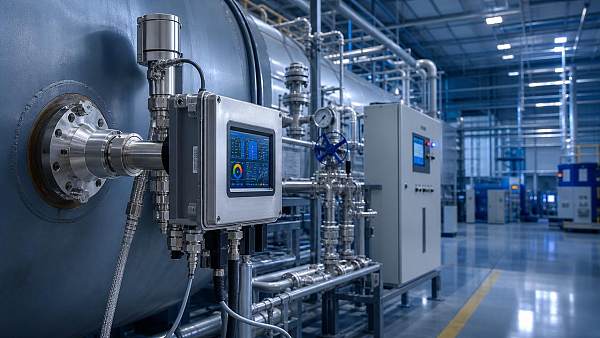
Avoid mounting the analyzer where ambient temperature changes rapidly, where direct sunlight heats the enclosure, or where nearby equipment generates strong vibration. Excess heat accelerates aging of electronics and sensor components, while vibration can loosen fittings and damage internal connections over time. A location that is easy to access for inspection is also important, because difficult access often leads to delayed maintenance and poor calibration habits.
2. Keep the sampling path short, clean, and chemically suitable
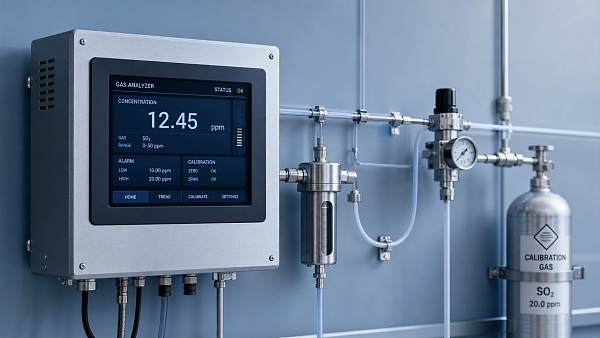
A long gas path increases lag time and can cause adsorption losses, especially if the tubing material is unsuitable. For an AsH3 concentration analyzer, tubing selection matters because reactive gases may interact with certain surfaces. Maintenance teams should confirm compatible materials, minimize bends, and reduce dead volume. Poor gas path design can create delayed readings that are mistaken for sensor weakness.
3. Control moisture before it reaches the analyzer
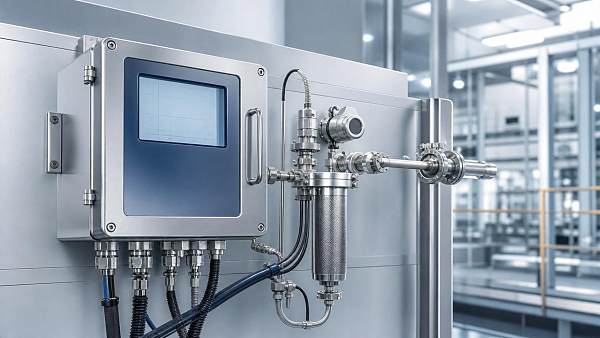
Moisture is one of the most common causes of early analyzer trouble. Condensation inside sampling tubes, filters, or sensor chambers can corrode components, block gas flow, and distort concentration readings. Install drains, separators, heat tracing, or proper sample conditioning where needed. The best arrangement depends on process temperature, dew point, and installation distance, but the requirement is universal: keep liquid water out of the analyzer.
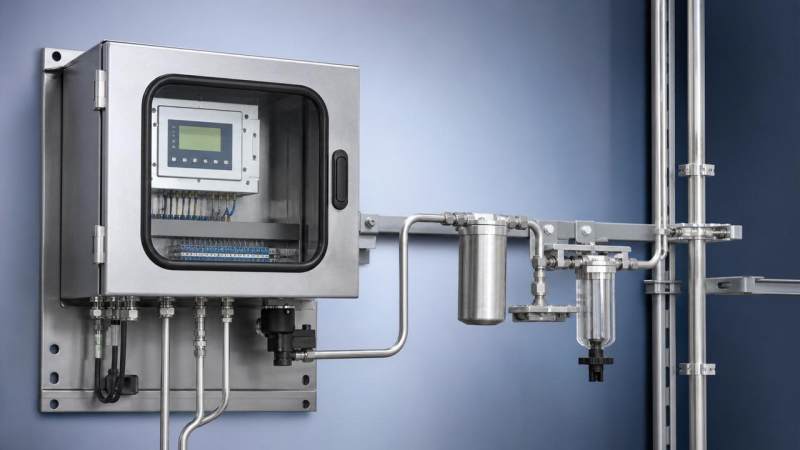
4. Ensure stable power supply and effective grounding
Electrical issues often cause hidden and intermittent faults. Voltage fluctuation, noise from nearby drives, poor shielding, and improper grounding may lead to display instability, communication loss, alarm errors, or premature electronic failure. An AsH3 concentration analyzer should be connected according to the manufacturer’s power specification, with clean grounding and appropriate separation from high-interference cables.
5. Protect inlet filtration without over-restricting flow
Filters are necessary in dusty or contaminated environments, but excessive filtration or neglected filter maintenance can slow sample delivery and create pressure drop. The result may be slow response or unstable readings. A practical installation balances particle protection with flow performance and includes a service plan for filter inspection and replacement.
Typical Failure Drivers and Preventive Installation Actions
Where These Installation Principles Bring the Most Value
The value of proper AsH3 concentration analyzer installation is especially clear in environments where downtime is expensive and gas monitoring is safety-critical. In semiconductor-related gas handling, specialty chemical operations, hazardous exhaust treatment, and industrial monitoring stations, response quality and long-term reliability are equally important. For after-sales teams, each correct installation decision reduces the risk of future emergency visits.
Practical Installation Checklist for After-Sales Maintenance Teams
A standard checklist helps technicians verify that the AsH3 concentration analyzer is protected before the unit enters long-term operation. The most effective teams do not rely only on startup success. They also confirm whether the installation will remain stable after weeks or months of field exposure.
- Confirm ambient temperature, ventilation, and absence of direct water exposure.
- Verify sampling line length, slope, fittings, and material compatibility.
- Check for condensation risk and install conditioning or drainage devices if necessary.
- Measure power quality and confirm grounding continuity before full operation.
- Record baseline flow, zero point, span response, and alarm behavior for future comparison.
- Leave enough service space for calibration, filter change, and connector inspection.
Common Misunderstandings That Lead to Repeat Failures
One common misunderstanding is assuming that if the analyzer powers on and gives a reading, the installation is acceptable. In reality, many problems develop gradually. Another mistake is focusing only on the sensor while ignoring the sample system. For an AsH3 concentration analyzer, the gas path is part of the measurement system, not an accessory. A third error is installing the analyzer at the nearest available point rather than the best technical point. Convenience during construction can create years of maintenance difficulty.
Some sites also underestimate the value of documentation. Without recorded installation details, tubing routes, baseline calibration values, and electrical checks, future technicians may spend hours diagnosing the same recurring issue. Good records convert field experience into a repeatable maintenance standard.
Building Long-Term Reliability from the Start
In the instrumentation industry, reliability is rarely achieved by the analyzer alone. It comes from the combined quality of product selection, installation practice, commissioning discipline, and routine care. For an AsH3 concentration analyzer, installation is the stage where most preventable early failures can be avoided. A well-chosen location, a dry and efficient gas path, compatible materials, stable power, and documented baseline checks create the conditions for dependable performance.
For after-sales maintenance teams, this means every installation should be treated as a risk-control task rather than a simple setup step. If you standardize these installation points across projects, you can reduce premature analyzer failure, improve service efficiency, and support safer, more stable monitoring in demanding industrial applications.
Recommended for You
 Kuwait Bans HCFC Air Conditioners, Boosts IR Camera ExportsKuwait bans HCFC air conditioners—boosting demand for IR cameras, leak detectors & refrigerant analyzers. Discover GCC compliance insights and export opportunities.
 China's IC Exports Surge 78.3% in First Four Months of 2026China's IC exports surge 78.3% in early 2026 — driven by soaring global demand for AI chip test equipment, SMUs, and parametric analyzers. Discover the supply chain shift.
 Chile Enforces Mandatory INN Safety Certification for Industrial Temperature ControllersChile mandates INN safety certification (NCh Elec 4/2025) for industrial temperature controllers starting Aug 1, 2026—act now to avoid shipment delays & market bans.
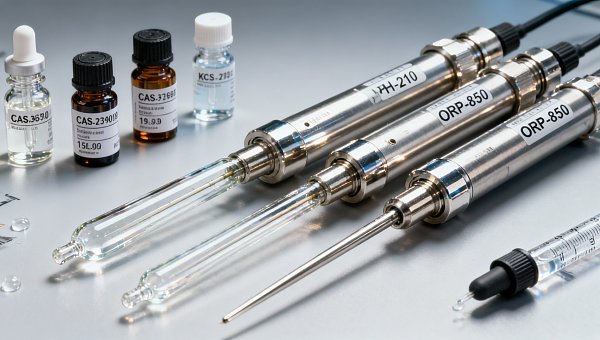
 K-REACH Supply-Shortage Exemption Launches for pH/ORP ElectrodesK-REACH Supply-Shortage Exemption now applies to pH/ORP electrodes—act before June 30, 2026 to avoid customs delays & penalties. Key for exporters & manufacturers.
 4th China International Supply Chain Expo to Focus on Smart Sensing & In-Process InspectionSmart Sensing & In-Process Inspection take center stage at the 4th China International Supply Chain Expo in Beijing, Nov 26–30, 2026 — discover next-gen inspection tech, AI vision modules, and calibrated sensing solutions for global industrial buyers.
 ASTM F2100-26 Medical Mask Standard Takes Effect in USASTM F2100-26 medical mask standard is now in force—driving global demand for biosafety cabinets, particle counters & air velocity calibrators, especially China-made instruments.
 South Africa Enforces SABS Certification for IoT Monitoring DevicesSABS certification now mandatory for IoT monitoring devices entering South Africa via e-commerce—act before 1 June 2026 to avoid customs rejection and ensure market access.
 EU REACH Adds Fluorinated Substances; SVHC Reporting Required for Gas AnalyzersEU REACH now restricts fluorinated substances in gas analyzers—SVHC reporting is mandatory by 30 Nov 2026. Ensure compliance for sensors, membranes & monitoring systems.
 Revised Maritime Code Takes Effect May 1, 2026: Shift in Unclaimed Cargo LiabilityRevised Maritime Code (2026): Shippers now liable for unclaimed cargo—critical for industrial instrument exporters, logistics providers & cross-border supply chains. Act now.
 China Imposes Zero Tariffs on Goods from All African Diplomatic Partners Starting May 1, 2026China’s zero-tariff policy for African instrumentation & automation exports starts May 1, 2026—boosting competitiveness in EPC tenders and market access for exporters.
 Import and Export Shifts in the PPM Gas Analyzer Marketppm gas analyzer market insights: discover how import tariffs, export controls, and compliance shifts impact cost, supply stability, and growth opportunities across key applications.
 Single Gas Analyzer Maintenance Issues That Raise DowntimeSingle gas analyzer maintenance issues can quietly increase downtime. Learn how to spot drift, calibration errors, and sample path faults early to improve uptime and field efficiency.
 Combustion Gas Analyzer Market Trends Shaping 2026 UpgradesCombustion gas analyzer market trends shaping 2026: discover how smarter monitoring, multi-gas accuracy, and digital integration can improve compliance, efficiency, and ROI.
 Corrosive Gas Analyzer Risks That Impact Safety ComplianceCorrosive gas analyzer risks can quietly undermine safety compliance. Learn how drift, sampling failures, and poor maintenance affect accuracy—and how to strengthen monitoring reliability.
 Percent Range Analyzer Applications in Process ControlPercent range analyzer applications improve process control by turning raw signals into clear operating percentages. Discover faster decisions, better alarms, and more stable system performance.
 What Affects the Total Cost of a Dual Gas AnalyzerDual gas analyzer total cost goes beyond purchase price. Learn how sensors, calibration, compliance, integration, and maintenance shape lifecycle value and smarter buying decisions.
 High Temperature Analyzer Selection Mistakes to Avoid in 2026High temperature analyzer selection mistakes can delay projects and raise lifecycle costs. Discover the top 2026 pitfalls and how to choose a safer, smarter solution.
 2026 Price Trends for Multi Gas Analyzer SystemsMulti gas analyzer price trends for 2026: discover key cost drivers, ownership factors, and smart budgeting tips to compare systems, control risk, and choose the right solution.
 PPB Gas Analyzer vs PPM Gas Analyzer: What Changes in Real Useppb gas analyzer vs PPM gas analyzer: learn how sensitivity, calibration, maintenance, and sample handling change in real use to choose the right solution with less risk and cost.
 How to Choose a Trace Gas Analyzer for Low-Level Leak DetectionTrace gas analyzer selection for low-level leak detection: learn how to compare sensitivity, response time, interference control, and integration for safer, faster, more reliable results.
 US-China Trade Talks Agree on Tariff Cuts for Key Test Equipment PartsUS-China tariff cuts on key test equipment parts—like pressure sensor chips & infrared thermal imaging modules—boost margins, cut costs, and strengthen global competitiveness for manufacturers.
 G7 Paris Meeting Focuses on Critical Mineral Supply SecurityCritical mineral supply security takes center stage at the G7 Paris meeting—key for rare-earth sensor exporters. Learn EU compliance impacts & actionable readiness steps.
 Brent Crude Surpasses $106/bbl, Raising Sea Freight Costs for Small Testing Equipment ExportsBrent Crude Surpasses $106/bbl—sea freight costs surge, impacting small testing equipment exporters. Learn how SMEs can adapt pricing, terms & logistics now.
 WTO Forecasts 1.9% Global Goods Trade Growth in 2026 Amid Supply Chain ShorteningWTO forecasts 1.9% global goods trade growth in 2026—sparking nearshoring demand for testing equipment, calibration services & OTA-ready solutions in ASEAN, Middle East & Mexico.
 UK-China Export Control Working Group Holds Second Meeting in LondonUK-China Export Control Working Group: Key updates on dual-use items—laser interferometers, quantum sensors & oscilloscopes. Learn compliance implications for exporters now.
 Japan's 10Y Yield Drop to 2.745% Lifts Yen, Raising China-Made Testing Equipment CostsJapan's 10Y yield drop to 2.745% lifts yen, raising costs for China-made testing equipment — explore FX impacts, procurement shifts & strategic responses.
 KOSPI 200 Futures Circuit Breaker Triggered, Impacting Industrial Automation Instrument Export TimelinesKOSPI 200 futures circuit breaker triggered — impact on PLC modules, transmitters & fieldbus instrument exports to Korea. Urgent timeline insights inside.
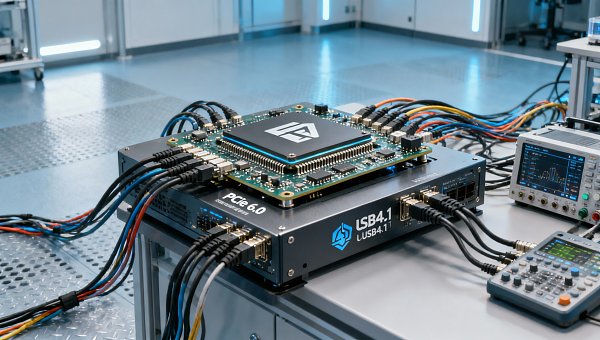
 South Korea’s Chip Exports Surge 202% in May 2026 Amid AI Test Equipment DemandAI test equipment demand surges as South Korea’s chip exports jump 202% in May 2026 — PCIe 6.0 & USB4.1 validation tools see sharp global procurement rise.
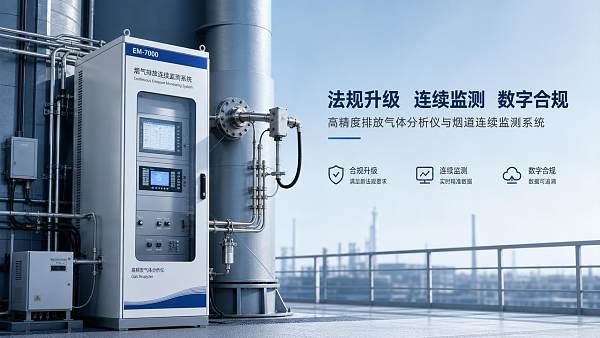
 Emission Gas Analyzer News in 2026: Regulatory Shifts Affecting DemandEmission gas analyzer demand is changing fast in 2026 as new regulations tighten limits, expand continuous monitoring, and raise data compliance standards. Explore key trends shaping smarter buying decisions.
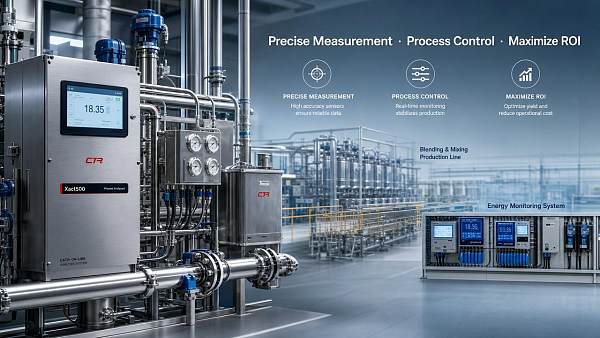
 When a High Accuracy Analyzer Delivers Real ROI in Process ControlHigh accuracy analyzer ROI starts with better process control. Learn where tighter measurements cut waste, improve stability, reduce compliance risk, and deliver measurable operational savings.
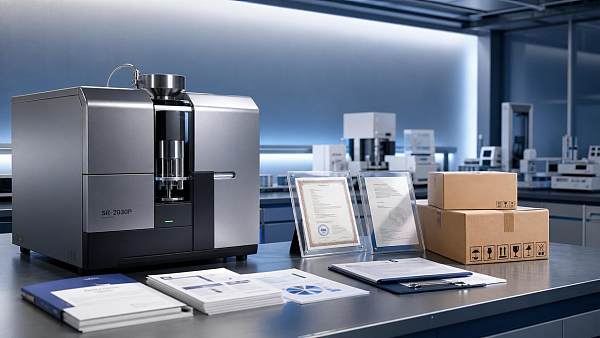
 SR-2030P Analyzer Import Updates in 2026: Compliance Points to ReviewSR-2030P analyzer import updates for 2026: review classification, certification, customs documents, and market access risks to reduce delays, control costs, and source with confidence.
 Industrial Oxygen Analyzer Price Trends in 2026: Cost Drivers to WatchIndustrial oxygen analyzer price trends in 2026 explained: compare sensor, compliance, installation, and maintenance cost drivers to make smarter, lower-risk buying decisions.
Search Categories
Search Categories
Latest Article
- Kuwait Bans HCFC Air Conditioners, Boosts IR Camera ExportsKuwait bans HCFC air conditioners—boosting demand for IR cameras, leak detectors & refrigerant analyzers. Discover GCC compliance insights and export opportunities.Posted by:
- China's IC Exports Surge 78.3% in First Four Months of 2026China's IC exports surge 78.3% in early 2026 — driven by soaring global demand for AI chip test equipment, SMUs, and parametric analyzers. Discover the supply chain shift.Posted by:
- Chile Enforces Mandatory INN Safety Certification for Industrial Temperature ControllersChile mandates INN safety certification (NCh Elec 4/2025) for industrial temperature controllers starting Aug 1, 2026—act now to avoid shipment delays & market bans.Posted by:
Please give us a message
