
Ar Concentration Analyzer Demand Shifts Across Industrial Gas Markets


As industrial gas markets adjust to tighter purity standards, cost controls, and application-specific supply needs, demand for the Ar concentration analyzer is evolving beyond routine monitoring. For business evaluators, understanding where this instrument adds measurable value in production efficiency, compliance, and process stability is essential to assessing market potential and investment direction across diverse industrial segments.
Demand Is Shifting from Basic Measurement to Decision-Critical Monitoring
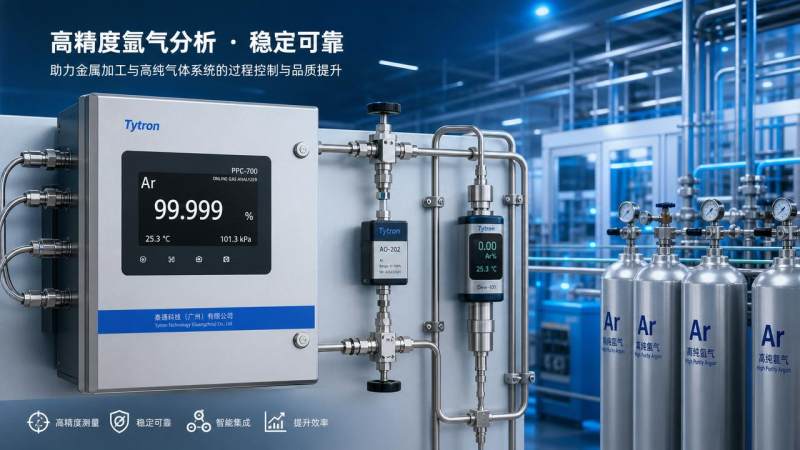
The most important market change is not simply that more companies need gas analysis. It is that the Ar concentration analyzer is being pulled into higher-value roles. In the past, argon monitoring was often treated as a supporting function inside bulk gas handling, welding supply, or standard production utilities. Today, buyers increasingly evaluate the instrument as a business tool linked to yield, energy use, product consistency, traceability, and contract performance.
This shift is visible across industrial gas applications where argon is no longer purchased only as a commodity. In steelmaking, metal fabrication, semiconductor support systems, specialty gas blending, laboratory supply, and advanced manufacturing, gas composition now affects operational economics more directly. As a result, an Ar concentration analyzer is gaining relevance not because the concept is new, but because the cost of poor visibility has increased.
For business assessment professionals, this changes how market demand should be read. Unit demand alone may not tell the full story. A more useful lens is to examine where analyzer deployment is moving from compliance-oriented checking toward continuous optimization, where replacement cycles are shortening, and where customers are willing to pay more for integration, faster response, and better diagnostics.
What Is Driving the New Demand Pattern
Several converging forces are reshaping the buying logic behind the Ar concentration analyzer. These forces are not isolated to one sector. They reflect broader industrial modernization trends across the instrumentation industry and connected gas-dependent operations.
These drivers matter because they increase the business consequence of concentration deviation. When argon concentration affects weld quality, melt atmosphere, analytical reliability, or protective gas effectiveness, the analyzer becomes part of value assurance. That is why the Ar concentration analyzer is now evaluated more frequently alongside process efficiency metrics and quality risk, not only against procurement price.
Which Industrial Gas Segments Show the Strongest Demand Signals
Demand is not rising evenly across all markets. The strongest signals appear where argon usage is intensive, purity-sensitive, or closely tied to downstream production performance. Business evaluators should distinguish between sectors that need basic assurance and sectors that need real-time operational visibility.
Metals and fabrication
Steel refining, nonferrous metallurgy, and welding-related operations remain important demand bases. In these segments, the Ar concentration analyzer supports stable shielding, inerting, and process control. The trend is toward reducing gas consumption while preserving consistency, which makes better concentration monitoring attractive. The business case is strongest where small concentration deviations create scrap, rework, or uneven process outcomes.
Electronics and high-purity manufacturing
In electronics-related production, high-purity gas integrity is directly linked to product quality. Here, buyers are less price-driven and more focused on response speed, stability, contamination risk, and integration with monitoring systems. For this group, the Ar concentration analyzer is part of a broader quality control architecture rather than a standalone meter.
Gas blending and distribution
Industrial gas suppliers are under pressure to deliver consistent composition across varied customers and contract terms. This increases interest in analyzers at blending stations, cylinder filling operations, and verification points. In this segment, demand is shaped by accountability, traceability, and the need to prevent specification disputes.
Laboratories and specialty applications
Laboratory and specialty gas users may represent lower volumes, but they often require precise validation. The trend here is selective but quality-intensive. Business value comes from confidence in test conditions, reduced calibration uncertainty, and documented gas condition control.
Why Procurement Criteria Are Changing Faster Than Installed Base
One of the clearest market signals is that customer expectations are changing faster than existing equipment fleets. Many facilities still operate with legacy analyzers or intermittent testing routines, yet new procurement conversations increasingly revolve around lifecycle value. This gap creates both replacement potential and upgrade potential for the Ar concentration analyzer.
Buyers are asking more detailed questions: Can the analyzer remain stable under varying operating loads? How often does it require intervention? Can it feed data into plant systems? Does it help reduce gas overuse? Can it support internal quality audits or customer acceptance checks? These questions show that selection is shifting from instrument ownership to measurable operational outcomes.
For suppliers and investors, this means a market opportunity may depend less on broad awareness and more on the ability to align the Ar concentration analyzer with quantifiable savings, lower compliance risk, and reduced process variability. In practical terms, the value proposition must be tied to avoided loss rather than only technical capability.
Who Feels the Impact Most Across the Value Chain
The demand shift influences multiple business roles, and each group evaluates the analyzer differently. This matters for market positioning, sales strategy, and investment review.
Technology Upgrades Are Expanding the Addressable Market
Another trend worth watching is that the Ar concentration analyzer is benefiting from broader instrumentation industry upgrades. Improvements in sensor stability, digital interfaces, remote diagnostics, and maintenance planning make argon analysis more useful in operating environments that previously relied on manual checks. This does not mean every facility will adopt advanced systems immediately, but it does widen the practical market over time.
In many projects, the buying decision is no longer about a single analyzer in isolation. It is about whether the instrument fits into automation, reporting, calibration management, and process control workflows. Vendors that can support this integration are likely to gain an advantage, especially in facilities pursuing digital transformation or intelligent upgrading.
For evaluation purposes, this suggests the market should be segmented not just by industry, but also by operational maturity. A plant with basic gas handling needs one kind of solution. A plant using connected systems, predictive maintenance, and tighter product control needs a different kind of Ar concentration analyzer. The demand curve therefore depends on digital readiness as much as on argon consumption volume.
What Signals Business Evaluators Should Track Next
To judge whether the current demand shift has lasting momentum, business evaluators should watch for signals that indicate argon monitoring is becoming embedded in operating strategy rather than treated as a discretionary tool.
- More projects linking gas analysis to production KPIs such as yield, scrap rate, and energy efficiency.
- Growing preference for online and integrated monitoring instead of periodic sampling only.
- Replacement activity in facilities where older analyzers cannot meet traceability or system connectivity expectations.
- Stronger demand from gas distributors and specialty gas handlers seeking contract confidence.
- Procurement language shifting toward total cost of ownership and risk reduction.
These signals matter because they show whether the Ar concentration analyzer is moving into a more resilient demand category. If customers begin to treat argon concentration data as essential for process assurance, the market becomes less dependent on one-time purchases and more influenced by upgrades, service, calibration, and system expansion.
Practical Judgment Framework for Near-Term Market Decisions
A practical way to assess opportunity is to focus on where concentration visibility changes a commercial outcome. Not every user needs the same level of performance, but high-potential demand usually appears when one or more of the following conditions are present: purity-sensitive output, volatile gas sourcing, meaningful scrap exposure, audit requirements, or active automation investment.
For suppliers, this means messaging should be tailored by use case. For investors or strategic planners, it means the most attractive segments may not be the largest gas consumers, but the users where the Ar concentration analyzer directly supports margin protection or customer trust. For procurement and operational leaders, it suggests that evaluation should compare analyzer cost against the financial impact of unstable gas conditions.
Conclusion: The Key Question Is Not Whether Demand Exists, but Where It Becomes Strategic
The market direction is clear: demand for the Ar concentration analyzer is becoming more selective, more application-driven, and more closely tied to measurable business outcomes. The strongest opportunities are emerging where argon concentration affects process reliability, quality assurance, and cost control at the same time. That makes this instrument increasingly relevant across industrial gas markets shaped by tighter standards and smarter operations.
If a company wants to judge how this trend may affect its own business, it should confirm five points: where argon quality creates operational risk, whether current monitoring is sufficient for traceability, how much gas variation costs in practice, how digital integration requirements are evolving, and which customer segments now value concentration data as part of service delivery. Those answers will provide a more reliable basis for deciding where the next wave of Ar concentration analyzer demand is likely to concentrate.
Recommended for You
 Kuwait Bans HCFC Air Conditioners, Boosts IR Camera ExportsKuwait bans HCFC air conditioners—boosting demand for IR cameras, leak detectors & refrigerant analyzers. Discover GCC compliance insights and export opportunities.
 China's IC Exports Surge 78.3% in First Four Months of 2026China's IC exports surge 78.3% in early 2026 — driven by soaring global demand for AI chip test equipment, SMUs, and parametric analyzers. Discover the supply chain shift.
 Chile Enforces Mandatory INN Safety Certification for Industrial Temperature ControllersChile mandates INN safety certification (NCh Elec 4/2025) for industrial temperature controllers starting Aug 1, 2026—act now to avoid shipment delays & market bans.
 K-REACH Supply-Shortage Exemption Launches for pH/ORP ElectrodesK-REACH Supply-Shortage Exemption now applies to pH/ORP electrodes—act before June 30, 2026 to avoid customs delays & penalties. Key for exporters & manufacturers.
 4th China International Supply Chain Expo to Focus on Smart Sensing & In-Process InspectionSmart Sensing & In-Process Inspection take center stage at the 4th China International Supply Chain Expo in Beijing, Nov 26–30, 2026 — discover next-gen inspection tech, AI vision modules, and calibrated sensing solutions for global industrial buyers.
 ASTM F2100-26 Medical Mask Standard Takes Effect in USASTM F2100-26 medical mask standard is now in force—driving global demand for biosafety cabinets, particle counters & air velocity calibrators, especially China-made instruments.
 South Africa Enforces SABS Certification for IoT Monitoring DevicesSABS certification now mandatory for IoT monitoring devices entering South Africa via e-commerce—act before 1 June 2026 to avoid customs rejection and ensure market access.
 EU REACH Adds Fluorinated Substances; SVHC Reporting Required for Gas AnalyzersEU REACH now restricts fluorinated substances in gas analyzers—SVHC reporting is mandatory by 30 Nov 2026. Ensure compliance for sensors, membranes & monitoring systems.
 Revised Maritime Code Takes Effect May 1, 2026: Shift in Unclaimed Cargo LiabilityRevised Maritime Code (2026): Shippers now liable for unclaimed cargo—critical for industrial instrument exporters, logistics providers & cross-border supply chains. Act now.
 China Imposes Zero Tariffs on Goods from All African Diplomatic Partners Starting May 1, 2026China’s zero-tariff policy for African instrumentation & automation exports starts May 1, 2026—boosting competitiveness in EPC tenders and market access for exporters.
 Import and Export Shifts in the PPM Gas Analyzer Marketppm gas analyzer market insights: discover how import tariffs, export controls, and compliance shifts impact cost, supply stability, and growth opportunities across key applications.
 Single Gas Analyzer Maintenance Issues That Raise DowntimeSingle gas analyzer maintenance issues can quietly increase downtime. Learn how to spot drift, calibration errors, and sample path faults early to improve uptime and field efficiency.
 Combustion Gas Analyzer Market Trends Shaping 2026 UpgradesCombustion gas analyzer market trends shaping 2026: discover how smarter monitoring, multi-gas accuracy, and digital integration can improve compliance, efficiency, and ROI.
 Corrosive Gas Analyzer Risks That Impact Safety ComplianceCorrosive gas analyzer risks can quietly undermine safety compliance. Learn how drift, sampling failures, and poor maintenance affect accuracy—and how to strengthen monitoring reliability.
 Percent Range Analyzer Applications in Process ControlPercent range analyzer applications improve process control by turning raw signals into clear operating percentages. Discover faster decisions, better alarms, and more stable system performance.
 What Affects the Total Cost of a Dual Gas AnalyzerDual gas analyzer total cost goes beyond purchase price. Learn how sensors, calibration, compliance, integration, and maintenance shape lifecycle value and smarter buying decisions.
 High Temperature Analyzer Selection Mistakes to Avoid in 2026High temperature analyzer selection mistakes can delay projects and raise lifecycle costs. Discover the top 2026 pitfalls and how to choose a safer, smarter solution.
 2026 Price Trends for Multi Gas Analyzer SystemsMulti gas analyzer price trends for 2026: discover key cost drivers, ownership factors, and smart budgeting tips to compare systems, control risk, and choose the right solution.
 PPB Gas Analyzer vs PPM Gas Analyzer: What Changes in Real Useppb gas analyzer vs PPM gas analyzer: learn how sensitivity, calibration, maintenance, and sample handling change in real use to choose the right solution with less risk and cost.
 How to Choose a Trace Gas Analyzer for Low-Level Leak DetectionTrace gas analyzer selection for low-level leak detection: learn how to compare sensitivity, response time, interference control, and integration for safer, faster, more reliable results.
 US-China Trade Talks Agree on Tariff Cuts for Key Test Equipment PartsUS-China tariff cuts on key test equipment parts—like pressure sensor chips & infrared thermal imaging modules—boost margins, cut costs, and strengthen global competitiveness for manufacturers.
 G7 Paris Meeting Focuses on Critical Mineral Supply SecurityCritical mineral supply security takes center stage at the G7 Paris meeting—key for rare-earth sensor exporters. Learn EU compliance impacts & actionable readiness steps.
 Brent Crude Surpasses $106/bbl, Raising Sea Freight Costs for Small Testing Equipment ExportsBrent Crude Surpasses $106/bbl—sea freight costs surge, impacting small testing equipment exporters. Learn how SMEs can adapt pricing, terms & logistics now.
 WTO Forecasts 1.9% Global Goods Trade Growth in 2026 Amid Supply Chain ShorteningWTO forecasts 1.9% global goods trade growth in 2026—sparking nearshoring demand for testing equipment, calibration services & OTA-ready solutions in ASEAN, Middle East & Mexico.
 UK-China Export Control Working Group Holds Second Meeting in LondonUK-China Export Control Working Group: Key updates on dual-use items—laser interferometers, quantum sensors & oscilloscopes. Learn compliance implications for exporters now.
 Japan's 10Y Yield Drop to 2.745% Lifts Yen, Raising China-Made Testing Equipment CostsJapan's 10Y yield drop to 2.745% lifts yen, raising costs for China-made testing equipment — explore FX impacts, procurement shifts & strategic responses.
 KOSPI 200 Futures Circuit Breaker Triggered, Impacting Industrial Automation Instrument Export TimelinesKOSPI 200 futures circuit breaker triggered — impact on PLC modules, transmitters & fieldbus instrument exports to Korea. Urgent timeline insights inside.
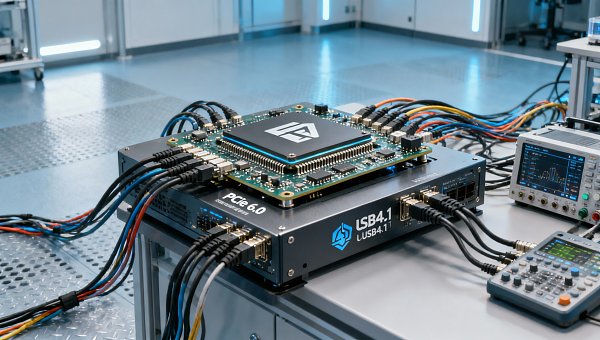
 South Korea’s Chip Exports Surge 202% in May 2026 Amid AI Test Equipment DemandAI test equipment demand surges as South Korea’s chip exports jump 202% in May 2026 — PCIe 6.0 & USB4.1 validation tools see sharp global procurement rise.
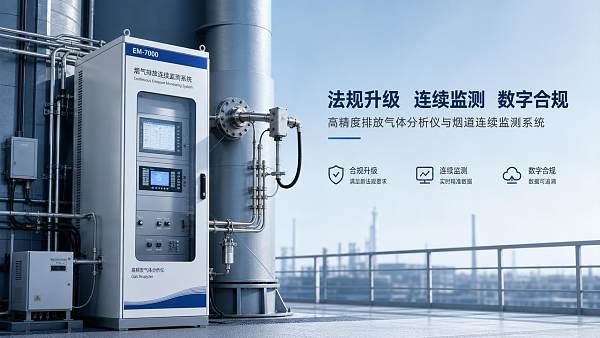
 Emission Gas Analyzer News in 2026: Regulatory Shifts Affecting DemandEmission gas analyzer demand is changing fast in 2026 as new regulations tighten limits, expand continuous monitoring, and raise data compliance standards. Explore key trends shaping smarter buying decisions.
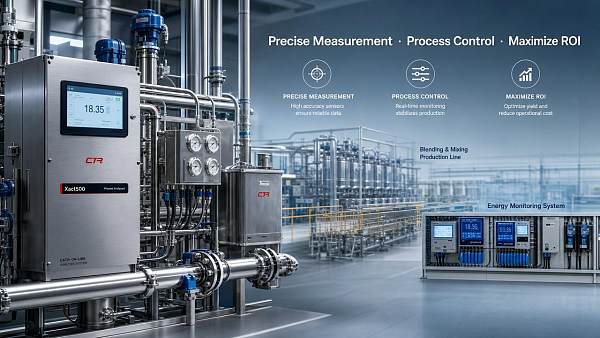
 When a High Accuracy Analyzer Delivers Real ROI in Process ControlHigh accuracy analyzer ROI starts with better process control. Learn where tighter measurements cut waste, improve stability, reduce compliance risk, and deliver measurable operational savings.
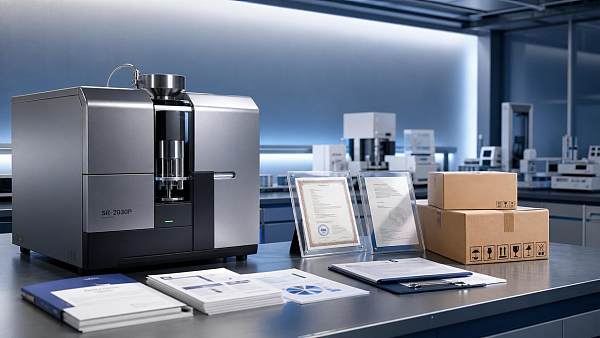
 SR-2030P Analyzer Import Updates in 2026: Compliance Points to ReviewSR-2030P analyzer import updates for 2026: review classification, certification, customs documents, and market access risks to reduce delays, control costs, and source with confidence.
 Industrial Oxygen Analyzer Price Trends in 2026: Cost Drivers to WatchIndustrial oxygen analyzer price trends in 2026 explained: compare sensor, compliance, installation, and maintenance cost drivers to make smarter, lower-risk buying decisions.




Search Categories
Search Categories
Latest Article
- Kuwait Bans HCFC Air Conditioners, Boosts IR Camera ExportsKuwait bans HCFC air conditioners—boosting demand for IR cameras, leak detectors & refrigerant analyzers. Discover GCC compliance insights and export opportunities.Posted by:
- China's IC Exports Surge 78.3% in First Four Months of 2026China's IC exports surge 78.3% in early 2026 — driven by soaring global demand for AI chip test equipment, SMUs, and parametric analyzers. Discover the supply chain shift.Posted by:
- Chile Enforces Mandatory INN Safety Certification for Industrial Temperature ControllersChile mandates INN safety certification (NCh Elec 4/2025) for industrial temperature controllers starting Aug 1, 2026—act now to avoid shipment delays & market bans.Posted by:
Please give us a message
