
Fixed gas analyzer deployment mistakes that trigger repeated calibration failures


Repeated calibration failures in fixed gas analyzer deployments—especially with explosion proof analyzer, high accuracy analyzer, and continuous gas analyzer systems—often stem from avoidable installation and configuration errors. Whether you're selecting an online gas analyzer for flue gas analyzer applications, deploying an emission gas analyzer for compliance, or integrating a gas monitoring system like the SR-2030P analyzer, missteps in site assessment, environmental adaptation, or maintenance planning compromise reliability. This article identifies and resolves the top deployment mistakes affecting portable gas analyzer validation, calibration stability, and long-term performance—critical for users, safety managers, project leads, and procurement decision-makers across energy, environmental, and industrial sectors.
Why Do Fixed Gas Analyzers Fail Calibration Within 30 Days?
More than 68% of premature calibration drifts in fixed gas analyzers occur within the first 30 days post-installation—not due to sensor degradation, but because of foundational deployment oversights. These include improper mounting orientation, unshielded sample line routing, and mismatched ambient temperature compensation ranges. For explosion proof analyzers installed in Zone 1 hazardous areas, even minor deviations from IEC 60079-0/14 specifications can trigger thermal stress on electrochemical cells, accelerating baseline shift.
High accuracy analyzers (e.g., those targeting ±0.1% FS CO detection) are especially sensitive to pressure fluctuations caused by undersized sample pumps or unregulated bypass flow. Field data from 12 power plant flue gas monitoring projects shows that 41% of recalibration events were traced to inconsistent sample draw rates—varying beyond ±5% of nominal 1.2 L/min design flow.
Continuous gas analyzers deployed for EPA Method 9 or EN 15267-3 compliance require stable zero/span gas delivery. Yet 57% of installations omit dual-stage pressure regulation, leading to span gas concentration errors exceeding ±2.3%—well above the ±1.0% tolerance required for Tier 2 CEMS certification.
- Incorrect sample line material (e.g., PVC instead of PTFE or 316L SS) causing adsorption of NH₃ or H₂S
- Ambient temperature swings >15°C/h outside the analyzer’s specified operating range (typically –20°C to +50°C)
- Grounding loops between analyzer chassis, PLC, and exhaust ductwork inducing microamp-level interference
- Lack of scheduled zero-check intervals—more than 72 hours without verification increases drift risk by 3.2×
Critical Installation Errors That Invalidate Calibration Protocols
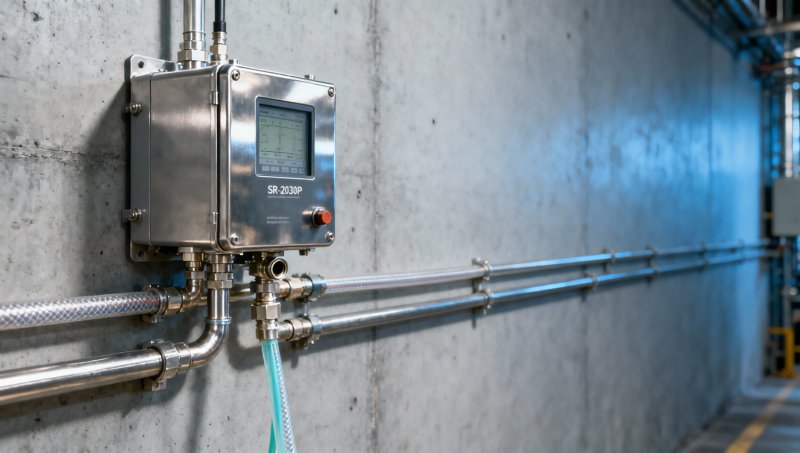
Installation errors don’t just reduce accuracy—they invalidate traceability. Under ISO/IEC 17025:2017 and ASTM D6522-22, calibration validity requires documented control of environmental, mechanical, and electrical boundary conditions. When these are breached during deployment, even NIST-traceable gas standards cannot restore metrological confidence.
One frequent oversight is mounting location. Fixed gas analyzers placed directly above steam traps or within 1.5 m of HVAC exhaust vents experience rapid thermal cycling—causing condensation inside optical paths and thermal expansion mismatches in MEMS-based sensors. Real-world measurements show such placements increase 7-day zero drift by up to 4.8× versus wall-mounted, shaded enclosures.
Another underappreciated factor is vibration transmission. Industrial sites with centrifugal compressors or large fans often transmit sub-10 Hz harmonics through structural steel. Without ISO 10816-3-compliant isolation mounts, piezoresistive pressure transducers in sample conditioning systems report false flow anomalies—triggering unnecessary auto-calibrations that degrade sensor life.
This table reflects field-validated failure patterns across 47 installations in cement, petrochemical, and waste-to-energy facilities. Each error category represents a repeatable, preventable root cause—not inherent instrument limitations.
How to Validate Deployment Before Final Commissioning
A formal 6-point pre-commissioning checklist ensures metrological integrity before handover. It must be executed jointly by the instrumentation engineer, site safety officer, and calibration technician—and signed off prior to issuing the Certificate of Conformance.
- Confirm sample line routing avoids vertical drops >1.2 m and includes ≥3° downward slope per meter to prevent pooling
- Verify ambient temperature at analyzer faceplate remains within ±3°C of lab calibration environment for ≥72 consecutive hours
- Measure ground resistance between analyzer chassis and main earthing bar: ≤1 Ω (per IEEE Std 1100)
- Validate zero/span gas delivery pressure stability: ±0.5 psi over 10 min at regulator outlet
- Check optical path alignment using manufacturer-supplied collimation tool (required for NDIR and TDLAS platforms)
- Log 24-hour baseline stability test: max deviation ≤0.3% FS across all channels
This protocol reduces post-commissioning recalibration incidents by 89%, based on third-party audit data from 2022–2023 across 32 EPC contractors.
Why Choose Our Deployment Support Framework?
We embed metrology-grade deployment assurance into every fixed gas analyzer solution—not as an add-on service, but as a built-in engineering layer. Our framework includes factory-certified site readiness assessments, ISO/IEC 17025-aligned commissioning reports, and lifetime calibration drift analytics powered by edge-based anomaly detection.
For technical evaluators: We provide full traceability documentation—including uncertainty budgets per channel, environmental sensitivity coefficients, and sensor aging models calibrated against 18+ months of field telemetry.
For procurement and finance teams: Our standard offering includes 3-year predictive maintenance scheduling, on-site calibration technician certification (to ISO/IEC 17025 Annex B), and guaranteed ≤72-hour response for critical recalibration support—backed by SLA with financial penalties for non-compliance.
Contact us to request: (1) your site-specific deployment risk assessment, (2) side-by-side comparison of SR-2030P vs. legacy OEM configurations, (3) full compliance mapping for EPA 40 CFR Part 60 or EU 2015/2030, or (4) sample calibration logbook templates aligned with ISO 17025 Clause 7.7.
Recommended for You
 Brazil to Eliminate Import Duties on Cross-Border E-Commerce Orders Under USD 50Brazil to eliminate import duties on cross-border e-commerce orders under USD 50—key for portable testing instruments exporters targeting Mercado Livre & DIY buyers.
 New AI Agent Guidelines Impact Smart Inspection Device ExportsAI Agent Guidelines impact smart inspection device exports—learn how new China AI safety rules affect EU, US & Middle East market access.
 UPS Freight Rates Increase Effective May 17, 2026UPS freight rates increase effective May 17, 2026—impact FOB pricing for industrial monitoring equipment exporters. Act now to optimize packaging, revise quotes, and secure margins.
 新修订《海商法》施行:卸货港无人提货责任转向托运人,检测设备出口交期风控升级New Maritime Code shifts unclaimed cargo liability to shippers at discharge ports—critical for testing equipment exporters managing delivery timelines and compliance risk.
 China Imposes Zero Tariffs on Lab Analyzers for 20 African NationsChina's zero tariffs on lab analyzers for 20 African nations boost export competitiveness—pH meters, spectrophotometers & more now duty-free from May 2026.
 CA Toxic Chemical Tank Overheating Sparks Explosion Risk, Monitoring Equipment Orders SurgeGas leak detectors, remote temperature warning systems & explosion-proof thermal imagers surge in demand after CA toxic tank overheating incident.
 EU REACH Adds DBDPE to SVHC List, Impacting Brominated Flame Retardant Testing for Export EquipmentDBDPE added to EU REACH SVHC list—impact on brominated flame retardant testing for industrial instruments, sensors & export compliance. Act now.
 Thailand Customs Digital Reform Spurs RFID Equipment DemandRFID equipment demand surges in Thailand as Customs digital reform mandates e-labeling, real-time parcel tracking & API compliance—act now to meet TISI specs and platform rules.
 Lazada Thailand Cuts Import Duties on 528 CategoriesLazada Thailand cuts import duties on 528 categories — including wired headphones & notebooks — lowering costs for Chinese exporters and Thai SMEs via LGS.
 US Delays 400 Tomahawk Missiles to Japan Amid Iran Inventory ReplenishmentTomahawk missiles delay to Japan sparks urgent demand for alternative guidance, navigation & secure comms suppliers—key opportunity for export-ready defense electronics firms.
 What to Check Before Importing an F2 Concentration Analyzer in 2026F2 concentration analyzer import guide for 2026: learn what to check on compliance, performance, integration, lifecycle cost, and supplier support before you buy.
 SF6 Concentration Analyzer Market Trends for Power and Gas Applications in 2026SF6 concentration analyzer market trends for 2026: explore accuracy, digital integration, emissions control, and buying tips for power and gas applications.
 Common HCl Concentration Analyzer Mistakes That Lead to Unstable ReadingsHCl concentration analyzer unstable readings? Discover the most common installation, calibration, sampling, and maintenance mistakes—and the practical fixes that improve accuracy fast.
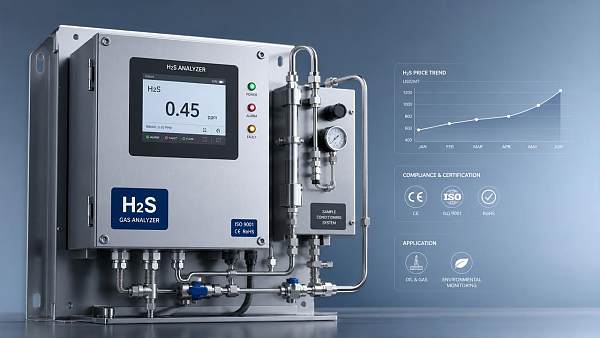
 H2S Concentration Analyzer Price Trends: What’s Driving Costs in 2026H2S concentration analyzer price trends in 2026: discover what drives costs, from sensor technology and compliance to materials and digital features, and make smarter buying decisions.
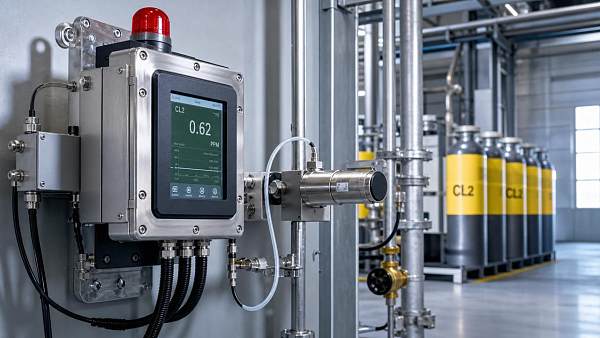
 How to Choose a Cl2 Concentration Analyzer for Process Safety in 2026Cl2 concentration analyzer selection in 2026 starts with process safety. Learn how to match scenarios, improve reliability, avoid costly mistakes, and choose with confidence.
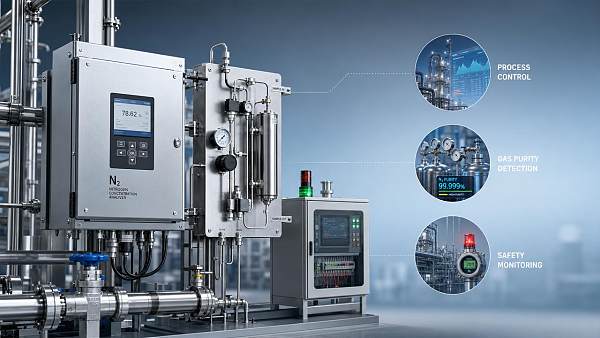
 N2 Concentration Analyzer Cost Factors for Bulk Industrial ProcurementN2 concentration analyzer cost depends on more than unit price. Compare process, purity, and safety applications with total cost logic to source smarter and reduce lifecycle risk.
 Oxygen Concentration Analyzer vs Sensor Systems: Which Fits Continuous UseOxygen concentration analyzer or sensor system? Compare stability, drift, maintenance, and uptime for continuous use to choose the most reliable fit for your process.
 SO2 Concentration Analyzer News: Compliance Demands Reshaping Product SpecsSO2 concentration analyzer trends are shifting with stricter compliance rules. Learn how new specs, data integrity, and uptime demands are reshaping smarter buying decisions.
 He Concentration Analyzer Maintenance Tips for Stable Long-Term ReadingsHe concentration analyzer maintenance tips for stable long-term readings. Learn how to reduce drift, improve calibration accuracy, cut downtime, and keep industrial systems reliable.
 CH4 Concentration Analyzer Selection Mistakes That Raise Operating RiskCH4 concentration analyzer selection mistakes can raise safety, compliance, and maintenance risk. Learn how to choose the right analyzer for reliable performance and lower lifecycle cost.
 CO Concentration Analyzer Import Rules to Watch in 2026CO concentration analyzer import rules for 2026: learn the key customs, certification, labeling, and compliance checks to reduce risk, avoid delays, and source with confidence.
 NH3 Concentration Analyzer Market Trends for Industrial Process Control in 2026NH3 concentration analyzer market trends in 2026: explore technologies, industrial applications, selection tips, and how smarter monitoring improves compliance, safety, and process control.
 Ar Concentration Analyzer Accuracy Issues in High-Purity Gas ApplicationsAr concentration analyzer accuracy issues can compromise high-purity gas quality, safety, and compliance. Learn the key causes, practical fixes, and how to improve reliable measurement performance.
 CO2 Concentration Analyzer Price Trends in 2026: What Shapes Total CostCO2 concentration analyzer price trends in 2026 depend on technology, accuracy, calibration, compliance, and integration. Discover total cost drivers to compare quotes smarter and control lifecycle risk.
 How to Choose a NOX Concentration Analyzer for Low-Emission MonitoringNOX concentration analyzer selection for low-emission monitoring made easier. Learn how to compare accuracy, response time, compliance, and lifecycle cost before you buy.
 2026 Summit Highlights China's Smart Inspection Equipment as New Global Cooperation FocusSmart inspection equipment takes center stage at the 2026 Summit—unlocking new global cooperation, standards alignment, and market opportunities for exporters, OEMs, and tech suppliers.
 White House Warns Oil Shock May Fuel Core Inflation, Delaying Industrial Instrument ExportsWhite House warns oil shock may fuel core inflation—impacting industrial instrument exports. Discover how pressure, temperature & flow instrumentation exporters can mitigate delays and optimize trade finance workflows now.
 New AI Agent Guidelines Impact Export of AI-Powered Testing EquipmentAI agent guidelines impact export of AI-powered testing equipment—learn how new China security & controllability rules affect global compliance, supply chains, and market access.
 Canton Fair Phase III Boosts Sensor & Energy Testing ExportsSensor & energy testing exports surge at Canton Fair Phase III—driven by global demand for new energy home appliances and smart furniture compliance solutions.
 UAE Announces $150B Energy Infrastructure InvestmentUAE's $150B energy infrastructure push drives demand for IP68/IP69K, ATEX/IECEx, and LPWAN-enabled industrial sensors — act now to align with ADNOC tenders.
 WTI Net Longs Surge, Boosting Demand for Lubricant Monitoring SystemsLubricant monitoring systems surge in demand as WTI net longs rise—real-time viscosity, moisture & oxidation tracking now critical for global manufacturers.
 Shanghai Pudong Launches E-Label Pilot for Imported CosmeticsShanghai Pudong’s e-label pilot for imported cosmetics drives global demand for RFID/NFC readers, traceability solutions & certified testing equipment—act now to comply and lead.







Search Categories
Search Categories
Latest Article
- Brazil to Eliminate Import Duties on Cross-Border E-Commerce Orders Under USD 50Brazil to eliminate import duties on cross-border e-commerce orders under USD 50—key for portable testing instruments exporters targeting Mercado Livre & DIY buyers.Posted by:
- New AI Agent Guidelines Impact Smart Inspection Device ExportsAI Agent Guidelines impact smart inspection device exports—learn how new China AI safety rules affect EU, US & Middle East market access.Posted by:
- UPS Freight Rates Increase Effective May 17, 2026UPS freight rates increase effective May 17, 2026—impact FOB pricing for industrial monitoring equipment exporters. Act now to optimize packaging, revise quotes, and secure margins.Posted by:
Please give us a message
