
CO Analyzer for Fire Detection: How to Avoid Costly Selection Mistakes


Choosing the right CO analyzer for fire detection can directly affect safety performance, compliance, and long-term operating costs. For procurement teams, a poor selection may lead to false alarms, delayed response, costly maintenance, or system mismatch. This article highlights the key factors buyers should evaluate to avoid common mistakes and make a more reliable, cost-effective purchasing decision.
Why application context matters before buying a CO analyzer for fire detection
A CO analyzer for fire detection is not a one-size-fits-all device. In procurement, many costly mistakes happen because teams compare only price, detection range, or catalog specifications, without asking where the unit will actually be used. A warehouse with diesel forklifts, an underground parking structure, a cable tunnel, and a battery room may all require carbon monoxide monitoring, but their fire risks, airflow patterns, contamination levels, maintenance access, and alarm logic are very different.
For buyers in the instrumentation industry and related sectors, the real task is not simply sourcing a detector. It is selecting an analysis and monitoring solution that fits the operating environment, integrates with existing control systems, supports compliance goals, and remains stable over time. That is why procurement should begin with scenario mapping: what event you want to detect, how early detection must happen, which interferences are expected, and how the analyzer will be maintained.
When the application is understood first, it becomes easier to avoid the most common errors: buying the wrong sensing technology, underestimating environmental stress, choosing the wrong alarm thresholds, or overlooking calibration and service needs.
Where a CO analyzer for fire detection is commonly used
In practice, a CO analyzer for fire detection is selected for several recurring business scenarios. Each scenario changes what “best” means. Procurement teams should separate these applications instead of treating them as a single product category.
- Large warehouses and logistics centers, where smoldering fires must be identified before visible flame develops.
- Underground car parks and transport hubs, where background CO from vehicles may interfere with fire detection strategy.
- Industrial plants, especially areas with combustion processes, ovens, generators, or fuel handling systems.
- Cable tunnels, utility corridors, and energy facilities, where early warning is critical and access may be limited.
- Battery storage rooms, control rooms, and enclosed technical spaces, where mixed gas risks and ventilation conditions affect selection.
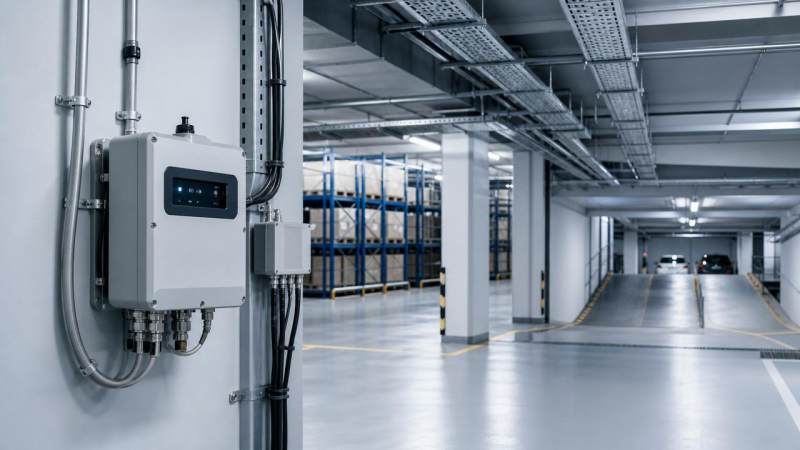
Scenario comparison: what buyers should prioritize in different environments
The table below helps procurement teams compare how selection priorities shift by use case. This is often more useful than reviewing isolated product brochures.
How demand changes by scenario, not just by product specification
High-airflow buildings
In distribution centers, atriums, and large manufacturing halls, air movement can dilute or redirect carbon monoxide before the analyzer sees it. In these cases, sensor placement and sampling strategy may matter more than headline sensitivity. Procurement should ask suppliers for placement recommendations based on airflow, ceiling height, and ventilation cycles, not just device accuracy under lab conditions.
Mixed-use or emission-heavy spaces
A CO analyzer for fire detection in parking facilities or process plants must distinguish meaningful fire-related CO rise from normal operational emissions. This usually means buyers should review baseline CO patterns, occupancy schedules, and whether multi-criteria logic is needed. A cheap single-point solution may create nuisance alarms that eventually reduce trust in the system.
Remote or hard-to-access installations
In tunnels, substations, or utility networks, maintenance cost can exceed purchase cost over the equipment lifecycle. Here, procurement should prioritize analyzer stability, calibration interval, spare parts availability, and remote status monitoring. A lower-cost analyzer with frequent field service requirements may become the more expensive option within two or three years.
The selection criteria that most often prevent expensive mistakes
When comparing vendors, procurement teams should turn broad technical claims into decision criteria tied to their own application. The following points are the most practical filters.
- Sensing principle: Confirm whether the analyzer technology suits the expected CO concentration profile, environmental contaminants, and required response time.
- False alarm resistance: Evaluate cross-sensitivity to exhaust gases, solvents, humidity, dust, and process emissions.
- Detection strategy: Check whether point detection, aspirated sampling, or networked zoning makes more sense for the site layout.
- Environmental durability: Temperature range, ingress protection, vibration tolerance, and corrosion resistance should match the installation area.
- Control system compatibility: The CO analyzer for fire detection should connect smoothly with fire panels, BMS, PLC, SCADA, or safety systems already in use.
- Maintenance model: Ask about calibration method, replacement cycle, sensor life, and local technical support.
- Compliance and documentation: Buyers should request test reports, certifications, and application references relevant to the intended market or facility type.
Common procurement misjudgments by scenario
Different environments create different blind spots. Recognizing them early improves both technical fit and commercial outcomes.
Mistake 1: Treating CO monitoring and fire detection as identical
Some buyers assume any carbon monoxide monitor can serve as a CO analyzer for fire detection. In reality, exposure monitoring and early fire warning may require different alarm logic, response behavior, placement rules, and integration priorities. A device designed mainly for occupational safety may not deliver the same fire detection performance.
Mistake 2: Buying only on unit price
Low purchase price often hides higher installation complexity, more frequent calibration, shorter sensor life, or weak after-sales support. Procurement should compare total cost of ownership, including downtime risk, maintenance labor, consumables, and false alarm consequences.
Mistake 3: Ignoring baseline site conditions
A CO analyzer for fire detection can perform poorly if the buyer never reviews normal CO background levels, ventilation schedules, traffic peaks, or nearby combustion sources. This is especially risky in parking structures, loading docks, and industrial areas.
Mistake 4: Overlooking system integration
Even a technically strong analyzer may create project delays if communication protocols, relay outputs, zoning strategy, or control panel compatibility were not checked in advance. Procurement should involve engineering, fire safety, and automation stakeholders before final approval.
A practical fit-check list for procurement teams
Before issuing a purchase order, buyers can use the following scenario-based checks to reduce risk:
- Define the fire detection objective: smoldering fire warning, mixed gas hazard detection, or dual-purpose monitoring.
- Map the installation environment: enclosed, ventilated, dusty, corrosive, high-traffic, or remote-access.
- Collect normal operating CO data if background emissions are possible.
- Confirm alarm logic and required response action with safety and operations teams.
- Check communication and integration requirements with existing instrumentation and control platforms.
- Request maintenance schedules, calibration needs, and lifecycle cost estimates from suppliers.
- Ask for references in similar applications, not just general product datasheets.
FAQ: scenario-based questions buyers often ask
Is a CO analyzer for fire detection suitable for every enclosed area?
No. Suitability depends on the likely fire behavior, background emissions, airflow, and whether CO is a reliable early indicator in that space. In some environments, it works well as part of a broader strategy rather than as a standalone method.
What scenarios require extra caution during selection?
Underground parking, industrial process zones, and areas with fuel-burning equipment require special attention because normal CO sources can affect alarm behavior. These applications benefit from stronger site analysis and carefully tuned thresholds.
How can buyers reduce long-term maintenance cost?
Choose a CO analyzer for fire detection with proven stability, realistic service intervals, accessible spare parts, and vendor support in your region. Also consider whether remote diagnostics can reduce inspection trips and unplanned downtime.
Final buying guidance: match the analyzer to the scenario, not the brochure
For procurement professionals, the best CO analyzer for fire detection is the one that fits the real operating scenario, not the one with the longest specification sheet. Warehouses need reliable early warning under changing airflow. Parking facilities need discrimination against routine vehicle emissions. Industrial sites need resilience against interference and strong integration with automation systems. Remote infrastructure needs low-maintenance reliability.
If you want to avoid costly selection mistakes, start by defining your site conditions, operational risk, and maintenance capabilities. Then compare suppliers based on scenario fit, lifecycle cost, and system compatibility. A structured evaluation process will help you choose a CO analyzer for fire detection that improves safety, supports compliance, and delivers better value over the full service life.
Recommended for You
 Brazil to Eliminate Import Duties on Cross-Border E-Commerce Orders Under USD 50Brazil to eliminate import duties on cross-border e-commerce orders under USD 50—key for portable testing instruments exporters targeting Mercado Livre & DIY buyers.
 New AI Agent Guidelines Impact Smart Inspection Device ExportsAI Agent Guidelines impact smart inspection device exports—learn how new China AI safety rules affect EU, US & Middle East market access.
 UPS Freight Rates Increase Effective May 17, 2026UPS freight rates increase effective May 17, 2026—impact FOB pricing for industrial monitoring equipment exporters. Act now to optimize packaging, revise quotes, and secure margins.
 新修订《海商法》施行:卸货港无人提货责任转向托运人,检测设备出口交期风控升级New Maritime Code shifts unclaimed cargo liability to shippers at discharge ports—critical for testing equipment exporters managing delivery timelines and compliance risk.
 China Imposes Zero Tariffs on Lab Analyzers for 20 African NationsChina's zero tariffs on lab analyzers for 20 African nations boost export competitiveness—pH meters, spectrophotometers & more now duty-free from May 2026.
 CA Toxic Chemical Tank Overheating Sparks Explosion Risk, Monitoring Equipment Orders SurgeGas leak detectors, remote temperature warning systems & explosion-proof thermal imagers surge in demand after CA toxic tank overheating incident.
 EU REACH Adds DBDPE to SVHC List, Impacting Brominated Flame Retardant Testing for Export EquipmentDBDPE added to EU REACH SVHC list—impact on brominated flame retardant testing for industrial instruments, sensors & export compliance. Act now.
 Thailand Customs Digital Reform Spurs RFID Equipment DemandRFID equipment demand surges in Thailand as Customs digital reform mandates e-labeling, real-time parcel tracking & API compliance—act now to meet TISI specs and platform rules.
 Lazada Thailand Cuts Import Duties on 528 CategoriesLazada Thailand cuts import duties on 528 categories — including wired headphones & notebooks — lowering costs for Chinese exporters and Thai SMEs via LGS.
 US Delays 400 Tomahawk Missiles to Japan Amid Iran Inventory ReplenishmentTomahawk missiles delay to Japan sparks urgent demand for alternative guidance, navigation & secure comms suppliers—key opportunity for export-ready defense electronics firms.
 What to Check Before Importing an F2 Concentration Analyzer in 2026F2 concentration analyzer import guide for 2026: learn what to check on compliance, performance, integration, lifecycle cost, and supplier support before you buy.
 SF6 Concentration Analyzer Market Trends for Power and Gas Applications in 2026SF6 concentration analyzer market trends for 2026: explore accuracy, digital integration, emissions control, and buying tips for power and gas applications.
 Common HCl Concentration Analyzer Mistakes That Lead to Unstable ReadingsHCl concentration analyzer unstable readings? Discover the most common installation, calibration, sampling, and maintenance mistakes—and the practical fixes that improve accuracy fast.
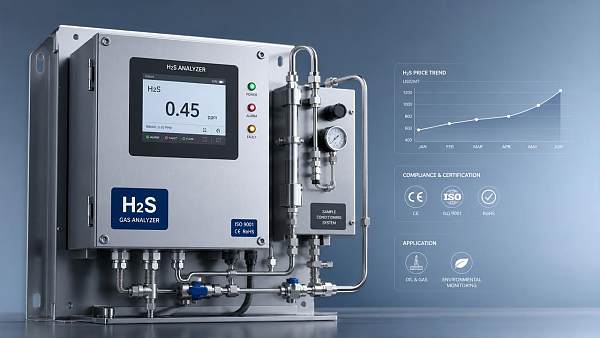
 H2S Concentration Analyzer Price Trends: What’s Driving Costs in 2026H2S concentration analyzer price trends in 2026: discover what drives costs, from sensor technology and compliance to materials and digital features, and make smarter buying decisions.
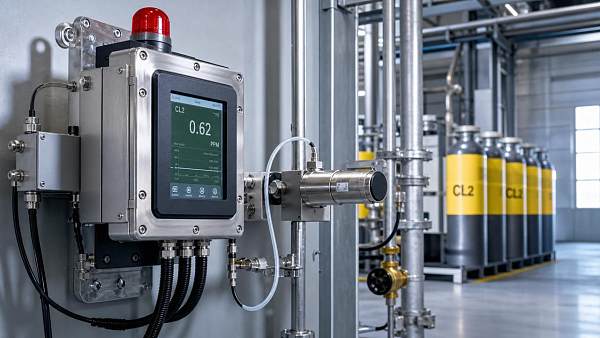
 How to Choose a Cl2 Concentration Analyzer for Process Safety in 2026Cl2 concentration analyzer selection in 2026 starts with process safety. Learn how to match scenarios, improve reliability, avoid costly mistakes, and choose with confidence.
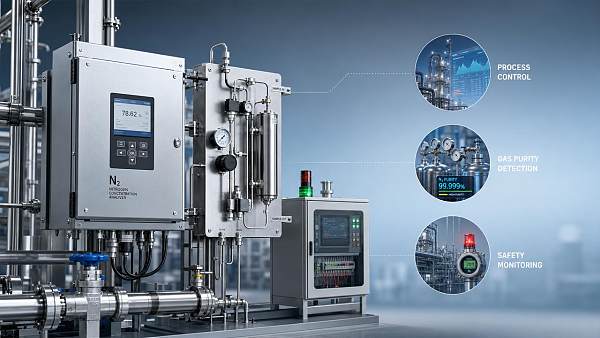
 N2 Concentration Analyzer Cost Factors for Bulk Industrial ProcurementN2 concentration analyzer cost depends on more than unit price. Compare process, purity, and safety applications with total cost logic to source smarter and reduce lifecycle risk.
 Oxygen Concentration Analyzer vs Sensor Systems: Which Fits Continuous UseOxygen concentration analyzer or sensor system? Compare stability, drift, maintenance, and uptime for continuous use to choose the most reliable fit for your process.
 SO2 Concentration Analyzer News: Compliance Demands Reshaping Product SpecsSO2 concentration analyzer trends are shifting with stricter compliance rules. Learn how new specs, data integrity, and uptime demands are reshaping smarter buying decisions.
 He Concentration Analyzer Maintenance Tips for Stable Long-Term ReadingsHe concentration analyzer maintenance tips for stable long-term readings. Learn how to reduce drift, improve calibration accuracy, cut downtime, and keep industrial systems reliable.
 CH4 Concentration Analyzer Selection Mistakes That Raise Operating RiskCH4 concentration analyzer selection mistakes can raise safety, compliance, and maintenance risk. Learn how to choose the right analyzer for reliable performance and lower lifecycle cost.
 CO Concentration Analyzer Import Rules to Watch in 2026CO concentration analyzer import rules for 2026: learn the key customs, certification, labeling, and compliance checks to reduce risk, avoid delays, and source with confidence.
 NH3 Concentration Analyzer Market Trends for Industrial Process Control in 2026NH3 concentration analyzer market trends in 2026: explore technologies, industrial applications, selection tips, and how smarter monitoring improves compliance, safety, and process control.
 Ar Concentration Analyzer Accuracy Issues in High-Purity Gas ApplicationsAr concentration analyzer accuracy issues can compromise high-purity gas quality, safety, and compliance. Learn the key causes, practical fixes, and how to improve reliable measurement performance.
 CO2 Concentration Analyzer Price Trends in 2026: What Shapes Total CostCO2 concentration analyzer price trends in 2026 depend on technology, accuracy, calibration, compliance, and integration. Discover total cost drivers to compare quotes smarter and control lifecycle risk.
 How to Choose a NOX Concentration Analyzer for Low-Emission MonitoringNOX concentration analyzer selection for low-emission monitoring made easier. Learn how to compare accuracy, response time, compliance, and lifecycle cost before you buy.
 2026 Summit Highlights China's Smart Inspection Equipment as New Global Cooperation FocusSmart inspection equipment takes center stage at the 2026 Summit—unlocking new global cooperation, standards alignment, and market opportunities for exporters, OEMs, and tech suppliers.
 White House Warns Oil Shock May Fuel Core Inflation, Delaying Industrial Instrument ExportsWhite House warns oil shock may fuel core inflation—impacting industrial instrument exports. Discover how pressure, temperature & flow instrumentation exporters can mitigate delays and optimize trade finance workflows now.
 New AI Agent Guidelines Impact Export of AI-Powered Testing EquipmentAI agent guidelines impact export of AI-powered testing equipment—learn how new China security & controllability rules affect global compliance, supply chains, and market access.
 Canton Fair Phase III Boosts Sensor & Energy Testing ExportsSensor & energy testing exports surge at Canton Fair Phase III—driven by global demand for new energy home appliances and smart furniture compliance solutions.
 UAE Announces $150B Energy Infrastructure InvestmentUAE's $150B energy infrastructure push drives demand for IP68/IP69K, ATEX/IECEx, and LPWAN-enabled industrial sensors — act now to align with ADNOC tenders.
 WTI Net Longs Surge, Boosting Demand for Lubricant Monitoring SystemsLubricant monitoring systems surge in demand as WTI net longs rise—real-time viscosity, moisture & oxidation tracking now critical for global manufacturers.
 Shanghai Pudong Launches E-Label Pilot for Imported CosmeticsShanghai Pudong’s e-label pilot for imported cosmetics drives global demand for RFID/NFC readers, traceability solutions & certified testing equipment—act now to comply and lead.




Search Categories
Search Categories
Latest Article
- Brazil to Eliminate Import Duties on Cross-Border E-Commerce Orders Under USD 50Brazil to eliminate import duties on cross-border e-commerce orders under USD 50—key for portable testing instruments exporters targeting Mercado Livre & DIY buyers.Posted by:
- New AI Agent Guidelines Impact Smart Inspection Device ExportsAI Agent Guidelines impact smart inspection device exports—learn how new China AI safety rules affect EU, US & Middle East market access.Posted by:
- UPS Freight Rates Increase Effective May 17, 2026UPS freight rates increase effective May 17, 2026—impact FOB pricing for industrial monitoring equipment exporters. Act now to optimize packaging, revise quotes, and secure margins.Posted by:
Please give us a message
