
What Affects SO2 Analyzer Performance in the Pulp and Paper Industry


In the pulp and paper sector, reliable emissions monitoring is critical for product quality, workplace safety, and regulatory compliance. The performance of an SO2 analyzer for pulp and paper industry applications can be influenced by factors such as moisture, dust, temperature fluctuations, calibration practices, and process conditions. Understanding these variables helps quality control and safety managers improve measurement accuracy, reduce downtime, and maintain stable operations.
For most searchers, the central question is practical rather than theoretical: why does an SO2 reading drift, become unstable, or fail to match process reality in a pulp and paper environment? The short answer is that analyzer performance is rarely determined by the sensor alone. In this industry, sample conditioning, gas composition, installation location, maintenance discipline, and changing mill conditions often matter just as much as the analyzer technology itself.
For quality control personnel, poor SO2 measurement can distort process visibility and weaken the reliability of environmental or combustion-related decisions. For safety managers, the concern is even more direct: inaccurate sulfur dioxide data can delay response to hazardous conditions, create compliance exposure, and reduce confidence in plant monitoring systems. That is why understanding performance factors is more valuable than simply comparing product specifications.
Why SO2 analyzer performance is especially challenging in pulp and paper mills
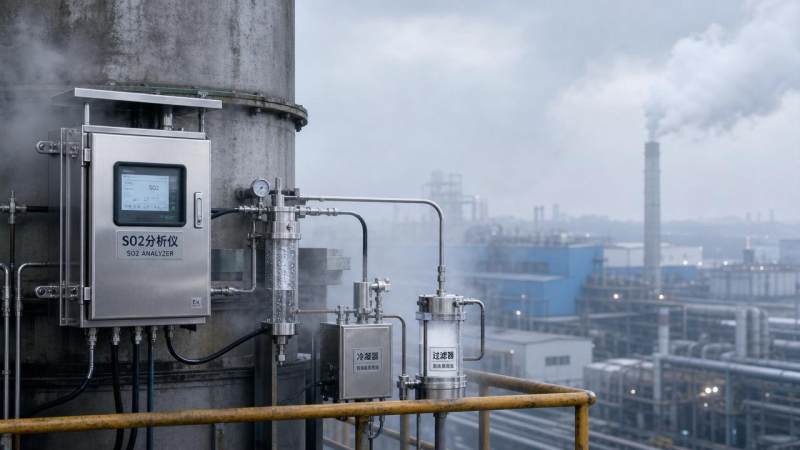
Pulp and paper mills are demanding environments for gas analysis. Sulfur-containing compounds may appear across recovery boilers, lime kilns, power boilers, sulfur preparation areas, and other process points. These streams are rarely clean, dry, and stable. Instead, they often include high moisture, particulates, corrosive compounds, and temperature swings that can interfere with measurement quality.
Unlike a controlled laboratory setting, a mill process can shift with production rate, fuel quality, liquor composition, boiler load, upset conditions, and maintenance events. An analyzer that performs well during steady operation may struggle during startup, shutdown, washing cycles, or sudden process changes. This is one reason an SO2 analyzer for pulp and paper industry use must be evaluated as part of a full measurement system, not as a standalone instrument.
The most important takeaway is simple: if your readings are inconsistent, the root cause may sit in the sample path, installation design, or process environment rather than in the analyzer cabinet itself. Many performance problems become easier to solve once the team stops treating the analyzer as an isolated device.
Moisture is one of the biggest causes of inaccurate SO2 readings
Moisture is a persistent challenge in pulp and paper applications because many gas streams are wet, hot, and saturated. Excess moisture can condense in the sampling line, dissolve sulfur dioxide, and change the concentration reaching the measuring cell. When condensation occurs, the analyzer may report readings that are lower than actual process levels, or it may show erratic fluctuations that are difficult to interpret.
Condensation also creates secondary problems. It can trap particulates, promote corrosion, block filters, and damage pumps or valves in the sample handling system. In some analyzer configurations, water carryover affects optical surfaces or sensor response, leading to drift and increased maintenance frequency.
For quality and safety teams, the practical question is not whether moisture matters, but whether the sample conditioning system is strong enough to manage it. Heated lines, properly controlled sample temperatures, effective moisture removal methods, and careful dew point management are often more important than chasing tighter analyzer specifications on paper.
If an analyzer performs well during dry weather or low-load operation but becomes unstable under humid or heavy process conditions, moisture is one of the first areas to investigate. Reviewing line temperature, condensate management, and sample cooler performance can reveal issues quickly.
Dust and particulate loading can reduce stability and increase maintenance
Pulp and paper processes often generate dust, ash, and fibrous particulate matter that can interfere with sulfur dioxide monitoring. In flue gas and process exhaust applications, these particles can clog probes, plug filters, coat optical paths, and restrict flow through sample lines. Even when the sensor technology itself remains accurate, restricted or inconsistent sample delivery can make the analyzer appear unreliable.
High particulate loading is especially problematic when maintenance intervals are based on fixed schedules rather than actual operating conditions. A filter that lasts several weeks in one process area may fail in just days at another point in the mill. This can lead to a cycle of repeated troubleshooting where the analyzer is blamed, recalibrated, or even replaced without correcting the true cause.
To manage dust-related problems, teams should look at probe design, filter stage selection, blowback options where appropriate, and line routing that minimizes buildup. Preventive inspection of sample flow, differential pressure, and filter condition is often a more effective performance strategy than waiting for the analyzer to alarm.
For safety managers, this issue also affects risk visibility. A partially blocked sample path may not trigger immediate failure, but it can slow response time or dampen concentration peaks. That means hazardous events may be underreported at exactly the moment fast detection matters most.
Temperature fluctuations affect both the sample and the analyzer
Temperature influences analyzer performance in two ways. First, it affects the physical condition of the gas sample. If temperature drops below the proper threshold, condensation may form and remove SO2 from the gas phase. If temperature rises unexpectedly, material compatibility and component stability may become concerns. Second, temperature affects analyzer electronics, sensor response, and calibration stability.
In pulp and paper facilities, ambient conditions can vary widely depending on season, building ventilation, process location, and equipment layout. Outdoor shelters, boiler areas, and utility spaces may expose analyzers to heat, cold, and vibration beyond ideal operating limits. Even a high-quality analyzer can lose accuracy when environmental control is weak.
That is why installation planning matters. A well-designed system will consider insulated or heated sample lines, weather protection, controlled analyzer shelters when necessary, and stable power supply conditions. Teams that focus only on the analyzer model but ignore local thermal conditions often face recurring drift, premature component wear, and inconsistent data quality.
If an SO2 analyzer for pulp and paper industry service requires frequent recalibration after weather changes or process load swings, temperature-related sample instability should be examined alongside the analyzer itself.
Calibration practices often determine whether data can be trusted
Many mills assume that if an analyzer is calibrated periodically, its readings are reliable. In reality, calibration quality depends on method, frequency, gas quality, and whether the procedure reflects actual operating conditions. Poor calibration routines can create false confidence, especially when the instrument passes a formal check but the sampling system still introduces bias.
For example, zero and span checks may confirm analyzer response while missing leaks, moisture intrusion, or sample transport delays upstream. Similarly, calibration gas introduced at the analyzer rather than through the full sample path may not reveal problems in the probe, filter, or heated line. This distinction matters because many field errors originate before the gas ever reaches the sensor.
Quality control teams should view calibration as part of a broader validation strategy. That includes documented zero and span routines, full-path verification where practical, trend review, response-time checks, and comparison against process expectations or reference methods. Safety managers should also ensure calibration frequency is aligned with process criticality rather than minimum habit.
When data drives compliance reporting or operator action, calibration should answer one practical question: can the entire measurement chain still represent real process conditions accurately enough for the intended decision? If the answer is uncertain, calibration frequency alone is not solving the problem.
Process conditions and cross-interference can distort readings
SO2 measurement in pulp and paper mills may be affected by changing gas composition, pressure variation, flow instability, and the presence of other chemical species. Depending on analyzer technology, certain compounds can create cross-sensitivity or measurement noise. Process upsets may also produce transient gas conditions that push the analyzer outside its most stable range.
This matters because mills are not chemically simple environments. Recovery and combustion processes may involve reduced sulfur compounds, combustion byproducts, and variable oxygen levels. If the analyzer or sample system is not selected with this chemistry in mind, the resulting data may look precise while still being operationally misleading.
Before selecting or troubleshooting an analyzer, teams should ask several process-specific questions. Is the gas composition stable or highly variable? Are there interfering compounds present? Does the analyzer measure directly in situ, or through extractive sampling? What is the normal SO2 range, and how often do spikes occur? These questions often determine whether a technology is suitable long before price or brochure specifications come into the picture.
For management, the key lesson is that instrument selection should follow process characterization. A technically advanced analyzer can still underperform if it was chosen for generic emissions duty rather than the real chemistry and operating pattern of a pulp and paper process stream.
Installation location and sample system design have a major impact on performance
One of the most overlooked factors in analyzer performance is where and how the system is installed. Poor probe placement can expose the analyzer to unrepresentative gas, uneven flow, excessive dust, or dead zones in the duct. Long sample lines can increase lag time, heat loss, and maintenance burden. Complex routing can create more leak points and more opportunities for condensate accumulation.
For quality control personnel, bad installation can mean data that is technically repeatable but not truly representative of the process. For safety managers, it can mean delayed detection or false assurance during abnormal events. In both cases, the cost of poor location choice is often much higher over time than the upfront savings from a convenient installation point.
Good design typically includes representative sampling location selection, short and protected sample transport where possible, proper material compatibility, easy service access, and clear isolation for maintenance. The best-performing systems are usually those designed with maintenance reality in mind, not just commissioning convenience.
If your team frequently experiences slow response, unexplained drift, or repeated contamination, it is worth reviewing the full mechanical layout. Many persistent performance issues are really design issues that maintenance can only manage temporarily.
How to evaluate whether an analyzer is fit for your mill
When assessing an SO2 analyzer for pulp and paper industry use, buyers and plant teams should move beyond generic claims such as high accuracy or low maintenance. More useful evaluation criteria include performance under wet and dirty gas conditions, sample conditioning robustness, resistance to cross-interference, response time under real field conditions, and the ease of calibration and servicing.
It is also important to ask how the analyzer performs during process changes, not just during stable operation. Can it maintain accuracy through load variation? How quickly does it recover after maintenance? Are spare parts and technical support readily available? How easy is it for in-house staff to diagnose sample system issues versus sensor faults?
From a business perspective, the best instrument is not always the one with the lowest purchase cost. A less expensive analyzer may create higher total cost through downtime, maintenance labor, compliance risk, and lost confidence in data. For mills with demanding operating conditions, durability and serviceability often deliver stronger long-term value than headline specifications alone.
Decision-makers should also consider internal capability. If the plant has limited analyzer specialists on site, a simpler and more maintainable system may outperform a more sophisticated one that requires frequent expert intervention.
Practical steps to improve SO2 analyzer reliability and reduce downtime
For most mills, performance improvement begins with disciplined basics. First, review the sample system, especially moisture control, filtration, and temperature management. Second, verify that calibration practices test the whole measurement chain where possible. Third, trend maintenance events against process conditions to identify recurring causes such as humidity, dust loading, or seasonal shifts.
It also helps to create a simple fault-isolation routine. When readings drift, teams should check sample flow, line temperature, filter condition, condensate presence, leak integrity, and calibration response in a consistent order. This reduces guesswork and shortens downtime. Too often, plants replace sensors or recalibrate repeatedly before inspecting the sample path.
Training matters as well. Operators, quality staff, and safety personnel do not all need to become analyzer specialists, but they should understand the common signs of sample system trouble versus true process change. Shared understanding improves response speed and reduces unnecessary service calls.
Finally, performance should be reviewed in terms of operational usefulness, not only instrument health. The question is not just whether the analyzer is running, but whether the data is timely, representative, and credible enough to support compliance, safety decisions, and process optimization.
Conclusion
The factors that affect SO2 analyzer performance in pulp and paper mills are practical, interconnected, and highly site-specific. Moisture, dust, temperature fluctuation, calibration quality, process chemistry, and installation design all influence whether the analyzer delivers reliable data. In many cases, these external factors have a greater effect on results than the analyzer technology alone.
For quality control and safety managers, the most useful mindset is to treat the SO2 analyzer for pulp and paper industry applications as a complete measurement system. If readings are unstable or maintenance is excessive, the solution often lies in improving sample conditioning, installation design, and validation practices rather than simply changing instruments.
When the system is matched correctly to real mill conditions, SO2 monitoring becomes more than a compliance task. It becomes a dependable tool for safer operations, better process visibility, and more confident decision-making across the plant.
Recommended for You
 Brazil to Eliminate Import Duties on Cross-Border E-Commerce Orders Under USD 50Brazil to eliminate import duties on cross-border e-commerce orders under USD 50—key for portable testing instruments exporters targeting Mercado Livre & DIY buyers.
 New AI Agent Guidelines Impact Smart Inspection Device ExportsAI Agent Guidelines impact smart inspection device exports—learn how new China AI safety rules affect EU, US & Middle East market access.
 UPS Freight Rates Increase Effective May 17, 2026UPS freight rates increase effective May 17, 2026—impact FOB pricing for industrial monitoring equipment exporters. Act now to optimize packaging, revise quotes, and secure margins.
 新修订《海商法》施行:卸货港无人提货责任转向托运人,检测设备出口交期风控升级New Maritime Code shifts unclaimed cargo liability to shippers at discharge ports—critical for testing equipment exporters managing delivery timelines and compliance risk.
 China Imposes Zero Tariffs on Lab Analyzers for 20 African NationsChina's zero tariffs on lab analyzers for 20 African nations boost export competitiveness—pH meters, spectrophotometers & more now duty-free from May 2026.
 CA Toxic Chemical Tank Overheating Sparks Explosion Risk, Monitoring Equipment Orders SurgeGas leak detectors, remote temperature warning systems & explosion-proof thermal imagers surge in demand after CA toxic tank overheating incident.
 EU REACH Adds DBDPE to SVHC List, Impacting Brominated Flame Retardant Testing for Export EquipmentDBDPE added to EU REACH SVHC list—impact on brominated flame retardant testing for industrial instruments, sensors & export compliance. Act now.
 Thailand Customs Digital Reform Spurs RFID Equipment DemandRFID equipment demand surges in Thailand as Customs digital reform mandates e-labeling, real-time parcel tracking & API compliance—act now to meet TISI specs and platform rules.
 Lazada Thailand Cuts Import Duties on 528 CategoriesLazada Thailand cuts import duties on 528 categories — including wired headphones & notebooks — lowering costs for Chinese exporters and Thai SMEs via LGS.
 US Delays 400 Tomahawk Missiles to Japan Amid Iran Inventory ReplenishmentTomahawk missiles delay to Japan sparks urgent demand for alternative guidance, navigation & secure comms suppliers—key opportunity for export-ready defense electronics firms.
 What to Check Before Importing an F2 Concentration Analyzer in 2026F2 concentration analyzer import guide for 2026: learn what to check on compliance, performance, integration, lifecycle cost, and supplier support before you buy.
 SF6 Concentration Analyzer Market Trends for Power and Gas Applications in 2026SF6 concentration analyzer market trends for 2026: explore accuracy, digital integration, emissions control, and buying tips for power and gas applications.
 Common HCl Concentration Analyzer Mistakes That Lead to Unstable ReadingsHCl concentration analyzer unstable readings? Discover the most common installation, calibration, sampling, and maintenance mistakes—and the practical fixes that improve accuracy fast.
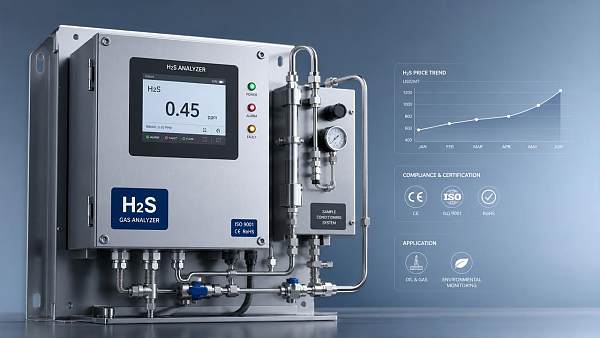
 H2S Concentration Analyzer Price Trends: What’s Driving Costs in 2026H2S concentration analyzer price trends in 2026: discover what drives costs, from sensor technology and compliance to materials and digital features, and make smarter buying decisions.
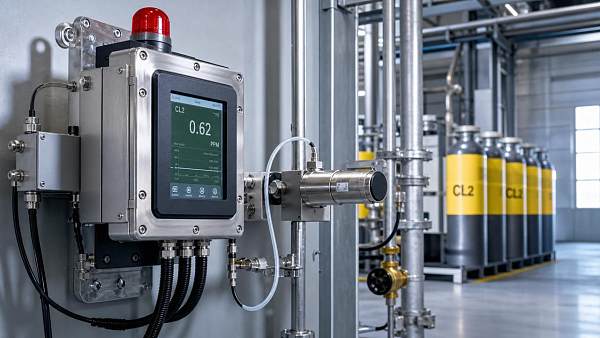
 How to Choose a Cl2 Concentration Analyzer for Process Safety in 2026Cl2 concentration analyzer selection in 2026 starts with process safety. Learn how to match scenarios, improve reliability, avoid costly mistakes, and choose with confidence.
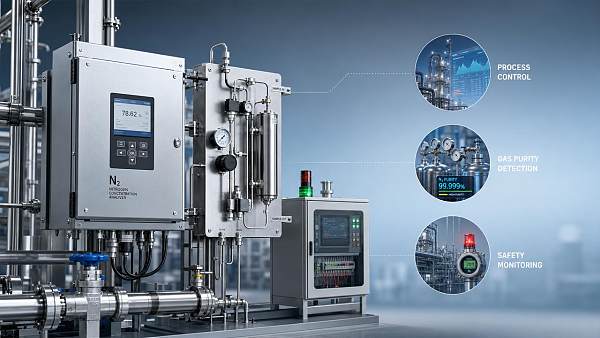
 N2 Concentration Analyzer Cost Factors for Bulk Industrial ProcurementN2 concentration analyzer cost depends on more than unit price. Compare process, purity, and safety applications with total cost logic to source smarter and reduce lifecycle risk.
 Oxygen Concentration Analyzer vs Sensor Systems: Which Fits Continuous UseOxygen concentration analyzer or sensor system? Compare stability, drift, maintenance, and uptime for continuous use to choose the most reliable fit for your process.
 SO2 Concentration Analyzer News: Compliance Demands Reshaping Product SpecsSO2 concentration analyzer trends are shifting with stricter compliance rules. Learn how new specs, data integrity, and uptime demands are reshaping smarter buying decisions.
 He Concentration Analyzer Maintenance Tips for Stable Long-Term ReadingsHe concentration analyzer maintenance tips for stable long-term readings. Learn how to reduce drift, improve calibration accuracy, cut downtime, and keep industrial systems reliable.
 CH4 Concentration Analyzer Selection Mistakes That Raise Operating RiskCH4 concentration analyzer selection mistakes can raise safety, compliance, and maintenance risk. Learn how to choose the right analyzer for reliable performance and lower lifecycle cost.
 CO Concentration Analyzer Import Rules to Watch in 2026CO concentration analyzer import rules for 2026: learn the key customs, certification, labeling, and compliance checks to reduce risk, avoid delays, and source with confidence.
 NH3 Concentration Analyzer Market Trends for Industrial Process Control in 2026NH3 concentration analyzer market trends in 2026: explore technologies, industrial applications, selection tips, and how smarter monitoring improves compliance, safety, and process control.
 Ar Concentration Analyzer Accuracy Issues in High-Purity Gas ApplicationsAr concentration analyzer accuracy issues can compromise high-purity gas quality, safety, and compliance. Learn the key causes, practical fixes, and how to improve reliable measurement performance.
 CO2 Concentration Analyzer Price Trends in 2026: What Shapes Total CostCO2 concentration analyzer price trends in 2026 depend on technology, accuracy, calibration, compliance, and integration. Discover total cost drivers to compare quotes smarter and control lifecycle risk.
 How to Choose a NOX Concentration Analyzer for Low-Emission MonitoringNOX concentration analyzer selection for low-emission monitoring made easier. Learn how to compare accuracy, response time, compliance, and lifecycle cost before you buy.
 2026 Summit Highlights China's Smart Inspection Equipment as New Global Cooperation FocusSmart inspection equipment takes center stage at the 2026 Summit—unlocking new global cooperation, standards alignment, and market opportunities for exporters, OEMs, and tech suppliers.
 White House Warns Oil Shock May Fuel Core Inflation, Delaying Industrial Instrument ExportsWhite House warns oil shock may fuel core inflation—impacting industrial instrument exports. Discover how pressure, temperature & flow instrumentation exporters can mitigate delays and optimize trade finance workflows now.
 New AI Agent Guidelines Impact Export of AI-Powered Testing EquipmentAI agent guidelines impact export of AI-powered testing equipment—learn how new China security & controllability rules affect global compliance, supply chains, and market access.
 Canton Fair Phase III Boosts Sensor & Energy Testing ExportsSensor & energy testing exports surge at Canton Fair Phase III—driven by global demand for new energy home appliances and smart furniture compliance solutions.
 UAE Announces $150B Energy Infrastructure InvestmentUAE's $150B energy infrastructure push drives demand for IP68/IP69K, ATEX/IECEx, and LPWAN-enabled industrial sensors — act now to align with ADNOC tenders.
 WTI Net Longs Surge, Boosting Demand for Lubricant Monitoring SystemsLubricant monitoring systems surge in demand as WTI net longs rise—real-time viscosity, moisture & oxidation tracking now critical for global manufacturers.
 Shanghai Pudong Launches E-Label Pilot for Imported CosmeticsShanghai Pudong’s e-label pilot for imported cosmetics drives global demand for RFID/NFC readers, traceability solutions & certified testing equipment—act now to comply and lead.




Search Categories
Search Categories
Latest Article
- Brazil to Eliminate Import Duties on Cross-Border E-Commerce Orders Under USD 50Brazil to eliminate import duties on cross-border e-commerce orders under USD 50—key for portable testing instruments exporters targeting Mercado Livre & DIY buyers.Posted by:
- New AI Agent Guidelines Impact Smart Inspection Device ExportsAI Agent Guidelines impact smart inspection device exports—learn how new China AI safety rules affect EU, US & Middle East market access.Posted by:
- UPS Freight Rates Increase Effective May 17, 2026UPS freight rates increase effective May 17, 2026—impact FOB pricing for industrial monitoring equipment exporters. Act now to optimize packaging, revise quotes, and secure margins.Posted by:
Please give us a message
