
How to Choose a CO2 Analyzer for Food Packaging Without Overpaying


Choosing a CO2 analyzer for food packaging should not mean paying for features your operation will never use. For procurement teams, the real challenge is balancing accuracy, compliance, speed, and total cost of ownership. This guide explains how to evaluate specifications, application needs, and supplier value so you can select the right instrument with confidence and avoid unnecessary spending.
What does a CO2 analyzer for food packaging actually do, and why is it important?
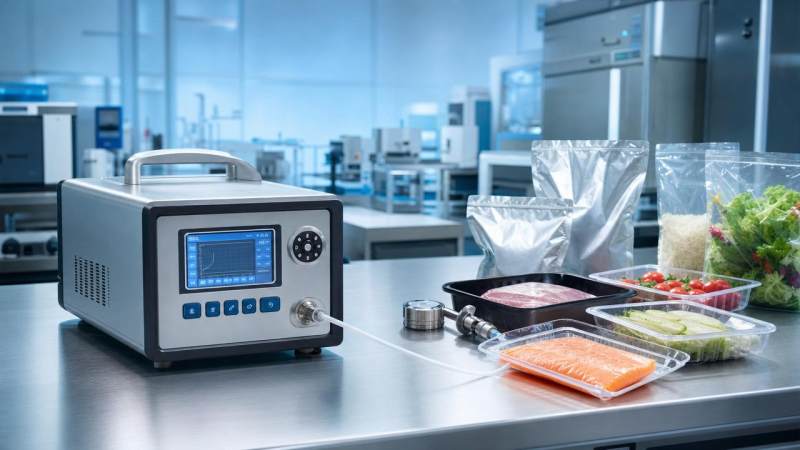
A CO2 analyzer for food packaging is used to measure the concentration of carbon dioxide inside modified atmosphere packaging, trays, pouches, and other sealed food packs. In many food operations, gas composition directly affects product shelf life, freshness, appearance, and safety. If CO2 levels are too low, the intended preservation effect may not be achieved. If they are too high, product quality, texture, or consumer acceptance may suffer.
For procurement professionals, this matters because the analyzer is not just a lab instrument. It supports quality assurance, production consistency, complaint reduction, and traceability. In meat, cheese, bakery, ready meals, produce, and snack applications, packaging gas verification is often part of routine quality checks. A reliable CO2 analyzer for food packaging helps teams confirm that the packaging line, gas mixer, and sealing process are performing as expected.
In the broader instrumentation industry, gas analysis equipment plays a critical role in measurement and control. Food packaging is one application where analytical accuracy must be practical, repeatable, and cost-conscious. That is why buyers should focus on operational value rather than marketing language.
Which packaging operations truly need a CO2 analyzer for food packaging?
Not every packaging environment needs the same level of analyzer capability. The right choice depends on product type, throughput, risk level, and quality procedures. A CO2 analyzer for food packaging is especially relevant when your operation uses modified atmosphere packaging, flush gas systems, or shelf-life-sensitive products that depend on controlled gas composition.
Common use cases include:
- Protein packaging such as fresh meat, poultry, and seafood
- Cheese and dairy packs where gas balance affects spoilage behavior
- Coffee, snacks, and bakery items packed under protective atmosphere
- Fresh-cut produce and ready-to-eat meals with short distribution windows
- Contract packaging operations that must document quality checks for multiple brands
If your team only performs occasional verification, a simple portable unit may be enough. If you run multiple lines, frequent audits, or regulated export programs, you may need stronger data logging, faster sampling, and better repeatability. The key is to match the instrument to your inspection workflow, not to buy the most advanced model by default.
What specifications should procurement teams examine first before comparing price?
When evaluating a CO2 analyzer for food packaging, start with the parameters that affect actual usability. Price comparisons are misleading if the instruments are not functionally equivalent. Procurement teams should first align technical specifications with plant requirements, operator skill level, and quality documentation needs.
The most important criteria usually include measurement range, accuracy, sampling method, response time, calibration requirements, portability, and maintenance burden. A packaging plant may not need laboratory-grade precision if process tolerances are relatively wide, but it does need consistent and trustworthy readings under routine production conditions.
How much accuracy is enough?
Many buyers overpay by chasing the tightest accuracy specification without asking whether their process can benefit from it. If your application checks whether packs fall within a practical gas tolerance band, then ultra-high-end analytical performance may not improve decisions. Instead, focus on repeatability, ease of calibration, and stability over time. A moderately priced CO2 analyzer for food packaging that stays reliable in daily use can outperform a premium instrument that operators avoid because it is too complex.
Does response time affect productivity?
Yes. Slow sampling can become expensive in high-throughput environments. If operators must test many packs per shift, response speed affects labor efficiency and line support. Fast stabilization and simple test steps reduce interruption to production and improve compliance with internal test frequency rules.
Why do calibration and maintenance deserve so much attention?
Because total cost of ownership often exceeds the purchase price. Some analyzers require frequent calibration gases, sensor replacement, or specialized servicing. Others are easier for internal teams to maintain. Procurement should always ask what is included, how often recalibration is required, what consumables are needed, and whether local support is available.
How can you avoid paying for features your packaging operation will never use?
The fastest way to overspend on a CO2 analyzer for food packaging is to buy according to a catalog checklist instead of an application map. Some instruments are designed for multi-gas analysis, advanced connectivity, audit-heavy environments, or integrated quality systems. Those features are valuable in the right setting, but unnecessary in simpler operations.
Ask these practical questions before approving a specification:
- Will the analyzer be used on one line or across several plants?
- Do operators need only CO2 measurement, or also O2 and package pressure?
- Is on-screen data storage enough, or is full digital export required?
- Will quality audits require traceable user access and report generation?
- How often will testing be performed per shift?
- Can plant staff handle calibration, or must service be outsourced?
For example, if your team performs periodic spot checks and records results manually, paying extra for advanced networking features may not be justified. If you run a high-volume packaged food business with digital quality management, then the same features may save labor and support compliance. The goal is not to buy the cheapest CO2 analyzer for food packaging, but the one that fits your process with the least waste.
What is the best way to compare models side by side?
A structured comparison prevents procurement decisions from being driven by isolated specs or persuasive sales claims. The table below summarizes how buyers can evaluate a CO2 analyzer for food packaging based on business impact rather than headline features alone.
This type of comparison is especially useful in the instrumentation industry, where models may appear similar on paper but differ significantly in field support, calibration simplicity, or operator acceptance.
What common mistakes lead buyers to overpay for a CO2 analyzer for food packaging?
Several avoidable procurement mistakes push budgets higher without improving packaging quality. The first is buying for theoretical future needs that may never materialize. While some scalability is wise, paying today for features tied to uncertain projects can lock capital into underused equipment.
The second mistake is ignoring workflow fit. An analyzer may be technically excellent but poorly suited to the production floor. If setup is slow or testing steps are inconvenient, operators may reduce testing frequency, undermining the value of the purchase.
A third mistake is focusing only on unit price. A low upfront quote can hide expensive service plans, limited consumable availability, or long downtime if support is remote. In practice, a slightly higher initial investment may be more economical if the supplier offers dependable application support and lower operating burden.
Another frequent issue is failing to validate the instrument against actual package formats. Tray packs, soft pouches, rigid containers, and small-volume packs can present different sampling challenges. Before final selection, request a demonstration using your own products and routine testing scenarios.
How should procurement teams assess supplier value beyond the instrument itself?
A CO2 analyzer for food packaging is only as useful as the support system around it. In food manufacturing and related industrial sectors, instrument uptime, calibration confidence, and operator training often determine return on investment more than brand reputation alone.
Procurement teams should ask suppliers for clear answers on delivery time, warranty terms, startup training, calibration guidance, consumables lead times, and service response commitments. It is also worth asking whether the supplier understands food packaging applications specifically, not just gas measurement in general. Application knowledge can shorten commissioning time and reduce mistakes in use.
In many cases, the best supplier is the one that helps define the right specification before the sale. That includes discussing test frequency, package material, gas targets, sanitation conditions, and reporting requirements. A supplier that pushes the most expensive model without clarifying these basics may not be the best long-term partner.
Before requesting quotations, what questions should you answer internally?
Internal alignment saves time and improves quote quality. Before contacting vendors, define the application clearly. Procurement, quality, and production should ideally agree on the following points:
- What food products and package types will be tested?
- What CO2 target ranges and tolerance limits apply?
- How many tests are required per line, per batch, or per shift?
- Is portability essential, or will the analyzer stay in one location?
- Do you need only measurement, or also electronic records and traceability?
- Who will calibrate, maintain, and train operators?
- What budget model matters more: lowest purchase cost or lowest long-term ownership cost?
These answers help suppliers recommend a CO2 analyzer for food packaging that matches real operating conditions. They also make it easier to compare bids fairly, since all vendors are responding to the same technical and commercial requirements.
What is the most practical conclusion for buyers?
The right CO2 analyzer for food packaging is not the model with the longest feature list. It is the one that delivers reliable readings, supports your packaging workflow, meets your documentation needs, and keeps total ownership costs under control. For procurement teams, disciplined selection means defining the use case first, comparing suppliers on support as well as specifications, and validating performance with real products whenever possible.
If you need to confirm a specific solution, parameters, timeline, budget range, or cooperation model, start by discussing package type, gas targets, test frequency, calibration expectations, data requirements, service coverage, and expected operating life. Those questions will reveal quickly whether a supplier is offering the right-fit instrument or simply the highest-priced option.
Recommended for You
 Brazil to Eliminate Import Duties on Cross-Border E-Commerce Orders Under USD 50Brazil to eliminate import duties on cross-border e-commerce orders under USD 50—key for portable testing instruments exporters targeting Mercado Livre & DIY buyers.
 New AI Agent Guidelines Impact Smart Inspection Device ExportsAI Agent Guidelines impact smart inspection device exports—learn how new China AI safety rules affect EU, US & Middle East market access.
 UPS Freight Rates Increase Effective May 17, 2026UPS freight rates increase effective May 17, 2026—impact FOB pricing for industrial monitoring equipment exporters. Act now to optimize packaging, revise quotes, and secure margins.
 新修订《海商法》施行:卸货港无人提货责任转向托运人,检测设备出口交期风控升级New Maritime Code shifts unclaimed cargo liability to shippers at discharge ports—critical for testing equipment exporters managing delivery timelines and compliance risk.
 China Imposes Zero Tariffs on Lab Analyzers for 20 African NationsChina's zero tariffs on lab analyzers for 20 African nations boost export competitiveness—pH meters, spectrophotometers & more now duty-free from May 2026.
 CA Toxic Chemical Tank Overheating Sparks Explosion Risk, Monitoring Equipment Orders SurgeGas leak detectors, remote temperature warning systems & explosion-proof thermal imagers surge in demand after CA toxic tank overheating incident.
 EU REACH Adds DBDPE to SVHC List, Impacting Brominated Flame Retardant Testing for Export EquipmentDBDPE added to EU REACH SVHC list—impact on brominated flame retardant testing for industrial instruments, sensors & export compliance. Act now.
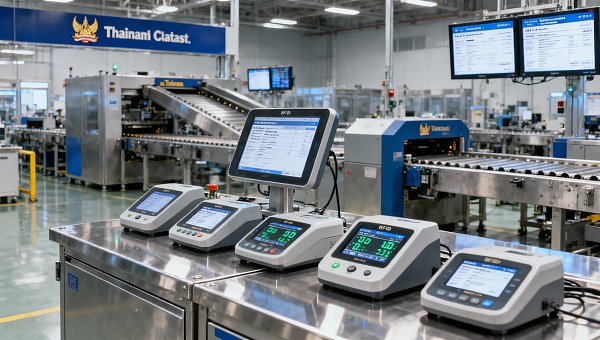
 Thailand Customs Digital Reform Spurs RFID Equipment DemandRFID equipment demand surges in Thailand as Customs digital reform mandates e-labeling, real-time parcel tracking & API compliance—act now to meet TISI specs and platform rules.
 Lazada Thailand Cuts Import Duties on 528 CategoriesLazada Thailand cuts import duties on 528 categories — including wired headphones & notebooks — lowering costs for Chinese exporters and Thai SMEs via LGS.
 US Delays 400 Tomahawk Missiles to Japan Amid Iran Inventory ReplenishmentTomahawk missiles delay to Japan sparks urgent demand for alternative guidance, navigation & secure comms suppliers—key opportunity for export-ready defense electronics firms.
 What to Check Before Importing an F2 Concentration Analyzer in 2026F2 concentration analyzer import guide for 2026: learn what to check on compliance, performance, integration, lifecycle cost, and supplier support before you buy.
 SF6 Concentration Analyzer Market Trends for Power and Gas Applications in 2026SF6 concentration analyzer market trends for 2026: explore accuracy, digital integration, emissions control, and buying tips for power and gas applications.
 Common HCl Concentration Analyzer Mistakes That Lead to Unstable ReadingsHCl concentration analyzer unstable readings? Discover the most common installation, calibration, sampling, and maintenance mistakes—and the practical fixes that improve accuracy fast.
 H2S Concentration Analyzer Price Trends: What’s Driving Costs in 2026H2S concentration analyzer price trends in 2026: discover what drives costs, from sensor technology and compliance to materials and digital features, and make smarter buying decisions.
 How to Choose a Cl2 Concentration Analyzer for Process Safety in 2026Cl2 concentration analyzer selection in 2026 starts with process safety. Learn how to match scenarios, improve reliability, avoid costly mistakes, and choose with confidence.
 N2 Concentration Analyzer Cost Factors for Bulk Industrial ProcurementN2 concentration analyzer cost depends on more than unit price. Compare process, purity, and safety applications with total cost logic to source smarter and reduce lifecycle risk.
 Oxygen Concentration Analyzer vs Sensor Systems: Which Fits Continuous UseOxygen concentration analyzer or sensor system? Compare stability, drift, maintenance, and uptime for continuous use to choose the most reliable fit for your process.
 SO2 Concentration Analyzer News: Compliance Demands Reshaping Product SpecsSO2 concentration analyzer trends are shifting with stricter compliance rules. Learn how new specs, data integrity, and uptime demands are reshaping smarter buying decisions.
 He Concentration Analyzer Maintenance Tips for Stable Long-Term ReadingsHe concentration analyzer maintenance tips for stable long-term readings. Learn how to reduce drift, improve calibration accuracy, cut downtime, and keep industrial systems reliable.
 CH4 Concentration Analyzer Selection Mistakes That Raise Operating RiskCH4 concentration analyzer selection mistakes can raise safety, compliance, and maintenance risk. Learn how to choose the right analyzer for reliable performance and lower lifecycle cost.
 CO Concentration Analyzer Import Rules to Watch in 2026CO concentration analyzer import rules for 2026: learn the key customs, certification, labeling, and compliance checks to reduce risk, avoid delays, and source with confidence.
 NH3 Concentration Analyzer Market Trends for Industrial Process Control in 2026NH3 concentration analyzer market trends in 2026: explore technologies, industrial applications, selection tips, and how smarter monitoring improves compliance, safety, and process control.
 Ar Concentration Analyzer Accuracy Issues in High-Purity Gas ApplicationsAr concentration analyzer accuracy issues can compromise high-purity gas quality, safety, and compliance. Learn the key causes, practical fixes, and how to improve reliable measurement performance.
 CO2 Concentration Analyzer Price Trends in 2026: What Shapes Total CostCO2 concentration analyzer price trends in 2026 depend on technology, accuracy, calibration, compliance, and integration. Discover total cost drivers to compare quotes smarter and control lifecycle risk.
 How to Choose a NOX Concentration Analyzer for Low-Emission MonitoringNOX concentration analyzer selection for low-emission monitoring made easier. Learn how to compare accuracy, response time, compliance, and lifecycle cost before you buy.
 2026 Summit Highlights China's Smart Inspection Equipment as New Global Cooperation FocusSmart inspection equipment takes center stage at the 2026 Summit—unlocking new global cooperation, standards alignment, and market opportunities for exporters, OEMs, and tech suppliers.
 White House Warns Oil Shock May Fuel Core Inflation, Delaying Industrial Instrument ExportsWhite House warns oil shock may fuel core inflation—impacting industrial instrument exports. Discover how pressure, temperature & flow instrumentation exporters can mitigate delays and optimize trade finance workflows now.
 New AI Agent Guidelines Impact Export of AI-Powered Testing EquipmentAI agent guidelines impact export of AI-powered testing equipment—learn how new China security & controllability rules affect global compliance, supply chains, and market access.
 Canton Fair Phase III Boosts Sensor & Energy Testing ExportsSensor & energy testing exports surge at Canton Fair Phase III—driven by global demand for new energy home appliances and smart furniture compliance solutions.
 UAE Announces $150B Energy Infrastructure InvestmentUAE's $150B energy infrastructure push drives demand for IP68/IP69K, ATEX/IECEx, and LPWAN-enabled industrial sensors — act now to align with ADNOC tenders.
 WTI Net Longs Surge, Boosting Demand for Lubricant Monitoring SystemsLubricant monitoring systems surge in demand as WTI net longs rise—real-time viscosity, moisture & oxidation tracking now critical for global manufacturers.
 Shanghai Pudong Launches E-Label Pilot for Imported CosmeticsShanghai Pudong’s e-label pilot for imported cosmetics drives global demand for RFID/NFC readers, traceability solutions & certified testing equipment—act now to comply and lead.


Search Categories
Search Categories
Latest Article
- Brazil to Eliminate Import Duties on Cross-Border E-Commerce Orders Under USD 50Brazil to eliminate import duties on cross-border e-commerce orders under USD 50—key for portable testing instruments exporters targeting Mercado Livre & DIY buyers.Posted by:
- New AI Agent Guidelines Impact Smart Inspection Device ExportsAI Agent Guidelines impact smart inspection device exports—learn how new China AI safety rules affect EU, US & Middle East market access.Posted by:
- UPS Freight Rates Increase Effective May 17, 2026UPS freight rates increase effective May 17, 2026—impact FOB pricing for industrial monitoring equipment exporters. Act now to optimize packaging, revise quotes, and secure margins.Posted by:
Please give us a message
