
How to Size an Emission Control System


Sizing an emission control system requires more than matching equipment to flow rates—it demands a clear understanding of process conditions, compliance targets, and long-term operating costs. For buyers and engineers evaluating an emission measurement system, industrial control equipment, or a process monitoring system, the right approach improves gas quality control, supports reliable gas quality measurement, and reduces project risk from design through operation.
What does proper emission control system sizing really involve?

In instrumentation-driven industries, emission control system sizing is a multidisciplinary task. It combines process measurement, gas analysis, control strategy, safety review, and compliance planning. A correct design basis starts with actual operating data rather than nameplate assumptions, because load swings, temperature variation, moisture content, and contaminant chemistry can change the required control capacity significantly.
For most projects, engineers first separate the question into 3 core layers: what must be captured or treated, what must be measured continuously, and what must remain stable during upset conditions. This approach helps project managers and financial approvers compare capital cost with operating risk. It also prevents common under-sizing errors that appear only after commissioning.
A practical sizing study usually reviews a 12-month operating profile where available, or at least representative low, normal, and peak load windows. In continuous processes, peak conditions may last only 5%–15% of annual runtime, but they often determine fan capacity, residence time, analyzer range, valve sizing, and the margin needed for environmental compliance.
Key variables that should be confirmed before equipment selection
Before selecting an emission control system, teams should validate the process envelope instead of relying on a single flow figure. Instrumentation suppliers, EPC teams, operators, and safety personnel often need to align on one shared data sheet so that the monitoring system, sampling system, and control equipment follow the same assumptions.
- Gas flow basis: minimum, normal, and maximum volumetric flow, plus whether the value is actual or standardized flow.
- Temperature and pressure range: startup, steady state, and upset conditions, often expressed across 3 operating bands.
- Pollutant profile: particulate loading, acid gases, VOCs, NOx, SOx, moisture, and corrosive components that affect materials and analyzer selection.
- Control objective: removal efficiency target, stack limit, gas quality measurement point, alarm threshold, and reporting frequency such as hourly, daily, or continuous.
When these variables are incomplete, the selected solution may look economical during procurement but become costly during operation. Oversized systems increase energy demand and maintenance burden. Undersized systems create compliance exposure, unstable readings, and repeated retrofit work. In most industrial environments, the cheapest initial quotation is not the lowest total-cost option over 3–5 years.
Which process and measurement data matter most for sizing?
Emission control system sizing depends on the quality of measurement inputs. This is where the instrumentation industry creates clear value: reliable pressure, temperature, flow, level, composition analysis, calibration, and automatic control devices allow engineers to design around evidence rather than estimates. For industrial manufacturing, energy, environmental monitoring, and laboratory-supported processes, this reduces design uncertainty from the start.
A complete data package usually combines online measurements with site testing. For example, a process monitoring system may use differential pressure, thermal mass flow, oxygen, moisture, and gas composition readings, then validate them with periodic manual sampling. In many projects, 4 categories of data drive the final sizing decision: gas load, contaminant concentration, process variability, and compliance limits.
The table below summarizes the most important sizing inputs for buyers, operators, and engineering teams comparing an emission measurement system or industrial control equipment package. It is especially useful during pre-bid clarification, design review, and budget approval because it links each parameter to a direct sizing impact.
The main takeaway is simple: no single flow number is enough. If the inlet gas profile changes by season, product batch, or fuel type, the emission control system must be sized around a credible operating range. For many facilities, a 10%–20% design margin may be reviewed, but that margin should be justified by measured variability, not added blindly.
How instrumentation improves sizing accuracy
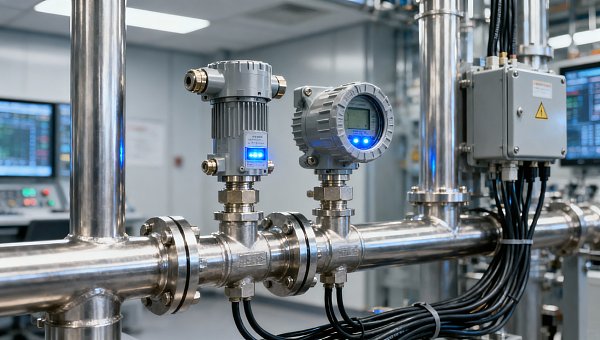
The instrumentation sector supports system sizing through calibrated transmitters, analyzers, controllers, data loggers, and industrial online monitoring tools. These devices help teams distinguish short-term spikes from sustained load. That distinction matters because a 2-minute excursion should not always drive the same hardware choice as a 6-hour production peak.
Recommended measurement checkpoints
- Inlet gas flow and temperature before treatment equipment.
- Differential pressure across filters, scrubbers, or catalytic stages.
- Outlet gas quality measurement for compliance verification and control feedback.
- Reagent, utility, or purge consumption where operating cost tracking is required monthly or quarterly.
For decision-makers, this means better forecasting. For operators, it means more stable control. For quality and safety teams, it means traceable evidence when reviewing alarms, excursions, or maintenance intervals.
How to compare technology options without under-sizing or overbuying
Not every emission control system handles the same contaminant profile or operating pattern. Some solutions work best for steady, predictable flows. Others are better for variable compositions or corrosive streams. That is why procurement teams should compare options on removal mechanism, operating window, control response, serviceability, and instrumentation integration rather than on purchase price alone.
In practical B2B evaluation, the comparison often narrows to 3 questions. First, can the technology meet the required emission target across minimum and maximum load? Second, how sensitive is it to temperature, moisture, and dust? Third, what additional process monitoring system or gas quality measurement package is needed to keep it stable in daily operation?
The table below helps buyers compare common decision dimensions when screening treatment technologies or supporting industrial control equipment. It is not a substitute for process design, but it gives finance, project, and operations teams a consistent framework for early-stage selection.
A side-by-side review often shows that a lower-cost package may require more manual intervention, more frequent calibration, or tighter upstream process control. That can be acceptable in low-duty applications, but not in facilities that run 24/7, face strict reporting obligations, or need distributor-friendly standardization across multiple sites.
Common comparison mistakes
A frequent mistake is comparing removal efficiency claims without checking test conditions. Another is evaluating only hardware while ignoring the emission measurement system, sampling conditioning, and control logic needed for stable results. In many industrial projects, those “secondary” elements decide whether the system performs consistently after the first 30–90 days of operation.
- Do not compare systems using different inlet assumptions.
- Do not ignore startup and upset events if they occur weekly or monthly.
- Do not separate treatment hardware from instrumentation, calibration, and control integration.
- Do not approve a design without confirming service access, spare strategy, and maintenance intervals.
What should buyers, engineers, and finance teams check before approval?
A strong procurement review translates technical sizing into commercial clarity. For business evaluators and financial approvers, the goal is not to review every engineering detail, but to confirm whether the proposed emission control system is dimensioned for the real process and supported by a realistic implementation plan. A good review normally covers 5 decision areas: design basis, compliance need, integration scope, lifecycle cost, and delivery risk.
Lead times vary by complexity and customization. Standard instrumentation and control components may be available in 2–6 weeks, while a more integrated process monitoring system with sampling panels, analyzer shelters, or custom control logic may take 8–16 weeks. Projects with material compatibility review, FAT documentation, or multi-point calibration planning can extend beyond that window.
For project managers, the most useful question is often this: what assumptions could force a redesign after purchase order release? If the answer includes unverified gas composition, uncertain utility conditions, missing installation constraints, or incomplete compliance targets, the sizing package is not yet mature enough for low-risk approval.
A practical 4-step evaluation process
- Confirm the operating envelope: validate flow, temperature, pressure, moisture, and pollutant range using measured or tested data.
- Review compliance and reporting needs: identify whether continuous monitoring, periodic verification, or batch-based documentation is required.
- Check integration scope: include analyzers, transmitters, cabinets, PLC signals, alarms, calibration ports, and service access.
- Estimate lifecycle impact: compare utilities, consumables, maintenance hours, spare parts, and shutdown exposure over 3–5 years.
Procurement warning signs
Be cautious if a quotation gives a firm capacity but no basis for gas quality measurement, no calibration philosophy, and no explanation of operating margin. The same caution applies when the proposal excludes installation assumptions, control system communication details, or the number of monitoring points. Those gaps may look minor early on, yet they often create delays during site acceptance.
Distributors and agents should also check configurability. A solution that is easy to standardize across small, medium, and large duty ranges can reduce spare inventory and simplify training. In many portfolios, 3 pre-engineered configuration bands are easier to support than a unique design for every inquiry.
How do compliance, implementation, and operating risk affect the final size?
Compliance is not only about the treatment unit. It also depends on how emission measurement system data is generated, validated, and kept stable during operation. If the control system cannot respond quickly enough, or if sampling lines fail under moisture and particulate load, the effective system size may be inadequate even when the treatment hardware appears large enough on paper.
In many sectors served by instrumentation suppliers—such as industrial manufacturing, power, environmental monitoring, laboratories, and automation control—implementation risk is controlled through staged commissioning. A practical plan often includes 3 phases: pre-installation verification, startup tuning, and performance confirmation. Each phase should define acceptance points for both equipment and measurement quality.
Standards and local regulations vary by application, so project teams should review the required monitoring method, calibration interval, data retention practice, and alarm logic early. Even when no exact regulation is specified at inquiry stage, it is reasonable to align the design with general industrial expectations for traceable calibration, safe installation, and reliable continuous monitoring where applicable.
Typical implementation checklist
- Confirm installation space, service clearance, and duct or piping orientation before fabrication release.
- Review power supply, instrument air, purge gas, drainage, and network communication points.
- Define calibration gas access, bypass logic, alarm setpoints, and operator response steps.
- Plan operator training, typically 1–2 sessions for daily users and maintenance personnel.
From a cost perspective, operating risk often outweighs minor differences in capital price. A system that saves a small amount upfront but requires frequent manual cleaning, unstable readings, or repeated shutdown intervention can become the more expensive option within the first year. For finance teams, this is why total cost should include consumables, service hours, and the cost of non-compliant operation.
FAQ and next steps for selecting the right emission control system
Many buyers start with a simple question about capacity, but the real decision usually involves process variability, monitoring quality, implementation timing, and cost control. The questions below address the issues most often raised by information researchers, operators, safety teams, distributors, and enterprise decision-makers during early consultation.
How much design margin should an emission control system include?
There is no universal fixed margin. In many projects, engineers examine a reasonable operating margin such as 10%–20%, but the right figure depends on how stable the process is and how often peaks occur. Margin should be supported by measured variability, expected expansion, and compliance risk. Too much margin can increase energy and maintenance cost; too little can create chronic instability.
What is the difference between sizing the treatment unit and sizing the monitoring system?
The treatment unit is sized for pollutant load, contact time, pressure drop, and removal objective. The emission measurement system is sized for sampling conditions, analyzer range, response time, calibration method, and data reliability. They must be designed together. A well-sized treatment package can still fail operationally if the gas quality measurement setup is not suitable for moisture, dust, or temperature conditions.
What documents should be ready before requesting quotation?
At minimum, prepare 5 items: process description, gas composition or test results, flow and temperature range, target emission or quality requirement, and available utilities or control interface details. If layout drawings, duty cycle, and maintenance expectations are also available, suppliers can provide a more accurate configuration and delivery estimate.
How long does a typical project take?
A basic package using standard components may move from technical clarification to shipment in 2–6 weeks. A customized solution with analyzer integration, control logic, documentation review, and staged commissioning may require 8–16 weeks or more. The schedule depends heavily on data completeness, approval speed, and whether factory testing or site acceptance documentation is required.
Why choose a supplier with strong instrumentation capability?
Because emission control performance is inseparable from measurement quality. A supplier with experience in pressure, temperature, flow, composition analysis, calibration, industrial online monitoring, and automatic control can connect treatment design with real process data. That usually leads to better sizing confidence, smoother commissioning, and clearer lifecycle cost visibility for decision-makers.
Why choose us for emission control system sizing support?
We focus on turning process uncertainty into a usable sizing basis through measurement, monitoring, analysis, and control integration. Our support can cover parameter confirmation, gas quality measurement planning, analyzer and transmitter matching, industrial control equipment coordination, and practical review of operating and maintenance implications before procurement is finalized.
If you are comparing options, you can contact us to discuss 6 concrete topics: process data review, sizing assumptions, monitoring point layout, delivery timeline, customization scope, and quotation structure. We can also help clarify whether your project needs standard configuration, expanded monitoring, sample conditioning, or a more complete process monitoring system based on the actual operating scenario.
For distributors, project managers, and end users, an early technical discussion often saves the most time. Bring your available flow, temperature, pollutant, control, and compliance information, even if some values are still ranges. With that input, the next step can be a more targeted sizing review, option screening, and project planning conversation.
Recommended for You
 First Global White Paper on Humanoid Robot Industrial Calibration ReleasedHumanoid robot industrial calibration: First global white paper released—key for sensor makers, integrators & metrology labs. Learn impact & action steps.
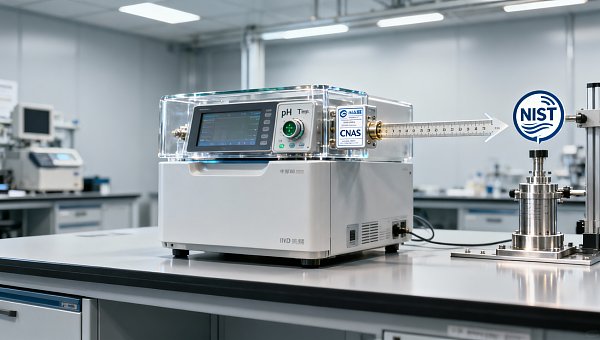
 FDA Updates IVD Import Guidance: CNAS Calibration Chain RequiredFDA mandates CNAS calibration chain with NIST traceability for IVD instruments from China—act now to avoid U.S. import rejection starting July 1, 2026.
 IEC TC65 Releases Cybersecurity Validation Guidance for Industrial InstrumentsIEC TC65 releases cybersecurity validation guidance for industrial instruments—key for exporters, OEMs & integrators targeting EU/NA markets. Act now.
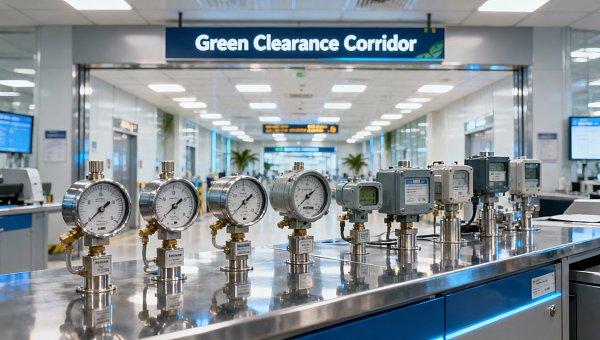
 ASEAN Green Corridor for Measuring Instruments Fully LaunchedASEAN Green Corridor for Measuring Instruments is live—unlock 3.8-hour customs clearance for CNAS-calibrated instruments across all 10 ASEAN nations. Act now!
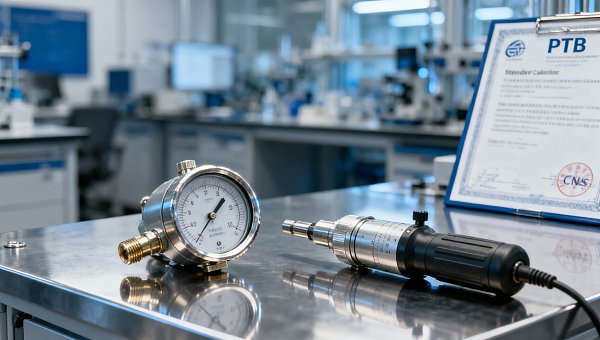
 PTB Opens Direct VDA/ISO 17025 Report Portal for CNAS LabsPTB opens direct VDA/ISO 17025 report portal for CNAS labs — enabling dual-compliant calibration reports in <72h. Boost automotive audit readiness now!
 Vietnam Enforces Dual CNAS + Vietnamese Language Requirement for Industrial InstrumentsVietnam enforces dual CNAS + Vietnamese language requirement for industrial instruments (HS 9026/9027/9030) — avoid customs rejection. Act now!
 Red Sea Crisis Escalates: Gulf of Aden No-Sail Zone Extended to June 15, 2026Red Sea Crisis escalates: Gulf of Aden no-sail zone extended to June 15, 2026 — impacting industrial instrumentation trade, airfreight costs (+452%), and supply chain resilience between China and the Middle East.
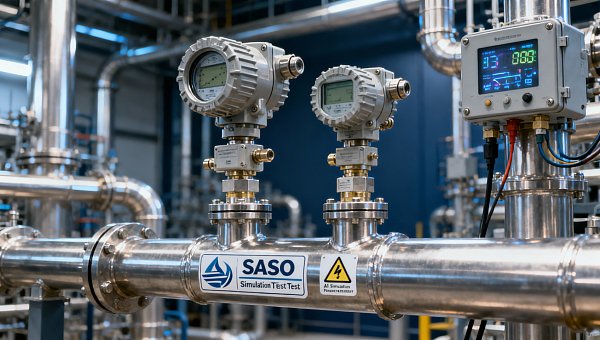
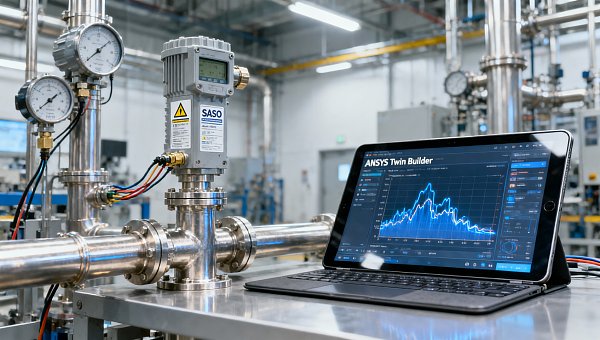
 SASO Mandates AI-Driven Energy Simulation for Industrial Transmitters from June 2026SASO mandates AI-driven energy simulation for industrial transmitters from June 2026 — ensure compliance with NAIEC-certified testing now to avoid delays & rejections.
 BIS Adds 3 High-Precision Process Calibrators to EAR Supplement No. 4BIS Adds 3 High-Precision Process Calibrators to EAR Supplement No. 4—urgent compliance insights for semiconductor, nuclear, and calibration service providers operating with China.
 EU PEF Carbon Footprint Database Mandatory Integration CountdownEU PEF Carbon Footprint Database integration is mandatory for industrial instrument exporters by Jan 2027—act now to secure market access, customs clearance & B2B tenders.
 FDA Updates IVD Import Guidance: CNAS Calibration Traceability to NIST Required for Chinese ManufacturersFDA now requires CNAS calibration traceability to NIST for Chinese IVD manufacturers — critical for 510(k)/De Novo submissions. Act now to avoid RTA delays!
 ASEAN's Green Clearance Corridor Fully LaunchedGreen Clearance Corridor now live: CNAS calibration reports auto-verified for ASEAN customs clearance in under 4 hours — boost your China–ASEAN trade efficiency today!
 First Global Cybersecurity Verification Guide for Industrial Instruments ReleasedFirst global cybersecurity verification guide for industrial instruments launched—featuring a 5-level maturity model & standardized pentest library. Essential for exporters, OEMs, and critical infrastructure suppliers.
 SASO Shortens Energy Labeling for Industrial Transmitters to 7 Days, Adds AI Power Simulation RequirementSASO energy labeling for industrial transmitters now takes just 7 days — but requires AI power simulation. Learn how to comply fast and avoid delays.
 PTB Launches AI Calibration Cloud Platform 2.0PTB AI Calibration Cloud Platform 2.0 launches with CNAS-VDA 5/ISO/IEC 17025 dual-compliance reporting — streamline cross-border calibration for auto suppliers, labs & equipment makers.
 EU Mandates Carbon Footprint Labels on Industrial Instruments from 2027EU mandates carbon footprint labels on industrial instruments from 2027—key for pressure, temperature & flow meter exporters. Act now to ensure PEF compliance and market access.
 Red Sea Crisis Worsens: Gulf of Aden Ban Extends to 3 Weeks, Air Freight Premiums for Industrial Instruments Surge 420%Red Sea crisis deepens: Gulf of Aden ban hits 3 weeks, spiking air freight premiums for industrial instruments by 420%—urgent insights for exporters & EPC contractors.
 Vietnam Enforces CNAS + Vietnamese Dual Requirement for Industrial InstrumentsVietnam Enforces CNAS + Vietnamese Dual Requirement for Industrial Instruments: Key compliance update for exporters, labs & documentation teams ahead of June 2026.
 U.S. BIS Adds 5 High-Precision Pressure/Flow Calibration Sources to EAR ListU.S. BIS adds 5 high-precision pressure/flow calibration sources to EAR list — critical for exporters, instrument makers & supply chain teams. Act now.
 IEC 61508-3:2026 Published: Functional Safety Certification UpgradedIEC 61508-3:2026 is live—discover what the upgraded functional safety certification means for your industrial software, AI diagnostics & global market access.
 FDA Updates IVD Import Guidance: CNAS Calibration Chain Required for China-Made DevicesFDA now requires CNAS calibration chain reports for China-made IVD analyzers—pH, ion & clinical chemistry devices entering via 510(k)/De Novo. Act now to avoid U.S. port rejections.
 EN 61000-6-4:2026 Enters Force: Stricter EMC Requirements for Industrial Field InstrumentsEN 61000-6-4:2026 enforces stricter EMC requirements for industrial field instruments—key for AI edge controllers, sensors & exporters. Act now to ensure CE-EMC compliance by Nov 2026.
 Global Methanol Electric Alliance Launches Cross-Border Energy Efficiency Recognition RoadmapGlobal Methanol Electric Alliance launches cross-border energy efficiency recognition roadmap—key for exporters, cal labs & methanol-instrument manufacturers.
 Red Sea Crisis Escalates: Air Freight Premiums for China–Middle East Industrial Instruments Hit 390%Red Sea Crisis hits industrial instruments: China–Middle East air freight premiums surge 390%. Act now to secure Q3 capacity, avoid delays & optimize LCL alternatives.
 IEC TC65 Mandates Cybersecurity Certification for Industrial Field Instruments from 2027IEC TC65 mandates cybersecurity certification for industrial field instruments by 2027 — pressure, flow & analytical devices must meet IEC 62443-4-2:2026 and display SL1–SL3 labels. Act now to ensure market access.
 SASO Cuts Energy Labeling Turnaround for Industrial Transmitters to 7 Working DaysSASO Energy Labeling now takes just 7 working days for industrial transmitters — faster market access, CNAS reports accepted. Act now!
 PTB Launches CalCloud 2.0 with Direct CNAS Lab IntegrationCalCloud 2.0 now integrates directly with CNAS labs—enabling automated VDA 5 & ISO/IEC 17025 dual-compliant calibration reports for automotive and industrial exporters. Boost compliance efficiency today!
 ASEAN's Green Clearance Corridor for CNAS Calibration Reports LaunchesASEAN's Green Clearance Corridor now verifies CNAS calibration reports via blockchain—cut customs clearance to <48h for flow meters, analyzers & more. Act now!
 Vietnam Mandates CNAS Calibration Certificates & Vietnamese Manuals for Industrial Meters from June 1, 2026CNAS calibration certificates & Vietnamese manuals now mandatory for industrial meters entering Vietnam from June 1, 2026—avoid customs delays and ensure seamless market access.
 U.S. BIS Tightens Export Controls on High-Precision Laser InterferometersU.S. BIS tightens export controls on high-precision laser interferometers—critical for semiconductor metrology & ISO/IEC 17025 calibration. Act now to ensure compliance.
 Paramagnetic Monitor Calibration Tips for Stable OutputParamagnetic monitor calibration tips for stable output: learn how to reduce drift, improve accuracy, cut downtime, and keep oxygen measurement reliable in demanding industrial applications.
 Paramagnetic Measurement in Low-Oxygen Process ControlParamagnetic measurement enables accurate low-oxygen process control with fast response and stable oxygen analysis. Learn how it improves safety, consistency, and system performance.






Search Categories
Search Categories
Latest Article
- First Global White Paper on Humanoid Robot Industrial Calibration ReleasedHumanoid robot industrial calibration: First global white paper released—key for sensor makers, integrators & metrology labs. Learn impact & action steps.Posted by:
- FDA Updates IVD Import Guidance: CNAS Calibration Chain RequiredFDA mandates CNAS calibration chain with NIST traceability for IVD instruments from China—act now to avoid U.S. import rejection starting July 1, 2026.Posted by:
- IEC TC65 Releases Cybersecurity Validation Guidance for Industrial InstrumentsIEC TC65 releases cybersecurity validation guidance for industrial instruments—key for exporters, OEMs & integrators targeting EU/NA markets. Act now.Posted by:
Please give us a message
