
Multi-Component Analyzers vs Single-Gas Units: Which Fits Better?


Choosing between multi-component analyzers and single-gas units is rarely just a technical preference. For project managers and engineering leaders, it is a decision that affects capital budgeting, installation complexity, regulatory reporting, maintenance staffing, and future expansion.
In most projects, the better fit depends on how many gases must be measured, how critical data continuity is, how constrained the installation space may be, and whether the system needs to scale later. Multi-component analyzers often create stronger long-term value in complex operations, while single-gas units remain practical for focused, lower-risk applications.
This article helps project leaders evaluate both options through the lens that matters most in real projects: lifecycle cost, operational risk, compliance, maintenance, and deployment fit. The goal is not to promote one technology universally, but to make the selection process clearer and more defensible.
What is the real decision project managers are making?
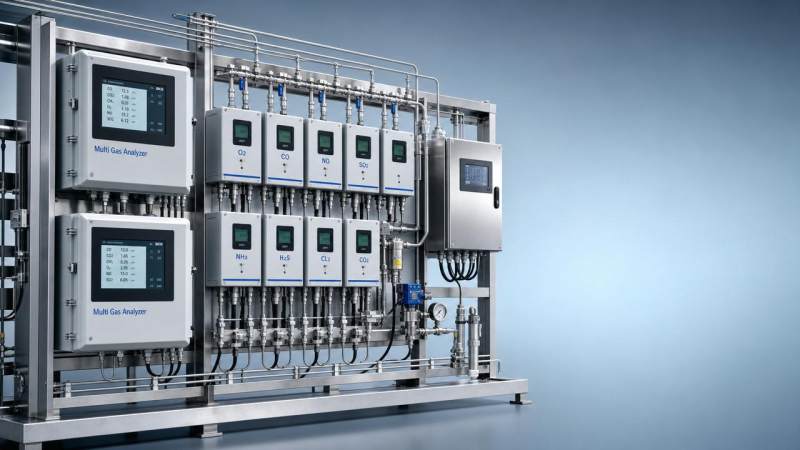
When teams compare multi-component analyzers with single-gas units, they are not simply comparing instruments. They are deciding how to balance measurement scope, project complexity, reliability expectations, and total ownership cost over several years.
The core search intent behind this topic is practical. Decision-makers want to know which option better fits industrial projects where instrumentation performance influences safety, emissions compliance, process efficiency, and uptime. They are looking for a framework, not just a product definition.
For engineering leads, the immediate concern is usually whether one analyzer can replace several separate devices without creating unacceptable risk. For project managers, the larger question is whether that consolidation reduces cost and complexity or simply moves complexity into one central point.
That is why a useful comparison must go beyond technical specifications. It should show where each choice performs better under real project constraints such as procurement schedules, integration effort, calibration planning, operator workload, and future plant modifications.
When do multi-component analyzers make stronger business sense?
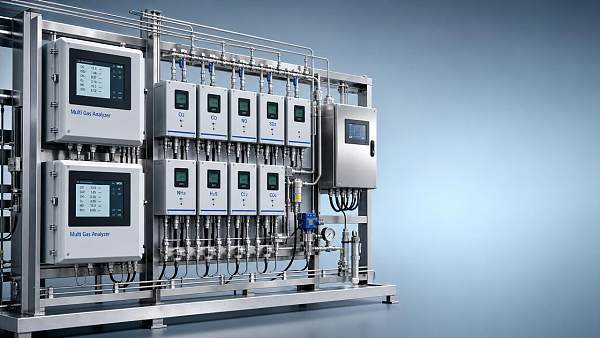
Multi-component analyzers are most valuable when a process requires simultaneous measurement of several gases or components from one sampling point or one integrated monitoring system. In these environments, combining data streams into one platform can improve visibility and coordination.
Typical examples include combustion optimization, emissions monitoring, refinery process control, gas blending, biogas analysis, air separation, chemical production, and advanced environmental monitoring. In such cases, the process outcome depends on relationships between multiple components rather than one isolated reading.
From a project management perspective, the strongest case appears when separate single-gas instruments would require duplicate sampling systems, additional panel space, more wiring, more communication points, and more maintenance scheduling. Consolidation can reduce those burdens meaningfully.
Another strong use case is when data correlation matters. If oxygen, carbon monoxide, carbon dioxide, methane, or other process gases must be interpreted together, a multi-component analyzer often delivers more coherent operational insight than several independent devices installed at different times.
This matters because project success is not measured only by installation completion. It is measured by how quickly operators can trust the data, how reliably maintenance can support the system, and how effectively management can use the outputs for optimization or compliance reporting.
Where do single-gas units remain the smarter fit?
Single-gas units still make excellent sense in many projects. If the monitoring objective is narrow, the process risk is limited, and only one gas truly drives control or alarm decisions, a simpler device often provides the best cost-to-value ratio.
They are particularly effective in decentralized monitoring points, targeted safety applications, utility systems, and smaller facilities where a complex analyzer would add procurement and maintenance effort with little operational benefit. Simplicity can be a strategic advantage, not a compromise.
For project managers working with tight schedules, single-gas units may also reduce engineering review time. Fewer components, fewer interfaces, and easier replacement workflows can accelerate commissioning and lower the burden on site teams with limited analyzer expertise.
Budget predictability is another reason organizations choose them. A single-gas unit often has lower upfront cost, easier spare parts planning, and more straightforward service routines. In facilities with modest technical resources, this can reduce hidden operating friction.
In short, if one variable drives the decision and no near-term expansion is expected, choosing a dedicated single-gas instrument may be more rational than investing in a broader platform whose capabilities will remain underused.
How should you compare total cost, not just purchase price?
One of the most common mistakes in analyzer selection is evaluating only the initial equipment price. Project leaders should compare total cost of ownership, including sampling infrastructure, integration engineering, calibration routines, spare inventory, training, service contracts, and downtime exposure.
At first glance, multi-component analyzers may look more expensive. In many cases, they are. However, if one system replaces several single-gas units, the total installed cost may become more competitive than expected, especially when enclosure space and cabling are limited.
Procurement teams should also consider the cost of interfaces. Multiple standalone instruments often require additional I/O mapping, separate communication checks, more mounting hardware, and more validation steps. Those labor costs are easy to underestimate during early planning.
Maintenance economics can shift the balance either way. A multi-component analyzer may reduce the number of instruments to service, but it can require more specialized maintenance skills. Single-gas units may be easier to service individually, yet create repetitive workload across many points.
Downtime cost is often the deciding factor. If one integrated analyzer fails, several measurements may be lost at once. If one single-gas unit fails, only one data stream may be affected. The financial impact of that difference depends entirely on the process.
For that reason, project managers should ask a simple question: what is the cost of losing one component reading versus losing the full analytical picture? The answer often reveals whether consolidation is an efficiency gain or an operational risk.
What about compliance, reporting, and audit readiness?
In regulated industries, analyzer selection is rarely just an engineering issue. Environmental permits, product quality standards, emissions rules, and internal audit requirements can all shape whether a multi-component analyzer or a single-gas unit is more appropriate.
If regulations require coordinated measurement of several parameters, an integrated analyzer may simplify data alignment, reporting consistency, and traceability. This is especially useful where timestamps, calibration records, and cross-component relationships must be documented clearly.
In contrast, if compliance focuses on a single pollutant or one isolated threshold, a dedicated unit may satisfy requirements with less complexity. Over-specifying the solution can increase validation workload without improving regulatory outcomes.
Project leaders should verify not only measurement range and detection performance, but also documentation support, calibration traceability, diagnostics, alarm handling, and historian integration. Compliance failures often arise from data handling weaknesses rather than sensor capability alone.
It is also wise to involve operations and quality teams early. A technically superior analyzer can still become a poor project choice if plant personnel cannot maintain records properly or if the reporting structure does not match existing compliance workflows.
How do maintenance and operational risk change with each option?
Maintenance strategy is where many analyzer projects succeed or struggle after handover. A system that looks efficient during procurement may create hidden operational pressure if the site lacks the skills, spare parts, or procedures needed to sustain it.
Multi-component analyzers can reduce instrument count, but they often centralize dependency. If the analyzer or sample conditioning system experiences a fault, several measurements may be compromised together. That risk is manageable, but it must be designed for intentionally.
Single-gas units distribute risk across separate devices. This can improve resilience in some applications because failure is localized. However, it may also multiply calibration visits, inspection tasks, and configuration inconsistencies across the facility.
For project managers, the right question is not which option has lower maintenance in theory. It is which option better matches the site’s service model. A highly capable analyzer is only valuable if the organization can support it consistently.
Review practical factors such as technician skill level, analyzer vendor support response, availability of local service partners, calibration gas logistics, recommended maintenance intervals, and recovery time after failure. These are operational realities, not minor details.
If the plant has strong analytical maintenance capability, multi-component analyzers can deliver meaningful efficiency. If not, a fleet of simpler single-gas units may produce more stable long-term performance despite requiring more routine attention.
What project conditions usually favor multi-component analyzers?
Several conditions strongly support choosing multi-component analyzers. The first is process interdependence, where operators must understand multiple gas values together to make control decisions or diagnose performance deviations accurately.
The second is physical constraint. If panel space, shelter capacity, sample line routing, or utility access is limited, consolidating measurements into one system can simplify layout and reduce installation congestion. This can be especially important in retrofit projects.
The third is digital integration. If the project roadmap includes advanced analytics, energy optimization, emissions tracking, or centralized performance monitoring, a richer and more unified data source usually supports those goals better than fragmented point solutions.
The fourth is future scalability. When project teams expect process changes, fuel variation, additional quality checks, or tightening environmental requirements, a multi-component platform can offer expansion headroom that avoids redesigning the instrumentation architecture later.
Finally, multi-component analyzers are often favored where data quality has strategic business value. If gas composition affects product yield, fuel efficiency, environmental exposure, or customer compliance, the return on broader measurement is easier to justify.
What project conditions usually favor single-gas units?
Single-gas units tend to fit better when monitoring objectives are isolated, site conditions are straightforward, and operational teams prioritize simplicity over analytical breadth. In these situations, adding complexity may not create meaningful additional value.
They are also a strong choice when instrumentation must be deployed across many distributed points with limited interdependence. Standardized single-gas devices can simplify purchasing, replacement, training, and field servicing in large but relatively simple networks.
If project timelines are compressed, single-gas units can reduce design iterations and accelerate execution. This matters in fast-track upgrades where the plant needs a dependable answer now rather than a more sophisticated platform later.
Another favorable condition is organizational maturity. Facilities without dedicated analyzer specialists often achieve better uptime with simpler devices, even if those devices are less elegant from a systems engineering viewpoint. Practical maintainability is a legitimate selection criterion.
Single-gas instruments also fit well when redundancy is a priority. Instead of placing multiple critical readings into one package, some project teams prefer separated devices to reduce the chance that one failure removes several layers of visibility at once.
A decision framework for project managers and engineering leads
If your team is deciding between multi-component analyzers and single-gas units, begin by defining the operational question the analyzer must answer. Do you need one number, or do you need a complete process picture to support control, compliance, or optimization?
Next, map the measurement architecture. How many gases, sampling points, control loops, reporting outputs, and stakeholders depend on the data? The more interconnected the requirement, the stronger the argument for a consolidated analytical approach.
Then evaluate lifecycle fit. Consider installation effort, support capability, service availability, calibration workload, spare parts strategy, and consequence of failure. Selection should reflect the organization’s ability to operate the solution, not just to purchase it.
It is also helpful to score each option across five criteria: technical necessity, capital cost, operating cost, compliance fit, and expansion flexibility. A weighted decision matrix often brings clarity when internal teams prioritize different outcomes.
Finally, document the assumptions behind the choice. That creates a stronger procurement case, aligns engineering and operations earlier, and reduces the chance of later disputes when conditions change or additional measurement requirements emerge.
Conclusion: Which fits better?
There is no universal winner between multi-component analyzers and single-gas units. The better fit depends on whether your project values integrated insight, reduced hardware footprint, and future scalability more than localized simplicity and lower initial complexity.
For complex industrial processes, compliance-intensive environments, and data-driven optimization projects, multi-component analyzers often deliver stronger long-term value. They can reduce system fragmentation and support better decision-making when multiple gas relationships matter.
For narrower applications, distributed monitoring, limited budgets, or sites with modest analyzer support capability, single-gas units may be the more reliable and economical option. In many cases, the smartest decision is not the most advanced one, but the most supportable one.
Project managers and engineering leaders should therefore judge the choice through the full project lens: business value, operational risk, maintainability, compliance, and growth potential. When those factors are assessed honestly, the right analyzer strategy usually becomes clear.
Recommended for You
 Stack Gas Analyzers: When Maintenance Delays Start Raising RiskStack gas analyzers can look normal while hidden drift raises compliance, efficiency, and reliability risks. Learn the warning signs and smart maintenance checks before delays become costly.
 Industrial Measurement Systems in Export Projects: Key Compliance ChecksIndustrial measurement systems for export projects: learn the key compliance checks for certifications, calibration, safety, and documents to avoid delays and ensure smooth delivery.
 Pharmaceutical Instrumentation Upgrades: What to Evaluate FirstPharmaceutical instrumentation upgrades start with compliance, data integrity, uptime, and ROI. Learn what to evaluate first to reduce risk and make smarter buying decisions.
 Food Processing Analyzers for Compliance and Batch ConsistencyFood processing analyzers help manufacturers improve compliance, reduce batch variation, and verify quality from raw materials to final release with faster, traceable decisions.
 Biogas Analyzers Market Trends: Accuracy, Maintenance, and ROIBiogas analyzers market trends: explore how accuracy, lower maintenance, and stronger ROI help energy and industrial buyers improve gas quality, uptime, and compliance.
 Safety Monitoring Systems: Common Setup Mistakes to AvoidSafety monitoring systems fail fast when setup is wrong. Discover common installation, calibration, and alarm mistakes to avoid for safer operations and more reliable monitoring.
 Industrial Testing Equipment Costs in 2026: What Drives Pricing?Industrial testing equipment costs in 2026 depend on accuracy, compliance, automation, and lifecycle service. Learn what drives pricing and how to reduce total ownership cost.
 Multi-Component Analyzers vs Single-Gas Units: Which Fits Better?Multi-component analyzers vs single-gas units: compare lifecycle cost, compliance, maintenance, and scalability to choose the best fit for safer, smarter industrial projects.
 Petrochemical Analyzers: Key Specs That Affect Safety and UptimePetrochemical analyzers directly affect safety and uptime. Learn which specs—accuracy, response time, compatibility, and maintenance—matter most for reliable plant performance.
 How to Choose Process Monitoring Instruments for Stable Plant PerformanceProcess monitoring instruments are key to stable plant performance. Learn how to choose the right devices for accuracy, compatibility, lower risk, and better efficiency.
 Brazil INMETRO to Require Portuguese UI and Local Units for Industrial Instruments by 2026Brazil INMETRO mandates Portuguese UI & local units (mbar, kPa, °C) for industrial instruments by Dec 2026—key for exporters, integrators & service providers.
 STMicroelectronics 200mm Line Eases Industrial Sensor Chip ShortageSTMicroelectronics 200mm line eases industrial sensor chip shortage — MCUs & signal-conditioning ICs now ship in 12 weeks. Secure allocation today.
 Southeast Asia Manufacturing Re-shoring Accelerates: Vietnam/Indonesia Industrial Instrument Imports Up 37% YoYSoutheast Asia manufacturing re-shoring accelerates: Vietnam & Indonesia industrial instrument imports up 37% YoY — key insights for suppliers, OEMs & procurement teams.
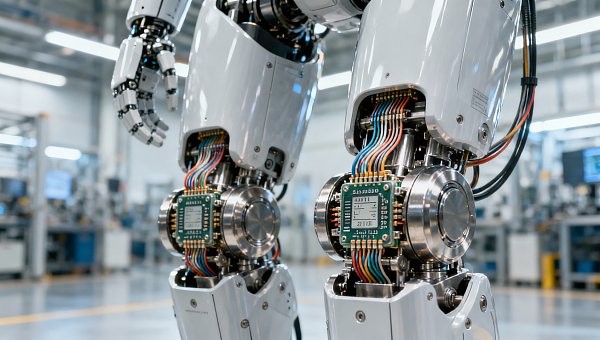
 First Global White Paper on Humanoid Robot Sensor Calibration ReleasedHumanoid robot sensor calibration: First global white paper released—key for ISO/IEC JWG 23 compliance, export readiness & dynamic torque accuracy. Act now.
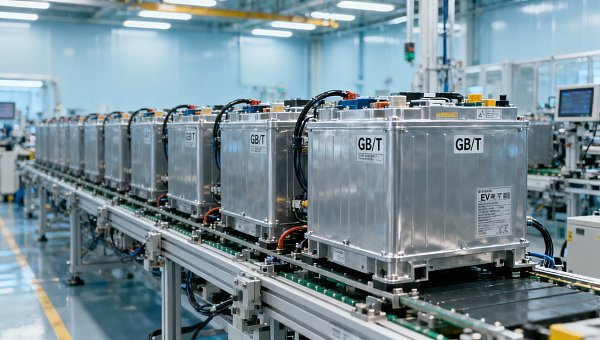
 SAMR to Upgrade EV Battery Recycling Standard to MandatorySAMR to upgrade EV battery recycling standard GB/T 34015—202X to mandatory by Dec 2026 — critical for exporters, BMS makers & cert labs.
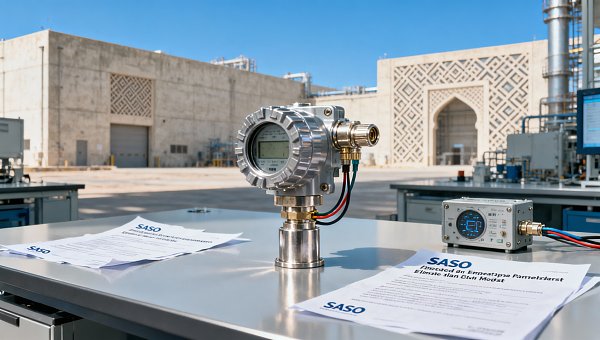
 Saudi SASO Accelerates AI Energy Efficiency Rules for TransmittersSASO AI energy efficiency rules for transmitters take effect 1 June 2026 — mandatory AI simulation, Saudi climate data, and authorized lab validation required. Act now to avoid export delays.
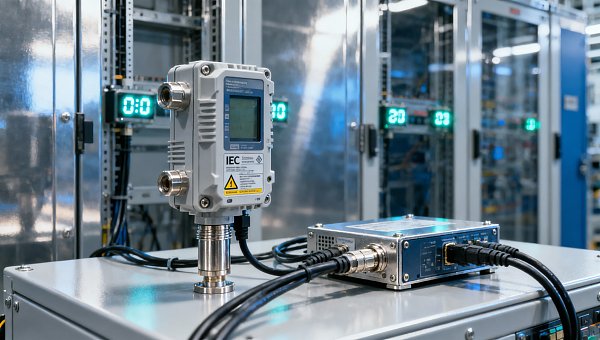
 IEC 63278:2026 Released for Industrial Instrument CybersecurityIEC 63278:2026 is live — the first global standard mandating cybersecurity verification for industrial instruments. Discover compliance impacts, deadlines, and actionable steps for OT/IT convergence.
 Red Sea Crisis Escalates: Gulf of Aden Navigation Ban Extended to June 15, 2026Red Sea Crisis escalates: Gulf of Aden navigation ban extended to June 15, 2026—disrupting industrial instrumentation shipments to the Middle East with 458% air freight spikes and 12–18 day delays.
 US DOE Updates Efficiency Rules for Industrial SensorsUS DOE updates industrial sensor efficiency rules: AI-driven dynamic calibration required by Sept 2026. Ensure AI-Cal Verified compliance now.
 EU Mandates PEF Carbon Footprint Module for Industrial Instruments from June 2026EU mandates PEF carbon footprint module for industrial instruments from June 2026—key for exporters, OEMs & certifiers. Act now to ensure compliance.
 Explosion-Proof Instruments: Compliance Risks Before You OrderExplosion-proof instruments can trigger delays, failed inspections, and safety risks if compliance is overlooked. Learn what to verify before ordering and make safer, smarter purchasing decisions.
 Gas Quality Monitoring Equipment Import Rules to Watch in 2026Gas quality monitoring equipment import rules for 2026 are tightening. Learn the key compliance, certification, and customs risks distributors must manage to avoid delays and protect margins.
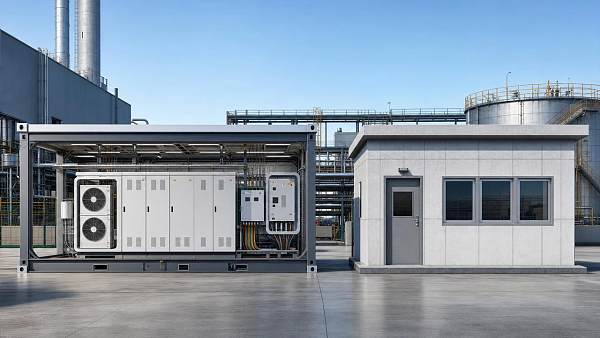
 Emission Control Shelter Demand Shifts Across Industrial ProjectsEmission control shelter demand is rising across industrial projects as buyers seek faster deployment, reliable monitoring, and compliance-ready designs. Explore key evaluation factors.
 Temperature Measurement Instruments: Selection Mistakes That Raise DowntimeTemperature measurement instruments selection mistakes can drive downtime, unstable control, and higher costs. Discover 5 common errors and practical fixes to improve reliability.
 Thermal Conductivity Analyzers: When Are They the Right Choice?Thermal conductivity analyzers are ideal for binary and high-contrast gas mixtures. Learn when they deliver reliable, low-maintenance online monitoring and smarter project value.
 Level Measurement Instruments for Tanks: What Affects ReliabilityLevel measurement instruments reliability depends on media, installation, and diagnostics. Discover what causes tank reading failures and how to improve safety, uptime, and control.
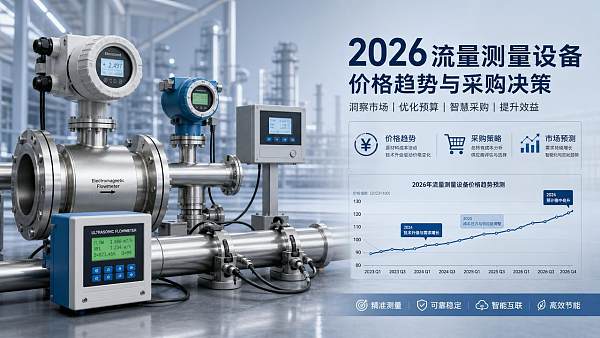
 Flow Measurement Equipment Price Trends in 2026Flow measurement equipment price trends in 2026: learn key cost drivers, budgeting risks, and smart buying strategies to improve ROI and make better procurement decisions.
 Flue Gas Monitoring Equipment: Common Accuracy Issues and FixesFlue gas monitoring equipment accuracy issues can lead to drift, false readings, and compliance risks. Discover common causes, practical fixes, and smarter maintenance tips.
 Process Control Shelter vs Control Room: Key Cost and Deployment DifferencesProcess control shelter vs control room: compare cost, deployment speed, integration, and lifecycle value to choose the smarter solution for industrial automation projects.
 How to Select an Industrial Control Shelter for Harsh Site ConditionsIndustrial control shelter selection for harsh sites: learn how to compare materials, HVAC, safety, and lifecycle cost to protect equipment, reduce downtime, and improve reliability.
 SAMR to Finalize 1,800+ Standards by 2026, Including EV Battery RecyclingSAMR to finalize 1,800+ standards by 2026—including EV battery recycling, hazardous chemical packaging & EMC immunity. Stay ahead of mandatory GB shifts and global export compliance.
 China's Largest Single-Line Large-Tow Carbon Fiber Line Starts OperationChina's largest single-line large-tow carbon fiber line is live—30,000 tons/year capacity, ASME-certified, 22% cheaper & 6-week lead time. Boost your industrial instrumentation supply chain now.




Search Categories
Search Categories
Latest Article
- Stack Gas Analyzers: When Maintenance Delays Start Raising RiskStack gas analyzers can look normal while hidden drift raises compliance, efficiency, and reliability risks. Learn the warning signs and smart maintenance checks before delays become costly.Posted by:
- Industrial Measurement Systems in Export Projects: Key Compliance ChecksIndustrial measurement systems for export projects: learn the key compliance checks for certifications, calibration, safety, and documents to avoid delays and ensure smooth delivery.Posted by:
- Pharmaceutical Instrumentation Upgrades: What to Evaluate FirstPharmaceutical instrumentation upgrades start with compliance, data integrity, uptime, and ROI. Learn what to evaluate first to reduce risk and make smarter buying decisions.Posted by:
Please give us a message
