
Safety Monitoring Systems: Common Setup Mistakes to Avoid


Safety monitoring systems are only as effective as their setup, calibration, and ongoing care. In industrial, energy, laboratory, environmental, and automation settings, small installation errors often create large operational risks.
When safety monitoring systems are poorly configured, false alarms increase, critical events go unseen, and response time slows. Reliable performance depends on correct sensor placement, stable communication, accurate thresholds, and disciplined maintenance routines.
Across the instrumentation industry, monitoring devices support measurement, analysis, control, and compliance. Avoiding common setup mistakes helps improve system integrity, protects personnel, and ensures equipment delivers trustworthy data under real operating conditions.
Core Understanding of Safety Monitoring Systems
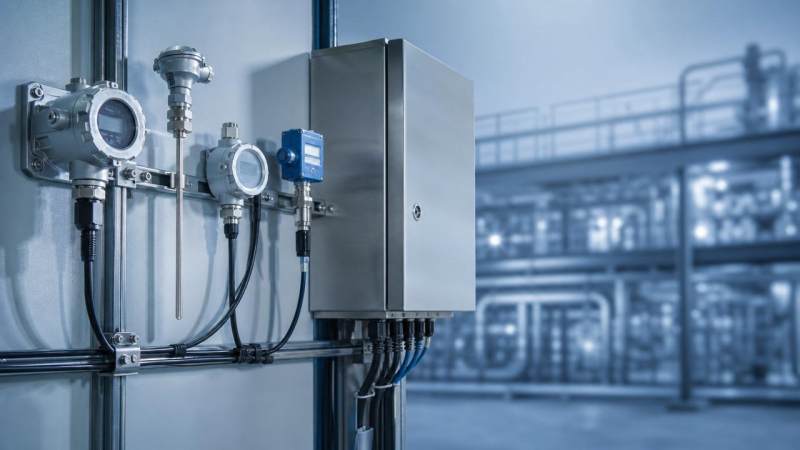
Safety monitoring systems combine sensors, transmitters, controllers, alarms, software, and communication networks. Their purpose is simple: detect unsafe conditions early and trigger clear, timely action.
Typical monitored variables include pressure, temperature, flow, level, vibration, gas concentration, humidity, power quality, and process status. In many sites, these systems connect with SCADA, PLC, DCS, or cloud platforms.
Although designs vary, most safety monitoring systems share the same setup challenge. They must convert physical signals into dependable warnings without introducing delay, noise, or confusion.
A technically advanced device cannot compensate for poor field installation. Many failures come not from hardware defects, but from preventable setup mistakes made during deployment or commissioning.
Why Setup Accuracy Matters Across Industrial Environments
The instrumentation industry serves diverse environments with different risk profiles. A gas detector in a confined space, a thermal monitor in switchgear, and a level alarm in wastewater treatment all require tailored setup logic.
Current attention around safety monitoring systems usually centers on these practical concerns:
- Higher demand for real-time monitoring in automated facilities
- Greater integration between field instruments and digital platforms
- Stronger compliance pressure for traceable alarm records
- Need to reduce nuisance alarms and alarm fatigue
- More complex environments with mixed legacy and smart devices
Because these conditions vary so widely, setup decisions should never be copied from one site to another without verification. Effective safety monitoring systems must reflect process realities, not only catalog specifications.
Common Setup Mistakes to Avoid
Incorrect Sensor Placement
One of the most frequent problems is placing sensors where access is easy rather than where risk is highest. This creates measurement gaps and weakens the value of safety monitoring systems.
Gas sensors may be mounted too high or too low for the target gas. Temperature probes may sit too far from heat sources. Vibration sensors may be attached to noncritical structures.
Poor Alarm Threshold Configuration
Alarm limits that are too tight cause nuisance alerts. Limits that are too broad delay intervention. Both cases reduce trust in safety monitoring systems and weaken operator response.
Thresholds should be based on process data, safety limits, and device accuracy. They should also consider startup conditions, transient loads, and normal variation.
Ignoring Calibration and Baseline Validation
Some teams install instruments and immediately rely on live data. Without calibration checks and baseline validation, safety monitoring systems may begin service with hidden inaccuracy.
A correct baseline helps distinguish actual risk from routine fluctuation. It also supports later troubleshooting when values shift unexpectedly.
Weak Power and Communication Planning
Monitoring devices often fail due to unstable power, poor grounding, or network interruptions. Even robust safety monitoring systems lose value if data cannot travel reliably.
Cable routing near high-noise equipment, overloaded network segments, and missing backup power commonly lead to dropouts and inconsistent alarm delivery.
No Clear Mapping of Alarm Response
A warning is only useful when the response path is defined. Many safety monitoring systems are technically installed but operationally incomplete because escalation logic is missing.
Each alarm should link to an action, a confirmation step, and a communication route. Without that structure, monitoring becomes passive rather than protective.
Practical Value for Operations and Risk Control
Well-configured safety monitoring systems do more than detect hazards. They improve process visibility, reduce unplanned downtime, support compliance records, and strengthen maintenance planning.
In the broader instrumentation industry, reliable monitoring data supports automation upgrades and digital transformation. Accurate field signals become the foundation for analytics, reporting, and control optimization.
- Fewer false alarms improve response discipline
- Better signal quality supports faster fault diagnosis
- Stable monitoring reduces emergency intervention costs
- Clean records support audits and incident reviews
- Reliable alerts help protect people, assets, and processes
These outcomes are especially important where continuous operation matters. Facilities handling chemical processes, power systems, environmental emissions, or precision laboratory workflows depend on trusted monitoring behavior.
Typical Scenarios Where Setup Errors Create Risk
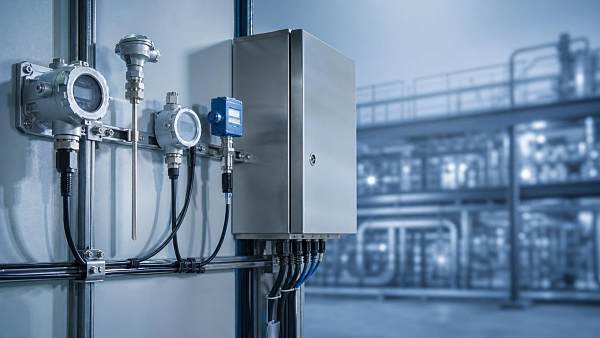
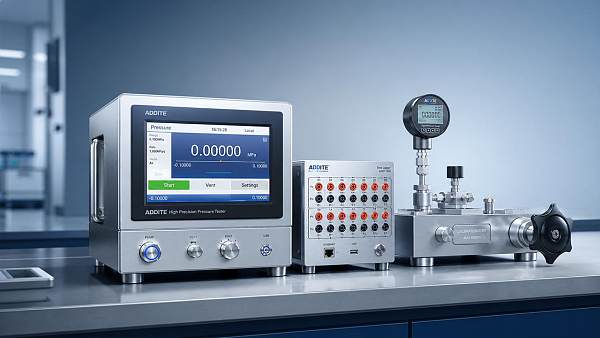
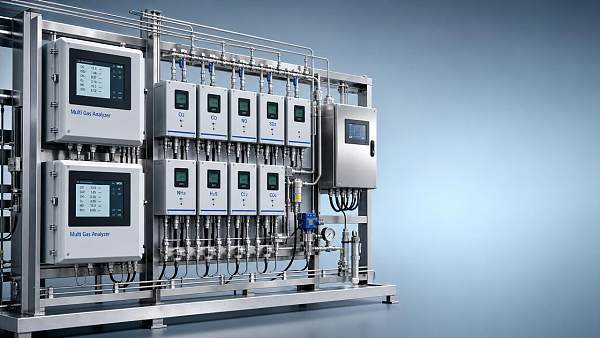
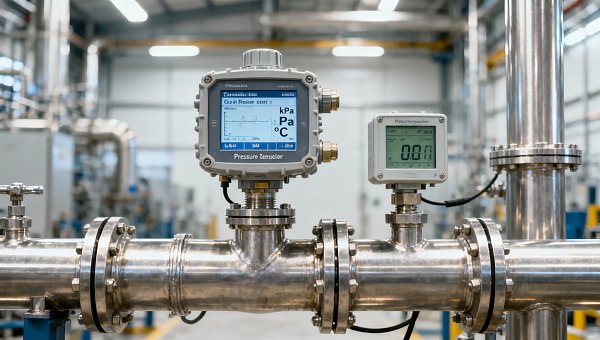
These examples show why safety monitoring systems must be adapted to the physical process, risk source, and environmental conditions of each installation.
Practical Setup Recommendations
- Survey the site before installation and map likely hazard zones.
- Match sensor type, range, and enclosure rating to actual conditions.
- Validate mounting height, orientation, and exposure path.
- Set alarm thresholds using process history and safety limits.
- Test communication stability under full operating load.
- Confirm backup power and fail-safe behavior.
- Document calibration results, baseline values, and response logic.
- Review performance regularly and adjust after process changes.
These actions help safety monitoring systems remain dependable over time. They also reduce the chance that a hidden setup mistake will appear during a real incident.
Next-Step Focus for More Reliable Monitoring
Improving safety monitoring systems starts with a structured review of installation quality, alarm logic, communication paths, and maintenance records. Even mature facilities often discover basic issues during this process.
Use a checklist, compare setup conditions with process risk, and verify that every monitoring point has a clear purpose. Where uncertainty remains, field testing should come before full reliance.
By correcting common setup mistakes early, safety monitoring systems can deliver the reliable, timely protection expected in modern industrial and instrumentation environments.
Recommended for You
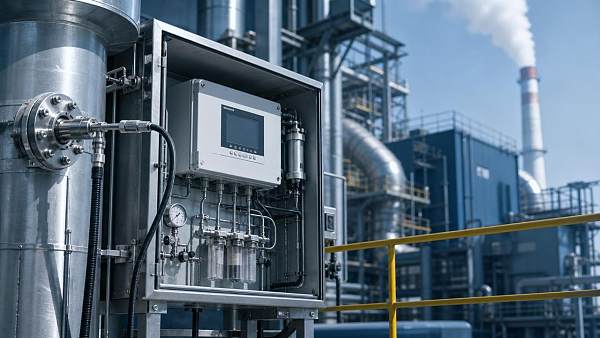
 Stack Gas Analyzers: When Maintenance Delays Start Raising RiskStack gas analyzers can look normal while hidden drift raises compliance, efficiency, and reliability risks. Learn the warning signs and smart maintenance checks before delays become costly.
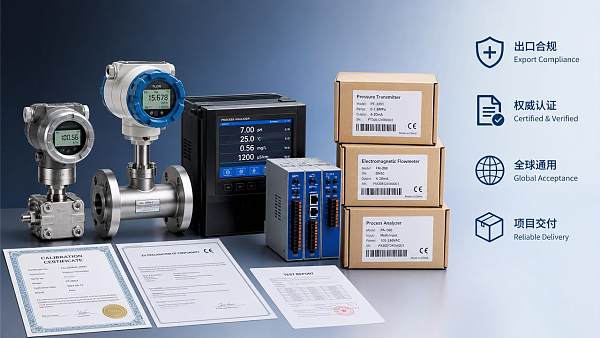
 Industrial Measurement Systems in Export Projects: Key Compliance ChecksIndustrial measurement systems for export projects: learn the key compliance checks for certifications, calibration, safety, and documents to avoid delays and ensure smooth delivery.
 Pharmaceutical Instrumentation Upgrades: What to Evaluate FirstPharmaceutical instrumentation upgrades start with compliance, data integrity, uptime, and ROI. Learn what to evaluate first to reduce risk and make smarter buying decisions.
 Food Processing Analyzers for Compliance and Batch ConsistencyFood processing analyzers help manufacturers improve compliance, reduce batch variation, and verify quality from raw materials to final release with faster, traceable decisions.
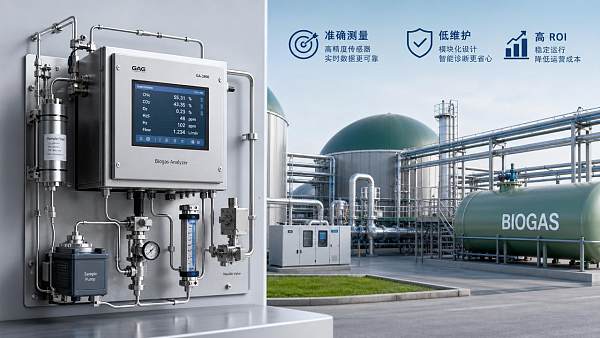
 Biogas Analyzers Market Trends: Accuracy, Maintenance, and ROIBiogas analyzers market trends: explore how accuracy, lower maintenance, and stronger ROI help energy and industrial buyers improve gas quality, uptime, and compliance.
 Safety Monitoring Systems: Common Setup Mistakes to AvoidSafety monitoring systems fail fast when setup is wrong. Discover common installation, calibration, and alarm mistakes to avoid for safer operations and more reliable monitoring.
 Industrial Testing Equipment Costs in 2026: What Drives Pricing?Industrial testing equipment costs in 2026 depend on accuracy, compliance, automation, and lifecycle service. Learn what drives pricing and how to reduce total ownership cost.
 Multi-Component Analyzers vs Single-Gas Units: Which Fits Better?Multi-component analyzers vs single-gas units: compare lifecycle cost, compliance, maintenance, and scalability to choose the best fit for safer, smarter industrial projects.
 Petrochemical Analyzers: Key Specs That Affect Safety and UptimePetrochemical analyzers directly affect safety and uptime. Learn which specs—accuracy, response time, compatibility, and maintenance—matter most for reliable plant performance.
 How to Choose Process Monitoring Instruments for Stable Plant PerformanceProcess monitoring instruments are key to stable plant performance. Learn how to choose the right devices for accuracy, compatibility, lower risk, and better efficiency.
 Brazil INMETRO to Require Portuguese UI and Local Units for Industrial Instruments by 2026Brazil INMETRO mandates Portuguese UI & local units (mbar, kPa, °C) for industrial instruments by Dec 2026—key for exporters, integrators & service providers.
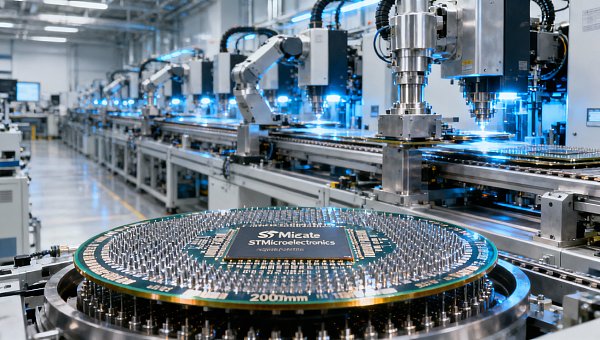
 STMicroelectronics 200mm Line Eases Industrial Sensor Chip ShortageSTMicroelectronics 200mm line eases industrial sensor chip shortage — MCUs & signal-conditioning ICs now ship in 12 weeks. Secure allocation today.
 Southeast Asia Manufacturing Re-shoring Accelerates: Vietnam/Indonesia Industrial Instrument Imports Up 37% YoYSoutheast Asia manufacturing re-shoring accelerates: Vietnam & Indonesia industrial instrument imports up 37% YoY — key insights for suppliers, OEMs & procurement teams.
 First Global White Paper on Humanoid Robot Sensor Calibration ReleasedHumanoid robot sensor calibration: First global white paper released—key for ISO/IEC JWG 23 compliance, export readiness & dynamic torque accuracy. Act now.
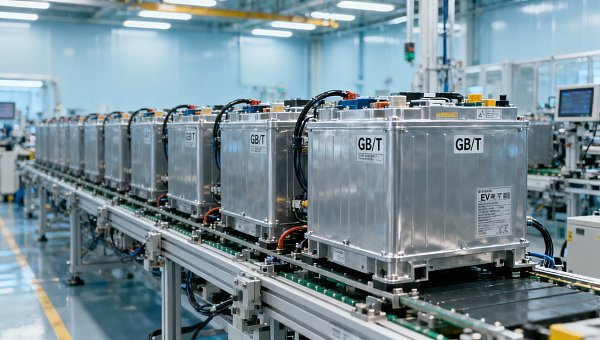
 SAMR to Upgrade EV Battery Recycling Standard to MandatorySAMR to upgrade EV battery recycling standard GB/T 34015—202X to mandatory by Dec 2026 — critical for exporters, BMS makers & cert labs.
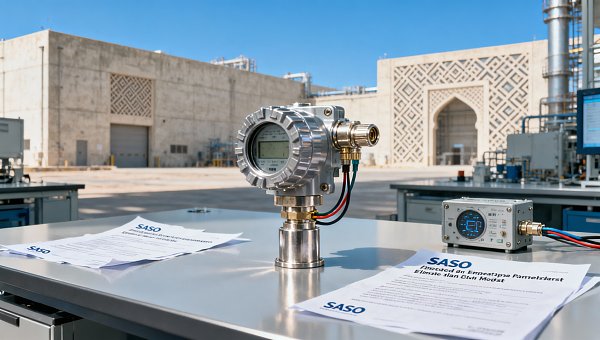
 Saudi SASO Accelerates AI Energy Efficiency Rules for TransmittersSASO AI energy efficiency rules for transmitters take effect 1 June 2026 — mandatory AI simulation, Saudi climate data, and authorized lab validation required. Act now to avoid export delays.
 IEC 63278:2026 Released for Industrial Instrument CybersecurityIEC 63278:2026 is live — the first global standard mandating cybersecurity verification for industrial instruments. Discover compliance impacts, deadlines, and actionable steps for OT/IT convergence.
 Red Sea Crisis Escalates: Gulf of Aden Navigation Ban Extended to June 15, 2026Red Sea Crisis escalates: Gulf of Aden navigation ban extended to June 15, 2026—disrupting industrial instrumentation shipments to the Middle East with 458% air freight spikes and 12–18 day delays.
 US DOE Updates Efficiency Rules for Industrial SensorsUS DOE updates industrial sensor efficiency rules: AI-driven dynamic calibration required by Sept 2026. Ensure AI-Cal Verified compliance now.
 EU Mandates PEF Carbon Footprint Module for Industrial Instruments from June 2026EU mandates PEF carbon footprint module for industrial instruments from June 2026—key for exporters, OEMs & certifiers. Act now to ensure compliance.
 Explosion-Proof Instruments: Compliance Risks Before You OrderExplosion-proof instruments can trigger delays, failed inspections, and safety risks if compliance is overlooked. Learn what to verify before ordering and make safer, smarter purchasing decisions.
 Gas Quality Monitoring Equipment Import Rules to Watch in 2026Gas quality monitoring equipment import rules for 2026 are tightening. Learn the key compliance, certification, and customs risks distributors must manage to avoid delays and protect margins.
 Emission Control Shelter Demand Shifts Across Industrial ProjectsEmission control shelter demand is rising across industrial projects as buyers seek faster deployment, reliable monitoring, and compliance-ready designs. Explore key evaluation factors.
 Temperature Measurement Instruments: Selection Mistakes That Raise DowntimeTemperature measurement instruments selection mistakes can drive downtime, unstable control, and higher costs. Discover 5 common errors and practical fixes to improve reliability.
 Thermal Conductivity Analyzers: When Are They the Right Choice?Thermal conductivity analyzers are ideal for binary and high-contrast gas mixtures. Learn when they deliver reliable, low-maintenance online monitoring and smarter project value.
 Level Measurement Instruments for Tanks: What Affects ReliabilityLevel measurement instruments reliability depends on media, installation, and diagnostics. Discover what causes tank reading failures and how to improve safety, uptime, and control.
 Flow Measurement Equipment Price Trends in 2026Flow measurement equipment price trends in 2026: learn key cost drivers, budgeting risks, and smart buying strategies to improve ROI and make better procurement decisions.
 Flue Gas Monitoring Equipment: Common Accuracy Issues and FixesFlue gas monitoring equipment accuracy issues can lead to drift, false readings, and compliance risks. Discover common causes, practical fixes, and smarter maintenance tips.
 Process Control Shelter vs Control Room: Key Cost and Deployment DifferencesProcess control shelter vs control room: compare cost, deployment speed, integration, and lifecycle value to choose the smarter solution for industrial automation projects.
 How to Select an Industrial Control Shelter for Harsh Site ConditionsIndustrial control shelter selection for harsh sites: learn how to compare materials, HVAC, safety, and lifecycle cost to protect equipment, reduce downtime, and improve reliability.
 SAMR to Finalize 1,800+ Standards by 2026, Including EV Battery RecyclingSAMR to finalize 1,800+ standards by 2026—including EV battery recycling, hazardous chemical packaging & EMC immunity. Stay ahead of mandatory GB shifts and global export compliance.
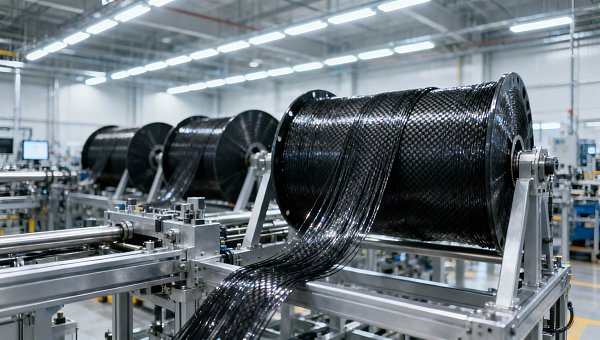
 China's Largest Single-Line Large-Tow Carbon Fiber Line Starts OperationChina's largest single-line large-tow carbon fiber line is live—30,000 tons/year capacity, ASME-certified, 22% cheaper & 6-week lead time. Boost your industrial instrumentation supply chain now.








Search Categories
Search Categories
Latest Article
- Stack Gas Analyzers: When Maintenance Delays Start Raising RiskStack gas analyzers can look normal while hidden drift raises compliance, efficiency, and reliability risks. Learn the warning signs and smart maintenance checks before delays become costly.Posted by:
- Industrial Measurement Systems in Export Projects: Key Compliance ChecksIndustrial measurement systems for export projects: learn the key compliance checks for certifications, calibration, safety, and documents to avoid delays and ensure smooth delivery.Posted by:
- Pharmaceutical Instrumentation Upgrades: What to Evaluate FirstPharmaceutical instrumentation upgrades start with compliance, data integrity, uptime, and ROI. Learn what to evaluate first to reduce risk and make smarter buying decisions.Posted by:
Please give us a message
