
Stack Gas Analyzers: When Maintenance Delays Start Raising Risk


For after-sales maintenance teams, stack gas analyzers are more than reporting devices. They reveal combustion quality, process drift, pollution trends, and hidden equipment stress before failures become obvious.
When calibration slips, filters clog, or sensors age unchecked, the analyzer may still display numbers. Yet those numbers can slowly lose meaning, raising operational, environmental, and financial risk.
In instrumentation-heavy industries, maintenance delays rarely stay isolated. They affect emissions data, control loops, maintenance planning, audit readiness, and trust in the monitoring system.
Why delayed maintenance on stack gas analyzers quickly raises risk
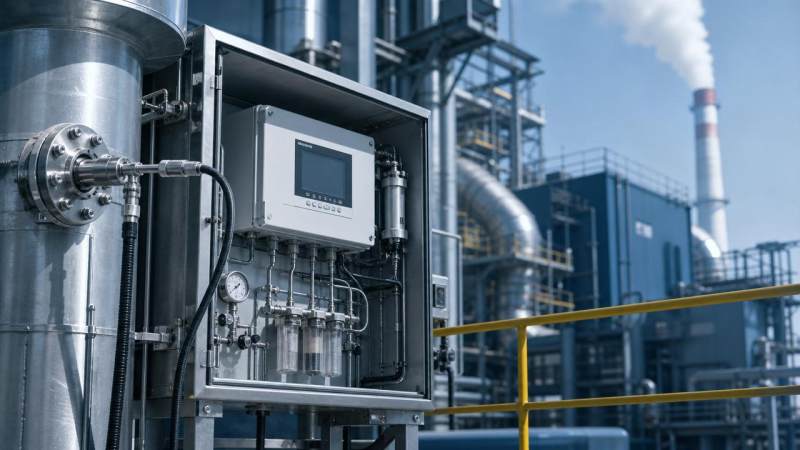
Modern facilities rely on stack gas analyzers for continuous emissions monitoring, burner tuning, energy efficiency, and process verification. A delay in service can distort each of these functions at once.
The danger is not always sudden failure. More often, it begins with gradual zero drift, span deviation, sample line contamination, moisture interference, or unstable flow.
Because the drift is incremental, teams may continue using flawed readings for operating decisions. That turns a maintenance issue into a compliance issue and later into a reliability issue.
A structured review helps separate minor service needs from conditions that could compromise emissions records, trigger alarms, or hide real process deterioration.
Key checkpoints to review before maintenance delays become costly
Use the following checkpoints to assess whether stack gas analyzers remain dependable between scheduled service intervals.
- Verify zero and span results against recent records. Small repeated deviations often indicate sensor aging, contamination, or calibration gas handling issues.
- Check sample conditioning components, including filters, coolers, pumps, and moisture traps. Restricted or wet samples can distort gas concentration readings.
- Review analyzer response time trends. Slower response can signal blocked lines, weakened pumps, dirty optical paths, or unstable sample transport.
- Inspect alarm history for repeated faults, communication drops, or unexplained recoveries. Frequent short events may hide developing hardware instability.
- Confirm probe condition and stack insertion integrity. Ash buildup, corrosion, or leakage at the sampling point can undermine representativeness.
- Compare analyzer readings with process indicators such as fuel rate, oxygen trim, burner settings, or boiler load to identify unrealistic trends.
- Check calibration gas certificates, expiry dates, regulator condition, and tubing cleanliness. Faulty reference gas practices can create false confidence.
- Verify data logging continuity and time synchronization. Missing timestamps or gaps can become major issues during environmental reporting reviews.
- Inspect electrical connections, enclosure sealing, and grounding quality. Heat, vibration, and moisture exposure often affect analyzer stability over time.
- Confirm maintenance records match actual field work. Incomplete documentation weakens root-cause analysis and reduces service reliability.
How the risk changes across different application settings
Combustion and boiler systems
In combustion systems, stack gas analyzers support oxygen control, fuel efficiency, and excess air management. Delayed maintenance can make combustion appear healthy when it is not.
That can increase fuel waste, elevate CO or NOx emissions, and accelerate burner wear. Cross-check oxygen, CO, and load trends whenever calibration intervals are extended.
Waste incineration and thermal treatment
These applications face variable gas composition, corrosive components, and particulate loading. Sampling systems degrade faster, making delayed service especially risky.
Probe fouling, acid condensation, and unstable sample transport can create misleading emissions values. Inspection frequency should reflect process harshness, not only calendar schedules.
Cement, metals, and heavy process industries
Dust, vibration, and thermal cycling challenge analyzer reliability in these environments. Even robust stack gas analyzers need close attention to sampling hardware.
If maintenance is postponed, pressure drop across filters or sample line abrasion may quietly alter measurement quality. Trend process changes against maintenance history.
Power generation and energy facilities
In power settings, analyzer data supports compliance, efficiency, and outage planning. A drifting analyzer can affect operational decisions long before a formal audit finds the issue.
Pay special attention to redundant measurements, validation checks, and service windows around load changes, startup cycles, and fuel switching events.
Frequently overlooked warning signs
Stable numbers that look too perfect
Readings that barely move during changing process conditions may indicate blockage, sensor failure, or frozen signal handling rather than genuine process stability.
Maintenance delays justified by “no active alarm”
Many analyzer problems develop without immediate alarms. Stack gas analyzers can remain online while accuracy, response time, or representativeness steadily worsens.
Focus on analyzer cabinet only
The measurement chain includes probe, heated line, conditioning system, gas path, and data output. Neglecting any link can compromise the entire result.
Calibration completed without questioning drift pattern
Passing a single calibration event does not erase the cause of repeated drift. Investigate why recalibration was necessary sooner than expected.
Ignoring documentation quality
Weak records delay troubleshooting and reduce confidence during inspections. Service notes should capture symptoms, actions, parts replaced, and post-service verification.
Practical actions to reduce exposure
The best response is not simply more maintenance. It is better-timed, evidence-based maintenance that reflects analyzer duty, gas conditions, and operational criticality.
- Rank each analyzer by compliance impact, process control value, and failure consequences before assigning service priority.
- Set review triggers based on drift, response time, alarm repetition, and sample flow changes instead of calendar dates alone.
- Use trend comparison between analyzer outputs and process variables to spot hidden performance degradation early.
- Keep critical consumables available, including filters, pump kits, seals, tubing, and approved calibration gas.
- Standardize post-service verification steps so restored stack gas analyzers return with documented accuracy and stable operation.
Quick reference table for field review
Common questions about stack gas analyzers and delayed service
How often should stack gas analyzers be checked?
It depends on process severity, regulatory requirements, analyzer type, and sampling conditions. High-dust or corrosive service usually needs more frequent inspection than clean gas applications.
Can a working analyzer still be unreliable?
Yes. Stack gas analyzers may operate continuously while accuracy drifts, response slows, or sample quality deteriorates. Functionality alone does not prove measurement integrity.
What is the first sign of maintenance-related risk?
The earliest sign is often trend inconsistency. Analyzer values stop matching expected process changes, even though no major fault alarm appears.
Conclusion and next steps
Stack gas analyzers sit at the intersection of environmental monitoring, industrial automation, and equipment reliability. Delayed maintenance increases risk because it weakens the credibility of the data guiding every decision.
Start with a simple review: drift history, sample path condition, response time, alarm patterns, and documentation quality. Then align service timing with actual operating stress.
When maintenance becomes evidence-driven instead of reactive, stack gas analyzers deliver stronger compliance support, better process visibility, and more dependable long-term performance.
Recommended for You
 Stack Gas Analyzers: When Maintenance Delays Start Raising RiskStack gas analyzers can look normal while hidden drift raises compliance, efficiency, and reliability risks. Learn the warning signs and smart maintenance checks before delays become costly.
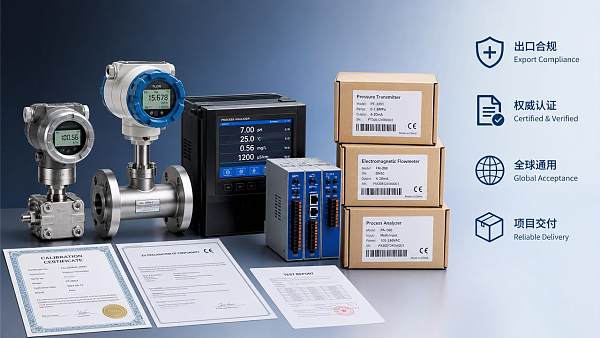
 Industrial Measurement Systems in Export Projects: Key Compliance ChecksIndustrial measurement systems for export projects: learn the key compliance checks for certifications, calibration, safety, and documents to avoid delays and ensure smooth delivery.
 Pharmaceutical Instrumentation Upgrades: What to Evaluate FirstPharmaceutical instrumentation upgrades start with compliance, data integrity, uptime, and ROI. Learn what to evaluate first to reduce risk and make smarter buying decisions.
 Food Processing Analyzers for Compliance and Batch ConsistencyFood processing analyzers help manufacturers improve compliance, reduce batch variation, and verify quality from raw materials to final release with faster, traceable decisions.
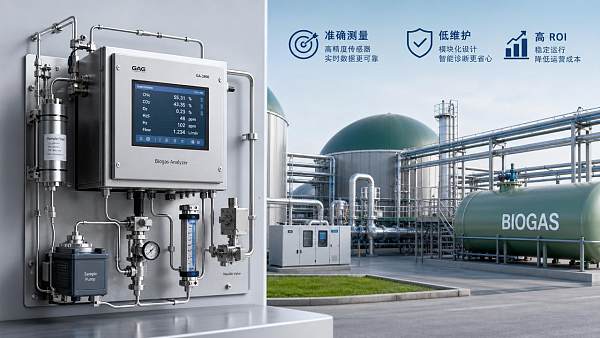
 Biogas Analyzers Market Trends: Accuracy, Maintenance, and ROIBiogas analyzers market trends: explore how accuracy, lower maintenance, and stronger ROI help energy and industrial buyers improve gas quality, uptime, and compliance.
 Safety Monitoring Systems: Common Setup Mistakes to AvoidSafety monitoring systems fail fast when setup is wrong. Discover common installation, calibration, and alarm mistakes to avoid for safer operations and more reliable monitoring.
 Industrial Testing Equipment Costs in 2026: What Drives Pricing?Industrial testing equipment costs in 2026 depend on accuracy, compliance, automation, and lifecycle service. Learn what drives pricing and how to reduce total ownership cost.
 Multi-Component Analyzers vs Single-Gas Units: Which Fits Better?Multi-component analyzers vs single-gas units: compare lifecycle cost, compliance, maintenance, and scalability to choose the best fit for safer, smarter industrial projects.
 Petrochemical Analyzers: Key Specs That Affect Safety and UptimePetrochemical analyzers directly affect safety and uptime. Learn which specs—accuracy, response time, compatibility, and maintenance—matter most for reliable plant performance.
 How to Choose Process Monitoring Instruments for Stable Plant PerformanceProcess monitoring instruments are key to stable plant performance. Learn how to choose the right devices for accuracy, compatibility, lower risk, and better efficiency.
 Brazil INMETRO to Require Portuguese UI and Local Units for Industrial Instruments by 2026Brazil INMETRO mandates Portuguese UI & local units (mbar, kPa, °C) for industrial instruments by Dec 2026—key for exporters, integrators & service providers.
 STMicroelectronics 200mm Line Eases Industrial Sensor Chip ShortageSTMicroelectronics 200mm line eases industrial sensor chip shortage — MCUs & signal-conditioning ICs now ship in 12 weeks. Secure allocation today.
 Southeast Asia Manufacturing Re-shoring Accelerates: Vietnam/Indonesia Industrial Instrument Imports Up 37% YoYSoutheast Asia manufacturing re-shoring accelerates: Vietnam & Indonesia industrial instrument imports up 37% YoY — key insights for suppliers, OEMs & procurement teams.
 First Global White Paper on Humanoid Robot Sensor Calibration ReleasedHumanoid robot sensor calibration: First global white paper released—key for ISO/IEC JWG 23 compliance, export readiness & dynamic torque accuracy. Act now.
 SAMR to Upgrade EV Battery Recycling Standard to MandatorySAMR to upgrade EV battery recycling standard GB/T 34015—202X to mandatory by Dec 2026 — critical for exporters, BMS makers & cert labs.
 Saudi SASO Accelerates AI Energy Efficiency Rules for TransmittersSASO AI energy efficiency rules for transmitters take effect 1 June 2026 — mandatory AI simulation, Saudi climate data, and authorized lab validation required. Act now to avoid export delays.
 IEC 63278:2026 Released for Industrial Instrument CybersecurityIEC 63278:2026 is live — the first global standard mandating cybersecurity verification for industrial instruments. Discover compliance impacts, deadlines, and actionable steps for OT/IT convergence.
 Red Sea Crisis Escalates: Gulf of Aden Navigation Ban Extended to June 15, 2026Red Sea Crisis escalates: Gulf of Aden navigation ban extended to June 15, 2026—disrupting industrial instrumentation shipments to the Middle East with 458% air freight spikes and 12–18 day delays.
 US DOE Updates Efficiency Rules for Industrial SensorsUS DOE updates industrial sensor efficiency rules: AI-driven dynamic calibration required by Sept 2026. Ensure AI-Cal Verified compliance now.
 EU Mandates PEF Carbon Footprint Module for Industrial Instruments from June 2026EU mandates PEF carbon footprint module for industrial instruments from June 2026—key for exporters, OEMs & certifiers. Act now to ensure compliance.
 Explosion-Proof Instruments: Compliance Risks Before You OrderExplosion-proof instruments can trigger delays, failed inspections, and safety risks if compliance is overlooked. Learn what to verify before ordering and make safer, smarter purchasing decisions.
 Gas Quality Monitoring Equipment Import Rules to Watch in 2026Gas quality monitoring equipment import rules for 2026 are tightening. Learn the key compliance, certification, and customs risks distributors must manage to avoid delays and protect margins.
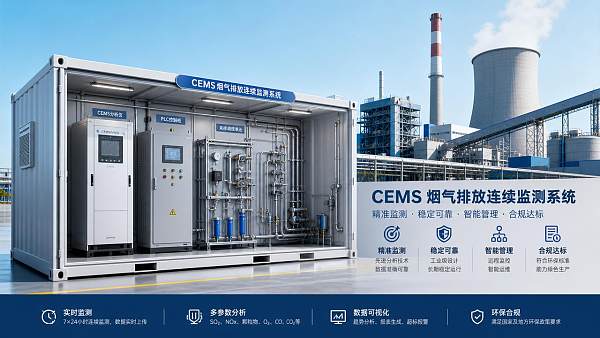
 Emission Control Shelter Demand Shifts Across Industrial ProjectsEmission control shelter demand is rising across industrial projects as buyers seek faster deployment, reliable monitoring, and compliance-ready designs. Explore key evaluation factors.
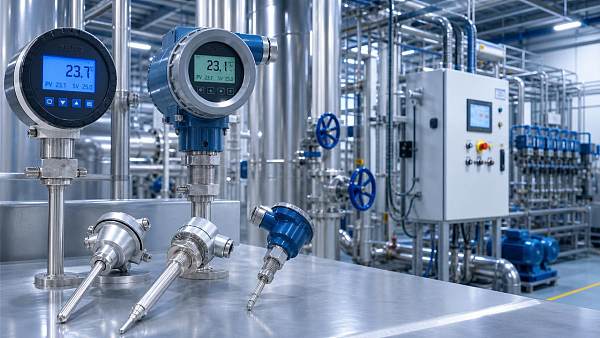
 Temperature Measurement Instruments: Selection Mistakes That Raise DowntimeTemperature measurement instruments selection mistakes can drive downtime, unstable control, and higher costs. Discover 5 common errors and practical fixes to improve reliability.
 Thermal Conductivity Analyzers: When Are They the Right Choice?Thermal conductivity analyzers are ideal for binary and high-contrast gas mixtures. Learn when they deliver reliable, low-maintenance online monitoring and smarter project value.
 Level Measurement Instruments for Tanks: What Affects ReliabilityLevel measurement instruments reliability depends on media, installation, and diagnostics. Discover what causes tank reading failures and how to improve safety, uptime, and control.
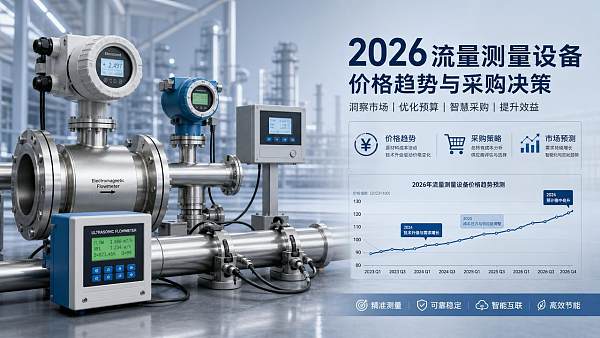
 Flow Measurement Equipment Price Trends in 2026Flow measurement equipment price trends in 2026: learn key cost drivers, budgeting risks, and smart buying strategies to improve ROI and make better procurement decisions.
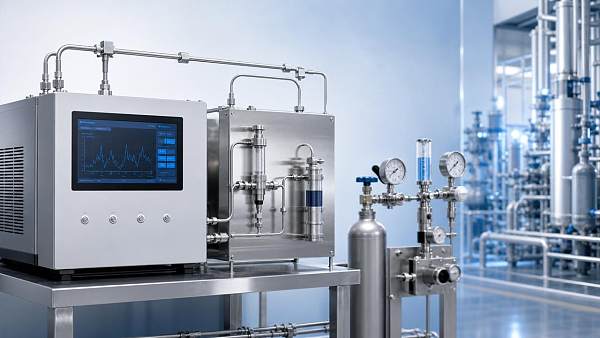
 Flue Gas Monitoring Equipment: Common Accuracy Issues and FixesFlue gas monitoring equipment accuracy issues can lead to drift, false readings, and compliance risks. Discover common causes, practical fixes, and smarter maintenance tips.
 Process Control Shelter vs Control Room: Key Cost and Deployment DifferencesProcess control shelter vs control room: compare cost, deployment speed, integration, and lifecycle value to choose the smarter solution for industrial automation projects.
 How to Select an Industrial Control Shelter for Harsh Site ConditionsIndustrial control shelter selection for harsh sites: learn how to compare materials, HVAC, safety, and lifecycle cost to protect equipment, reduce downtime, and improve reliability.
 SAMR to Finalize 1,800+ Standards by 2026, Including EV Battery RecyclingSAMR to finalize 1,800+ standards by 2026—including EV battery recycling, hazardous chemical packaging & EMC immunity. Stay ahead of mandatory GB shifts and global export compliance.
 China's Largest Single-Line Large-Tow Carbon Fiber Line Starts OperationChina's largest single-line large-tow carbon fiber line is live—30,000 tons/year capacity, ASME-certified, 22% cheaper & 6-week lead time. Boost your industrial instrumentation supply chain now.










Search Categories
Search Categories
Latest Article
- Stack Gas Analyzers: When Maintenance Delays Start Raising RiskStack gas analyzers can look normal while hidden drift raises compliance, efficiency, and reliability risks. Learn the warning signs and smart maintenance checks before delays become costly.Posted by:
- Industrial Measurement Systems in Export Projects: Key Compliance ChecksIndustrial measurement systems for export projects: learn the key compliance checks for certifications, calibration, safety, and documents to avoid delays and ensure smooth delivery.Posted by:
- Pharmaceutical Instrumentation Upgrades: What to Evaluate FirstPharmaceutical instrumentation upgrades start with compliance, data integrity, uptime, and ROI. Learn what to evaluate first to reduce risk and make smarter buying decisions.Posted by:
Please give us a message
