
Biogas Analyzers Market Trends: Accuracy, Maintenance, and ROI


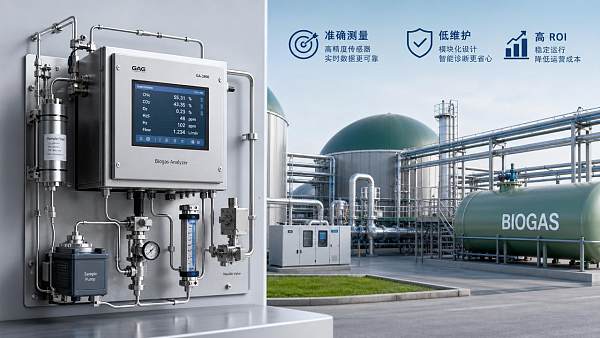
As renewable energy projects scale and compliance standards tighten, biogas analyzers are becoming critical tools for business leaders seeking reliable performance, lower maintenance costs, and stronger returns. From plant efficiency to gas quality assurance, choosing the right analyzer directly affects operational accuracy and long-term ROI, making this market trend essential for informed investment decisions.
For decision-makers in energy, wastewater treatment, agriculture, food processing, and industrial utilities, the market is no longer defined by basic gas measurement alone. It now centers on accuracy stability, service intervals, digital integration, and total lifecycle economics.
In the broader instrumentation industry, biogas analyzers sit at the intersection of composition analysis, online monitoring, calibration practice, and automation control. That makes them a strategic asset for facilities aiming to improve process visibility, reduce operational risk, and support intelligent plant upgrades.
Why biogas analyzers are moving from optional equipment to strategic infrastructure
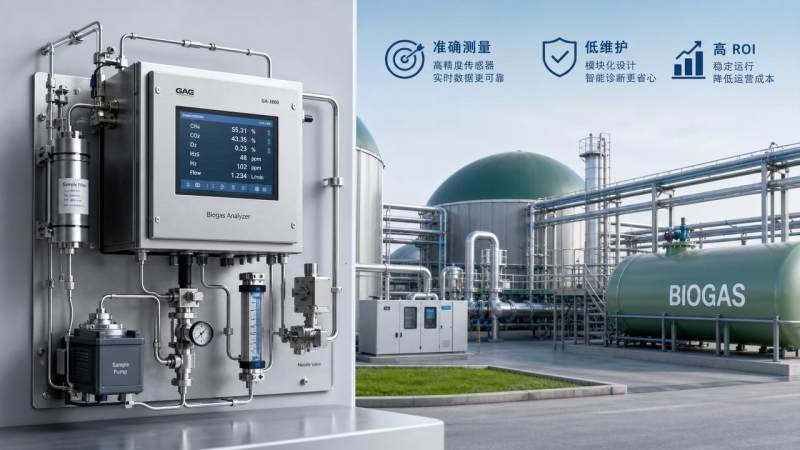
Biogas systems depend on consistent measurement of methane, carbon dioxide, oxygen, hydrogen sulfide, and often moisture or trace contaminants. Even a 1% to 2% deviation in methane readings can affect energy valuation, combustion tuning, upgrading efficiency, and emissions reporting.
For a plant producing electricity, renewable natural gas, or boiler fuel, analyzer output influences at least 4 operational layers: feedstock management, digester performance, gas conditioning, and downstream utilization. Inaccurate data can trigger poor engine settings, membrane overload, or unnecessary media replacement.
Key business drivers behind current demand
The first driver is compliance. Plants are increasingly expected to document gas quality, track oxygen ingress, and monitor corrosive components such as H2S. Many buyers now require continuous or near-real-time analysis instead of weekly spot checks.
The second driver is asset protection. A high H2S level can shorten engine oil life, damage CHP systems, and accelerate corrosion in pipelines or condensate handling equipment. Detecting a rise from 200 ppm to 800 ppm early may prevent a much larger maintenance event.
The third driver is digital operations. Companies investing in SCADA, remote diagnostics, or predictive maintenance need analyzer data that can be exported through standard industrial protocols and interpreted without heavy manual intervention.
Where analyzers create measurable value
- Improving methane recovery and energy yield
- Reducing overuse of desulfurization media
- Stabilizing engine, flare, or upgrading system performance
- Supporting audit-ready gas quality records
- Lowering technician callouts through remote alarms
The table below shows how common operating goals align with analyzer requirements. This is useful when comparing instruments across municipal, agricultural, and industrial biogas applications.
The key conclusion is simple: biogas analyzers are no longer only technical instruments. They influence production quality, maintenance planning, environmental control, and investment outcomes across the full instrumentation and automation chain.
Accuracy trends that matter in procurement and plant performance
Accuracy is not a single specification. For executive buyers, it includes repeatability, drift resistance, cross-sensitivity control, response time, and performance under wet or contaminated gas conditions. A device that performs well in a clean lab may struggle in a digestate-heavy, condensate-prone plant.
In many industrial environments, target performance expectations fall into practical ranges rather than idealized claims. For example, methane and carbon dioxide measurement may be expected within low single-digit percentage accuracy, while H2S control often depends on ppm-level sensitivity and stable trend monitoring.
What buyers should verify beyond the brochure
- Measurement principle used for each gas channel
- Expected drift over 3, 6, or 12 months
- Calibration frequency under real field conditions
- Sampling system resistance to moisture, dust, and H2S exposure
- Warm-up time and response time during process fluctuations
Common technology considerations
Different analyzers may combine NDIR for CH4 and CO2, electrochemical sensing for O2 or H2S, thermal conductivity methods, or modular sensor approaches. The right mix depends on application duty cycle, contamination load, maintenance resources, and whether the unit is portable, fixed, or fully integrated online.
When evaluating biogas analyzers, companies should pay close attention to sample conditioning. Filters, condensate traps, heated lines, and pump design often determine whether stated analyzer accuracy can be sustained after 90 days, not just on day 1.
The comparison below outlines practical procurement factors that often separate acceptable analyzers from reliable long-term assets.
A practical takeaway is that the most useful accuracy is sustained accuracy. Decision-makers should prioritize field performance over isolated specification sheet claims, especially when gas streams are wet, variable, and chemically aggressive.
Maintenance planning: the hidden factor behind total cost of ownership
Maintenance is where many purchasing assumptions break down. An analyzer with a lower upfront price can become more expensive within 12 to 24 months if it needs frequent sensor replacement, repeated manual calibration, or regular pump and filter service.
For most operators, maintenance cost includes at least 5 elements: spare parts, technician time, process interruption, calibration gas handling, and risk of incorrect readings between service intervals. In continuous plants, even 2 hours of lost monitoring can create operational blind spots.
Typical service items to review before purchase
- Filter replacement cycle, often every 1 to 3 months in dirty gas applications
- Sensor lifespan, which can vary by gas channel and exposure profile
- Pump maintenance interval and condensate handling design
- Calibration procedure complexity and required staff skill level
- Remote diagnostics availability for first-line troubleshooting
How maintenance strategy affects uptime
A well-designed analyzer package reduces manual touchpoints. Features such as modular sensor access, clear alarm logic, automatic zero checks, and accessible consumables can shorten service events from half a day to less than 1 hour, depending on site conditions.
Business leaders should also examine service support models. Response windows of 24 to 48 hours, spare part availability, and commissioning guidance are often more valuable than headline hardware claims, especially for multi-site operators with lean technical teams.
The maintenance matrix below helps compare supportability across typical deployment choices.
The main lesson is that maintenance simplicity can be a profit lever. Biogas analyzers that reduce intervention frequency and improve troubleshooting speed often deliver better long-term economics than lower-cost units with higher service burden.
ROI: how decision-makers should evaluate investment value
ROI should be calculated across the analyzer lifecycle, not just purchase price. A realistic model includes capital cost, installation, calibration setup, spare parts, labor, downtime reduction, gas quality improvements, and avoided damage to downstream equipment.
In many cases, the payback logic is indirect but still measurable. If improved gas analysis helps extend desulfurization media life by 10% to 20%, reduce unnecessary engine service calls, or prevent one off-spec gas event, the financial effect may justify the investment within one budgeting cycle.
A practical 4-part ROI framework
- Quantify current costs from inaccurate or infrequent gas measurement
- Estimate savings from reduced maintenance and better process control
- Assign value to compliance readiness and reporting confidence
- Compare supplier support, scalability, and expected service life
Questions executives should ask suppliers
Ask how the analyzer performs over 6 to 12 months in wet biogas, what consumables are required annually, how calibration is managed, and what digital outputs are included. Also ask whether the design supports future expansion to new measurement points or centralized monitoring.
These questions matter because biogas analyzers are increasingly purchased as part of larger instrumentation strategies. Facilities modernizing process automation want systems that align with data logging, preventive maintenance planning, and enterprise-level performance review.
Common procurement mistakes to avoid
- Choosing based only on initial unit cost
- Ignoring sample conditioning requirements
- Underestimating calibration labor and gas supply needs
- Buying lab-style precision for a rugged field duty without service fit
- Failing to confirm integration with existing control architecture
For enterprise buyers, the strongest investments usually combine 3 characteristics: stable measurement, manageable maintenance, and usable data. When those elements align, biogas analyzers support both operating efficiency and broader digital transformation goals.
Implementation guidance for industrial and energy projects
Successful deployment starts with application mapping. Before specifying hardware, teams should define gas composition ranges, moisture level, pressure conditions, sampling point location, required outputs, and who will maintain the system after commissioning.
A practical implementation process often follows 5 steps: site survey, analyzer selection, sampling system design, installation and commissioning, then operator training. Depending on project scope, this can take from 2 weeks for a simple retrofit to 8 weeks for a more integrated online system.
Recommended decision checklist
- Define target gases and acceptable measurement range for each channel
- Confirm whether data is needed for spot checks, continuous monitoring, or control loop use
- Review environmental conditions such as dust, vibration, ambient temperature, and condensation risk
- Identify who will perform service and how often access is practical
- Compare total cost over 3 years rather than purchase price alone
Who benefits most from market upgrades
The strongest value typically appears in facilities with continuous gas production, high H2S variability, multiple utilization pathways, or strict reporting obligations. These include wastewater treatment plants, agricultural digesters, landfill gas projects, food industry digesters, and industrial combined heat and power operations.
As the instrumentation market evolves, buyers are favoring analyzers that fit larger automation ecosystems rather than standalone devices. That shift reflects a wider move toward digital supervision, maintenance optimization, and smarter energy asset management.
Biogas analyzers are now central to how organizations manage fuel quality, equipment reliability, compliance exposure, and return on capital. The best choices are rarely the cheapest or the most feature-heavy; they are the ones that deliver stable accuracy, serviceable design, and decision-ready data in real operating conditions.
If you are evaluating analyzer options for a new project or upgrading an existing facility, now is the right time to compare lifecycle cost, maintenance practicality, and integration value side by side. Contact us to discuss your application, request a tailored solution, or learn more about biogas analyzer strategies for industrial and energy operations.
Recommended for You
 Stack Gas Analyzers: When Maintenance Delays Start Raising RiskStack gas analyzers can look normal while hidden drift raises compliance, efficiency, and reliability risks. Learn the warning signs and smart maintenance checks before delays become costly.
 Industrial Measurement Systems in Export Projects: Key Compliance ChecksIndustrial measurement systems for export projects: learn the key compliance checks for certifications, calibration, safety, and documents to avoid delays and ensure smooth delivery.
 Pharmaceutical Instrumentation Upgrades: What to Evaluate FirstPharmaceutical instrumentation upgrades start with compliance, data integrity, uptime, and ROI. Learn what to evaluate first to reduce risk and make smarter buying decisions.
 Food Processing Analyzers for Compliance and Batch ConsistencyFood processing analyzers help manufacturers improve compliance, reduce batch variation, and verify quality from raw materials to final release with faster, traceable decisions.
 Biogas Analyzers Market Trends: Accuracy, Maintenance, and ROIBiogas analyzers market trends: explore how accuracy, lower maintenance, and stronger ROI help energy and industrial buyers improve gas quality, uptime, and compliance.
 Safety Monitoring Systems: Common Setup Mistakes to AvoidSafety monitoring systems fail fast when setup is wrong. Discover common installation, calibration, and alarm mistakes to avoid for safer operations and more reliable monitoring.
 Industrial Testing Equipment Costs in 2026: What Drives Pricing?Industrial testing equipment costs in 2026 depend on accuracy, compliance, automation, and lifecycle service. Learn what drives pricing and how to reduce total ownership cost.
 Multi-Component Analyzers vs Single-Gas Units: Which Fits Better?Multi-component analyzers vs single-gas units: compare lifecycle cost, compliance, maintenance, and scalability to choose the best fit for safer, smarter industrial projects.
 Petrochemical Analyzers: Key Specs That Affect Safety and UptimePetrochemical analyzers directly affect safety and uptime. Learn which specs—accuracy, response time, compatibility, and maintenance—matter most for reliable plant performance.
 How to Choose Process Monitoring Instruments for Stable Plant PerformanceProcess monitoring instruments are key to stable plant performance. Learn how to choose the right devices for accuracy, compatibility, lower risk, and better efficiency.
 Brazil INMETRO to Require Portuguese UI and Local Units for Industrial Instruments by 2026Brazil INMETRO mandates Portuguese UI & local units (mbar, kPa, °C) for industrial instruments by Dec 2026—key for exporters, integrators & service providers.
 STMicroelectronics 200mm Line Eases Industrial Sensor Chip ShortageSTMicroelectronics 200mm line eases industrial sensor chip shortage — MCUs & signal-conditioning ICs now ship in 12 weeks. Secure allocation today.
 Southeast Asia Manufacturing Re-shoring Accelerates: Vietnam/Indonesia Industrial Instrument Imports Up 37% YoYSoutheast Asia manufacturing re-shoring accelerates: Vietnam & Indonesia industrial instrument imports up 37% YoY — key insights for suppliers, OEMs & procurement teams.
 First Global White Paper on Humanoid Robot Sensor Calibration ReleasedHumanoid robot sensor calibration: First global white paper released—key for ISO/IEC JWG 23 compliance, export readiness & dynamic torque accuracy. Act now.
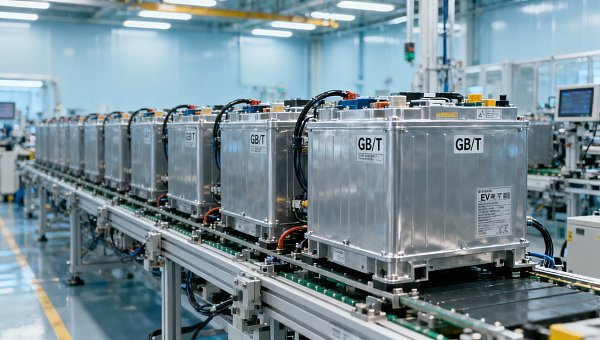
 SAMR to Upgrade EV Battery Recycling Standard to MandatorySAMR to upgrade EV battery recycling standard GB/T 34015—202X to mandatory by Dec 2026 — critical for exporters, BMS makers & cert labs.
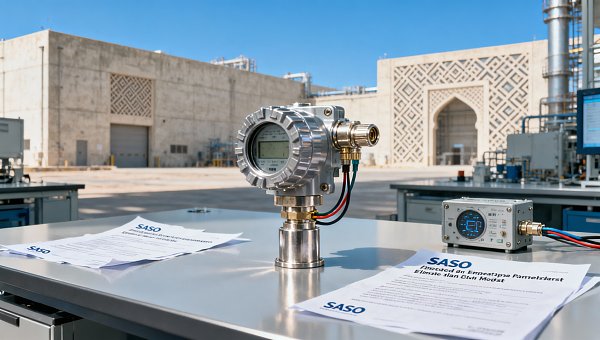
 Saudi SASO Accelerates AI Energy Efficiency Rules for TransmittersSASO AI energy efficiency rules for transmitters take effect 1 June 2026 — mandatory AI simulation, Saudi climate data, and authorized lab validation required. Act now to avoid export delays.
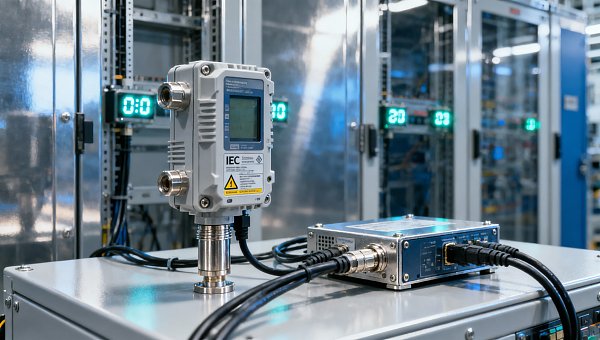
 IEC 63278:2026 Released for Industrial Instrument CybersecurityIEC 63278:2026 is live — the first global standard mandating cybersecurity verification for industrial instruments. Discover compliance impacts, deadlines, and actionable steps for OT/IT convergence.
 Red Sea Crisis Escalates: Gulf of Aden Navigation Ban Extended to June 15, 2026Red Sea Crisis escalates: Gulf of Aden navigation ban extended to June 15, 2026—disrupting industrial instrumentation shipments to the Middle East with 458% air freight spikes and 12–18 day delays.
 US DOE Updates Efficiency Rules for Industrial SensorsUS DOE updates industrial sensor efficiency rules: AI-driven dynamic calibration required by Sept 2026. Ensure AI-Cal Verified compliance now.
 EU Mandates PEF Carbon Footprint Module for Industrial Instruments from June 2026EU mandates PEF carbon footprint module for industrial instruments from June 2026—key for exporters, OEMs & certifiers. Act now to ensure compliance.
 Explosion-Proof Instruments: Compliance Risks Before You OrderExplosion-proof instruments can trigger delays, failed inspections, and safety risks if compliance is overlooked. Learn what to verify before ordering and make safer, smarter purchasing decisions.
 Gas Quality Monitoring Equipment Import Rules to Watch in 2026Gas quality monitoring equipment import rules for 2026 are tightening. Learn the key compliance, certification, and customs risks distributors must manage to avoid delays and protect margins.
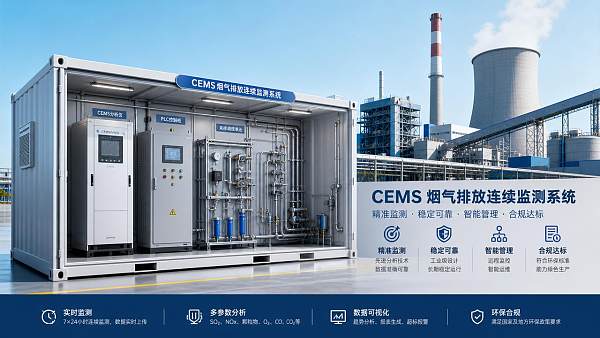
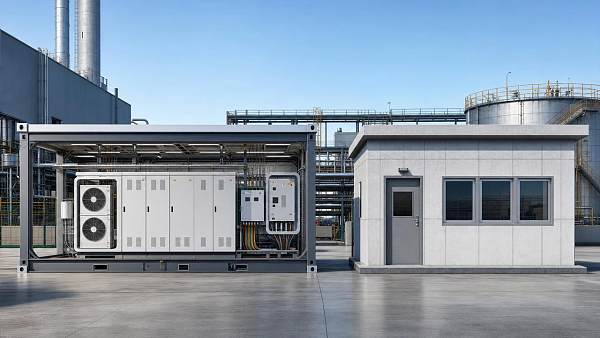
 Emission Control Shelter Demand Shifts Across Industrial ProjectsEmission control shelter demand is rising across industrial projects as buyers seek faster deployment, reliable monitoring, and compliance-ready designs. Explore key evaluation factors.
 Temperature Measurement Instruments: Selection Mistakes That Raise DowntimeTemperature measurement instruments selection mistakes can drive downtime, unstable control, and higher costs. Discover 5 common errors and practical fixes to improve reliability.
 Thermal Conductivity Analyzers: When Are They the Right Choice?Thermal conductivity analyzers are ideal for binary and high-contrast gas mixtures. Learn when they deliver reliable, low-maintenance online monitoring and smarter project value.
 Level Measurement Instruments for Tanks: What Affects ReliabilityLevel measurement instruments reliability depends on media, installation, and diagnostics. Discover what causes tank reading failures and how to improve safety, uptime, and control.
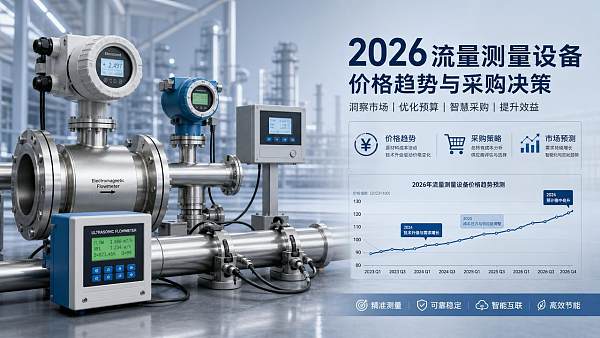
 Flow Measurement Equipment Price Trends in 2026Flow measurement equipment price trends in 2026: learn key cost drivers, budgeting risks, and smart buying strategies to improve ROI and make better procurement decisions.
 Flue Gas Monitoring Equipment: Common Accuracy Issues and FixesFlue gas monitoring equipment accuracy issues can lead to drift, false readings, and compliance risks. Discover common causes, practical fixes, and smarter maintenance tips.
 Process Control Shelter vs Control Room: Key Cost and Deployment DifferencesProcess control shelter vs control room: compare cost, deployment speed, integration, and lifecycle value to choose the smarter solution for industrial automation projects.
 How to Select an Industrial Control Shelter for Harsh Site ConditionsIndustrial control shelter selection for harsh sites: learn how to compare materials, HVAC, safety, and lifecycle cost to protect equipment, reduce downtime, and improve reliability.
 SAMR to Finalize 1,800+ Standards by 2026, Including EV Battery RecyclingSAMR to finalize 1,800+ standards by 2026—including EV battery recycling, hazardous chemical packaging & EMC immunity. Stay ahead of mandatory GB shifts and global export compliance.
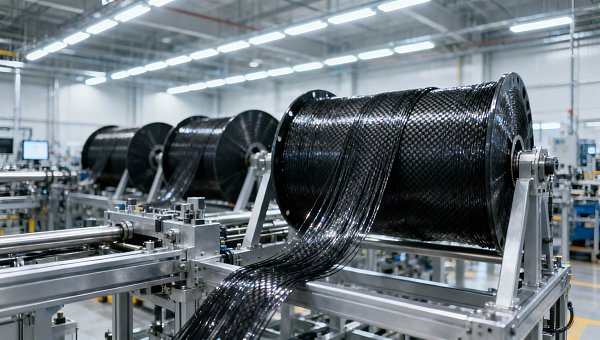
 China's Largest Single-Line Large-Tow Carbon Fiber Line Starts OperationChina's largest single-line large-tow carbon fiber line is live—30,000 tons/year capacity, ASME-certified, 22% cheaper & 6-week lead time. Boost your industrial instrumentation supply chain now.




Search Categories
Search Categories
Latest Article
- Stack Gas Analyzers: When Maintenance Delays Start Raising RiskStack gas analyzers can look normal while hidden drift raises compliance, efficiency, and reliability risks. Learn the warning signs and smart maintenance checks before delays become costly.Posted by:
- Industrial Measurement Systems in Export Projects: Key Compliance ChecksIndustrial measurement systems for export projects: learn the key compliance checks for certifications, calibration, safety, and documents to avoid delays and ensure smooth delivery.Posted by:
- Pharmaceutical Instrumentation Upgrades: What to Evaluate FirstPharmaceutical instrumentation upgrades start with compliance, data integrity, uptime, and ROI. Learn what to evaluate first to reduce risk and make smarter buying decisions.Posted by:
Please give us a message
