
NH3 Concentration Analyzer Selection Mistakes That Lead to Higher Maintenance


Choosing the wrong NH3 concentration analyzer can quietly increase maintenance frequency, spare-parts costs, and unexpected downtime. For after-sales maintenance teams, many problems start not in operation, but in the original selection process. From unsuitable sampling design to overlooked calibration demands, small mistakes can create long-term service burdens. This article highlights the most common selection errors and how to avoid them for more reliable performance and lower maintenance pressure.
In the instrumentation industry, an NH3 concentration analyzer is rarely a standalone purchase. It becomes part of a larger measurement, control, and compliance chain that may include sampling systems, PLC or DCS interfaces, alarms, maintenance schedules, and operator response procedures. When selection is rushed, the result is often not an immediate failure but a slow increase in service calls, calibration drift, clogged components, and shortened sensor life.
For after-sales maintenance personnel, the best analyzer is not only the one with suitable detection performance. It is also the one that fits the gas condition, installation environment, utility supply, service interval, spare-parts plan, and technician skill level. A selection mistake that looks small during procurement can add 2 to 4 extra maintenance visits per quarter over the life of the system.
Why Selection Errors Create Long-Term Maintenance Pressure
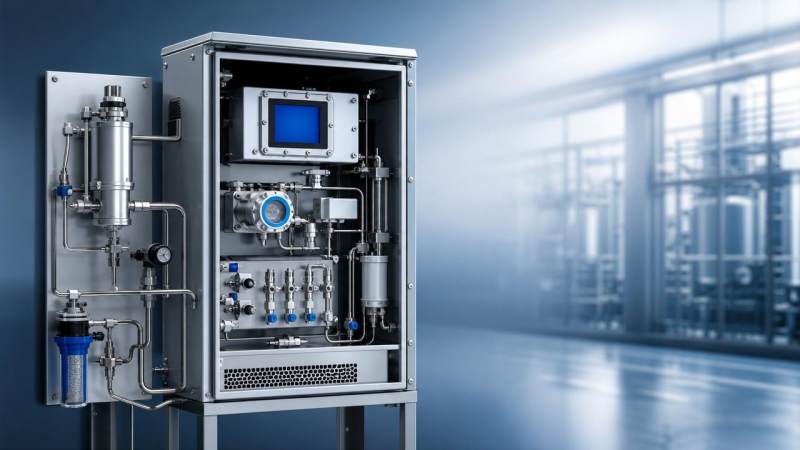
An NH3 concentration analyzer is expected to deliver stable readings across changing field conditions. In industrial manufacturing, environmental monitoring, energy systems, laboratory-linked processes, and automated control environments, ammonia measurement can be affected by moisture, dust, corrosive compounds, temperature swings, and process pressure changes. If these factors are not addressed during selection, maintenance becomes reactive instead of planned.
A maintenance team typically sees the downstream effects first: blocked filters every 2 to 6 weeks, calibration intervals shrinking from 90 days to 30 days, sample lines requiring repeated cleaning, or sensor modules aging earlier than expected. These are not always product defects. In many cases, they are the result of mismatch between analyzer design and application reality.
The hidden cost pattern behind a poor fit
When the wrong analyzer principle or sampling arrangement is chosen, maintenance costs rise in three layers. First, there is direct labor: more site visits, more troubleshooting hours, and longer shutdown coordination. Second, there is parts consumption: filters, pumps, valves, membranes, reagent cartridges, or sensor heads may be replaced 1.5 to 3 times more often than initially planned. Third, there is process risk: false alarms or delayed readings may affect production stability or emissions control decisions.
Three practical warning signs
- The analyzer needs unscheduled intervention more than once per month.
- Zero and span drift exceed the plant’s acceptable adjustment window before the scheduled calibration date.
- The service team repeatedly fixes symptoms in the sample system rather than the measurement core.
The table below maps common selection-stage oversights to the maintenance burden they usually create in the field. This helps service teams explain to procurement or engineering departments why the specification stage matters as much as commissioning.
The key lesson is that maintenance load is often designed in at the specification stage. A well-matched NH3 concentration analyzer can keep routine service within predictable 30-, 60-, or 90-day cycles, while a poor match drives unscheduled work that strains both manpower and spare inventory.
The Most Common NH3 Concentration Analyzer Selection Mistakes
Most costly errors fall into a small group of recurring patterns. After-sales teams that understand these patterns can support pre-sales reviews, installation checks, and retrofit recommendations more effectively. In cross-industry instrumentation projects, these mistakes appear in factories, utility facilities, environmental monitoring points, and lab-connected process systems alike.
Mistake 1: Choosing by price first, application second
A lower initial equipment price may look attractive, but maintenance teams know that lifecycle cost matters more. If a low-cost NH3 concentration analyzer requires monthly consumables, special tools, or repeated manual adjustment, the total operating cost over 12 to 24 months can exceed that of a better-suited model. Selection should compare at least 4 cost layers: acquisition, installation, calibration gas use, and routine service labor.
Mistake 2: Overlooking the sampling system
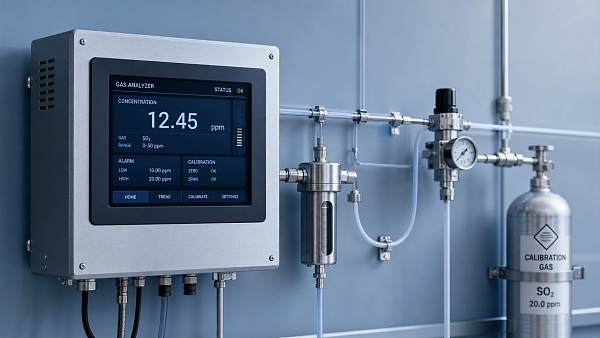
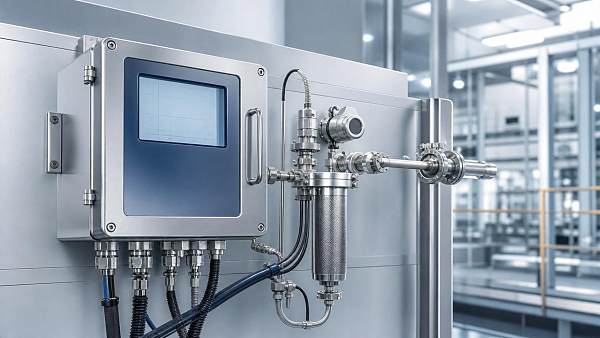
Many analyzer issues are actually sample handling issues. Long sampling lines, dead volume, poor heat tracing, incorrect filter staging, and incompatible wetted materials can all distort NH3 readings or damage components. In practical installations, a sampling line longer than 10 to 15 meters without proper conditioning may introduce response lag, adsorption effects, or condensate accumulation, especially where humidity is high.
Sampling design checkpoints
- Confirm gas temperature, pressure, and moisture level at the extraction point.
- Check whether NH3 may react with or adsorb onto tubing and seals.
- Review filtration stages, condensate control, and drain accessibility.
- Estimate response time from probe to analyzer under actual flow conditions.
Mistake 3: Selecting the wrong measuring principle for the process
Not all NH3 concentration analyzer technologies respond equally well to every environment. Some principles are more tolerant of contamination, while others offer faster response or lower detection limits but require cleaner sample conditions. Maintenance burden increases when the selected technology is sensitive to a contaminant that is common at the site. A process with aerosols, corrosive vapors, or large temperature variation should never be matched only by nominal detection range.
Mistake 4: Ignoring calibration logistics
A technically capable analyzer can still become a service headache if calibration is impractical. Teams should assess how often zero and span checks are needed, what gases are required, whether auto-calibration is possible, and how many steps a technician must complete on site. A 6-step calibration routine is manageable in a controlled analyzer room, but much harder on elevated platforms, outdoor skids, or restricted maintenance zones.
Mistake 5: Underestimating environmental and installation constraints
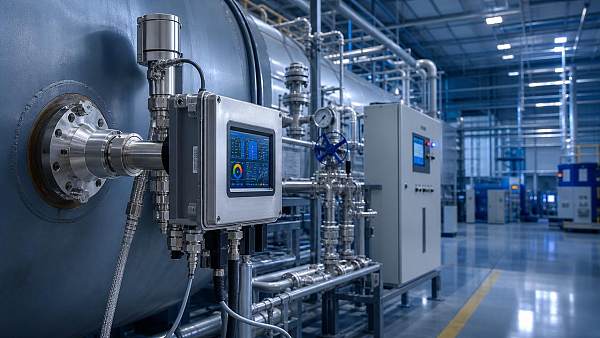
Outdoor temperature swings, vibration, dust ingress, power instability, and corrosive atmospheres all affect analyzer reliability. If the enclosure, mounting arrangement, or utility specification is not aligned with site conditions, failures may appear within the first 3 to 9 months. In many service records, repeated board faults or signal instability are linked to heat, condensation, or poor grounding rather than to the analyzer module itself.
How Maintenance Teams Should Evaluate an Analyzer Before Approval
After-sales maintenance personnel are often brought in late, after specifications have already been discussed. That should change. A practical review from the service side can prevent years of avoidable work. The goal is not to make selection slower, but to make the installed NH3 concentration analyzer easier to maintain within the real constraints of manpower, spare stock, and service response time.
A 6-point pre-approval checklist
- Measurement range matches normal, low-load, and upset conditions.
- Sample conditioning design addresses moisture, particulates, and temperature.
- Calibration procedure fits site access and technician skill level.
- Critical consumables and spare parts can be stocked locally.
- Signal output, alarm logic, and control integration are clearly defined.
- Routine maintenance time per visit is estimated realistically, not theoretically.
The comparison table below is useful during technical review meetings. It focuses on maintainability factors that are often missed when teams look only at analytical performance or purchase budget.
This type of review brings maintenance knowledge into procurement decisions. Even a 20-minute technical check can identify whether the analyzer will be supportable with current manpower, current spare-parts practices, and current access conditions on site.
Questions maintenance staff should ask vendors
Useful vendor discussions go beyond detection accuracy. Ask how the NH3 concentration analyzer behaves under variable humidity, how drift changes over 30, 60, and 90 days, what parts are considered routine consumables, and which tasks can be performed without removing the unit from service. Also ask for recommended preventive maintenance steps and expected service time for each step.
If the vendor cannot clearly explain sampling requirements, calibration workflow, and common failure modes, the burden usually shifts to the after-sales team later. Good technical support is measured not only by responsiveness, but by how clearly installation and maintenance conditions are defined before the order is placed.
Selection Strategies That Reduce Service Frequency and Spare-Parts Use
Reducing maintenance starts with choosing a configuration that matches the actual duty cycle. In many integrated instrumentation environments, the most reliable analyzer is not the most complex one. It is the one whose measurement method, sample handling, diagnostics, and service access are balanced for the plant’s operating conditions.
Prioritize maintainability as a technical parameter
Maintainability should be scored just like accuracy, response time, and output signal compatibility. A practical approach is to rank each candidate NH3 concentration analyzer across 5 criteria: sample tolerance, calibration simplicity, spare-parts availability, diagnostic clarity, and service accessibility. This creates a more realistic basis for approval than price and range alone.
What a good maintenance-oriented specification includes
- Expected NH3 range under normal and upset conditions.
- Sample gas description including moisture, particulates, and possible interfering compounds.
- Target preventive maintenance interval, such as 60 or 90 days.
- Maximum acceptable downtime per service event, for example less than 1 hour.
- List of locally stockable consumables and replacement parts.
Design for easier service access from day one
Even the right analyzer can become difficult to support if installed poorly. Maintenance efficiency improves when technicians can reach filters, drains, calibration ports, displays, and isolation valves without scaffolding or process disruption. A 10-minute filter change can become a 90-minute intervention if access is blocked or valves are badly positioned. Installation layout is therefore part of analyzer selection, not a separate issue.
Use commissioning to validate the selection decision
The first 2 to 6 weeks after startup are critical. During this period, service teams should record drift rate, condensate behavior, alarm history, and consumable condition. If zero checks move outside expected limits too quickly or if filters load faster than predicted, these are signs that the original analyzer selection or sample conditioning design needs adjustment. Early correction is far cheaper than years of recurring service work.
Practical FAQ for After-Sales Maintenance Teams
How often should an NH3 concentration analyzer be calibrated?
There is no single universal cycle. In clean and stable conditions, some systems can stay on a 60- to 90-day routine. In wet, dusty, or highly variable processes, 30-day verification may be more realistic. The right answer depends on drift behavior, process criticality, and site procedures rather than on a generic calendar value.
What causes repeated drift complaints after installation?
Common causes include sample line adsorption, poor zero gas quality, moisture carryover, unstable flow, or cross-interference from other compounds. In many cases, the analyzer itself is blamed first, but the root issue lies in the surrounding system. Maintenance teams should check the full chain from extraction point to vent path before replacing core components.
When is a retrofit worth considering?
A retrofit is usually justified when the same failure pattern repeats over 2 or 3 service cycles, when routine maintenance time becomes excessive, or when spare-parts use clearly exceeds the expected plan. Upgrading the sample conditioning package, changing tubing materials, improving enclosure protection, or switching to a more suitable NH3 concentration analyzer can reduce long-term cost even if the original unit is still operating.
Selection mistakes are among the most expensive maintenance problems because they repeat for years. For after-sales service teams, the smartest approach is to push maintainability checks upstream into specification, technical review, and commissioning. A properly matched NH3 concentration analyzer should deliver stable readings, manageable calibration intervals, accessible service points, and predictable consumable use across the real operating environment.
If you are reviewing a new analyzer project or trying to reduce recurring maintenance on an existing installation, now is the right time to reassess the measurement principle, sample system, calibration workflow, and service layout together. Contact us to discuss your application, get a tailored analyzer selection recommendation, and learn more about practical instrumentation solutions that reduce maintenance pressure and improve long-term reliability.
Recommended for You
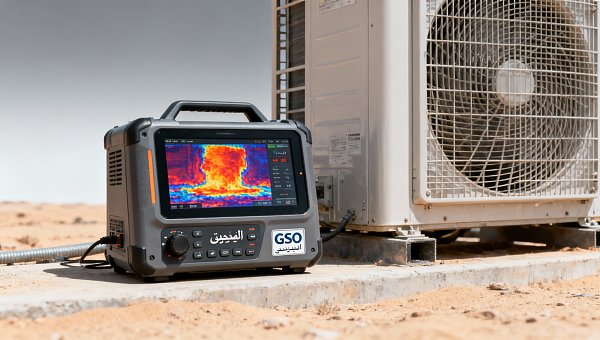
 Kuwait Bans HCFC Air Conditioners, Boosts IR Camera ExportsKuwait bans HCFC air conditioners—boosting demand for IR cameras, leak detectors & refrigerant analyzers. Discover GCC compliance insights and export opportunities.
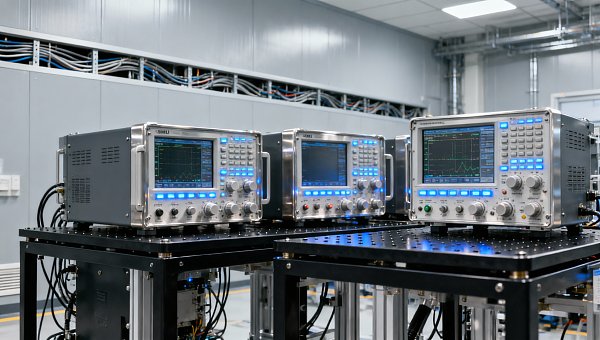
 China's IC Exports Surge 78.3% in First Four Months of 2026China's IC exports surge 78.3% in early 2026 — driven by soaring global demand for AI chip test equipment, SMUs, and parametric analyzers. Discover the supply chain shift.
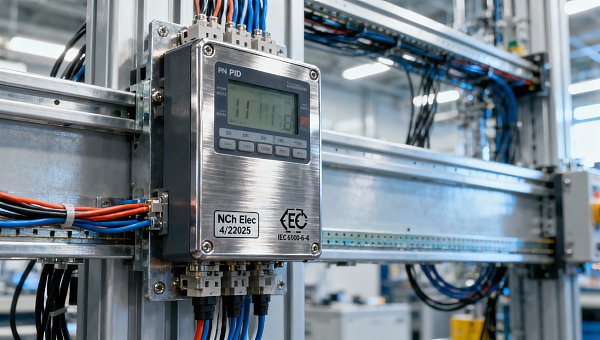
 Chile Enforces Mandatory INN Safety Certification for Industrial Temperature ControllersChile mandates INN safety certification (NCh Elec 4/2025) for industrial temperature controllers starting Aug 1, 2026—act now to avoid shipment delays & market bans.
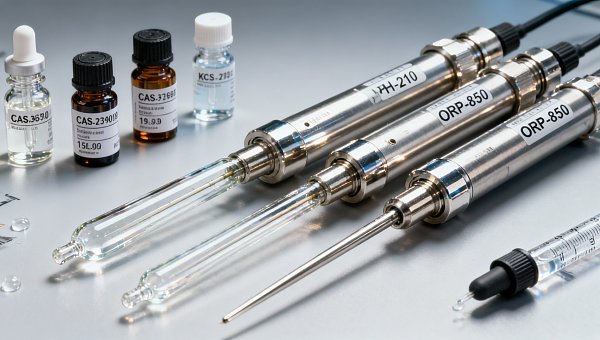
 K-REACH Supply-Shortage Exemption Launches for pH/ORP ElectrodesK-REACH Supply-Shortage Exemption now applies to pH/ORP electrodes—act before June 30, 2026 to avoid customs delays & penalties. Key for exporters & manufacturers.
 4th China International Supply Chain Expo to Focus on Smart Sensing & In-Process InspectionSmart Sensing & In-Process Inspection take center stage at the 4th China International Supply Chain Expo in Beijing, Nov 26–30, 2026 — discover next-gen inspection tech, AI vision modules, and calibrated sensing solutions for global industrial buyers.
 ASTM F2100-26 Medical Mask Standard Takes Effect in USASTM F2100-26 medical mask standard is now in force—driving global demand for biosafety cabinets, particle counters & air velocity calibrators, especially China-made instruments.
 South Africa Enforces SABS Certification for IoT Monitoring DevicesSABS certification now mandatory for IoT monitoring devices entering South Africa via e-commerce—act before 1 June 2026 to avoid customs rejection and ensure market access.
 EU REACH Adds Fluorinated Substances; SVHC Reporting Required for Gas AnalyzersEU REACH now restricts fluorinated substances in gas analyzers—SVHC reporting is mandatory by 30 Nov 2026. Ensure compliance for sensors, membranes & monitoring systems.
 Revised Maritime Code Takes Effect May 1, 2026: Shift in Unclaimed Cargo LiabilityRevised Maritime Code (2026): Shippers now liable for unclaimed cargo—critical for industrial instrument exporters, logistics providers & cross-border supply chains. Act now.
 China Imposes Zero Tariffs on Goods from All African Diplomatic Partners Starting May 1, 2026China’s zero-tariff policy for African instrumentation & automation exports starts May 1, 2026—boosting competitiveness in EPC tenders and market access for exporters.
 Import and Export Shifts in the PPM Gas Analyzer Marketppm gas analyzer market insights: discover how import tariffs, export controls, and compliance shifts impact cost, supply stability, and growth opportunities across key applications.
 Single Gas Analyzer Maintenance Issues That Raise DowntimeSingle gas analyzer maintenance issues can quietly increase downtime. Learn how to spot drift, calibration errors, and sample path faults early to improve uptime and field efficiency.
 Combustion Gas Analyzer Market Trends Shaping 2026 UpgradesCombustion gas analyzer market trends shaping 2026: discover how smarter monitoring, multi-gas accuracy, and digital integration can improve compliance, efficiency, and ROI.
 Corrosive Gas Analyzer Risks That Impact Safety ComplianceCorrosive gas analyzer risks can quietly undermine safety compliance. Learn how drift, sampling failures, and poor maintenance affect accuracy—and how to strengthen monitoring reliability.
 Percent Range Analyzer Applications in Process ControlPercent range analyzer applications improve process control by turning raw signals into clear operating percentages. Discover faster decisions, better alarms, and more stable system performance.
 What Affects the Total Cost of a Dual Gas AnalyzerDual gas analyzer total cost goes beyond purchase price. Learn how sensors, calibration, compliance, integration, and maintenance shape lifecycle value and smarter buying decisions.
 High Temperature Analyzer Selection Mistakes to Avoid in 2026High temperature analyzer selection mistakes can delay projects and raise lifecycle costs. Discover the top 2026 pitfalls and how to choose a safer, smarter solution.
 2026 Price Trends for Multi Gas Analyzer SystemsMulti gas analyzer price trends for 2026: discover key cost drivers, ownership factors, and smart budgeting tips to compare systems, control risk, and choose the right solution.
 PPB Gas Analyzer vs PPM Gas Analyzer: What Changes in Real Useppb gas analyzer vs PPM gas analyzer: learn how sensitivity, calibration, maintenance, and sample handling change in real use to choose the right solution with less risk and cost.
 How to Choose a Trace Gas Analyzer for Low-Level Leak DetectionTrace gas analyzer selection for low-level leak detection: learn how to compare sensitivity, response time, interference control, and integration for safer, faster, more reliable results.
 US-China Trade Talks Agree on Tariff Cuts for Key Test Equipment PartsUS-China tariff cuts on key test equipment parts—like pressure sensor chips & infrared thermal imaging modules—boost margins, cut costs, and strengthen global competitiveness for manufacturers.
 G7 Paris Meeting Focuses on Critical Mineral Supply SecurityCritical mineral supply security takes center stage at the G7 Paris meeting—key for rare-earth sensor exporters. Learn EU compliance impacts & actionable readiness steps.
 Brent Crude Surpasses $106/bbl, Raising Sea Freight Costs for Small Testing Equipment ExportsBrent Crude Surpasses $106/bbl—sea freight costs surge, impacting small testing equipment exporters. Learn how SMEs can adapt pricing, terms & logistics now.
 WTO Forecasts 1.9% Global Goods Trade Growth in 2026 Amid Supply Chain ShorteningWTO forecasts 1.9% global goods trade growth in 2026—sparking nearshoring demand for testing equipment, calibration services & OTA-ready solutions in ASEAN, Middle East & Mexico.
 UK-China Export Control Working Group Holds Second Meeting in LondonUK-China Export Control Working Group: Key updates on dual-use items—laser interferometers, quantum sensors & oscilloscopes. Learn compliance implications for exporters now.
 Japan's 10Y Yield Drop to 2.745% Lifts Yen, Raising China-Made Testing Equipment CostsJapan's 10Y yield drop to 2.745% lifts yen, raising costs for China-made testing equipment — explore FX impacts, procurement shifts & strategic responses.
 KOSPI 200 Futures Circuit Breaker Triggered, Impacting Industrial Automation Instrument Export TimelinesKOSPI 200 futures circuit breaker triggered — impact on PLC modules, transmitters & fieldbus instrument exports to Korea. Urgent timeline insights inside.
 South Korea’s Chip Exports Surge 202% in May 2026 Amid AI Test Equipment DemandAI test equipment demand surges as South Korea’s chip exports jump 202% in May 2026 — PCIe 6.0 & USB4.1 validation tools see sharp global procurement rise.
 Emission Gas Analyzer News in 2026: Regulatory Shifts Affecting DemandEmission gas analyzer demand is changing fast in 2026 as new regulations tighten limits, expand continuous monitoring, and raise data compliance standards. Explore key trends shaping smarter buying decisions.
 When a High Accuracy Analyzer Delivers Real ROI in Process ControlHigh accuracy analyzer ROI starts with better process control. Learn where tighter measurements cut waste, improve stability, reduce compliance risk, and deliver measurable operational savings.
 SR-2030P Analyzer Import Updates in 2026: Compliance Points to ReviewSR-2030P analyzer import updates for 2026: review classification, certification, customs documents, and market access risks to reduce delays, control costs, and source with confidence.
 Industrial Oxygen Analyzer Price Trends in 2026: Cost Drivers to WatchIndustrial oxygen analyzer price trends in 2026 explained: compare sensor, compliance, installation, and maintenance cost drivers to make smarter, lower-risk buying decisions.
Search Categories
Search Categories
Latest Article
- Kuwait Bans HCFC Air Conditioners, Boosts IR Camera ExportsKuwait bans HCFC air conditioners—boosting demand for IR cameras, leak detectors & refrigerant analyzers. Discover GCC compliance insights and export opportunities.Posted by:
- China's IC Exports Surge 78.3% in First Four Months of 2026China's IC exports surge 78.3% in early 2026 — driven by soaring global demand for AI chip test equipment, SMUs, and parametric analyzers. Discover the supply chain shift.Posted by:
- Chile Enforces Mandatory INN Safety Certification for Industrial Temperature ControllersChile mandates INN safety certification (NCh Elec 4/2025) for industrial temperature controllers starting Aug 1, 2026—act now to avoid shipment delays & market bans.Posted by:
Please give us a message
