
Oxygen Concentration Analyzer Basics: Common Misunderstandings in Process Monitoring


An oxygen concentration analyzer is a critical tool in process monitoring, yet many users still misunderstand how it should be selected, installed, and interpreted. These misconceptions can lead to inaccurate readings, poor control decisions, and unnecessary operational risks. This article explains the basic principles of oxygen analysis and highlights common misunderstandings to help information seekers build a clearer, more practical understanding of its role in industrial environments.
Why Scenario Differences Matter More Than Many People Expect
When information seekers research an oxygen concentration analyzer, they often start with the device itself: sensor type, range, response time, or output signal. Those factors matter, but they do not answer the most important practical question: in which process environment will the analyzer actually work, and what decisions will people make based on its reading? In industrial manufacturing, energy systems, environmental projects, automation control, and laboratory-linked operations, oxygen is measured for very different reasons. One site may need combustion efficiency control, another may need inert gas safety verification, and another may need product quality assurance.
This is why a basic understanding of the oxygen concentration analyzer should always be tied to application scenarios. The same instrument category can perform very differently depending on sample gas condition, dust load, moisture content, pressure fluctuation, temperature, maintenance resources, and alarm philosophy. A misunderstanding that seems small in theory can become expensive in real process monitoring. For example, assuming that all oxygen readings are directly comparable across locations may lead to poor placement. Assuming that a faster analyzer is always better may ignore sample conditioning delays. Assuming that a low reading always means safe inerting can create safety risk.
For companies involved in instrumentation, industrial automation, online analysis, and monitoring systems, the key is not just whether an oxygen concentration analyzer is available, but whether it matches the process objective. That scenario-based view helps engineers, purchasers, project managers, and technical researchers evaluate options with fewer blind spots.
What an Oxygen Concentration Analyzer Actually Does in Process Monitoring
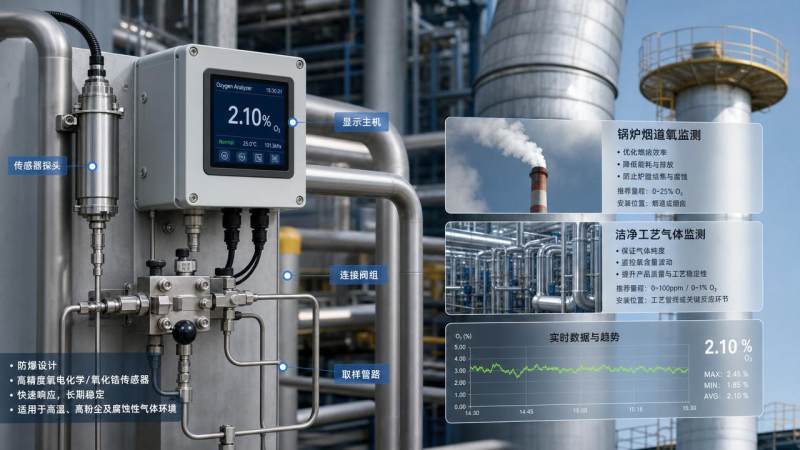
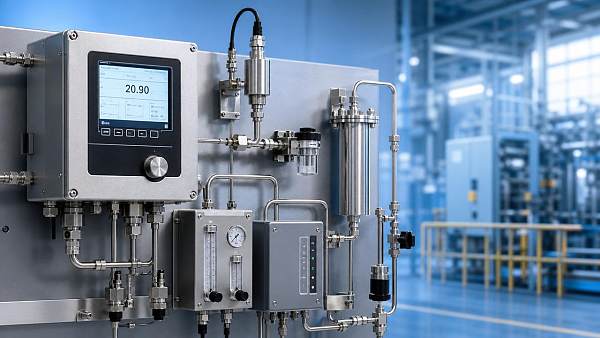
At a basic level, an oxygen concentration analyzer measures the amount of oxygen in a gas stream or enclosed environment. In practice, however, the meaning of that measurement depends on context. In a boiler or furnace, oxygen level may indicate excess air and combustion efficiency. In a nitrogen blanketing system, it may indicate whether oxygen has been reduced enough to lower oxidation or explosion risk. In a process exhaust line, it may support environmental monitoring or combustion verification. In laboratory-connected industrial workflows, it may verify controlled atmosphere conditions for testing or production.
Common sensing approaches include zirconia, electrochemical, paramagnetic, and optical technologies. Each has strengths and limitations. Zirconia analyzers are often valued in high-temperature combustion service. Electrochemical analyzers are frequently used where compact design and lower cost are priorities. Paramagnetic methods are known for accuracy in many clean gas applications. Optical methods may be chosen for specific process requirements. The important point for an information seeker is that technology selection should follow process conditions, not assumptions or marketing language.
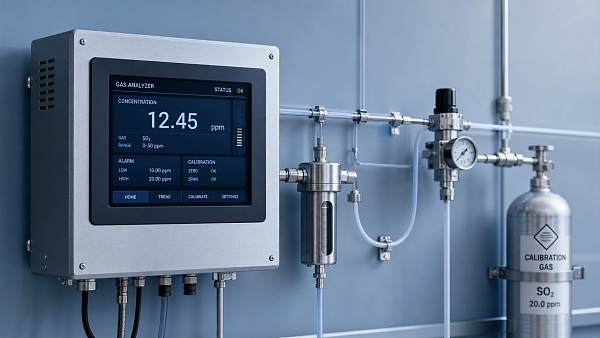
A reliable oxygen concentration analyzer is therefore not simply a meter. It is part of a measurement chain that includes sampling, conditioning, installation, calibration, interpretation, maintenance, and action response. Many misunderstandings begin when users focus only on the analyzer body while ignoring the full monitoring system around it.
Typical Application Scenarios and What Each One Really Needs
To understand common misunderstandings, it helps to separate the major process scenarios where an oxygen concentration analyzer is used. The table below shows how application goals change what users should pay attention to.
This comparison shows why the phrase oxygen concentration analyzer does not describe a single uniform use case. The device that suits a high-temperature combustion line may be a poor fit for a low-oxygen packaging or inerting application. The wrong choice may still produce numbers, but those numbers may not support the business decision the user actually needs to make.
Scenario 1: Combustion Monitoring and the Myth of “More Oxygen Data Is Always Better”
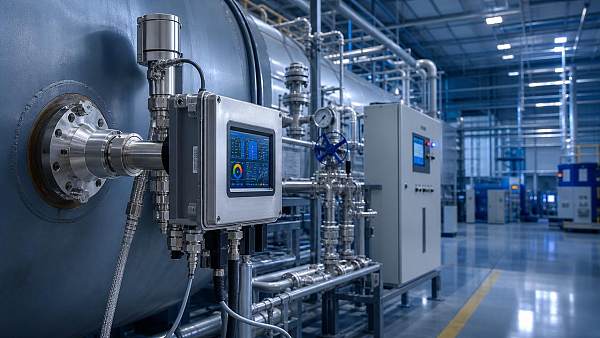
In boilers, ovens, kilns, and thermal processing systems, an oxygen concentration analyzer is commonly used to optimize combustion. The goal is not simply to measure oxygen; it is to control excess air, improve fuel efficiency, reduce instability, and sometimes support emission performance. In this scenario, users often assume that if oxygen is measured continuously, control quality will automatically improve. That is not always true.
One common misunderstanding is poor sensor location. If gas mixing is uneven, a single point may not reflect actual process conditions. Another misunderstanding is ignoring the thermal and chemical environment. High temperatures, corrosive components, particulate matter, and flame dynamics can all affect sensor life and measurement reliability. Users may also overestimate response speed if they forget delays caused by sample extraction lines or conditioning units.
For combustion applications, the oxygen concentration analyzer should be evaluated together with burner configuration, air-fuel control logic, process variability, and maintenance access. Information seekers should ask: Is the goal fuel savings, combustion safety, quality consistency, or emission support? The answer changes the preferred analyzer design and installation method.
Scenario 2: Inert Gas Protection and the Dangerous Assumption That Low Reading Means Safe Reading
In storage tanks, glove boxes, packaging lines, chemical handling systems, and oxidation-sensitive production areas, an oxygen concentration analyzer is often used to verify that oxygen has been displaced by nitrogen or another inert gas. Here the consequences of misunderstanding can be more serious than efficiency loss; they can involve fire, explosion, corrosion, or product degradation.
The most common mistake in this scenario is believing that one low oxygen reading proves the whole space is properly inerted. In reality, stratification, dead zones, leaks, and poor sampling points may hide local oxygen pockets. Another mistake is using an analyzer with unsuitable low-range performance. A device that works well near ambient oxygen may not offer sufficient confidence at the low levels required for critical inerting decisions.
For this scenario, users should pay close attention to alarm thresholds, purge verification logic, calibration frequency, and sample representativeness. The oxygen concentration analyzer should be part of a broader safety concept, not treated as a stand-alone guarantee. Information seekers comparing systems should therefore look beyond nominal range and ask how the instrument behaves in real leak-prone or purge-dependent environments.
Scenario 3: Process Quality Control and the Mistake of Treating Oxygen as an Isolated Variable
Many industrial processes use oxygen measurement to protect product quality. This includes controlled atmosphere production, gas blending, specialty materials processing, fermentation-linked systems, and certain laboratory-to-production transitions. In these cases, the oxygen concentration analyzer supports a quality outcome rather than only a mechanical or combustion outcome.
A frequent misunderstanding here is assuming that if oxygen is within target, the process must be under control. Yet oxygen may interact with pressure, flow, humidity, temperature, residence time, and contamination. A correct oxygen reading does not remove the need to understand the rest of the process environment. Another issue is compatibility. Some sample gases may contaminate or shorten sensor life, especially if condensables, solvents, or reactive compounds are present.
In quality-critical scenarios, the oxygen concentration analyzer should be selected with attention to repeatability, drift behavior, maintenance burden, and calibration traceability. This is especially important when production decisions, batch release, or customer specifications depend on oxygen records. The better question is not “Can it measure oxygen?” but “Can it support quality decisions under our actual operating conditions?”
Scenario 4: Exhaust, Environmental, and Utility Systems Where Harsh Conditions Change Everything
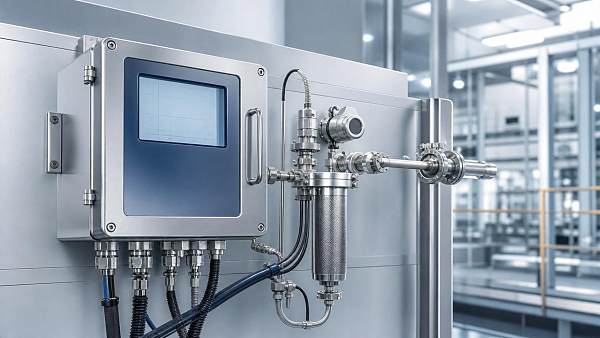
In exhaust ducts, utility plants, waste treatment support systems, and environmental monitoring projects, an oxygen concentration analyzer is often deployed in gas streams that are wet, dirty, hot, or variable. In these scenarios, users sometimes underestimate how much the sampling path determines measurement quality. Moisture condensation, dust loading, pressure changes, and corrosive components can distort readings or damage components long before the sensor itself becomes the main issue.
A typical misunderstanding is comparing specification sheets without comparing sample system design. Two analyzers with similar accuracy claims may perform very differently if one installation has proper filtration, heated lines, and condensate management while the other does not. Another mistake is treating maintenance as an afterthought. In reality, environmental and utility applications often require routine inspection discipline to keep the oxygen concentration analyzer trustworthy over time.
For these users, practical reliability usually matters as much as laboratory-style precision. The right analyzer is one that can survive the gas path and provide stable operational value, not just attractive catalog numbers.
How to Judge Fit by Business Context, Not by Specifications Alone
Different organizations also approach an oxygen concentration analyzer with different priorities. A large industrial site may prioritize integration with control systems, redundancy, and lifecycle support. A smaller manufacturer may focus more on ease of use, maintenance cost, and operator training. A project contractor may need flexibility across multiple process environments. A research-oriented buyer may care more about data quality, traceability, and method consistency.
This business-context view is essential in the instrumentation industry because a technically valid oxygen concentration analyzer can still be an operational mismatch if it creates service bottlenecks, false confidence, or unnecessary complexity.
Common Misunderstandings That Appear Across Almost All Scenarios
Several mistakes appear again and again regardless of industry segment. First, users confuse analyzer range with usable accuracy in the range that matters most. Second, they overlook sample conditioning and installation details. Third, they assume calibration is a formality rather than a core part of measurement quality. Fourth, they fail to distinguish between a process trend indicator and a measurement suitable for critical safety or quality decisions.
Another major misunderstanding is interpreting oxygen values without process context. A reading is not a decision by itself. It must be linked to gas composition, flow conditions, pressure, system dynamics, and action thresholds. In other words, an oxygen concentration analyzer is most valuable when its number is translated into a clear operational meaning.
Practical Selection Questions Before Moving Forward
Before selecting or comparing any oxygen concentration analyzer, information seekers should confirm several points: What process decision depends on the reading? Is the gas clean or contaminated? Is the measurement point representative? What oxygen range is truly critical? How fast must the system respond in practice, not just in theory? Who will maintain and calibrate the analyzer? What happens if the reading drifts, fails, or lags?
These questions create a stronger basis for technical discussion with instrument suppliers, system integrators, or internal engineering teams. They also reduce the risk of choosing an analyzer based only on headline specifications.
Conclusion: Match the Oxygen Concentration Analyzer to the Real Monitoring Scenario
The basics of an oxygen concentration analyzer are not difficult, but applying that knowledge correctly requires a scenario-based mindset. Combustion control, inerting safety, process quality, and environmental monitoring each demand different priorities. Many common misunderstandings come from treating oxygen analysis as generic, when in reality the value of the instrument depends on installation, gas conditions, target range, and decision purpose.
If you are evaluating an oxygen concentration analyzer for industrial use, start by defining your process scenario, the business risk of wrong readings, and the operational conditions around the measurement point. That approach will help you compare options more intelligently, ask better technical questions, and build a monitoring solution that is practical rather than merely theoretical.
Recommended for You
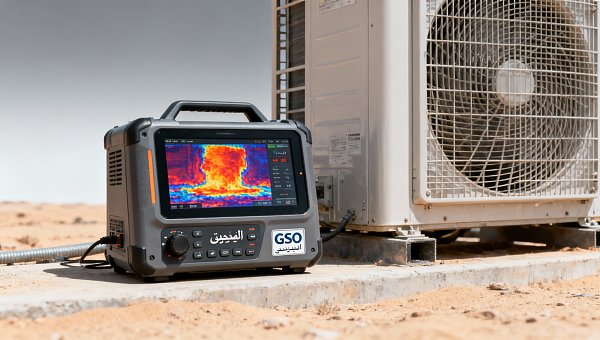
 Kuwait Bans HCFC Air Conditioners, Boosts IR Camera ExportsKuwait bans HCFC air conditioners—boosting demand for IR cameras, leak detectors & refrigerant analyzers. Discover GCC compliance insights and export opportunities.
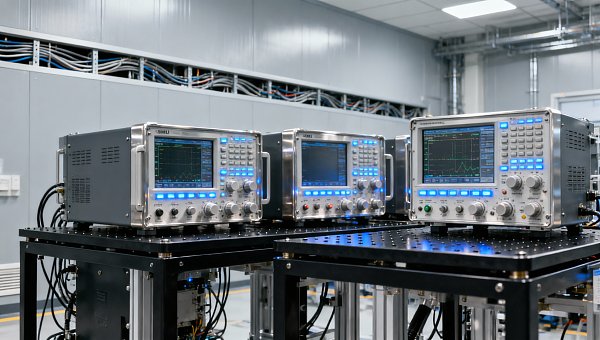
 China's IC Exports Surge 78.3% in First Four Months of 2026China's IC exports surge 78.3% in early 2026 — driven by soaring global demand for AI chip test equipment, SMUs, and parametric analyzers. Discover the supply chain shift.
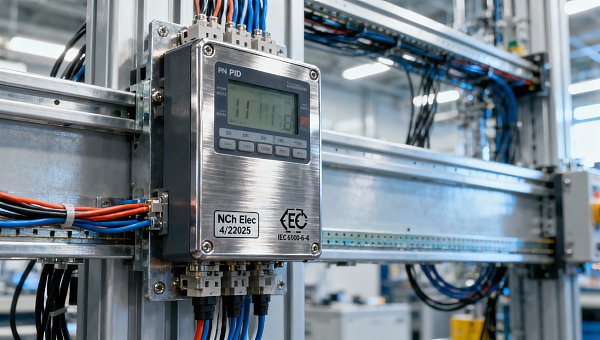
 Chile Enforces Mandatory INN Safety Certification for Industrial Temperature ControllersChile mandates INN safety certification (NCh Elec 4/2025) for industrial temperature controllers starting Aug 1, 2026—act now to avoid shipment delays & market bans.
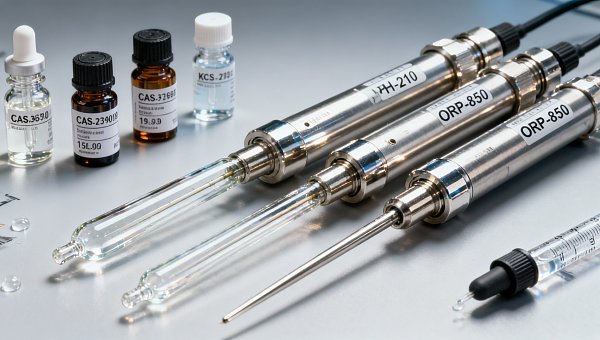
 K-REACH Supply-Shortage Exemption Launches for pH/ORP ElectrodesK-REACH Supply-Shortage Exemption now applies to pH/ORP electrodes—act before June 30, 2026 to avoid customs delays & penalties. Key for exporters & manufacturers.
 4th China International Supply Chain Expo to Focus on Smart Sensing & In-Process InspectionSmart Sensing & In-Process Inspection take center stage at the 4th China International Supply Chain Expo in Beijing, Nov 26–30, 2026 — discover next-gen inspection tech, AI vision modules, and calibrated sensing solutions for global industrial buyers.
 ASTM F2100-26 Medical Mask Standard Takes Effect in USASTM F2100-26 medical mask standard is now in force—driving global demand for biosafety cabinets, particle counters & air velocity calibrators, especially China-made instruments.
 South Africa Enforces SABS Certification for IoT Monitoring DevicesSABS certification now mandatory for IoT monitoring devices entering South Africa via e-commerce—act before 1 June 2026 to avoid customs rejection and ensure market access.
 EU REACH Adds Fluorinated Substances; SVHC Reporting Required for Gas AnalyzersEU REACH now restricts fluorinated substances in gas analyzers—SVHC reporting is mandatory by 30 Nov 2026. Ensure compliance for sensors, membranes & monitoring systems.
 Revised Maritime Code Takes Effect May 1, 2026: Shift in Unclaimed Cargo LiabilityRevised Maritime Code (2026): Shippers now liable for unclaimed cargo—critical for industrial instrument exporters, logistics providers & cross-border supply chains. Act now.
 China Imposes Zero Tariffs on Goods from All African Diplomatic Partners Starting May 1, 2026China’s zero-tariff policy for African instrumentation & automation exports starts May 1, 2026—boosting competitiveness in EPC tenders and market access for exporters.
 Import and Export Shifts in the PPM Gas Analyzer Marketppm gas analyzer market insights: discover how import tariffs, export controls, and compliance shifts impact cost, supply stability, and growth opportunities across key applications.
 Single Gas Analyzer Maintenance Issues That Raise DowntimeSingle gas analyzer maintenance issues can quietly increase downtime. Learn how to spot drift, calibration errors, and sample path faults early to improve uptime and field efficiency.
 Combustion Gas Analyzer Market Trends Shaping 2026 UpgradesCombustion gas analyzer market trends shaping 2026: discover how smarter monitoring, multi-gas accuracy, and digital integration can improve compliance, efficiency, and ROI.
 Corrosive Gas Analyzer Risks That Impact Safety ComplianceCorrosive gas analyzer risks can quietly undermine safety compliance. Learn how drift, sampling failures, and poor maintenance affect accuracy—and how to strengthen monitoring reliability.
 Percent Range Analyzer Applications in Process ControlPercent range analyzer applications improve process control by turning raw signals into clear operating percentages. Discover faster decisions, better alarms, and more stable system performance.
 What Affects the Total Cost of a Dual Gas AnalyzerDual gas analyzer total cost goes beyond purchase price. Learn how sensors, calibration, compliance, integration, and maintenance shape lifecycle value and smarter buying decisions.
 High Temperature Analyzer Selection Mistakes to Avoid in 2026High temperature analyzer selection mistakes can delay projects and raise lifecycle costs. Discover the top 2026 pitfalls and how to choose a safer, smarter solution.
 2026 Price Trends for Multi Gas Analyzer SystemsMulti gas analyzer price trends for 2026: discover key cost drivers, ownership factors, and smart budgeting tips to compare systems, control risk, and choose the right solution.
 PPB Gas Analyzer vs PPM Gas Analyzer: What Changes in Real Useppb gas analyzer vs PPM gas analyzer: learn how sensitivity, calibration, maintenance, and sample handling change in real use to choose the right solution with less risk and cost.
 How to Choose a Trace Gas Analyzer for Low-Level Leak DetectionTrace gas analyzer selection for low-level leak detection: learn how to compare sensitivity, response time, interference control, and integration for safer, faster, more reliable results.
 US-China Trade Talks Agree on Tariff Cuts for Key Test Equipment PartsUS-China tariff cuts on key test equipment parts—like pressure sensor chips & infrared thermal imaging modules—boost margins, cut costs, and strengthen global competitiveness for manufacturers.
 G7 Paris Meeting Focuses on Critical Mineral Supply SecurityCritical mineral supply security takes center stage at the G7 Paris meeting—key for rare-earth sensor exporters. Learn EU compliance impacts & actionable readiness steps.
 Brent Crude Surpasses $106/bbl, Raising Sea Freight Costs for Small Testing Equipment ExportsBrent Crude Surpasses $106/bbl—sea freight costs surge, impacting small testing equipment exporters. Learn how SMEs can adapt pricing, terms & logistics now.
 WTO Forecasts 1.9% Global Goods Trade Growth in 2026 Amid Supply Chain ShorteningWTO forecasts 1.9% global goods trade growth in 2026—sparking nearshoring demand for testing equipment, calibration services & OTA-ready solutions in ASEAN, Middle East & Mexico.
 UK-China Export Control Working Group Holds Second Meeting in LondonUK-China Export Control Working Group: Key updates on dual-use items—laser interferometers, quantum sensors & oscilloscopes. Learn compliance implications for exporters now.
 Japan's 10Y Yield Drop to 2.745% Lifts Yen, Raising China-Made Testing Equipment CostsJapan's 10Y yield drop to 2.745% lifts yen, raising costs for China-made testing equipment — explore FX impacts, procurement shifts & strategic responses.
 KOSPI 200 Futures Circuit Breaker Triggered, Impacting Industrial Automation Instrument Export TimelinesKOSPI 200 futures circuit breaker triggered — impact on PLC modules, transmitters & fieldbus instrument exports to Korea. Urgent timeline insights inside.
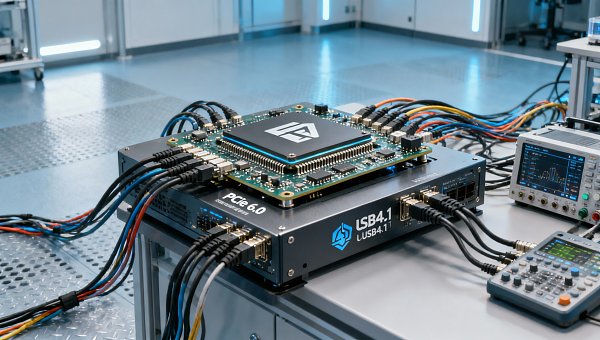
 South Korea’s Chip Exports Surge 202% in May 2026 Amid AI Test Equipment DemandAI test equipment demand surges as South Korea’s chip exports jump 202% in May 2026 — PCIe 6.0 & USB4.1 validation tools see sharp global procurement rise.
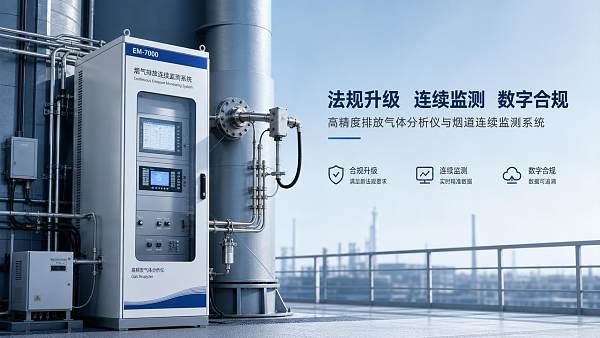
 Emission Gas Analyzer News in 2026: Regulatory Shifts Affecting DemandEmission gas analyzer demand is changing fast in 2026 as new regulations tighten limits, expand continuous monitoring, and raise data compliance standards. Explore key trends shaping smarter buying decisions.
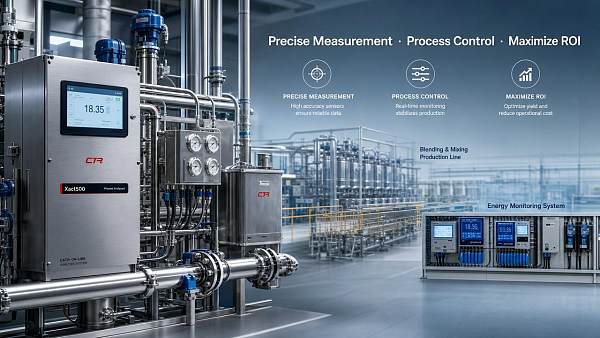
 When a High Accuracy Analyzer Delivers Real ROI in Process ControlHigh accuracy analyzer ROI starts with better process control. Learn where tighter measurements cut waste, improve stability, reduce compliance risk, and deliver measurable operational savings.
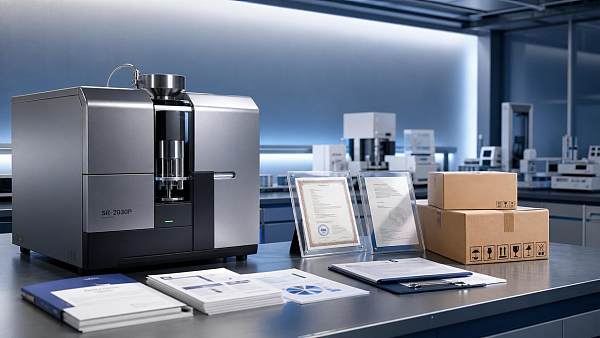
 SR-2030P Analyzer Import Updates in 2026: Compliance Points to ReviewSR-2030P analyzer import updates for 2026: review classification, certification, customs documents, and market access risks to reduce delays, control costs, and source with confidence.
 Industrial Oxygen Analyzer Price Trends in 2026: Cost Drivers to WatchIndustrial oxygen analyzer price trends in 2026 explained: compare sensor, compliance, installation, and maintenance cost drivers to make smarter, lower-risk buying decisions.
Search Categories
Search Categories
Latest Article
- Kuwait Bans HCFC Air Conditioners, Boosts IR Camera ExportsKuwait bans HCFC air conditioners—boosting demand for IR cameras, leak detectors & refrigerant analyzers. Discover GCC compliance insights and export opportunities.Posted by:
- China's IC Exports Surge 78.3% in First Four Months of 2026China's IC exports surge 78.3% in early 2026 — driven by soaring global demand for AI chip test equipment, SMUs, and parametric analyzers. Discover the supply chain shift.Posted by:
- Chile Enforces Mandatory INN Safety Certification for Industrial Temperature ControllersChile mandates INN safety certification (NCh Elec 4/2025) for industrial temperature controllers starting Aug 1, 2026—act now to avoid shipment delays & market bans.Posted by:
Please give us a message
