
F2 Concentration Analyzer Price Trends: What Is Driving Cost Changes


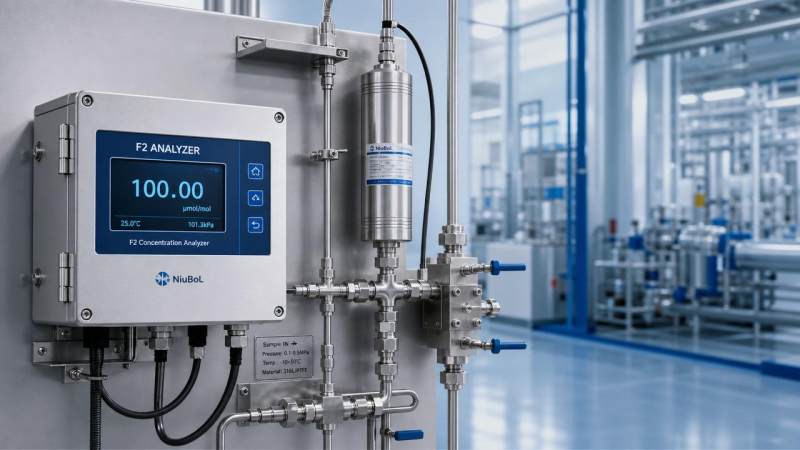
For financial decision-makers, understanding F2 concentration analyzer price trends is essential to balancing compliance, performance, and budget control. The cost of an F2 concentration analyzer is influenced by sensor technology, accuracy requirements, safety standards, supply chain shifts, and industry-specific application demands. This article explores the key factors behind current pricing changes and helps buyers evaluate long-term value rather than upfront cost alone.
Why Price Movement Has Become a More Strategic Issue
In the past, many buyers treated an F2 concentration analyzer as a technical line item: select the measuring range, compare accuracy, check compatibility, and negotiate price. That approach is becoming less reliable. Pricing now reflects broader changes in industrial instrumentation, including stricter safety expectations, rising demand for trace-level analysis, digital integration requirements, and volatility in specialized component supply. For finance teams, this means the price of an F2 concentration analyzer is no longer just a procurement matter. It is increasingly a risk-management decision tied to uptime, compliance, and total cost of ownership.
A key trend is the widening gap between entry-level and high-specification systems. Basic analyzers may still appear competitively priced, but advanced models designed for hazardous environments, continuous process monitoring, or highly corrosive gas applications have seen stronger cost pressure. In practical terms, the market is not moving in one single direction. Instead, F2 concentration analyzer price trends are becoming segmented by performance class, certification burden, and application criticality.
Current Signals Behind F2 Concentration Analyzer Price Trends
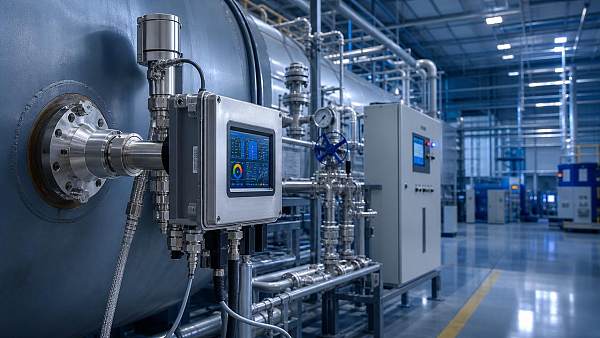
Several visible signals explain why finance approvers are seeing less predictable quotations. First, suppliers are placing more emphasis on specialized materials and sensor protection because fluorine-related measurement environments can be extremely demanding. Second, many end users are requesting better connectivity for plant-wide data visibility, which adds software, communication modules, and validation work. Third, lead times for key electronic and analytical components remain a pricing variable, especially when manufacturers rely on imported parts or low-volume custom assemblies.
Another important signal is the shift from one-time equipment buying toward lifecycle-based evaluation. Buyers increasingly ask not only “What does this F2 concentration analyzer cost?” but also “How often will it need calibration?”, “What is the sensor replacement interval?”, and “How much downtime risk does the cheaper option create?” As this shift spreads, higher upfront pricing can gain acceptance when it lowers long-term operating or compliance exposure.
What Is Actually Driving Cost Changes
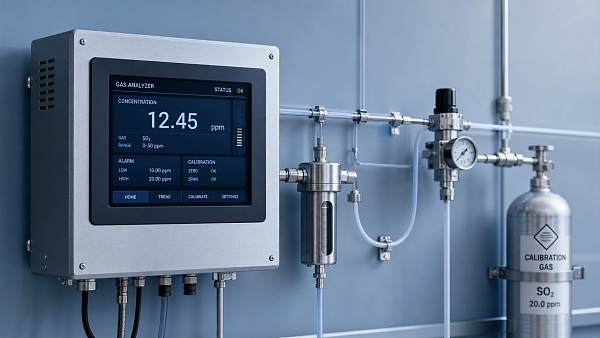
The first major driver is sensor technology. Not all F2 concentration analyzer platforms use the same detection principle, and the cost differences are significant. Systems designed for higher selectivity, lower drift, or faster response often require more expensive components and more demanding assembly. If the application involves unstable process conditions or harsh gas matrices, manufacturers may also need to build in compensation features, stronger sample conditioning, or additional protective barriers. That pushes both equipment price and maintenance complexity upward.
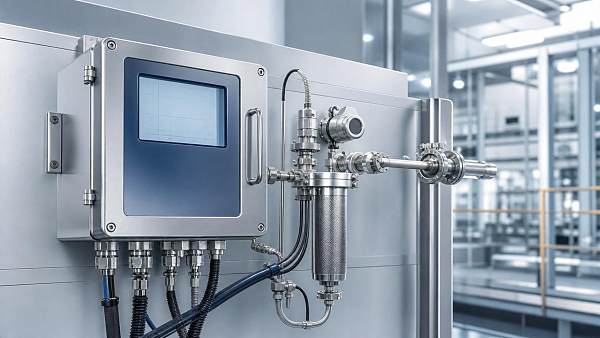
The second driver is material compatibility. Fluorine measurement applications can involve corrosive or reactive process streams, so wetted materials, tubing, valves, and internal flow paths matter more than buyers may initially assume. A lower-cost analyzer built with general-purpose materials may reduce acquisition expense but create earlier replacement, leakage risk, or calibration instability. For this reason, suppliers using specialized alloys, coated components, or fluorine-resistant internal designs often maintain firmer pricing.
The third driver is compliance burden. In regulated environments, the F2 concentration analyzer may need to align with plant safety protocols, documentation standards, validation procedures, or specific electrical and environmental requirements. These do not always show up clearly in a one-page quotation, yet they consume engineering hours and certification resources. For finance teams, the effect is important: two analyzers that look technically similar may have very different compliance-readiness costs.
The fourth driver is after-sales support structure. Pricing increasingly reflects whether the supplier offers local service coverage, spare parts stocking, application engineering, and rapid technical response. Lower-cost imports may look attractive until downtime extends because replacement sensors, calibration kits, or field technicians are not quickly available. In this sense, service infrastructure has become part of the real price trend, even if it sits outside the equipment base price.
Why Different Buyers Experience Different Price Pressure
Not every organization feels F2 concentration analyzer price changes in the same way. Plants buying for non-critical monitoring may still find moderate-cost options acceptable. But companies operating continuous processes, handling hazardous chemistry, or facing strict environmental and safety audit conditions are more exposed to premium pricing. The reason is simple: the cost of analyzer failure is much higher than the cost of analyzer purchase.
Financial approvers should therefore separate purchases into risk categories. If the analyzer is tied to product quality, worker safety, emissions control, or process shutdown prevention, price sensitivity should be balanced against failure cost. If the analyzer is used for periodic verification or less critical internal monitoring, the cost-performance balance may look different. This distinction helps explain why the market does not produce a single “normal” price for an F2 concentration analyzer.
A Lower Quote Does Not Always Mean a Lower Financial Burden
For financial decision-makers, one of the most useful trend observations is that headline pricing is becoming less representative of real project cost. A lower-priced F2 concentration analyzer can lead to higher spending if it requires more frequent sensor replacement, more manual intervention, extra sample conditioning hardware, or repeated recalibration. It can also create indirect costs through process interruption, delayed compliance reporting, or additional operator workload.
This is especially relevant in the instrumentation industry, where equipment value often depends on reliability under actual operating conditions rather than brochure specifications. Buyers who evaluate only purchase price may underestimate installation complexity, commissioning time, software integration, or consumables. In contrast, a more expensive analyzer with stronger stability and better supplier support may reduce total spend over three to five years. As F2 concentration analyzer price trends continue to diverge by specification tier, lifecycle thinking becomes a finance discipline, not just an engineering preference.
What Signals Finance Teams Should Track Over the Next Buying Cycle
The first signal to track is component lead time. If a supplier depends on niche sensors, imported electronics, or custom-built gas path assemblies, quotations may shift quickly. The second signal is application complexity. Requests involving hazardous area installation, online continuous monitoring, or integrated data communication are more likely to experience price escalation than standard standalone systems.
The third signal is calibration and support structure. Finance teams should ask whether the quoted F2 concentration analyzer includes startup support, calibration tools, spare parts, and response commitments. A fourth signal is specification inflation. Some projects are over-specified because internal teams try to “future-proof” the purchase without validating whether the added accuracy or communication features create measurable value. This can drive avoidable cost growth.
A useful practice is to compare offers through a standardized cost lens: purchase price, installation cost, expected maintenance interval, service availability, consumables, downtime risk, and replacement cycle. When that framework is applied consistently, F2 concentration analyzer price trends become easier to interpret and less vulnerable to misleading low-entry quotations.
How to Respond to the Trend Without Overpaying
A practical response starts with segmentation. Separate “must-have” technical requirements from “nice-to-have” features. For example, material compatibility, safety suitability, and measurement stability may be non-negotiable, while certain interface options or premium reporting functions may be optional. This prevents inflated configurations from distorting the budget.
Next, ask suppliers to break down the quote. A transparent proposal should clarify what portion of F2 concentration analyzer pricing comes from sensing technology, sample handling, certification, software, commissioning, and service. That breakdown helps finance reviewers identify whether cost changes reflect genuine application needs or bundled features with uncertain payback.
It is also wise to model at least two scenarios: lowest capex and lowest lifecycle cost. In many cases, the preferred option for finance approval is not the cheapest unit but the one that delivers the lowest total exposure across maintenance, downtime, and compliance risk. This is particularly true when analyzer failure would affect production continuity or safety management.
Decision Questions That Improve Buying Judgment
Before approving an F2 concentration analyzer purchase, financial stakeholders should confirm several points with engineering and suppliers. What is the real operating environment? Which specifications directly support safety or process performance? How often will calibration be required? Are spare parts locally available? What is the expected service life of the sensor and the analyzer body? Is integration with plant systems essential now, or merely desirable later?
These questions matter because they connect market trends to internal business priorities. If current F2 concentration analyzer price trends are being driven mainly by better durability, stronger compliance readiness, and service reliability, then the right decision may be to accept a higher purchase price. If the quote rise is mainly due to nonessential feature expansion, a more disciplined specification may control cost without weakening outcomes.
Final Outlook for Budget Planning and Supplier Evaluation
The most important takeaway is that F2 concentration analyzer pricing is becoming more differentiated, not simply more expensive. Cost changes are being shaped by technology choices, application severity, compliance expectations, supply conditions, and the growing value of dependable support. For finance approvers, this means the right benchmark is not average market price alone but fit-for-purpose value over the asset lifecycle.
If your organization wants to judge how F2 concentration analyzer price trends will affect upcoming projects, focus on a few core checks: whether the specification is truly necessary, whether the analyzer will operate in a critical risk environment, whether support and calibration costs are visible in the quote, and whether supplier capability is strong enough to reduce long-term exposure. Those answers will do more to improve budget quality than chasing the lowest initial number.
Recommended for You
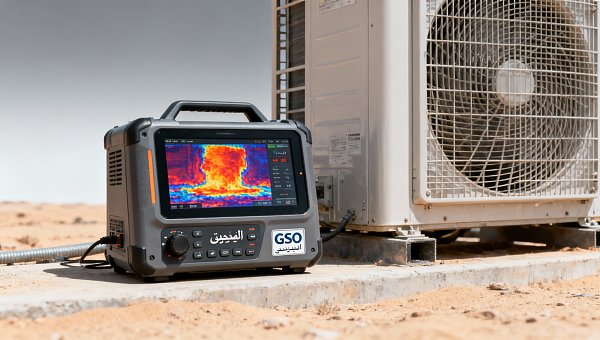
 Kuwait Bans HCFC Air Conditioners, Boosts IR Camera ExportsKuwait bans HCFC air conditioners—boosting demand for IR cameras, leak detectors & refrigerant analyzers. Discover GCC compliance insights and export opportunities.
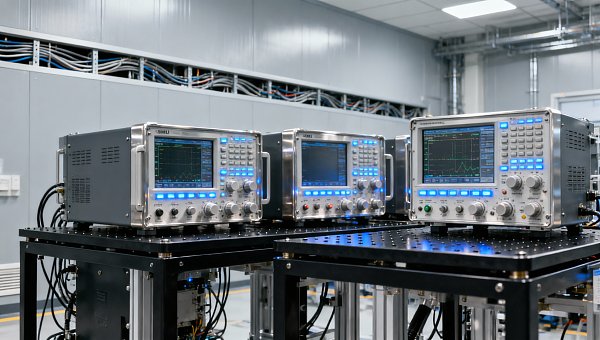
 China's IC Exports Surge 78.3% in First Four Months of 2026China's IC exports surge 78.3% in early 2026 — driven by soaring global demand for AI chip test equipment, SMUs, and parametric analyzers. Discover the supply chain shift.
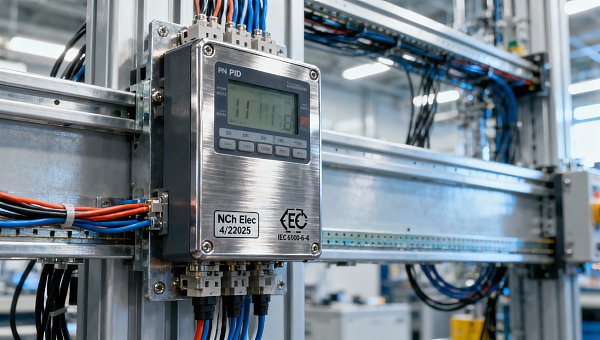
 Chile Enforces Mandatory INN Safety Certification for Industrial Temperature ControllersChile mandates INN safety certification (NCh Elec 4/2025) for industrial temperature controllers starting Aug 1, 2026—act now to avoid shipment delays & market bans.
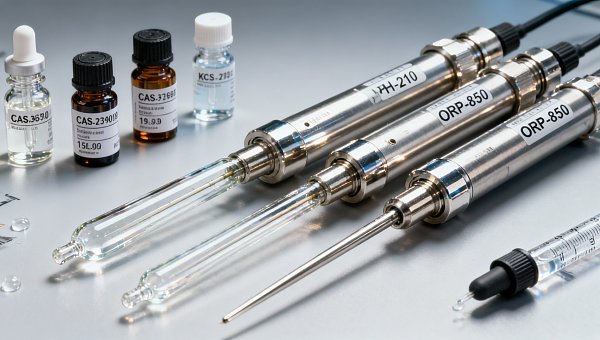
 K-REACH Supply-Shortage Exemption Launches for pH/ORP ElectrodesK-REACH Supply-Shortage Exemption now applies to pH/ORP electrodes—act before June 30, 2026 to avoid customs delays & penalties. Key for exporters & manufacturers.
 4th China International Supply Chain Expo to Focus on Smart Sensing & In-Process InspectionSmart Sensing & In-Process Inspection take center stage at the 4th China International Supply Chain Expo in Beijing, Nov 26–30, 2026 — discover next-gen inspection tech, AI vision modules, and calibrated sensing solutions for global industrial buyers.
 ASTM F2100-26 Medical Mask Standard Takes Effect in USASTM F2100-26 medical mask standard is now in force—driving global demand for biosafety cabinets, particle counters & air velocity calibrators, especially China-made instruments.
 South Africa Enforces SABS Certification for IoT Monitoring DevicesSABS certification now mandatory for IoT monitoring devices entering South Africa via e-commerce—act before 1 June 2026 to avoid customs rejection and ensure market access.
 EU REACH Adds Fluorinated Substances; SVHC Reporting Required for Gas AnalyzersEU REACH now restricts fluorinated substances in gas analyzers—SVHC reporting is mandatory by 30 Nov 2026. Ensure compliance for sensors, membranes & monitoring systems.
 Revised Maritime Code Takes Effect May 1, 2026: Shift in Unclaimed Cargo LiabilityRevised Maritime Code (2026): Shippers now liable for unclaimed cargo—critical for industrial instrument exporters, logistics providers & cross-border supply chains. Act now.
 China Imposes Zero Tariffs on Goods from All African Diplomatic Partners Starting May 1, 2026China’s zero-tariff policy for African instrumentation & automation exports starts May 1, 2026—boosting competitiveness in EPC tenders and market access for exporters.
 Import and Export Shifts in the PPM Gas Analyzer Marketppm gas analyzer market insights: discover how import tariffs, export controls, and compliance shifts impact cost, supply stability, and growth opportunities across key applications.
 Single Gas Analyzer Maintenance Issues That Raise DowntimeSingle gas analyzer maintenance issues can quietly increase downtime. Learn how to spot drift, calibration errors, and sample path faults early to improve uptime and field efficiency.
 Combustion Gas Analyzer Market Trends Shaping 2026 UpgradesCombustion gas analyzer market trends shaping 2026: discover how smarter monitoring, multi-gas accuracy, and digital integration can improve compliance, efficiency, and ROI.
 Corrosive Gas Analyzer Risks That Impact Safety ComplianceCorrosive gas analyzer risks can quietly undermine safety compliance. Learn how drift, sampling failures, and poor maintenance affect accuracy—and how to strengthen monitoring reliability.
 Percent Range Analyzer Applications in Process ControlPercent range analyzer applications improve process control by turning raw signals into clear operating percentages. Discover faster decisions, better alarms, and more stable system performance.
 What Affects the Total Cost of a Dual Gas AnalyzerDual gas analyzer total cost goes beyond purchase price. Learn how sensors, calibration, compliance, integration, and maintenance shape lifecycle value and smarter buying decisions.
 High Temperature Analyzer Selection Mistakes to Avoid in 2026High temperature analyzer selection mistakes can delay projects and raise lifecycle costs. Discover the top 2026 pitfalls and how to choose a safer, smarter solution.
 2026 Price Trends for Multi Gas Analyzer SystemsMulti gas analyzer price trends for 2026: discover key cost drivers, ownership factors, and smart budgeting tips to compare systems, control risk, and choose the right solution.
 PPB Gas Analyzer vs PPM Gas Analyzer: What Changes in Real Useppb gas analyzer vs PPM gas analyzer: learn how sensitivity, calibration, maintenance, and sample handling change in real use to choose the right solution with less risk and cost.
 How to Choose a Trace Gas Analyzer for Low-Level Leak DetectionTrace gas analyzer selection for low-level leak detection: learn how to compare sensitivity, response time, interference control, and integration for safer, faster, more reliable results.
 US-China Trade Talks Agree on Tariff Cuts for Key Test Equipment PartsUS-China tariff cuts on key test equipment parts—like pressure sensor chips & infrared thermal imaging modules—boost margins, cut costs, and strengthen global competitiveness for manufacturers.
 G7 Paris Meeting Focuses on Critical Mineral Supply SecurityCritical mineral supply security takes center stage at the G7 Paris meeting—key for rare-earth sensor exporters. Learn EU compliance impacts & actionable readiness steps.
 Brent Crude Surpasses $106/bbl, Raising Sea Freight Costs for Small Testing Equipment ExportsBrent Crude Surpasses $106/bbl—sea freight costs surge, impacting small testing equipment exporters. Learn how SMEs can adapt pricing, terms & logistics now.
 WTO Forecasts 1.9% Global Goods Trade Growth in 2026 Amid Supply Chain ShorteningWTO forecasts 1.9% global goods trade growth in 2026—sparking nearshoring demand for testing equipment, calibration services & OTA-ready solutions in ASEAN, Middle East & Mexico.
 UK-China Export Control Working Group Holds Second Meeting in LondonUK-China Export Control Working Group: Key updates on dual-use items—laser interferometers, quantum sensors & oscilloscopes. Learn compliance implications for exporters now.
 Japan's 10Y Yield Drop to 2.745% Lifts Yen, Raising China-Made Testing Equipment CostsJapan's 10Y yield drop to 2.745% lifts yen, raising costs for China-made testing equipment — explore FX impacts, procurement shifts & strategic responses.
 KOSPI 200 Futures Circuit Breaker Triggered, Impacting Industrial Automation Instrument Export TimelinesKOSPI 200 futures circuit breaker triggered — impact on PLC modules, transmitters & fieldbus instrument exports to Korea. Urgent timeline insights inside.
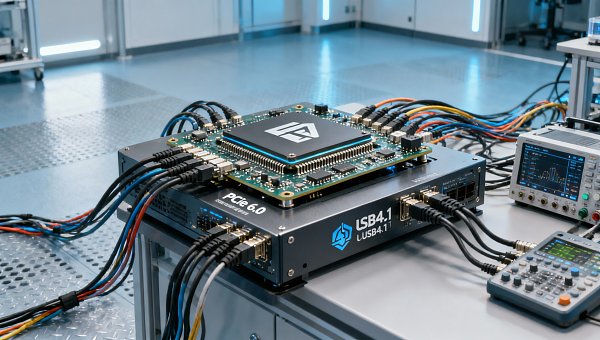
 South Korea’s Chip Exports Surge 202% in May 2026 Amid AI Test Equipment DemandAI test equipment demand surges as South Korea’s chip exports jump 202% in May 2026 — PCIe 6.0 & USB4.1 validation tools see sharp global procurement rise.
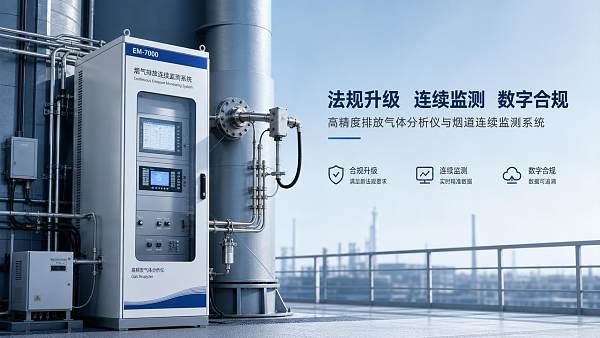
 Emission Gas Analyzer News in 2026: Regulatory Shifts Affecting DemandEmission gas analyzer demand is changing fast in 2026 as new regulations tighten limits, expand continuous monitoring, and raise data compliance standards. Explore key trends shaping smarter buying decisions.
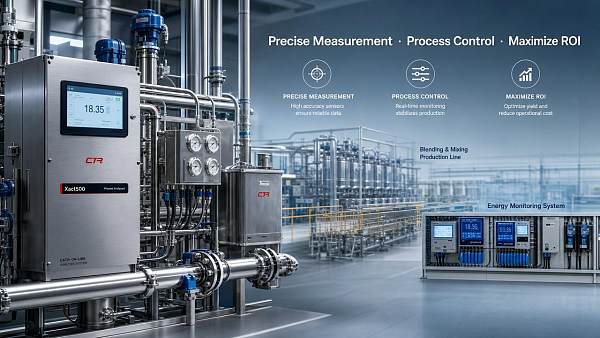
 When a High Accuracy Analyzer Delivers Real ROI in Process ControlHigh accuracy analyzer ROI starts with better process control. Learn where tighter measurements cut waste, improve stability, reduce compliance risk, and deliver measurable operational savings.
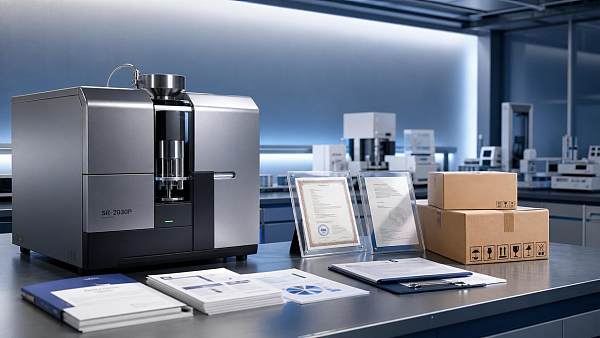
 SR-2030P Analyzer Import Updates in 2026: Compliance Points to ReviewSR-2030P analyzer import updates for 2026: review classification, certification, customs documents, and market access risks to reduce delays, control costs, and source with confidence.
 Industrial Oxygen Analyzer Price Trends in 2026: Cost Drivers to WatchIndustrial oxygen analyzer price trends in 2026 explained: compare sensor, compliance, installation, and maintenance cost drivers to make smarter, lower-risk buying decisions.
Search Categories
Search Categories
Latest Article
- Kuwait Bans HCFC Air Conditioners, Boosts IR Camera ExportsKuwait bans HCFC air conditioners—boosting demand for IR cameras, leak detectors & refrigerant analyzers. Discover GCC compliance insights and export opportunities.Posted by:
- China's IC Exports Surge 78.3% in First Four Months of 2026China's IC exports surge 78.3% in early 2026 — driven by soaring global demand for AI chip test equipment, SMUs, and parametric analyzers. Discover the supply chain shift.Posted by:
- Chile Enforces Mandatory INN Safety Certification for Industrial Temperature ControllersChile mandates INN safety certification (NCh Elec 4/2025) for industrial temperature controllers starting Aug 1, 2026—act now to avoid shipment delays & market bans.Posted by:
Please give us a message
