
Process Measurement System Costs Explained


Understanding process measurement system costs is less about finding a single price and more about identifying what you are actually paying for: measurement accuracy, system reliability, compliance readiness, integration effort, maintenance burden, and decision-making value over the equipment lifecycle. For most buyers, the real question is not “What does a process measurement system cost?” but “What level of system is justified for my process risk, compliance needs, and operating goals?” In practice, costs can vary widely depending on whether you need a basic industrial measurement system for routine monitoring, a gas quality measurement package for energy applications, an oxygen measurement system for combustion optimization, or a fully integrated emission measurement system tied into plant automation and reporting workflows.
For operators, engineers, finance reviewers, and decision-makers, the best way to budget is to separate the purchase into major cost layers: sensing hardware, sample handling, control and analysis units, system integration, installation, software and communications, validation and calibration, and ongoing operating expenses. This article explains where the money goes, what drives total cost up or down, and how to evaluate whether a lower upfront price truly represents lower long-term cost.
What are you really paying for in a process measurement system?
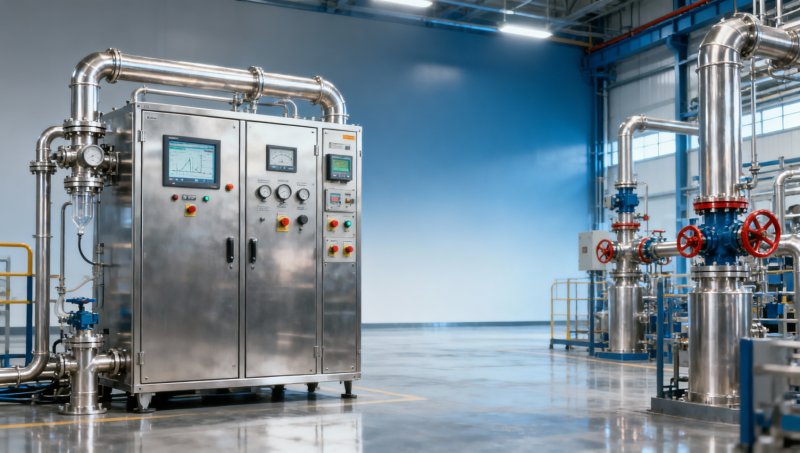
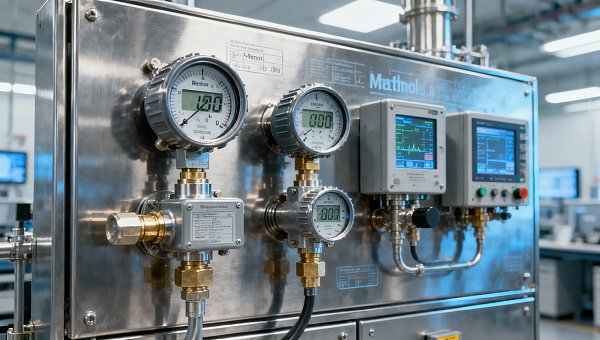
A process monitoring system is rarely a single device. In most industrial environments, it is a working combination of instruments, enclosures, signal processing, communications, mounting hardware, sampling components, software, and engineering services. That is why two systems that appear similar on paper can have very different prices.
The main cost components usually include:
- Sensors or analyzers: pressure, temperature, flow, level, oxygen, gas composition, or multi-parameter analysis instruments.
- Sampling and conditioning equipment: probes, filters, tubing, pumps, valves, regulators, heated lines, moisture removal, and flow control devices.
- Control and interface hardware: transmitters, PLC or DCS interfaces, I/O modules, signal converters, HMI displays, and local control cabinets.
- Mechanical assembly: skids, analyzer shelters, panels, stainless steel tubing, weatherproof enclosures, explosion-proof housings, and mounting structures.
- Software and connectivity: SCADA integration, historian connectivity, alarms, diagnostics, reporting, Ethernet or fieldbus communication, and cybersecurity provisions.
- Engineering and integration: design, documentation, loop drawings, cause-and-effect logic, FAT/SAT, commissioning, and training.
- Compliance support: calibration procedures, traceability, certification, validation documentation, and industry-specific approvals.
In short, buyers are not only purchasing measurement capability. They are purchasing a dependable system that can survive the operating environment, deliver usable data, and integrate with plant workflows.
Why do costs vary so much from one industrial measurement system to another?
Cost variation is usually driven by application complexity, not by brand alone. A simple local measurement point in a clean indoor process area may require little more than a transmitter and basic wiring. A critical emission measurement system installed in a hazardous outdoor area with reporting obligations may require sheltering, analyzer protection, heated sample transport, redundancy, and extensive integration.
The most common cost drivers are:
- Measurement principle: Different technologies have different hardware and maintenance costs. For example, electrochemical, paramagnetic, zirconia, NDIR, TDLAS, and mass spectrometry solutions can differ substantially in price and lifecycle requirements.
- Required accuracy and repeatability: Tight process control, energy efficiency optimization, or legal reporting often demands better performance, which usually increases system cost.
- Environmental conditions: Dust, corrosion, vibration, high humidity, high temperature, washdown exposure, and hazardous area requirements all increase design complexity.
- Sample characteristics: Wet gas, particulate loading, corrosive compounds, condensable components, variable pressure, and unstable flow often require more advanced sample handling.
- Number of measurement points: Multi-point systems can create economies of scale, but they also add multiplexing, valve sequencing, additional piping, and software complexity.
- Integration depth: Standalone display systems cost less than systems connected to DCS, PLC, MES, cloud monitoring, alarms, maintenance platforms, and audit reporting tools.
- Redundancy and uptime expectations: If downtime is expensive, buyers may need dual analyzers, redundant pumps, backup power, or fail-safe architecture.
For financial approvers, this is the key takeaway: the quoted price often reflects the level of risk reduction designed into the system.
What cost ranges should buyers expect?
There is no universal price list for process measurement systems because applications differ so widely. Still, buyers can use rough budgeting logic.
Lower-complexity systems usually involve straightforward sensing, limited environmental protection, basic outputs, and minimal integration. These are common in utility monitoring, standard process indication, or non-critical local control points.
Mid-range systems often include better environmental protection, more robust communications, packaged panel integration, moderate sample handling, and some commissioning support. These fit many production lines, energy systems, and industrial automation projects.
Higher-cost systems typically include advanced analyzers, custom sample conditioning, emission monitoring functions, hazardous area compliance, shelter or cabinet packaging, software integration, documentation, and lifecycle service support. These are common in power generation, oil and gas, environmental compliance, specialty chemical processing, and critical combustion applications.
Instead of relying on a generic number, buyers should ask suppliers to separate:
- Equipment cost
- Engineering and design cost
- Installation and commissioning cost
- Calibration and validation cost
- Training cost
- Annual maintenance and consumables cost
- Spare parts and service contract cost
This breakdown gives procurement teams and project managers a clearer view of both capital expenditure and operational expenditure.
How do gas quality measurement and oxygen measurement system requirements affect budget?
Specialized applications often carry higher system costs because they demand more than basic sensing.
Gas quality measurement systems are often used where gas composition affects combustion efficiency, product quality, custody transfer confidence, or process safety. These systems may require multi-component analysis, stable sampling, compensation algorithms, and traceable calibration. If the gas stream is dirty, wet, or compositionally variable, sample treatment becomes a major cost driver.
Oxygen measurement systems are frequently used in combustion control, furnace efficiency, inerting verification, and safety-critical processes. The budget depends heavily on where oxygen is measured and why. A simple in-situ combustion trim application may differ greatly from a high-accuracy extractive analyzer system designed for regulated process control.
Important budget factors in these systems include:
- Sensor technology selection and replacement frequency
- Probe material and insertion design
- Sample conditioning requirements
- Calibration gas usage and validation routines
- Response time expectations
- Cross-sensitivity management
- Maintenance accessibility
For users and operating teams, a lower-cost analyzer can become expensive if it drifts frequently, requires heavy manual intervention, or causes poor control decisions.
What makes an emission measurement system more expensive?
An emission measurement system often costs more because it is not only a measurement platform but also part of a compliance and reporting process. In many projects, the expense is driven as much by documentation, validation, and data integrity needs as by the analyzer hardware itself.
Typical cost-increasing factors include:
- Regulatory compliance requirements: local, national, or industry-specific standards for performance, certification, and reporting.
- Multi-gas measurement needs: oxygen, CO, CO2, NOx, SO2, particulates, moisture, or flow in a combined system.
- Data acquisition and reporting: audit trails, automated reports, secure data storage, historian integration, and alarm management.
- Quality assurance procedures: regular calibration checks, performance verification, reference methods, and documented maintenance.
- System availability requirements: high uptime expectations often require redundancy and faster service response.
For plant managers and EHS or quality teams, the real cost question is not just acquisition price. It is the cost of non-compliance, reporting failure, production interruption, or reputational risk if the system underperforms.
What hidden costs are often missed during budget approval?
Many budgets underestimate total ownership cost because they focus on the instrument quote and overlook implementation and lifecycle needs. This is one of the biggest reasons projects exceed approved budgets later.
Common hidden or underestimated costs include:
- Site surveys and application engineering
- Electrical and mechanical installation labor
- Cable routing, tubing runs, supports, and protection
- Utility requirements such as instrument air, purge gas, or temperature control
- Factory acceptance testing and site acceptance testing
- Calibration gases, standards, and traceability management
- Operator and maintenance training
- Downtime during installation or switchover
- Cybersecurity setup for networked systems
- Annual preventive maintenance and spare sensor inventory
For distributors, agents, and resellers, being transparent about these items can improve customer trust and reduce post-sale disputes about scope gaps.
How should buyers evaluate total cost of ownership instead of only purchase price?
The most useful comparison method is total cost of ownership, or TCO. This approach helps both technical and non-technical stakeholders compare systems fairly, especially when one option is cheaper upfront but more expensive to run.
A practical TCO review should consider:
- Initial acquisition cost
- Installation and commissioning cost
- Expected maintenance hours per year
- Consumables and calibration cost
- Sensor or analyzer replacement cycle
- Expected downtime cost
- Impact on process efficiency or product quality
- Compliance and reporting reliability
- Useful service life
For example, a more robust industrial control system may cost more at purchase but save money through better process stability, lower fuel consumption, fewer false alarms, reduced manual checks, and longer maintenance intervals. In industries with high uptime requirements, these savings can outweigh the original price difference quickly.
What questions should procurement teams and project managers ask suppliers?
Good supplier evaluation reduces both technical risk and financial surprises. Rather than asking only for a price, buyers should ask questions that expose the real fit between system design and operating conditions.
- What is included and excluded in the quoted scope?
- Which process conditions were assumed in the design?
- What accuracy, repeatability, and response time can be expected in real operating conditions?
- What routine maintenance is required, and how often?
- Which consumables or calibration materials are needed annually?
- How is the system protected against contamination, moisture, vibration, or temperature extremes?
- How will the process measurement system integrate with our PLC, DCS, SCADA, or reporting platform?
- What certifications, validation documents, or compliance support are available?
- What are the lead times for spare parts and field service?
- What is the expected lifecycle cost over three to five years?
These questions help business evaluators, engineering teams, and finance approvers align on real value instead of comparing incomplete quotations.
When is a higher-cost process monitoring system worth it?
A higher-cost system is usually justified when measurement failure has meaningful business consequences. That may include product loss, energy waste, unstable control, environmental non-compliance, safety risk, or high maintenance labor.
Paying more is often worthwhile when:
- The measurement directly affects process control quality
- Regulatory reporting depends on reliable data
- The process environment is harsh or variable
- Downtime is expensive
- Manual sampling is labor-intensive or unsafe
- Better data can improve yield, fuel efficiency, or emission performance
By contrast, an overspecified system may not be necessary for non-critical utility measurements or low-risk monitoring points. The goal is not to buy the most advanced package by default. It is to buy the right level of capability for the operating, financial, and compliance context.
Conclusion: how should buyers think about process measurement system costs?
Process measurement system costs are best understood as a balance between technical performance, installation complexity, operating reliability, and business impact. Whether you are assessing an industrial measurement system, a gas quality measurement package, an oxygen measurement system, or an emission measurement system, the smartest buying decision comes from looking beyond initial price.
For most organizations, the best approach is to define the process objective first, identify the risk of poor or missing measurement, and then compare solutions based on total lifecycle value. A lower purchase price can be attractive, but if it brings more maintenance, weaker integration, lower uptime, or compliance uncertainty, it may cost more in the long run. Buyers who evaluate scope clarity, total cost of ownership, and application fit will make stronger, more defensible investment decisions.
Recommended for You
 First Global White Paper on Humanoid Robot Industrial Calibration ReleasedHumanoid robot industrial calibration: First global white paper released—key for sensor makers, integrators & metrology labs. Learn impact & action steps.
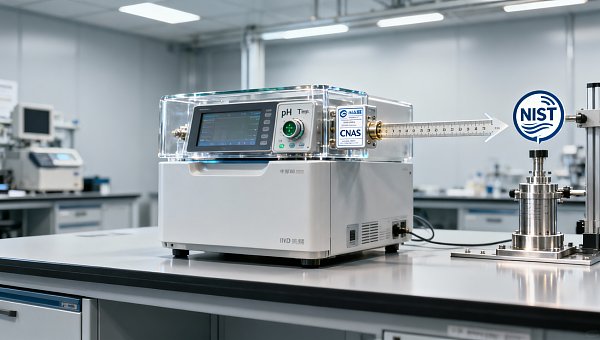
 FDA Updates IVD Import Guidance: CNAS Calibration Chain RequiredFDA mandates CNAS calibration chain with NIST traceability for IVD instruments from China—act now to avoid U.S. import rejection starting July 1, 2026.
 IEC TC65 Releases Cybersecurity Validation Guidance for Industrial InstrumentsIEC TC65 releases cybersecurity validation guidance for industrial instruments—key for exporters, OEMs & integrators targeting EU/NA markets. Act now.
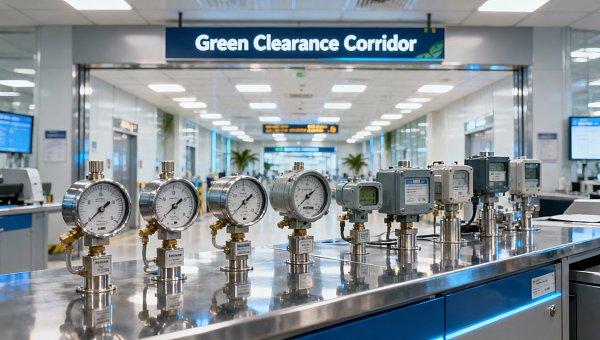
 ASEAN Green Corridor for Measuring Instruments Fully LaunchedASEAN Green Corridor for Measuring Instruments is live—unlock 3.8-hour customs clearance for CNAS-calibrated instruments across all 10 ASEAN nations. Act now!
 PTB Opens Direct VDA/ISO 17025 Report Portal for CNAS LabsPTB opens direct VDA/ISO 17025 report portal for CNAS labs — enabling dual-compliant calibration reports in <72h. Boost automotive audit readiness now!
 Vietnam Enforces Dual CNAS + Vietnamese Language Requirement for Industrial InstrumentsVietnam enforces dual CNAS + Vietnamese language requirement for industrial instruments (HS 9026/9027/9030) — avoid customs rejection. Act now!
 Red Sea Crisis Escalates: Gulf of Aden No-Sail Zone Extended to June 15, 2026Red Sea Crisis escalates: Gulf of Aden no-sail zone extended to June 15, 2026 — impacting industrial instrumentation trade, airfreight costs (+452%), and supply chain resilience between China and the Middle East.
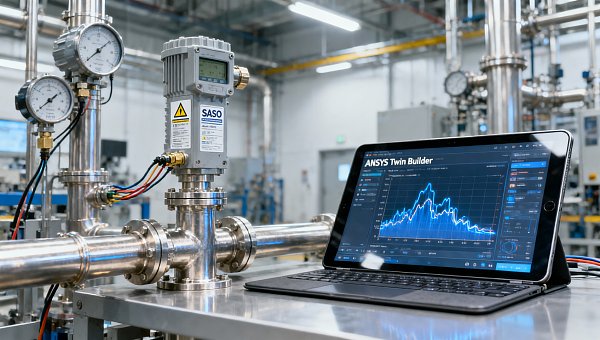
 SASO Mandates AI-Driven Energy Simulation for Industrial Transmitters from June 2026SASO mandates AI-driven energy simulation for industrial transmitters from June 2026 — ensure compliance with NAIEC-certified testing now to avoid delays & rejections.
 BIS Adds 3 High-Precision Process Calibrators to EAR Supplement No. 4BIS Adds 3 High-Precision Process Calibrators to EAR Supplement No. 4—urgent compliance insights for semiconductor, nuclear, and calibration service providers operating with China.
 EU PEF Carbon Footprint Database Mandatory Integration CountdownEU PEF Carbon Footprint Database integration is mandatory for industrial instrument exporters by Jan 2027—act now to secure market access, customs clearance & B2B tenders.
 FDA Updates IVD Import Guidance: CNAS Calibration Traceability to NIST Required for Chinese ManufacturersFDA now requires CNAS calibration traceability to NIST for Chinese IVD manufacturers — critical for 510(k)/De Novo submissions. Act now to avoid RTA delays!
 ASEAN's Green Clearance Corridor Fully LaunchedGreen Clearance Corridor now live: CNAS calibration reports auto-verified for ASEAN customs clearance in under 4 hours — boost your China–ASEAN trade efficiency today!
 First Global Cybersecurity Verification Guide for Industrial Instruments ReleasedFirst global cybersecurity verification guide for industrial instruments launched—featuring a 5-level maturity model & standardized pentest library. Essential for exporters, OEMs, and critical infrastructure suppliers.
 SASO Shortens Energy Labeling for Industrial Transmitters to 7 Days, Adds AI Power Simulation RequirementSASO energy labeling for industrial transmitters now takes just 7 days — but requires AI power simulation. Learn how to comply fast and avoid delays.
 PTB Launches AI Calibration Cloud Platform 2.0PTB AI Calibration Cloud Platform 2.0 launches with CNAS-VDA 5/ISO/IEC 17025 dual-compliance reporting — streamline cross-border calibration for auto suppliers, labs & equipment makers.
 EU Mandates Carbon Footprint Labels on Industrial Instruments from 2027EU mandates carbon footprint labels on industrial instruments from 2027—key for pressure, temperature & flow meter exporters. Act now to ensure PEF compliance and market access.
 Red Sea Crisis Worsens: Gulf of Aden Ban Extends to 3 Weeks, Air Freight Premiums for Industrial Instruments Surge 420%Red Sea crisis deepens: Gulf of Aden ban hits 3 weeks, spiking air freight premiums for industrial instruments by 420%—urgent insights for exporters & EPC contractors.
 Vietnam Enforces CNAS + Vietnamese Dual Requirement for Industrial InstrumentsVietnam Enforces CNAS + Vietnamese Dual Requirement for Industrial Instruments: Key compliance update for exporters, labs & documentation teams ahead of June 2026.
 U.S. BIS Adds 5 High-Precision Pressure/Flow Calibration Sources to EAR ListU.S. BIS adds 5 high-precision pressure/flow calibration sources to EAR list — critical for exporters, instrument makers & supply chain teams. Act now.
 IEC 61508-3:2026 Published: Functional Safety Certification UpgradedIEC 61508-3:2026 is live—discover what the upgraded functional safety certification means for your industrial software, AI diagnostics & global market access.
 FDA Updates IVD Import Guidance: CNAS Calibration Chain Required for China-Made DevicesFDA now requires CNAS calibration chain reports for China-made IVD analyzers—pH, ion & clinical chemistry devices entering via 510(k)/De Novo. Act now to avoid U.S. port rejections.
 EN 61000-6-4:2026 Enters Force: Stricter EMC Requirements for Industrial Field InstrumentsEN 61000-6-4:2026 enforces stricter EMC requirements for industrial field instruments—key for AI edge controllers, sensors & exporters. Act now to ensure CE-EMC compliance by Nov 2026.
 Global Methanol Electric Alliance Launches Cross-Border Energy Efficiency Recognition RoadmapGlobal Methanol Electric Alliance launches cross-border energy efficiency recognition roadmap—key for exporters, cal labs & methanol-instrument manufacturers.
 Red Sea Crisis Escalates: Air Freight Premiums for China–Middle East Industrial Instruments Hit 390%Red Sea Crisis hits industrial instruments: China–Middle East air freight premiums surge 390%. Act now to secure Q3 capacity, avoid delays & optimize LCL alternatives.
 IEC TC65 Mandates Cybersecurity Certification for Industrial Field Instruments from 2027IEC TC65 mandates cybersecurity certification for industrial field instruments by 2027 — pressure, flow & analytical devices must meet IEC 62443-4-2:2026 and display SL1–SL3 labels. Act now to ensure market access.
 SASO Cuts Energy Labeling Turnaround for Industrial Transmitters to 7 Working DaysSASO Energy Labeling now takes just 7 working days for industrial transmitters — faster market access, CNAS reports accepted. Act now!
 PTB Launches CalCloud 2.0 with Direct CNAS Lab IntegrationCalCloud 2.0 now integrates directly with CNAS labs—enabling automated VDA 5 & ISO/IEC 17025 dual-compliant calibration reports for automotive and industrial exporters. Boost compliance efficiency today!
 ASEAN's Green Clearance Corridor for CNAS Calibration Reports LaunchesASEAN's Green Clearance Corridor now verifies CNAS calibration reports via blockchain—cut customs clearance to <48h for flow meters, analyzers & more. Act now!
 Vietnam Mandates CNAS Calibration Certificates & Vietnamese Manuals for Industrial Meters from June 1, 2026CNAS calibration certificates & Vietnamese manuals now mandatory for industrial meters entering Vietnam from June 1, 2026—avoid customs delays and ensure seamless market access.
 U.S. BIS Tightens Export Controls on High-Precision Laser InterferometersU.S. BIS tightens export controls on high-precision laser interferometers—critical for semiconductor metrology & ISO/IEC 17025 calibration. Act now to ensure compliance.
 Paramagnetic Monitor Calibration Tips for Stable OutputParamagnetic monitor calibration tips for stable output: learn how to reduce drift, improve accuracy, cut downtime, and keep oxygen measurement reliable in demanding industrial applications.
 Paramagnetic Measurement in Low-Oxygen Process ControlParamagnetic measurement enables accurate low-oxygen process control with fast response and stable oxygen analysis. Learn how it improves safety, consistency, and system performance.



Search Categories
Search Categories
Latest Article
- First Global White Paper on Humanoid Robot Industrial Calibration ReleasedHumanoid robot industrial calibration: First global white paper released—key for sensor makers, integrators & metrology labs. Learn impact & action steps.Posted by:
- FDA Updates IVD Import Guidance: CNAS Calibration Chain RequiredFDA mandates CNAS calibration chain with NIST traceability for IVD instruments from China—act now to avoid U.S. import rejection starting July 1, 2026.Posted by:
- IEC TC65 Releases Cybersecurity Validation Guidance for Industrial InstrumentsIEC TC65 releases cybersecurity validation guidance for industrial instruments—key for exporters, OEMs & integrators targeting EU/NA markets. Act now.Posted by:
Please give us a message
