
Shelter Analyzer Import Rules in 2026


In 2026, understanding Shelter Analyzer import rules is essential for buyers, operators, and project leaders seeking compliant, cost-effective deployment of every shelter analyzer solution. Whether your application involves a combustion analyzer, gas concentration analyzer, oxygen measurement, emission analyzer, process gas analyzer, industrial analyzer, monitoring analyzer, analyzer shelter, or Multi Component Gas Analyzer, clear import planning helps reduce delays, control risk, and support reliable industrial performance.
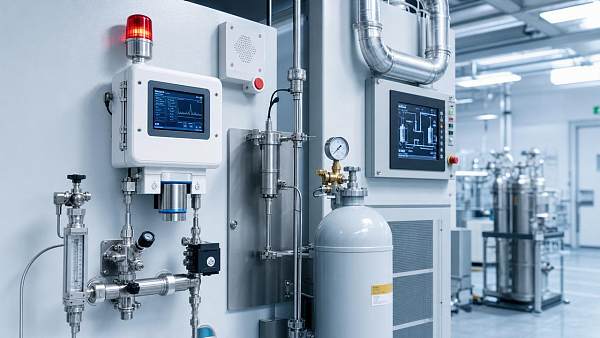
For instrumentation users across manufacturing, energy, environmental monitoring, laboratory systems, and automated process control, import rules are no longer a paperwork issue alone. They affect commissioning windows, spare-parts readiness, site safety, customs cost, data compliance, and the long-term availability of service support. A shelter analyzer package often combines enclosures, sampling systems, gas analyzers, control panels, HVAC, electrical parts, and communication modules, so import review must cover the full integrated system.
This guide is written for operators, procurement teams, project managers, quality and safety personnel, financial approvers, service engineers, and decision-makers who need a practical view of Shelter Analyzer import rules in 2026. The focus is on risk reduction, specification alignment, documentation control, and budget planning for industrial analyzer imports in real B2B environments.
Why Shelter Analyzer Import Rules Matter in 2026
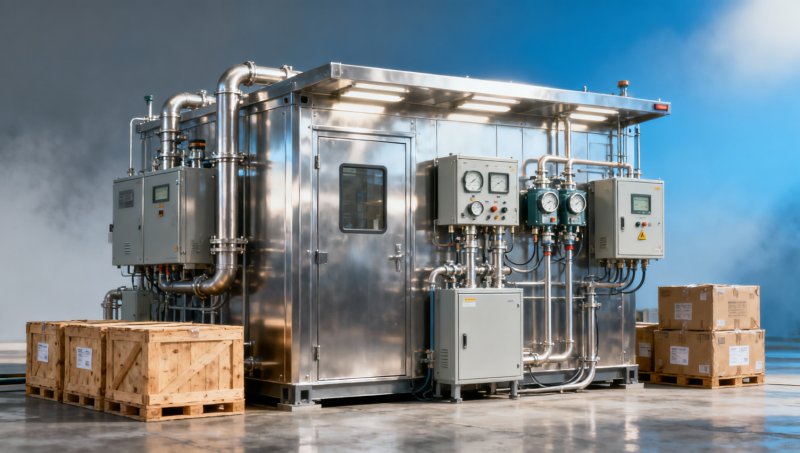
A shelter analyzer is usually imported as a system rather than a single device. In many projects, 1 package may include 6 to 20 major components, such as a process gas analyzer, sample conditioning unit, calibration manifold, PLC or DCS interface, air conditioner, lighting, fire and gas alarm inputs, and stainless-steel shelter body. If one item is misdeclared, the whole shipment can face a delay of 7 to 21 days.
In 2026, import scrutiny is expected to remain high for equipment used in emissions monitoring, hazardous-area installation, energy facilities, and continuous process industries. Buyers are increasingly asked to provide detailed packing lists, electrical ratings, country of origin details, gross and net weight, enclosure materials, and intended application. For analyzer shelter projects, incomplete technical files can increase inspection frequency and raise storage or demurrage costs.
For finance and procurement teams, the impact is measurable. A customs delay of even 10 days can affect crane booking, cable installation, civil readiness, SAT scheduling, and subcontractor mobilization. In capital projects, this may push a commissioning sequence by 2 to 4 weeks, especially when the shelter analyzer is tied to utility connections, stack monitoring points, or process startup permits.
For operators and maintenance staff, import rules also influence future serviceability. If spare sensors, sample pumps, filters, and calibration accessories are not clearly listed or split correctly between the main shipment and spare-parts shipment, post-installation uptime can be compromised. In continuous operations, even a 24-hour analyzer outage can disrupt compliance reporting or process optimization.
Main business risks linked to import non-compliance
- Incorrect product classification for an industrial analyzer shelter that includes both mechanical and electrical systems.
- Missing technical documentation for hazardous-area suitability, power supply range, or gas-path safety design.
- Undeclared accessories such as calibration gas regulators, tubing kits, internal cabinets, or communication gateways.
- Mismatch between commercial invoice, packing list, and nameplate data, which often triggers secondary inspection.
- Failure to plan import taxes, inland transport, lifting points, and site-entry dimensions for shelters above 2.4 m width or several tons in weight.
Typical project impact by stakeholder
Operators need stable analyzer performance from day 1, but performance depends on complete delivery, correct preservation, and proper startup conditions. Procurement teams need predictable lead times and landed cost. Decision-makers need risk visibility before approval. Quality and safety teams need evidence that the imported shelter analyzer matches plant rules on electrical protection, ventilation, and gas handling.
Key Documents and Technical Data Required for Import Clearance
Most successful shelter analyzer imports depend on disciplined document control. In practical terms, there are usually 8 to 12 critical files to check before shipment. These include the commercial invoice, packing list, technical datasheet, general arrangement drawing, electrical schematic, bill of materials, certificate pack where applicable, and preservation or handling instructions.
Because a shelter analyzer may combine a combustion analyzer, oxygen measurement module, emission analyzer, and HVAC or purge functions, customs and site inspectors often need a clearer equipment breakdown than for a single laboratory instrument. The documentation should state whether the system is for continuous monitoring, process control, environmental compliance, or plant safety support.
One common mistake is using broad descriptions such as “analyzer equipment” or “monitoring system” only. A better approach is to identify the system by function and major content, for example: analyzer shelter with process gas analyzer, sample conditioning system, control cabinet, and auxiliary environmental control devices. This reduces ambiguity and supports more accurate classification.
Technical data should also cover input voltage, frequency, gas type, operating temperature range, enclosure material, calibration requirements, and communication protocol. For many industrial projects, a practical minimum data set includes 10 to 15 line items per major subsystem. That level of detail helps procurement, customs brokers, site engineers, and QA teams work from the same reference.
Core documents to prepare before shipment
The table below summarizes the documents most often reviewed during shelter analyzer import planning and why they matter to different project roles.
The key takeaway is that import readiness is built from engineering detail. When document sets are aligned before shipment, project teams typically reduce rework at customs, improve unloading preparation, and shorten site acceptance time by several days. This is especially important when analyzer startup must happen within 48 to 72 hours after placement on site.
Documentation review checklist
- Confirm that the shelter analyzer description is consistent across invoice, packing list, and datasheets.
- Verify power supply details such as 110V, 220V, 380V, 50Hz, or 60Hz, depending on project design.
- Check whether gases, calibration accessories, and consumables are listed separately where needed.
- Match dimensions and weight to lifting and transport capacity, especially above 3 tons or oversized freight.
- Review environmental design limits such as 5°C to 40°C indoor operation or wider outdoor shelter ranges.
How to Classify and Specify Different Shelter Analyzer Configurations
Not every shelter analyzer import follows the same path. A compact gas concentration analyzer shelter for a wastewater plant may have a very different component profile from an emission analyzer shelter used in a power or combustion process. The more precisely the configuration is defined at sourcing stage, the easier it becomes to manage customs declarations, insurance coverage, and installation planning.
In practical procurement, project teams should split the imported package into 3 layers: the shelter body, the analyzer process package, and the electrical or automation package. This structure helps users compare vendors more clearly and helps finance teams understand where value is concentrated. For many projects, the analyzer core can represent 35% to 55% of total package value, while the shelter and utility systems account for the balance.
Specification also matters because service life and import compliance are connected. A shelter designed for corrosive outdoor conditions, desert heat, or coastal humidity may require additional sealing, coating, internal air handling, or material upgrades. If those are not stated in procurement documents, the imported unit may technically clear customs but still fail site reliability targets within 6 to 18 months.
For project owners, it is useful to define analyzer shelter scope by application: continuous emissions monitoring, oxygen measurement in combustion, process gas analysis in petrochemical lines, industrial online monitoring, or multi-component gas analysis for blending and quality control. Each application changes the expected sample system, response time, calibration frequency, and internal safety arrangement.
Configuration comparison for import planning
The following comparison helps procurement and engineering teams map analyzer shelter configuration to import complexity and project preparation needs.
The higher the integration level, the greater the need for exact parts listing and pre-shipment verification. In many complex imports, a 1-page commercial description is not enough. Teams often need a bill of materials with 20 to 50 entries to avoid disputes over package completeness after arrival.
Specification points that should never be left vague
- Analyzer principle and gas range, such as oxygen 0 to 25% or multi-component process streams with defined channels.
- Shelter dimensions, empty weight, and operating weight after analyzer installation.
- Power distribution details, heater or HVAC load, and communication interface requirements.
- Sample gas conditions including temperature, pressure, dust or moisture characteristics.
- Scope split between main system, commissioning tools, and 2-year recommended consumables.
Procurement, Cost Control, and Delivery Planning
For buyers and financial approvers, Shelter Analyzer import rules directly shape total landed cost. The headline equipment price is only one part of the budget. Additional cost categories typically include freight, customs clearance, local handling, inland transport, insurance, temporary storage, installation readiness, and spare parts. In many imported analyzer shelter projects, these indirect items can add 8% to 20% over ex-works equipment value, depending on route and complexity.
Lead time planning is equally important. A standard integrated analyzer shelter may require 8 to 16 weeks for manufacturing, followed by 1 to 5 weeks for transport and customs processing depending on mode and destination. If the project has a fixed shutdown window or plant startup date, procurement should set backward milestones for drawing approval, document freeze, FAT scheduling, shipment release, and site readiness.
Many projects lose time because delivery terms are discussed too late. Procurement should clarify at least 4 issues early: who handles export packing, who books freight, who is responsible for customs brokerage, and whether the shipment will be split into main unit plus spare-parts lot. This matters because shelter analyzers often include fragile or service-sensitive components that should not remain in uncontrolled storage for long periods.
From a finance perspective, it is useful to evaluate the import package by operational value, not only acquisition cost. A lower-cost analyzer shelter with poor spares planning, limited document quality, or long service lead times can create higher lifetime cost within the first 12 months. This is especially true when the analyzer affects emissions reporting, production quality, or safety monitoring.
Procurement decision factors for 2026
The table below helps procurement, finance, and project management teams review key buying factors before issuing a purchase order.
The most effective procurement strategy is to treat import, installation, and operation as one chain. When purchase teams align technical scope, logistics timing, and service coverage in a single review, the shelter analyzer arrives with fewer surprises and better cost predictability.
A practical 5-step import planning sequence
- Lock the technical scope and confirm the full bill of materials.
- Review import documents 2 to 3 weeks before shipment release.
- Confirm freight mode, unloading equipment, and delivery route limits.
- Prepare site utilities, foundations, cable entries, and gas connections before arrival.
- Coordinate commissioning personnel, calibration gas, and acceptance checklist within the first week after delivery.
Installation Readiness, Compliance Risks, and After-Sales Support
Even when customs clearance is complete, a shelter analyzer project is not truly successful until the system is installed, commissioned, and operating within performance expectations. Site readiness should be checked at least 7 to 14 days before delivery. That includes civil base levelness, power availability, grounding, network connection, sample line routing, drain arrangements, and local safety approvals.
Quality and safety teams should pay close attention to three risk groups: transport damage, utility mismatch, and preservation failure. For example, if a monitoring analyzer shelter remains unpowered in a humid environment for too long, electronics, optics, tubing, and filters may be affected. If startup is delayed beyond the preservation period specified by the supplier, inspection and replacement of sensitive parts may be necessary.
Operators and maintenance teams should also request a practical handover package rather than a document archive only. A useful package includes startup steps, calibration frequency, spare-parts list, alarm logic summary, recommended inspection intervals, and contact flow for service escalation. In many plants, a 3-level maintenance plan works best: daily visual checks, monthly functional checks, and quarterly or semiannual calibration review depending on application.
After-sales planning is part of import planning because replacement components may also face lead times. Filters, sample pumps, analyzer cells, valves, and fans should be assessed based on expected duty cycle. For heavily used industrial analyzer shelters, some consumables may require replacement every 3 to 12 months. Project owners who delay this planning often face avoidable downtime during the first operating year.
Common compliance and startup mistakes
- Receiving the shelter analyzer without matching shipment contents against the packing list on day 1.
- Installing the unit before confirming power frequency, cable size, and grounding resistance requirements.
- Skipping pre-start leak checks, purge checks, or HVAC functional checks inside the shelter.
- Starting process gas analysis before calibration gas, regulator fittings, and baseline verification are ready.
- Assuming the main equipment shipment includes all startup consumables and special tools.
FAQ for buyers and project teams
How long does a typical shelter analyzer import project take?
A common project window is 10 to 20 weeks from order release to site arrival, depending on complexity, manufacturing queue, and transport route. Complex Multi Component Gas Analyzer shelters or emission analyzer systems may require more engineering review and longer FAT preparation.
What should procurement focus on most?
The top priorities are complete scope definition, document accuracy, landed cost visibility, and spare-parts planning. If only one area can be strengthened early, choose the technical bill of materials review. That single step often prevents both customs confusion and site installation gaps.
Which teams need to be involved before shipment?
At minimum, involve procurement, engineering, logistics, QA or safety, finance approval, and the future operating or maintenance team. A 6-party review is more efficient than resolving missing items after arrival, especially for analyzer shelters tied to production startup.
How can users reduce downtime after import?
Prepare startup spares, calibration gas, utility connections, and service contacts before the shelter reaches site. For critical applications, keeping 6 to 12 months of key consumables on hand is often more cost-effective than waiting for emergency replenishment.
Shelter Analyzer import rules in 2026 require more than customs awareness. They demand coordination across engineering, procurement, logistics, finance, quality, operations, and maintenance. When teams define the analyzer shelter scope clearly, prepare the right documents, verify configuration details, and plan service support early, they reduce delay risk and improve commissioning success.
If you are evaluating a combustion analyzer, gas concentration analyzer, oxygen measurement system, emission analyzer, process gas analyzer, industrial analyzer, monitoring analyzer, analyzer shelter, or Multi Component Gas Analyzer for import, a structured review can save weeks in delivery time and prevent avoidable operating cost. Contact us now to discuss your application, get a tailored import-ready analyzer solution, or request more details on configuration, documentation, and project support.
Recommended for You
 C2H5OH Concentration Analyzer: Key Checks Before Import OrdersC2H5OH concentration analyzer import guide: check specs, calibration, compliance, and supplier support before ordering to reduce risk and choose the right analyzer with confidence.
 2026 Market Trends for C4H10 Concentration Analyzers in Process IndustriesC4H10 concentration analyzer market trends for 2026: discover how smarter, connected analyzers help process industries improve safety, compliance, uptime, and ROI.
 Common Safety Gaps When Using a C6H6 Concentration AnalyzerC6H6 concentration analyzer safety gaps can distort readings and delay hazard response. Learn the most common risks, practical fixes, and smarter deployment tips across industrial, lab, and environmental use.
 C7H8 Concentration Analyzer Price Trends in 2026: What Shapes CostC7H8 concentration analyzer price trends in 2026 depend on sensors, compliance, calibration, integration, and service. See what really shapes total cost before you approve a budget.
 How to Choose a C8H10 Concentration Analyzer for Stable VOC MonitoringC8H10 concentration analyzer selection guide for stable VOC monitoring. Learn how to compare performance, technology, drift, and application fit for reliable results.
 Guangdong Launches 3-Year Service Trade Plan to Boost Instrument Exports via AI and HarmonyOSGuangdong's 3-year service trade plan boosts instrument exports via AI optimization & HarmonyOS—key for ASEAN/Latin America market access. Act now.
 China-Pakistan MOU Opens Faster Certification Path for Instruments in South AsiaChina-Pakistan MOU accelerates instrument certification in South Asia—faster CCC acceptance, mutual lab recognition & Islamabad testing hub for pressure gauges, flow meters, environmental monitors.
 Gold Futures Surge 1.1%; Overseas Orders for Precious Metals Analyzers Rise 35%Gold futures surge 1.1% — driving 35% rise in overseas orders for precious metals analyzers like XRF & ICP-MS. Discover key market impacts & compliance insights.
 《中华人民共和国矿产资源法实施条例》6月15日施行,矿产分析仪出口标准升级矿产分析仪出口标准升级!《中华人民共和国矿产资源法实施条例》6月15日正式施行,助力企业合规出海、抢占全球矿产检测新机遇。
 特朗普称美伊‘基本谈成’霍尔木兹通航协议,能源监测设备出口波动预警Energy monitoring equipment export volatility warning amid Trump’s 'nearly finalized' US-Iran Strait of Hormuz navigation deal—key insights for exporters and energy sector stakeholders.
,国产存储测试设备订单窗口打开") 长鑫科技科创板IPO上会(5月27日),国产存储测试设备订单窗口打开Changxin Technology's STAR Market IPO on May 27 opens a key window for domestic memory testing equipment orders—discover growth opportunities now!
长鑫科技科创板IPO上会(5月27日),国产存储测试设备订单窗口打开Changxin Technology's STAR Market IPO on May 27 opens a key window for domestic memory testing equipment orders—discover growth opportunities now! 墨西哥拟对中国轻型车及零部件加征关税至50%,车载检测设备出口承压Mexican tariff hike to 50% on Chinese light vehicles & parts pressures exports of automotive testing equipment—key insights and mitigation strategies.
 美SEC紧急叫停‘代币化美股’计划,全球AI算力设备出口融资环境趋稳AI算力设备出口融资环境趋稳!美SEC紧急叫停‘代币化美股’计划,释放监管明确信号,利好全球合规科技投融资布局。速看深度解析。
 EU Industrial Accelerator Act Enforces 70% Local Sourcing for InstrumentsEU Industrial Accelerator Act enforces 70% local sourcing for instruments—key implications for exporters, suppliers & integrators. Act now.
 China Imposes Full Export Ban on Dual-Use Items to Japanese Military End UsersChina's dual-use export ban to Japanese military users takes effect Jan 6, 2026—impacting rare earth, semiconductor & precision manufacturing supply chains. Act now.
 Where C3H8 Concentration Analyzers Fit in 2026 Industrial Emissions MonitoringC3H8 concentration analyzer solutions are reshaping 2026 industrial emissions monitoring with better compliance, safer propane control, and smarter efficiency insights. Learn where they fit.
 B2H6 Concentration Analyzer Import and Export Updates for 2026 Compliance PlanningB2H6 concentration analyzer import and export updates for 2026: explore compliance risks, documentation priorities, and planning tips to reduce delays and support smarter cross-border decisions.
 GeH4 Concentration Analyzer Safety Risks and Detection Limits in Semiconductor UseGeH4 concentration analyzer safety risks, alarm strategy, and detection limits for semiconductor use. Learn how to reduce exposure risk, improve process stability, and choose the right monitoring solution.
 C2H4 Concentration Analyzer Price Trends in 2026: What Is Driving Cost ChangesC2H4 concentration analyzer price trends in 2026 explained: discover key cost drivers, procurement risks, and smart buying tips to balance budget, compliance, and long-term value.
 How to Compare C2H2 Concentration Analyzer Accuracy in Industrial Gas MonitoringC2H2 concentration analyzer accuracy matters beyond the datasheet. Learn how to compare drift, calibration, interference, and field reliability for safer industrial gas monitoring.
![]() SiH4 Concentration Analyzer Import Rules to Watch in 2026SiH4 concentration analyzer import rules are tightening in 2026. Learn the key documents, compliance checks, and procurement tips to avoid delays and speed project delivery.
SiH4 Concentration Analyzer Import Rules to Watch in 2026SiH4 concentration analyzer import rules are tightening in 2026. Learn the key documents, compliance checks, and procurement tips to avoid delays and speed project delivery. HF Concentration Analyzer Demand Shifts Across Key IndustriesHF concentration analyzer demand is shifting across chemical, refining, environmental, and advanced manufacturing sectors—learn what drives safer control, compliance, and precision upgrades.
 Common HCN Concentration Analyzer Mistakes in Daily OperationHCN concentration analyzer daily mistakes can quietly damage accuracy and uptime. Learn common errors, practical checks, and smart operating tips to improve reliability.
 PH3 Concentration Analyzer Price Trends in 2026PH3 concentration analyzer price trends in 2026 reveal what really drives cost, compliance, and performance. Explore key buying factors to compare quotes smarter and reduce total ownership risk.
 How to Choose an AsH3 Concentration Analyzer for Trace Gas SafetyAsH3 concentration analyzer selection starts with the right application context. Learn how to compare response, interference, integration, and lifecycle fit for safer trace gas monitoring.
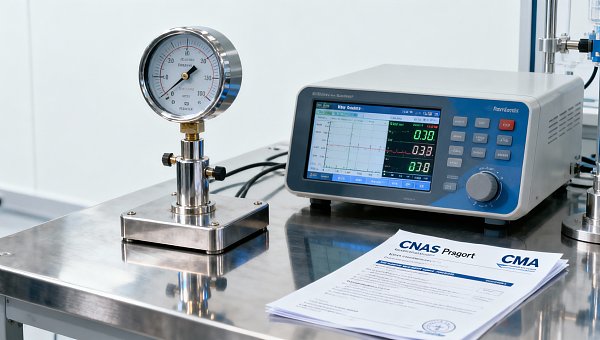
 Released") China's Business Environment Report (2026) ReleasedChina's Business Environment Report (2026) reveals 92% digital CMA/CNAS coverage—cutting export test report time to 15 days. Boost CE, UKCA & UL certification for pressure gauges, thermostats & analyzers.
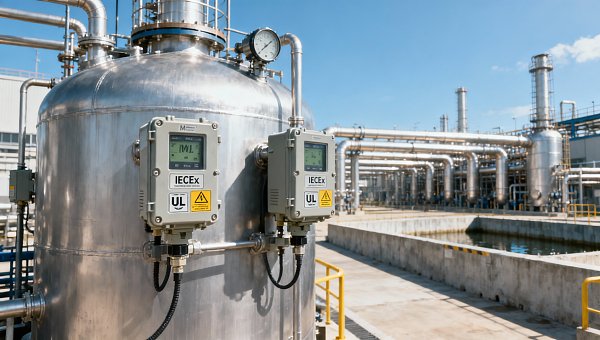
China's Business Environment Report (2026) ReleasedChina's Business Environment Report (2026) reveals 92% digital CMA/CNAS coverage—cutting export test report time to 15 days. Boost CE, UKCA & UL certification for pressure gauges, thermostats & analyzers. US MMA Tank Incident Triggers Regional Safety UpgradesUS MMA tank incident sparks urgent demand for VOCs monitoring, toxic gas modeling & intrinsically safe transmitters across LATAM and SEA.
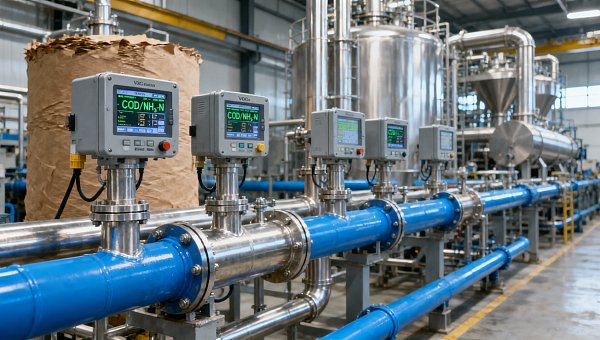
 NDRC Expands Energy-Saving and Carbon-Reduction Oversight to Dyeing, Chemical Fibers, and PapermakingNDRC expands energy-saving & carbon-reduction oversight to dyeing, chemical fibers, and papermaking—boosting demand for COD/NH₃-N analyzers, VOCs monitors, and CEMS systems.
 MIIT Sets 2026 Energy-Saving Inspection Targets for High-Energy ChemicalsMIIT Sets 2026 Energy-Saving Inspection Targets for High-Energy Chemicals—urgent demand surges for certified pH meters, gas analyzers & explosion-proof controllers.
 MOFCOM: FDI in China Down 10.3% Jan–Apr 2026, but Manufacturing Up 12.1%FDI in China fell 10.3% Jan–Apr 2026—but manufacturing FDI surged 12.1%, led by high-tech sectors. Discover what this means for precision metrology, sensors & calibration providers.
 PBOC Conducts 600-Billion-Yuan MLF Operation, Boosting RMB Stability for Testing Equipment ExportsPBOC's 600-billion-yuan MLF operation boosts RMB stability—key for NDT equipment exporters using LC/DA terms. Reduce FX risk, optimize hedging & improve cash flow planning now.
 EU Steel Strategy Upgrade: CBAM Expansion to Machinery & InstrumentsEU Steel Strategy Upgrade expands CBAM to machinery & instruments (HS 84/90) — LCA data mandatory from 1 July 2026. Act now to avoid delays & ensure compliance.








Search Categories
Search Categories
Latest Article
- C2H5OH Concentration Analyzer: Key Checks Before Import OrdersC2H5OH concentration analyzer import guide: check specs, calibration, compliance, and supplier support before ordering to reduce risk and choose the right analyzer with confidence.Posted by:
- 2026 Market Trends for C4H10 Concentration Analyzers in Process IndustriesC4H10 concentration analyzer market trends for 2026: discover how smarter, connected analyzers help process industries improve safety, compliance, uptime, and ROI.Posted by:
- Common Safety Gaps When Using a C6H6 Concentration AnalyzerC6H6 concentration analyzer safety gaps can distort readings and delay hazard response. Learn the most common risks, practical fixes, and smarter deployment tips across industrial, lab, and environmental use.Posted by:
Please give us a message
