
Common HCN Concentration Analyzer Mistakes in Daily Operation


Daily operation errors can quietly reduce the accuracy, stability, and service life of an HCN concentration analyzer. For operators in industrial and monitoring environments, even small mistakes in calibration, sampling, maintenance, or parameter settings may lead to unreliable readings and unnecessary downtime. Understanding these common issues is the first step toward safer operation, better measurement performance, and more consistent analytical results.
Why do daily mistakes happen so often with an HCN concentration analyzer?
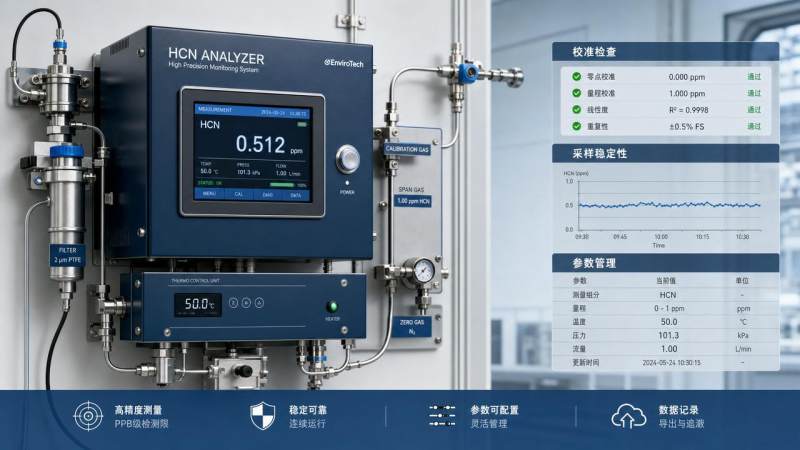
An HCN concentration analyzer is rarely used in a simple environment. Operators may face fluctuating process loads, humid sample gas, dust, corrosive compounds, temperature swings, and tight reporting deadlines. In such conditions, small deviations in daily operation can quickly turn into measurement bias.
This is especially true across the broader instrumentation industry, where analytical equipment supports industrial manufacturing, power generation, environmental monitoring, laboratories, and automated control systems. The analyzer is not working alone. It is part of a larger chain of sampling, transmission, conditioning, control, and data interpretation.
Most daily mistakes come from one of three sources:
- The operator assumes the analyzer reading reflects the true gas concentration without checking the sampling path, response delay, or zero drift.
- Maintenance routines are performed on schedule, but not according to actual process conditions such as moisture load, particulate level, or corrosive exposure.
- Parameter settings are copied from another installation, even though line length, sample pressure, ambient temperature, and alarm logic are different.
For operators, the practical lesson is clear: the HCN concentration analyzer should be treated as a system, not just a display unit. Stable readings depend on correct operation of the complete analytical loop.
Which daily operation mistakes cause the biggest measurement errors?
Some mistakes are more damaging than others. The following table summarizes high-impact errors seen in daily use of an HCN concentration analyzer and the likely consequences for operators.
The main pattern is that many errors do not create immediate instrument failure. Instead, they create believable but wrong data. That is often more dangerous than a complete shutdown because operators may continue to trust the displayed value.
Mistake 1: treating calibration as a box-ticking task
Calibration should confirm both instrument response and system integrity. If the zero gas path leaks, if the span gas regulator is unstable, or if tubing materials adsorb reactive compounds, the HCN concentration analyzer may pass a routine check while still performing poorly under real process gas.
Operators should verify not only the calibration result, but also the time needed to stabilize, the repeatability of the response, and the difference between consecutive checks.
Mistake 2: overlooking sampling system condition
In many installations, the sample handling system causes more trouble than the analyzer core. Filters clog gradually. Heated lines lose temperature control. Pumps weaken. Water traps fill. Each issue changes the sample reaching the analyzer.
For reactive gases such as HCN, sample path design and daily inspection are essential. Even a well-designed analyzer cannot compensate for poor sample preservation.
Mistake 3: assuming one operating routine fits all shifts
Morning startup, high-load production, wet weather, shutdown purge, and maintenance restart all create different analyzer conditions. Operators need shift-based checklists rather than a single generic routine.
How should operators check sampling, calibration, and settings step by step?
A disciplined routine is the most effective way to reduce HCN concentration analyzer errors. The checklist below is practical for operators who need reliable readings without creating unnecessary downtime.
- Inspect the sample inlet area for blockage, corrosion, loose fittings, and signs of condensate before trusting any displayed concentration.
- Confirm sample flow, line temperature, and pump condition. A stable analyzer reading is meaningless if transport conditions are unstable.
- Run zero verification at the planned interval and compare the current result with the previous maintenance record rather than checking it in isolation.
- Perform span verification using clean connections and appropriate regulator practice. Wait for true stabilization instead of rushing to accept early values.
- Review key parameters such as output scaling, alarm thresholds, averaging time, compensation settings, and communication status after any service action.
- Record what changed, who changed it, and why. Good logs reduce troubleshooting time and improve cross-shift continuity.
In modern instrumentation environments, this routine supports more than analyzer health. It protects process control quality, environmental reporting integrity, and data reliability for digital monitoring systems.
What parameters deserve the closest attention during daily operation?
Operators often focus only on the displayed HCN value. That is too narrow. A dependable HCN concentration analyzer should be judged through supporting parameters that reveal whether the reading can be trusted.
These parameters help operators distinguish between true process changes and analyzer-related artifacts. In many plants, that distinction prevents unnecessary process intervention and avoids false alarms in central control systems.
How do operating environments change the risk profile?
The same HCN concentration analyzer may behave differently depending on where it is installed. Industrial manufacturing, environmental monitoring stations, pilot plants, and laboratory support areas each create different operating risks.
Industrial process lines
Here, dust loading, vibration, process surges, and high humidity often dominate. Operators should prioritize sampling robustness, preventive filter replacement, and verification after process transitions.
Environmental monitoring applications
Data traceability and consistency are usually more important than immediate control action. That means stronger focus on documented checks, trend review, and alarm setting discipline.
Laboratory and test platforms
Frequent configuration changes increase the chance of tubing mix-ups, incorrect flow paths, and undocumented parameter edits. Operators should use labeling and verification steps before each test cycle.
Across all these scenarios, the instrumentation industry brings a major advantage: integrated measurement, calibration, monitoring, and control know-how. Operators benefit most when analyzer operation is aligned with the broader measurement system rather than treated as a standalone task.
What should users look for when selecting or upgrading an HCN concentration analyzer?
Sometimes repeated operating mistakes are not caused by poor discipline alone. They are also a sign that the current analyzer or sampling arrangement is not well matched to the application. Selection and upgrade decisions should therefore focus on usability as well as analytical performance.
The table below helps operators and buyers evaluate an HCN concentration analyzer from a daily use perspective, not just from a catalog perspective.
A suitable analyzer reduces operator burden. Clear diagnostics, stable sample handling, and maintainable hardware often save more cost over time than a lower purchase price with higher operating risk.
Common misconceptions and FAQ about HCN concentration analyzer operation
Operators often search for quick answers when readings become unstable. The questions below address recurring misconceptions that affect daily HCN concentration analyzer use.
Does a stable reading always mean the analyzer is working correctly?
No. A stable reading can still be wrong if the sample flow is restricted, the baseline has drifted, or HCN is being lost in the sampling path. Stability is useful, but it must be checked together with zero behavior, response time, and sampling conditions.
Can calibration frequency be reduced if the process seems unchanged?
Only if trend data, risk assessment, and site practice support that decision. In harsh environments, unchanged process conditions do not guarantee unchanged analyzer conditions. Filters, seals, tubing, and detectors still age.
Is the analyzer itself usually the main cause of bad data?
Not always. In many real applications, the sampling and conditioning system is the larger source of error. Operators should inspect the full path from sampling point to measurement cell before concluding that the analyzer core has failed.
What should be documented after each maintenance or calibration action?
At minimum, record date, operator name, zero result, span result, stabilization time, replaced parts, parameter changes, alarm behavior, and any unusual observations. This information helps identify gradual decline before it becomes a production or compliance issue.
Why choose us for HCN concentration analyzer support and next-step planning?
If your team is dealing with unstable readings, slow response, difficult maintenance, or uncertainty about analyzer configuration, it helps to review the full measurement chain instead of replacing parts one by one. In the instrumentation field, real improvement comes from matching the analyzer, sampling system, calibration routine, and control interface to the application.
We can support practical discussions around:
- Parameter confirmation for your HCN concentration analyzer, including sample conditions, response expectations, and output requirements.
- Product selection guidance based on installation environment, maintenance capacity, and integration with existing monitoring or automation systems.
- Delivery cycle discussion for analyzer units, spare parts, and routine consumables needed to reduce downtime risk.
- Custom solution planning for sample conditioning, heated lines, flow arrangement, and operator-friendly maintenance layout.
- General consultation on documentation, calibration workflow, and applicable compliance or reporting expectations in industrial and monitoring projects.
- Quotation communication and sample support discussions when you are comparing upgrade options or preparing a new project.
If you are reviewing a current problem or preparing a new installation, contact us with your process medium, expected concentration range, site conditions, and integration needs. That makes it easier to recommend a practical HCN concentration analyzer solution with fewer daily mistakes and better long-term operating stability.
Recommended for You
![]() SiH4 Concentration Analyzer Import Rules to Watch in 2026SiH4 concentration analyzer import rules are tightening in 2026. Learn the key documents, compliance checks, and procurement tips to avoid delays and speed project delivery.
SiH4 Concentration Analyzer Import Rules to Watch in 2026SiH4 concentration analyzer import rules are tightening in 2026. Learn the key documents, compliance checks, and procurement tips to avoid delays and speed project delivery. HF Concentration Analyzer Demand Shifts Across Key IndustriesHF concentration analyzer demand is shifting across chemical, refining, environmental, and advanced manufacturing sectors—learn what drives safer control, compliance, and precision upgrades.
 Common HCN Concentration Analyzer Mistakes in Daily OperationHCN concentration analyzer daily mistakes can quietly damage accuracy and uptime. Learn common errors, practical checks, and smart operating tips to improve reliability.
 PH3 Concentration Analyzer Price Trends in 2026PH3 concentration analyzer price trends in 2026 reveal what really drives cost, compliance, and performance. Explore key buying factors to compare quotes smarter and reduce total ownership risk.
 How to Choose an AsH3 Concentration Analyzer for Trace Gas SafetyAsH3 concentration analyzer selection starts with the right application context. Learn how to compare response, interference, integration, and lifecycle fit for safer trace gas monitoring.
 Released") China's Business Environment Report (2026) ReleasedChina's Business Environment Report (2026) reveals 92% digital CMA/CNAS coverage—cutting export test report time to 15 days. Boost CE, UKCA & UL certification for pressure gauges, thermostats & analyzers.
China's Business Environment Report (2026) ReleasedChina's Business Environment Report (2026) reveals 92% digital CMA/CNAS coverage—cutting export test report time to 15 days. Boost CE, UKCA & UL certification for pressure gauges, thermostats & analyzers. US MMA Tank Incident Triggers Regional Safety UpgradesUS MMA tank incident sparks urgent demand for VOCs monitoring, toxic gas modeling & intrinsically safe transmitters across LATAM and SEA.
 NDRC Expands Energy-Saving and Carbon-Reduction Oversight to Dyeing, Chemical Fibers, and PapermakingNDRC expands energy-saving & carbon-reduction oversight to dyeing, chemical fibers, and papermaking—boosting demand for COD/NH₃-N analyzers, VOCs monitors, and CEMS systems.
 MIIT Sets 2026 Energy-Saving Inspection Targets for High-Energy ChemicalsMIIT Sets 2026 Energy-Saving Inspection Targets for High-Energy Chemicals—urgent demand surges for certified pH meters, gas analyzers & explosion-proof controllers.
 MOFCOM: FDI in China Down 10.3% Jan–Apr 2026, but Manufacturing Up 12.1%FDI in China fell 10.3% Jan–Apr 2026—but manufacturing FDI surged 12.1%, led by high-tech sectors. Discover what this means for precision metrology, sensors & calibration providers.
 PBOC Conducts 600-Billion-Yuan MLF Operation, Boosting RMB Stability for Testing Equipment ExportsPBOC's 600-billion-yuan MLF operation boosts RMB stability—key for NDT equipment exporters using LC/DA terms. Reduce FX risk, optimize hedging & improve cash flow planning now.
 EU Steel Strategy Upgrade: CBAM Expansion to Machinery & InstrumentsEU Steel Strategy Upgrade expands CBAM to machinery & instruments (HS 84/90) — LCA data mandatory from 1 July 2026. Act now to avoid delays & ensure compliance.
 Global EV Energy Consumption Standard to Take Effect Oct 1, 2026Global EV Energy Consumption Standard (GTR No. 22) takes effect Oct 1, 2026 — learn how it reshapes battery testing, certification & supply chains worldwide.
 WTO Report Shows Strong Global Trade, Easing Export Pressure for Industrial Monitoring DevicesIndustrial monitoring devices exporters benefit as WTO reports 4.2% global trade growth—easing export pressure, improving delivery predictability & cash flow.
 South Korea MFDS Revises Food Contact Materials StandardsSouth Korea MFDS revises food contact materials standards: new nickel/chromium migration limits & NIAS verification—critical for lab instrument exporters and compliance providers.
 Brazil to Eliminate Import Duties on Cross-Border E-Commerce Orders Under USD 50Brazil to eliminate import duties on cross-border e-commerce orders under USD 50—key for portable testing instruments exporters targeting Mercado Livre & DIY buyers.
 New AI Agent Guidelines Impact Smart Inspection Device ExportsAI Agent Guidelines impact smart inspection device exports—learn how new China AI safety rules affect EU, US & Middle East market access.
 UPS Freight Rates Increase Effective May 17, 2026UPS freight rates increase effective May 17, 2026—impact FOB pricing for industrial monitoring equipment exporters. Act now to optimize packaging, revise quotes, and secure margins.
 新修订《海商法》施行:卸货港无人提货责任转向托运人,检测设备出口交期风控升级New Maritime Code shifts unclaimed cargo liability to shippers at discharge ports—critical for testing equipment exporters managing delivery timelines and compliance risk.
 China Imposes Zero Tariffs on Lab Analyzers for 20 African NationsChina's zero tariffs on lab analyzers for 20 African nations boost export competitiveness—pH meters, spectrophotometers & more now duty-free from May 2026.
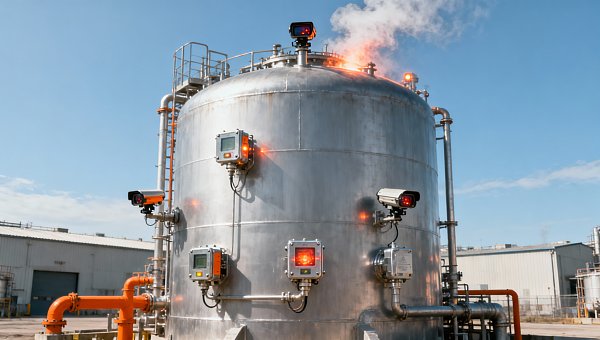
 CA Toxic Chemical Tank Overheating Sparks Explosion Risk, Monitoring Equipment Orders SurgeGas leak detectors, remote temperature warning systems & explosion-proof thermal imagers surge in demand after CA toxic tank overheating incident.
 EU REACH Adds DBDPE to SVHC List, Impacting Brominated Flame Retardant Testing for Export EquipmentDBDPE added to EU REACH SVHC list—impact on brominated flame retardant testing for industrial instruments, sensors & export compliance. Act now.
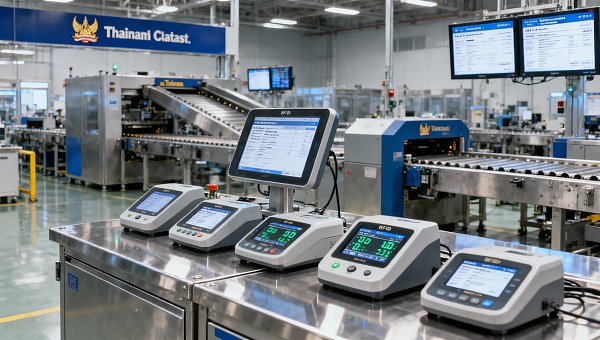
 Thailand Customs Digital Reform Spurs RFID Equipment DemandRFID equipment demand surges in Thailand as Customs digital reform mandates e-labeling, real-time parcel tracking & API compliance—act now to meet TISI specs and platform rules.
 Lazada Thailand Cuts Import Duties on 528 CategoriesLazada Thailand cuts import duties on 528 categories — including wired headphones & notebooks — lowering costs for Chinese exporters and Thai SMEs via LGS.
 US Delays 400 Tomahawk Missiles to Japan Amid Iran Inventory ReplenishmentTomahawk missiles delay to Japan sparks urgent demand for alternative guidance, navigation & secure comms suppliers—key opportunity for export-ready defense electronics firms.
 What to Check Before Importing an F2 Concentration Analyzer in 2026F2 concentration analyzer import guide for 2026: learn what to check on compliance, performance, integration, lifecycle cost, and supplier support before you buy.
 SF6 Concentration Analyzer Market Trends for Power and Gas Applications in 2026SF6 concentration analyzer market trends for 2026: explore accuracy, digital integration, emissions control, and buying tips for power and gas applications.
 Common HCl Concentration Analyzer Mistakes That Lead to Unstable ReadingsHCl concentration analyzer unstable readings? Discover the most common installation, calibration, sampling, and maintenance mistakes—and the practical fixes that improve accuracy fast.
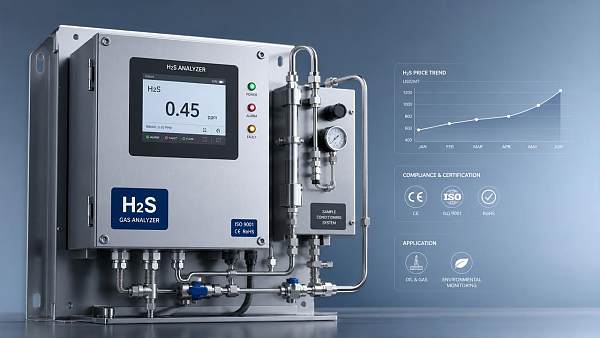
 H2S Concentration Analyzer Price Trends: What’s Driving Costs in 2026H2S concentration analyzer price trends in 2026: discover what drives costs, from sensor technology and compliance to materials and digital features, and make smarter buying decisions.
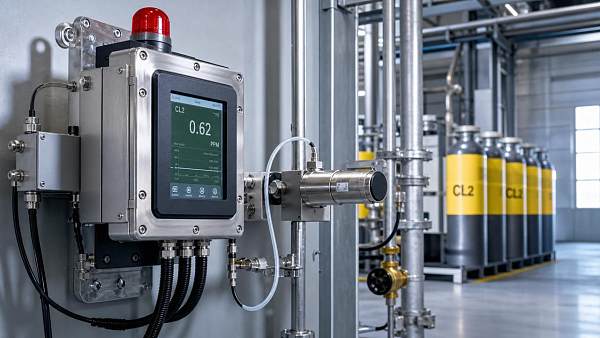
 How to Choose a Cl2 Concentration Analyzer for Process Safety in 2026Cl2 concentration analyzer selection in 2026 starts with process safety. Learn how to match scenarios, improve reliability, avoid costly mistakes, and choose with confidence.
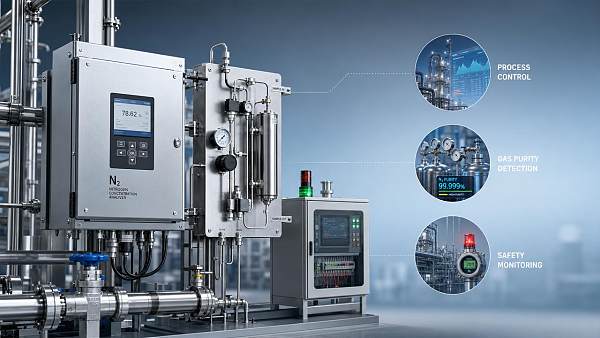
 N2 Concentration Analyzer Cost Factors for Bulk Industrial ProcurementN2 concentration analyzer cost depends on more than unit price. Compare process, purity, and safety applications with total cost logic to source smarter and reduce lifecycle risk.
 Oxygen Concentration Analyzer vs Sensor Systems: Which Fits Continuous UseOxygen concentration analyzer or sensor system? Compare stability, drift, maintenance, and uptime for continuous use to choose the most reliable fit for your process.

Search Categories
Search Categories
Latest Article
- SiH4 Concentration Analyzer Import Rules to Watch in 2026SiH4 concentration analyzer import rules are tightening in 2026. Learn the key documents, compliance checks, and procurement tips to avoid delays and speed project delivery.Posted by:
- HF Concentration Analyzer Demand Shifts Across Key IndustriesHF concentration analyzer demand is shifting across chemical, refining, environmental, and advanced manufacturing sectors—learn what drives safer control, compliance, and precision upgrades.Posted by:
- Common HCN Concentration Analyzer Mistakes in Daily OperationHCN concentration analyzer daily mistakes can quietly damage accuracy and uptime. Learn common errors, practical checks, and smart operating tips to improve reliability.Posted by:
Please give us a message
