
Oxygen Concentration Analyzer vs Sensor Systems: Which Fits Continuous Use


When operations depend on stable oxygen monitoring, choosing between an oxygen concentration analyzer and sensor-based systems directly affects accuracy, maintenance load, and uptime. For most continuous-use industrial applications, the better choice depends on how demanding the environment is, how critical the measurement is, and how much drift, downtime, and manual intervention your process can tolerate.
In simple terms, a standalone oxygen sensor system often works well for basic monitoring with lower cost and easier installation. An oxygen concentration analyzer is usually the stronger fit for continuous use when you need higher stability, better diagnostics, stronger resistance to process variation, and more dependable long-term performance.
For operators and end users, the decision is rarely about specifications alone. It is about whether the device will stay accurate during long shifts, recover quickly after disturbances, and remain manageable under real maintenance conditions. This article compares both options from the perspective of daily use, not just catalog performance.
What operators usually want to know first: which option is better for continuous use?
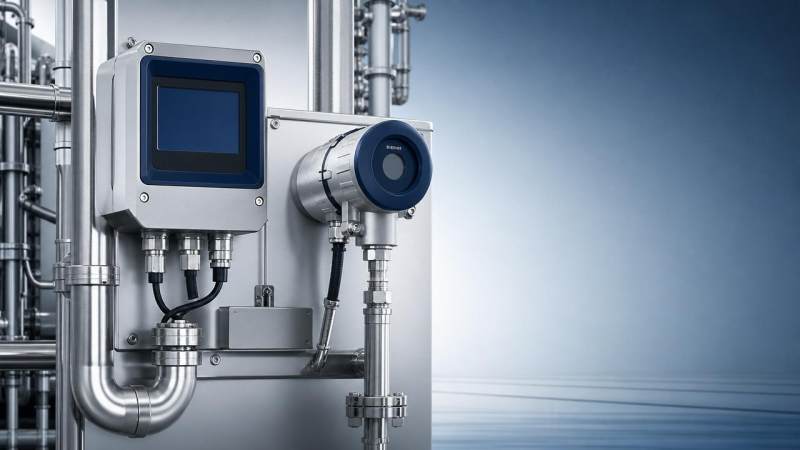
If your process runs continuously and oxygen data influences product quality, combustion efficiency, safety, emissions, or process control, an oxygen concentration analyzer is often the safer long-term choice. It is generally designed for stable operation, structured calibration routines, and stronger measurement confidence over time.
Sensor systems can still be the right answer, especially in less demanding applications. They are commonly selected when installation space is limited, budget is tight, or the measurement is used more for trend indication than for high-stakes control decisions.
The key difference is not simply analyzer versus sensor. It is whether the complete system can maintain trustworthy readings under your actual operating conditions. That includes temperature swings, dust, moisture, pressure changes, vibration, sample contamination, and the maintenance skill level available on site.
Understanding the practical difference between an oxygen concentration analyzer and a sensor system
An oxygen concentration analyzer is usually a more complete measurement solution. It often includes the sensing element, signal conditioning, compensation functions, diagnostics, calibration support, and sometimes sample handling components. Its purpose is not only to detect oxygen but to deliver a stable analytical result over time.
A sensor system is often simpler and more compact. In many cases, it centers on the oxygen sensing element itself, paired with a transmitter, controller, or integration module. This design can be efficient and affordable, but it may rely more heavily on surrounding system quality and regular operator attention.
That difference matters in continuous operation. A complete analyzer is typically better equipped to manage drift, process interference, and quality assurance. A basic sensor setup may perform well at first, but long-term reliability depends more on operating conditions, maintenance discipline, and correct integration.
Where continuous operation creates the biggest challenges
Continuous oxygen monitoring sounds straightforward until the process starts exposing the weaknesses of the instrument. In real plants, instruments face contamination, thermal cycling, unstable sampling, condensate formation, and changing gas composition. These conditions often separate acceptable equipment from truly dependable equipment.
Operators usually notice continuous-use problems in practical ways. Readings may respond too slowly, require frequent recalibration, drift between maintenance intervals, or disagree with reference tests. In some cases, false alarms or unstable control loops appear, even though the instrument still seems functional.
These problems matter because oxygen values are often used for more than display. They may affect burner adjustment, inerting control, fermentation conditions, gas blending, emissions compliance, heat treatment, or laboratory validation. A small error sustained over many hours can lead to waste, rework, or process risk.
This is why continuous use should be evaluated as an operational issue, not only as an instrument selection exercise. The best solution is the one that remains accurate enough, for long enough, with maintenance your team can actually support.
Why analyzers often perform better in demanding industrial environments
An oxygen concentration analyzer usually has advantages where process conditions are variable or harsh. Better compensation, built-in diagnostics, and more robust calibration control can help maintain confidence in the reading. For operators, that often translates into fewer surprises and more predictable maintenance planning.
Another strength is system-level design. Many analyzers are engineered with sample conditioning, temperature management, or interference reduction in mind. That matters because oxygen measurement quality is heavily influenced by what happens before the signal reaches the display or control system.
Analyzers also tend to support traceability better. In regulated or quality-sensitive applications, operators may need calibration records, status alarms, fault indicators, and clearer maintenance history. These features make it easier to prove that the measurement is not only available, but trustworthy.
For round-the-clock operation, this can be more valuable than a lower initial purchase price. If the instrument helps reduce drift, unplanned shutdowns, and troubleshooting time, its overall value becomes clearer over the full operating cycle.
When a sensor-based system is the smarter choice
Not every application needs a full analyzer. A sensor-based system can be a practical, efficient solution when the gas conditions are relatively clean, the oxygen range is stable, and the measurement does not require very high analytical certainty. In these cases, simplicity becomes a real advantage.
Operators may prefer sensor systems when they need fast deployment, easy replacement, and lower upfront cost. For utility spaces, simple safety checks, auxiliary process monitoring, or trend observation, a sensor setup may deliver enough performance without the complexity of a larger analyzer package.
There is also a maintenance advantage in some environments. If the sensor is easy to swap and the downtime cost is low, replacement may be more practical than advanced servicing. This is especially true where the process is straightforward and the instrument is not exposed to severe contamination or interference.
The important point is not to underrate sensor systems. They can be highly effective within their intended operating window. Problems arise only when a simple sensor solution is expected to deliver analyzer-level stability in conditions that exceed its design limits.
Questions operators should ask before choosing either option
The first question is how critical the oxygen value is to the process. If the reading drives automatic control, product acceptance, fuel efficiency, or safety logic, then stability and diagnostic confidence should carry more weight than low initial cost. In such cases, an oxygen concentration analyzer is often justified.
The second question is how hostile the environment is. Consider dust, oil, condensate, corrosive gas, vibration, ambient heat, and pressure variation. Even a good sensor can struggle when installation conditions are poor. The harsher the environment, the more a robust analyzer design tends to pay off.
Third, ask how often maintenance can realistically be performed. If your team cannot recalibrate frequently, clean lines regularly, or verify drift often, then a low-maintenance analyzer may be a better operational fit. If routine replacement is easy and acceptable, a sensor system may work well.
Fourth, look at total downtime risk. A cheaper device is not truly cheaper if it creates repeated process interruptions, false troubleshooting work, or product inconsistency. Operators usually feel this cost before it appears in formal budgeting.
Comparing both options by the issues users face every day
On installation, sensor systems often win for simplicity. They are usually smaller, quicker to mount, and easier to wire into existing control infrastructure. An analyzer may require more planning, especially if sampling lines, shelters, or conditioning units are involved.
On long-term stability, analyzers often have the edge. They are generally better suited for applications where oxygen measurement must remain consistent across long production cycles, changing ambient conditions, or variable process loads.
On maintenance, the answer depends on what kind of work your team prefers. Sensor systems may be easier to replace, but may need more frequent attention. Analyzers may be more complex, but often reduce routine intervention when correctly specified and installed.
On troubleshooting, analyzers frequently offer better visibility. Diagnostic alarms, status indicators, and calibration tools can help operators identify whether the issue is the sensor, the sample path, the process, or the electronics. Simpler systems may offer fewer clues, making fault isolation slower.
On lifecycle cost, the winner depends on application severity. In light-duty use, sensor systems can be very economical. In heavy-duty continuous use, analyzers often become more cost-effective because they protect uptime and reduce quality-related losses.
Common selection mistakes that lead to poor continuous-use performance
One frequent mistake is buying based mainly on measurement range and price. That ignores sample quality, process interference, and maintenance reality. A device that matches the range on paper may still fail in continuous operation if the environment is not suitable.
Another mistake is underestimating the importance of calibration and verification. Even a high-quality oxygen concentration analyzer will not perform well if gas standards, procedures, or intervals are poorly managed. Good instrument selection must be paired with workable operating practice.
A third mistake is assuming all sensor technologies behave the same way. Different oxygen sensing principles respond differently to temperature, humidity, contamination, and aging. Operators should understand not only the product label, but also the practical behavior of the sensing method used.
Finally, many teams overlook serviceability. If an instrument is difficult to access, hard to clean, or installed without adequate isolation and bypass arrangements, maintenance quality will suffer. Continuous performance depends as much on installation design as on the instrument itself.
How to decide which system fits your site
If your oxygen reading is critical, your process runs continuously, and the environment is challenging, choose an oxygen concentration analyzer designed for industrial duty. This is usually the better path for reliable monitoring, dependable control input, and lower long-term operational risk.
If your application is simpler, cleaner, and less sensitive to small drift or occasional replacement, a sensor-based system may be the smarter and more efficient choice. It can reduce upfront cost and simplify deployment while still meeting practical monitoring needs.
A useful decision rule is this: the more expensive a bad oxygen reading becomes, the more value there is in a complete analyzer solution. The less critical the reading and the easier the maintenance, the more attractive a sensor system becomes.
Before purchase, ask suppliers for real guidance on maintenance interval, calibration needs, expected drift behavior, environmental limitations, and fault diagnostics. For continuous use, these details matter more than broad claims about accuracy alone.
Conclusion
For continuous-use applications, the choice between an oxygen concentration analyzer and a sensor system should be based on operating reality, not just specification sheets. Operators need a solution that stays reliable through long runs, changing conditions, and normal maintenance constraints.
In most demanding industrial scenarios, an oxygen concentration analyzer offers stronger long-term value because it supports stability, diagnostics, and confidence in the reading. In lighter-duty or less critical applications, a sensor system can still be an excellent fit if its limits are understood clearly.
The best decision comes from matching the instrument to process risk, maintenance capability, and the true cost of inaccurate oxygen data. When that match is correct, continuous monitoring becomes easier to trust, easier to manage, and more useful to daily operations.
Recommended for You
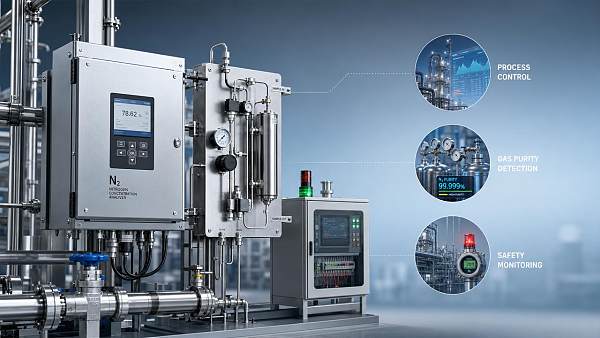
 N2 Concentration Analyzer Cost Factors for Bulk Industrial ProcurementN2 concentration analyzer cost depends on more than unit price. Compare process, purity, and safety applications with total cost logic to source smarter and reduce lifecycle risk.
 Oxygen Concentration Analyzer vs Sensor Systems: Which Fits Continuous UseOxygen concentration analyzer or sensor system? Compare stability, drift, maintenance, and uptime for continuous use to choose the most reliable fit for your process.
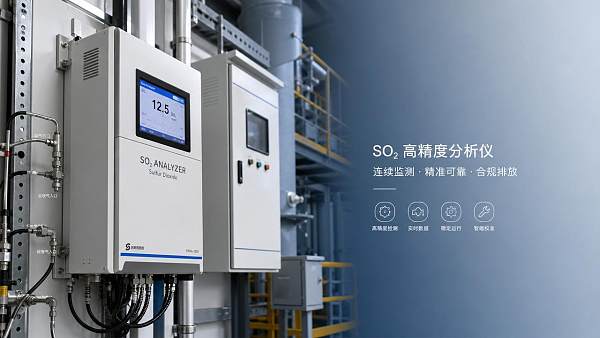
 SO2 Concentration Analyzer News: Compliance Demands Reshaping Product SpecsSO2 concentration analyzer trends are shifting with stricter compliance rules. Learn how new specs, data integrity, and uptime demands are reshaping smarter buying decisions.
 He Concentration Analyzer Maintenance Tips for Stable Long-Term ReadingsHe concentration analyzer maintenance tips for stable long-term readings. Learn how to reduce drift, improve calibration accuracy, cut downtime, and keep industrial systems reliable.
 CH4 Concentration Analyzer Selection Mistakes That Raise Operating RiskCH4 concentration analyzer selection mistakes can raise safety, compliance, and maintenance risk. Learn how to choose the right analyzer for reliable performance and lower lifecycle cost.
 CO Concentration Analyzer Import Rules to Watch in 2026CO concentration analyzer import rules for 2026: learn the key customs, certification, labeling, and compliance checks to reduce risk, avoid delays, and source with confidence.
 NH3 Concentration Analyzer Market Trends for Industrial Process Control in 2026NH3 concentration analyzer market trends in 2026: explore technologies, industrial applications, selection tips, and how smarter monitoring improves compliance, safety, and process control.
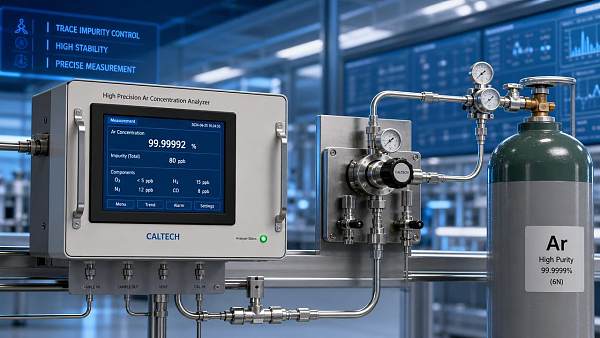
 Ar Concentration Analyzer Accuracy Issues in High-Purity Gas ApplicationsAr concentration analyzer accuracy issues can compromise high-purity gas quality, safety, and compliance. Learn the key causes, practical fixes, and how to improve reliable measurement performance.
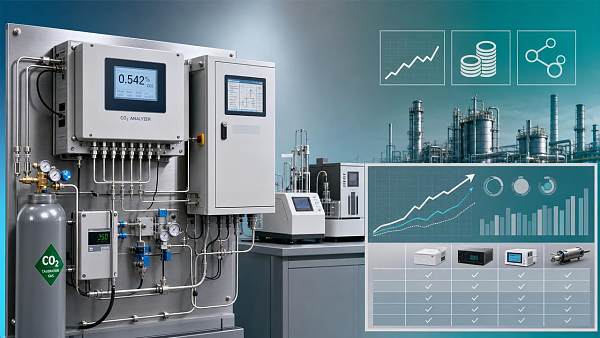
 CO2 Concentration Analyzer Price Trends in 2026: What Shapes Total CostCO2 concentration analyzer price trends in 2026 depend on technology, accuracy, calibration, compliance, and integration. Discover total cost drivers to compare quotes smarter and control lifecycle risk.
 How to Choose a NOX Concentration Analyzer for Low-Emission MonitoringNOX concentration analyzer selection for low-emission monitoring made easier. Learn how to compare accuracy, response time, compliance, and lifecycle cost before you buy.
 2026 Summit Highlights China's Smart Inspection Equipment as New Global Cooperation FocusSmart inspection equipment takes center stage at the 2026 Summit—unlocking new global cooperation, standards alignment, and market opportunities for exporters, OEMs, and tech suppliers.
 White House Warns Oil Shock May Fuel Core Inflation, Delaying Industrial Instrument ExportsWhite House warns oil shock may fuel core inflation—impacting industrial instrument exports. Discover how pressure, temperature & flow instrumentation exporters can mitigate delays and optimize trade finance workflows now.
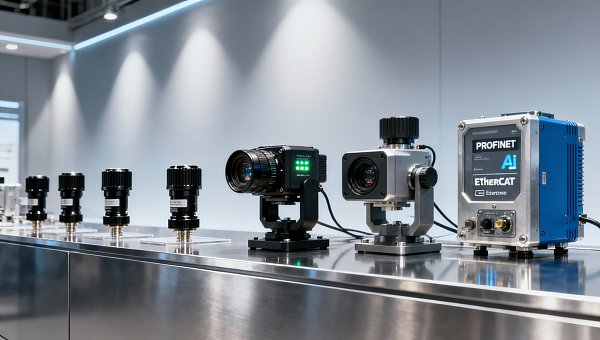
 New AI Agent Guidelines Impact Export of AI-Powered Testing EquipmentAI agent guidelines impact export of AI-powered testing equipment—learn how new China security & controllability rules affect global compliance, supply chains, and market access.
 Canton Fair Phase III Boosts Sensor & Energy Testing ExportsSensor & energy testing exports surge at Canton Fair Phase III—driven by global demand for new energy home appliances and smart furniture compliance solutions.
 UAE Announces $150B Energy Infrastructure InvestmentUAE's $150B energy infrastructure push drives demand for IP68/IP69K, ATEX/IECEx, and LPWAN-enabled industrial sensors — act now to align with ADNOC tenders.
 WTI Net Longs Surge, Boosting Demand for Lubricant Monitoring SystemsLubricant monitoring systems surge in demand as WTI net longs rise—real-time viscosity, moisture & oxidation tracking now critical for global manufacturers.
 Shanghai Pudong Launches E-Label Pilot for Imported CosmeticsShanghai Pudong’s e-label pilot for imported cosmetics drives global demand for RFID/NFC readers, traceability solutions & certified testing equipment—act now to comply and lead.
 G7 Prioritizes Critical Mineral Supply Chain SecurityCritical mineral supply chain security takes center stage at G7 Paris meeting—impacting industrial sensors, rare-earth magnets & global procurement strategies.
 US-China Talks Yield Breakthrough on Agricultural NTBs for Testing EquipmentUS-China talks break ground on agricultural NTBs—key win for makers of residue detection, mycotoxin & spectral testing equipment targeting USDA/FDA markets.
 Fruit Attraction 2026 Booth Bookings Exceed 90%Fruit Attraction 2026 booth bookings exceed 90% — a strong signal for food safety instrumentation, cold-chain monitoring & EU compliance solution providers to secure visibility and drive qualified leads.
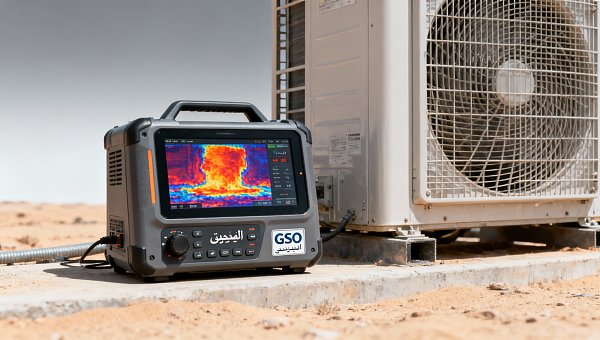
 Kuwait Bans HCFC Air Conditioners, Boosts IR Camera ExportsKuwait bans HCFC air conditioners—boosting demand for IR cameras, leak detectors & refrigerant analyzers. Discover GCC compliance insights and export opportunities.
 China's IC Exports Surge 78.3% in First Four Months of 2026China's IC exports surge 78.3% in early 2026 — driven by soaring global demand for AI chip test equipment, SMUs, and parametric analyzers. Discover the supply chain shift.
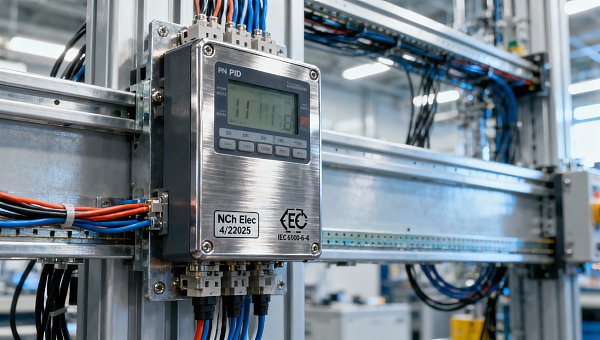
 Chile Enforces Mandatory INN Safety Certification for Industrial Temperature ControllersChile mandates INN safety certification (NCh Elec 4/2025) for industrial temperature controllers starting Aug 1, 2026—act now to avoid shipment delays & market bans.
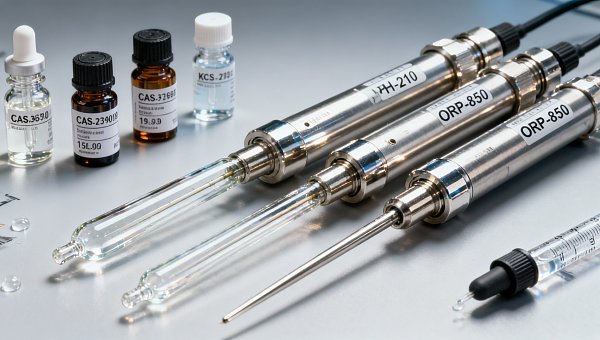
 K-REACH Supply-Shortage Exemption Launches for pH/ORP ElectrodesK-REACH Supply-Shortage Exemption now applies to pH/ORP electrodes—act before June 30, 2026 to avoid customs delays & penalties. Key for exporters & manufacturers.
 4th China International Supply Chain Expo to Focus on Smart Sensing & In-Process InspectionSmart Sensing & In-Process Inspection take center stage at the 4th China International Supply Chain Expo in Beijing, Nov 26–30, 2026 — discover next-gen inspection tech, AI vision modules, and calibrated sensing solutions for global industrial buyers.
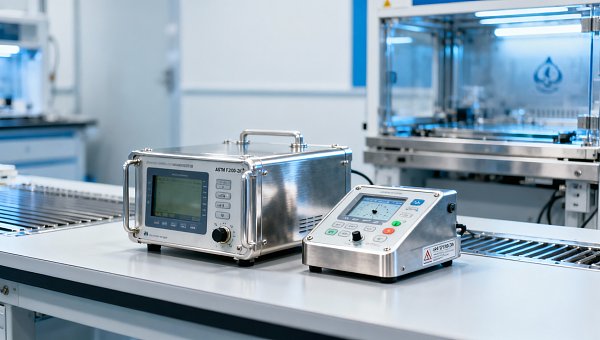
 ASTM F2100-26 Medical Mask Standard Takes Effect in USASTM F2100-26 medical mask standard is now in force—driving global demand for biosafety cabinets, particle counters & air velocity calibrators, especially China-made instruments.
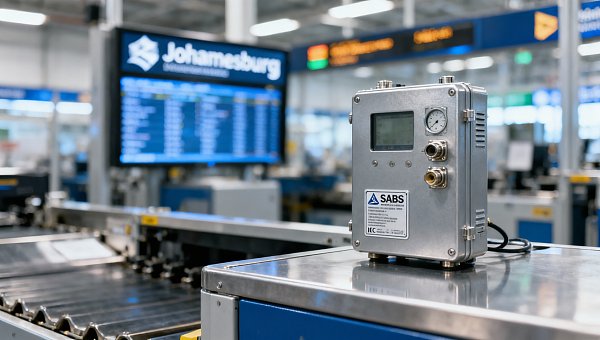
 South Africa Enforces SABS Certification for IoT Monitoring DevicesSABS certification now mandatory for IoT monitoring devices entering South Africa via e-commerce—act before 1 June 2026 to avoid customs rejection and ensure market access.
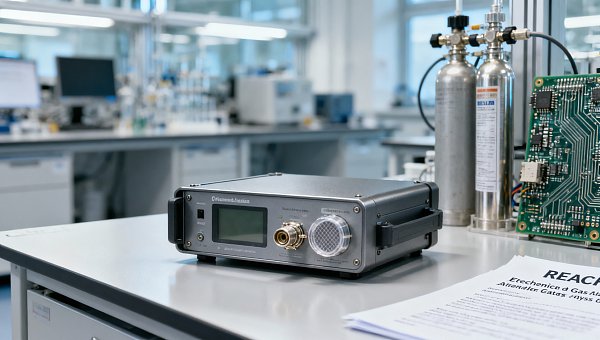
 EU REACH Adds Fluorinated Substances; SVHC Reporting Required for Gas AnalyzersEU REACH now restricts fluorinated substances in gas analyzers—SVHC reporting is mandatory by 30 Nov 2026. Ensure compliance for sensors, membranes & monitoring systems.
 Revised Maritime Code Takes Effect May 1, 2026: Shift in Unclaimed Cargo LiabilityRevised Maritime Code (2026): Shippers now liable for unclaimed cargo—critical for industrial instrument exporters, logistics providers & cross-border supply chains. Act now.
 China Imposes Zero Tariffs on Goods from All African Diplomatic Partners Starting May 1, 2026China’s zero-tariff policy for African instrumentation & automation exports starts May 1, 2026—boosting competitiveness in EPC tenders and market access for exporters.
 Import and Export Shifts in the PPM Gas Analyzer Marketppm gas analyzer market insights: discover how import tariffs, export controls, and compliance shifts impact cost, supply stability, and growth opportunities across key applications.
 Single Gas Analyzer Maintenance Issues That Raise DowntimeSingle gas analyzer maintenance issues can quietly increase downtime. Learn how to spot drift, calibration errors, and sample path faults early to improve uptime and field efficiency.

Search Categories
Search Categories
Latest Article
- N2 Concentration Analyzer Cost Factors for Bulk Industrial ProcurementN2 concentration analyzer cost depends on more than unit price. Compare process, purity, and safety applications with total cost logic to source smarter and reduce lifecycle risk.Posted by:
- Oxygen Concentration Analyzer vs Sensor Systems: Which Fits Continuous UseOxygen concentration analyzer or sensor system? Compare stability, drift, maintenance, and uptime for continuous use to choose the most reliable fit for your process.Posted by:
- SO2 Concentration Analyzer News: Compliance Demands Reshaping Product SpecsSO2 concentration analyzer trends are shifting with stricter compliance rules. Learn how new specs, data integrity, and uptime demands are reshaping smarter buying decisions.Posted by:
Please give us a message
