
US MMA Tank Incident Triggers Regional Safety Upgrades


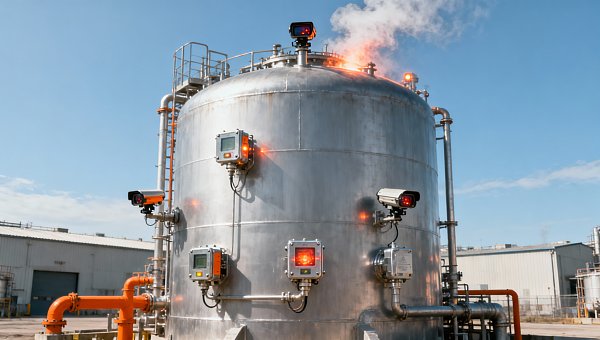
On May 22, 2026, a methyl methacrylate (MMA) storage tank cooling failure at the GKN Aerospace facility in Orange County, California, triggered an explosion risk and prompted the evacuation of 44,000 residents. The incident has rapidly catalyzed safety upgrades across chemical industrial parks in Mexico, Brazil, Indonesia, and Vietnam — drawing attention from VOCs monitoring equipment suppliers, toxic gas dispersion modeling service providers, and manufacturers of intrinsically safe transmitters.
Event Overview
On May 22, 2026, a cooling system failure occurred in an MMA storage tank at the GKN Aerospace plant in Orange County, California. The incident led to elevated thermal and pressure risks, prompting emergency evacuation of approximately 44,000 nearby residents. Public reports confirm that authorities activated regional emergency protocols; no fatalities or injuries were reported as of initial official updates. Regulatory agencies have initiated investigations into root causes, with focus on refrigeration integrity, process safety management compliance, and secondary containment performance.
Industries Affected by Segment
Direct Trade Enterprises
Exporters and distributors of hazardous materials monitoring equipment — especially those certified to IECEx or ATEX standards (e.g., Ex d/ia-rated devices) — are seeing accelerated procurement timelines in Latin America and Southeast Asia. The incident has shifted buyer priorities toward rapid-deployment systems with real-time alerting and cloud-based data integration capabilities.
Raw Material Procurement Entities
Chemical producers handling MMA or similar reactive monomers are reassessing their upstream supplier vetting criteria. There is emerging emphasis on vendor documentation of thermal stability testing, material compatibility certifications, and documented cooling redundancy design — not just product specification sheets.
Equipment Manufacturing Firms
Manufacturers of fixed gas detectors, portable VOC analyzers, and safety-rated pressure/temperature transmitters report increased inbound inquiries from regional EPC contractors. Demand is concentrated in devices with dual certification (e.g., UL/CSA and IECEx), multi-gas detection capability, and low-power wireless telemetry — particularly for brownfield retrofit applications.
Supply Chain Service Providers
Logistics and customs compliance firms supporting cross-border shipments of safety-critical instrumentation are observing tighter scrutiny on classification documentation (e.g., UN 3271 for MMA-related equipment), hazardous goods handling declarations, and country-specific conformity marking requirements (e.g., INMETRO in Brazil, SNI in Indonesia).
What Relevant Enterprises or Practitioners Should Focus On Now
Monitor official regulatory follow-ups in key markets
Track updates from Mexico’s STPS, Brazil’s ANVISA and INMETRO, Indonesia’s Kemenperin, and Vietnam’s Ministry of Industry and Trade — particularly any proposed amendments to Decree No. 113/2017/ND-CP (Vietnam) or revisions to NOM-025-STPS (Mexico) related to volatile organic compound storage safeguards.
Identify priority procurement categories and geographies
Focus on active tenders for VOC leak detection networks (LDAR), toxic gas plume modeling software licenses, and Ex d/ia-certified field instruments — especially those published since May 25, 2026, in industrial zones such as Querétaro (Mexico), Campinas (Brazil), Cikarang (Indonesia), and Bac Ninh (Vietnam).
Distinguish policy signals from operational implementation
While multiple jurisdictions have announced ‘immediate safety reviews’, actual budget allocations and tender awards remain limited to pilot zones. Prioritize engagement with local industrial park authorities rather than national-level ministries to assess near-term deployment feasibility.
Prepare technical documentation and logistics coordination in advance
Ensure updated IECEx/ATEX certificates, bilingual (English–local language) installation manuals, and pre-validated customs tariff codes are available for target markets — especially where new import inspection protocols for safety instrumentation are being piloted.
Editorial Perspective / Industry Observation
Observably, this incident functions less as an isolated operational failure and more as a regional catalyst exposing latent gaps in legacy monitoring infrastructure across emerging-market chemical clusters. Analysis shows that procurement urgency is currently driven by risk mitigation posturing rather than binding regulatory mandates — meaning timelines may compress further if parallel incidents occur elsewhere before Q3 2026. From an industry perspective, the shift reflects growing convergence between process safety maturity and digital instrumentation readiness: buyers now prioritize interoperability, remote diagnostics, and audit-trail functionality alongside intrinsic safety ratings. It is more accurate to interpret this as an early-stage signal — not yet a structural market shift — but one requiring close tracking due to its geographic breadth and cross-jurisdictional resonance.
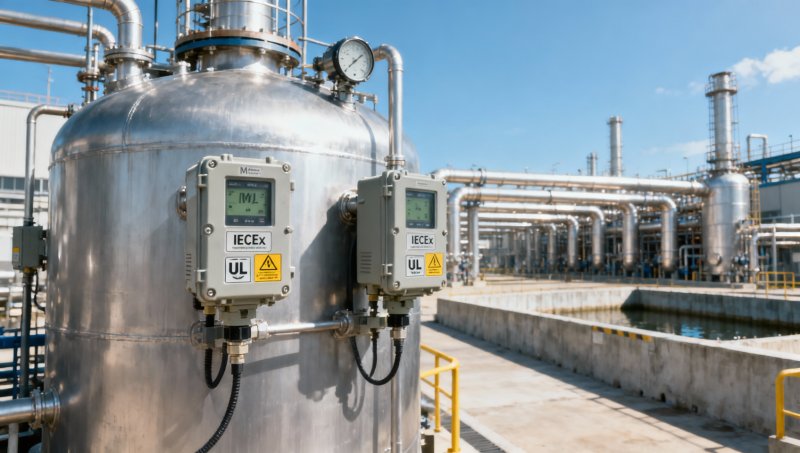
In summary, the California MMA incident is not merely a U.S.-centric safety event; it has become a reference point accelerating demand for certified, deployable hazardous substance monitoring solutions across Latin America and Southeast Asia. Its significance lies not in scale alone, but in how swiftly it has reshaped procurement priorities among industrial park operators and EPC contractors. Currently, it is best understood as a short-to-medium-term demand inflection tied to localized regulatory responsiveness — not a permanent expansion of global safety equipment markets.
Source Attribution: Official statements from Orange County Fire Authority (May 22–23, 2026); tender notices published via CompraNet (Mexico), Portal de Licitações (Brazil), LPSE (Indonesia), and e-Bidding Vietnam (May 25–28, 2026). Ongoing investigation status remains under review by U.S. Chemical Safety and Hazard Investigation Board (CSB); findings pending.
Recommended for You
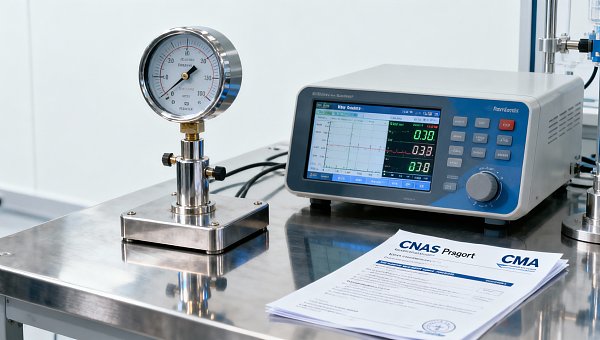
 Released") China's Business Environment Report (2026) ReleasedChina's Business Environment Report (2026) reveals 92% digital CMA/CNAS coverage—cutting export test report time to 15 days. Boost CE, UKCA & UL certification for pressure gauges, thermostats & analyzers.
China's Business Environment Report (2026) ReleasedChina's Business Environment Report (2026) reveals 92% digital CMA/CNAS coverage—cutting export test report time to 15 days. Boost CE, UKCA & UL certification for pressure gauges, thermostats & analyzers. US MMA Tank Incident Triggers Regional Safety UpgradesUS MMA tank incident sparks urgent demand for VOCs monitoring, toxic gas modeling & intrinsically safe transmitters across LATAM and SEA.
 NDRC Expands Energy-Saving and Carbon-Reduction Oversight to Dyeing, Chemical Fibers, and PapermakingNDRC expands energy-saving & carbon-reduction oversight to dyeing, chemical fibers, and papermaking—boosting demand for COD/NH₃-N analyzers, VOCs monitors, and CEMS systems.
 MIIT Sets 2026 Energy-Saving Inspection Targets for High-Energy ChemicalsMIIT Sets 2026 Energy-Saving Inspection Targets for High-Energy Chemicals—urgent demand surges for certified pH meters, gas analyzers & explosion-proof controllers.
 MOFCOM: FDI in China Down 10.3% Jan–Apr 2026, but Manufacturing Up 12.1%FDI in China fell 10.3% Jan–Apr 2026—but manufacturing FDI surged 12.1%, led by high-tech sectors. Discover what this means for precision metrology, sensors & calibration providers.
 PBOC Conducts 600-Billion-Yuan MLF Operation, Boosting RMB Stability for Testing Equipment ExportsPBOC's 600-billion-yuan MLF operation boosts RMB stability—key for NDT equipment exporters using LC/DA terms. Reduce FX risk, optimize hedging & improve cash flow planning now.
 EU Steel Strategy Upgrade: CBAM Expansion to Machinery & InstrumentsEU Steel Strategy Upgrade expands CBAM to machinery & instruments (HS 84/90) — LCA data mandatory from 1 July 2026. Act now to avoid delays & ensure compliance.
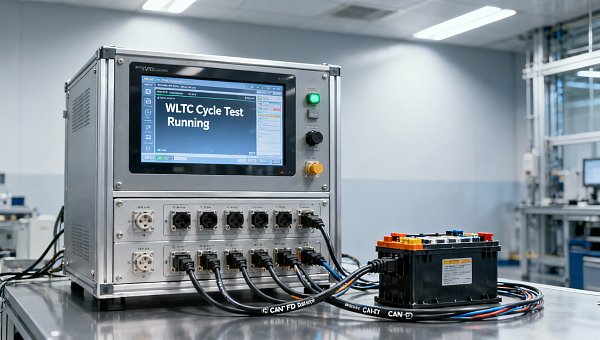
 Global EV Energy Consumption Standard to Take Effect Oct 1, 2026Global EV Energy Consumption Standard (GTR No. 22) takes effect Oct 1, 2026 — learn how it reshapes battery testing, certification & supply chains worldwide.
 WTO Report Shows Strong Global Trade, Easing Export Pressure for Industrial Monitoring DevicesIndustrial monitoring devices exporters benefit as WTO reports 4.2% global trade growth—easing export pressure, improving delivery predictability & cash flow.
 South Korea MFDS Revises Food Contact Materials StandardsSouth Korea MFDS revises food contact materials standards: new nickel/chromium migration limits & NIAS verification—critical for lab instrument exporters and compliance providers.
 Brazil to Eliminate Import Duties on Cross-Border E-Commerce Orders Under USD 50Brazil to eliminate import duties on cross-border e-commerce orders under USD 50—key for portable testing instruments exporters targeting Mercado Livre & DIY buyers.
 New AI Agent Guidelines Impact Smart Inspection Device ExportsAI Agent Guidelines impact smart inspection device exports—learn how new China AI safety rules affect EU, US & Middle East market access.
 UPS Freight Rates Increase Effective May 17, 2026UPS freight rates increase effective May 17, 2026—impact FOB pricing for industrial monitoring equipment exporters. Act now to optimize packaging, revise quotes, and secure margins.
 新修订《海商法》施行:卸货港无人提货责任转向托运人,检测设备出口交期风控升级New Maritime Code shifts unclaimed cargo liability to shippers at discharge ports—critical for testing equipment exporters managing delivery timelines and compliance risk.
 China Imposes Zero Tariffs on Lab Analyzers for 20 African NationsChina's zero tariffs on lab analyzers for 20 African nations boost export competitiveness—pH meters, spectrophotometers & more now duty-free from May 2026.
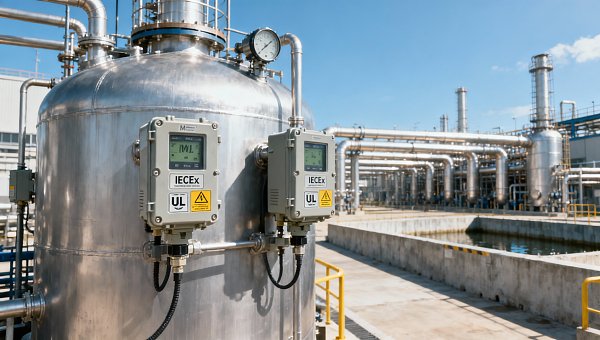
 CA Toxic Chemical Tank Overheating Sparks Explosion Risk, Monitoring Equipment Orders SurgeGas leak detectors, remote temperature warning systems & explosion-proof thermal imagers surge in demand after CA toxic tank overheating incident.
 EU REACH Adds DBDPE to SVHC List, Impacting Brominated Flame Retardant Testing for Export EquipmentDBDPE added to EU REACH SVHC list—impact on brominated flame retardant testing for industrial instruments, sensors & export compliance. Act now.
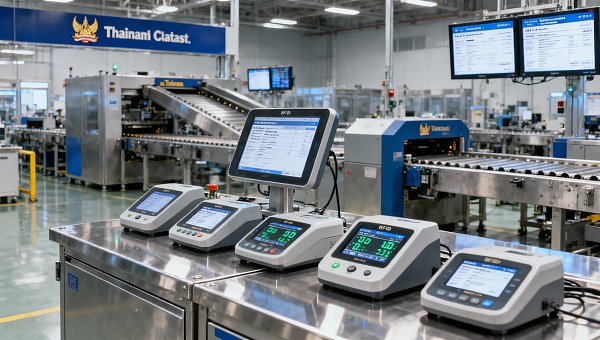
 Thailand Customs Digital Reform Spurs RFID Equipment DemandRFID equipment demand surges in Thailand as Customs digital reform mandates e-labeling, real-time parcel tracking & API compliance—act now to meet TISI specs and platform rules.
 Lazada Thailand Cuts Import Duties on 528 CategoriesLazada Thailand cuts import duties on 528 categories — including wired headphones & notebooks — lowering costs for Chinese exporters and Thai SMEs via LGS.
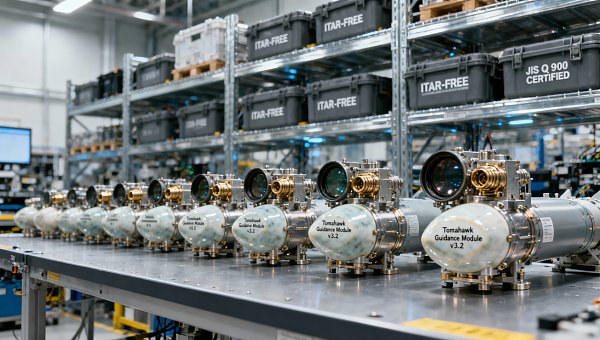
 US Delays 400 Tomahawk Missiles to Japan Amid Iran Inventory ReplenishmentTomahawk missiles delay to Japan sparks urgent demand for alternative guidance, navigation & secure comms suppliers—key opportunity for export-ready defense electronics firms.
 What to Check Before Importing an F2 Concentration Analyzer in 2026F2 concentration analyzer import guide for 2026: learn what to check on compliance, performance, integration, lifecycle cost, and supplier support before you buy.
 SF6 Concentration Analyzer Market Trends for Power and Gas Applications in 2026SF6 concentration analyzer market trends for 2026: explore accuracy, digital integration, emissions control, and buying tips for power and gas applications.
 Common HCl Concentration Analyzer Mistakes That Lead to Unstable ReadingsHCl concentration analyzer unstable readings? Discover the most common installation, calibration, sampling, and maintenance mistakes—and the practical fixes that improve accuracy fast.
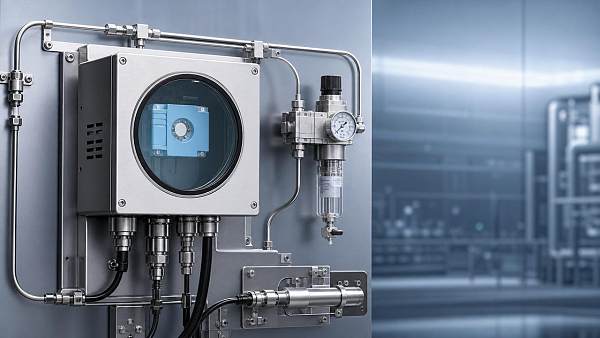
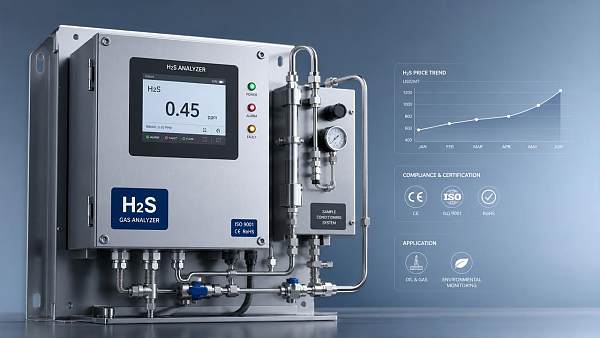
 H2S Concentration Analyzer Price Trends: What’s Driving Costs in 2026H2S concentration analyzer price trends in 2026: discover what drives costs, from sensor technology and compliance to materials and digital features, and make smarter buying decisions.
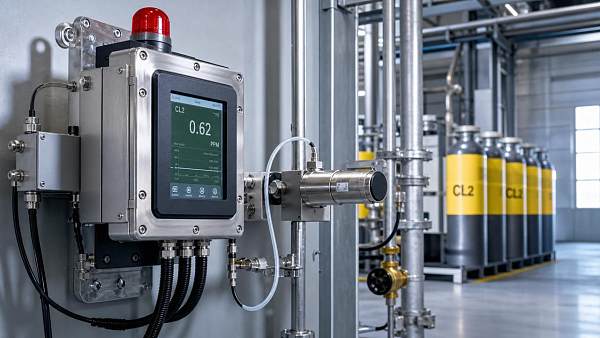
 How to Choose a Cl2 Concentration Analyzer for Process Safety in 2026Cl2 concentration analyzer selection in 2026 starts with process safety. Learn how to match scenarios, improve reliability, avoid costly mistakes, and choose with confidence.
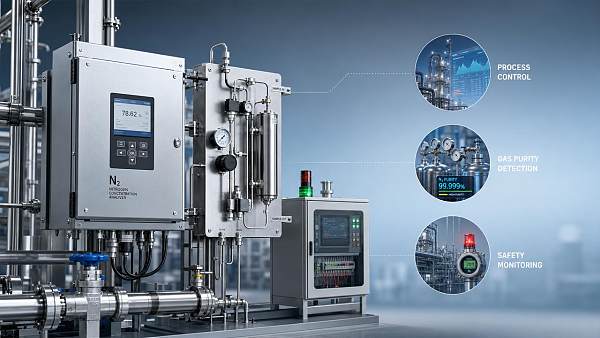
 N2 Concentration Analyzer Cost Factors for Bulk Industrial ProcurementN2 concentration analyzer cost depends on more than unit price. Compare process, purity, and safety applications with total cost logic to source smarter and reduce lifecycle risk.
 Oxygen Concentration Analyzer vs Sensor Systems: Which Fits Continuous UseOxygen concentration analyzer or sensor system? Compare stability, drift, maintenance, and uptime for continuous use to choose the most reliable fit for your process.
 SO2 Concentration Analyzer News: Compliance Demands Reshaping Product SpecsSO2 concentration analyzer trends are shifting with stricter compliance rules. Learn how new specs, data integrity, and uptime demands are reshaping smarter buying decisions.
 He Concentration Analyzer Maintenance Tips for Stable Long-Term ReadingsHe concentration analyzer maintenance tips for stable long-term readings. Learn how to reduce drift, improve calibration accuracy, cut downtime, and keep industrial systems reliable.
 CH4 Concentration Analyzer Selection Mistakes That Raise Operating RiskCH4 concentration analyzer selection mistakes can raise safety, compliance, and maintenance risk. Learn how to choose the right analyzer for reliable performance and lower lifecycle cost.
 CO Concentration Analyzer Import Rules to Watch in 2026CO concentration analyzer import rules for 2026: learn the key customs, certification, labeling, and compliance checks to reduce risk, avoid delays, and source with confidence.
 NH3 Concentration Analyzer Market Trends for Industrial Process Control in 2026NH3 concentration analyzer market trends in 2026: explore technologies, industrial applications, selection tips, and how smarter monitoring improves compliance, safety, and process control.














Search Categories
Search Categories
Latest Article
- China's Business Environment Report (2026) ReleasedChina's Business Environment Report (2026) reveals 92% digital CMA/CNAS coverage—cutting export test report time to 15 days. Boost CE, UKCA & UL certification for pressure gauges, thermostats & analyzers.Posted by:
- US MMA Tank Incident Triggers Regional Safety UpgradesUS MMA tank incident sparks urgent demand for VOCs monitoring, toxic gas modeling & intrinsically safe transmitters across LATAM and SEA.Posted by:
- NDRC Expands Energy-Saving and Carbon-Reduction Oversight to Dyeing, Chemical Fibers, and PapermakingNDRC expands energy-saving & carbon-reduction oversight to dyeing, chemical fibers, and papermaking—boosting demand for COD/NH₃-N analyzers, VOCs monitors, and CEMS systems.Posted by:
Please give us a message
