
Ambient Gas Control Problems Common in High-Traffic Sites


In high-traffic sites, ambient gas control is often challenged by fluctuating airflows, frequent door openings, equipment heat loads, and inconsistent occupancy patterns. For after-sales maintenance personnel, these issues can quickly affect sensor accuracy, alarm reliability, and overall system performance. Understanding the most common ambient gas control problems is the first step toward faster troubleshooting, more stable operation, and better long-term support for critical monitoring environments.
In instrumentation-driven environments such as laboratories, utility rooms, production corridors, battery charging areas, clean-support spaces, and enclosed service zones, ambient gas control is not only a safety function. It also supports process continuity, compliance checks, and maintenance efficiency. When a site has 200 to 2,000 daily entries, even a well-designed monitoring system can drift from expected behavior if airflow patterns, sensor placement, and service intervals are not reviewed against real operating conditions.
For after-sales maintenance teams, the practical challenge is clear: identify whether the problem comes from the environment, the instrument, the control logic, or a combination of all three. This article focuses on the most common failure modes in ambient gas control, how they appear in high-traffic sites, what maintenance personnel should inspect first, and how to build a more stable service strategy over the next 3 to 12 months.
Why High-Traffic Sites Create Repeated Ambient Gas Control Problems
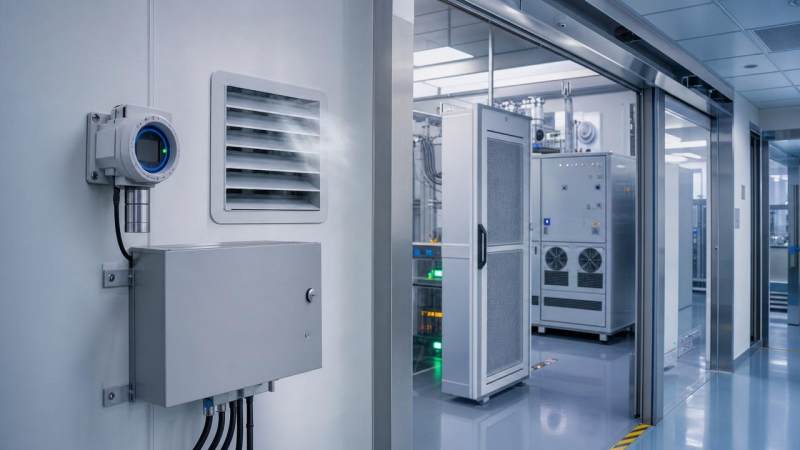
High-traffic sites behave differently from low-occupancy rooms because the air mass is constantly disturbed. Every door cycle, pallet movement, elevator opening, or shift change alters dilution rates, pressure balance, and thermal layering. In many cases, ambient gas control issues do not begin with sensor failure. They begin with unstable environmental conditions that were not fully considered during commissioning.
Airflow Instability and Short-Term Gas Dilution
One of the most common problems is rapid concentration fluctuation caused by moving air. In a corridor or service lobby with 10 to 30 door openings per hour, a detector may see alternating gas pockets and clean air streams within minutes. This creates brief signal spikes, delayed response, or apparent under-reading. Maintenance personnel often mistake this as poor sensor quality when the root cause is turbulent mixing near vents, doors, or return air grilles.
If the detector is installed less than 1 to 2 meters from a door, fan coil discharge, or loading entrance, measured values can become heavily location-dependent. In high-traffic zones, even a 0.5 to 1.0 meter relocation may noticeably improve stability. For ambient gas control systems, placement is not a minor detail. It is often the difference between reliable alarms and repeated nuisance callouts.
Heat Loads and Thermal Stratification
Equipment heat adds a second layer of complexity. Chargers, compressors, analyzers, switchgear cabinets, and control panels can raise local temperatures by 3°C to 10°C above room average. Warmer air rises, changes gas dispersion paths, and may cause stratification in enclosed zones with poor circulation. As a result, one sensor at breathing height may report normal values while a second sensor near the ceiling sees a developing accumulation pattern.
This is especially relevant when ambient gas control covers gases with different relative densities. If maintenance staff do not match detector elevation to gas behavior and room heat profile, response time can become inconsistent. In practice, this can delay alarm verification by 30 to 120 seconds during upset conditions, which is significant in areas requiring quick ventilation or evacuation decisions.
Occupancy Swings and Process Variability
A third recurring issue is occupancy variability. A site may run at 20% occupancy at 7 a.m., reach 90% during a shift overlap, and then return to low levels after midnight. Human movement changes door usage, local temperature, and air exchange patterns. In maintenance terms, the same ambient gas control loop may appear stable during a quiet inspection but unstable during peak operations.
This is why fault replication matters. If service teams test only during low traffic, they may miss the true operating disturbance. A more effective method is to log values during at least 2 or 3 traffic windows, such as shift start, lunch movement, and delivery periods. Comparing these periods often reveals whether the issue is environmental interference or genuine sensing degradation.
The table below summarizes how typical high-traffic conditions affect ambient gas control performance and what the first maintenance check should be.
The key lesson is that many ambient gas control complaints in busy facilities are condition-driven rather than component-driven. A sensor swap may temporarily reduce symptoms, but unless airflow, heat, and occupancy effects are checked together, the same issue often returns within the next service cycle.
The Most Common Failure Symptoms Seen by After-Sales Maintenance Teams
After-sales personnel usually encounter ambient gas control problems through symptoms rather than root causes. A site manager reports nuisance alarms, slow response, inconsistent readings between adjacent sensors, or unexplained ventilation starts. Turning these complaints into a reliable diagnosis requires a structured symptom map. In most facilities, 4 categories account for the majority of service events.
Frequent False Alarms or Short Spikes
False alarms are common in mixed-use service areas where carts, solvents, exhaust backflow, or outdoor air plumes briefly pass the detector. A spike that lasts 5 to 20 seconds may be enough to trigger a pre-alarm if filtering, delay settings, or alarm logic are too sensitive for the site. This is not an argument for desensitizing the system blindly. It is a reminder that ambient gas control must align with the exposure pattern of the real space.
What to verify first
- Whether alarm delay is appropriate for the room dynamics, often in the range of 5 to 30 seconds
- Whether cleaning agents, forklift exhaust, or process purge events pass near the sensor
- Whether the baseline shifts at fixed times, indicating HVAC or occupancy influence
Slow Response to Real Gas Events
Slow response is more dangerous because it creates false confidence. In high-traffic sites, dilution can prevent a detector from reaching threshold quickly even when a localized release exists. Long sample path lengths, dirty filters, blocked inlets, or poor mounting height can further slow response. A practical field check is to compare expected response time with the actual field response under a controlled bump test or approved gas challenge procedure.
If a detector that should stabilize in under 60 seconds now requires 90 to 180 seconds, the problem may involve both environmental dilution and instrument aging. Electrochemical and catalytic technologies can also drift differently under repeated temperature swings, so service history matters as much as the single test result.
Reading Mismatch Between Nearby Sensors
Two sensors installed in the same room should not be expected to read identically at every second, but persistent gaps need attention. A difference of 2% to 5% of range may be acceptable in dynamic spaces, while larger or repeatable deviations can point to placement bias, calibration offset, or local obstruction. In some facilities, one sensor sits in a dead air zone while another is exposed to active mixing, creating different realities rather than a defective device.
Ventilation Starts Without Confirmed Hazard
Unexpected ventilation activation is costly because it increases fan runtime, energy use, and equipment wear. For maintenance teams, it usually indicates logic interaction rather than a single bad detector. Ambient gas control may be linked to occupancy sensors, building management systems, time schedules, or interlocked exhaust modes. A false start every 2 to 3 hours can come from signal noise, relay chatter, or threshold overlap between stages.
The following table helps map common field symptoms to likely causes and recommended service actions.
For after-sales teams, this symptom-based approach reduces unnecessary replacements. In many ambient gas control service visits, the root problem is solved through placement correction, control logic tuning, or maintenance interval adjustment rather than full hardware changeout.
Field Troubleshooting Workflow That Saves Time and Reduces Repeat Visits
A repeatable troubleshooting workflow helps maintenance personnel avoid guesswork. In high-traffic sites, the most effective ambient gas control diagnosis usually follows 5 steps. Skipping even one of them can lead to incomplete corrective action and another callback within 7 to 30 days.
Step 1: Confirm the Complaint Window
Start by identifying when the issue occurs. Is it tied to morning occupancy, loading activity, night purge cycles, or warm afternoon conditions? A complaint without time context is difficult to resolve. Review at least 24 to 72 hours of trend data if available. If logs are limited, ask operators to note exact times for 3 to 5 events.
Step 2: Inspect the Micro-Environment
Look beyond the sensor face. Measure air movement near the detector, confirm nearby heat sources, and note doors, vents, partitions, and process equipment within roughly 2 to 5 meters. Ambient gas control depends on the air path, not just the sensor specification. Even a newly calibrated detector can behave poorly in a disturbed micro-environment.
Step 3: Verify Instrument Health
Check zero stability, response time, inlet condition, wiring integrity, and calibration history. For analog outputs, signal noise and grounding issues should also be examined. A healthy instrument should show repeatable behavior during 2 consecutive checks. If readings wander significantly at stable conditions, ambient gas control problems may include electronic or sensor-end issues, not just room dynamics.
Step 4: Review Alarm and Ventilation Logic
Many service problems are hidden in the control sequence. Verify threshold values, delay timers, hysteresis, fan staging, and reset behavior. A 1-stage alarm may work in a small room, but busier sites often need 2-stage or 3-stage logic to separate transient events from sustained concentration rise. This is especially useful where ambient gas control is integrated with building automation or energy-saving ventilation routines.
Step 5: Validate the Fix Under Real Traffic
Do not close the service case after a bench-style check only. Re-test during a live traffic period if possible. A corrected detector position, revised delay, or replaced filter should be validated when doors are active and occupancy is realistic. This step often determines whether the fix lasts 6 months or fails again in 6 days.
Practical checklist for site visits
- Download or review event logs from the last 48 hours
- Check detector location relative to doors, vents, and heat sources
- Perform approved bump or response verification
- Inspect filters, inlets, terminal connections, and signal quality
- Review control thresholds, delay, and fan interlock settings
- Confirm performance during at least 1 high-traffic operating period
This workflow improves first-time resolution because it connects ambient gas control behavior to the actual operating environment. It also gives maintenance teams a stronger record for warranty discussions, service planning, and future retrofit recommendations.
How to Improve Long-Term Ambient Gas Control Stability
Long-term stability is not achieved through calibration alone. In high-traffic sites, ambient gas control performs best when sensor layout, ventilation response, maintenance timing, and operator awareness are treated as one system. For service organizations supporting multiple sites, a preventive strategy reduces emergency visits and helps standardize support quality.
Optimize Sensor Placement During Service Upgrades
When recurring issues appear at the same location, relocation should be considered before repeated part replacement. A correction of 0.5 to 2 meters horizontally or a change in mounting height can reduce false events and improve response consistency. The best position depends on gas behavior, local airflow, room geometry, and heat load, not just the original drawing.
Adjust Maintenance Frequency to Site Traffic
A fixed 12-month interval may be acceptable in clean, stable rooms, but busier environments often need a 3-month, 6-month, or risk-based check model. Sites with heavy dust, repeated door cycling, or strong temperature variation benefit from more frequent visual inspection and response verification. This is especially true where ambient gas control influences automatic ventilation, confined support spaces, or critical laboratory support rooms.
Use Trend Review as a Service Tool
Trend review is one of the most underused maintenance tools. A 30-day pattern can reveal whether alarms cluster at shift changes, after cleaning, or during HVAC mode transitions. Instead of reacting to single incidents, after-sales teams can use these patterns to recommend timer changes, location adjustments, or staged ventilation responses that fit real use.
Train End Users on What the System Can and Cannot Do
Operators sometimes expect ambient gas control to behave like a fixed process analyzer with instant uniform readings across the room. In reality, open and occupied spaces are dynamic. A brief user briefing can reduce unnecessary service calls by explaining alarm stages, expected response behavior, and what activities should be reported. Even a 15-minute handover discussion can improve site cooperation during troubleshooting.
The table below outlines practical long-term measures that maintenance teams can recommend to improve stability and reduce repeat faults.
These measures are practical because they fit the instrumentation service reality. They do not depend on radical redesign. Instead, they improve ambient gas control by aligning the sensing point, service rhythm, and control response with the way the site actually operates.
Common Mistakes to Avoid During Maintenance and Retrofit Decisions
Even experienced teams can lose time when they focus too quickly on the wrong corrective action. Several mistakes appear repeatedly in high-traffic ambient gas control projects, especially where maintenance is reactive and site documentation is incomplete.
Replacing Sensors Before Checking the Environment
A new sensor installed in the same disturbed location will often reproduce the same symptom. If event timing correlates with door activity or HVAC transitions, investigate the air path first. Replacement should follow evidence, not frustration.
Applying Generic Alarm Delays to Every Room
A single 10-second or 15-second delay across all spaces may be convenient, but it rarely fits all conditions. A battery room, loading vestibule, compact plant room, and laboratory support corridor behave differently. Ambient gas control settings should reflect the risk profile and disturbance level of each zone.
Ignoring Cross-System Interaction
Gas detection rarely works alone. It may influence dampers, exhaust fans, make-up air, access control, warning beacons, or BMS alarms. If maintenance staff isolate only the detector, they may miss the actual trigger path. A successful service review should include at least 3 layers: field instrument, controller logic, and linked equipment behavior.
Closing the Call Without Trend-Based Verification
A system that looks normal for 20 minutes is not automatically fixed. In a high-traffic site, validation should reflect real operating variability. Ambient gas control issues that reappear after a shift change or delivery period are usually the result of incomplete verification, not bad luck.
High-traffic environments place unusual stress on ambient gas control because airflow, heat, occupancy, and control interaction change constantly throughout the day. For after-sales maintenance personnel, the most effective response is a structured approach: confirm when the problem occurs, inspect the local environment, verify instrument health, review logic, and validate the fix under real traffic conditions.
When sensor placement, maintenance intervals, and control settings are matched to the site rather than left at generic defaults, alarm reliability improves, nuisance events decrease, and service efficiency becomes easier to sustain. If you need help evaluating detector layout, troubleshooting unstable readings, or refining an ambient gas control strategy for a demanding facility, contact us today to discuss your site conditions, get a tailored support plan, and learn more about practical monitoring solutions.
Recommended for You
 C2H5OH Concentration Analyzer: Key Checks Before Import OrdersC2H5OH concentration analyzer import guide: check specs, calibration, compliance, and supplier support before ordering to reduce risk and choose the right analyzer with confidence.
 2026 Market Trends for C4H10 Concentration Analyzers in Process IndustriesC4H10 concentration analyzer market trends for 2026: discover how smarter, connected analyzers help process industries improve safety, compliance, uptime, and ROI.
 Common Safety Gaps When Using a C6H6 Concentration AnalyzerC6H6 concentration analyzer safety gaps can distort readings and delay hazard response. Learn the most common risks, practical fixes, and smarter deployment tips across industrial, lab, and environmental use.
 C7H8 Concentration Analyzer Price Trends in 2026: What Shapes CostC7H8 concentration analyzer price trends in 2026 depend on sensors, compliance, calibration, integration, and service. See what really shapes total cost before you approve a budget.
 How to Choose a C8H10 Concentration Analyzer for Stable VOC MonitoringC8H10 concentration analyzer selection guide for stable VOC monitoring. Learn how to compare performance, technology, drift, and application fit for reliable results.
 Guangdong Launches 3-Year Service Trade Plan to Boost Instrument Exports via AI and HarmonyOSGuangdong's 3-year service trade plan boosts instrument exports via AI optimization & HarmonyOS—key for ASEAN/Latin America market access. Act now.
 China-Pakistan MOU Opens Faster Certification Path for Instruments in South AsiaChina-Pakistan MOU accelerates instrument certification in South Asia—faster CCC acceptance, mutual lab recognition & Islamabad testing hub for pressure gauges, flow meters, environmental monitors.
 Gold Futures Surge 1.1%; Overseas Orders for Precious Metals Analyzers Rise 35%Gold futures surge 1.1% — driving 35% rise in overseas orders for precious metals analyzers like XRF & ICP-MS. Discover key market impacts & compliance insights.
 《中华人民共和国矿产资源法实施条例》6月15日施行,矿产分析仪出口标准升级矿产分析仪出口标准升级!《中华人民共和国矿产资源法实施条例》6月15日正式施行,助力企业合规出海、抢占全球矿产检测新机遇。
 特朗普称美伊‘基本谈成’霍尔木兹通航协议,能源监测设备出口波动预警Energy monitoring equipment export volatility warning amid Trump’s 'nearly finalized' US-Iran Strait of Hormuz navigation deal—key insights for exporters and energy sector stakeholders.
,国产存储测试设备订单窗口打开") 长鑫科技科创板IPO上会(5月27日),国产存储测试设备订单窗口打开Changxin Technology's STAR Market IPO on May 27 opens a key window for domestic memory testing equipment orders—discover growth opportunities now!
长鑫科技科创板IPO上会(5月27日),国产存储测试设备订单窗口打开Changxin Technology's STAR Market IPO on May 27 opens a key window for domestic memory testing equipment orders—discover growth opportunities now! 墨西哥拟对中国轻型车及零部件加征关税至50%,车载检测设备出口承压Mexican tariff hike to 50% on Chinese light vehicles & parts pressures exports of automotive testing equipment—key insights and mitigation strategies.
 美SEC紧急叫停‘代币化美股’计划,全球AI算力设备出口融资环境趋稳AI算力设备出口融资环境趋稳!美SEC紧急叫停‘代币化美股’计划,释放监管明确信号,利好全球合规科技投融资布局。速看深度解析。
 EU Industrial Accelerator Act Enforces 70% Local Sourcing for InstrumentsEU Industrial Accelerator Act enforces 70% local sourcing for instruments—key implications for exporters, suppliers & integrators. Act now.
 China Imposes Full Export Ban on Dual-Use Items to Japanese Military End UsersChina's dual-use export ban to Japanese military users takes effect Jan 6, 2026—impacting rare earth, semiconductor & precision manufacturing supply chains. Act now.
 Where C3H8 Concentration Analyzers Fit in 2026 Industrial Emissions MonitoringC3H8 concentration analyzer solutions are reshaping 2026 industrial emissions monitoring with better compliance, safer propane control, and smarter efficiency insights. Learn where they fit.
 B2H6 Concentration Analyzer Import and Export Updates for 2026 Compliance PlanningB2H6 concentration analyzer import and export updates for 2026: explore compliance risks, documentation priorities, and planning tips to reduce delays and support smarter cross-border decisions.
 GeH4 Concentration Analyzer Safety Risks and Detection Limits in Semiconductor UseGeH4 concentration analyzer safety risks, alarm strategy, and detection limits for semiconductor use. Learn how to reduce exposure risk, improve process stability, and choose the right monitoring solution.
 C2H4 Concentration Analyzer Price Trends in 2026: What Is Driving Cost ChangesC2H4 concentration analyzer price trends in 2026 explained: discover key cost drivers, procurement risks, and smart buying tips to balance budget, compliance, and long-term value.
 How to Compare C2H2 Concentration Analyzer Accuracy in Industrial Gas MonitoringC2H2 concentration analyzer accuracy matters beyond the datasheet. Learn how to compare drift, calibration, interference, and field reliability for safer industrial gas monitoring.
![]() SiH4 Concentration Analyzer Import Rules to Watch in 2026SiH4 concentration analyzer import rules are tightening in 2026. Learn the key documents, compliance checks, and procurement tips to avoid delays and speed project delivery.
SiH4 Concentration Analyzer Import Rules to Watch in 2026SiH4 concentration analyzer import rules are tightening in 2026. Learn the key documents, compliance checks, and procurement tips to avoid delays and speed project delivery. HF Concentration Analyzer Demand Shifts Across Key IndustriesHF concentration analyzer demand is shifting across chemical, refining, environmental, and advanced manufacturing sectors—learn what drives safer control, compliance, and precision upgrades.
 Common HCN Concentration Analyzer Mistakes in Daily OperationHCN concentration analyzer daily mistakes can quietly damage accuracy and uptime. Learn common errors, practical checks, and smart operating tips to improve reliability.
 PH3 Concentration Analyzer Price Trends in 2026PH3 concentration analyzer price trends in 2026 reveal what really drives cost, compliance, and performance. Explore key buying factors to compare quotes smarter and reduce total ownership risk.
 How to Choose an AsH3 Concentration Analyzer for Trace Gas SafetyAsH3 concentration analyzer selection starts with the right application context. Learn how to compare response, interference, integration, and lifecycle fit for safer trace gas monitoring.
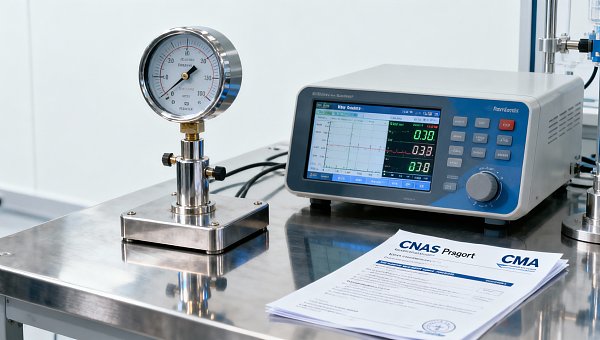
 Released") China's Business Environment Report (2026) ReleasedChina's Business Environment Report (2026) reveals 92% digital CMA/CNAS coverage—cutting export test report time to 15 days. Boost CE, UKCA & UL certification for pressure gauges, thermostats & analyzers.
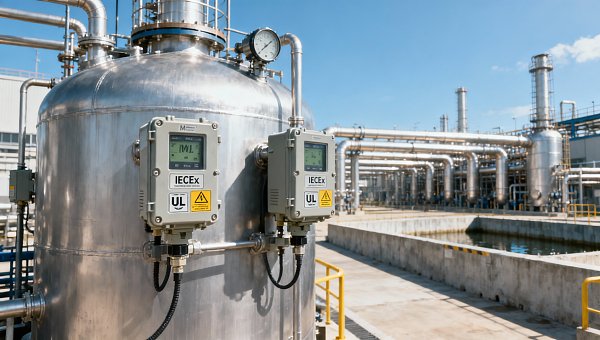
China's Business Environment Report (2026) ReleasedChina's Business Environment Report (2026) reveals 92% digital CMA/CNAS coverage—cutting export test report time to 15 days. Boost CE, UKCA & UL certification for pressure gauges, thermostats & analyzers. US MMA Tank Incident Triggers Regional Safety UpgradesUS MMA tank incident sparks urgent demand for VOCs monitoring, toxic gas modeling & intrinsically safe transmitters across LATAM and SEA.
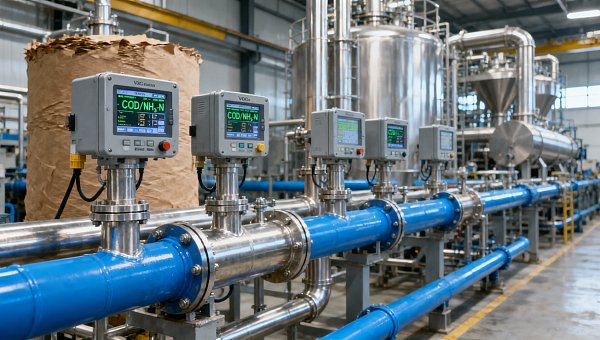
 NDRC Expands Energy-Saving and Carbon-Reduction Oversight to Dyeing, Chemical Fibers, and PapermakingNDRC expands energy-saving & carbon-reduction oversight to dyeing, chemical fibers, and papermaking—boosting demand for COD/NH₃-N analyzers, VOCs monitors, and CEMS systems.
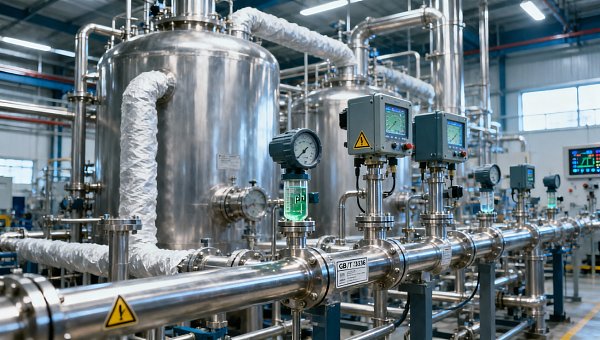
 MIIT Sets 2026 Energy-Saving Inspection Targets for High-Energy ChemicalsMIIT Sets 2026 Energy-Saving Inspection Targets for High-Energy Chemicals—urgent demand surges for certified pH meters, gas analyzers & explosion-proof controllers.
 MOFCOM: FDI in China Down 10.3% Jan–Apr 2026, but Manufacturing Up 12.1%FDI in China fell 10.3% Jan–Apr 2026—but manufacturing FDI surged 12.1%, led by high-tech sectors. Discover what this means for precision metrology, sensors & calibration providers.
 PBOC Conducts 600-Billion-Yuan MLF Operation, Boosting RMB Stability for Testing Equipment ExportsPBOC's 600-billion-yuan MLF operation boosts RMB stability—key for NDT equipment exporters using LC/DA terms. Reduce FX risk, optimize hedging & improve cash flow planning now.
 EU Steel Strategy Upgrade: CBAM Expansion to Machinery & InstrumentsEU Steel Strategy Upgrade expands CBAM to machinery & instruments (HS 84/90) — LCA data mandatory from 1 July 2026. Act now to avoid delays & ensure compliance.







Search Categories
Search Categories
Latest Article
- C2H5OH Concentration Analyzer: Key Checks Before Import OrdersC2H5OH concentration analyzer import guide: check specs, calibration, compliance, and supplier support before ordering to reduce risk and choose the right analyzer with confidence.Posted by:
- 2026 Market Trends for C4H10 Concentration Analyzers in Process IndustriesC4H10 concentration analyzer market trends for 2026: discover how smarter, connected analyzers help process industries improve safety, compliance, uptime, and ROI.Posted by:
- Common Safety Gaps When Using a C6H6 Concentration AnalyzerC6H6 concentration analyzer safety gaps can distort readings and delay hazard response. Learn the most common risks, practical fixes, and smarter deployment tips across industrial, lab, and environmental use.Posted by:
Please give us a message
