
Electrochemistry Oxygen Analyzer Accuracy: What Affects Long-Term Performance


For technical evaluators, Electrochemistry Oxygen Analyzer accuracy is not defined by initial specifications alone. Long-term performance depends on sensor stability, calibration practices, sample conditions, ambient environment, and maintenance quality. Understanding how these factors interact helps teams reduce measurement drift, improve reliability, and make better decisions when selecting analyzers for demanding industrial and laboratory applications.
Why does long-term Electrochemistry Oxygen Analyzer accuracy change over time?
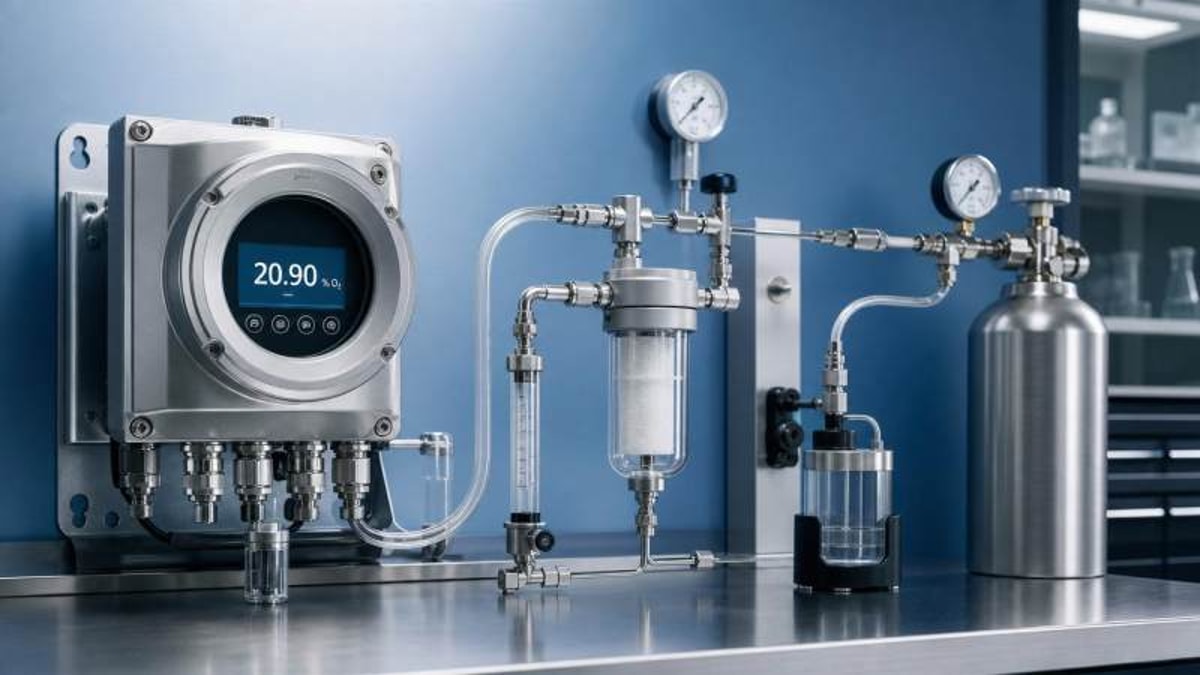
An Electrochemistry Oxygen Analyzer is widely used where oxygen concentration must be tracked with practical sensitivity, compact design, and manageable operating cost. In the broader instrumentation industry, these analyzers support industrial manufacturing, power generation, environmental monitoring, laboratory analysis, medical testing support processes, construction engineering systems, and automation control platforms.
For technical assessment teams, the key issue is not whether an analyzer can produce a reading on day one. The real question is whether it can maintain dependable oxygen measurement after months of exposure to changing gas composition, operator routines, calibration intervals, and site conditions. Accuracy erosion is usually gradual, which makes it easy to miss until process quality, compliance, or energy efficiency is already affected.
Electrochemical oxygen measurement relies on a chemical reaction inside the sensor. Because the sensing element is consumptive by nature, long-term performance is influenced by both normal aging and application-specific stress. That is why a technical evaluator should review total lifecycle behavior rather than only the catalog accuracy figure.
- Sensor chemistry changes slowly with use, especially in continuous monitoring duty.
- Calibration quality can either correct normal drift or hide developing faults.
- Sampling system design often contributes more error than the analyzer electronics.
- Temperature, pressure, humidity, and contamination can alter measured oxygen partial pressure.
- Maintenance execution determines whether performance remains stable between service windows.
Initial specification vs real operating accuracy
Many purchase evaluations start with a data sheet comparison. That is necessary, but not sufficient. A listed linearity value or repeatability figure is usually measured under controlled conditions. Field operation introduces sample lag, flow instability, membrane aging, air ingress, and operator variability. In other words, nominal specification is a starting point, not a guarantee of sustained accuracy.
A more useful evaluation framework asks three questions: how fast the analyzer drifts, how predictable the drift is, and how easily the device can be restored through routine service. These points matter more in long-life industrial and laboratory deployments than small differences in brochure numbers.
What are the main factors that affect Electrochemistry Oxygen Analyzer performance?
The following table helps technical evaluators identify the most common contributors to long-term Electrochemistry Oxygen Analyzer accuracy loss across industrial and analytical environments.
This comparison shows that analyzer accuracy is a system outcome, not just a sensor property. Technical evaluators should therefore assess the analyzer, the sampling path, the maintenance routine, and the process environment as one combined measurement chain.
Sensor stability and consumable behavior
Electrochemical sensors do not age in a perfectly linear way. In stable environments, drift may remain small for long periods and then accelerate near end of life. In harsh environments, the decline can start earlier due to exposure to incompatible gases, condensate, solvent vapors, or elevated oxygen load. A technical evaluator should ask not only for stated sensor life, but also for the conditions behind that estimate.
It is also useful to confirm whether the analyzer provides diagnostics that indicate sensor depletion, slow response, or calibration frequency increase. These indicators can reduce unplanned downtime and improve replacement planning across distributed facilities.
Calibration discipline and traceability
Calibration is often treated as a routine task, yet it is one of the strongest determinants of long-term Electrochemistry Oxygen Analyzer accuracy. Poor calibration gas quality, expired cylinders, unstable regulators, or skipped stabilization time can all introduce systematic error. Even a good analyzer will underperform if calibration discipline is weak.
In regulated or quality-driven environments, evaluators should check whether calibration records can be integrated into plant quality systems, laboratory documentation, or digital maintenance platforms. This matters in modern instrumentation environments where traceability and data confidence are increasingly linked.
Sample handling errors that are frequently underestimated
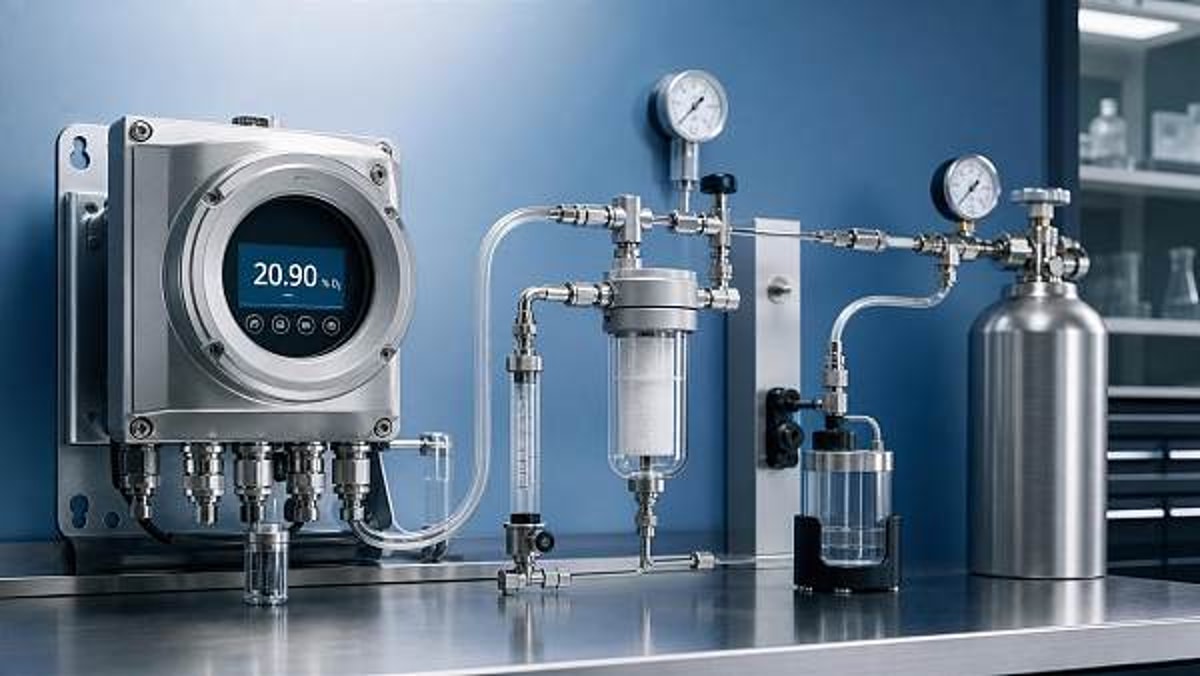
Air leakage is one of the most common reasons oxygen measurements appear unstable or unexpectedly high. Long tubing runs, loose fittings, permeable materials, and low sample pressure can allow ambient oxygen intrusion. Moisture condensation can also slow response and interfere with sensor performance. In many installations, fixing the sample path delivers more improvement than changing the analyzer itself.
- Use compatible tubing and seals based on oxygen range and gas composition.
- Keep sample lines as short as practical to reduce lag and leak exposure.
- Control sample flow within the recommended operating window.
- Install filtration or moisture management where process gas quality is variable.
Which operating scenarios create the highest accuracy risk?
Different application scenarios place different stress on an Electrochemistry Oxygen Analyzer. The table below helps evaluators align long-term performance expectations with actual use conditions rather than relying on generic specifications.
The most important takeaway is that long-term performance must be matched to duty profile. A unit that works well in a clean laboratory may not remain accurate in a dusty boiler room or in a low-level oxygen purity application with frequent line disconnects.
Industrial manufacturing and energy systems
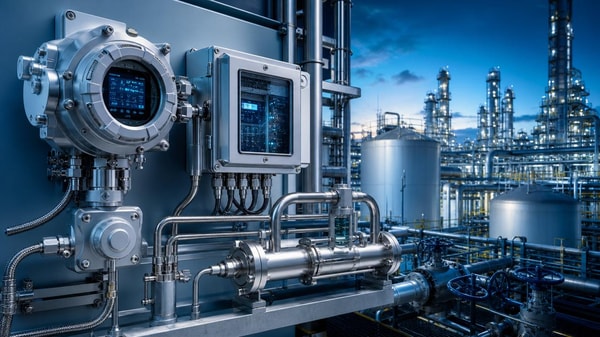
In manufacturing and energy facilities, oxygen analyzers often support combustion control, safety management, gas generation, or process quality assurance. Here, the hidden cost of poor accuracy is usually larger than the analyzer purchase price. Excess oxygen can waste fuel, while insufficient oxygen control can compromise product consistency or process safety. Evaluators should therefore examine lifecycle reliability, not just acquisition cost.
Laboratory and environmental monitoring workflows
In laboratories and environmental testing, the challenge is often consistency across operators and test cycles. Calibration traceability, stable response, and straightforward maintenance become critical. If an analyzer is difficult to verify or recover after sensor replacement, the total workload rises quickly, especially in facilities that manage many instruments across multiple test programs.
How should technical evaluators compare options before purchase?
A robust procurement review for an Electrochemistry Oxygen Analyzer should combine technical fit, service practicality, compliance needs, and integration risk. This is particularly important in the instrumentation sector, where devices must support broader automation, digital transformation, and intelligent operations rather than function as isolated measurement points.
A practical selection checklist
- Define the true operating range, including normal concentration, upset conditions, and required alarm points.
- Confirm sample characteristics such as pressure, temperature, moisture, particulates, and possible interfering components.
- Check calibration method, recommended interval, and whether traceable gases are easy to source.
- Estimate sensor replacement frequency and the operational impact of maintenance downtime.
- Review output signals, communication needs, and compatibility with control or data acquisition systems.
- Assess documentation quality, commissioning support, and post-sale service responsiveness.
What specifications deserve deeper scrutiny?
Technical evaluators should pay close attention to response time under actual sample conditioning, drift behavior over time, acceptable ambient temperature range, sensor replacement procedure, and diagnostic capabilities. A strong analyzer should make performance deterioration visible before measurements become unreliable. Hidden failure modes are expensive because they can damage process decisions while still appearing plausible on the display.
It is also wise to compare the analyzer’s practical service model. Can operators replace the sensor on site? Is recalibration straightforward? Are consumables standard and available within the required delivery window? These are often decisive factors when procurement teams manage multiple facilities or compressed shutdown schedules.
What maintenance and implementation practices protect long-term accuracy?
Even a well-selected Electrochemistry Oxygen Analyzer can lose performance if implementation is weak. Long-term accuracy protection starts before startup and continues through every service cycle. The most successful facilities treat oxygen analysis as a managed measurement process rather than a fit-and-forget device.
Recommended implementation steps
- Verify installation location for stable ambient conditions and easy maintenance access.
- Pressure-test or leak-check the sample path before commissioning.
- Document baseline calibration and initial response behavior after startup.
- Set periodic inspection points for filters, tubing, fittings, and moisture traps.
- Trend calibration adjustments over time to identify developing drift patterns.
- Train operators to distinguish process changes from analyzer-related anomalies.
Common mistakes that shorten useful accuracy life
Frequent mistakes include installing the analyzer without proper gas conditioning, using calibration gases that do not reflect the intended range, delaying sensor replacement after clear drift signs, and ignoring the effect of line leaks in low-oxygen applications. Another common issue is evaluating analyzer performance without separating sensor behavior from sampling system problems.
For technical evaluators, this means supplier support should be judged partly on implementation guidance. A capable instrumentation partner should help clarify sample conditions, interface requirements, maintenance logic, and commissioning checkpoints rather than simply shipping hardware.
FAQ: what do buyers and evaluators ask most often?
How often should an Electrochemistry Oxygen Analyzer be calibrated?
There is no universal interval because calibration frequency depends on sensor loading, application criticality, ambient stability, and internal quality requirements. In stable clean service, intervals may be extended after trend review. In critical industrial or low-level oxygen applications, shorter intervals are often justified. The best practice is to start conservatively, record drift behavior, and then optimize the schedule using actual site data.
Is an Electrochemistry Oxygen Analyzer suitable for all oxygen ranges?
Not always. Suitability depends on the required range, sensitivity, sample cleanliness, and response expectations. Some electrochemical analyzers are effective for general oxygen monitoring, while some demanding trace or fast-changing applications may require careful review of sensor capability and sample system design. Evaluators should match technology to application instead of assuming one analyzer architecture fits every scenario.
What matters more: analyzer specification or sampling system design?
Both matter, but in many field installations the sampling system determines whether the analyzer can achieve its stated performance. Leaks, condensation, pressure instability, and dead volume often create larger errors than the electronics. That is why experienced technical evaluators review the full measurement chain before approving a procurement decision.
What should be checked when comparing suppliers?
Compare application understanding, sample system guidance, consumable lead time, documentation quality, integration support, and after-sales responsiveness. In the instrumentation industry, long-term value comes from stable operation and service clarity. A supplier that helps define parameters, calibration practice, and maintenance structure can reduce total ownership risk more effectively than one competing only on initial price.
Why choose us for Electrochemistry Oxygen Analyzer selection and project support?
In complex instrumentation projects, technical evaluators need more than a catalog. They need support that connects oxygen measurement performance with process conditions, automation requirements, maintenance planning, and delivery constraints. Our approach is built around practical selection logic for industrial manufacturing, energy and power, environmental monitoring, laboratory analysis, and other cross-industry applications where reliable measurement supports digital and operational improvement.
You can contact us to discuss key evaluation items such as operating range confirmation, sample gas conditions, calibration strategy, sensor maintenance expectations, communication interfaces, installation requirements, delivery timing, and quotation planning. If your project involves a challenging application, we can also help review sample conditioning, selection criteria, compliance considerations, and suitable configuration options before purchase.
If you are comparing Electrochemistry Oxygen Analyzer options for a new line, retrofit, laboratory setup, or process optimization project, send your application parameters and expected operating conditions. We can help you narrow the selection, identify long-term accuracy risks, and define a more reliable measurement plan before procurement moves forward.
Recommended for You
 IEC 62443-4-2:2026 Released: New Cybersecurity Requirement for Industrial ComponentsIEC 62443-4-2:2026 is live — new cybersecurity requirements for industrial components like PLCs, HMIs & gateways. Act now to meet SDL mandates and win tenders with Siemens, ABB & more.
 US BIS Adds 12 High-Precision Calibration Devices to Export Control ListUS BIS adds 12 high-precision calibration devices to export control list—laser interferometers, quantum gradiometers & more. Critical for semiconductor, aerospace & metrology firms exporting to China. Act now.
 Southeast Asia Launches Industrial Metrology Green CorridorIndustrial Metrology Green Corridor launched across ASEAN — CNAS-accredited temp, pressure & flow reports now accepted in all 10 member states. Faster customs, lower compliance costs.
 SASO Energy Labeling Rule for Field Instruments Effective July 2026SASO Energy Labeling Rule for Field Instruments takes effect July 2026 — mandatory for 17 new instrument categories. Ensure compliance now to avoid customs delays in Saudi Arabia.
 Red Sea Crisis Escalates: Suez Canal Industrial Instrument Shipping Delays to 28 DaysRed Sea Crisis escalates: Suez Canal industrial instrument shipping delays hit 28 days — urgent air freight up 320%. Act now to protect precision manufacturing & compliance.
 Vietnam Tightens Industrial Instrument Import Rules from June 2026Vietnam Tightens Industrial Instrument Import Rules from June 2026: CNAS test reports & Vietnamese labels now mandatory—avoid port detention and 15% penalties.
 PTB Launches AI Remote Calibration Cloud for CNAS LabsPTB launches CalCloud AI — the world’s first AI remote calibration cloud for CNAS labs, enabling fast, ILAC-MRA-compliant English certificates for EU-bound pressure, temperature & flow instruments.
 New China Battery Recycling Rules Take Effect Apr 27, 2026New China battery recycling rules (effective Apr 27, 2026) impact smart meter & industrial sensor exporters—ensure BMS traceability and compliance now.
 Plant Safety Analyzer Investments That Reduce Hidden Operational RiskPlant safety analyzer investments help enterprises uncover hidden operational risk, improve uptime, strengthen compliance, and protect long-term profitability.
 High Purity Monitoring: When Standard Analyzers Are No Longer EnoughHigh purity monitoring is essential when standard analyzers miss trace contamination, fast excursions, and compliance risks. Discover where advanced solutions deliver safer, smarter control.
 Explosion Proof Equipment Export Checks That Delay Overseas ShipmentsExplosion proof equipment export checks can delay overseas shipments through certificate gaps, label mismatches, and local compliance issues. Learn how distributors can reduce risks, avoid rework, and keep projects on schedule.
 Electrochemistry Oxygen Analyzer Accuracy: What Affects Long-Term PerformanceElectrochemistry Oxygen Analyzer accuracy depends on sensor stability, calibration, sampling, and maintenance. Learn what drives long-term performance and choose the right solution.
 Explosion Protected Analyzer Market Direction After New Safety UpgradesExplosion protected analyzer trends are shifting fast after new safety upgrades. Learn where the market is headed, what buyers now prioritize, and how smarter systems can reduce risk and improve ROI.
 Smart Analyzer Features That Matter More Than Marketing ClaimsSmart Analyzer features that truly impact accuracy, uptime, integration, and lifecycle cost. Learn what matters beyond marketing claims before you choose.
 Production Line Analyzer Data Gaps That Hurt Process DecisionsProduction line analyzer data gaps can quietly distort trends, delay control actions, and weaken traceability. Learn how to spot the risks and protect smarter process decisions.
 Flameproof Analyzer Lead Times and Supply Risks in Global TradeFlameproof analyzer lead times are rising due to certification, logistics, and supplier risks. Learn how distributors can reduce delays, protect margins, and source with confidence.
 Intrinsically Safe Analyzer vs Flameproof Analyzer for Compact InstallationsIntrinsically safe analyzer vs flameproof analyzer: discover which option suits compact hazardous-area installations best for safer maintenance, smaller footprint, and lower lifecycle cost.
 Industrial Oxygen Monitoring: Common Setup Errors and How to Avoid ThemIndustrial oxygen monitoring setup mistakes can trigger false readings, downtime, and safety risks. Learn the most common errors and how to avoid them for more reliable, compliant performance.
 Cost Effective Analyzer Options Without Cutting Safety StandardsCost Effective analyzer sourcing starts with safety, not shortcuts. Learn how to compare options by compliance, performance, and lifecycle value to cut costs with confidence.
 When OEM Service Makes More Sense Than Standard SupplyOEM Service helps businesses match instrumentation to exact performance, integration, and compliance needs—reducing risk, lowering lifecycle costs, and improving reliability.
 Trace Gas Detection Challenges in High-Sensitivity Production EnvironmentsTrace gas detection challenges in high-sensitivity production demand more than low limits. Explore accuracy risks, technology choices, and smart selection tips for safer, more reliable operations.
 Gas Analyzer Equipment Price Shifts: What Is Driving Costs This YearGas analyzer equipment price shifts are being driven by sensor upgrades, supply pressure, compliance, and integration needs. Learn what is raising costs this year and how to buy smarter.
 Zone 1 Analyzer Import Rules That May Affect Delivery TimelinesZone 1 analyzer import rules can quietly delay projects. Learn the certification, HS code, document, and customs checks buyers must review early to avoid costly delivery setbacks.
 Zone 2 Analyzer Applications: Where It Fits and Where It Does NotZone 2 analyzer applications explained: discover where a zone 2 analyzer delivers fast, cost-effective field performance—and when safer, more precise alternatives make better sense.
 Industrial Safety Analyzer Trends Shaping Safer Plants in 2026Industrial safety analyzer trends in 2026 are redefining safer plants with real-time monitoring, smarter integration, and better lifecycle decisions. Explore what project leaders need to know.
 Oxygen Monitoring System Basics for Safer Daily OperationsOxygen monitoring system basics made practical: learn daily safety checks, sensor placement tips, alarm readiness, and smart actions to reduce risk and improve operational safety.
 Factory Gas Analyzer Maintenance Issues That Often Go UnnoticedFactory gas analyzer maintenance issues often start with hidden sampling, calibration, or environmental faults. Learn the overlooked causes of drift and downtime before they become costly failures.
 Manufacturing Analyzer Upgrades That Improve Process StabilityManufacturing analyzer upgrades improve process stability, reduce downtime, and strengthen data accuracy. Discover how smarter analyzer investments boost quality, ROI, and operational confidence.
 When a Quality Assurance Analyzer Becomes Worth the Extra SpendQuality assurance analyzer investments pay off when they cut defects, speed verification, and improve compliance. See how to justify the extra spend with clearer ROI.
 Laboratory Gas Analyzer Selection: Key Differences That Affect Test AccuracyLaboratory Gas Analyzer selection shapes test accuracy, stability, and compliance. Learn how principles, sensitivity, sample handling, and calibration affect reliable lab results.
 How to Identify a Trusted Manufacturer for Hazardous Area AnalyzersTrusted Manufacturer selection starts with safety, certifications, and reliable support. Learn how to identify the right hazardous area analyzer partner for long-term growth.
 What a Quality Product Means in Industrial Gas AnalysisQuality Product in industrial gas analysis means more than accuracy—discover how the right analyzer improves safety, compliance, uptime, and long-term ROI across industries.
Search Categories
Search Categories
Latest Article
- IEC 62443-4-2:2026 Released: New Cybersecurity Requirement for Industrial ComponentsIEC 62443-4-2:2026 is live — new cybersecurity requirements for industrial components like PLCs, HMIs & gateways. Act now to meet SDL mandates and win tenders with Siemens, ABB & more.Posted by:
- US BIS Adds 12 High-Precision Calibration Devices to Export Control ListUS BIS adds 12 high-precision calibration devices to export control list—laser interferometers, quantum gradiometers & more. Critical for semiconductor, aerospace & metrology firms exporting to China. Act now.Posted by:
- Southeast Asia Launches Industrial Metrology Green CorridorIndustrial Metrology Green Corridor launched across ASEAN — CNAS-accredited temp, pressure & flow reports now accepted in all 10 member states. Faster customs, lower compliance costs.Posted by:
Please give us a message
