
Thermal gas analyzers can miss composition shifts at low flow


Thermal gas analyzers can struggle to detect composition shifts under low-flow conditions, creating risks for process gas control, emission gas compliance, and continuous gas monitoring. For users comparing multi gas analysis options, understanding how thermal gas, paramagnetic gas, and laser gas technologies perform in online gas, fixed gas, and portable gas applications is essential to selecting reliable instrumentation.
Why low-flow gas composition changes are often missed in real operating conditions
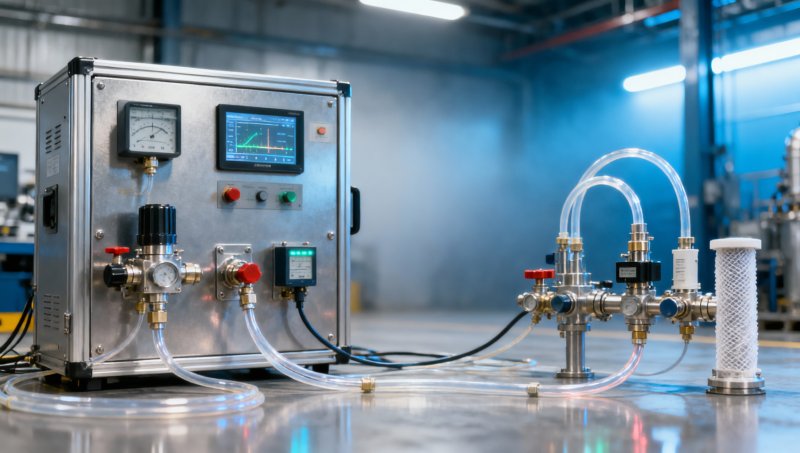
In the instrumentation industry, gas analysis is not only a measurement task but a control input for production stability, environmental compliance, and safety management. When flow drops below the normal design window, a thermal gas analyzer may see weaker heat transfer differences, slower response, or unstable interpretation of mixed gas composition. This matters in industrial manufacturing, energy systems, laboratory skids, environmental monitoring stations, and automated process lines where gas conditions are not always steady.
For operators and quality teams, the risk is practical rather than theoretical. A low-flow purge line, intermittent sampling branch, or startup condition can create a situation where the analyzer reports a stable value while the actual gas composition has shifted. In continuous monitoring systems, even a few minutes of delayed detection can affect process balance, alarm logic, or compliance records. In project evaluation, this becomes a decision issue involving sensor principle, sample system design, and maintenance planning.
Typical low-flow conditions appear in the 0.1 L/min to 2 L/min range for many sample extraction systems, although exact requirements vary by analyzer architecture and gas path design. At these rates, line dead volume, diffusion effects, and thermal equilibrium can have a larger influence than users expect. A system that performs well at 5 L/min may behave very differently at 0.5 L/min, especially when gas density, thermal conductivity, or background gas composition changes together.
For procurement and business evaluation teams, the key lesson is simple: analyzer selection should never rely on a single brochure accuracy statement. The decision should include the intended flow window, expected gas matrix variation, sample conditioning method, and whether the plant needs online gas, fixed gas, or portable gas deployment. These factors shape the real measurement confidence more than nominal laboratory specifications alone.
What usually causes hidden measurement errors at low flow
Several mechanisms contribute to missed composition shifts. First, thermal measurement principles depend on heat transfer behavior, so reduced sample movement can weaken dynamic signal change. Second, if the process stream is a multi gas mixture, thermal conductivity overlap between components can make small composition changes difficult to separate. Third, tubing length, filter loading, and condensate control may add response delay of 10 seconds to several minutes, depending on the sample train.
- Low sample velocity reduces the sensitivity of some thermal gas analyzers to rapid composition transitions.
- Gas matrix changes can distort readings when the analyzer is calibrated for a narrower background composition range.
- Long sample lines, blocked filters, and regulators with poor low-flow stability can create delayed or smoothed gas readings.
- Intermittent duty cycles during startup, batch processing, or purge sequences may expose weaknesses not seen during steady-state factory testing.
These issues are especially relevant for project managers and decision makers who oversee multiple sites. A plant may not need the most complex analyzer for every point, but it does need the right technology match for each duty. In many cases, the measurement problem is not the analyzer alone; it is the interaction between analyzer principle, sample system, installation layout, and operating range.
How thermal, paramagnetic, and laser gas analysis compare for low-flow monitoring
When users compare thermal gas analyzers with paramagnetic gas analyzers and laser gas analyzers, the right question is not which technology is universally better. The right question is which principle is better suited to the target gas, expected flow stability, required response time, and compliance purpose. In the instrumentation sector, this technology fit directly affects lifecycle cost, alarm reliability, and commissioning success.
Thermal analyzers are often attractive because they can be compact, practical, and cost-conscious for certain binary or limited-composition gas applications. Paramagnetic analyzers are widely used for oxygen measurement because they rely on oxygen’s magnetic properties rather than thermal conductivity. Laser-based analyzers, including tunable diode laser approaches in suitable applications, can provide selective measurement with fast response and reduced cross-interference when the target gas and optical path are well defined.
The comparison below helps users, procurement teams, and distributors map technology choice to field conditions. It is a practical screening tool rather than a substitute for project-specific engineering review. A difference of 1 technology level in the selection stage can later mean 2–4 extra maintenance interventions per quarter or repeated calibration checks that increase total ownership burden.
This comparison shows why many plants use more than one gas analysis principle across the same facility. A thermal gas analyzer may remain a sensible choice for a stable utility gas line, while a paramagnetic analyzer is preferred for oxygen control and a laser gas analyzer is selected for fast, selective online gas monitoring. The decision is application-specific, and low-flow performance should be verified during design review, not after site complaints begin.
Which applications are most sensitive to the choice
The most sensitive applications usually combine at least 3 conditions: variable composition, low sample flow, and operational consequence. Examples include process gas blending, inerting systems, combustion optimization, emission gas sampling, laboratory pilot plants, and leak-check skids. In these environments, the analyzer is not just reporting data; it is influencing control actions, release decisions, or quality judgments.
For portable gas tasks, response time and practical handling may outweigh extreme analytical complexity. For fixed gas and online gas systems, however, the evaluation should include process continuity, maintenance access, calibration interval, and compatibility with PLC or DCS integration. This is why engineering buyers often request not just an analyzer but a complete measurement solution.
Where low-flow composition risk matters most in industrial, environmental, and laboratory settings
Across the broader instrumentation market, low-flow gas analysis problems appear in more places than many teams expect. Industrial manufacturing uses gas analyzers for blanketing, heat treatment, welding atmospheres, and process control. Energy and power systems monitor combustion gases, oxygen levels, and emissions. Environmental monitoring relies on stable gas measurement for compliance tracking, while medical testing and laboratory analysis often require precise composition checks under small-flow sampling conditions.
In construction engineering and automation control projects, the issue often surfaces during commissioning. The installed analyzer may technically meet the order sheet, but if the sample line is longer than planned, the pressure reducer is poorly matched, or the process only provides 0.2 L/min to 1 L/min during part-load operation, the observed reading may drift or lag. This creates disputes between integrators, operators, and procurement teams unless performance expectations were clearly defined in advance.
The table below summarizes where technology selection deserves extra scrutiny. It helps information researchers, project leaders, and distributors identify whether a thermal gas analyzer is acceptable, requires careful sample system design, or should be replaced by another principle. It also supports budget discussions by linking application severity to instrumentation risk rather than to price alone.
For quality control and safety managers, the practical takeaway is to classify the monitoring point by consequence level. If a missed shift affects personnel safety, emissions evidence, or high-value product quality, the analyzer principle and sample path should be reviewed with stricter criteria. If the point is only for trend observation, a simpler setup may still be reasonable. This tiered approach usually improves both budget control and technical fit.
A 4-step way to classify your monitoring point before buying
- Define whether the gas point is for control, compliance, troubleshooting, or quality release.
- Record the normal and minimum flow range, plus whether operation is continuous, batch, or intermittent.
- List gas components that may vary together, not just the target component in isolation.
- Set an acceptable response window, such as under 30 seconds, 30–120 seconds, or several minutes.
This 4-step approach helps align plant engineers, purchasing teams, and financial approvers around measurable criteria. It also reduces the common problem of selecting a lower-cost analyzer first and then spending more later on retrofits, additional validation, or replacement technology.
What procurement teams should check before choosing a gas analyzer for online, fixed, or portable use
Procurement decisions in instrumentation are rarely based on sensor principle alone. Buyers need to compare acquisition cost, sample system complexity, control integration, spare parts, maintenance frequency, operator skill requirements, and expected service life. For low-flow gas analysis, 5 checks are especially important because a small mismatch in specification can create recurring operating cost over the next 2–5 years.
The first check is minimum verified operating flow, not just recommended flow. The second is gas matrix suitability across expected composition shifts. The third is response time under installed conditions, including tubing and filtration. The fourth is calibration and validation workload, such as weekly, monthly, or quarterly attention. The fifth is integration: outputs, alarms, data logging, and whether the analyzer can support plant automation or digital transformation goals.
For many enterprise decision makers and financial reviewers, hidden cost sits outside the analyzer body. Pumps, sample conditioning, shelters, regulators, valves, heated lines, and commissioning labor can significantly alter the project value. That is why comparing analyzer quotes without the full application package often leads to weak financial conclusions.
A practical selection checklist for B2B buyers
- Confirm the actual operating flow band, including startup, low-load, and upset conditions, not just normal design flow.
- Request application-specific suitability for thermal gas, paramagnetic gas, or laser gas methods based on the full gas mixture.
- Check whether the solution is intended for online gas, fixed gas, or portable gas use, because packaging and response expectations differ.
- Review calibration gas needs, expected maintenance interval, and operator skill level required for routine verification.
- Ask for delivery scope clarity: analyzer only, analyzer with sample handling, or complete cabinet and commissioning support.
In many projects, a standard lead time for instrumentation can range from 2–4 weeks for simple stocked configurations to 6–12 weeks for integrated panels or specialized gas paths, depending on accessories and testing scope. Early technical clarification helps avoid procurement delay. It also gives distributors and system integrators a cleaner basis for quotation, documentation, and acceptance planning.
Common procurement mistakes that increase total cost
A frequent mistake is choosing by purchase price without evaluating sample conditioning and maintenance. Another is assuming a laboratory performance figure will directly transfer to a plant environment. A third is overlooking the need for commissioning tests at low-flow conditions. These gaps can cause repeated site visits, unstable readings, and conflict between operations and suppliers. In B2B instrumentation, the cheapest initial configuration is not always the most economical over 12–24 months.
FAQ: common misconceptions, compliance concerns, and implementation advice
Teams researching gas analyzers often ask the same questions during planning, tendering, and commissioning. These questions are useful because they reveal where technical risk, budget concern, and compliance pressure overlap. The answers below are framed for industrial and commercial users who need actionable guidance rather than generic theory.
Can a thermal gas analyzer still be used in low-flow applications?
Yes, but only after confirming the analyzer’s practical low-flow behavior in the intended gas matrix and installation design. A thermal gas analyzer can remain suitable when the gas mixture is limited, composition relationships are predictable, and the sample line is engineered for minimal dead volume. If the flow regularly falls below the manufacturer’s advised range or the gas background changes unpredictably, another measurement principle may provide more reliable results.
Is low flow mainly an analyzer problem or a system design problem?
It is usually both. In many real projects, the analyzer is blamed first, but the root cause includes regulators, tubing length, filter clogging, condensate removal, or poor installation layout. A good review covers the full chain from process tap to data output. Even a high-quality online gas analyzer can underperform if the sample reaches the sensor too slowly or in an altered condition.
What standards or compliance topics should buyers pay attention to?
The exact standard depends on the application, region, and industry, but buyers should typically review electrical safety requirements, hazardous area needs where applicable, process interface compatibility, and any environmental or emissions monitoring rules relevant to the site. For critical projects, ask how the analyzer supports calibration traceability, alarm handling, and documented verification procedures. Compliance is not only a certificate issue; it is also about maintaining dependable records over time.
How long does implementation usually take?
For a standard analyzer replacement, engineering review to commissioning may take 1–3 weeks if mounting, utilities, and interfaces already exist. For a new integrated fixed gas or online gas system, the cycle can extend to 4–8 weeks or longer when sample handling, control integration, and site testing are included. Portable gas solutions are often faster to deploy, but they still need user training and validation of field measurement method.
What is the best way to reduce decision risk before ordering?
Prepare 6 key inputs before asking for quotation: target gas, background gas, flow range, pressure and temperature range, required response time, and use case category. Then ask suppliers to comment on thermal gas, paramagnetic gas, and laser gas suitability if more than one principle is relevant. This short preparation step improves quotation quality, shortens technical clarification time, and gives financial approvers a clearer basis for comparison.
Why choose us for gas analysis selection, project review, and quotation support
In the instrumentation industry, value comes from matching measurement technology to actual operating conditions, not from pushing a single analyzer type into every application. We support users, procurement teams, project managers, and channel partners with structured evaluation for process gas control, emission gas compliance, continuous monitoring, and portable investigation tasks across industrial, environmental, laboratory, and automation scenarios.
If you are comparing thermal gas analyzers, paramagnetic gas analyzers, and laser gas analyzers, we can help you review the 3 things that usually decide success: gas matrix complexity, low-flow operating behavior, and installation method. We can also discuss whether your application is better served by an online gas solution, a fixed gas configuration, or a portable gas approach based on response needs, maintenance expectations, and budget constraints.
You can contact us for parameter confirmation, product selection, delivery scope review, sample system suggestions, lead time discussion, and quotation comparison support. If your project involves compliance concerns, difficult low-flow conditions, or multiple candidate technologies, share your basic process data and operating range. A clear technical review at the start often avoids costly redesign, delayed commissioning, and analyzer replacement later.
For faster discussion, prepare your target gas components, expected flow range, pressure and temperature conditions, installation type, and whether you need standalone equipment or a complete integrated solution. With these inputs, it becomes much easier to identify the right gas analysis path, estimate implementation time, and build a purchase plan that satisfies engineering, operations, quality, and financial stakeholders together.
Recommended for You
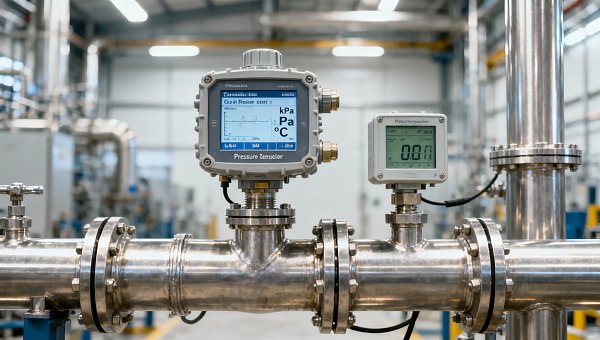
 Brazil INMETRO to Require Portuguese UI and Local Units for Industrial Instruments by 2026Brazil INMETRO mandates Portuguese UI & local units (mbar, kPa, °C) for industrial instruments by Dec 2026—key for exporters, integrators & service providers.
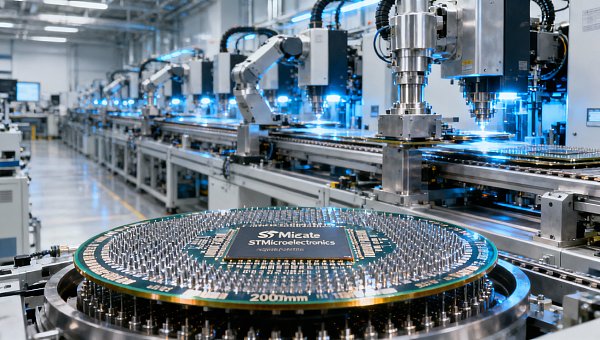
 STMicroelectronics 200mm Line Eases Industrial Sensor Chip ShortageSTMicroelectronics 200mm line eases industrial sensor chip shortage — MCUs & signal-conditioning ICs now ship in 12 weeks. Secure allocation today.
 Southeast Asia Manufacturing Re-shoring Accelerates: Vietnam/Indonesia Industrial Instrument Imports Up 37% YoYSoutheast Asia manufacturing re-shoring accelerates: Vietnam & Indonesia industrial instrument imports up 37% YoY — key insights for suppliers, OEMs & procurement teams.
 First Global White Paper on Humanoid Robot Sensor Calibration ReleasedHumanoid robot sensor calibration: First global white paper released—key for ISO/IEC JWG 23 compliance, export readiness & dynamic torque accuracy. Act now.
 SAMR to Upgrade EV Battery Recycling Standard to MandatorySAMR to upgrade EV battery recycling standard GB/T 34015—202X to mandatory by Dec 2026 — critical for exporters, BMS makers & cert labs.
 Saudi SASO Accelerates AI Energy Efficiency Rules for TransmittersSASO AI energy efficiency rules for transmitters take effect 1 June 2026 — mandatory AI simulation, Saudi climate data, and authorized lab validation required. Act now to avoid export delays.
 IEC 63278:2026 Released for Industrial Instrument CybersecurityIEC 63278:2026 is live — the first global standard mandating cybersecurity verification for industrial instruments. Discover compliance impacts, deadlines, and actionable steps for OT/IT convergence.
 Red Sea Crisis Escalates: Gulf of Aden Navigation Ban Extended to June 15, 2026Red Sea Crisis escalates: Gulf of Aden navigation ban extended to June 15, 2026—disrupting industrial instrumentation shipments to the Middle East with 458% air freight spikes and 12–18 day delays.
 US DOE Updates Efficiency Rules for Industrial SensorsUS DOE updates industrial sensor efficiency rules: AI-driven dynamic calibration required by Sept 2026. Ensure AI-Cal Verified compliance now.
 EU Mandates PEF Carbon Footprint Module for Industrial Instruments from June 2026EU mandates PEF carbon footprint module for industrial instruments from June 2026—key for exporters, OEMs & certifiers. Act now to ensure compliance.
 Explosion-Proof Instruments: Compliance Risks Before You OrderExplosion-proof instruments can trigger delays, failed inspections, and safety risks if compliance is overlooked. Learn what to verify before ordering and make safer, smarter purchasing decisions.
 Gas Quality Monitoring Equipment Import Rules to Watch in 2026Gas quality monitoring equipment import rules for 2026 are tightening. Learn the key compliance, certification, and customs risks distributors must manage to avoid delays and protect margins.
 Emission Control Shelter Demand Shifts Across Industrial ProjectsEmission control shelter demand is rising across industrial projects as buyers seek faster deployment, reliable monitoring, and compliance-ready designs. Explore key evaluation factors.
 Temperature Measurement Instruments: Selection Mistakes That Raise DowntimeTemperature measurement instruments selection mistakes can drive downtime, unstable control, and higher costs. Discover 5 common errors and practical fixes to improve reliability.
 Thermal Conductivity Analyzers: When Are They the Right Choice?Thermal conductivity analyzers are ideal for binary and high-contrast gas mixtures. Learn when they deliver reliable, low-maintenance online monitoring and smarter project value.
 Level Measurement Instruments for Tanks: What Affects ReliabilityLevel measurement instruments reliability depends on media, installation, and diagnostics. Discover what causes tank reading failures and how to improve safety, uptime, and control.
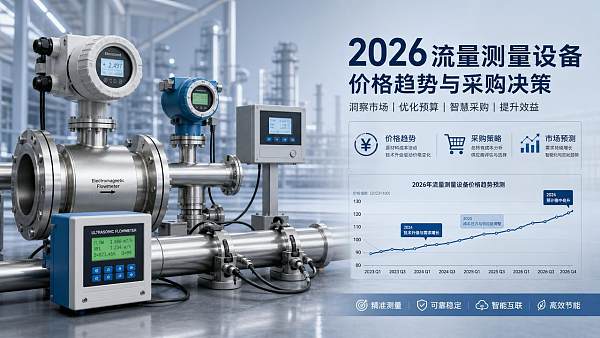
 Flow Measurement Equipment Price Trends in 2026Flow measurement equipment price trends in 2026: learn key cost drivers, budgeting risks, and smart buying strategies to improve ROI and make better procurement decisions.
 Flue Gas Monitoring Equipment: Common Accuracy Issues and FixesFlue gas monitoring equipment accuracy issues can lead to drift, false readings, and compliance risks. Discover common causes, practical fixes, and smarter maintenance tips.
 Process Control Shelter vs Control Room: Key Cost and Deployment DifferencesProcess control shelter vs control room: compare cost, deployment speed, integration, and lifecycle value to choose the smarter solution for industrial automation projects.
 How to Select an Industrial Control Shelter for Harsh Site ConditionsIndustrial control shelter selection for harsh sites: learn how to compare materials, HVAC, safety, and lifecycle cost to protect equipment, reduce downtime, and improve reliability.
 SAMR to Finalize 1,800+ Standards by 2026, Including EV Battery RecyclingSAMR to finalize 1,800+ standards by 2026—including EV battery recycling, hazardous chemical packaging & EMC immunity. Stay ahead of mandatory GB shifts and global export compliance.
 China's Largest Single-Line Large-Tow Carbon Fiber Line Starts OperationChina's largest single-line large-tow carbon fiber line is live—30,000 tons/year capacity, ASME-certified, 22% cheaper & 6-week lead time. Boost your industrial instrumentation supply chain now.
 China Mobile Unveils National Integrated Computing Power NetworkChina Mobile's National Integrated Computing Power Network accelerates AI quality inspection for global manufacturers—cutting model training time by 68% and enabling cross-border industrial AI development.
 World's First Humanoid Robot Industrial Calibration White Paper ReleasedWorld's First Humanoid Robot Industrial Calibration White Paper released—setting new global benchmarks for dynamic sensor calibration in robotics. Discover how ABB, Yaskawa & metrology leaders are reshaping industry trust.
 Red Sea Crisis Escalates: Aden Gulf Ban Extended to June 15Red Sea Crisis escalates: Aden Gulf ban extended to June 15 — disrupting industrial instrumentation trade between China and the Middle East with 452% air freight spikes and 7–12 day delays.
 Saudi SASO Introduces AI-Based Energy Validation for Industrial TransmittersAI-based energy validation for industrial transmitters is now mandatory in Saudi Arabia—learn how SASO’s new AI regulation impacts global exporters, compliance timelines, and supply chains.
 IEC TC65 Releases Cybersecurity Validation Guide for Industrial InstrumentsIEC TC65’s new Cybersecurity Validation Guide for Industrial Instruments mandates SDL certification & firmware signing—key for EU/US market access. Act now to align with GB/T 42278-2026 and avoid export delays.
 EU PEF Carbon Footprint Database Mandatory Access for Industrial InstrumentsEU PEF Carbon Footprint Database mandatory access starts June 2026 for industrial instruments—pressure, temperature & flow meters. Ensure compliance now to avoid EU customs delays and market exclusion.
 Gas Quality Analyzer Shelter Price Trends and Specification Gaps to WatchGas quality analyzer shelter price trends vary with materials, HVAC, safety, integration, and compliance. See key specification gaps before shortlisting suppliers or approving budget.
 Process Measurement Equipment: Key Accuracy Risks in Harsh EnvironmentsProcess measurement equipment in harsh environments can drift before failing. Discover key accuracy risks, warning signs, and practical controls to protect quality, safety, and compliance.
 Industrial Analyzer Shelter Export Factors Affecting Lead Times This YearIndustrial analyzer shelter export lead times vary with sourcing, engineering, compliance, packing, and logistics. Learn the key factors to quote smarter and deliver with confidence.
 What to Check Before Buying a Process Analyzer ShelterProcess analyzer shelter buying guide: learn what to check before purchase, from compliance and HVAC to utilities, durability, and maintenance access.





Search Categories
Search Categories
Latest Article
- Brazil INMETRO to Require Portuguese UI and Local Units for Industrial Instruments by 2026Brazil INMETRO mandates Portuguese UI & local units (mbar, kPa, °C) for industrial instruments by Dec 2026—key for exporters, integrators & service providers.Posted by:
- STMicroelectronics 200mm Line Eases Industrial Sensor Chip ShortageSTMicroelectronics 200mm line eases industrial sensor chip shortage — MCUs & signal-conditioning ICs now ship in 12 weeks. Secure allocation today.Posted by:
- Southeast Asia Manufacturing Re-shoring Accelerates: Vietnam/Indonesia Industrial Instrument Imports Up 37% YoYSoutheast Asia manufacturing re-shoring accelerates: Vietnam & Indonesia industrial instrument imports up 37% YoY — key insights for suppliers, OEMs & procurement teams.Posted by:
Please give us a message
