
IEC TC65 Releases Cybersecurity Validation Guide for Industrial Instruments


On May 9, 2026, the International Electrotechnical Commission (IEC) Technical Committee 65 (TC65) officially published the implementation guidance document for IEC 62443-4-2:2026 — titled Guidance on Cybersecurity Validation for Industrial Instruments. This update introduces mandatory requirements for security assurance across key field devices, directly impacting manufacturers and exporters of industrial instrumentation serving global critical infrastructure sectors.
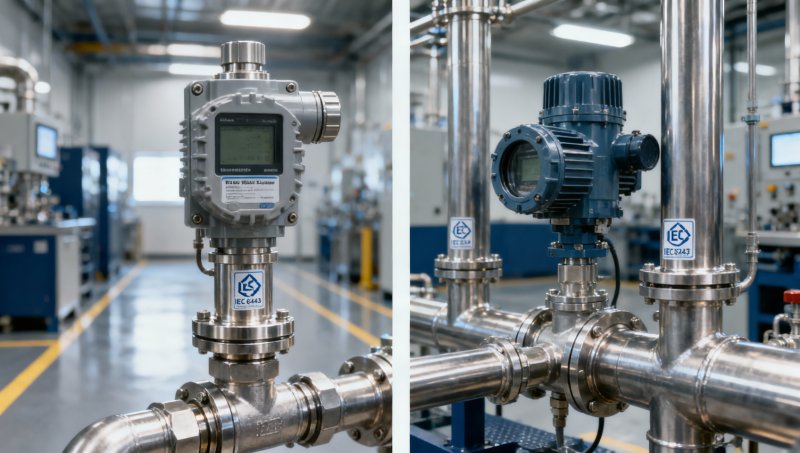
Event Overview
The IEC TC65 released the implementation guidance for IEC 62443-4-2:2026 on May 9, 2026. It specifies that industrial pressure transmitters, smart flowmeters, and similar field instruments must undergo formal Security Development Lifecycle (SDL) certification and implement firmware signature verification. China’s national standard GB/T 42278-2026 — an identical adoption of the IEC document — passed final review by the Standardization Administration of the People’s Republic of China (SAC) on May 11, 2026, and is scheduled for official publication in June 2026.
Industries Affected
Direct Export Enterprises: These companies face immediate compliance pressure for shipments to the EU, U.S., and Middle East markets, where adherence to IEC 62443-4-2 is increasingly embedded in procurement specifications and customs technical barriers. Non-compliant instruments may be rejected at port or excluded from tender processes — especially in oil & gas, water utilities, and power generation projects.
Raw Material Suppliers: Suppliers of microcontrollers, secure elements, cryptographic libraries, and trusted platform modules (TPMs) will see rising demand for components certified to Common Criteria EAL3+ or aligned with NIST SP 800-193. However, lead times and documentation traceability (e.g., SBOMs, vulnerability disclosure policies) are now material criteria — not just component specs.
Manufacturing Enterprises: Instrument OEMs and ODMs must restructure internal R&D workflows to embed SDL practices — including threat modeling, secure coding standards, penetration testing at multiple development stages, and formal evidence packaging for third-party assessment. Legacy product lines lacking firmware update mechanisms or secure boot capabilities require retrofitting or phase-out planning.
Supply Chain Service Providers: Certification bodies, test laboratories, and cybersecurity validation consultants will experience increased workload — particularly for SDL process audits and firmware integrity verification. Concurrently, logistics and customs advisory firms must upgrade their compliance dashboards to flag instrument categories subject to new cyber-certification declarations under EU Cyber Resilience Act (CRA) and U.S. NIST IR 8259A alignment pathways.
Key Focus Areas and Recommended Actions
Verify SDL Process Maturity Against IEC 62443-4-2:2026 Annex A
Enterprises should map existing development practices against the 12-stage SDL framework outlined in the guidance — especially requirements for architecture risk analysis, secure build environments, and vulnerability response SLAs. Gap assessments should be completed before June 2026, ahead of GB/T 42278-2026’s official release.
Implement Firmware Signing and Secure Boot Infrastructure
Hardware and software teams must jointly deploy cryptographic signing pipelines (e.g., using X.509-based code-signing certificates) and ensure hardware-rooted trust anchors (e.g., ARM TrustZone or dedicated secure enclaves) are integrated into next-gen designs. Unsigned or self-signed firmware will no longer meet market-access thresholds in regulated verticals.
Prepare Documentation Packages for Third-Party Assessment
Certification bodies now require structured evidence: threat models, secure coding checklists, test reports for memory safety and side-channel resistance, and firmware update rollback protection logs. Pre-assembling these artifacts reduces audit cycle time by up to 40%, according to recent industry benchmarks.
Editorial Perspective / Industry Observation
Observably, this update marks a structural shift: cybersecurity is no longer treated as a post-manufacturing add-on but as a design prerequisite baked into instrument functional safety lifecycles. Analysis shows that fewer than 28% of Chinese instrument manufacturers currently maintain auditable SDL records — suggesting a steep learning curve ahead. From an industry perspective, the convergence of GB/T 42278-2026 with EU CRA Annex II and ISA/IEC 62443-4-2 harmonization efforts signals growing regulatory interoperability — yet also raises the bar for small- and medium-sized enterprises lacking dedicated cybersecurity engineering capacity.
Conclusion
This development underscores a broader trend: industrial instrumentation is being reclassified — not merely as measurement hardware, but as networked cyber-physical assets requiring continuous assurance. The timely adoption of GB/T 42278-2026 offers domestic manufacturers a strategic window to align with global expectations while mitigating future export friction. A measured, phased rollout — prioritizing high-risk product families first — remains the most pragmatic path forward.
Source Attribution
Primary sources: IEC TC65 Secretariat (Publication No. IEC/TR 62443-4-2:2026 Guidance Document, issued May 9, 2026); Standardization Administration of China (SAC) Final Review Notice No. SAC-2026-047, dated May 11, 2026). Ongoing monitoring is recommended for: (1) official promulgation date and effective timeline of GB/T 42278-2026; (2) updates to EU Notified Body designation lists for IEC 62443-4-2 validation; (3) U.S. CISA’s forthcoming alignment guidance for industrial control system (ICS) device cybersecurity labeling.
Recommended for You
 SAMR to Finalize 1,800+ Standards by 2026, Including EV Battery RecyclingSAMR to finalize 1,800+ standards by 2026—including EV battery recycling, hazardous chemical packaging & EMC immunity. Stay ahead of mandatory GB shifts and global export compliance.
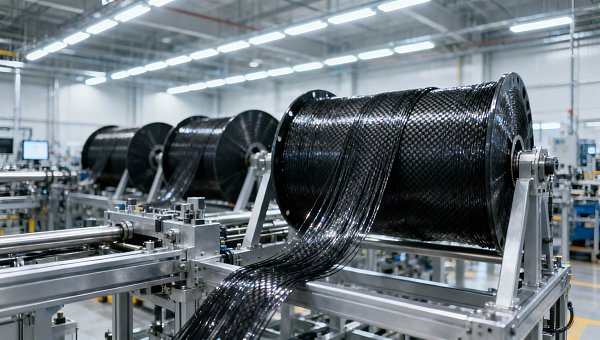
 China's Largest Single-Line Large-Tow Carbon Fiber Line Starts OperationChina's largest single-line large-tow carbon fiber line is live—30,000 tons/year capacity, ASME-certified, 22% cheaper & 6-week lead time. Boost your industrial instrumentation supply chain now.
 China Mobile Unveils National Integrated Computing Power NetworkChina Mobile's National Integrated Computing Power Network accelerates AI quality inspection for global manufacturers—cutting model training time by 68% and enabling cross-border industrial AI development.
 World's First Humanoid Robot Industrial Calibration White Paper ReleasedWorld's First Humanoid Robot Industrial Calibration White Paper released—setting new global benchmarks for dynamic sensor calibration in robotics. Discover how ABB, Yaskawa & metrology leaders are reshaping industry trust.
 Red Sea Crisis Escalates: Aden Gulf Ban Extended to June 15Red Sea Crisis escalates: Aden Gulf ban extended to June 15 — disrupting industrial instrumentation trade between China and the Middle East with 452% air freight spikes and 7–12 day delays.
 Saudi SASO Introduces AI-Based Energy Validation for Industrial TransmittersAI-based energy validation for industrial transmitters is now mandatory in Saudi Arabia—learn how SASO’s new AI regulation impacts global exporters, compliance timelines, and supply chains.
 IEC TC65 Releases Cybersecurity Validation Guide for Industrial InstrumentsIEC TC65’s new Cybersecurity Validation Guide for Industrial Instruments mandates SDL certification & firmware signing—key for EU/US market access. Act now to align with GB/T 42278-2026 and avoid export delays.
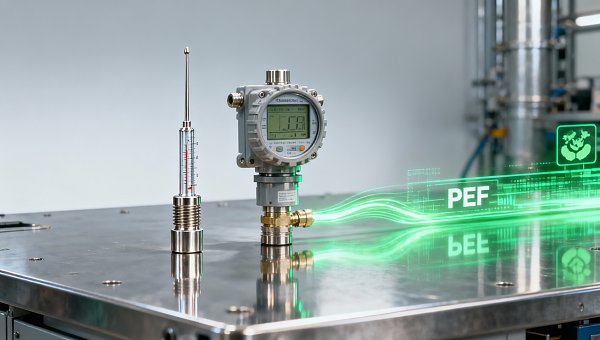
 EU PEF Carbon Footprint Database Mandatory Access for Industrial InstrumentsEU PEF Carbon Footprint Database mandatory access starts June 2026 for industrial instruments—pressure, temperature & flow meters. Ensure compliance now to avoid EU customs delays and market exclusion.
 Gas Quality Analyzer Shelter Price Trends and Specification Gaps to WatchGas quality analyzer shelter price trends vary with materials, HVAC, safety, integration, and compliance. See key specification gaps before shortlisting suppliers or approving budget.
 Process Measurement Equipment: Key Accuracy Risks in Harsh EnvironmentsProcess measurement equipment in harsh environments can drift before failing. Discover key accuracy risks, warning signs, and practical controls to protect quality, safety, and compliance.
 Industrial Analyzer Shelter Export Factors Affecting Lead Times This YearIndustrial analyzer shelter export lead times vary with sourcing, engineering, compliance, packing, and logistics. Learn the key factors to quote smarter and deliver with confidence.
 What to Check Before Buying a Process Analyzer ShelterProcess analyzer shelter buying guide: learn what to check before purchase, from compliance and HVAC to utilities, durability, and maintenance access.
 Process Monitoring Equipment Trends Shaping Plant Upgrades in 2026Process monitoring equipment trends for 2026 reveal how smarter plant upgrades can cut downtime, improve compliance, boost efficiency, and deliver faster ROI.
 Flue Gas Analyzer Shelter Maintenance Issues That Shorten Service LifeFlue gas analyzer shelter maintenance issues can quietly shorten equipment life. Learn the key risks, warning signs, and practical checks to reduce downtime and protect accuracy.
 Emission Analyzer Shelter vs Outdoor Mounting: Which Reduces DowntimeEmission analyzer shelter vs outdoor mounting: discover which setup cuts downtime, improves analyzer reliability, and lowers lifecycle risk in harsh or compliance-critical environments.
 Common Gas Quality Equipment Selection Mistakes in Industrial ProjectsGas quality equipment selection mistakes can delay industrial projects and raise compliance risks. Learn how to choose the right solution for accuracy, safety, integration, and faster commissioning.
 Gas Quality System Costs: What Shapes Total Project Spending in 2026Gas quality system costs in 2026 depend on more than analyzer price. Discover the key budget drivers, hidden expenses, and smart planning steps to control total project spending.
 How to Choose Emission Measurement Equipment for Reliable Compliance DataEmission measurement equipment selection affects compliance accuracy, uptime, and audit readiness. Learn how to compare systems, reduce risk, and choose a solution built for reliable data.
 First Global White Paper on Dynamic Calibration for Humanoid Robot Sensors ReleasedFirst global white paper on dynamic calibration for humanoid robot sensors—key for pressure & 6-axis force/torque accuracy in smart manufacturing and collaborative robotics.
 FDA Updates IVD Import Guidelines: CNAS/NIST Calibration Chain RequiredFDA mandates CNAS/NIST calibration chain for IVD pressure & temperature sensors—key for Chinese exporters. Act now to meet July 2026 deadline.
 EU PEF Carbon Database Mandatory Access for Chinese Industrial InstrumentsEU PEF Carbon Database mandatory for Chinese industrial instruments—meet June 15, 2026 deadline to keep CE marking & win EU tenders.
 IEC TC65 Releases Cybersecurity Validation Guide for Industrial InstrumentsIEC TC65 releases cybersecurity validation guide for industrial instruments—key for firmware signing, OT encryption & remote audit compliance. Act now.
 SASO Introduces AI-Based Energy Efficiency Verification for Industrial TransmittersSASO AI energy efficiency verification now mandatory for industrial transmitters in Saudi Arabia—ensure compliance before June 1, 2026 to avoid customs delays.
 ASEAN Green Customs Corridor Fully LaunchedASEAN Green Customs Corridor now live: AI-verified CNAS calibration reports slash ASEAN-China customs clearance to under 4 hours — boost precision equipment trade today.
 Process Control Equipment Price Trends Under Energy Cost PressureProcess control equipment price trends are shifting under energy cost pressure. Discover key cost drivers, total ownership factors, and smart sourcing tips to reduce risk and improve ROI.
 Multi Gas Analysis in Safety-Critical Areas: What to Check FirstMulti gas analysis starts with risk, not just instruments. Learn what to check first in safety-critical areas to improve compliance, reduce downtime, and protect people and assets.
 Industrial Analyzer Equipment: Common Failures and Maintenance TipsIndustrial analyzer equipment failures can disrupt uptime, compliance, and data accuracy. Discover common faults and practical maintenance tips to improve reliability fast.
 Industrial Measurement System Import Trends and Supply RisksIndustrial measurement system import trends and supply risks explained: learn how distributors can protect margins, reduce delays, and build stronger sourcing resilience.
 Emission Control Equipment Rules Reshaping Industrial DemandEmission control equipment is reshaping industrial investment as stricter rules drive demand for smarter monitoring, lower risk, and compliance-ready systems. Explore what buyers must evaluate now.
 Emission Measurement System Costs in 2026: What Shapes PricingEmission measurement system costs in 2026 depend on accuracy, compliance, installation, integration, and service. Learn what shapes pricing and plan a smarter investment.
 Process Measurement System Upgrades: When Do They Pay Off?Process measurement system upgrades pay off when they cut downtime, improve accuracy, and support compliance. Learn the key signals, ROI factors, and smart upgrade strategies.
 Paramagnetic Gas Measurement: Where It Performs Best in IndustryParamagnetic gas measurement delivers fast, stable oxygen analysis for combustion, emissions, and process control. Discover where it performs best and how it improves efficiency, compliance, and reliability.



























Search Categories
Search Categories
Latest Article
- SAMR to Finalize 1,800+ Standards by 2026, Including EV Battery RecyclingSAMR to finalize 1,800+ standards by 2026—including EV battery recycling, hazardous chemical packaging & EMC immunity. Stay ahead of mandatory GB shifts and global export compliance.Posted by:
- China's Largest Single-Line Large-Tow Carbon Fiber Line Starts OperationChina's largest single-line large-tow carbon fiber line is live—30,000 tons/year capacity, ASME-certified, 22% cheaper & 6-week lead time. Boost your industrial instrumentation supply chain now.Posted by:
- China Mobile Unveils National Integrated Computing Power NetworkChina Mobile's National Integrated Computing Power Network accelerates AI quality inspection for global manufacturers—cutting model training time by 68% and enabling cross-border industrial AI development.Posted by:
Please give us a message
