
How to Choose Emission Measurement Equipment for Reliable Compliance Data


Choosing emission measurement equipment has become more complex as compliance expectations, digital reporting, and operational transparency continue to rise across industries.
Reliable compliance data now depends on more than basic detection limits. It requires stable performance, method fit, defensible calibration, and clear alignment with regulatory frameworks.
In the instrumentation industry, this shift is especially important. Measurement systems now support industrial manufacturing, power generation, environmental monitoring, laboratories, and automated process control.
When emission measurement equipment is selected well, reporting risk falls, maintenance becomes more predictable, and long-term data quality improves.
This guide explains the main signals shaping equipment decisions, why those changes matter, and how to choose emission measurement equipment that supports dependable compliance outcomes.
Compliance measurement is shifting from simple detection to defensible data quality
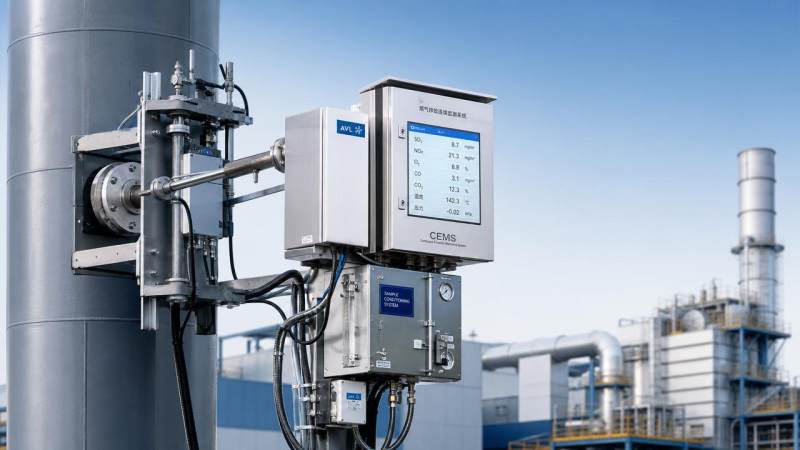
Across the comprehensive industry landscape, regulators and operators increasingly expect traceable, audit-ready, and continuous measurement records.
This change affects stack monitoring, process exhaust control, ambient air programs, combustion systems, and laboratory verification work.
Older selection logic often focused on price or single-point accuracy. That is no longer enough for reliable compliance data.
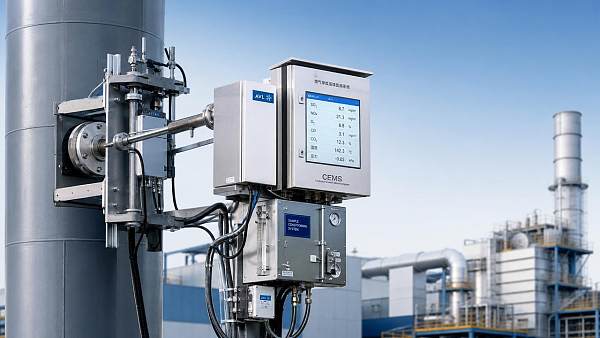
Today, emission measurement equipment must also handle drift, variable gas composition, moisture, particulate loading, and integration with digital reporting platforms.
The result is a clear trend: equipment decisions are becoming evidence-based, lifecycle-focused, and tightly linked to operational context.
Several market signals now define how emission measurement equipment is evaluated
A few recurring signals explain why selection standards are becoming stricter and more technical.
- More detailed emissions reporting requirements and tighter data validation rules.
- Broader use of continuous emissions monitoring systems in industrial and energy applications.
- Greater attention to low-concentration pollutants and fluctuating process conditions.
- Higher demand for remote diagnostics, automated calibration, and predictive maintenance.
- More integration between field instruments, control systems, and cloud-based reporting tools.
These signals make emission measurement equipment selection less about buying a device and more about building a trusted data chain.
Why these changes are accelerating
The best equipment choice depends on application reality, not brochure specifications
In the instrumentation industry, one analyzer can perform well in one setting and fail in another.
That is why application fit should come before feature comparison when evaluating emission measurement equipment.
Key application factors to examine
- Pollutants measured, such as NOx, SO2, CO, CO2, O2, VOCs, or particulate matter.
- Expected concentration range, including peaks, low-end detection, and upset conditions.
- Gas temperature, pressure, humidity, and corrosive content.
- Sampling location, duct design, access limits, and environmental exposure.
- Required response time for compliance, control, or alarm functions.
- Applicable methods, certifications, and reporting format requirements.
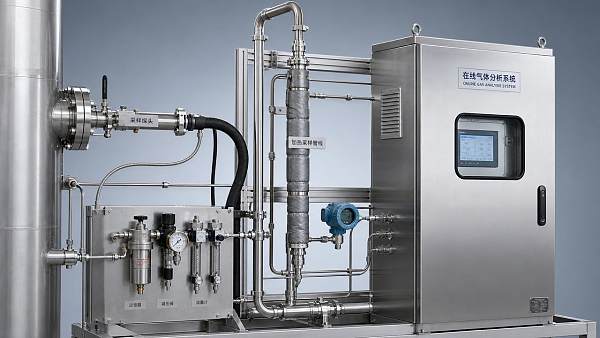
For example, extractive systems may suit complex gas conditioning needs, while in-situ systems may reduce sample handling losses.
Portable analyzers may support surveys or periodic verification, but permanent systems are better for continuous compliance programs.
Accuracy alone does not guarantee reliable compliance data over time
A common mistake is to compare emission measurement equipment only by stated accuracy under ideal laboratory conditions.
Field reliability depends on a wider set of performance indicators that directly affect data defensibility.
Core technical criteria that deserve close review
- Measurement range and turndown ratio for both normal and abnormal operating states.
- Zero drift and span drift across realistic maintenance intervals.
- Cross-sensitivity to interfering gases commonly found in the process stream.
- Sample conditioning effectiveness for moisture, dust, and corrosive compounds.
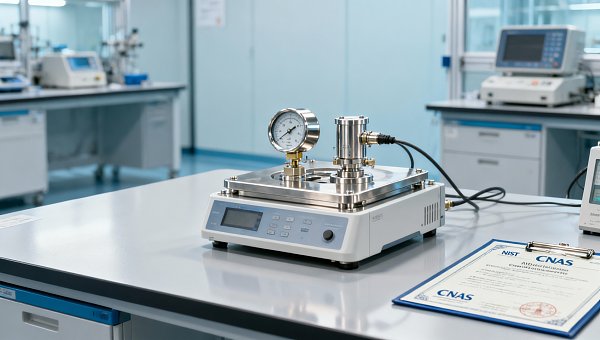
- Calibration frequency, method compatibility, and traceability support.
- Data logging integrity, time synchronization, and alarm history retention.
When emission measurement equipment maintains these parameters consistently, compliance data becomes more credible during inspections and audits.
Maintenance burden has become a strategic selection factor across industrial operations
The trend toward leaner technical teams means equipment must stay reliable without constant manual attention.
In many facilities, maintenance complexity now influences total value as much as initial purchase price.
Emission measurement equipment should therefore be reviewed as a lifecycle asset, not a one-time installation item.
Operational impacts that often appear after installation
- Frequent filter replacement can raise labor needs and data gaps.
- Complex calibration routines may increase the risk of inconsistent practice.
- Limited spare part access can extend downtime.
- Weak diagnostics may delay fault identification.
- Unstable software interfaces can disrupt reporting continuity.
Well-designed emission measurement equipment reduces these risks through modular components, remote health checks, and clear service documentation.
Different business functions feel the impact of equipment quality in different ways
Reliable emission measurement equipment affects more than environmental reporting. It shapes decisions across operations, quality systems, and digital infrastructure.
A strong evaluation framework helps separate suitable systems from risky options
The most effective approach is to assess emission measurement equipment through a structured, evidence-based review.
Priority checkpoints
- Confirm regulatory method alignment before comparing commercial options.
- Match analyzer technology to pollutant type and real gas conditions.
- Review certified performance, not only nominal specifications.
- Check service intervals, consumables, and remote support capabilities.
- Verify data handling, cybersecurity, and archive functions.
- Estimate total cost of ownership across the expected operating life.
This framework improves selection consistency and lowers the chance of choosing emission measurement equipment that struggles in actual field conditions.
The next decision should balance present compliance needs with future reporting demands
Compliance expectations will likely keep expanding toward better transparency, faster validation, and more connected monitoring systems.
That means emission measurement equipment should be selected with upgrade flexibility in mind.
- Choose systems that can scale with additional parameters or reporting channels.
- Favor platforms with stable software support and configuration transparency.
- Plan for verification, calibration, and audit evidence from the beginning.
- Treat installation design as part of measurement quality, not a separate issue.
The best results come from aligning technology choice, sample system design, maintenance planning, and reporting architecture as one system.
If a current monitoring setup is being reviewed, start by mapping pollutants, process conditions, standards, and existing data weaknesses.
Then compare emission measurement equipment against those conditions, using lifecycle performance and compliance evidence as the main filters.
A careful evaluation today can deliver more reliable compliance data, fewer surprises in operation, and stronger confidence in every reported result.
Recommended for You
 Gas Quality Analyzer Shelter Price Trends and Specification Gaps to WatchGas quality analyzer shelter price trends vary with materials, HVAC, safety, integration, and compliance. See key specification gaps before shortlisting suppliers or approving budget.
 Process Measurement Equipment: Key Accuracy Risks in Harsh EnvironmentsProcess measurement equipment in harsh environments can drift before failing. Discover key accuracy risks, warning signs, and practical controls to protect quality, safety, and compliance.
 Industrial Analyzer Shelter Export Factors Affecting Lead Times This YearIndustrial analyzer shelter export lead times vary with sourcing, engineering, compliance, packing, and logistics. Learn the key factors to quote smarter and deliver with confidence.
 What to Check Before Buying a Process Analyzer ShelterProcess analyzer shelter buying guide: learn what to check before purchase, from compliance and HVAC to utilities, durability, and maintenance access.
 Process Monitoring Equipment Trends Shaping Plant Upgrades in 2026Process monitoring equipment trends for 2026 reveal how smarter plant upgrades can cut downtime, improve compliance, boost efficiency, and deliver faster ROI.
 Flue Gas Analyzer Shelter Maintenance Issues That Shorten Service LifeFlue gas analyzer shelter maintenance issues can quietly shorten equipment life. Learn the key risks, warning signs, and practical checks to reduce downtime and protect accuracy.
 Emission Analyzer Shelter vs Outdoor Mounting: Which Reduces DowntimeEmission analyzer shelter vs outdoor mounting: discover which setup cuts downtime, improves analyzer reliability, and lowers lifecycle risk in harsh or compliance-critical environments.
 Common Gas Quality Equipment Selection Mistakes in Industrial ProjectsGas quality equipment selection mistakes can delay industrial projects and raise compliance risks. Learn how to choose the right solution for accuracy, safety, integration, and faster commissioning.
 Gas Quality System Costs: What Shapes Total Project Spending in 2026Gas quality system costs in 2026 depend on more than analyzer price. Discover the key budget drivers, hidden expenses, and smart planning steps to control total project spending.
 How to Choose Emission Measurement Equipment for Reliable Compliance DataEmission measurement equipment selection affects compliance accuracy, uptime, and audit readiness. Learn how to compare systems, reduce risk, and choose a solution built for reliable data.
 First Global White Paper on Dynamic Calibration for Humanoid Robot Sensors ReleasedFirst global white paper on dynamic calibration for humanoid robot sensors—key for pressure & 6-axis force/torque accuracy in smart manufacturing and collaborative robotics.
 FDA Updates IVD Import Guidelines: CNAS/NIST Calibration Chain RequiredFDA mandates CNAS/NIST calibration chain for IVD pressure & temperature sensors—key for Chinese exporters. Act now to meet July 2026 deadline.
 EU PEF Carbon Database Mandatory Access for Chinese Industrial InstrumentsEU PEF Carbon Database mandatory for Chinese industrial instruments—meet June 15, 2026 deadline to keep CE marking & win EU tenders.
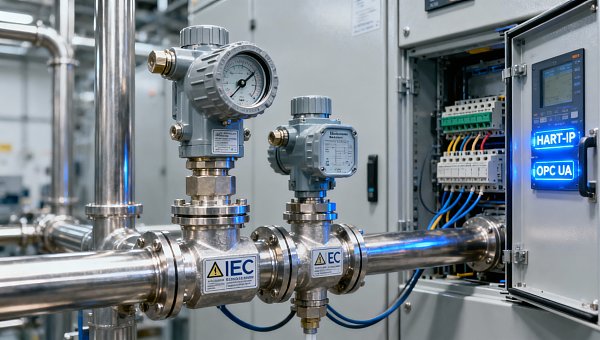
 IEC TC65 Releases Cybersecurity Validation Guide for Industrial InstrumentsIEC TC65 releases cybersecurity validation guide for industrial instruments—key for firmware signing, OT encryption & remote audit compliance. Act now.
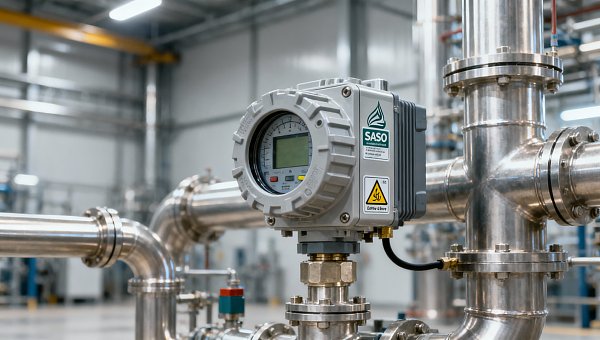
 SASO Introduces AI-Based Energy Efficiency Verification for Industrial TransmittersSASO AI energy efficiency verification now mandatory for industrial transmitters in Saudi Arabia—ensure compliance before June 1, 2026 to avoid customs delays.
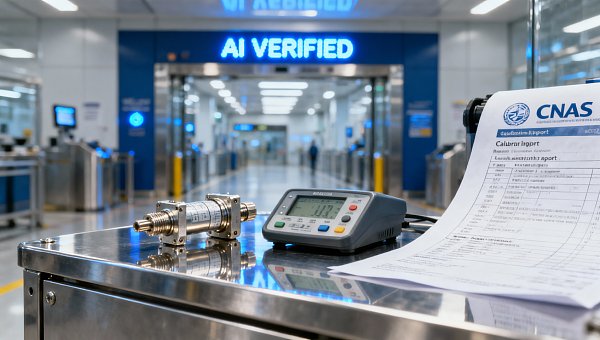
 ASEAN Green Customs Corridor Fully LaunchedASEAN Green Customs Corridor now live: AI-verified CNAS calibration reports slash ASEAN-China customs clearance to under 4 hours — boost precision equipment trade today.
 Process Control Equipment Price Trends Under Energy Cost PressureProcess control equipment price trends are shifting under energy cost pressure. Discover key cost drivers, total ownership factors, and smart sourcing tips to reduce risk and improve ROI.
 Multi Gas Analysis in Safety-Critical Areas: What to Check FirstMulti gas analysis starts with risk, not just instruments. Learn what to check first in safety-critical areas to improve compliance, reduce downtime, and protect people and assets.
 Industrial Analyzer Equipment: Common Failures and Maintenance TipsIndustrial analyzer equipment failures can disrupt uptime, compliance, and data accuracy. Discover common faults and practical maintenance tips to improve reliability fast.
 Industrial Measurement System Import Trends and Supply RisksIndustrial measurement system import trends and supply risks explained: learn how distributors can protect margins, reduce delays, and build stronger sourcing resilience.
 Emission Control Equipment Rules Reshaping Industrial DemandEmission control equipment is reshaping industrial investment as stricter rules drive demand for smarter monitoring, lower risk, and compliance-ready systems. Explore what buyers must evaluate now.
 Emission Measurement System Costs in 2026: What Shapes PricingEmission measurement system costs in 2026 depend on accuracy, compliance, installation, integration, and service. Learn what shapes pricing and plan a smarter investment.
 Process Measurement System Upgrades: When Do They Pay Off?Process measurement system upgrades pay off when they cut downtime, improve accuracy, and support compliance. Learn the key signals, ROI factors, and smart upgrade strategies.
 Paramagnetic Gas Measurement: Where It Performs Best in IndustryParamagnetic gas measurement delivers fast, stable oxygen analysis for combustion, emissions, and process control. Discover where it performs best and how it improves efficiency, compliance, and reliability.
 Gas Quality Analyzer Selection: Key Specs That Affect ResultsGas quality analyzer selection starts with the specs that truly impact results. Learn how accuracy, drift, response time, and durability affect safety, compliance, and process performance.
 How to Compare Custom Gas Analysis Options for Complex Process StreamsCustom gas analysis for complex process streams: learn how to compare technologies, sample conditioning, compliance, and maintenance to choose a reliable, application-fit solution.
 First Global White Paper on Humanoid Robot Industrial Calibration ReleasedHumanoid robot industrial calibration: First global white paper released—key for sensor makers, integrators & metrology labs. Learn impact & action steps.
 FDA Updates IVD Import Guidance: CNAS Calibration Chain RequiredFDA mandates CNAS calibration chain with NIST traceability for IVD instruments from China—act now to avoid U.S. import rejection starting July 1, 2026.
 IEC TC65 Releases Cybersecurity Validation Guidance for Industrial InstrumentsIEC TC65 releases cybersecurity validation guidance for industrial instruments—key for exporters, OEMs & integrators targeting EU/NA markets. Act now.
 ASEAN Green Corridor for Measuring Instruments Fully LaunchedASEAN Green Corridor for Measuring Instruments is live—unlock 3.8-hour customs clearance for CNAS-calibrated instruments across all 10 ASEAN nations. Act now!
 PTB Opens Direct VDA/ISO 17025 Report Portal for CNAS LabsPTB opens direct VDA/ISO 17025 report portal for CNAS labs — enabling dual-compliant calibration reports in <72h. Boost automotive audit readiness now!
 Vietnam Enforces Dual CNAS + Vietnamese Language Requirement for Industrial InstrumentsVietnam enforces dual CNAS + Vietnamese language requirement for industrial instruments (HS 9026/9027/9030) — avoid customs rejection. Act now!




Search Categories
Search Categories
Latest Article
- Gas Quality Analyzer Shelter Price Trends and Specification Gaps to WatchGas quality analyzer shelter price trends vary with materials, HVAC, safety, integration, and compliance. See key specification gaps before shortlisting suppliers or approving budget.Posted by:
- Process Measurement Equipment: Key Accuracy Risks in Harsh EnvironmentsProcess measurement equipment in harsh environments can drift before failing. Discover key accuracy risks, warning signs, and practical controls to protect quality, safety, and compliance.Posted by:
- Industrial Analyzer Shelter Export Factors Affecting Lead Times This YearIndustrial analyzer shelter export lead times vary with sourcing, engineering, compliance, packing, and logistics. Learn the key factors to quote smarter and deliver with confidence.Posted by:
Please give us a message
